
EU Adds Vibration Test for Grain Tank Automation CE Marking





On June 30, 2026, notified body TÜV Rheinland announced a new CE certification requirement for Grain Tank Automation systems in the EU. From December 1, 2026, applicants will need to pass the vibration durability test defined in EN 60068-2-64:2026. For manufacturers, importers, and project procurement teams involved in grain storage automation equipment, this is worth close attention because it directly affects certification timing, compliance documentation, and the practical cost of bringing equipment into the EU market.
What Has Been Confirmed So Far
According to the information provided, TÜV Rheinland notified the market on June 30, 2026 that all Grain Tank Automation systems applying for the CE mark must, from December 1, 2026, pass a wideband random vibration endurance test under EN 60068-2-64:2026. The stated test conditions are 5-2000 Hz, 12G rms, and 8 hours. The same information indicates that the added test is expected to materially increase certification cycle time and cost. It also states that leading Chinese grain storage automation manufacturers have already started third-party pre-testing, while overseas importers need to verify whether equipment is supported by test reports aligned with the new version.
Where the Pressure Will Appear First
Certification planning for equipment manufacturers
From an industry perspective, manufacturers of Grain Tank Automation systems are likely to feel the impact first at the certification stage. The requirement adds a defined vibration endurance test to the CE application process, so the immediate pressure point is not only technical compliance but also scheduling. What deserves closer attention is whether existing product launch, quotation, and shipment plans were built around older testing assumptions.
Importer checks will move closer to document control
For overseas importers, the issue is likely to show up in product verification and procurement review. The information provided already highlights the need to confirm whether equipment carries a test report under the updated standard. Analysis shows that this shifts part of the compliance burden from a general supplier assurance question to a more document-specific review before ordering, customs preparation, or downstream delivery commitments.
Project procurement and delivery coordination may tighten
For procurement teams and channel-side operators handling grain storage automation projects, the main impact is likely to appear in delivery coordination. If certification cycles become longer and more expensive, project sequencing, model selection, and supplier communication may all require earlier confirmation. Observably, even where demand remains unchanged, compliance timing can become a practical bottleneck in contract execution.
What Companies Should Review Now
Check whether current applications cross the December 1 threshold
A practical first step is to review which products are already in CE application and which ones will enter the process after December 1, 2026. This matters because the timing of the application may determine whether the new test becomes an immediate requirement in ongoing business planning.
Verify the status of pre-testing and formal reports
The information provided notes that leading Chinese manufacturers have begun third-party pre-testing. For suppliers, this makes pre-test progress and formal reporting status a key communication item. For buyers and importers, it means asking not only whether testing has started, but whether a usable report under EN 60068-2-64:2026 is available or pending.
Separate policy wording from usable transaction documents
Analysis shows that an announced requirement and a transaction-ready document are not the same thing. Companies should pay attention to whether sales, compliance, and delivery teams are aligned on what document set will actually be needed in orders, audits, and handover procedures. This is especially relevant where procurement decisions are being made before the effective date but delivery may occur later.
Prepare for longer lead times in customer communication
Because the provided information states that certification time and cost will rise, supplier and customer communication should reflect that change early. In practice, the most sensitive points are likely to be quotation validity, delivery expectations, and whether alternative scheduling or phased procurement plans are needed.
Why This Looks Like More Than a Routine Update
Analysis shows that this development should not be read as a simple wording adjustment in CE paperwork. The new requirement is tied to a specific durability test with clear parameters, and the market response mentioned in the provided information already points to early action by major manufacturers. It is more appropriate to understand this as a near-term operational change with possible longer-term implications for how Grain Tank Automation systems are validated for the EU market. At the same time, it remains an area that merits continued observation, especially around implementation detail, market adoption pace, and how broadly counterparties begin to treat the new report as a standard procurement condition.
How to Read the Signal at This Stage
At this stage, the clearest meaning of the update is practical rather than speculative: CE compliance for Grain Tank Automation systems entering the EU is becoming more demanding in a way that can affect testing schedules, cost structures, and trade documentation. A neutral reading is that this is already a concrete short-term compliance change, while its broader market consequences still need to be watched through actual procurement and certification practice.
Basis of This Article
This article is based on the user-provided news title, event date, and event summary. For this type of development, commonly relevant source categories may include official notices, company statements, industry association updates, authoritative media reporting, and standard-related documentation. No specific official source link was provided in the input, so the exact source documentation still requires ongoing verification. The next points to monitor are any further official wording, implementation clarifications, and how the new test-report requirement is applied in real procurement and import workflows.
Related News
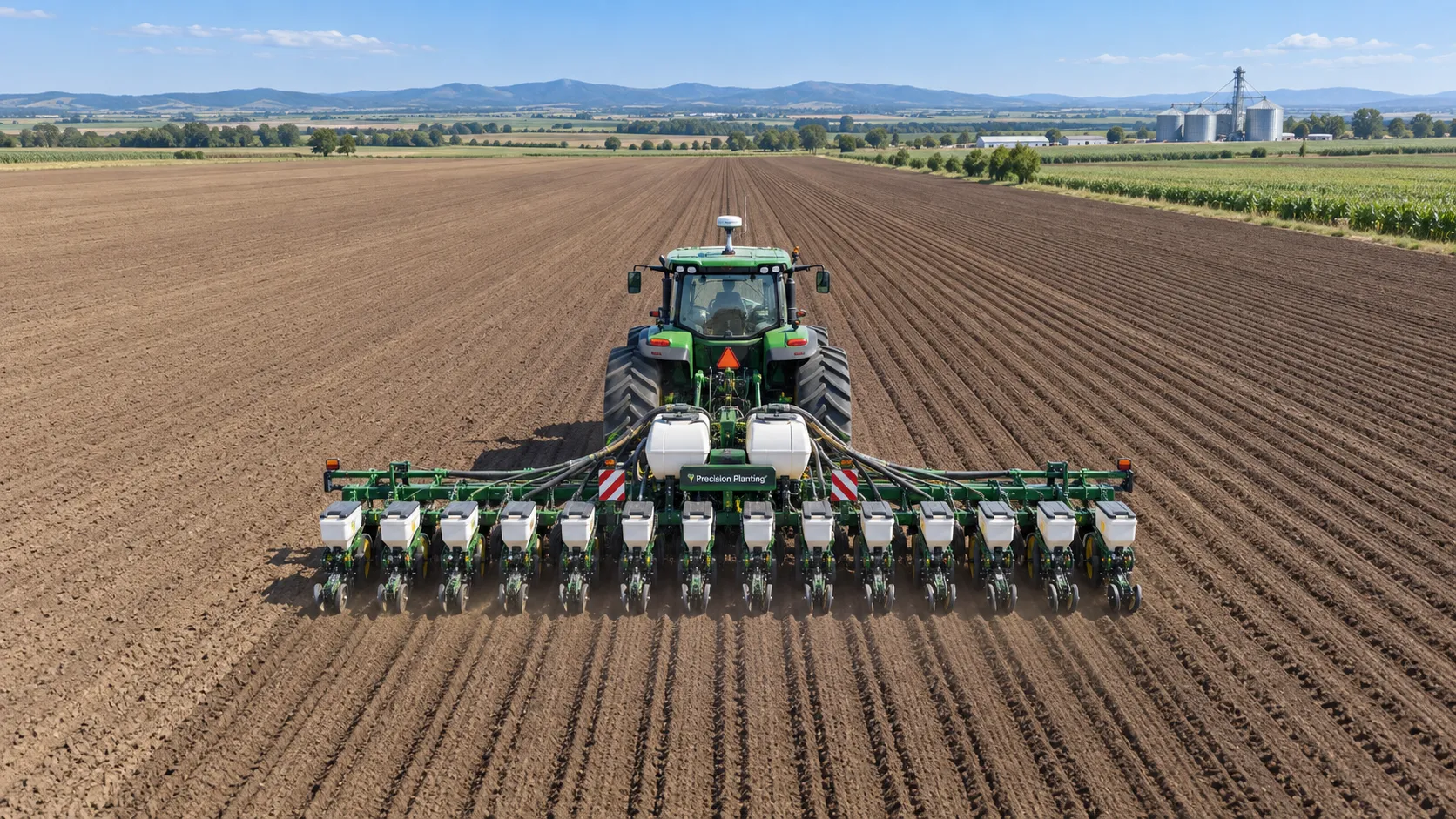
GPS-Guided Farm Machinery: Where It Delivers Measurable Field Efficiency Gains
Agri-mechanization GPS guided systems deliver measurable field efficiency gains through reduced overlap, precise planting, smarter inputs, and reliable farm data.
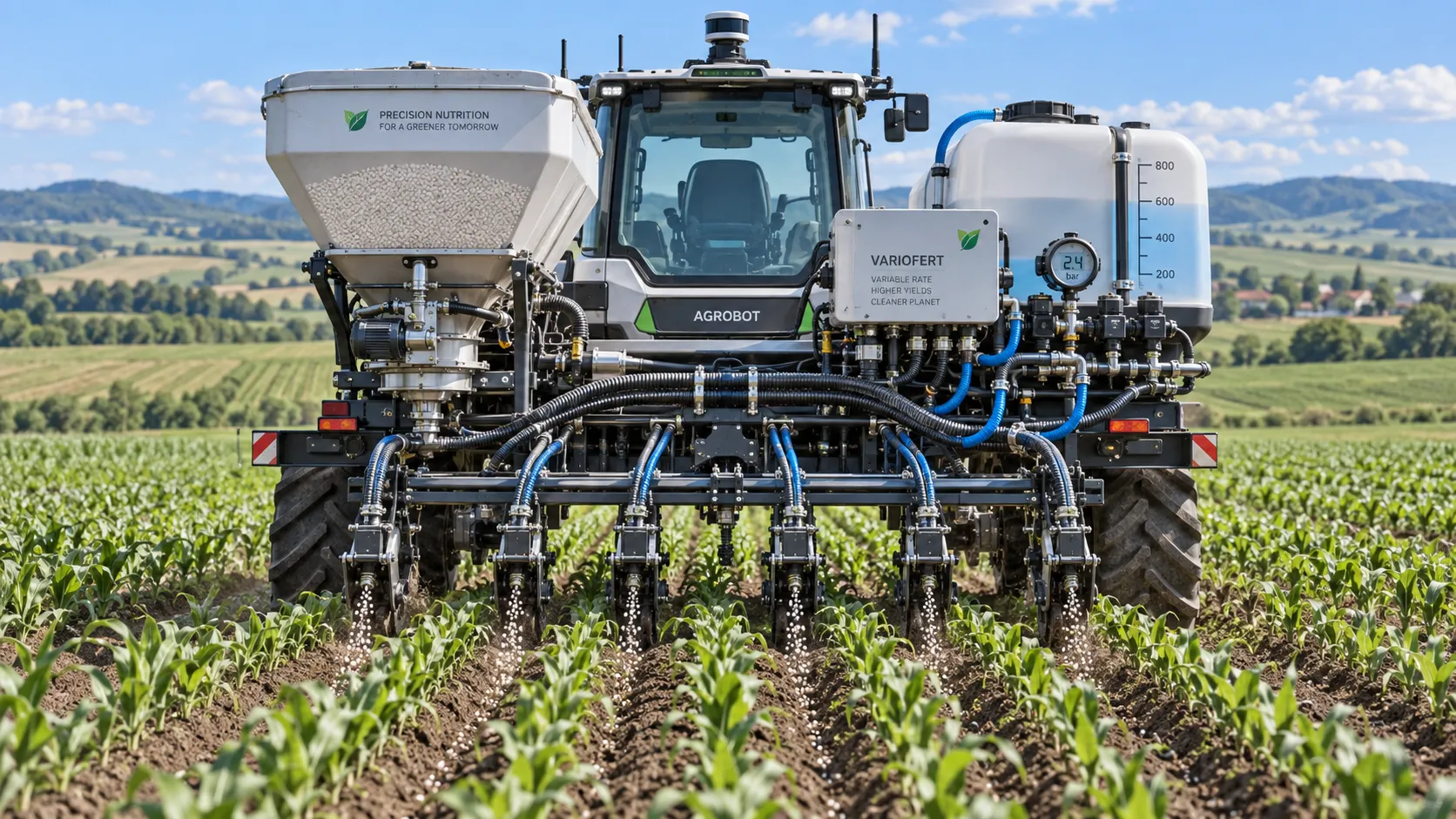
How Sensor Feedback Enables Accurate Variable-Rate Fertilization in Field Conditions
Precision fertilization systems with sensor feedback improve variable-rate accuracy by verifying flow, managing latency, and ensuring reliable field application.
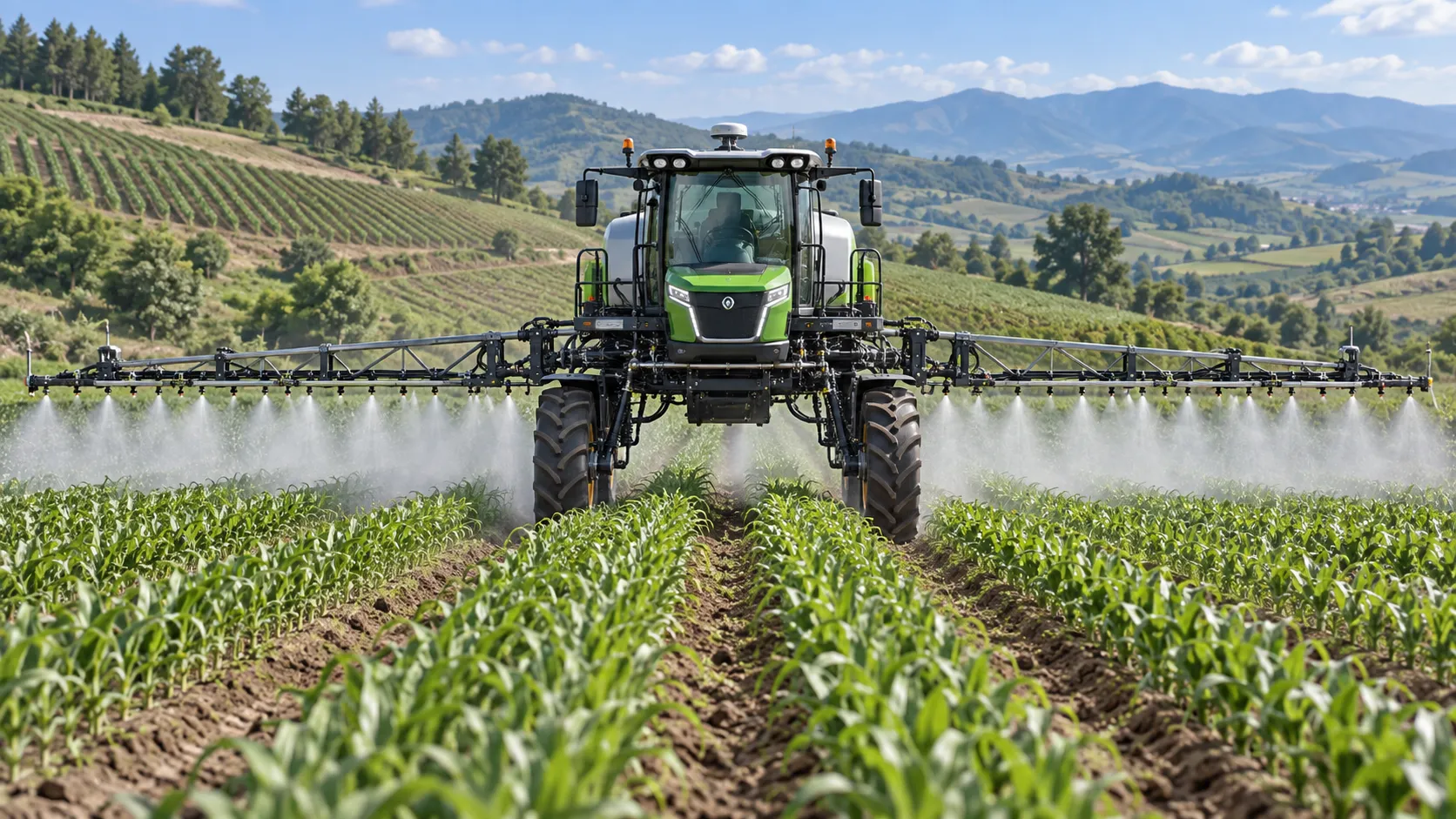
How to Select Precision Crop Protection Equipment for Variable Field Conditions
Precision crop protection equipment selection made simple: compare terrain, canopy, weather, control accuracy, and data workflows for reliable applications.

When Does Agricultural Machinery Leasing Cost Less Than Owning Equipment?
Agricultural machinery leasing can lower farm costs when use is seasonal or uncertain. Compare utilization, maintenance, cash flow, and risk to make a smarter equipment decision.
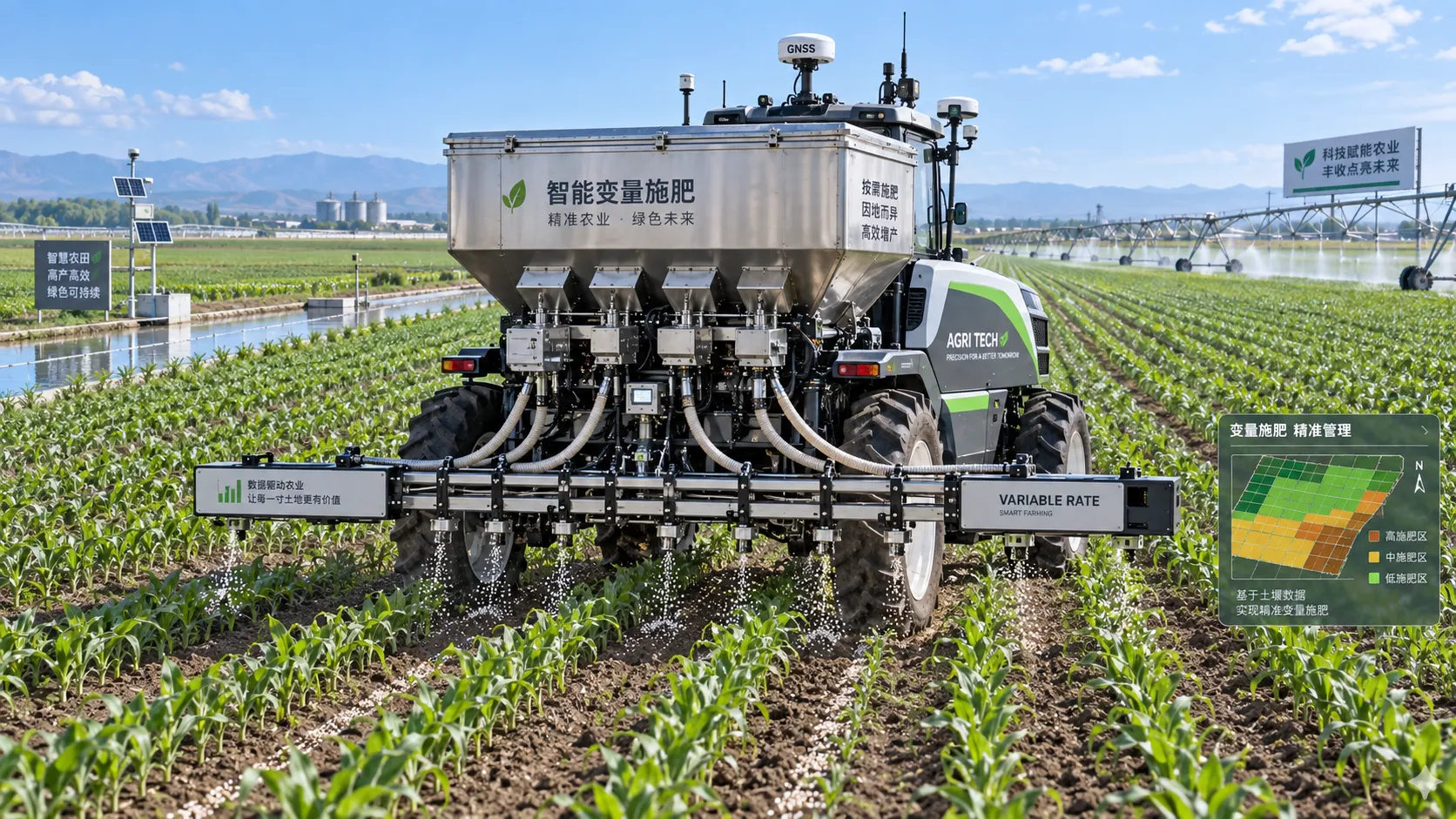
How to Evaluate Precision Fertilization System Suppliers for Farm-Scale Deployment
Precision fertilization systems suppliers: learn how to compare accuracy, integration, uptime, service, and total cost for confident farm-scale deployment.
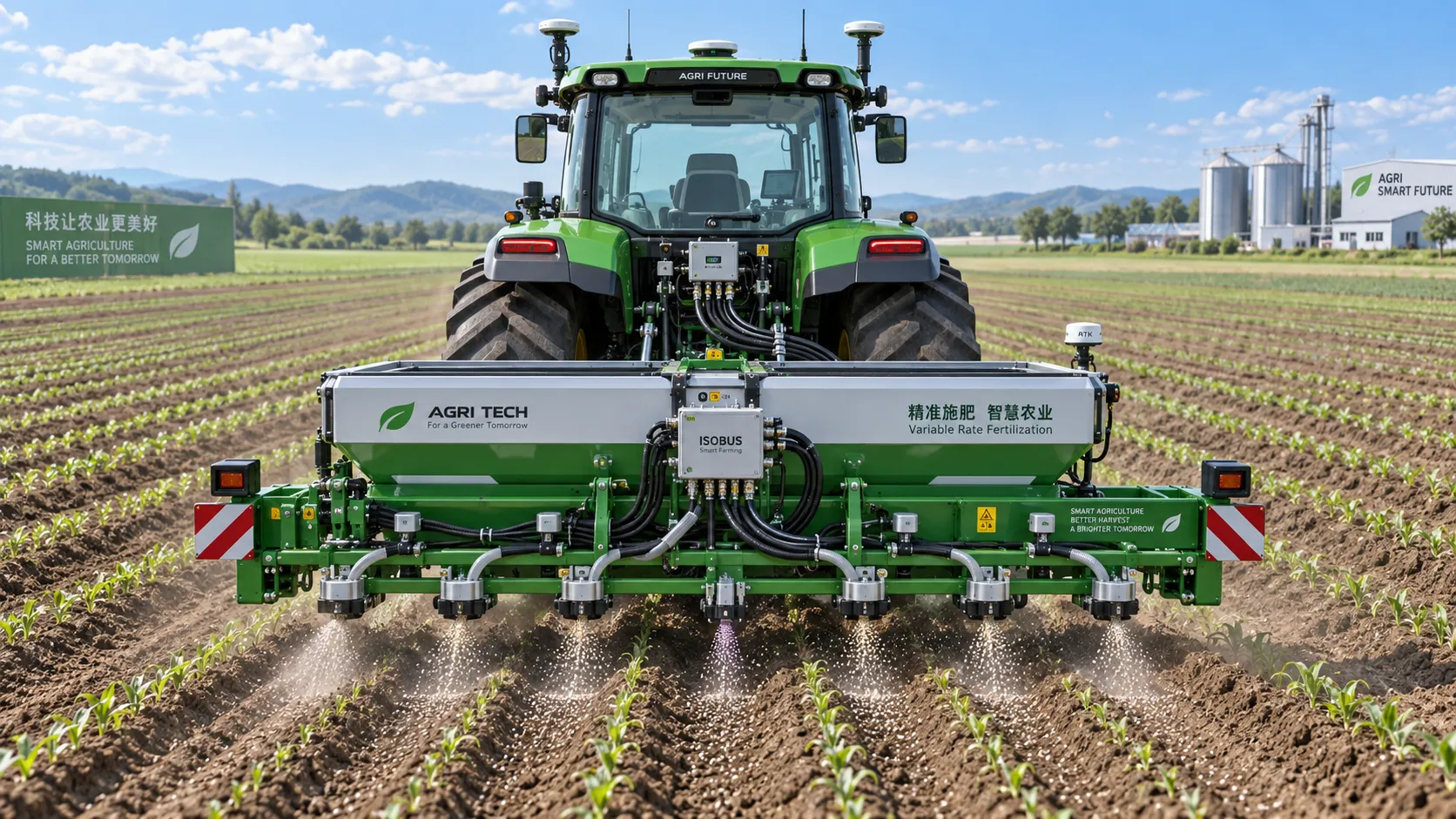
ISOBUS for Smart Agriculture: How It Connects Tractors, Implements, and Farm Data
ISOBUS for smart agriculture connects tractors, implements, terminals, and farm data—helping growers improve precision, documentation, and smarter field decisions.
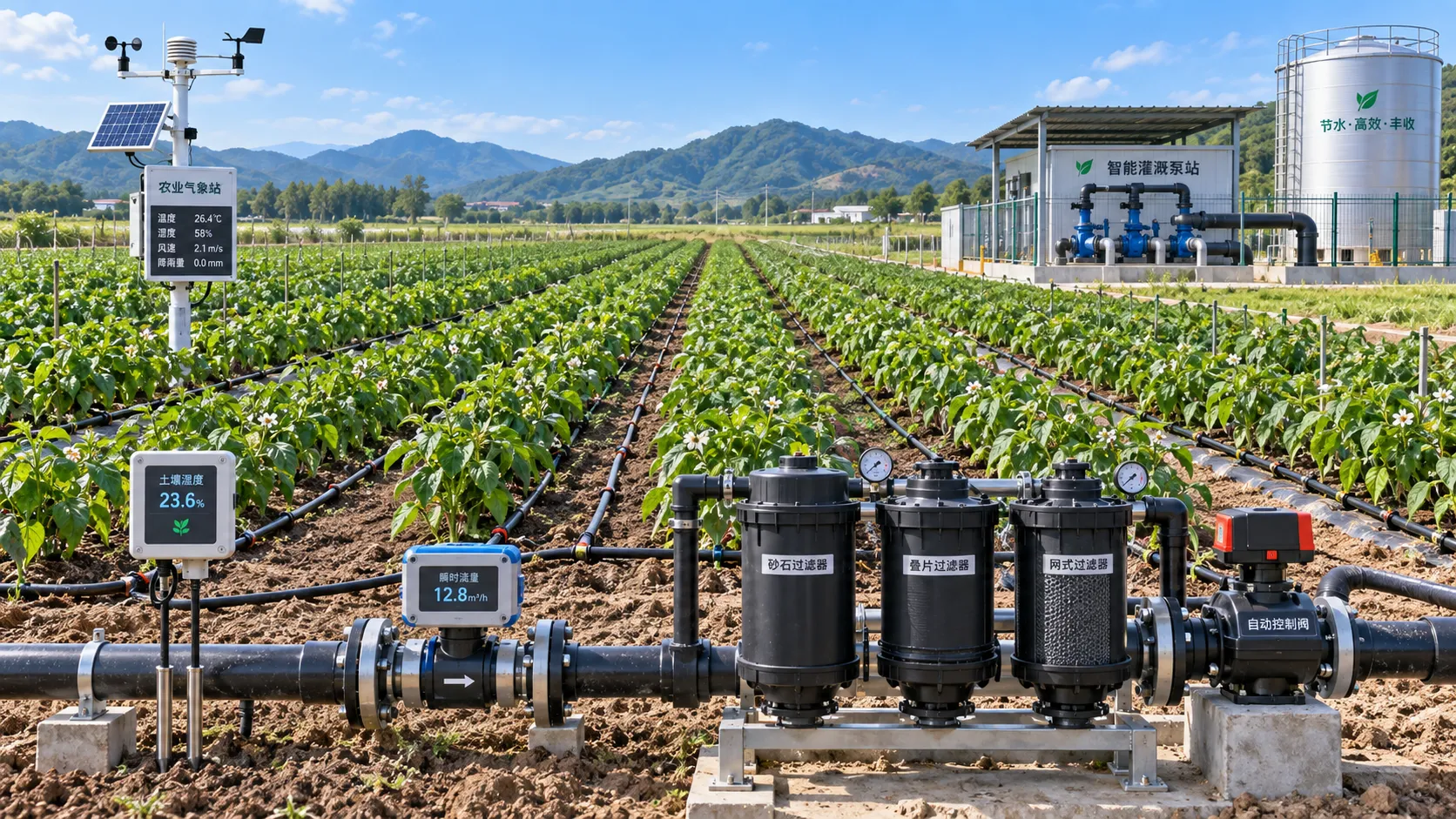
Automated Water-Saving Irrigation: How to Cut Water Use Without Reducing Crop Yields
Automated water-saving irrigation helps farms cut water use, protect crop yields, improve scheduling, and gain reliable control with sensors, flow monitoring, and smart zones.
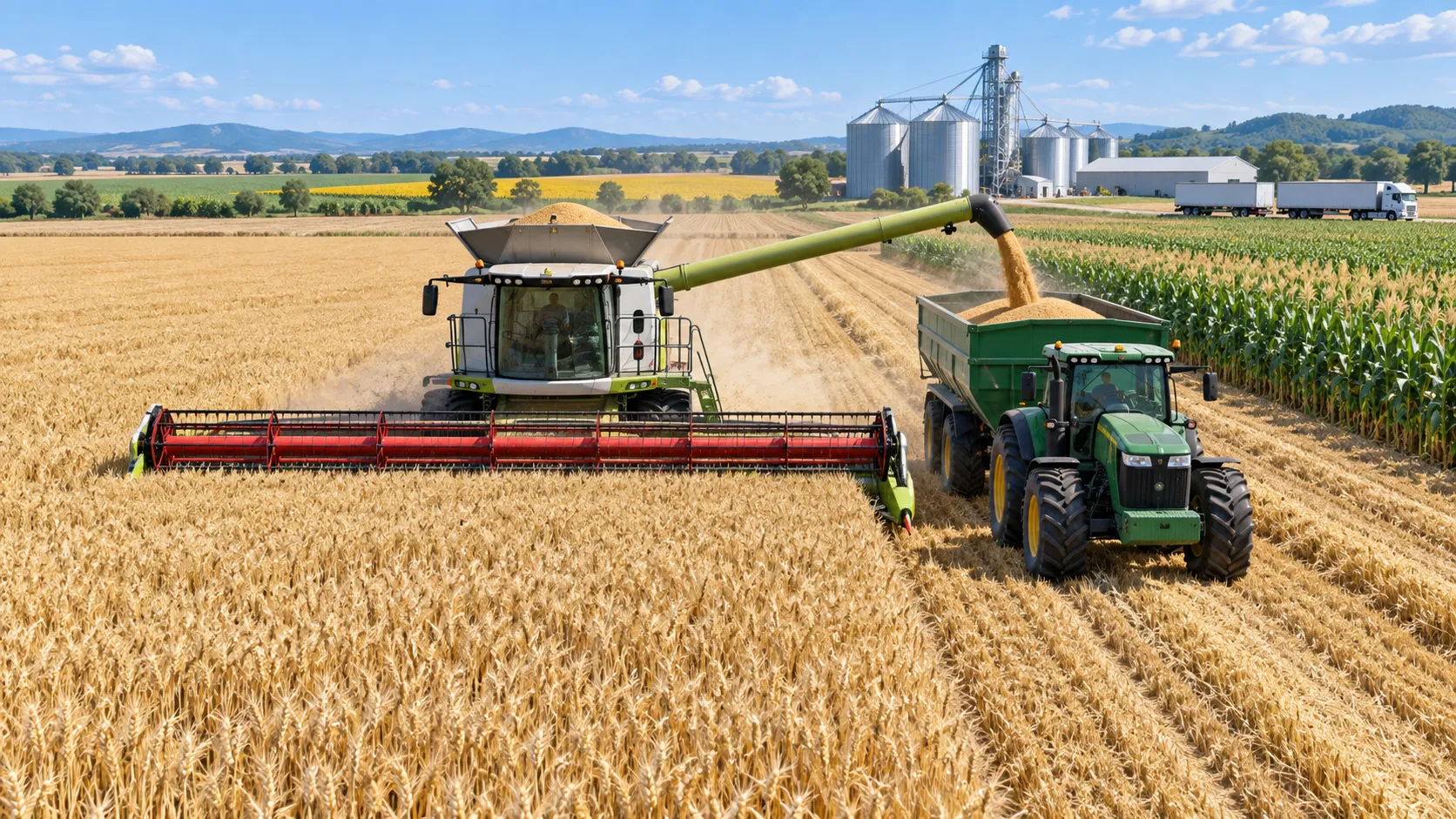
Selecting Grain Farm Equipment by Acreage, Crop Mix, and Harvest Window
Agricultural equipment selection for grain farming: match machinery to acreage, crop mix, and harvest windows to improve uptime, efficiency, and returns.
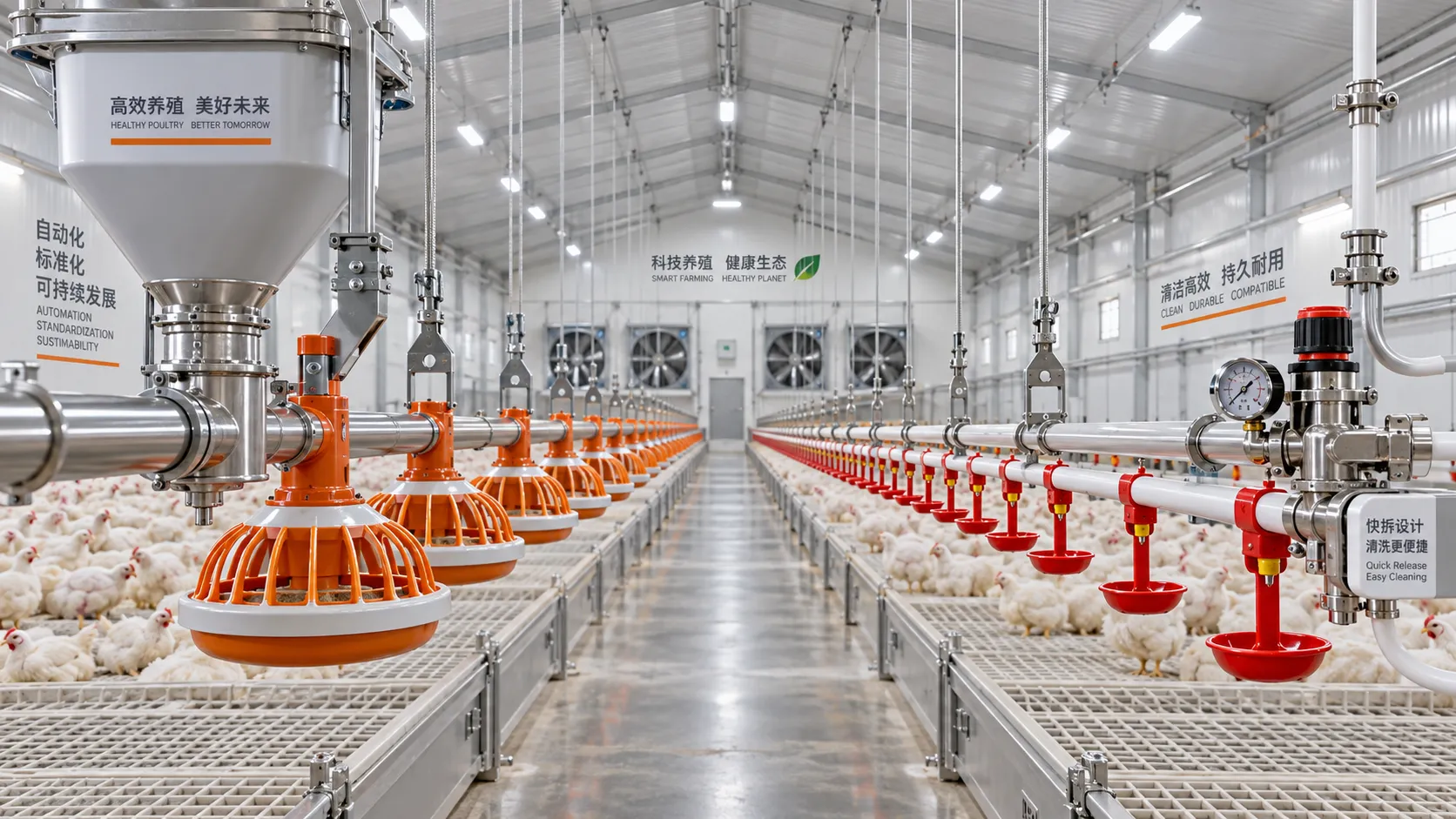
Poultry Equipment Selection: Evaluating Durability, Cleaning, and Compatibility
Poultry equipments selection guide: evaluate durability, cleaning access, and system compatibility to improve hygiene, reduce downtime, and support efficient flock management.
Related News
- 00
0000-00
Grain Tank Automation OEM: What to Check in Integration, Control Logic, and Support - 00
0000-00
EU Adds Vibration Test for Grain Tank Automation CE Marking - 00
0000-00
China’s New Rural Plan Puts Cold-Chain Focus on Smart Irrigation - 00
0000-00
Thailand Food Rule Hits Filling Line Exports - 00
0000-00
Fruit Attraction 2026 Booth Bookings Surpass 90%
Popular Tags
Harvesting Efficiency Expert
Weekly Insights
Stay ahead with our curated technology reports delivered every Monday.