
China’s New Rural Plan Puts Cold-Chain Focus on Smart Irrigation
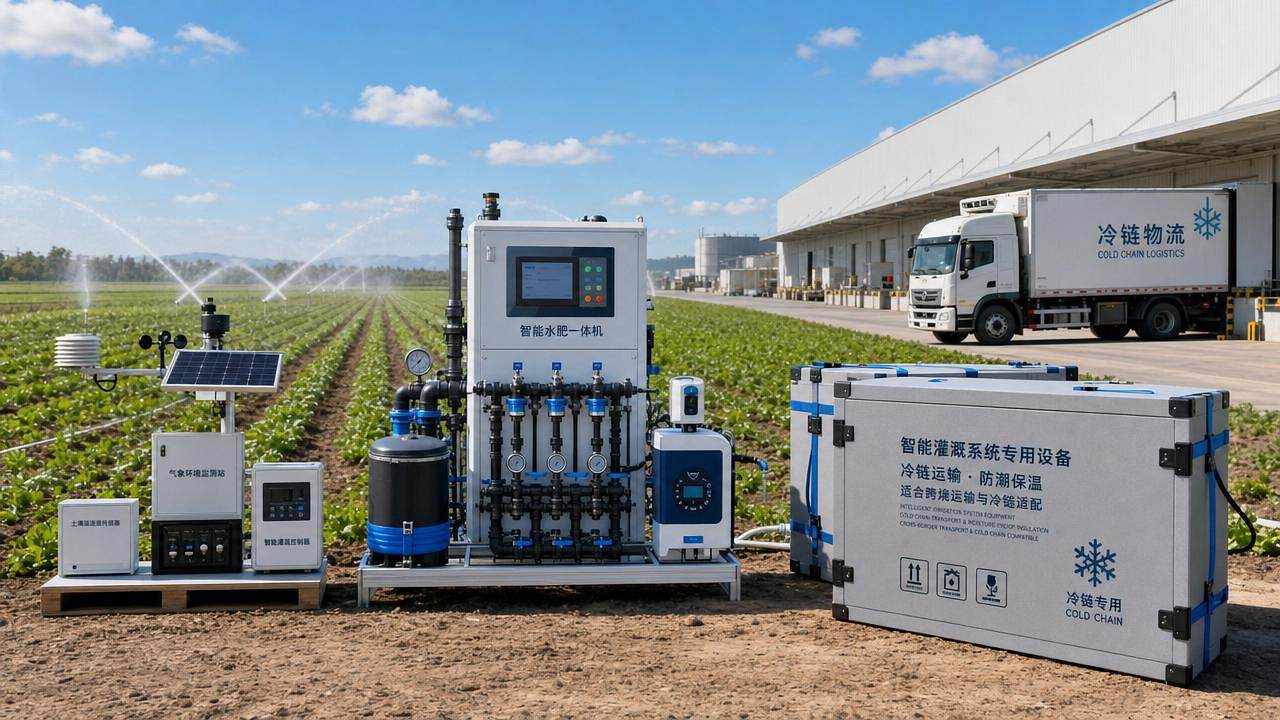




On June 3, 2026, China’s Ministry of Agriculture and Rural Affairs released the 15th Five-Year Plan for agricultural and rural modernization, introducing cold-chain adaptation for field fertigation equipment as a priority promotion area. The move is worth close industry attention because it links irrigation equipment upgrades with logistics and delivery requirements, while setting a target to complete 500 county-level digital irrigation districts by 2027. For manufacturers, exporters, logistics providers, and buyers of modular irrigation-related components, the signal is not only about farm infrastructure deployment, but also about how sensitive equipment may need to be packaged, transported, and delivered across borders.
What the new policy document explicitly sets out
According to the information provided, the plan was officially issued on June 3, 2026 by the Ministry of Agriculture and Rural Affairs. It is the first time that cold-chain adaptation upgrades for integrated water-and-fertilizer field equipment have been included as a key promotion direction in this planning framework.
The same policy framework also sets a timeline-based implementation target: 500 county-level digital irrigation districts are to be completed by 2027. The information provided further indicates that this policy is expected to stimulate export demand for modular components with temperature-controlled packaging and anti-condensation structural design, including Grain Tank Automation and Hydraulic Lift Systems, with particular relevance for high-end sensors and control units that require cross-border air delivery.
Where the effects may appear first across the value chain
Equipment makers may need to reassess design-for-delivery, not only design-for-use
From an industry perspective, manufacturers of irrigation-related modules may be affected because the policy language connects equipment deployment with cold-chain compatibility. The practical impact may be felt in product design, packaging specifications, and component configuration, especially where temperature control and condensation protection can influence shipment stability or delivery readiness.
Export-facing suppliers may see pressure on packaging and air-shipment execution
Suppliers involved in overseas fulfillment may be among the first to track this change closely. Analysis shows that the policy signal matters most in business stages tied to export preparation, documentation consistency, delivery windows, and transport suitability for higher-value sensors and control units that move by cross-border air cargo.
Logistics and supply-chain service providers may need closer coordination with equipment clients
For logistics and supply-chain service providers, the relevance lies in handling requirements rather than in farm deployment itself. What deserves closer attention is whether customer demand begins to shift toward temperature-controlled packaging, moisture-management measures, and more detailed shipment coordination for modular equipment moving through longer or more sensitive delivery chains.
Procurement and project-side buyers may pay more attention to delivery conditions
Buyers connected to digital irrigation projects may also need to watch how equipment specifications evolve. Observably, procurement discussions may increasingly involve not only functional performance, but also how components are protected during transport, how quickly they can be delivered, and whether delivery conditions align with the intended use scenario.
What companies should monitor in the near term
Watch for follow-up wording and implementation detail
Analysis shows that the current information provides a strong policy signal, but companies should distinguish between a planning-level direction and later operational requirements. Follow-up official wording, detailed implementation arrangements, or additional guidance will matter for understanding how broadly cold-chain adaptation is interpreted in practice.
Review which product lines are most exposed
What deserves closer attention is the product mix most likely to be affected first. Based on the information provided, firms dealing in modular components with temperature-controlled packaging needs, anti-condensation design features, and high-end sensors or control units tied to air shipment may need to review priority SKUs, lead times, and packaging standards.
Prepare supply-chain and fulfillment communication earlier
For exporters and service providers, the key issue is not only demand direction but execution readiness. Companies may need to align earlier with packaging partners, transport coordinators, and customers on delivery conditions, shipment timing, and documentation expectations, particularly for orders involving time-sensitive or environment-sensitive units.
Separate policy momentum from immediate order conversion
It is more appropriate to understand this as an early operational signal rather than an already completed market outcome. Businesses should therefore avoid assuming that policy inclusion automatically translates into immediate volume changes, and instead track how project rollout, buyer requirements, and export inquiries actually develop.
Why this reads as a logistics signal as much as an equipment signal
In editorial observation, the notable point in this update is that irrigation modernization is being framed not only through deployment targets, but also through equipment adaptability in storage and transport conditions. That shifts part of the discussion from field application alone toward the logistics performance of advanced modules.
Analysis also suggests that the strongest near-term relevance may sit in narrower segments rather than across all irrigation equipment categories. The information provided specifically highlights export demand for modular components with temperature-control and anti-condensation characteristics, as well as premium sensors and control units requiring cross-border air delivery. That makes this more than a general infrastructure headline, but still short of a confirmed broad-based demand result.
How this update is best understood now
At this stage, the policy should be read as a directional industry signal with practical implications for product design, export preparation, and delivery-chain coordination. Its significance lies in bringing cold-chain compatibility into the conversation around smart irrigation equipment, especially under a defined buildout target for county-level digital irrigation districts.
From a neutral industry standpoint, it is more appropriate to understand this development as a medium- to long-term planning cue with possible short-term effects in select component and logistics segments. Whether that signal translates into wider procurement change still requires continued observation.
Basis of this article and points for continued verification
This article is generated based on the user-provided news title, event date, and event summary. The information available for this piece is limited to the stated policy release on June 3, 2026, the planning target for 500 county-level digital irrigation districts by 2027, and the stated relevance to cold-chain-adapted modular equipment exports and air-shipped high-end sensors and control units.
For this type of industry update, commonly relevant source categories may include official government announcements, company statements, industry association releases, authoritative media coverage, and standards-related documents. A specific official source link was not provided in the input, so further verification remains necessary. Continued monitoring should focus on any follow-up policy language, implementation detail, and changes in procurement or delivery requirements tied to digital irrigation deployment.
Related News
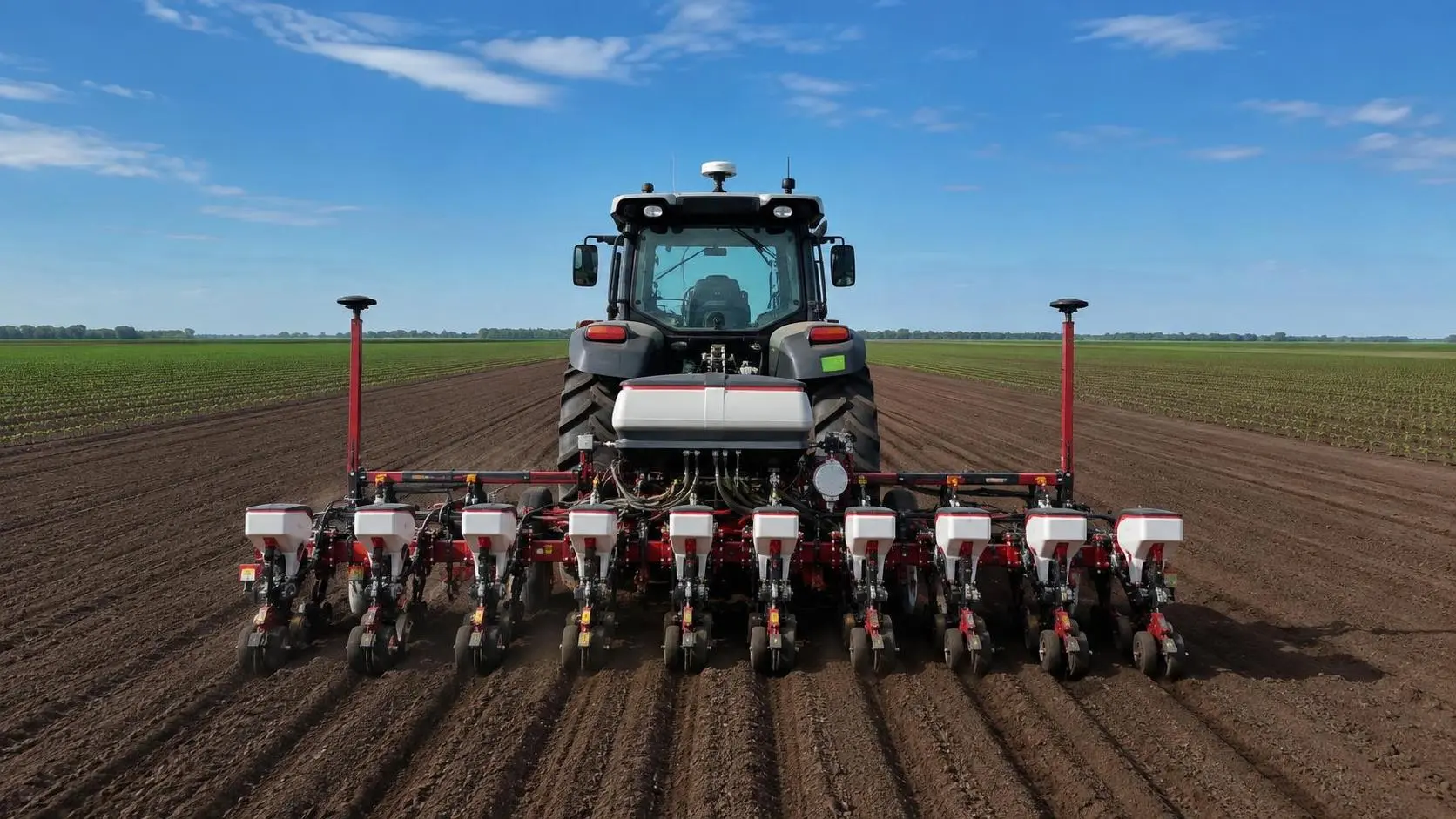
How Tractor Intelligence Systems Improve Field Efficiency and Input Accuracy
Agricultural machinery intelligence for tractors improves field efficiency, input accuracy, data traceability, and implement control. Explore smarter evaluation strategies.
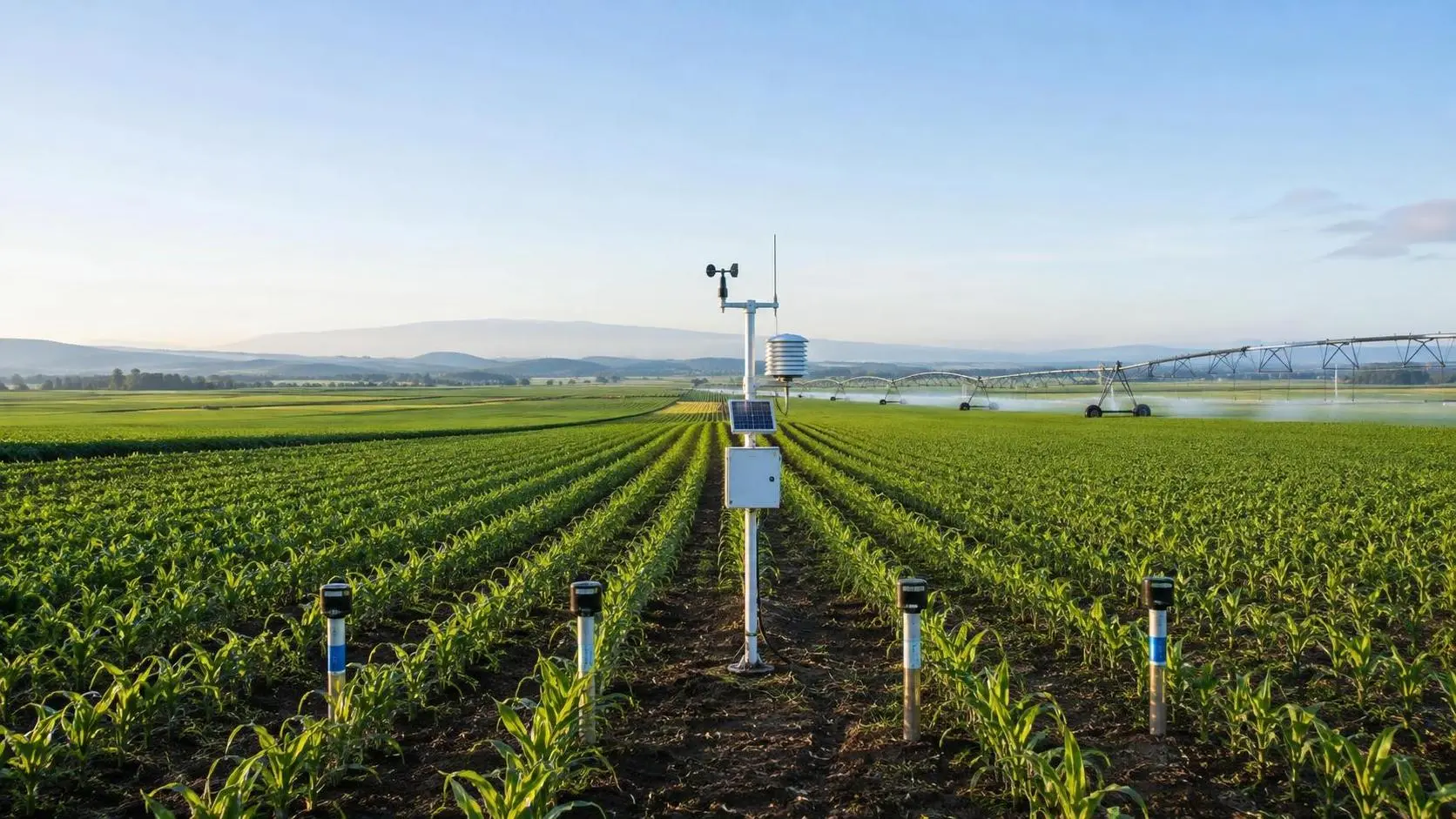
How to Evaluate Crop Monitoring System Manufacturers for Large-Scale Farms
Compare crop monitoring systems manufacturers for large-scale farms. Evaluate data quality, integration, durability, lifecycle costs, support, and pilots for smarter decisions.
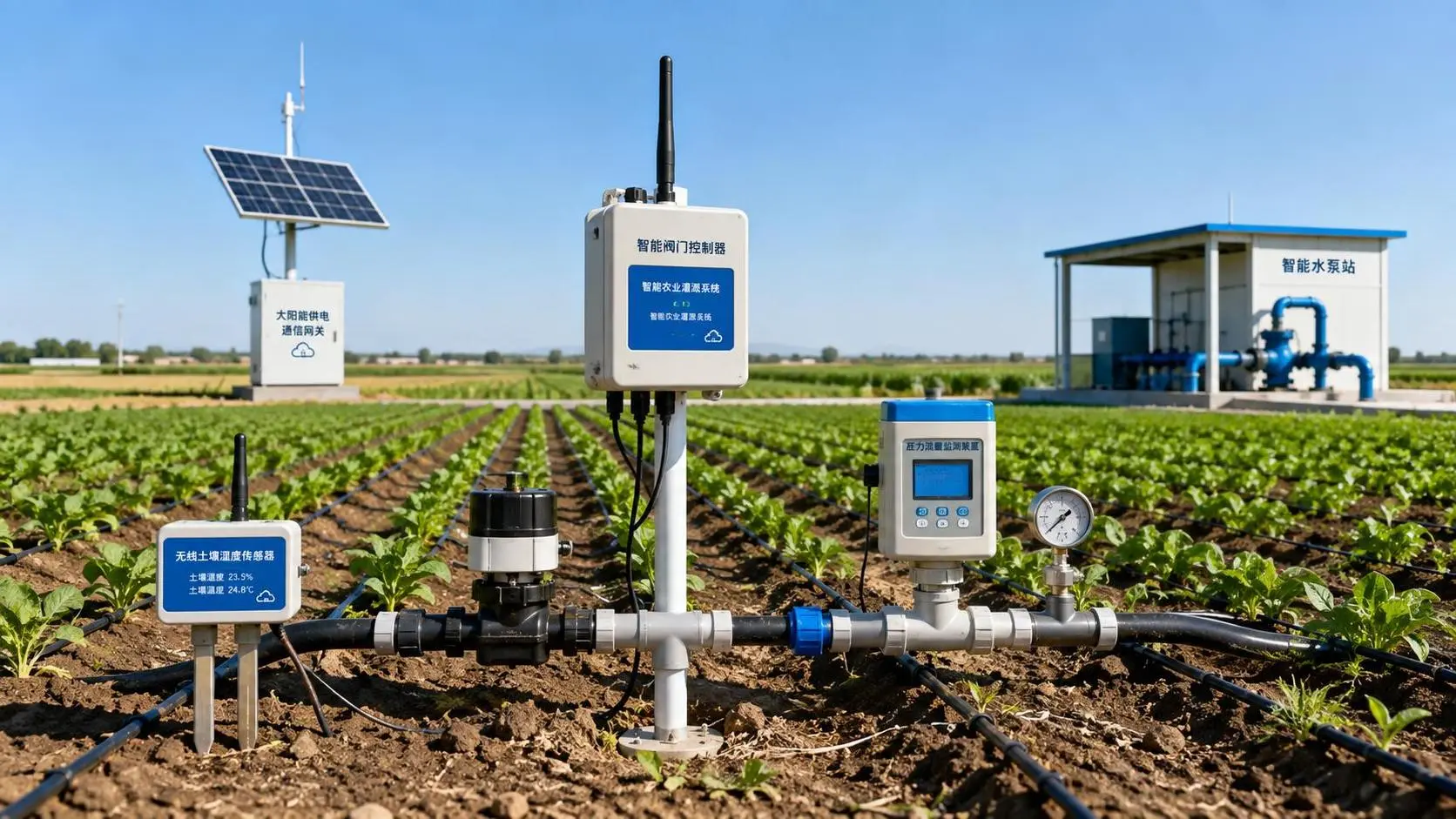
Wireless Agricultural Automation for Remote Irrigation and Field Monitoring
Agricultural automation wireless solutions improve remote irrigation with reliable field data, local control, flow verification, and smarter monitoring. Explore resilient deployment strategies.
Agricultural Product Information Market Guide: Key Data for Sourcing Decisions
Agricultural product information market guide for smarter sourcing—compare machinery, irrigation, precision tools, lifecycle costs, and supplier risk.
Large-Scale Farm Equipment Cost Comparison: Price, Fuel, and Lifecycle Value
Large-scale farm equipment cost comparison: evaluate price, fuel, maintenance, downtime, and lifecycle value to choose tractors, combines, irrigation, and smart tools with confidence.
A Procurement Specification Preparation Example for Buying Farm Equipment
Procurement specification preparation example for farm equipment: learn to define requirements, compare suppliers, control lifecycle costs, and buy with confidence.
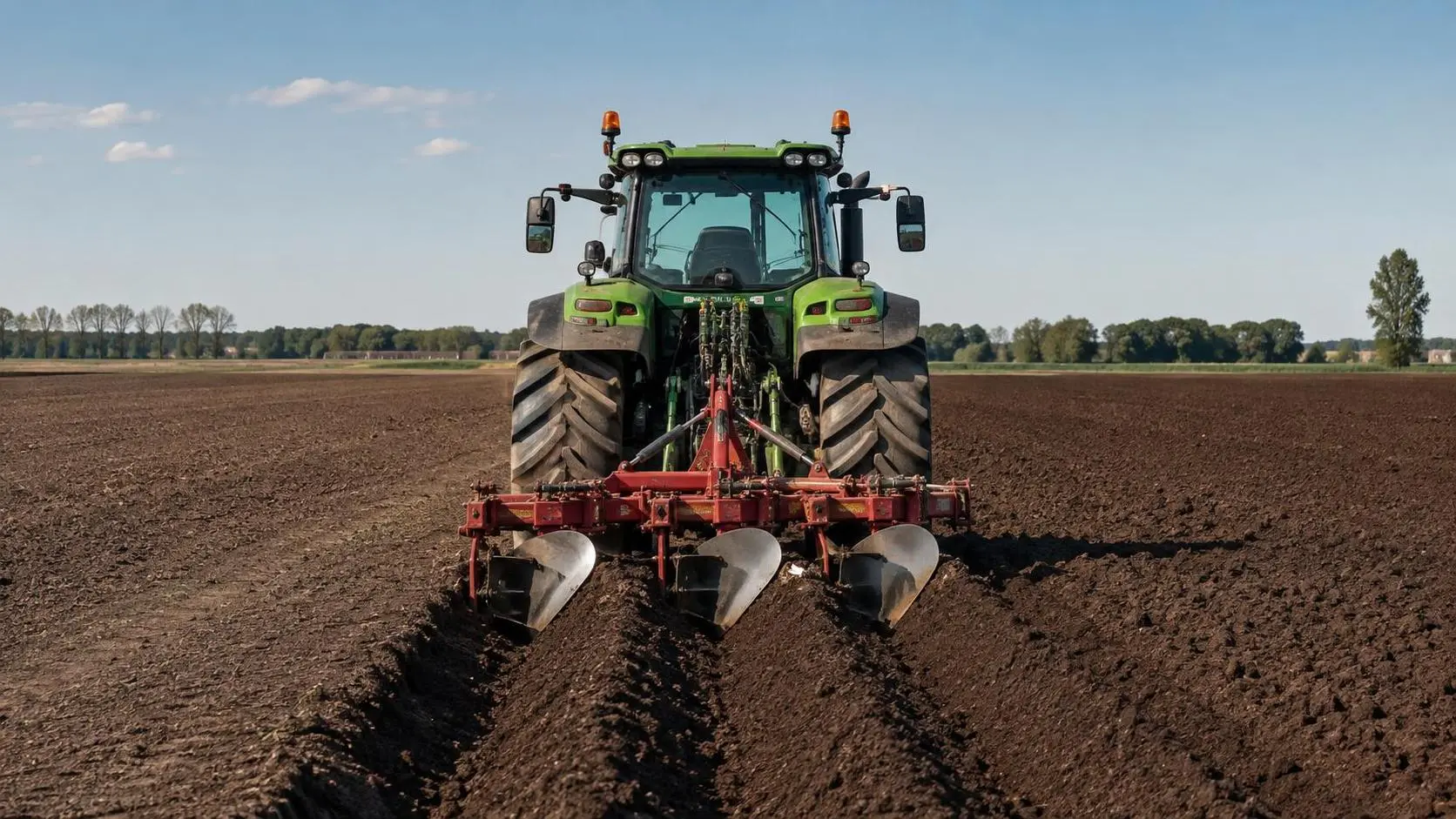
What Tractor Horsepower Is Needed for a Three-Bottom Moldboard Plow?
What tractor horsepower is needed for three-bottom moldboard plow? Compare 60–100 hp needs by soil, depth, traction, and plow width for a confident equipment match.
How Does Climate-Smart Farming Reduce Water Use in Semi-Arid Areas?
How does climate-smart farming reduce water use in semi-arid zones? Discover precision irrigation, soil monitoring, and smarter crop planning for resilient yields.
Can Sustainable Farming Be Profitable Without Reducing Yields?
Are sustainable farming practices profitable without yield loss? Discover precision strategies that cut waste, protect yields, and improve farm margins.
Related News
- 00
0000-00
Grain Tank Automation OEM: What to Check in Integration, Control Logic, and Support - 00
0000-00
EU Adds Vibration Test for Grain Tank Automation CE Marking - 00
0000-00
China’s New Rural Plan Puts Cold-Chain Focus on Smart Irrigation - 00
0000-00
Thailand Food Rule Hits Filling Line Exports - 00
0000-00
Fruit Attraction 2026 Booth Bookings Surpass 90%
Popular Tags
Harvesting Efficiency Expert
Weekly Insights
Stay ahead with our curated technology reports delivered every Monday.