
Saudi SASO Rule Takes Effect for Soil Moisture Sensors
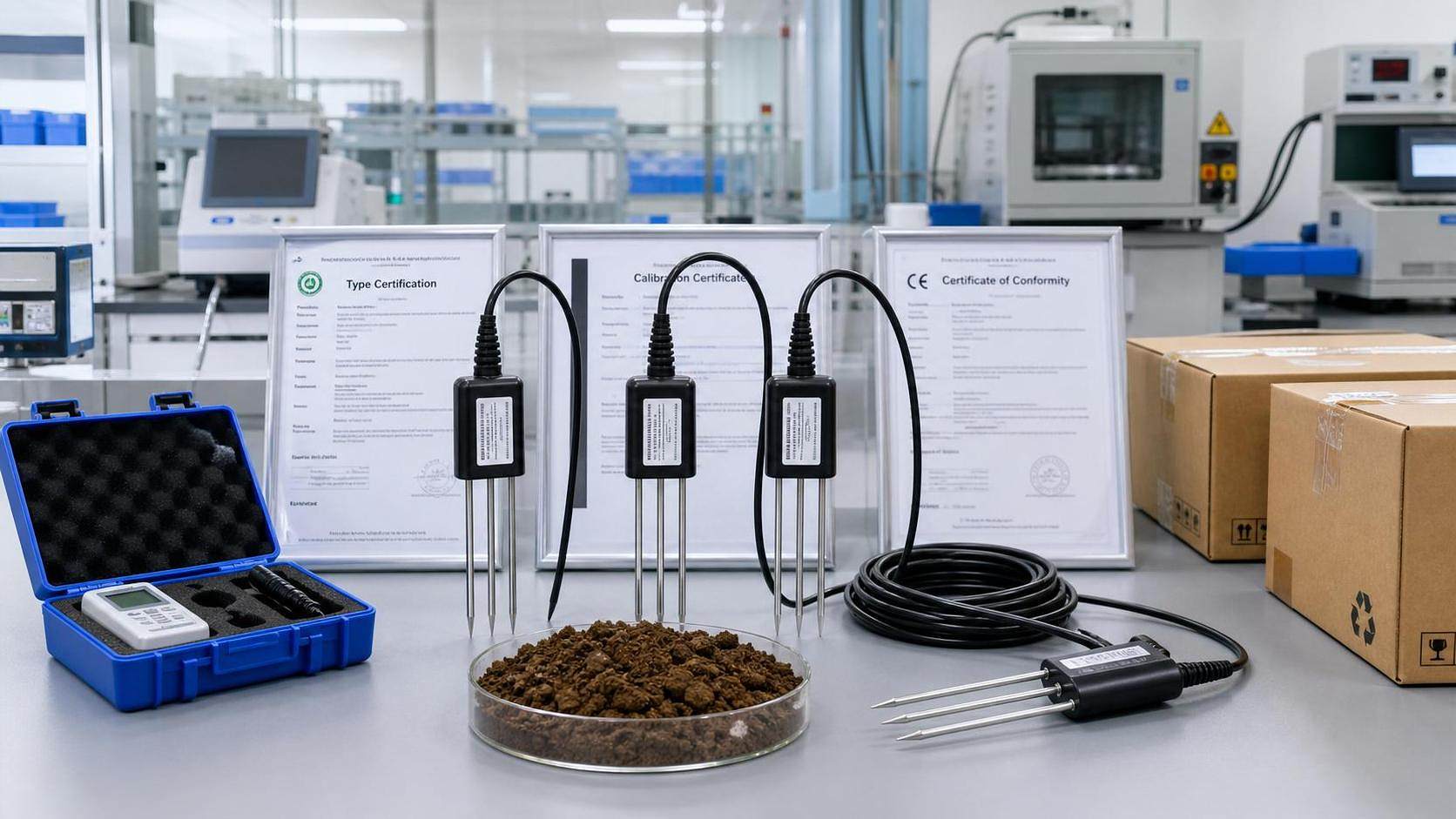




On July 10, 2026, a new SASO compliance requirement took effect for imported Soil Moisture Sensors, making local type approval in Saudi Arabia a mandatory market-access condition. Because the rule applies immediately and customs clearance now requires an SASO CoC certificate, the change deserves close attention from exporters, OEM suppliers, distributors, buyers, and certification-related service providers involved in sensor shipments to the Middle East, particularly where procurement timing and delivery commitments depend on pre-shipment compliance planning.
What the Rule Now Requires
According to the provided event information, SASO formally implemented the Mandatory Technical Regulation for Smart Agricultural Sensors, identified as SASO IEC 62953:2026, on July 10, 2026. Under this requirement, all imported Soil Moisture Sensors must obtain local type certification through a Saudi-authorized laboratory. The requirement includes on-site calibration and salt spray resistance testing. There is no transition period, and from the effective date customs clearance requires submission of an SASO CoC certificate.
Where the Immediate Pressure Appears in the Supply Chain
Export transactions now face an earlier compliance checkpoint
For exporters shipping Soil Moisture Sensors into Saudi Arabia, the impact is tied directly to market entry. The rule changes compliance from a later-stage documentation matter into a prerequisite for customs clearance. What deserves closer attention is that shipment readiness is no longer only a logistics issue; certification timing, test preparation, and document completeness now affect whether goods can move as planned.
Distributors and import-side buyers must reassess sourcing timelines
For distributors and procurement teams serving the Saudi market, the change affects supplier screening and purchase scheduling. Analysis shows that buyers can no longer look only at price, specification, and delivery promises when sourcing imported Soil Moisture Sensors. They also need to confirm whether the supplier can support local type certification, including the required testing steps, and whether the SASO CoC can be obtained in time for customs procedures.
OEM-based supply models may see stronger front-end compliance demands
For businesses relying on China OEM production for export, the reported pressure is more front-loaded. Observably, the issue is not limited to the finished product itself, but to the ability of the supplying party to cooperate with local testing, technical file preparation, and certification sequencing. In practical terms, this may affect quotation validity, production release timing, and customer acceptance of delivery schedules.
Certification and testing support functions become more closely tied to delivery execution
For certification-related service providers and testing support organizations, the rule raises the operational importance of document review, test coordination, and certificate readiness. From an industry perspective, the main change is that compliance support is more directly connected to shipment execution, because the CoC is now required at the customs stage without any transition period.
What Companies Should Track From Here
Check whether product files are sufficient for local type approval
Companies involved in affected products should first review whether their existing technical documents, test materials, and product records are suitable for submission under a local type certification process in Saudi Arabia. Since the provided information confirms on-site calibration and salt spray resistance testing as part of the requirement, the practical focus should be on whether current product documentation and sample preparation can support those steps.
Rebuild procurement and delivery schedules around certificate timing
Because customs clearance now requires an SASO CoC certificate from the effective date, companies should pay close attention to lead-time assumptions in contracts, purchase orders, and shipment planning. Analysis shows that delivery commitments may need to reflect certification completion as a gating condition rather than treating it as a parallel administrative step.
Review supplier qualification beyond price and production capacity
For importers, distributors, and project buyers, supplier evaluation may need to extend to compliance execution capability. What deserves closer attention is whether a supplier can support local laboratory coordination, testing arrangements, and required documentation without creating avoidable delays at the customs or delivery stage. The provided information does not include detailed execution outcomes, so this remains an area that requires active verification rather than assumption.
Continue watching for implementation wording and market-side document changes
The event confirms that the rule is in force, but it does not provide more detailed official implementation language beyond the summarized requirements. Companies should therefore continue monitoring later changes in official wording, certificate practice, procurement documentation, tender requirements, and transaction-level compliance expectations. This is particularly relevant where customers may update technical or bidding documents to reflect the new certification condition.
How This Change Should Be Read at This Stage
Observably, this is more appropriate to understand as a landed compliance change rather than an early consultation signal, because the requirement is already effective and applies without a transition period. At the same time, the available information is still limited to the confirmed rule summary, so the market should avoid overstating downstream consequences that have not yet been verified. From an industry perspective, the key point is that certification has moved closer to the front end of trade execution for this product category, and that alone is enough to alter procurement rhythm and export preparation.
A Practical Reading of the Current Situation
In practical terms, the July 10 implementation marks a clear tightening of market-access conditions for imported Soil Moisture Sensors entering Saudi Arabia. The confirmed facts support a cautious conclusion: this is an effective rule change with immediate customs implications, and it is likely to matter most in certification planning, supplier selection, procurement timing, and shipment readiness. It is more appropriate to understand the development as an executed regulatory requirement that now needs close tracking in real transaction settings, rather than as a distant policy direction.
Basis of This Article and What Still Needs Verification
This article is generated from the user-provided news title, event date, and event summary. For events of this type, relevant information is commonly associated with official notices, regulatory publications, customs or trade authority updates, industry association communications, standards documents, and reporting from established trade media. No specific official source link was provided in the input, so the exact official publication path still needs to be verified on an ongoing basis. Further observation is also needed on detailed implementation language, certification practice, tender document updates, market feedback, and how affected companies carry out compliance in actual transactions.
Related News

Tractor Specification Sheets: Matching PTO, Hydraulics, and Weight to Farm Tasks
Specification-oriented articles for tractors: match PTO, hydraulics, lift capacity, ballast, and weight to real farm tasks for safer, more efficient equipment choices.

How to Evaluate Dynamic Feedback Algorithm Suppliers for Precision Farming Systems
Dynamic feedback algorithms supplier evaluation guide for precision farming—compare validation, integration, safety, and pilots to choose with confidence.

How to Specify Combine Harvester Systems for High-Moisture Grain and Variable Field Conditions
Combine harvester systems for high-moisture grain: learn how to specify threshing, cleaning, headers, traction, and automation for reliable harvests in variable fields.

How to Compare Agricultural Equipment Platforms for Fleet Management and ROI
Agricultural equipment platform comparison: evaluate fleet data, maintenance, precision workflows, and ROI to choose a system that delivers measurable results.
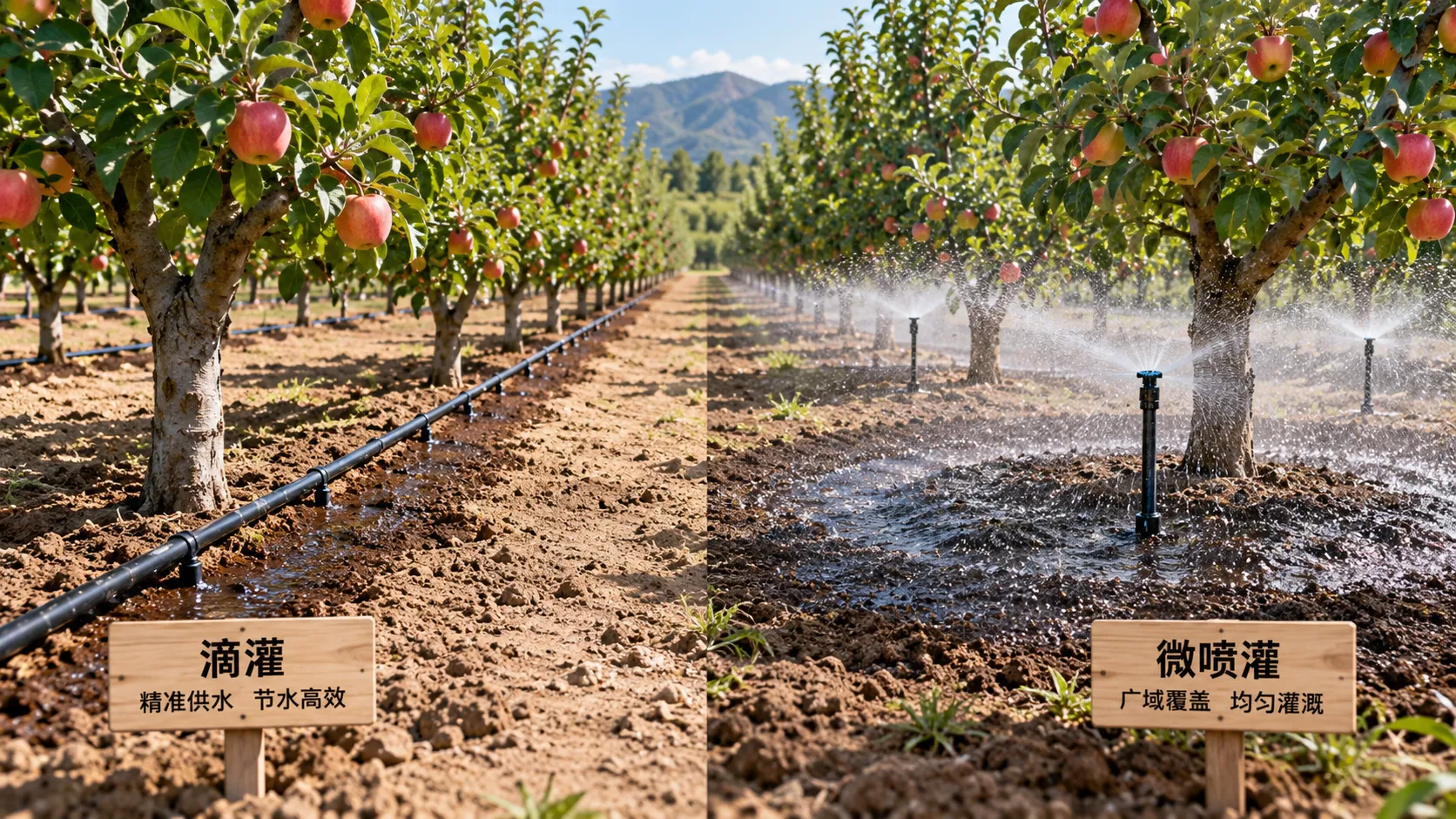
Drip vs. Micro-Sprinkler Irrigation: Which System Fits Your Orchard?
Irrigation solution comparison for orchards: discover whether drip or micro-sprinklers best match your water, soil, roots, fertigation, and frost needs.
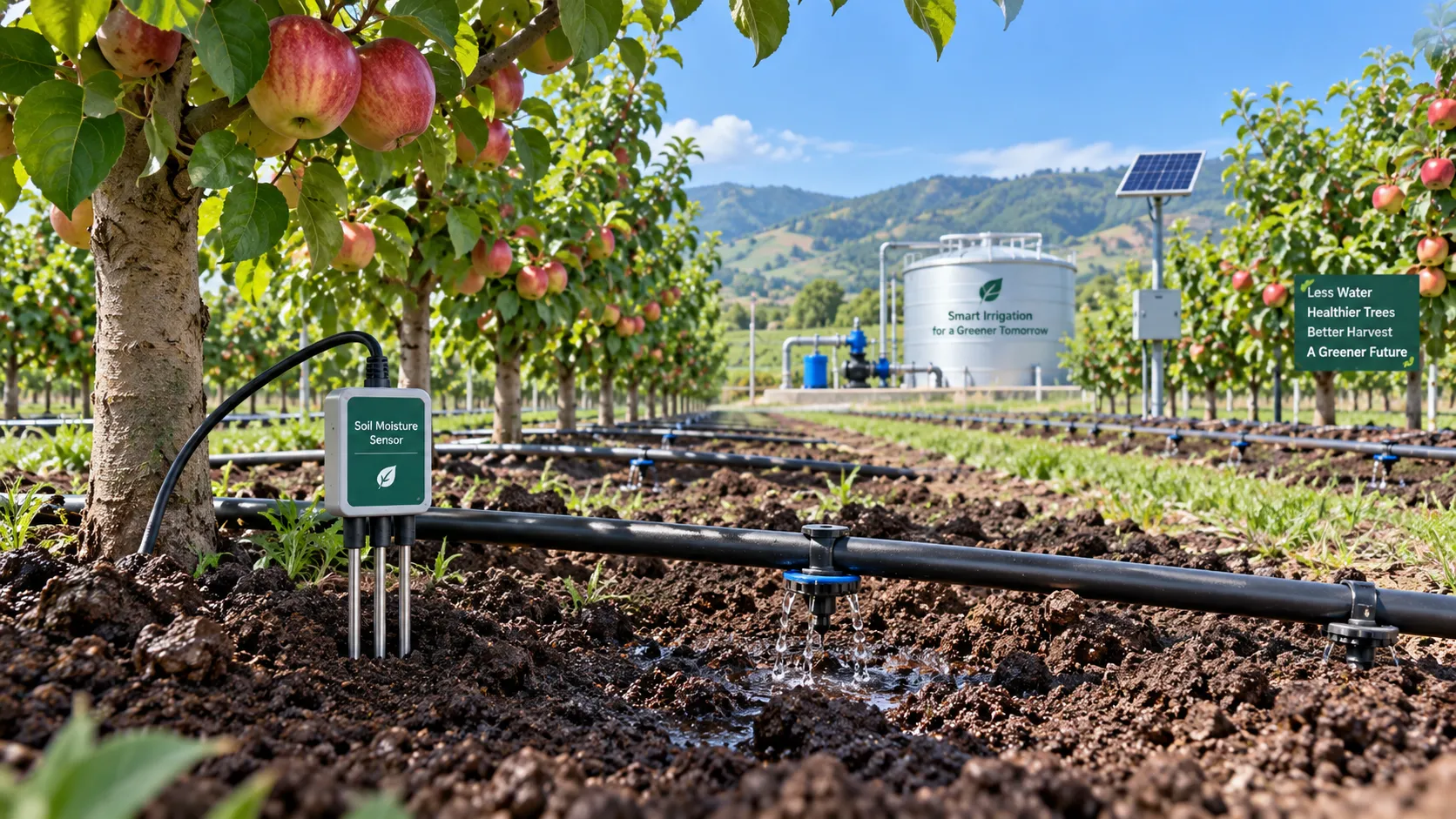
Orchard Water Management: Using Soil Moisture Data to Schedule Irrigation
Agricultural water management for orchards made practical: use soil moisture data to optimize irrigation timing, protect yield, reduce costs, and improve resilience.

Tractor Chassis Price: What Buyers Should Compare Beyond the Initial Quote
Tractor chassis price is only the start. Compare load capacity, compatibility, durability, and lifecycle costs to choose a reliable, high-value chassis.
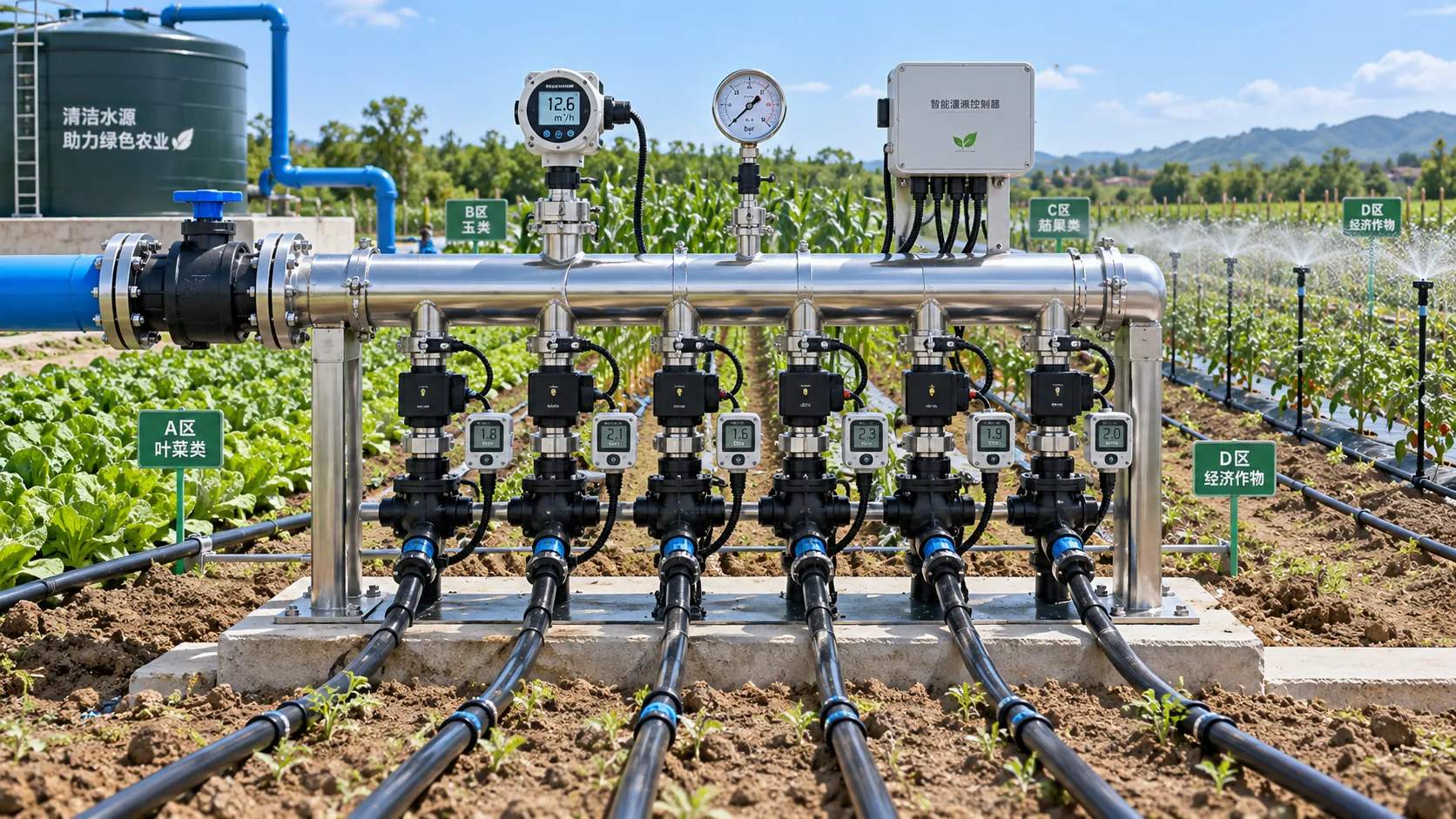
How to Select Smart Irrigation Valves for Multi-Zone Water Management?
Intelligent irrigation systems valves: learn how to match smart valves with multi-zone flow, pressure, control, feedback, and communication needs for reliable water management.
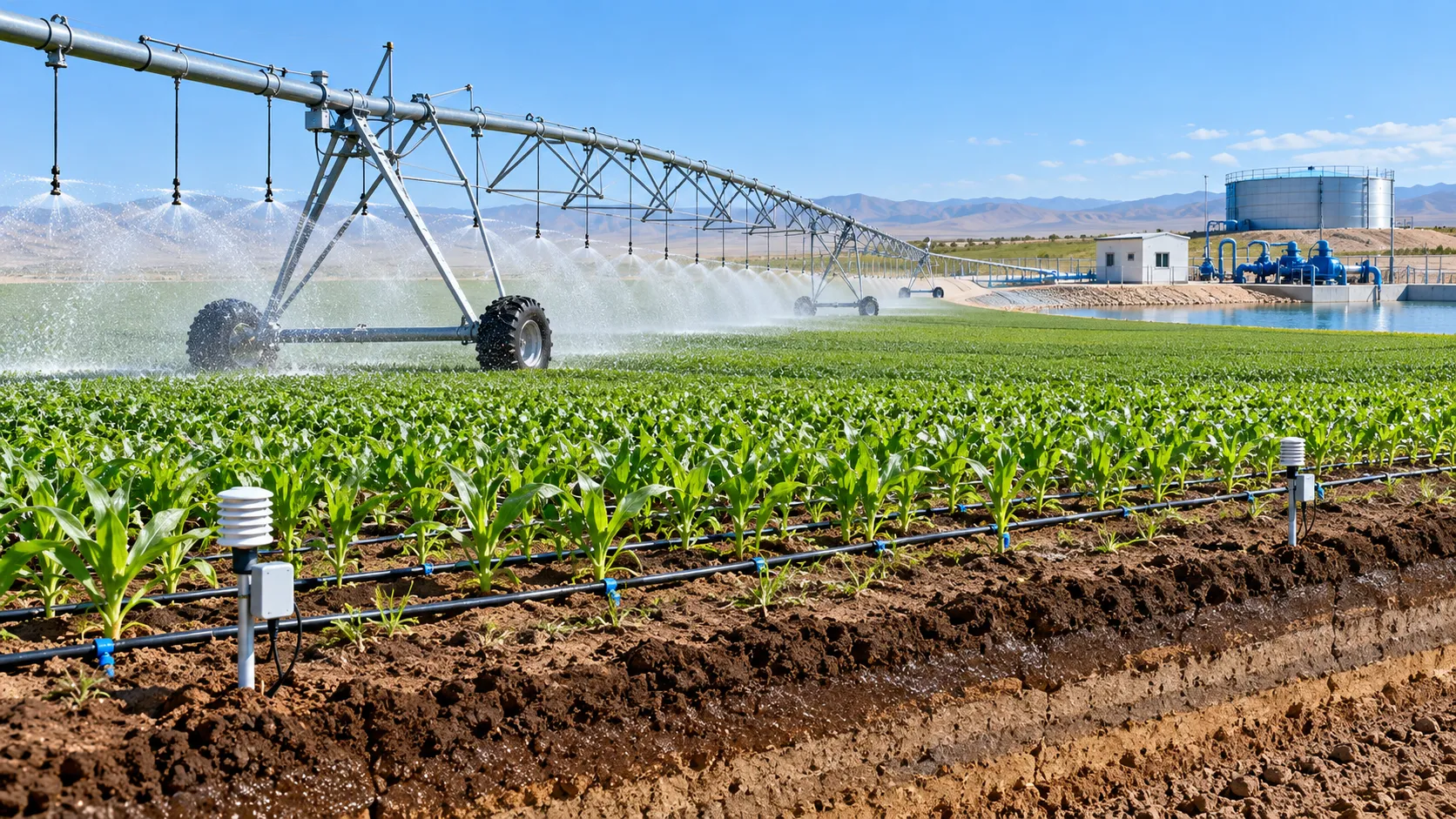
Climate-Smart Farming for Drought: A Practical Plan for Protecting Yields
Climate-smart farming for drought: build smarter water budgets, protect critical crop stages, improve irrigation uniformity, and safeguard yields with practical field-proven strategies.
Related News
- 00
0000-00
Orchard Water Management: Using Soil Moisture Data to Schedule Irrigation - 00
0000-00
Climate-Smart Farming for Drought: A Practical Plan for Protecting Yields - 00
0000-00
Selecting Real-Time Soil Moisture Sensors for Irrigation Zone Control - 00
0000-00
How Does Climate-Smart Farming Reduce Water Use in Semi-Arid Areas? - 00
0000-00
USDA Rule Takes Effect: Dual FCC and NRCS Approval for Soil Moisture Sensors
Popular Tags
Hydrological Resource Strategist
Weekly Insights
Stay ahead with our curated technology reports delivered every Monday.