
How to Compare Agricultural Automation Systems Manufacturers for Multi-Machine Farms




How to Compare Agricultural Automation Systems Manufacturers for Multi-Machine Farms
Choosing among agricultural automation systems manufacturers for a multi-machine farm is no longer just a buying exercise.
It shapes uptime, data flow, labor use, and the speed of field decisions across the entire operation.
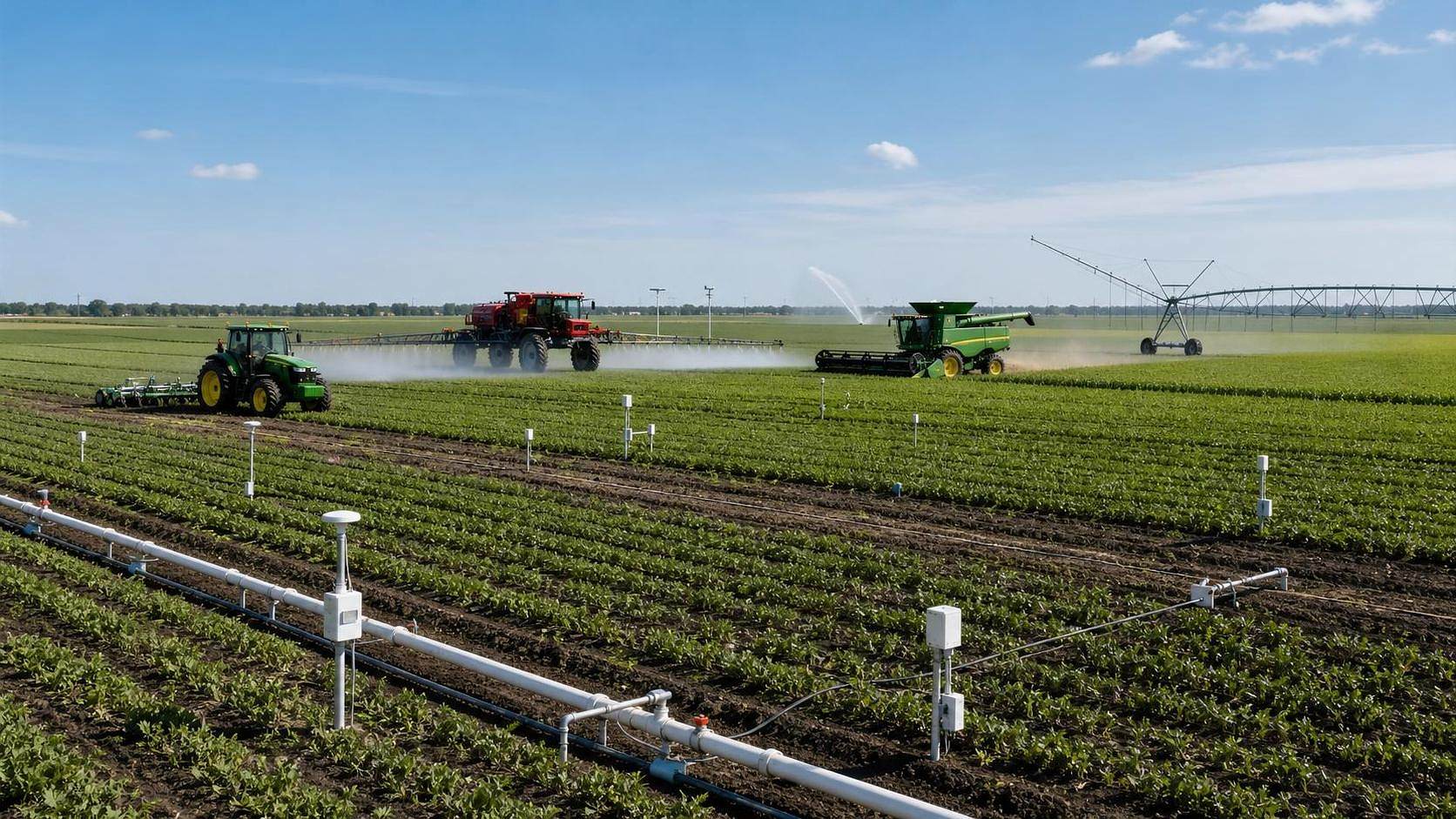
For farms running tractors, sprayers, harvesters, and irrigation assets together, the wrong platform creates friction everywhere.
The right supplier does the opposite.
It connects machines, standardizes workflows, and supports long-term scaling without constant custom fixes.
This guide explains how to compare agricultural automation systems manufacturers with a practical, decision-focused framework.
Start With the Operating Model, Not the Product Demo
Many agricultural automation systems manufacturers look strong in demos because each module performs well in isolation.
But multi-machine farms do not operate in isolation.
They depend on synchronized field schedules, shared guidance data, fuel planning, operator handoffs, and maintenance windows.
That means comparison should begin with your operating model.
Map the real workflow from tillage to harvest and irrigation response.
Then test whether each vendor can support that sequence without manual workarounds.
In practical terms, ask three early questions.
- Can the system coordinate different machine types on one operational calendar?
- Can field data move cleanly between machines, agronomy tools, and management dashboards?
- Can the platform still work when fleet size, field count, or crop complexity increases?
This approach quickly separates true platform partners from agricultural automation systems manufacturers selling disconnected features.
Compare Integration Depth Across the Full Farm Stack
Integration is usually the main fault line in automation decisions.
A supplier may claim compatibility, yet only support limited data imports or basic telematics viewing.
For multi-machine farms, that is rarely enough.
You need to compare agricultural automation systems manufacturers by integration depth, not by interface appearance.
What to verify
- Guidance line sharing across tractors, sprayers, and harvesters
- Task data transfer for seeding, fertilization, spraying, and harvest logging
- Open API support for ERP, FMIS, and agronomy software
- Sensor integration for weather, soil moisture, and machine health
- Compatibility with irrigation controls and remote pumping systems
From recent market changes, the stronger signal is clear.
The best agricultural automation systems manufacturers are building ecosystems, not standalone machine interfaces.
If integration depends on third-party patches at every step, long-term operating costs usually rise faster than expected.
Evaluate Machine Coordination, Not Just Automation Features
Automation value is often overstated when vendors focus only on autonomy headlines.
For large farms, the real question is whether machines can work together with less delay and less supervision.
This matters during narrow timing windows, especially in planting, spraying, harvest, and water management.
When comparing agricultural automation systems manufacturers, assess coordination in real field scenarios.
- Can the platform allocate tasks by machine availability and field priority?
- Can operators switch machines without losing settings or task continuity?
- Can supervisors monitor progress and exceptions from one control view?
- Can service alerts trigger before breakdowns disrupt the wider schedule?
A capable supplier should show coordination logic under pressure, not just polished screen recordings.
Request use cases involving multiple crews, overlapping jobs, and mixed-brand machinery.
Look Closely at Service Capacity and Deployment Support
Even advanced systems fail commercially when support is too thin.
This is one of the most overlooked differences between agricultural automation systems manufacturers.
A multi-machine farm needs more than installation help.
It needs onboarding, workflow configuration, operator training, firmware management, and in-season troubleshooting.
Key service checkpoints
- Local dealer coverage and field technician response time
- Remote diagnostics and software issue resolution process
- Operator training for seasonal staff and shift changes
- Clear upgrade path for hardware, sensors, and subscriptions
- Defined service-level commitments during peak operations
In real operations, service quality often has more economic impact than one extra software feature.
That is why strong agricultural automation systems manufacturers usually provide detailed deployment plans before contract signing.
Check Data Ownership, Reporting Quality, and Decision Value
Automation systems generate large volumes of data, but not all data creates decisions.
The useful comparison point is decision value.
Can the platform turn machine activity into clear action on labor, input use, field timing, and maintenance planning?
When reviewing agricultural automation systems manufacturers, inspect the reporting layer carefully.
The strongest agricultural automation systems manufacturers make data easier to use, not merely easier to collect.
Measure Total Cost Against Operational Risk
Price comparisons can be misleading when systems have different support levels and integration limits.
A lower upfront quote may hide higher risk during the season.
That risk can show up as downtime, duplicate software, retraining costs, or delayed field execution.
So when comparing agricultural automation systems manufacturers, use a total-cost and risk lens together.
Cost areas to include
- Hardware, controllers, sensors, and retrofit kits
- Software subscriptions and feature tiers
- Integration work with existing machinery and business systems
- Training, support, and seasonal service requirements
- Expected savings from labor efficiency, fuel use, overlap reduction, and lower loss
This also means ROI should be measured over several seasons, not one short pilot.
Reliable agricultural automation systems manufacturers are usually comfortable sharing reference cases with measurable outcomes.
Use a Structured Shortlist Before Final Selection
A structured shortlist keeps vendor evaluation grounded in business reality.
It also helps internal teams align on trade-offs before negotiations begin.
One practical method is to score agricultural automation systems manufacturers across five weighted dimensions.
- Platform integration and data openness
- Machine coordination across daily operations
- Service strength and deployment readiness
- Commercial model and upgrade flexibility
- Proof of performance in similar farm environments
Ask vendors to respond to the same scenario set.
For example, include mixed fleets, narrow harvest windows, irrigation alerts, and limited operator availability.
That exposes whether the supplier understands enterprise-scale agriculture or only basic machine automation.
For organizations following Agriculture 4.0 trends, that distinction matters more every year.
The market is moving toward integrated intelligence across heavy equipment, smart tools, and water-saving systems.
That is exactly where AP-Strategy sees the strongest long-term value emerging.
The most capable agricultural automation systems manufacturers are those that can support this wider operational shift.
They connect mechanical reliability, precision algorithms, and field-level sustainability into one usable system.
When you compare suppliers through that lens, the decision becomes much clearer.
Start with workflow reality, test integration depth, verify support strength, and score total business impact before committing.
Related News
Farm Machinery Sourcing: How to Vet Suppliers, Specs, and Lifecycle Costs
Farm machinery information for sourcing: learn to vet suppliers, compare specifications, control lifecycle costs, and secure reliable uptime for smarter equipment purchases.
How to calculate ROI on precision agriculture equipment before buying
Calculating ROI on precision agriculture equipment: learn to assess total ownership costs, savings, payback, NPV, risks, and farm-scale value before you buy.
Tractor Specification Sheets: Matching PTO, Hydraulics, and Weight to Farm Tasks
Specification-oriented articles for tractors: match PTO, hydraulics, lift capacity, ballast, and weight to real farm tasks for safer, more efficient equipment choices.
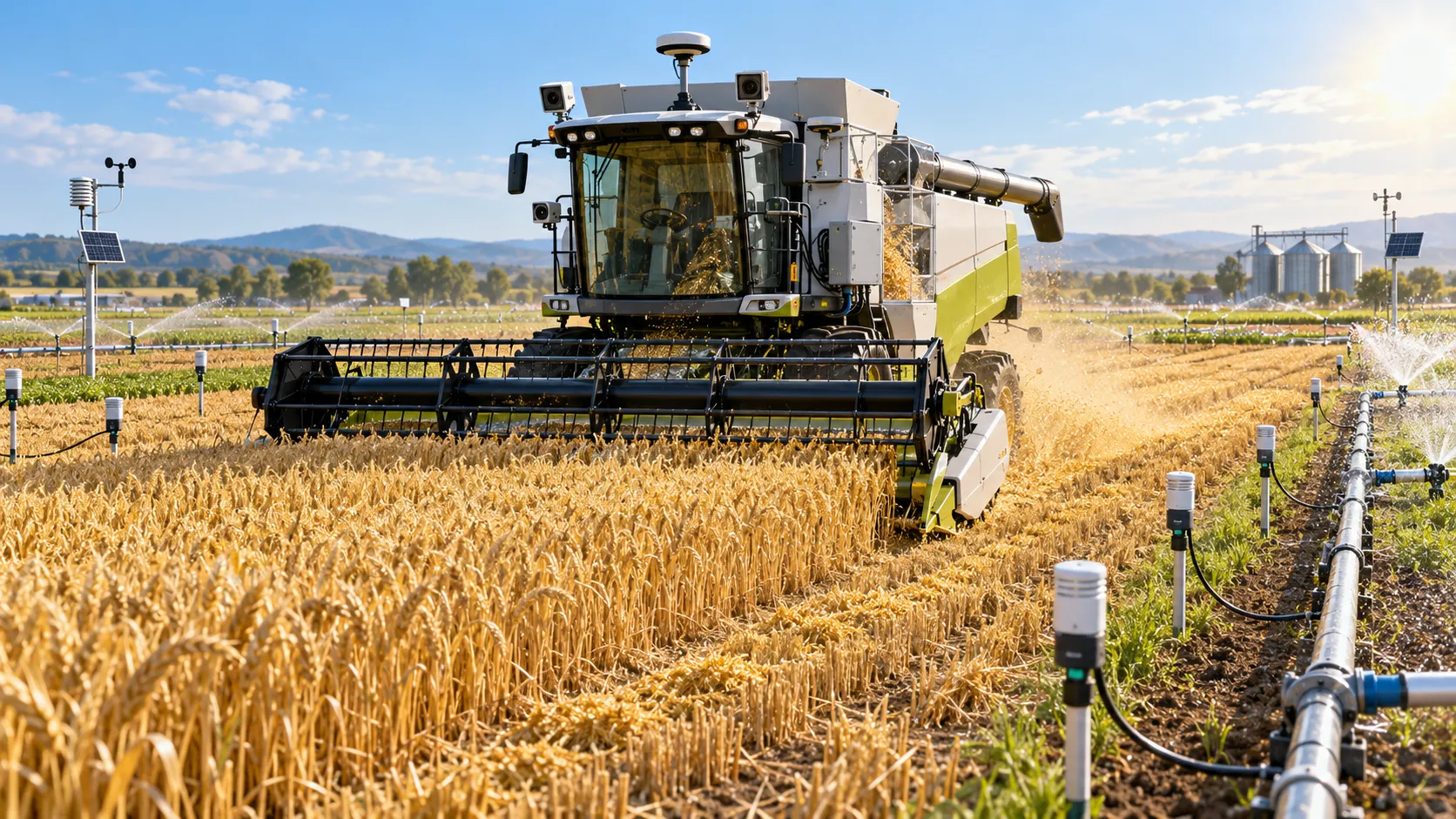
How to Evaluate Dynamic Feedback Algorithm Suppliers for Precision Farming Systems
Dynamic feedback algorithms supplier evaluation guide for precision farming—compare validation, integration, safety, and pilots to choose with confidence.
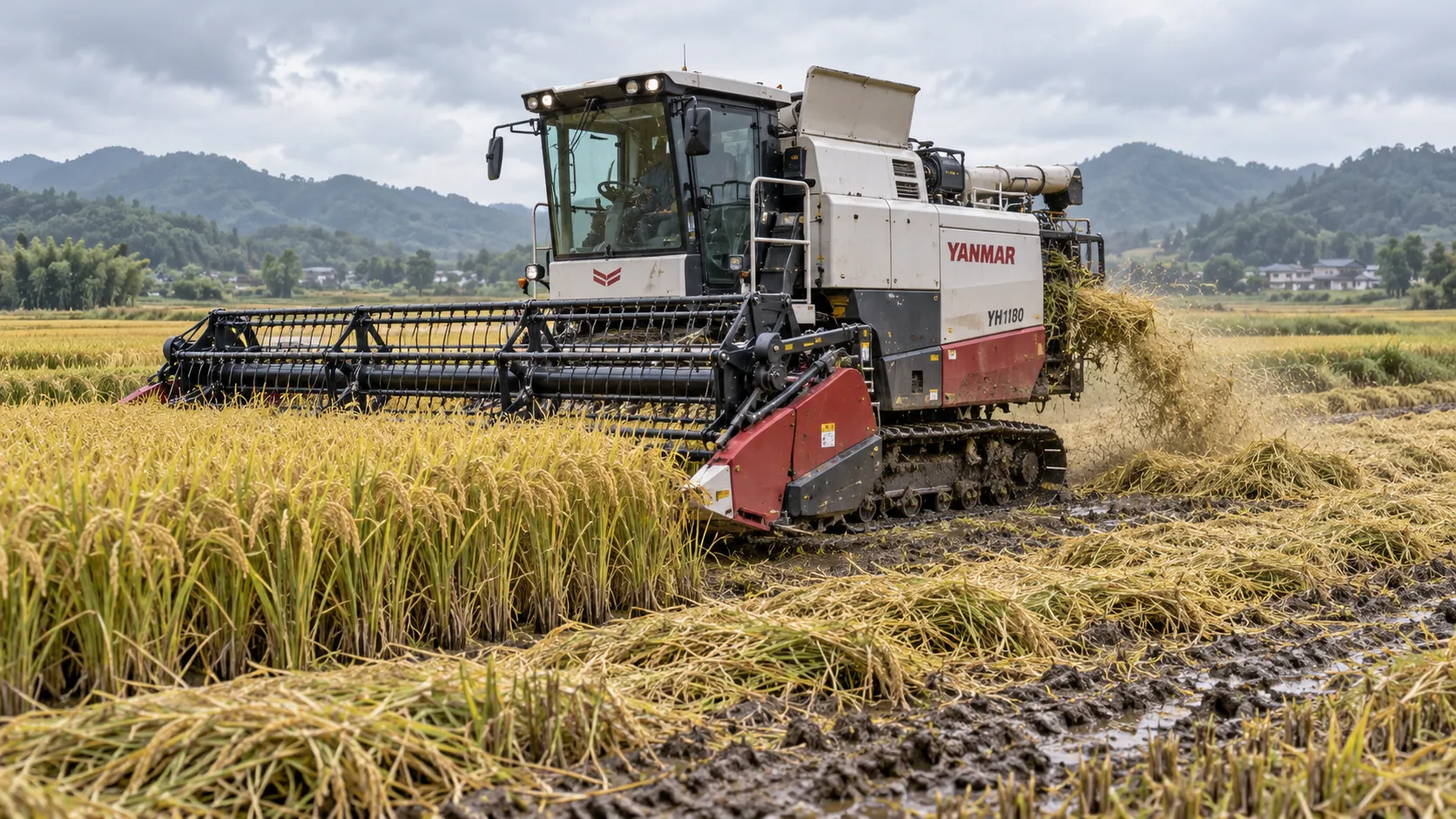
How to Specify Combine Harvester Systems for High-Moisture Grain and Variable Field Conditions
Combine harvester systems for high-moisture grain: learn how to specify threshing, cleaning, headers, traction, and automation for reliable harvests in variable fields.
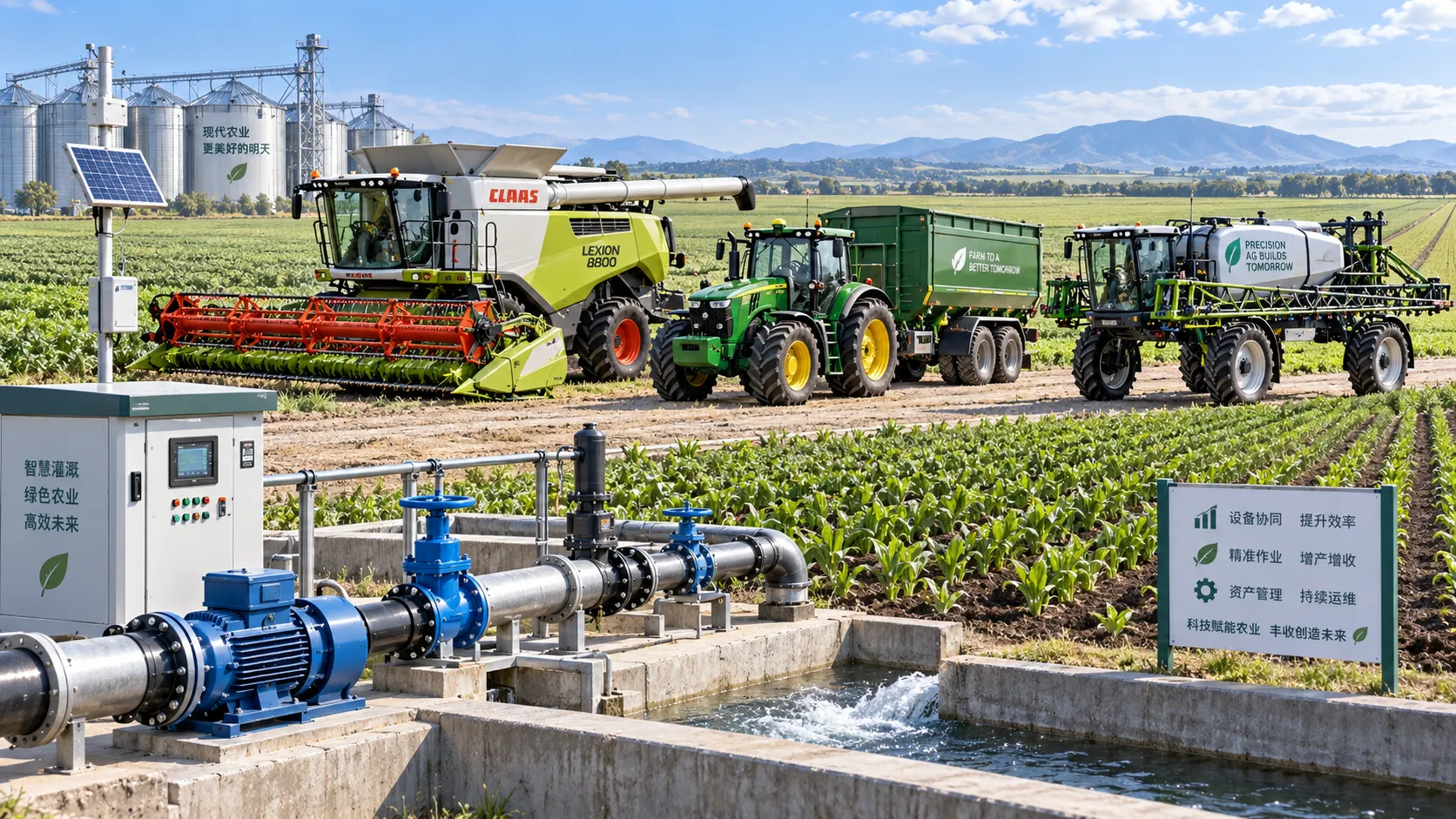
How to Compare Agricultural Equipment Platforms for Fleet Management and ROI
Agricultural equipment platform comparison: evaluate fleet data, maintenance, precision workflows, and ROI to choose a system that delivers measurable results.
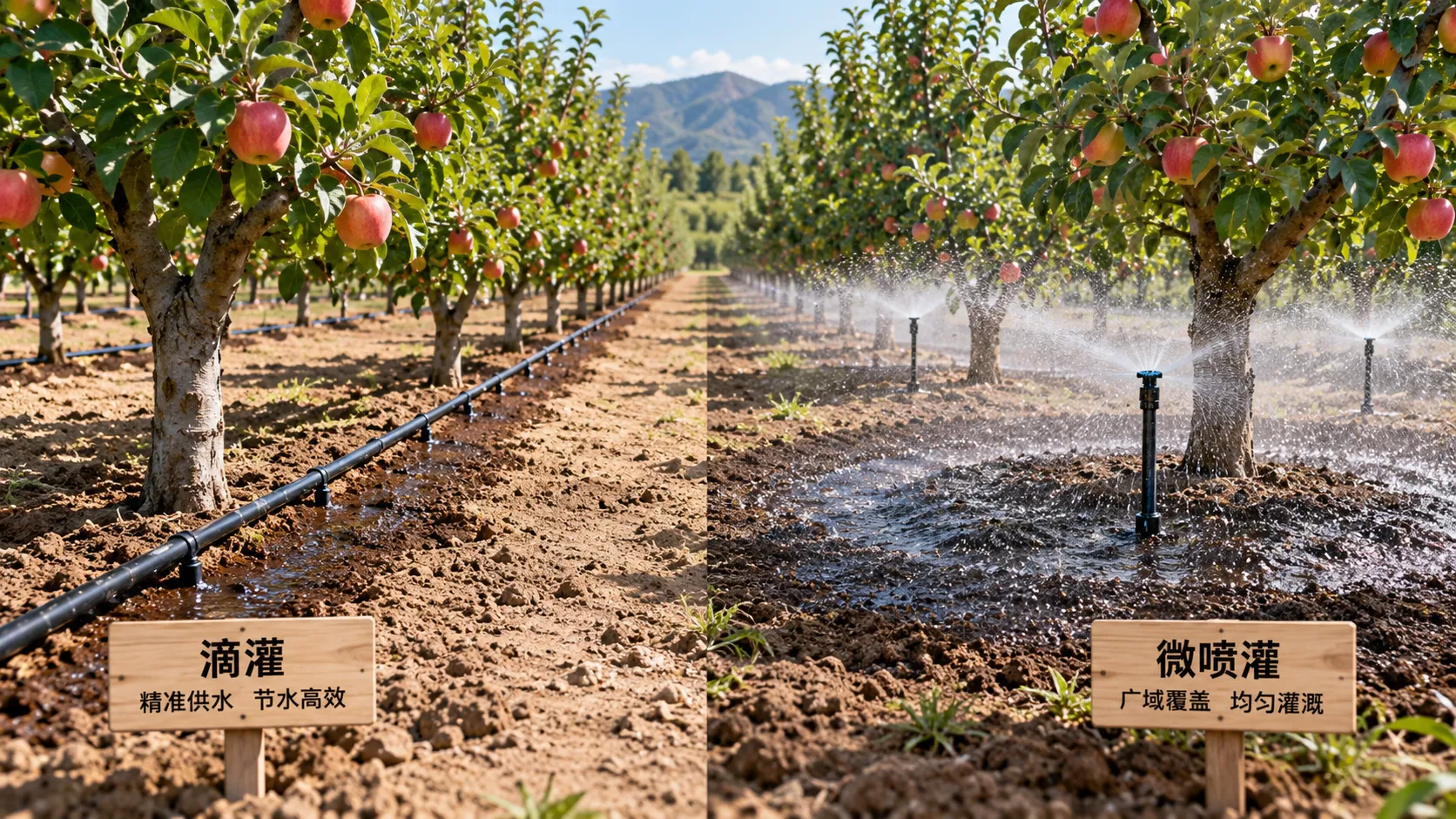
Drip vs. Micro-Sprinkler Irrigation: Which System Fits Your Orchard?
Irrigation solution comparison for orchards: discover whether drip or micro-sprinklers best match your water, soil, roots, fertigation, and frost needs.
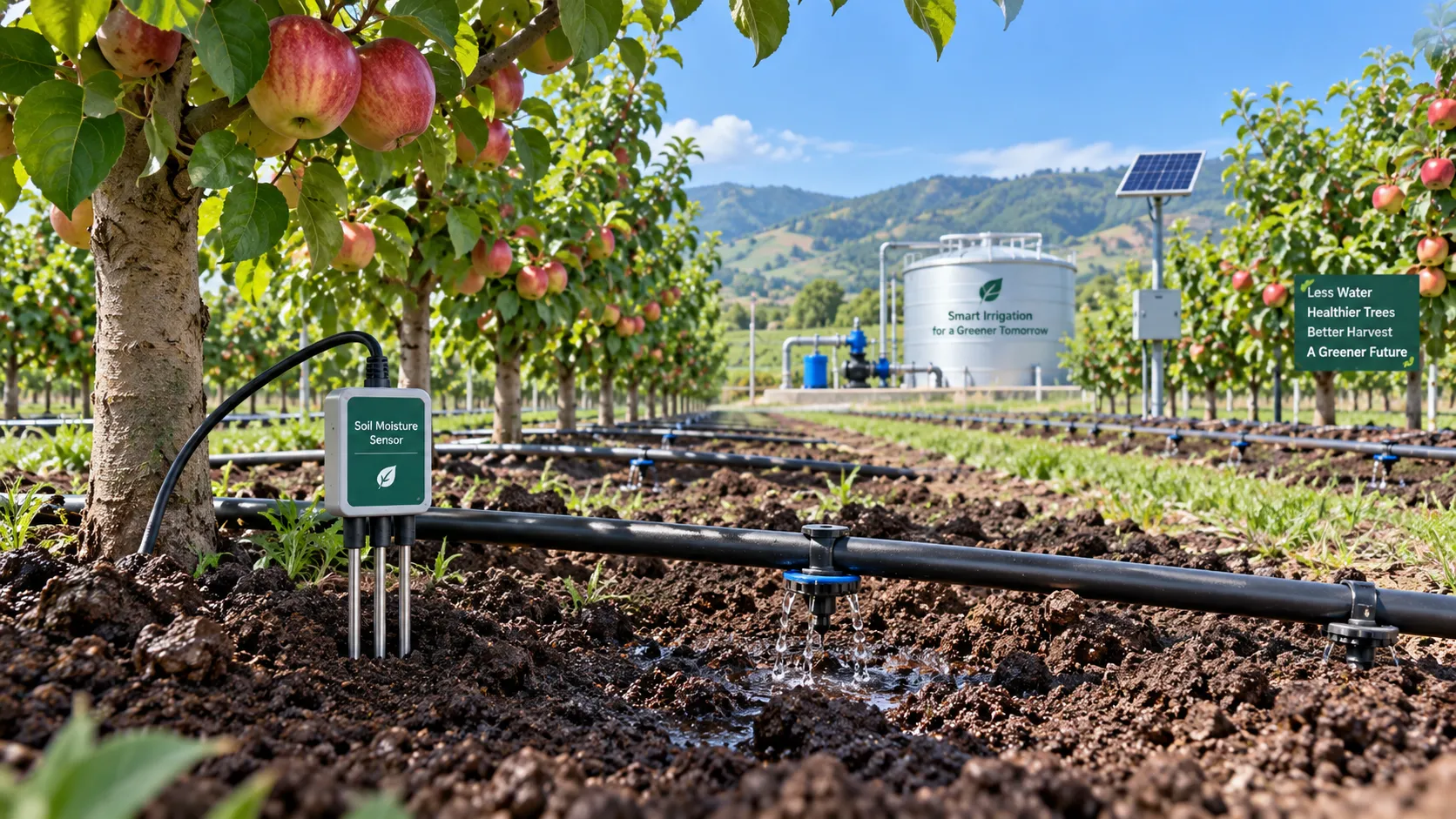
Orchard Water Management: Using Soil Moisture Data to Schedule Irrigation
Agricultural water management for orchards made practical: use soil moisture data to optimize irrigation timing, protect yield, reduce costs, and improve resilience.
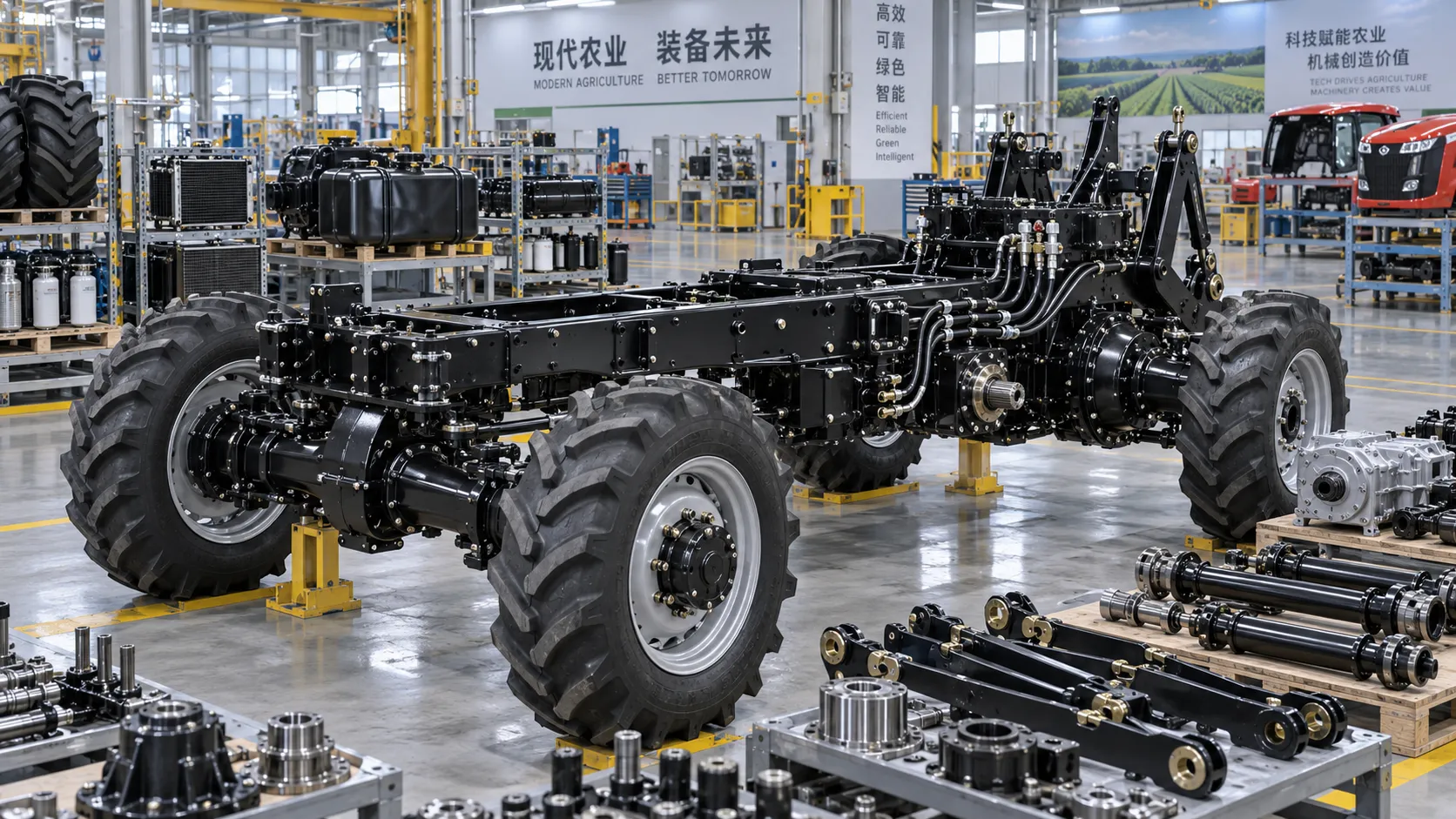
Tractor Chassis Price: What Buyers Should Compare Beyond the Initial Quote
Tractor chassis price is only the start. Compare load capacity, compatibility, durability, and lifecycle costs to choose a reliable, high-value chassis.
Related News
- 00
0000-00
Farm Machinery Sourcing: How to Vet Suppliers, Specs, and Lifecycle Costs - 00
0000-00
How to calculate ROI on precision agriculture equipment before buying - 00
0000-00
Tractor Specification Sheets: Matching PTO, Hydraulics, and Weight to Farm Tasks - 00
0000-00
How to Compare Agricultural Equipment Platforms for Fleet Management and ROI - 00
0000-00
Tractor Chassis Price: What Buyers Should Compare Beyond the Initial Quote
Popular Tags
Ms. Elena Rodriguez
Weekly Insights
Stay ahead with our curated technology reports delivered every Monday.