
How to Measure Large-Scale Farm Equipment Field Capacity Before Buying New Machines
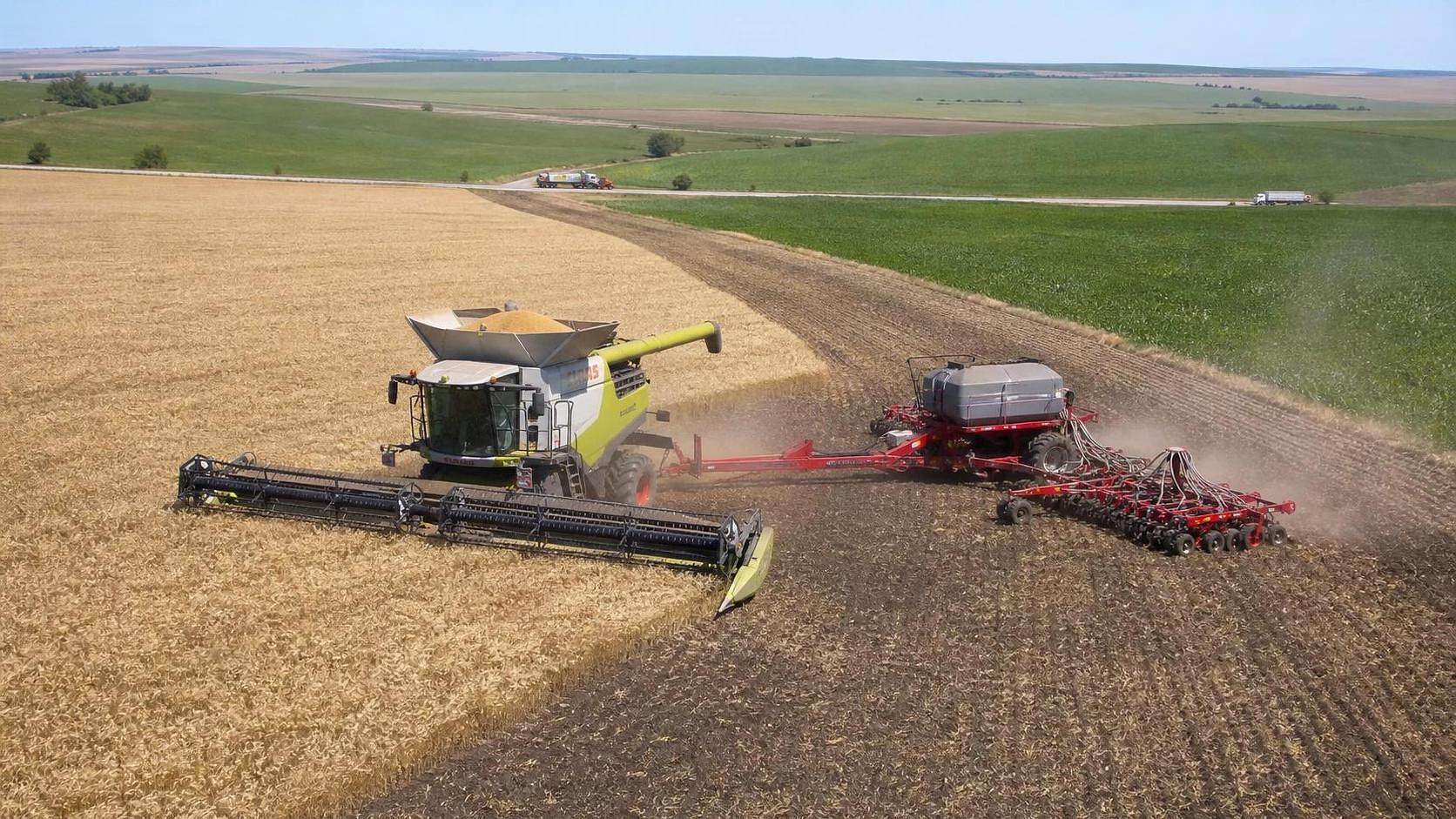




Why does field capacity matter before signing off on new equipment?
A machine can look impressive on paper and still miss the season in real fields.
That is why large-scale farm equipment field capacity deserves attention before price negotiations begin.
In simple terms, field capacity shows how much land a machine can actually cover within working hours.
The key word is actually.
Brochure figures often reflect ideal speed, ideal width, and almost no interruption.
Real operations include headland turns, refill stops, terrain limits, operator changes, and weather delays.
For large acreage, those differences quickly become a cost issue rather than a technical detail.
A shortfall in large-scale farm equipment field capacity can lead to overtime labor, missed harvest windows, and lower input efficiency.
At AP-Strategy, this is usually treated as a decision problem, not only an engineering specification.
The useful comparison is not machine against machine alone.
It is machine against acreage, crop timing, transport rhythm, and support systems across the farm.
What is the right way to calculate large-scale farm equipment field capacity?
A common search question is whether rated capacity and working capacity mean the same thing.
They do not.
The starting point is theoretical field capacity.
That figure is usually calculated from working width and travel speed.
The practical number is effective field capacity.
It adjusts the result by field efficiency, which reflects real operating losses.
A useful formula is straightforward:
Effective field capacity = working width x speed x field efficiency.
Units must be consistent, so confirm hectares per hour or acres per hour before comparing vendors.
Field efficiency often makes the biggest difference.
A planter may look strong at 90 percent efficiency in a trial sheet.
A fragmented field layout may push real performance closer to 65 or 70 percent.
That gap changes machine count, shift planning, and fuel budgeting.
Which inputs should be verified instead of copied from a brochure?
- True operating width, not nominal width.
- Average field speed under crop load, not transport speed.
- Turning and overlap losses on irregular parcels.
- Refill, unload, and service downtime during a full shift.
- Soil moisture, slope, residue level, and crop density.
- Operator skill and guidance accuracy.
In practice, the best large-scale farm equipment field capacity estimate comes from mixed data.
Use supplier data, current fleet history, and local operating records together.
How do crop conditions and field layout change the number you should trust?
This is where many buying decisions become too optimistic.
Large-scale farm equipment field capacity is never independent from the field itself.
A wide implement in a square field may perform close to target.
The same machine in narrow plots loses time on every pass.
Harvest equipment shows this even more clearly.
Combine capacity depends on crop yield, straw volume, unloading logistics, and acceptable grain loss.
Running faster may raise hectares per hour while reducing grain quality or increasing header loss.
That is not real capacity improvement.
It is capacity borrowed from quality.
AP-Strategy often frames this through Agriculture 4.0 thinking.
Mechanical width and horsepower still matter, but algorithm-assisted guidance, moisture sensing, and flow monitoring matter too.
For seeders, sprayers, combines, and irrigation support vehicles, precision systems can improve pass accuracy and reduce overlap.
That can lift practical capacity without simply buying a larger frame.
The table is useful because it turns an abstract capacity number into an operating context.
When comparing two machines, what separates a smart choice from a cheap one?
A lower purchase price can still produce a higher seasonal cost.
That usually happens when large-scale farm equipment field capacity is only marginally adequate.
One weather event, one labor shortage, or one repair delay can break the schedule.
A stronger comparison uses several questions at once.
- How many workable days are available for planting, spraying, or harvesting?
- What daily area must be completed to protect yield or input timing?
- Can transport, grain carts, refilling, or water supply keep up?
- Does one larger unit create too much downtime risk?
- Will guidance, telematics, or automation improve consistency enough to offset capital cost?
The answer is sometimes a bigger machine.
Sometimes it is a better-balanced system with stronger support logistics.
For example, a combine with higher throughput can still underperform if unloading is slow.
A high-capacity sprayer can lose value if tender trucks are undersized.
This broader view matches the AP-Strategy approach to strategic intelligence.
Equipment should be judged as part of a field system linked to timing, data, water, and labor.
What mistakes most often distort field capacity estimates?
The most common error is assuming top speed equals productive speed.
It rarely does.
Another mistake is using average acreage without respecting narrow seasonal windows.
Capacity is about time pressure, not only annual area.
There is also a tendency to ignore support equipment.
Field operations fail at the slowest link.
A fast tractor and wide implement still wait for fuel, seed, water, or labor handoff.
More subtle mistakes include poor data quality.
If historic machine logs include transport time, setup time, and weather delays without separation, comparison becomes misleading.
Better decisions come from separating operating hours, productive hours, and blocked hours.
That distinction matters for large-scale farm equipment field capacity and for total ownership cost.
A quick decision check
How should the final purchase decision be structured?
A useful closing step is to build a short decision sheet for each machine option.
Include effective field capacity, seasonal coverage, support requirements, and cost per productive hectare.
Then add one more layer.
Stress-test each option against late planting, wet harvest, labor gaps, or fuel disruptions.
That is often where the better decision becomes visible.
Large-scale farm equipment field capacity should support resilience, not just average performance.
This is especially relevant in a market shaped by tighter sustainability standards, smarter machinery, and volatile operating costs.
AP-Strategy’s broader industry lens is helpful here because machine productivity now connects with water use, precision inputs, chassis efficiency, and digital control quality.
Before moving ahead, organize field records, define the narrowest seasonal window, and compare machines on real effective output.
Then confirm whether the rest of the operating chain can sustain that output every day that matters.
That process turns large-scale farm equipment field capacity from a sales figure into a sound buying standard.
Related News
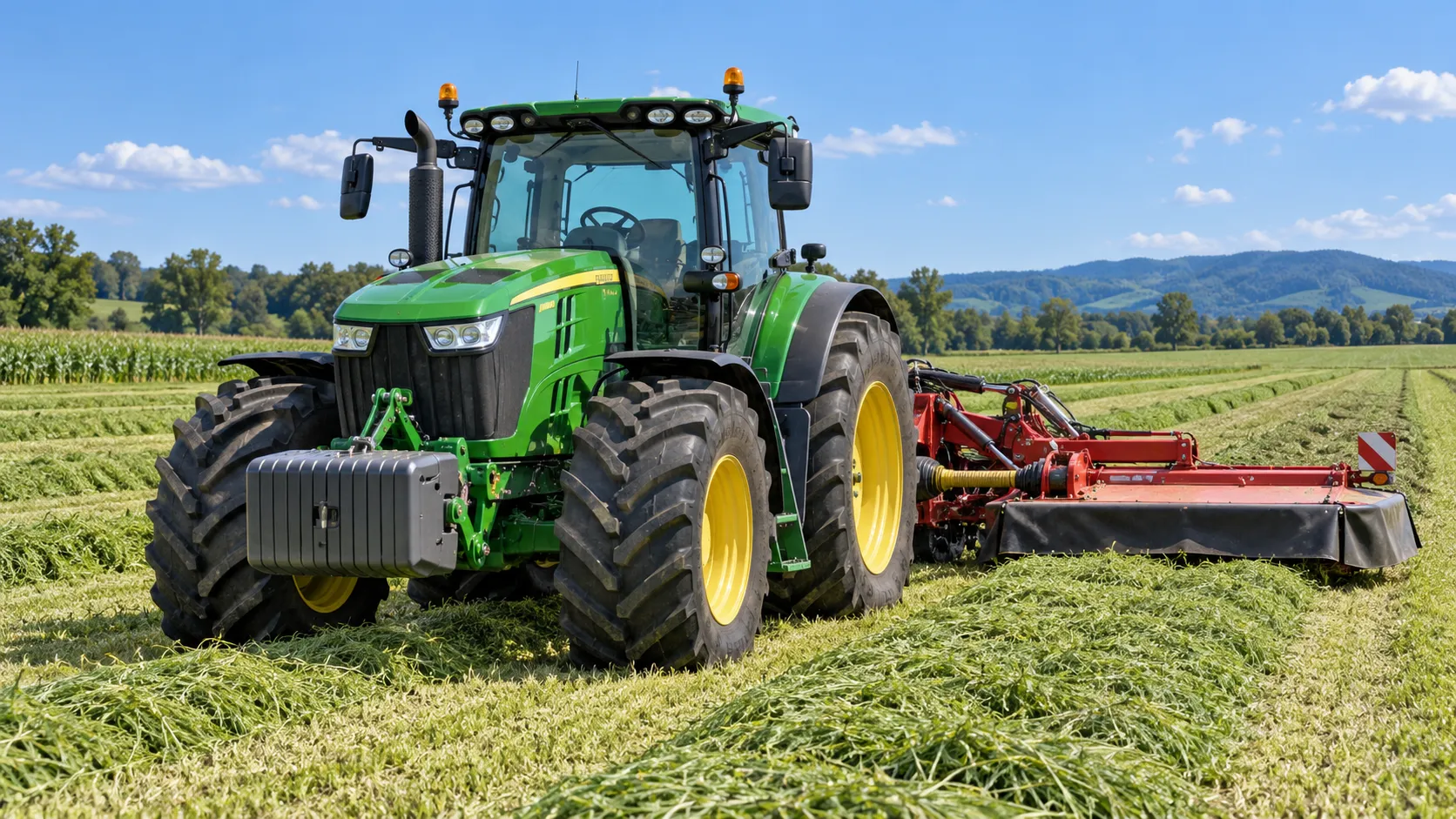
Tractor Specification Sheets: Matching PTO, Hydraulics, and Weight to Farm Tasks
Specification-oriented articles for tractors: match PTO, hydraulics, lift capacity, ballast, and weight to real farm tasks for safer, more efficient equipment choices.
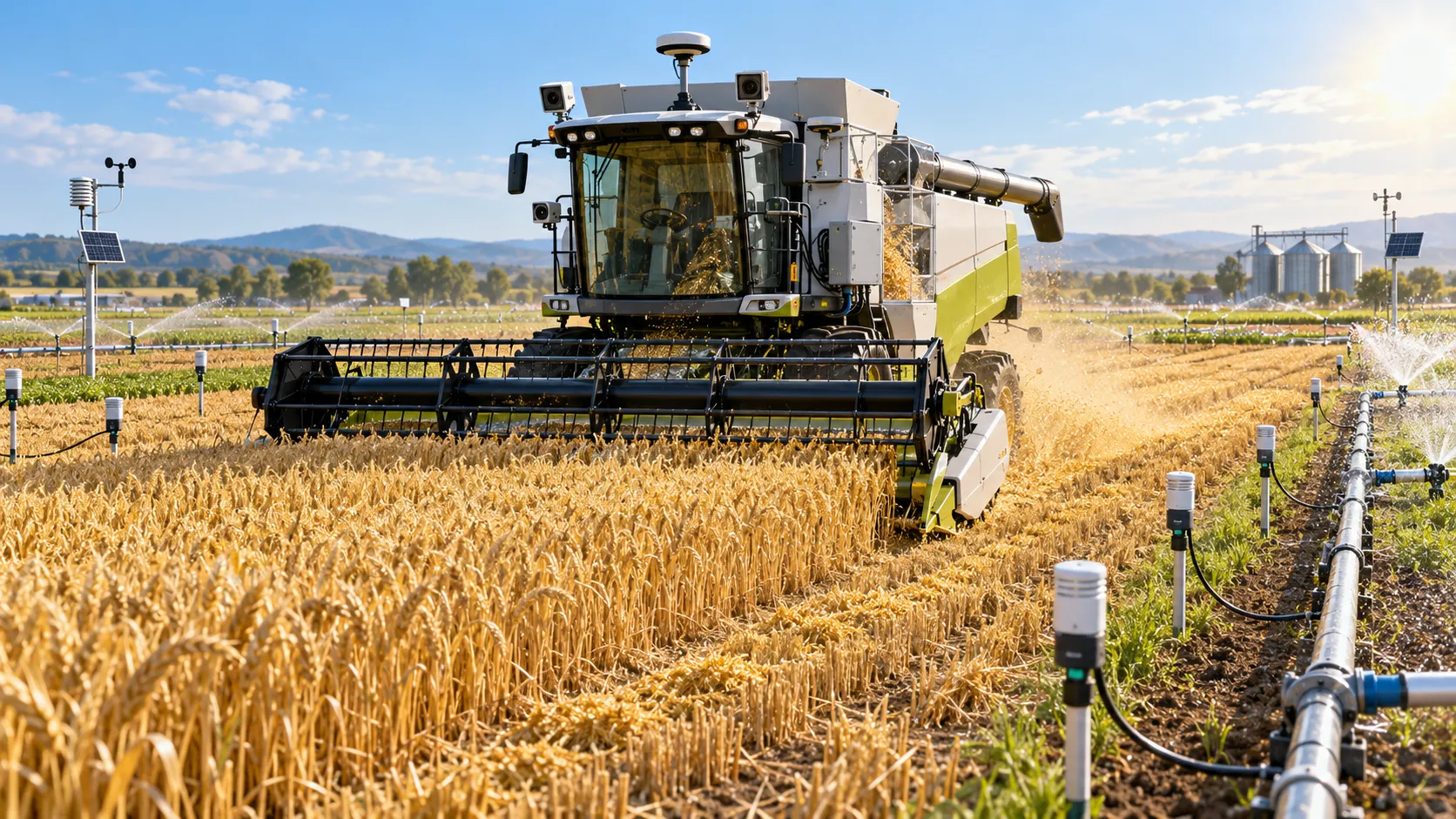
How to Evaluate Dynamic Feedback Algorithm Suppliers for Precision Farming Systems
Dynamic feedback algorithms supplier evaluation guide for precision farming—compare validation, integration, safety, and pilots to choose with confidence.
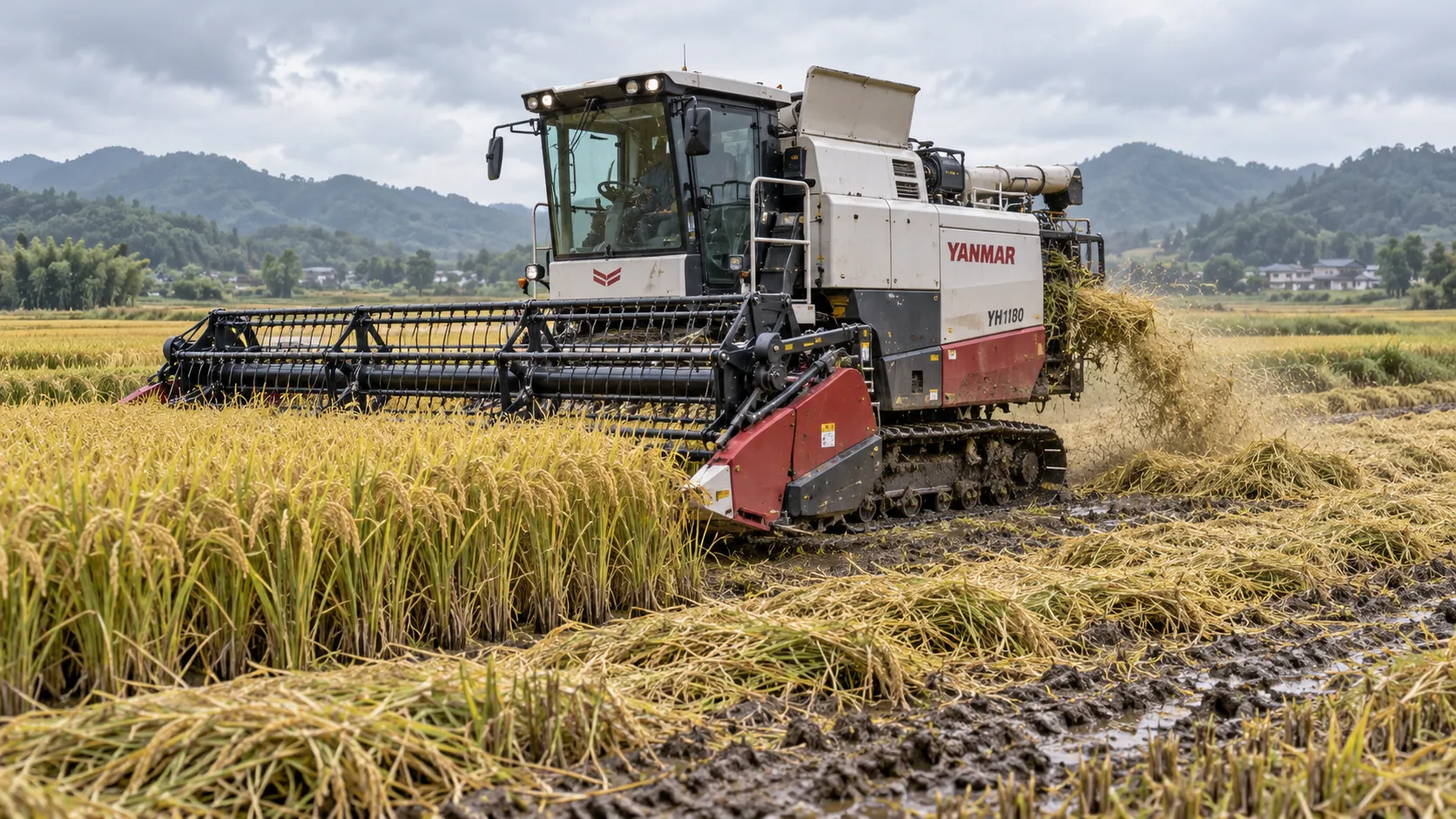
How to Specify Combine Harvester Systems for High-Moisture Grain and Variable Field Conditions
Combine harvester systems for high-moisture grain: learn how to specify threshing, cleaning, headers, traction, and automation for reliable harvests in variable fields.
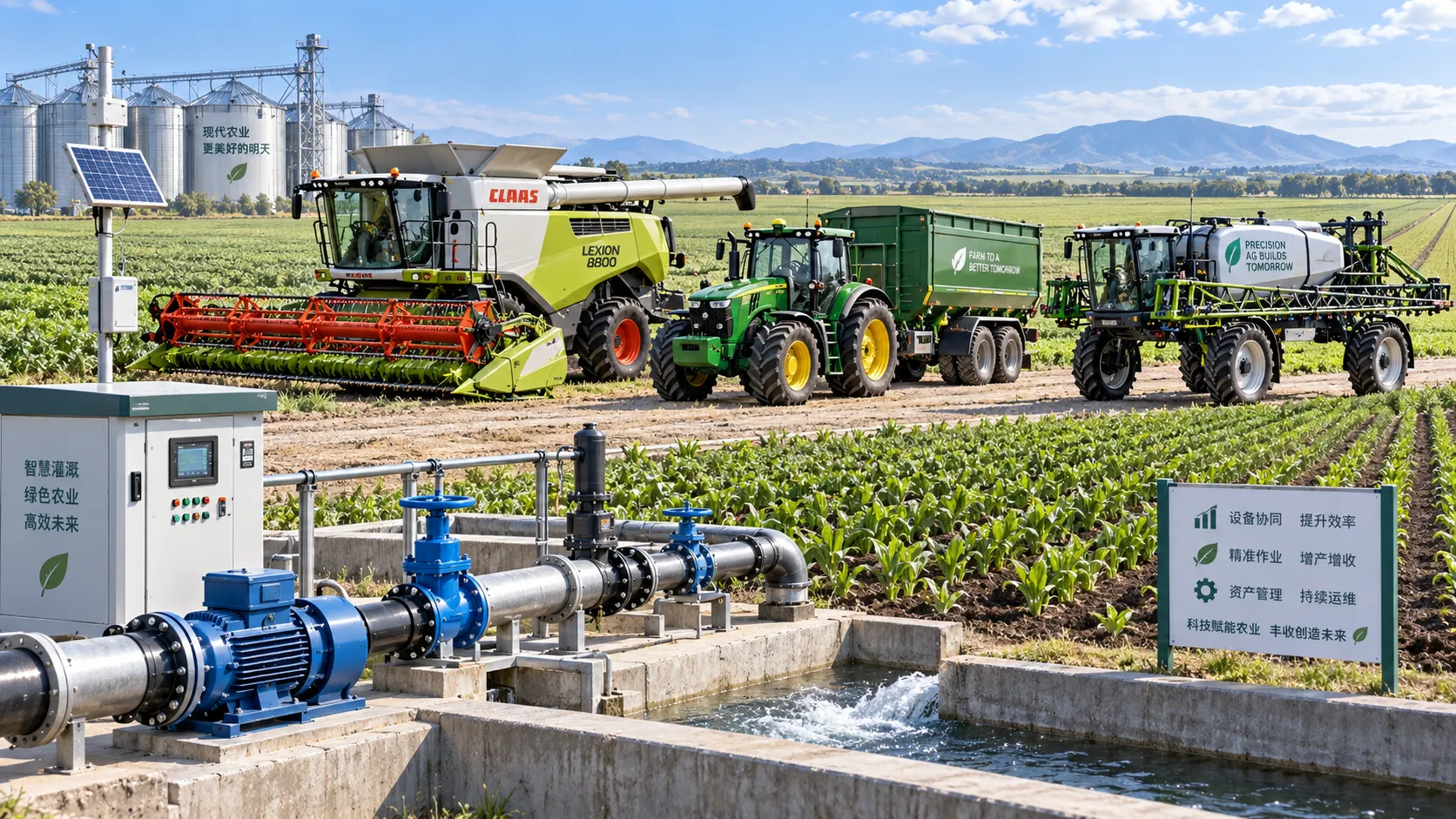
How to Compare Agricultural Equipment Platforms for Fleet Management and ROI
Agricultural equipment platform comparison: evaluate fleet data, maintenance, precision workflows, and ROI to choose a system that delivers measurable results.
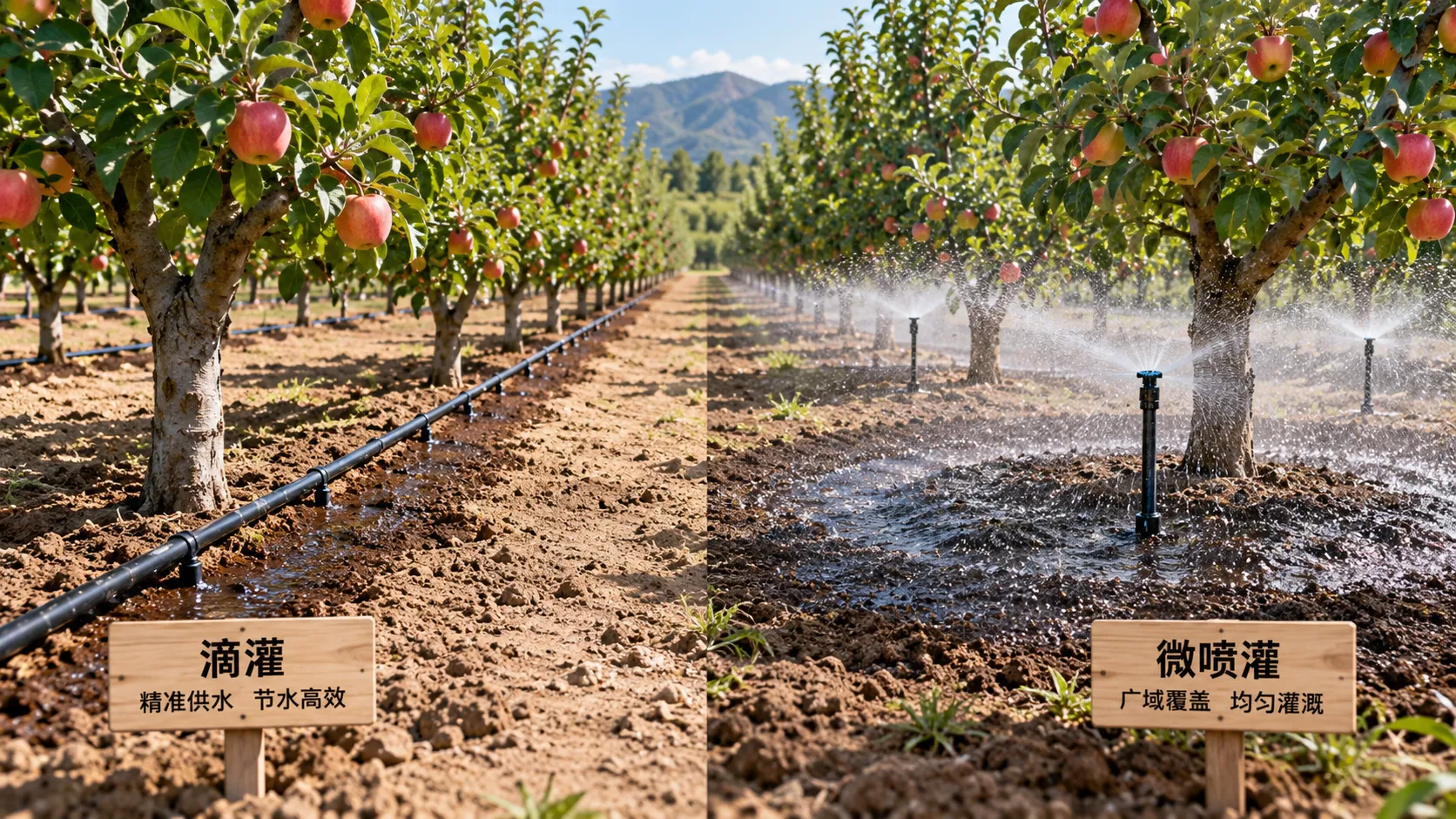
Drip vs. Micro-Sprinkler Irrigation: Which System Fits Your Orchard?
Irrigation solution comparison for orchards: discover whether drip or micro-sprinklers best match your water, soil, roots, fertigation, and frost needs.
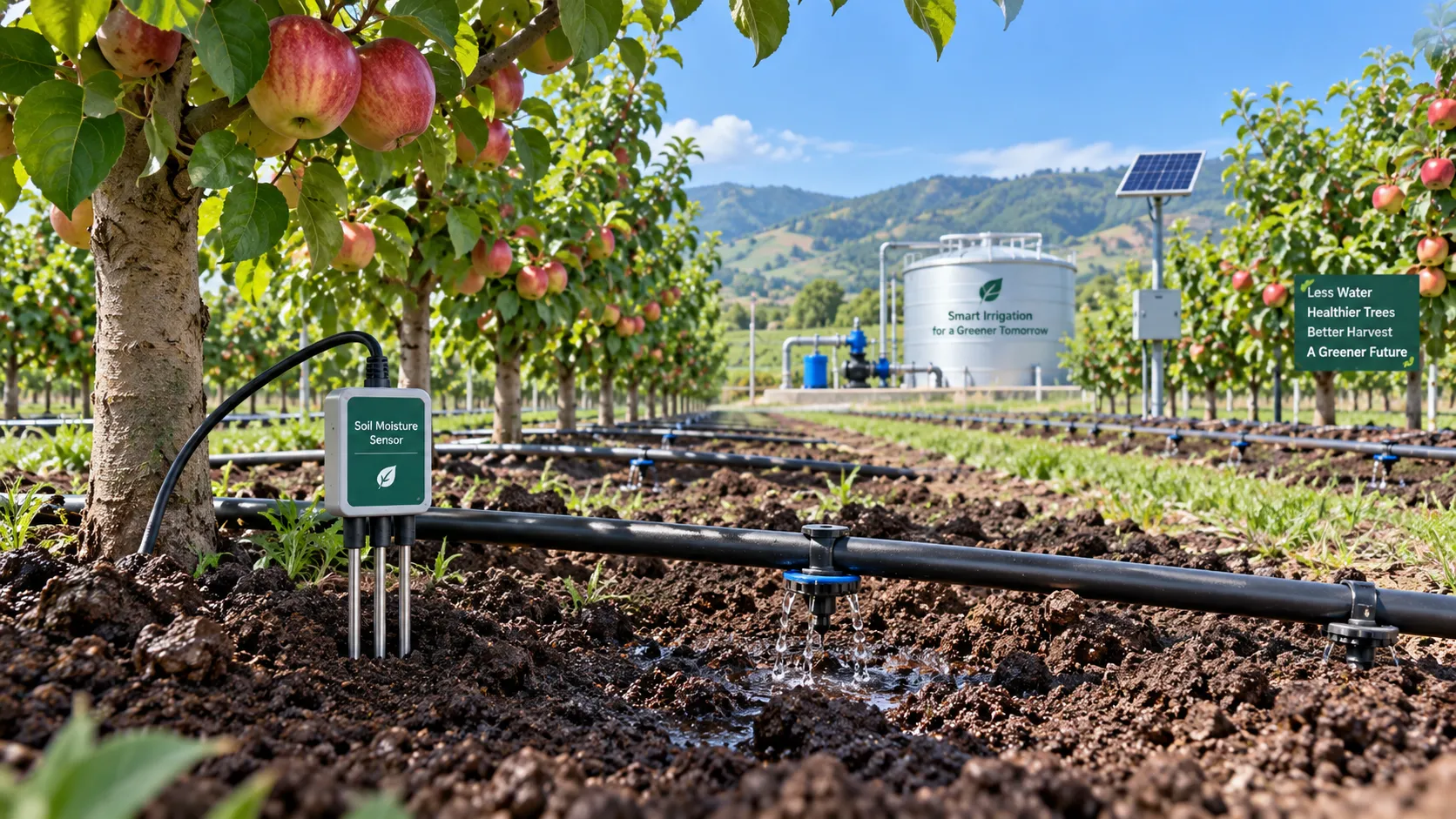
Orchard Water Management: Using Soil Moisture Data to Schedule Irrigation
Agricultural water management for orchards made practical: use soil moisture data to optimize irrigation timing, protect yield, reduce costs, and improve resilience.
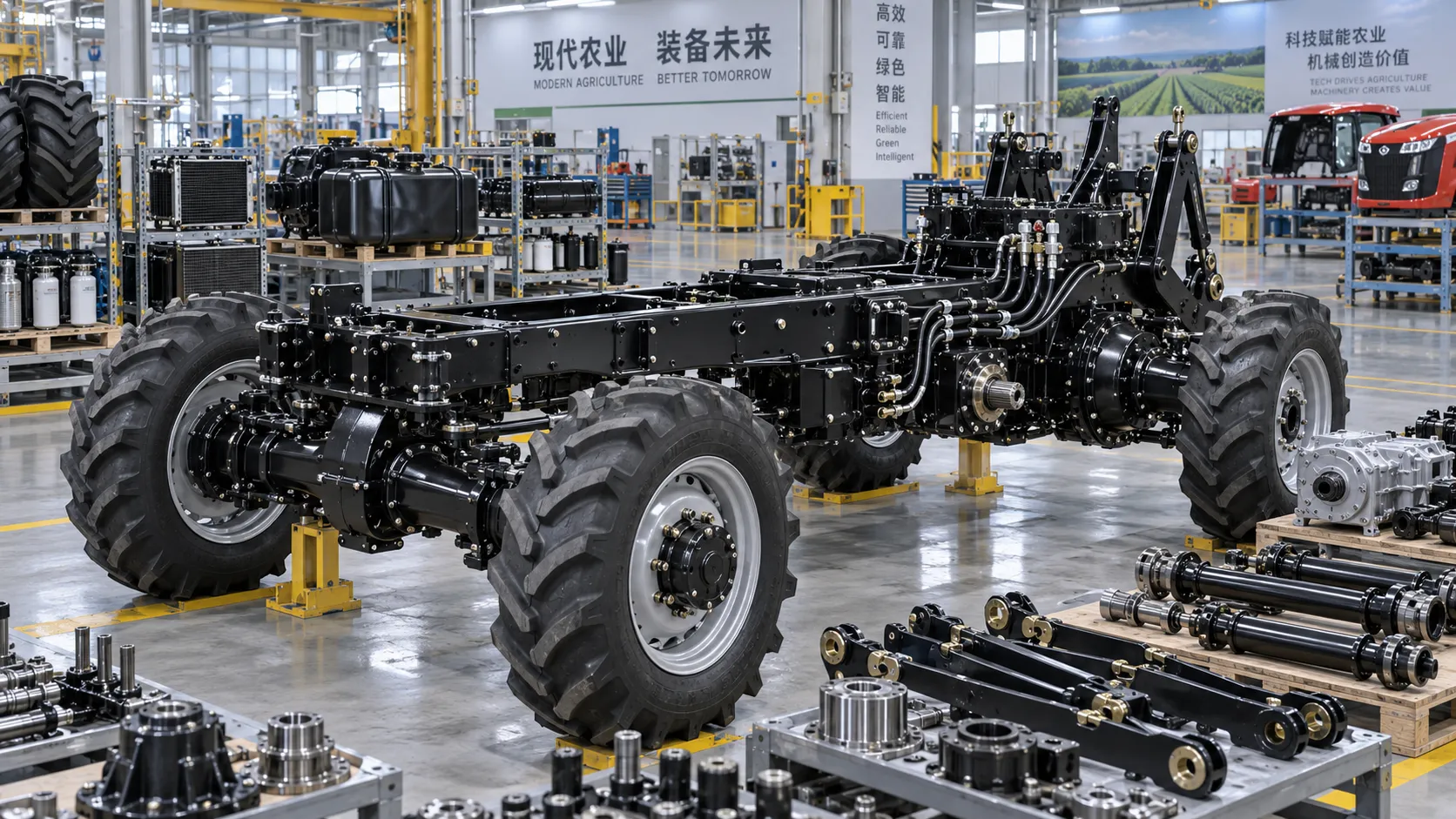
Tractor Chassis Price: What Buyers Should Compare Beyond the Initial Quote
Tractor chassis price is only the start. Compare load capacity, compatibility, durability, and lifecycle costs to choose a reliable, high-value chassis.
How to Select Smart Irrigation Valves for Multi-Zone Water Management?
Intelligent irrigation systems valves: learn how to match smart valves with multi-zone flow, pressure, control, feedback, and communication needs for reliable water management.
Climate-Smart Farming for Drought: A Practical Plan for Protecting Yields
Climate-smart farming for drought: build smarter water budgets, protect critical crop stages, improve irrigation uniformity, and safeguard yields with practical field-proven strategies.
Related News
- 00
0000-00
Tractor Specification Sheets: Matching PTO, Hydraulics, and Weight to Farm Tasks - 00
0000-00
How to Compare Agricultural Equipment Platforms for Fleet Management and ROI - 00
0000-00
Tractor Chassis Price: What Buyers Should Compare Beyond the Initial Quote - 00
0000-00
How Digital Agriculture Platforms Turn Field Data Into Better Input Decisions - 00
0000-00
When Does Agricultural Machinery Leasing Cost Less Than Owning Equipment?
Popular Tags
Ms. Elena Rodriguez
Weekly Insights
Stay ahead with our curated technology reports delivered every Monday.