
EU Port Delays Extend Drip Irrigation Logic Container Dwell Times
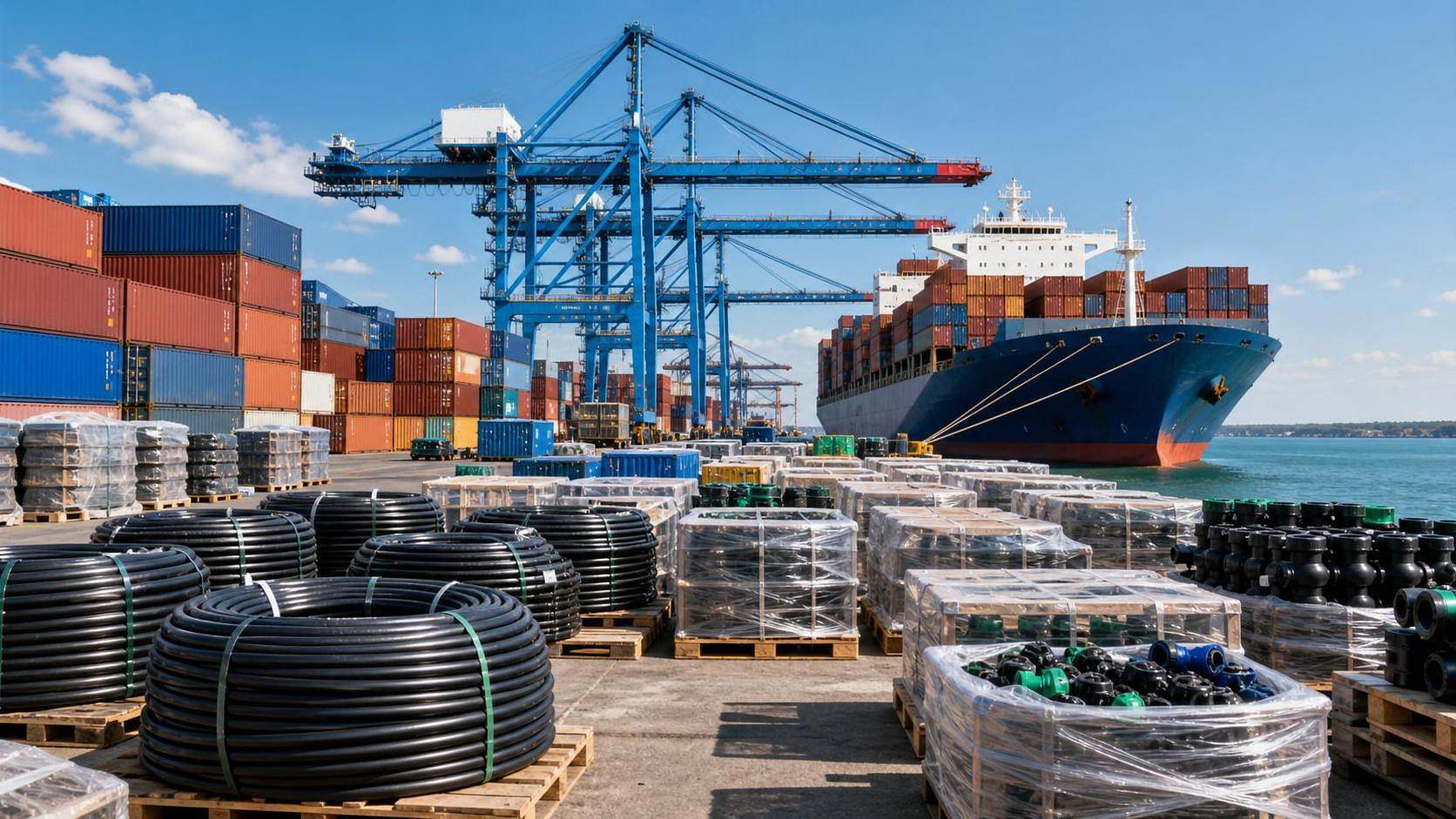




Between July 8 and July 10, 2026, the latest notice from the Port of Rotterdam pointed to a sharper disruption in EU port operations affecting Drip Irrigation Logic cargo, with longer container dwell times now becoming a direct issue for July order fulfillment. The development matters not only for exporters and distributors tied to Spain and Italy, but also for shipping planners, contract managers, and supply chain service providers that need to manage booking lead times, delivery commitments, and rising freight costs under tighter operational conditions.
What the Rotterdam update confirms
According to the latest communication from the Port of Rotterdam, container dwell time for cargo related to Drip Irrigation Logic averaged 12.3 days in early July 2026. This was 4.8 days longer than the June average. The reported cause was the combination of terminal automation system upgrades and work schedule adjustments linked to strike arrangements. The main impact identified in the update was on July order deliveries for distributors in Spain and Italy, with some batches facing the risk of contract breach. Shipping companies have also raised Mediterranean feeder freight rates by 18% and advised exporters to book space 30 days in advance.
Where the pressure is likely to appear first
Delivery risk is moving closer to distributors
From an industry perspective, distributors in Spain and Italy are the most immediate link under pressure because the reported disruption is already tied to July order delivery. The operational impact is likely to show up in inbound scheduling, customer promise dates, and order allocation decisions. What deserves closer attention is whether delayed arrivals begin to force changes in delivery sequencing or create disputes around agreed shipment timing.
Exporters are facing a tighter shipping window
For direct trading companies, the combination of longer dwell times and an 18% increase in Mediterranean feeder rates changes the shipping equation quickly. The issue is not only higher logistics cost, but also reduced flexibility in vessel planning and booking. Exporters should pay close attention to booking lead times, shipment cutoffs, and the gap between planned departure dates and actual port handling conditions.
Supply chain service providers may see coordination burdens rise
Analysis shows that freight forwarders, booking agents, and other supply chain service providers are likely to face more pressure in communication and exception handling. When congestion, schedule adjustment, and cost increases happen together, service providers often become the first point of coordination between cargo owners, carriers, and destination-side buyers. The main concern here is not only transport execution, but also the speed and clarity of status updates tied to delayed batches.
What companies should monitor now
Track whether official operating updates change further
Companies with cargo tied to this route should continue monitoring subsequent port and carrier notices. The current facts confirm congestion linked to system upgrades and labor-related scheduling changes, but day-to-day operating conditions may still shift. In practical terms, businesses should distinguish between a general congestion notice and a confirmed change that affects specific shipment timing.
Recheck July commitments and contract exposure
Because some batches are already described as facing contract breach risk, exporters and distributors should review which July orders are most time-sensitive and which delivery terms are most exposed to delay. This is especially relevant where customer acceptance, contractual delivery windows, or downstream sales commitments depend on narrow arrival dates.
Adjust booking and shipment preparation cycles
With shipping companies recommending bookings 30 days in advance, firms should reassess how early they need to lock in vessel space. Observably, the practical issue is not just making bookings earlier, but aligning internal production readiness, documentation preparation, and dispatch timing with a less forgiving shipping schedule.
Strengthen customer and partner communication
Where delay risk has already become visible, communication discipline matters. Companies should focus on updating customers, destination distributors, and logistics partners based on confirmed shipment status rather than assumption. In this case, the most useful operational step is often early notice around timing risk, freight changes, and possible delivery deviation.
Why this should be read as more than a single delay notice
Analysis shows that this update is important because it combines three signals at once: longer dwell time, direct pressure on July deliveries, and an immediate freight rate response on Mediterranean feeder services. That does not by itself prove a lasting structural shift, but it does indicate that operational disruption at a major EU port can quickly move from a terminal-side issue into a commercial and contractual issue for cargo owners and distributors. It is more appropriate to understand this as a near-term operating warning with broader implications if delays persist.
How to interpret the development at this stage
At this stage, the reported congestion should be read as a concrete short-term disruption with visible effects on delivery timing and logistics cost, especially for Spain- and Italy-linked distribution flows involving Drip Irrigation Logic cargo. A broader long-term conclusion would be premature based on the currently confirmed facts alone. What deserves closer attention is whether subsequent notices show improvement in dwell times, further rate adjustments, or wider spillover into booking and delivery reliability.
Basis of this article and what still needs verification
This article is based on the user-provided news title, event timing, and event summary. For this type of industry update, commonly relevant source categories may include official port notices, company announcements, industry association updates, authoritative media reporting, and standard-setting or operational guidance documents. A specific official source link was not provided in the input, so continued verification is still necessary. The next areas to watch are whether the Port of Rotterdam or shipping companies issue follow-up operating updates, and whether the reported delivery and freight impacts broaden beyond the currently identified scope.
Related News

Tractor Specification Sheets: Matching PTO, Hydraulics, and Weight to Farm Tasks
Specification-oriented articles for tractors: match PTO, hydraulics, lift capacity, ballast, and weight to real farm tasks for safer, more efficient equipment choices.

How to Evaluate Dynamic Feedback Algorithm Suppliers for Precision Farming Systems
Dynamic feedback algorithms supplier evaluation guide for precision farming—compare validation, integration, safety, and pilots to choose with confidence.

How to Specify Combine Harvester Systems for High-Moisture Grain and Variable Field Conditions
Combine harvester systems for high-moisture grain: learn how to specify threshing, cleaning, headers, traction, and automation for reliable harvests in variable fields.
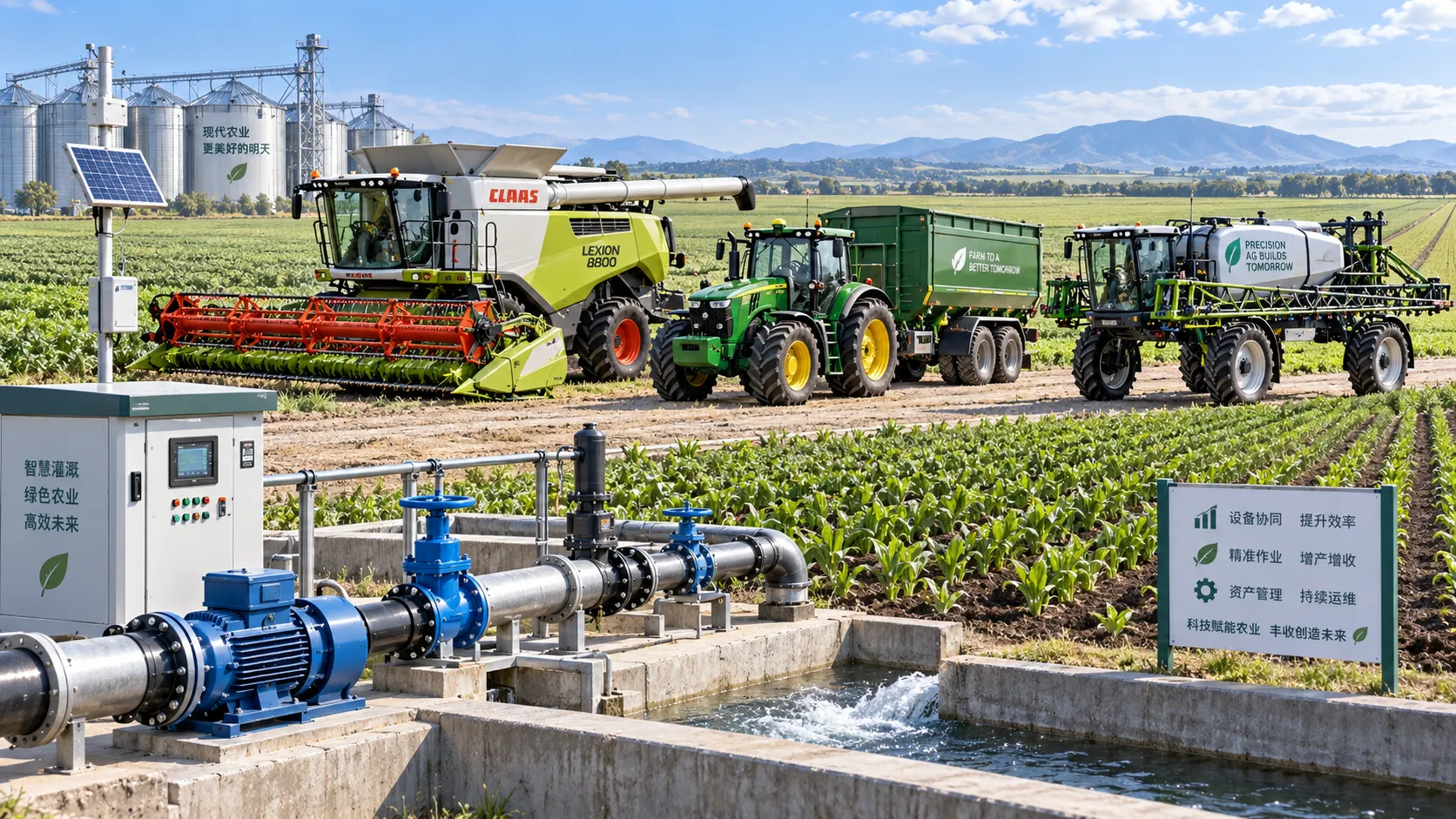
How to Compare Agricultural Equipment Platforms for Fleet Management and ROI
Agricultural equipment platform comparison: evaluate fleet data, maintenance, precision workflows, and ROI to choose a system that delivers measurable results.
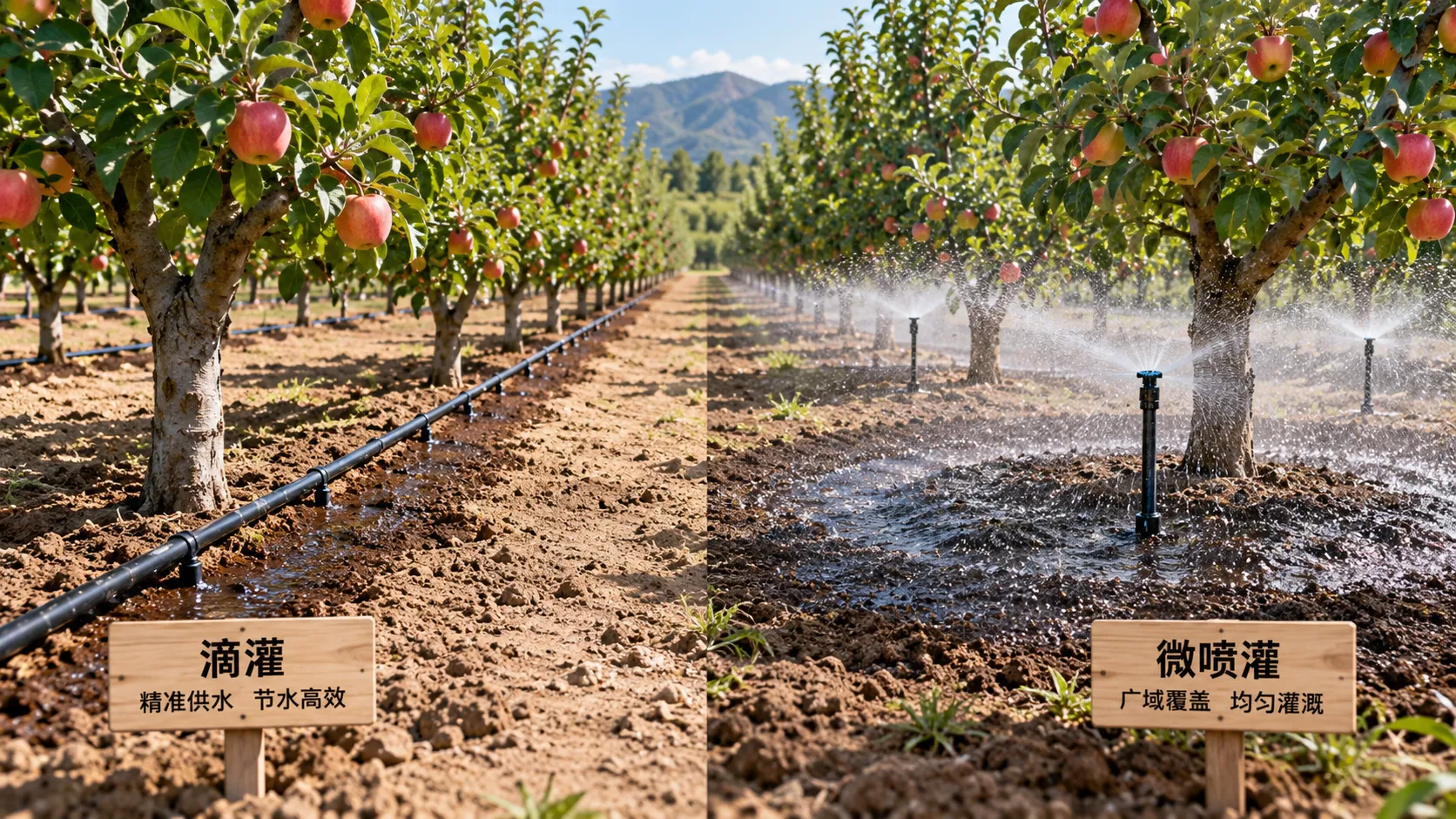
Drip vs. Micro-Sprinkler Irrigation: Which System Fits Your Orchard?
Irrigation solution comparison for orchards: discover whether drip or micro-sprinklers best match your water, soil, roots, fertigation, and frost needs.
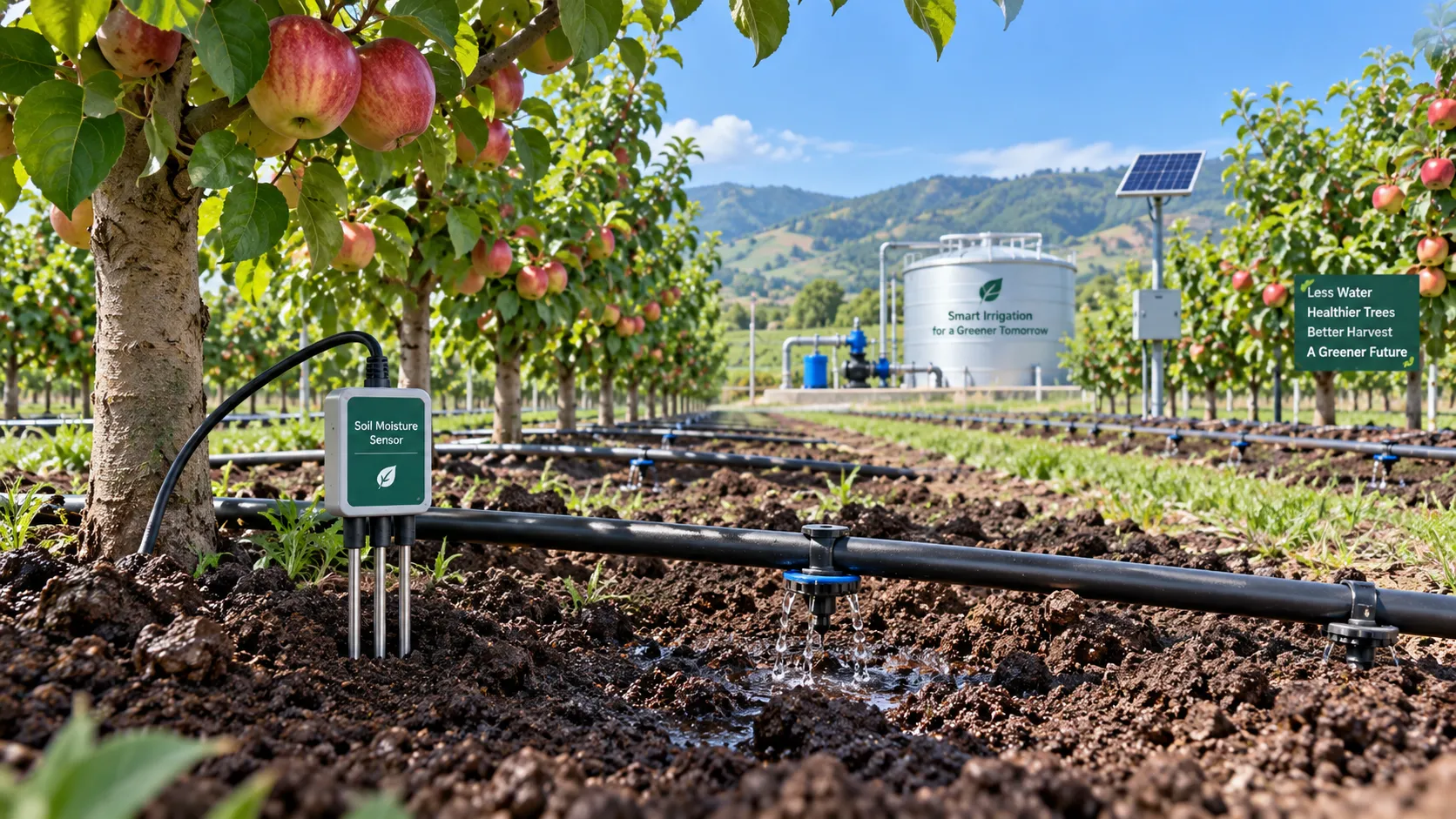
Orchard Water Management: Using Soil Moisture Data to Schedule Irrigation
Agricultural water management for orchards made practical: use soil moisture data to optimize irrigation timing, protect yield, reduce costs, and improve resilience.
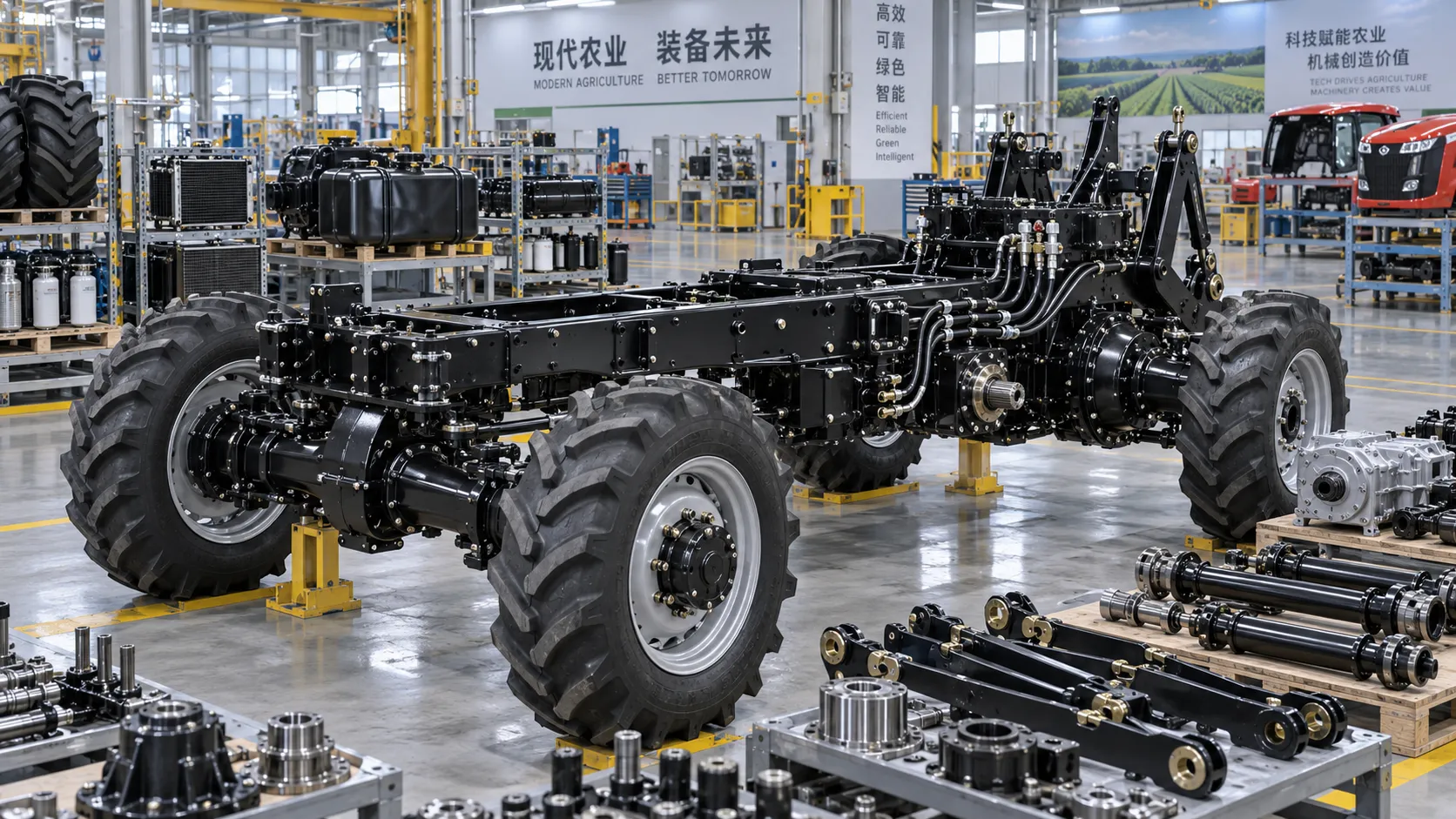
Tractor Chassis Price: What Buyers Should Compare Beyond the Initial Quote
Tractor chassis price is only the start. Compare load capacity, compatibility, durability, and lifecycle costs to choose a reliable, high-value chassis.
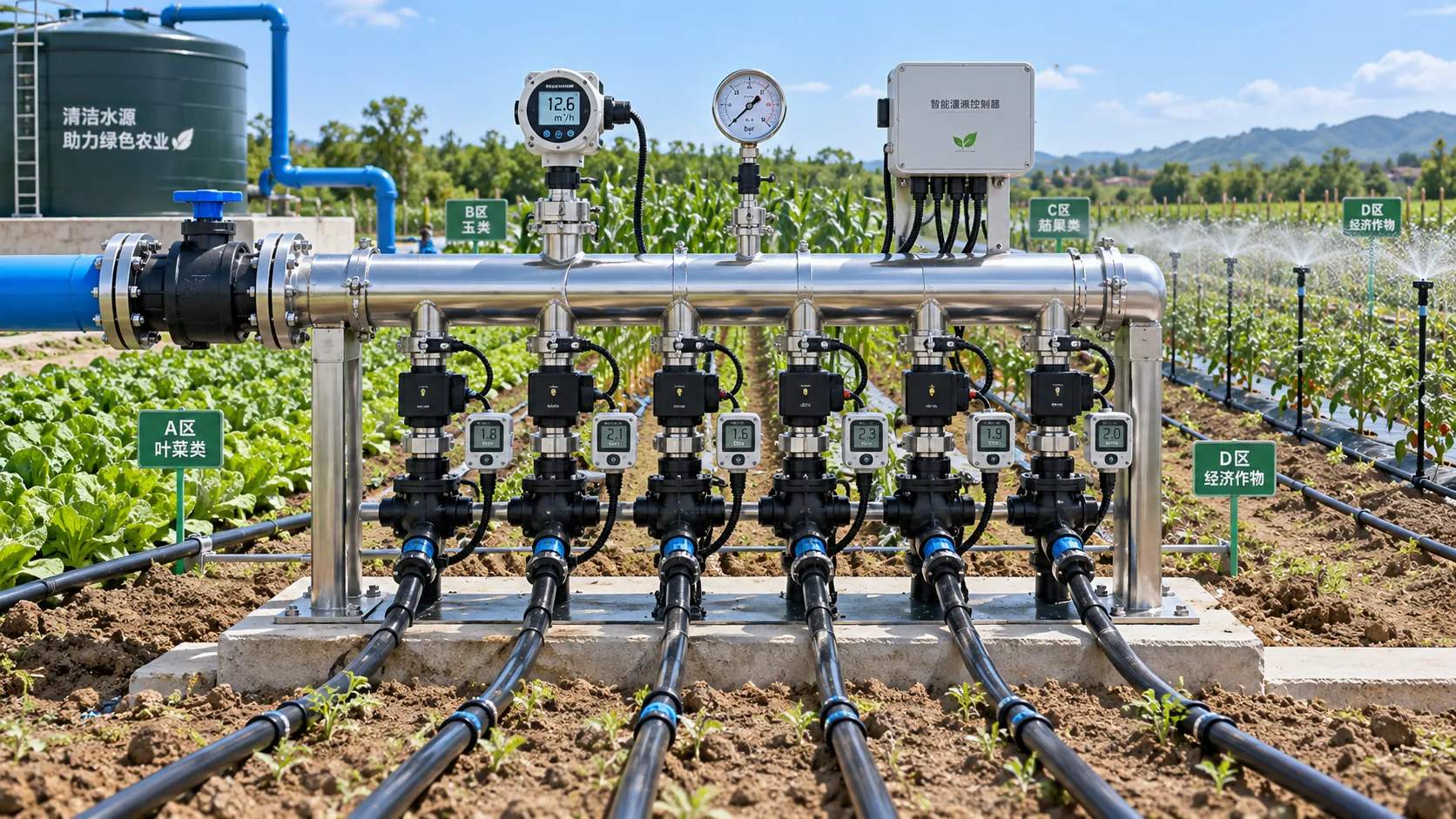
How to Select Smart Irrigation Valves for Multi-Zone Water Management?
Intelligent irrigation systems valves: learn how to match smart valves with multi-zone flow, pressure, control, feedback, and communication needs for reliable water management.
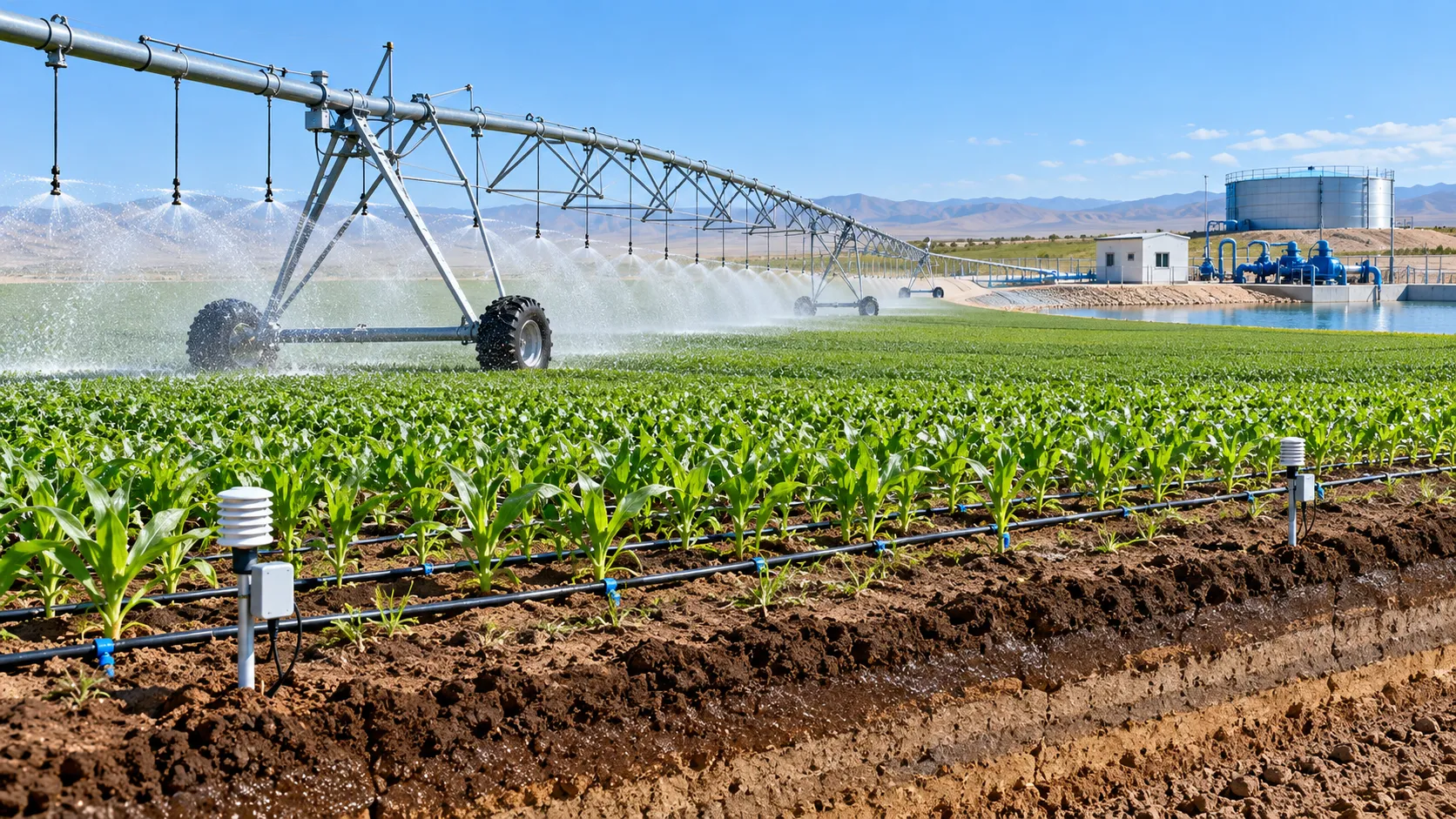
Climate-Smart Farming for Drought: A Practical Plan for Protecting Yields
Climate-smart farming for drought: build smarter water budgets, protect critical crop stages, improve irrigation uniformity, and safeguard yields with practical field-proven strategies.
Related News
- 00
0000-00
Drip vs. Micro-Sprinkler Irrigation: Which System Fits Your Orchard? - 00
0000-00
How to Select Smart Irrigation Valves for Multi-Zone Water Management? - 00
0000-00
Automated Water-Saving Irrigation: How to Cut Water Use Without Reducing Crop Yields - 00
0000-00
How to Evaluate Drip Irrigation System Manufacturers for Large Farm Projects - 00
0000-00
Wireless Agricultural Automation for Remote Irrigation and Field Monitoring
Popular Tags
Hydrological Resource Strategist
Weekly Insights
Stay ahead with our curated technology reports delivered every Monday.