
How AI Autonomous Agricultural Machinery Works in Large-Scale Field Operations
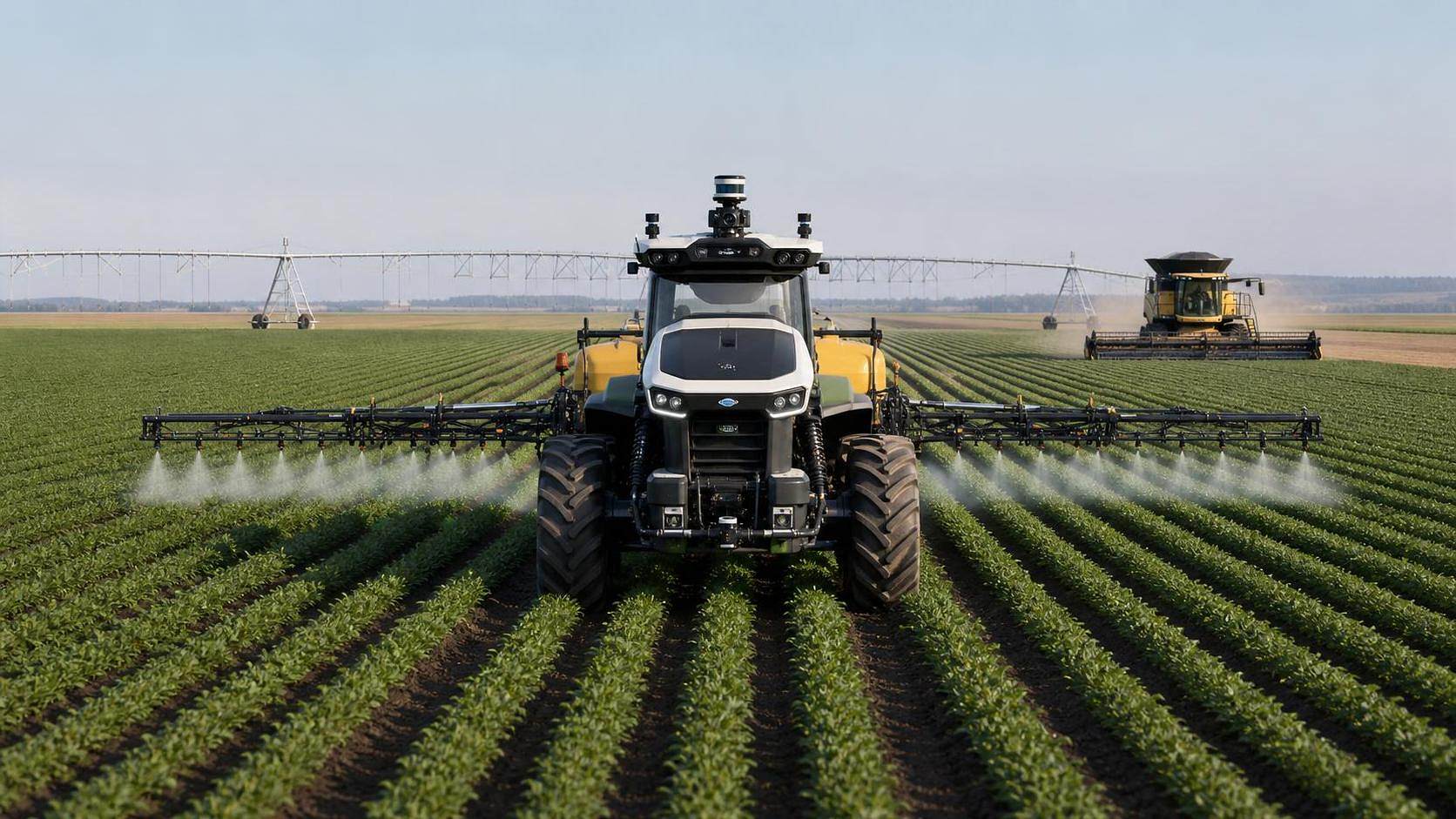




Large farms are under pressure to raise output, control input waste, and stay resilient through labor shortages, weather volatility, and tighter sustainability rules. In that context, AI autonomous agricultural machinery has moved from a promising concept to a practical operating model. It combines machine intelligence, field data, and heavy equipment control so tractors, sprayers, harvesters, and irrigation-linked systems can work with less manual intervention and far more consistency across large field operations.
For operations spread across thousands of hectares, the value is not simply automation. It is the ability to make timely, data-driven decisions at machine speed. That matters in seeding windows, crop protection timing, harvest loss control, and water allocation. It also explains why intelligence platforms such as AP-Strategy track the intersection of machinery performance, precision farming algorithms, and resource efficiency so closely.
What the system really includes
AI autonomous agricultural machinery is not one machine type. It is a working ecosystem. The field vehicle, onboard sensors, positioning system, software models, and farm data layer all have to function together.
At the machine level, autonomy begins with perception and control. Cameras, radar, LiDAR, inertial sensors, and implement sensors detect crop rows, obstacles, soil conditions, machine load, and operating accuracy.
At the decision layer, AI models interpret that sensor stream. They adjust route lines, turning behavior, speed, header height, spray rate, or irrigation coordination according to the field situation.
At the management layer, cloud platforms or local farm systems compare live machine data with historical yield maps, weather forecasts, maintenance status, and work orders. This is where autonomy becomes operational strategy rather than isolated machine capability.
Why autonomy looks different in agriculture
Agricultural autonomy is harder than highway autonomy in some important ways. Field surfaces change daily. Crops vary by height, density, and moisture. Dust, mud, residue, and poor visibility interfere with sensors.
A machine must also understand implements. A tractor pulling a planter behaves differently from one carrying a sprayer. A combine harvester must balance throughput, grain loss, and cleaning performance in real time.
How AI autonomous agricultural machinery works in the field
The operating cycle usually starts before the machine enters the field. Boundaries, exclusion zones, crop type, task priority, and implement settings are loaded from farm management software or mapped from previous passes.
The system then builds a route plan. It chooses pass spacing, turning points, refill logic, and coverage strategy to reduce overlap, soil compaction, and idle distance. In large-scale operations, those small gains accumulate quickly.
Once operating, AI autonomous agricultural machinery keeps updating its decisions. If wheel slip rises, speed may change. If biomass thickens, a combine may adjust feed rate. If wind drift increases, a sprayer may reduce output or pause.
The machine is not just following a fixed path. It is continuously comparing expected conditions with actual field conditions. That feedback loop is the practical core of autonomy.
Where large-scale operations see the biggest gains
The strongest business case appears where timing, repetition, and scale intersect. Seeding, spraying, harvesting, and water management all fit that pattern.
Soil preparation and planting
Autonomous tractors can maintain straighter passes and more consistent depth control across long working hours. That reduces skips, overlap, and fatigue-related error during narrow planting windows.
Crop protection and nutrition
Sprayers linked with prescription maps and live sensing can vary application rates by zone. In practice, this supports lower chemical waste and tighter compliance with environmental thresholds.
Harvesting and grain loss control
For combine operations, AI autonomous agricultural machinery can monitor throughput, sieve load, grain loss signals, and crop moisture. The goal is not only speed, but stable harvesting quality under shifting field conditions.
Irrigation-linked decision support
Autonomy also reaches beyond moving vehicles. Smart irrigation systems use sensor feedback, evapotranspiration estimates, and weather inputs to recommend or trigger water delivery more precisely.
This matters because machinery strategy and water strategy are increasingly connected. AP-Strategy’s focus on irrigation intelligence reflects that shift. A field operation cannot be optimized only at the engine or implement level anymore.
Why the industry is paying close attention
Interest in AI autonomous agricultural machinery is rising for structural reasons, not hype alone. Labor availability is uneven. Input prices remain sensitive. Farms need better visibility into cost per hectare and output consistency.
There is also a policy dimension. Food security, emissions targets, water stress, and reporting requirements are pushing farm systems toward measurable efficiency. Autonomy creates more reliable digital records and more controllable execution.
From a trade and equipment perspective, this changes purchasing logic. Attention shifts from engine power alone to software maturity, hydraulic responsiveness, sensor robustness, service coverage, and data interoperability.
What should be evaluated before adoption
Not every operation needs full autonomy at once. The more useful question is where autonomy removes the most friction from actual field work.
- Check task repeatability. Highly repetitive jobs usually deliver the fastest return.
- Review field complexity. Irregular boundaries, mixed terrain, and obstacle density affect autonomy performance.
- Assess implement compatibility. The tractor may be ready, while the attached tool is not.
- Compare positioning accuracy and connectivity limits across operating regions.
- Examine data ownership, software integration, and update pathways before scaling.
- Include service response time. Downtime during planting or harvest can erase theoretical gains.
It is also worth separating automation features from true autonomous capability. Assisted steering, auto-section control, and variable rate application are valuable, but they do not always equal independent field decision-making.
Common implementation risks
The biggest problems usually come from poor integration rather than poor hardware. A strong chassis and capable sensors will still underperform if maps are unreliable, calibration is inconsistent, or workflow ownership is unclear.
Another risk is judging performance only by machine hours saved. Large-scale operations should also track overlap reduction, fuel efficiency, grain loss, application accuracy, water use, and maintenance predictability.
How to build a better decision framework
A practical evaluation framework starts with the field, not the brochure. Identify the operations where timing errors, labor bottlenecks, or variability create the highest economic drag.
Then compare systems across five dimensions: machine reliability, sensing quality, control intelligence, platform integration, and agronomic fit. AP-Strategy’s five-pillar lens is useful here because it connects equipment categories that are often assessed too separately.
For example, autonomous harvesting performance cannot be judged without considering chassis power delivery, cleaning loss algorithms, and logistics around grain movement. Smart irrigation value is stronger when linked to crop stage data and machine pass records.
That broader view matters because AI autonomous agricultural machinery is becoming part of an integrated production system. The strategic advantage comes from coordination across assets, not from one smart machine working alone.
What to watch next
The next phase will likely bring tighter fleet coordination, better off-line operation in weak connectivity areas, stronger electric or hybrid powertrains, and more precise interaction between machinery and irrigation planning.
For anyone tracking this market, the most useful next step is to build a comparison standard around actual field scenarios. Focus on crop type, field size, labor exposure, input sensitivity, and data integration needs.
That approach makes AI autonomous agricultural machinery easier to judge in practical terms. It also creates a clearer basis for following technology shifts, comparing suppliers, and deciding where autonomy can deliver measurable value first.
Related News
Farm Machinery Sourcing: How to Vet Suppliers, Specs, and Lifecycle Costs
Farm machinery information for sourcing: learn to vet suppliers, compare specifications, control lifecycle costs, and secure reliable uptime for smarter equipment purchases.
How to calculate ROI on precision agriculture equipment before buying
Calculating ROI on precision agriculture equipment: learn to assess total ownership costs, savings, payback, NPV, risks, and farm-scale value before you buy.
Tractor Specification Sheets: Matching PTO, Hydraulics, and Weight to Farm Tasks
Specification-oriented articles for tractors: match PTO, hydraulics, lift capacity, ballast, and weight to real farm tasks for safer, more efficient equipment choices.
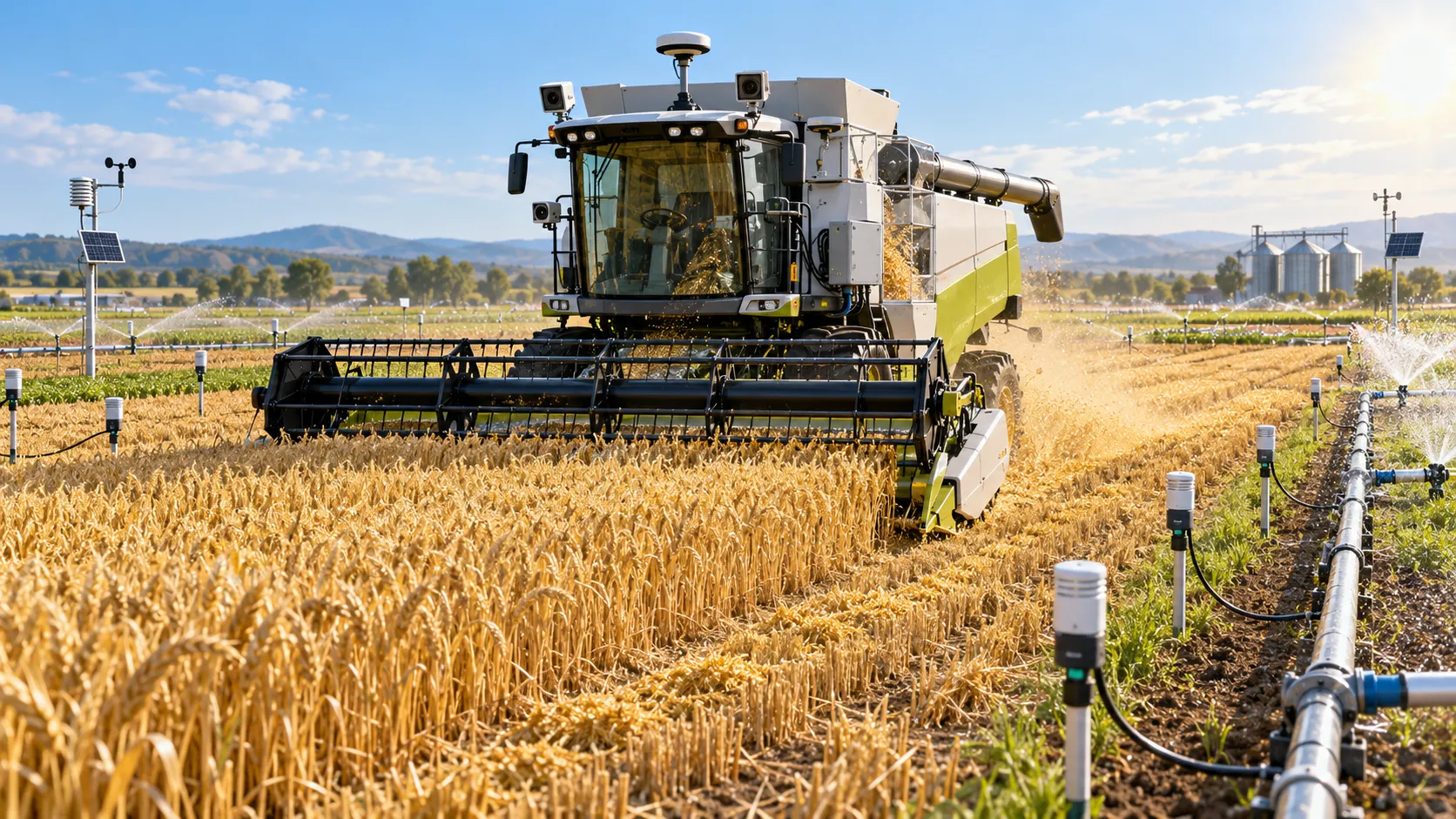
How to Evaluate Dynamic Feedback Algorithm Suppliers for Precision Farming Systems
Dynamic feedback algorithms supplier evaluation guide for precision farming—compare validation, integration, safety, and pilots to choose with confidence.
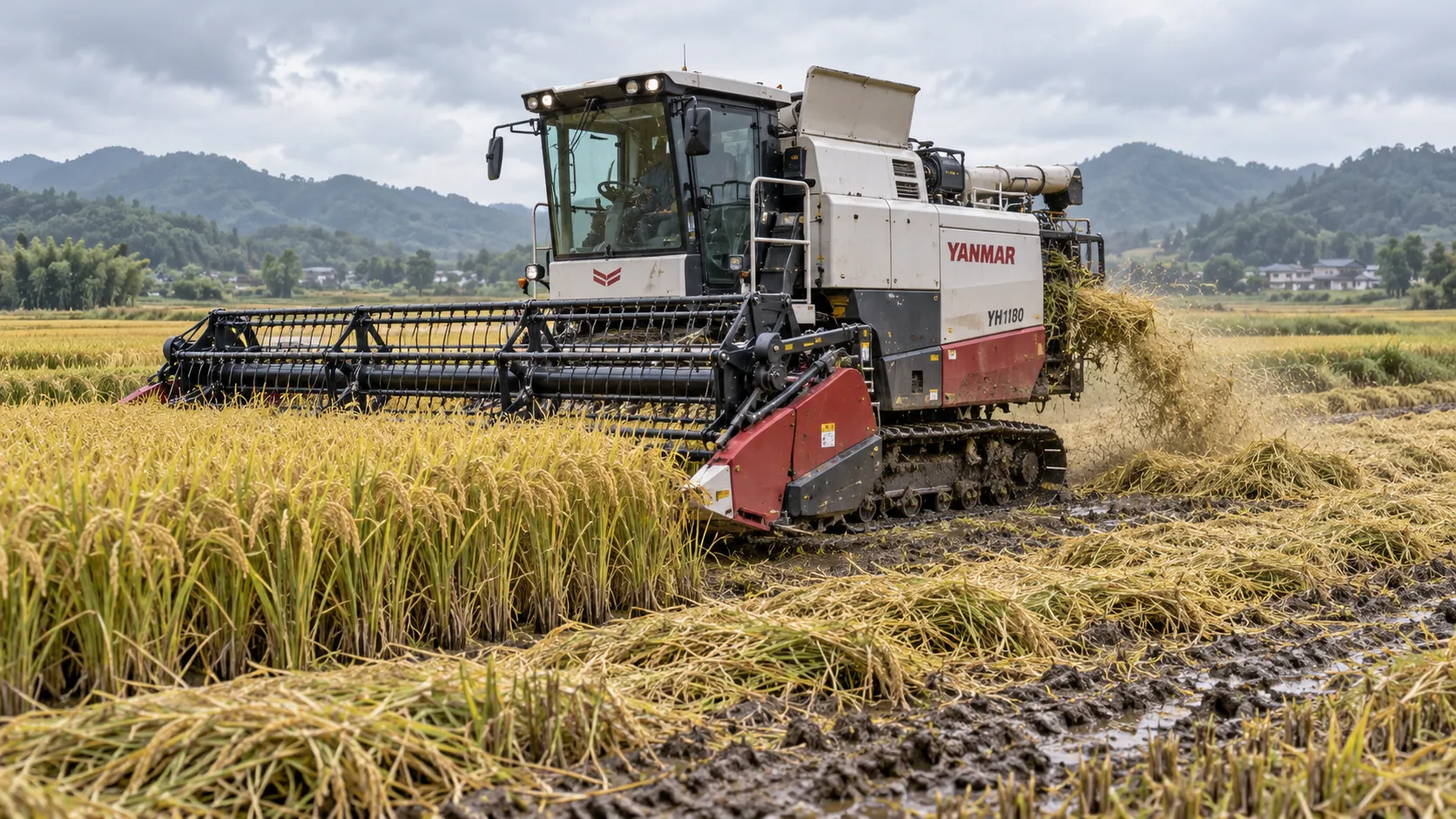
How to Specify Combine Harvester Systems for High-Moisture Grain and Variable Field Conditions
Combine harvester systems for high-moisture grain: learn how to specify threshing, cleaning, headers, traction, and automation for reliable harvests in variable fields.
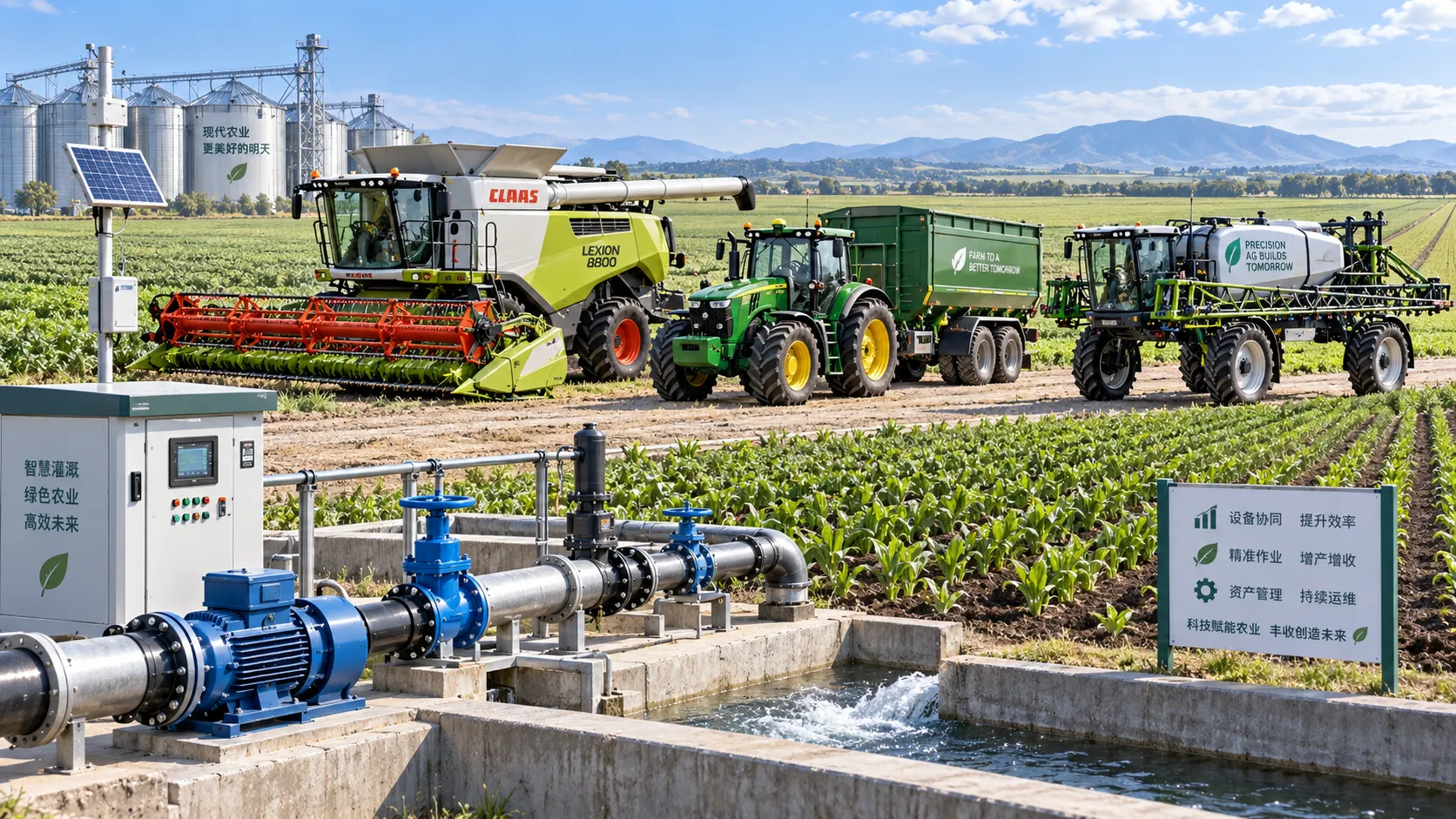
How to Compare Agricultural Equipment Platforms for Fleet Management and ROI
Agricultural equipment platform comparison: evaluate fleet data, maintenance, precision workflows, and ROI to choose a system that delivers measurable results.
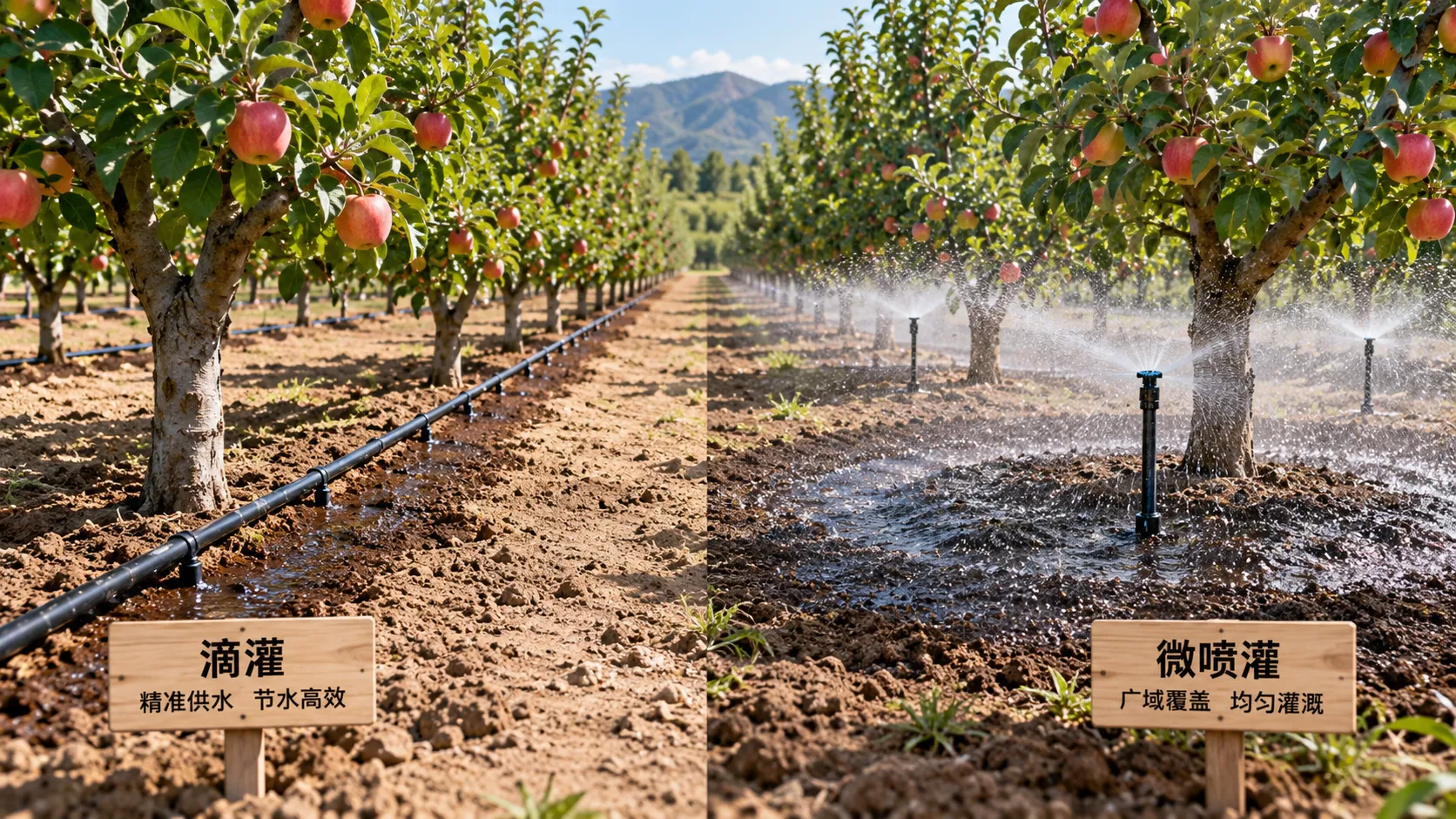
Drip vs. Micro-Sprinkler Irrigation: Which System Fits Your Orchard?
Irrigation solution comparison for orchards: discover whether drip or micro-sprinklers best match your water, soil, roots, fertigation, and frost needs.
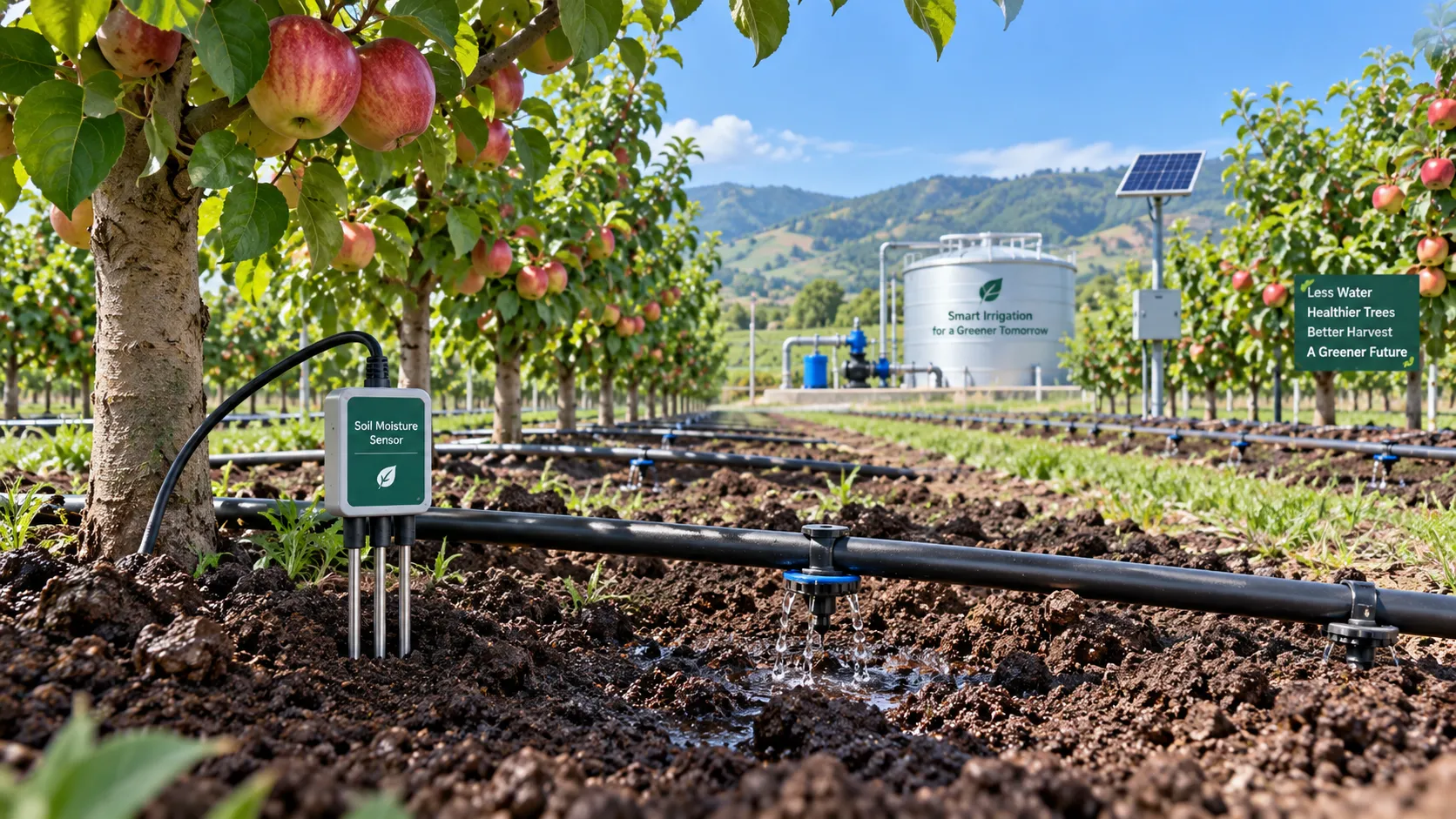
Orchard Water Management: Using Soil Moisture Data to Schedule Irrigation
Agricultural water management for orchards made practical: use soil moisture data to optimize irrigation timing, protect yield, reduce costs, and improve resilience.
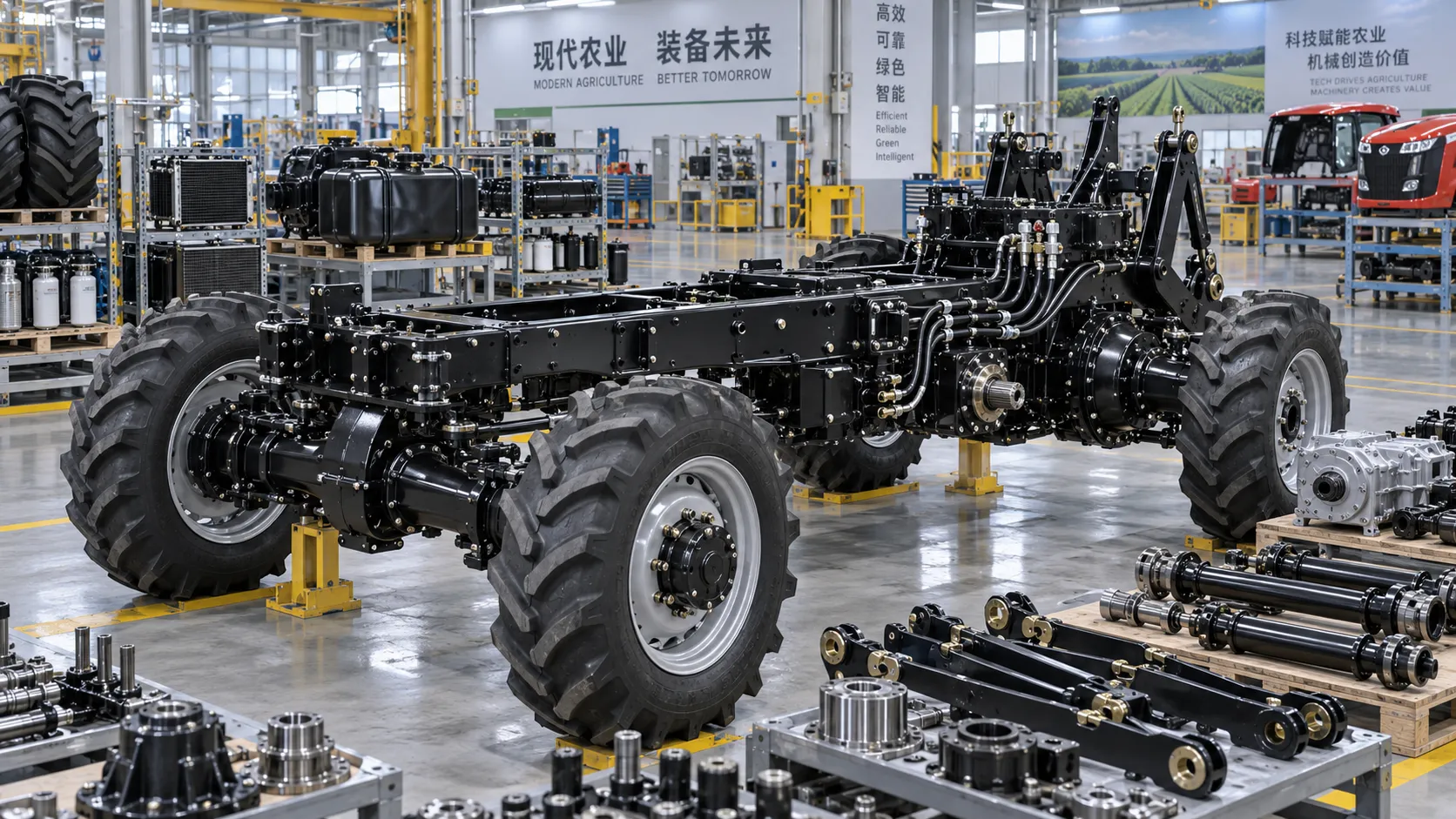
Tractor Chassis Price: What Buyers Should Compare Beyond the Initial Quote
Tractor chassis price is only the start. Compare load capacity, compatibility, durability, and lifecycle costs to choose a reliable, high-value chassis.
Related News
- 00
0000-00
What separates robotic automation providers for equipment production? - 00
0000-00
Which field data collection provider fits an agricultural robotics program? - 00
0000-00
How Autonomous Machinery for Crop Scouting Helps Growers Detect Field Issues Earlier - 00
0000-00
How to Evaluate Autonomous Machinery for Vineyards by Terrain, Tasks, and ROI - 00
0000-00
Brazil ANVISA Rule Requires Portuguese Risk Labels for Farm Robots
Popular Tags
Tractor Power Architect
Weekly Insights
Stay ahead with our curated technology reports delivered every Monday.