
FDA Tightens Import Documentation for Soil Moisture Sensors
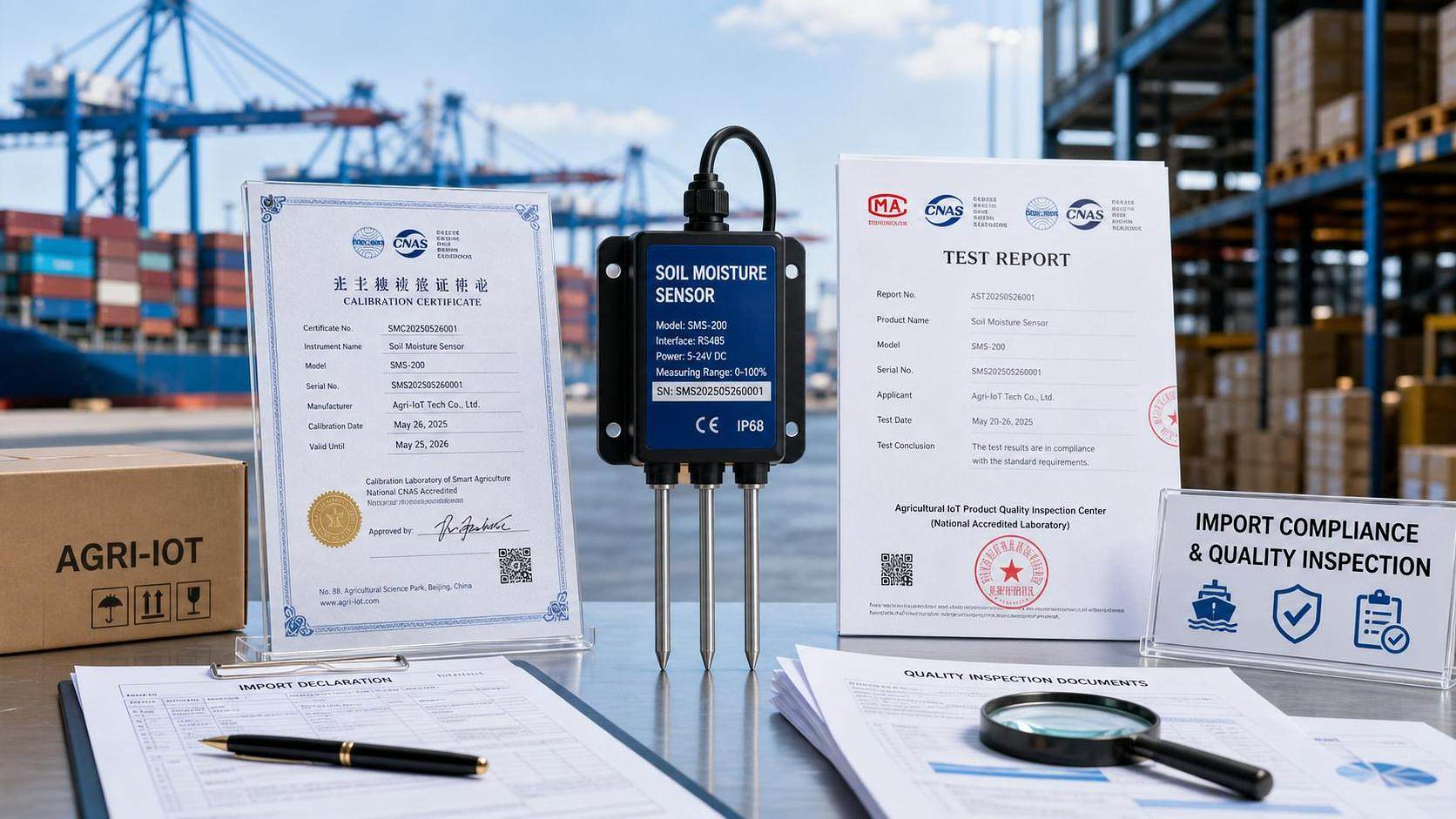




On July 11, 2026, the U.S. Food and Drug Administration updated its import guidance for agricultural IoT devices, introducing a more specific documentation requirement for products declared as soil moisture sensors. For manufacturers, exporters, importers, procurement teams, and compliance-related service providers, the immediate issue is not only the added calibration document itself, but also the direct connection between missing paperwork and secondary inspection risk that can extend port dwell time. This makes the update relevant as an operational trade-compliance change rather than a routine guidance revision.
What the updated import guidance now requires
The confirmed update states that all imported products declared under the name “soil moisture sensor” must be accompanied by a full-range (0-100% VWC) traceable calibration certificate issued by a laboratory recognized by NIST. According to the provided event summary, goods without that certificate will automatically trigger secondary inspection through FDA Form FDA 3656, and the average port delay in such cases extends to 11.3 working days.
The event date provided for this update is July 11, 2026, and the change is described as part of an update to the FDA’s import guidance for agricultural IoT devices.
Where the practical pressure is likely to appear first
Declared-product exporters may face tighter document control at shipment stage
From an industry perspective, exporters handling products declared specifically as soil moisture sensors may be affected first because the requirement is tied directly to the declared product name at import. The main pressure point is likely to be pre-shipment document completeness: whether the calibration certificate is available, whether it covers the full 0-100% VWC range, and whether the issuing laboratory meets the stated NIST-recognized condition. In practice, this shifts part of the export risk from product movement to document readiness.
Importers and distributors may need to reassess customs and delivery timing
Importers, channel operators, and downstream distributors may be affected through clearance timing and inventory planning. Analysis shows that once a certificate is missing, the consequence described in the update is not abstract compliance exposure but an automatic secondary inspection path. That means delivery scheduling, warehouse intake planning, and customer commitment dates may require more conservative assumptions where document status is uncertain.
Procurement teams may need to add calibration proof to supplier checks
For buyers sourcing these products, the change may affect supplier qualification and purchase-order documentation. What deserves closer attention is that the requirement concerns not only having a certificate, but having one that is traceable, issued by a NIST-recognized laboratory, and covering the full stated range. Procurement teams may therefore need to verify supporting documents earlier in the sourcing cycle rather than treating calibration evidence as post-order paperwork.
Testing and compliance support functions may see demand shift toward document traceability
Certification-related companies, testing service providers, and internal compliance teams may be drawn more directly into transaction support. Observably, the update points to a narrower evidentiary standard around calibration traceability. That can affect how technical files, shipment packets, and supporting compliance records are assembled for trade use, even where the product itself has already been commercially ready for shipment.
What companies should review now
Check whether current files match the declared product category
Analysis shows that companies should first examine which products are actually being declared as “soil moisture sensor” in trade documentation. The update is framed around that declared product name, so classification practice and document alignment may become a practical review point for exporters and importers.
Verify calibration evidence before goods are booked for shipment
What deserves closer attention is whether existing calibration records meet the stated conditions in the update: full-range 0-100% VWC coverage, traceability, and issuance by a NIST-recognized laboratory. If any of these elements are missing or unclear, the shipment may carry a higher clearance risk based on the provided summary.
Adjust lead-time assumptions where certificate readiness is uncertain
From an operational perspective, companies may need to revisit delivery promises, buffer stock assumptions, and procurement timing for shipments that depend on this documentation. The supplied information links missing certificates to automatic secondary inspection and a longer average dwell time, so logistics and customer-facing teams should factor document readiness into dispatch planning.
Continue monitoring how the requirement is applied in practice
The provided information does not include further execution detail beyond the guidance update and the stated inspection consequence. For that reason, companies should continue tracking later official wording, implementation practice, and any changes in tender documents, supplier requirements, or internal import review procedures before treating all downstream implications as settled.
Why this looks like an execution signal, not just a wording change
Observably, this update is more appropriate to understand as an execution-oriented compliance signal because the provided summary connects the document requirement directly to a defined inspection consequence. The practical meaning for the market is that calibration traceability is being treated as an import-gate document condition for the named product category, not merely as a technical quality preference.
At the same time, analysis should remain measured. The input does not provide broader enforcement statistics, detailed interpretive notes, or additional procedural clarification beyond the stated requirement and inspection result. That means the market still needs to watch how consistently the rule is applied and whether supporting trade documents or buyer specifications begin to reflect the same standard more explicitly.
How this update is best understood at this stage
At this stage, the development is best read as a concrete compliance change with immediate implications for shipment documentation, customs timing, and supplier file review for products declared as soil moisture sensors. It does not by itself confirm wider market outcomes, but it clearly raises the operational importance of calibration traceability in this product segment.
From an industry perspective, the most rational conclusion is that companies involved in exporting, importing, sourcing, or supporting these products should treat the update as a live trade-compliance requirement while continuing to observe how implementation language, customer documentation demands, and market feedback develop after the guidance change.
Basis of this article and points that still require verification
This article is based on the user-provided news title, event date, and event summary. For developments of this kind, relevant source types typically include official notices, regulatory agency releases, customs or trade authority information, industry association updates, standards body documents, and reporting by authoritative trade media. A specific official source link was not provided in the input, so the exact source document should continue to be verified.
Further observation is still needed on later policy detail, certification and calibration interpretation, implementation practice, tender-document changes, industry feedback, and how companies adjust their execution processes in response to the updated import guidance.
Related News
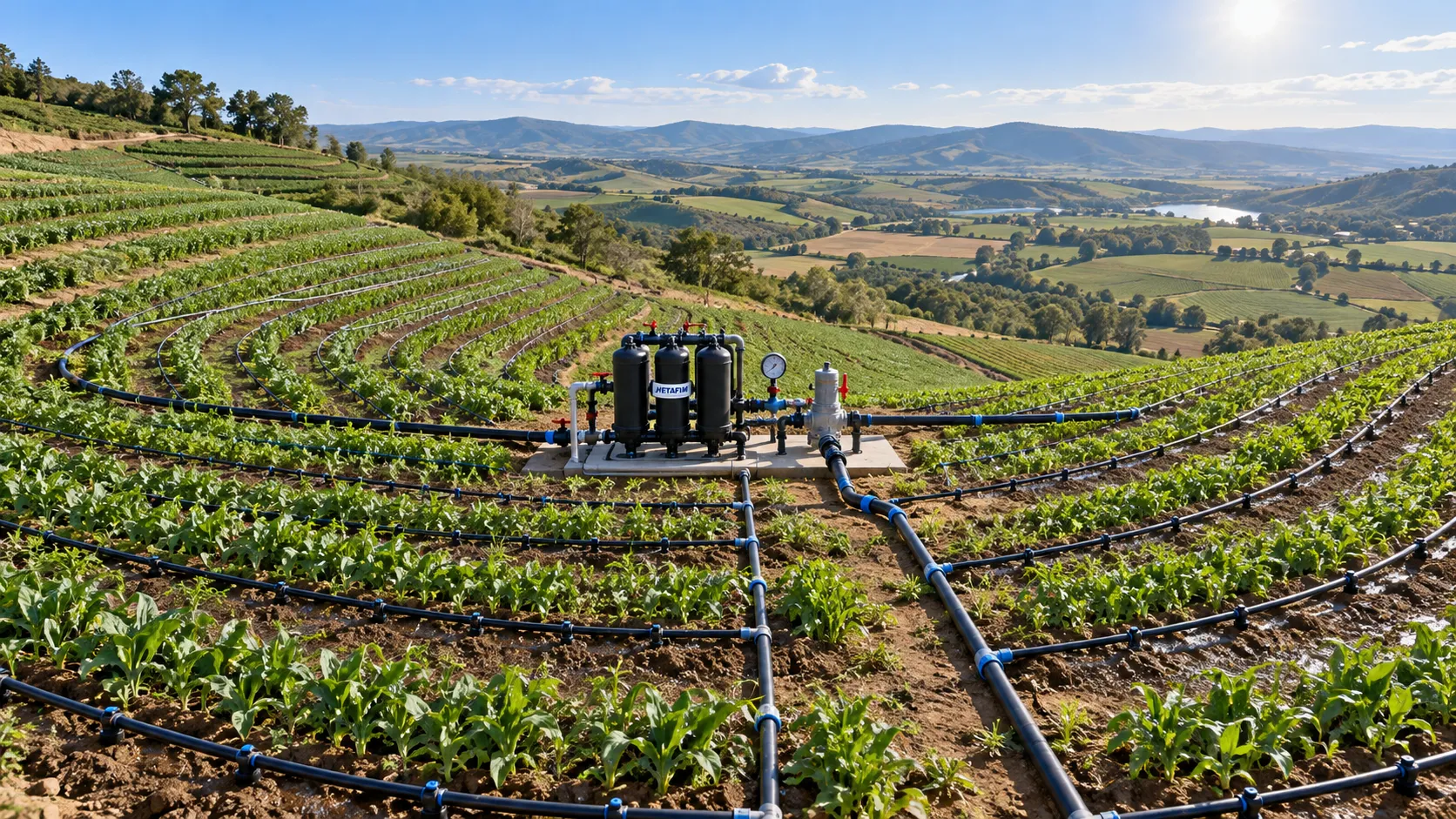
How to Size Low-Pressure Water-Saving Irrigation Systems for Uneven Fields
Low pressure water-saving irrigation systems for uneven fields: learn zoning, pressure mapping, pipe sizing, and pump selection to improve uniformity and reduce water waste.

Farm Machinery Sourcing: How to Vet Suppliers, Specs, and Lifecycle Costs
Farm machinery information for sourcing: learn to vet suppliers, compare specifications, control lifecycle costs, and secure reliable uptime for smarter equipment purchases.

Which costs matter most when calculating precision agriculture ROI?
Calculating ROI on precision agriculture equipment? Discover the costs that shape returns, from installation and subscriptions to downtime, labor, and data integration.
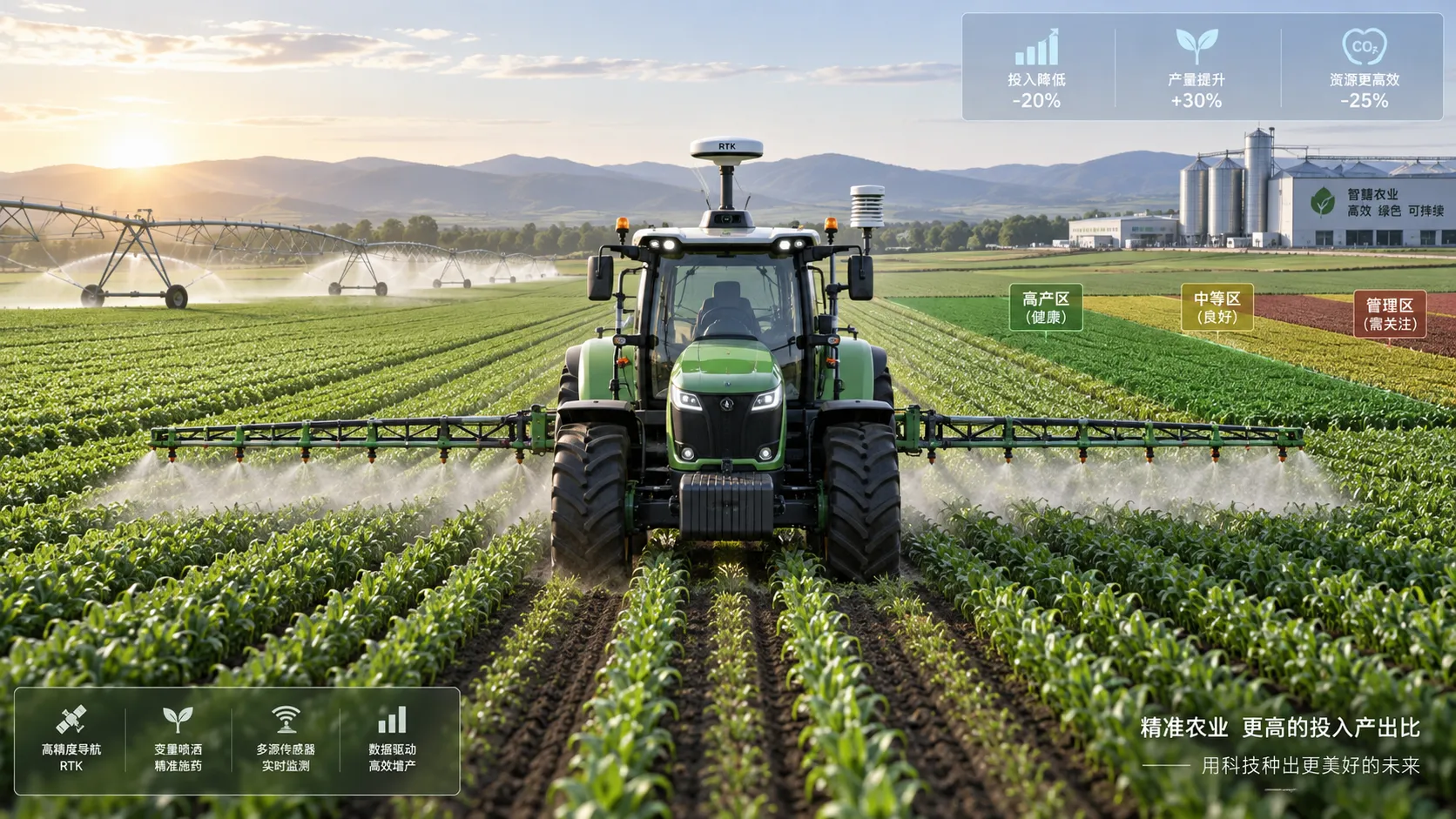
How to calculate ROI on precision agriculture equipment before buying
Calculating ROI on precision agriculture equipment: learn to assess total ownership costs, savings, payback, NPV, risks, and farm-scale value before you buy.

Tractor Specification Sheets: Matching PTO, Hydraulics, and Weight to Farm Tasks
Specification-oriented articles for tractors: match PTO, hydraulics, lift capacity, ballast, and weight to real farm tasks for safer, more efficient equipment choices.

How to Evaluate Dynamic Feedback Algorithm Suppliers for Precision Farming Systems
Dynamic feedback algorithms supplier evaluation guide for precision farming—compare validation, integration, safety, and pilots to choose with confidence.

How to Specify Combine Harvester Systems for High-Moisture Grain and Variable Field Conditions
Combine harvester systems for high-moisture grain: learn how to specify threshing, cleaning, headers, traction, and automation for reliable harvests in variable fields.
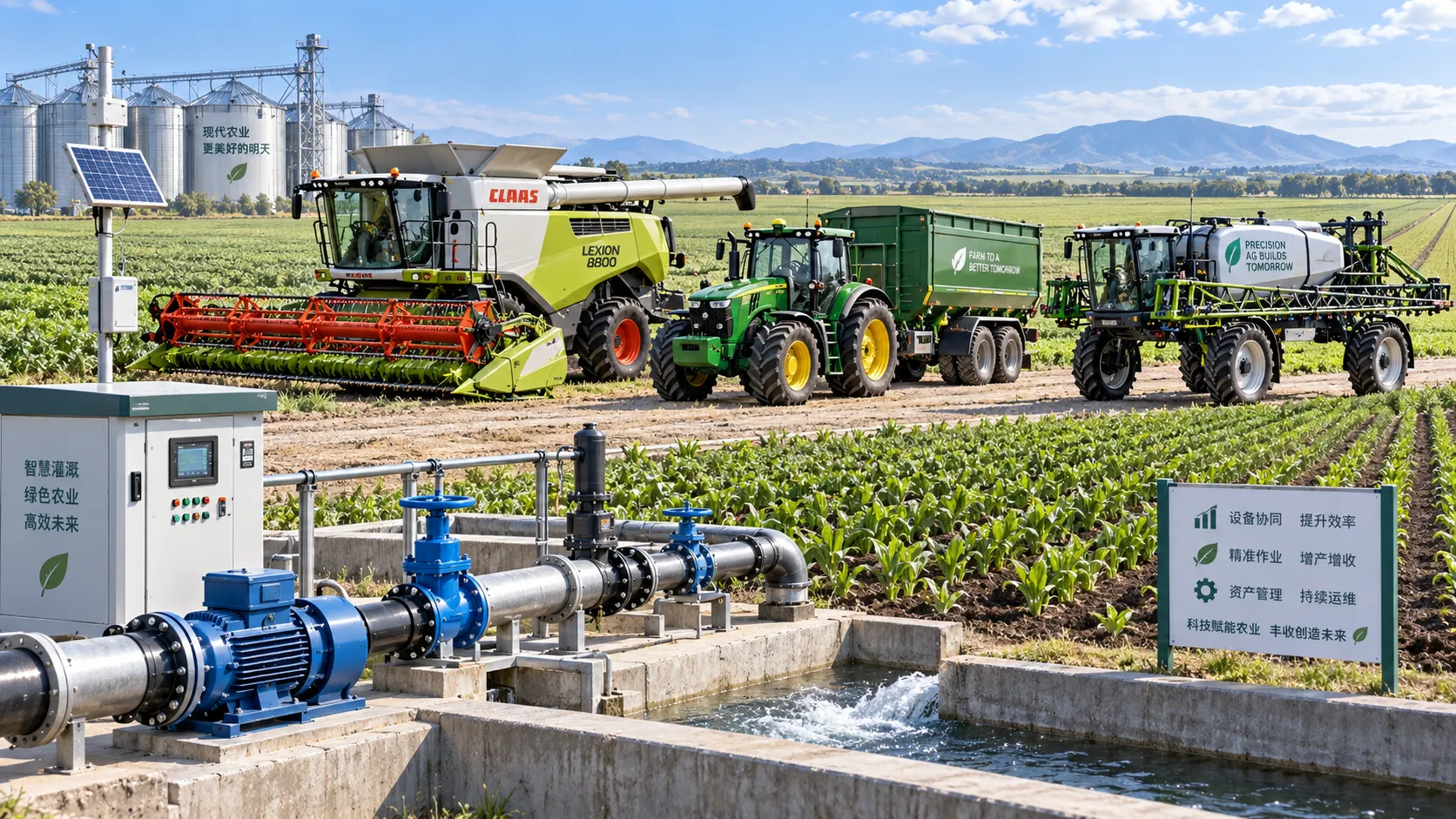
How to Compare Agricultural Equipment Platforms for Fleet Management and ROI
Agricultural equipment platform comparison: evaluate fleet data, maintenance, precision workflows, and ROI to choose a system that delivers measurable results.
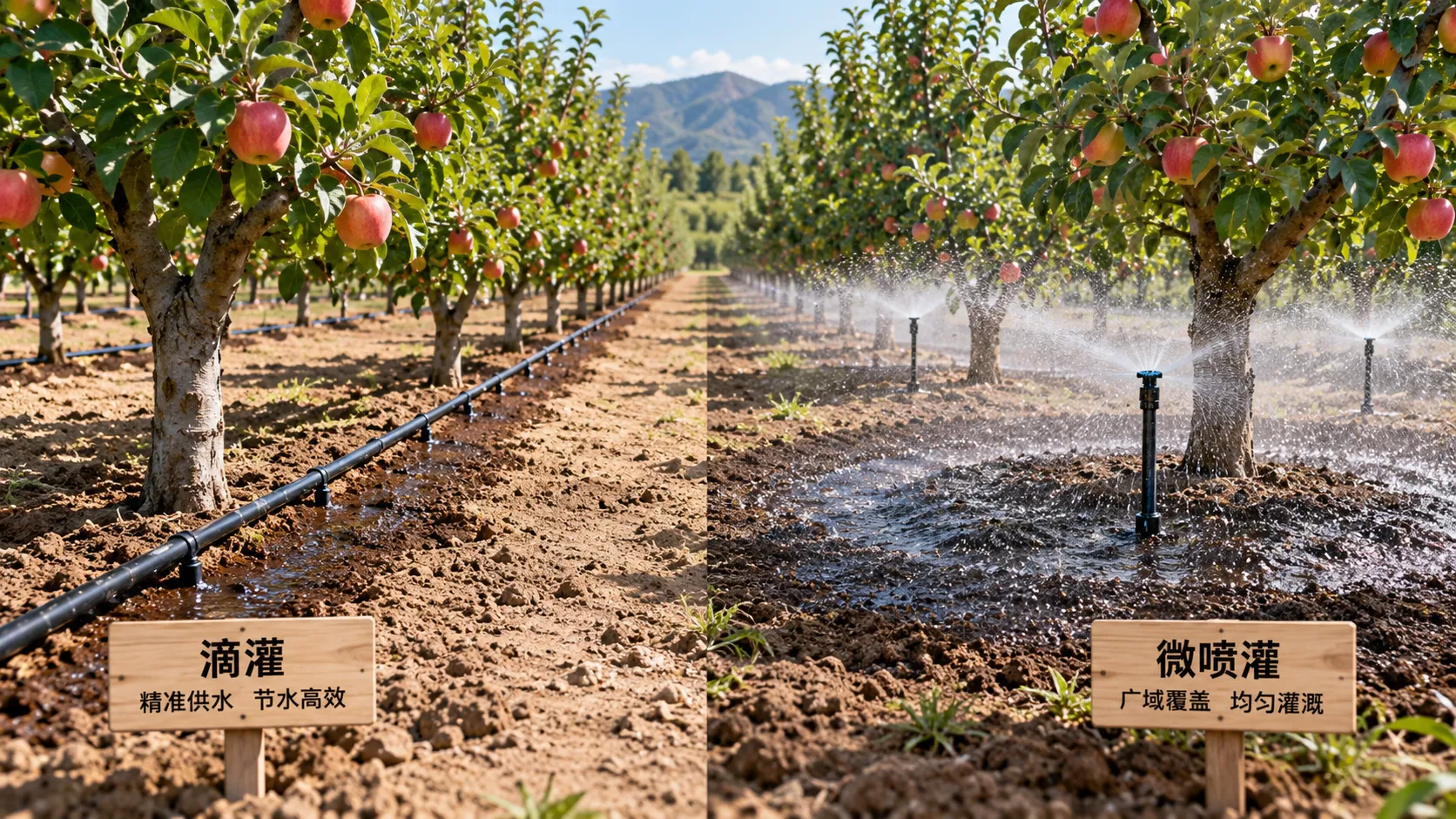
Drip vs. Micro-Sprinkler Irrigation: Which System Fits Your Orchard?
Irrigation solution comparison for orchards: discover whether drip or micro-sprinklers best match your water, soil, roots, fertigation, and frost needs.
Related News
- 00
0000-00
Orchard Water Management: Using Soil Moisture Data to Schedule Irrigation - 00
0000-00
Climate-Smart Farming for Drought: A Practical Plan for Protecting Yields - 00
0000-00
Selecting Real-Time Soil Moisture Sensors for Irrigation Zone Control - 00
0000-00
How Does Climate-Smart Farming Reduce Water Use in Semi-Arid Areas? - 00
0000-00
USDA Rule Takes Effect: Dual FCC and NRCS Approval for Soil Moisture Sensors
Popular Tags
Hydrological Resource Strategist
Weekly Insights
Stay ahead with our curated technology reports delivered every Monday.