
APVMA Updates Certification Path for Autonomous Crop Sprayers
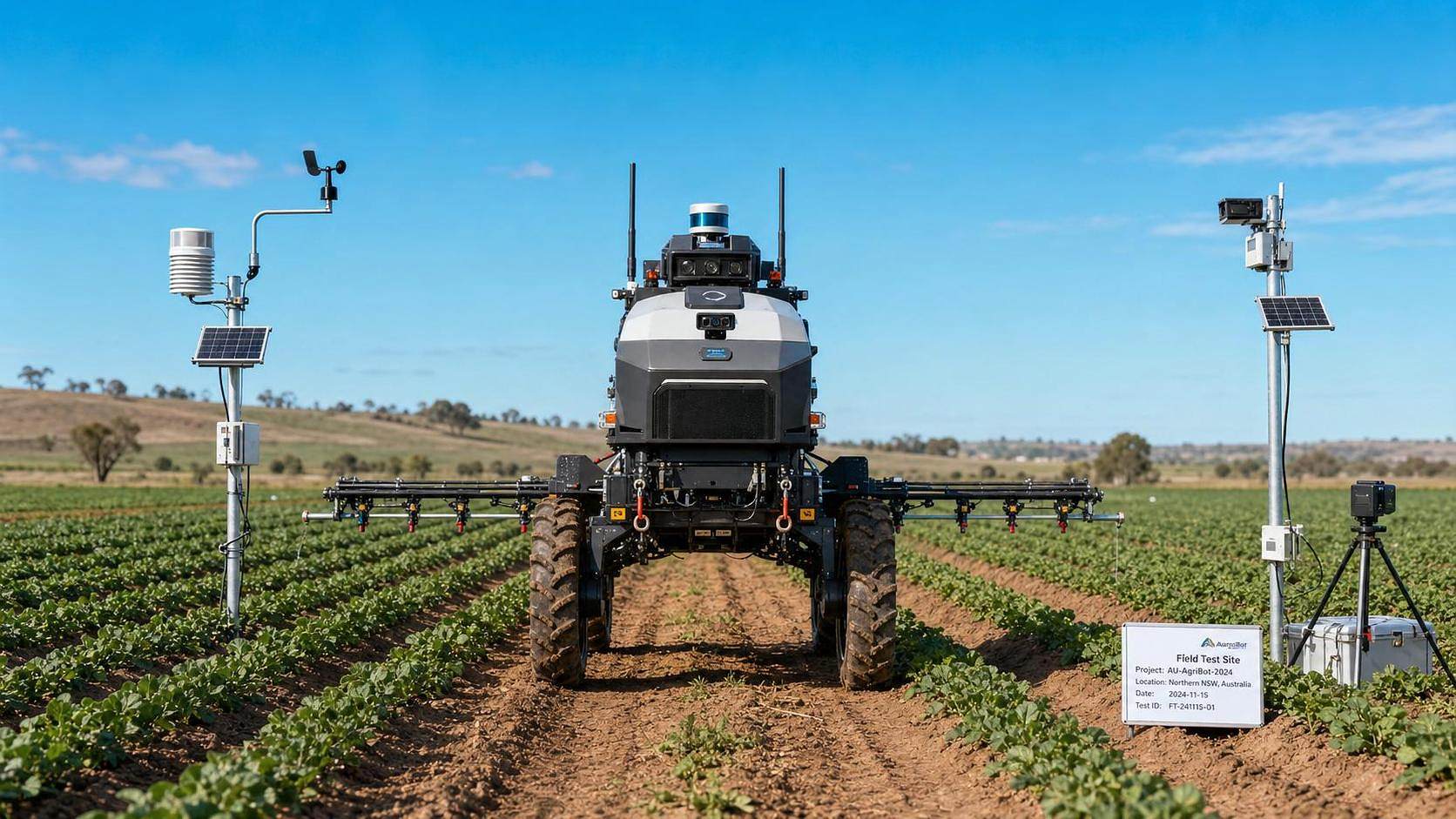




On July 2, 2026, Australia’s APVMA released an updated guidance document for autonomous robots used in crop protection, adding new compliance requirements for safety validation and field-operation logging. The update matters not only to manufacturers of agricultural autonomous robots, but also to distributors, rental providers, importers, compliance teams, and farm operators involved in equipment deployment in the Australian market. What deserves closer attention is that the change affects both product configuration and registration continuity, making it a practical market-access issue rather than a narrow documentation revision.
What the APVMA Changed on July 2
According to the provided information, the APVMA issued Autonomous Robots in Crop Protection Guidance v2.1 on July 2, 2026. The updated guidance newly includes LIDAR and multispectral fused sensing modules as a mandatory item in safety verification. It also requires the submission of failure logs covering 30 consecutive days of field operations.
The new rules apply to all agricultural autonomous robots sold or leased in Australia. For Chinese manufacturers, the provided information states that upgrade filings must be completed by December 2026; otherwise, registration will be suspended.
Where the Immediate Business Impact May Appear
Manufacturers face a direct compliance and product-readiness issue
From an industry perspective, robot manufacturers are the first group likely to feel the impact because the update reaches into core product validation. The new requirement is tied to the sensing module configuration and to evidence from actual field operations, which means the effect is likely to appear in certification preparation, product testing, documentation assembly, and registration maintenance.
What these companies need to watch is whether their current robot platforms, safety validation files, and failure-recording mechanisms are already aligned with the revised APVMA path described in the provided information.
Distributors and leasing channels may need to reassess product availability
Businesses that sell or lease autonomous agricultural robots in Australia may also be affected because the rule applies to products entering the market through either sales or rental arrangements. The practical exposure for these companies is tied to product listing continuity, delivery scheduling, and whether upstream suppliers complete the required upgrade filing on time.
Analysis shows that channel participants should pay close attention to the registration status of the models they plan to place in the Australian market, especially where supply commitments extend beyond the filing deadline mentioned in the provided information.
Import, compliance, and documentation teams will likely carry more operational pressure
The requirement for 30 continuous days of field-operation failure logs suggests a heavier documentation burden for teams responsible for filings, technical records, and market-entry support. Even without adding assumptions beyond the provided facts, it is reasonable to observe that the change may affect how companies prepare supporting materials, organize technical evidence, and coordinate submissions across internal and external teams.
For these functions, the main point to watch is whether the necessary records exist in a usable form and whether filing timelines match commercial delivery plans.
End users and procurement teams may need closer confirmation from suppliers
Farm operators, agricultural service providers, and procurement teams are not the direct target of the rule change, but they may still be affected if product registration status changes or if compliance upgrades alter supply timing. Observably, this makes supplier communication more important for any buyer planning to purchase or lease autonomous crop protection robots for the Australian market.
What Companies Should Track Now
Whether the updated guidance changes filing expectations in practice
The first point of attention is the operational meaning of Guidance v2.1 in actual filing work. Analysis shows that companies should distinguish between the text of the update and the practical review expectations that may arise during registration or upgrade submission. That means tracking any subsequent official wording, clarifications, or application-side interpretation connected to the revised guidance.
How the sensing-module requirement affects existing models
The newly mandatory treatment of LIDAR and multispectral fused sensing modules deserves immediate technical review. For companies already active in Australia, the relevant question is not abstract policy direction but whether existing models, configurations, and validation materials can still support compliant registration under the updated path described in the provided information.
The readiness of 30-day field failure records
The logging requirement creates a practical checkpoint for engineering, quality, and compliance teams. Companies should focus on whether they can provide continuous 30-day field-operation failure logs in a form suitable for submission, and whether current internal recordkeeping supports that requirement without delaying upgrade filings.
Deadline management for Australia-related business commitments
For Chinese manufacturers in particular, the December 2026 upgrade filing deadline introduces a clear calendar risk because the consequence stated in the provided information is suspension of registration. What deserves closer attention is the connection between compliance timing and commercial obligations, including ongoing sales arrangements, leasing plans, shipment preparation, and customer communication.
Why This Looks Like More Than a Routine Documentation Update
Analysis shows that this development should be read as a concrete regulatory signal rather than a minor editorial change. The update does not only add language around autonomous crop protection robots; it introduces a mandatory safety-verification item and a defined logging requirement tied to real field operations. That combination points to closer scrutiny of how autonomous agricultural robots are validated for use in the Australian market.
At the same time, it is more appropriate to understand this as an actionable compliance development than as a fully settled long-term market conclusion. The provided information confirms the rule change and the deadline for Chinese manufacturers, but the broader commercial effect will still depend on how companies implement upgrades and how subsequent regulatory communication evolves.
How the Market Should Read This Update
In practical terms, the APVMA update matters because it connects market access to both sensor-related safety verification and sustained field-operation evidence. For businesses already selling or leasing autonomous crop protection robots in Australia, this is best understood as a near-term compliance change with wider strategic implications for product design, documentation discipline, and channel planning.
From an industry perspective, the update is neither a one-day headline nor a basis for exaggerated conclusions. It is more appropriate to understand it as a clear regulatory development that requires immediate review by affected companies and continued observation by the broader agricultural robotics supply chain.
Basis of This Article and Ongoing Verification
This article is based on the user-provided news title, event date, and event summary concerning the APVMA update to the certification path for autonomous robots used in pesticide spraying and crop protection. For developments of this kind, commonly relevant source types may include official regulatory notices, company statements, industry association updates, authoritative media coverage, and standards-related documents.
No specific official source link was provided in the input, so the exact official publication link still needs to be verified on an ongoing basis. Areas that warrant continued follow-up include any further APVMA clarification, filing-side interpretation of the updated guidance, and how affected companies adjust registrations before the December 2026 deadline mentioned in the provided information.
Related News
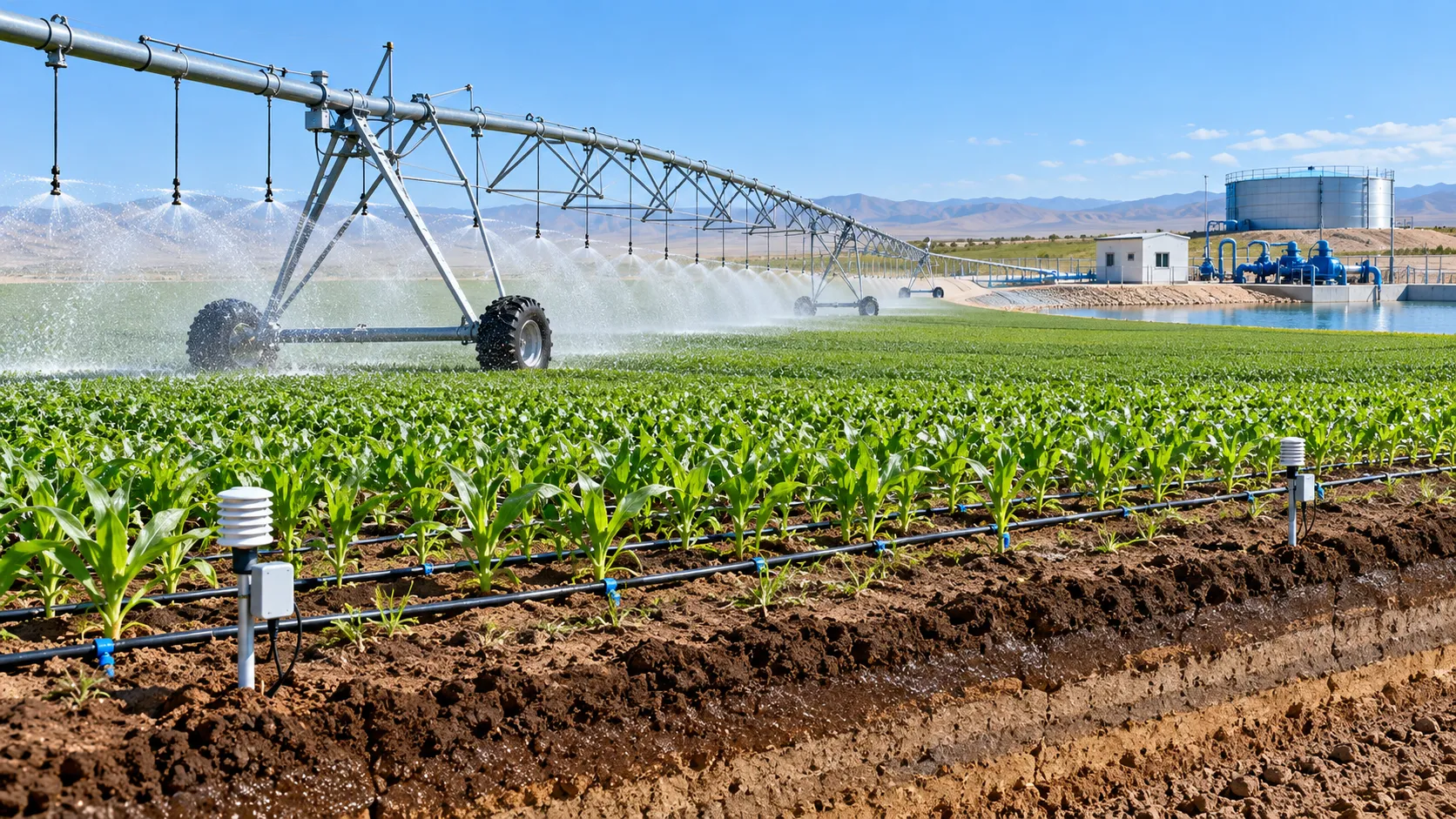
Climate-Smart Farming for Drought: A Practical Plan for Protecting Yields
Climate-smart farming for drought: build smarter water budgets, protect critical crop stages, improve irrigation uniformity, and safeguard yields with practical field-proven strategies.
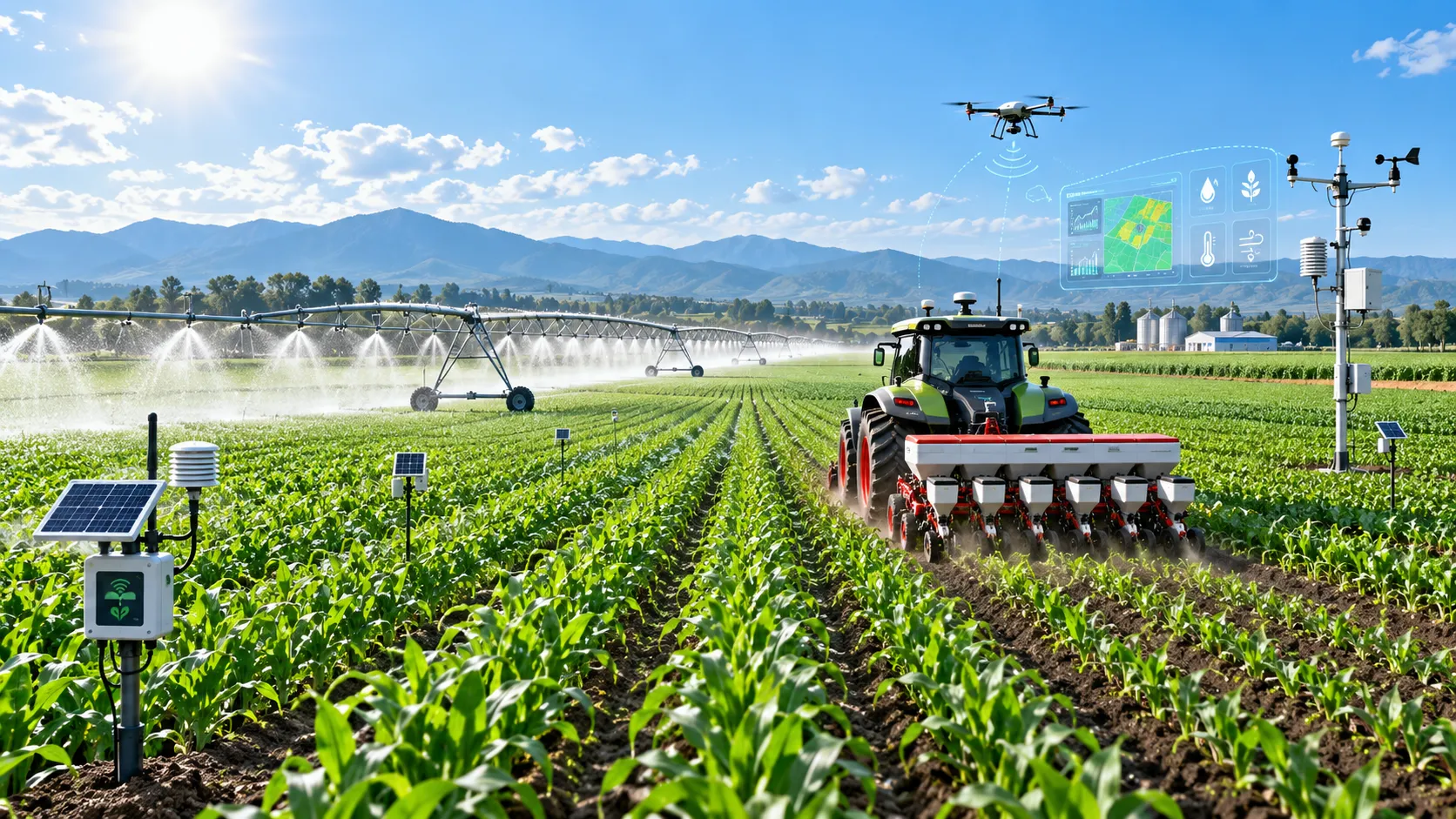
How Digital Agriculture Platforms Turn Field Data Into Better Input Decisions
Digital agriculture platforms turn field data into smarter fertilizer, water, seed, and equipment decisions—helping farms cut risk, improve margins, and scale sustainability.
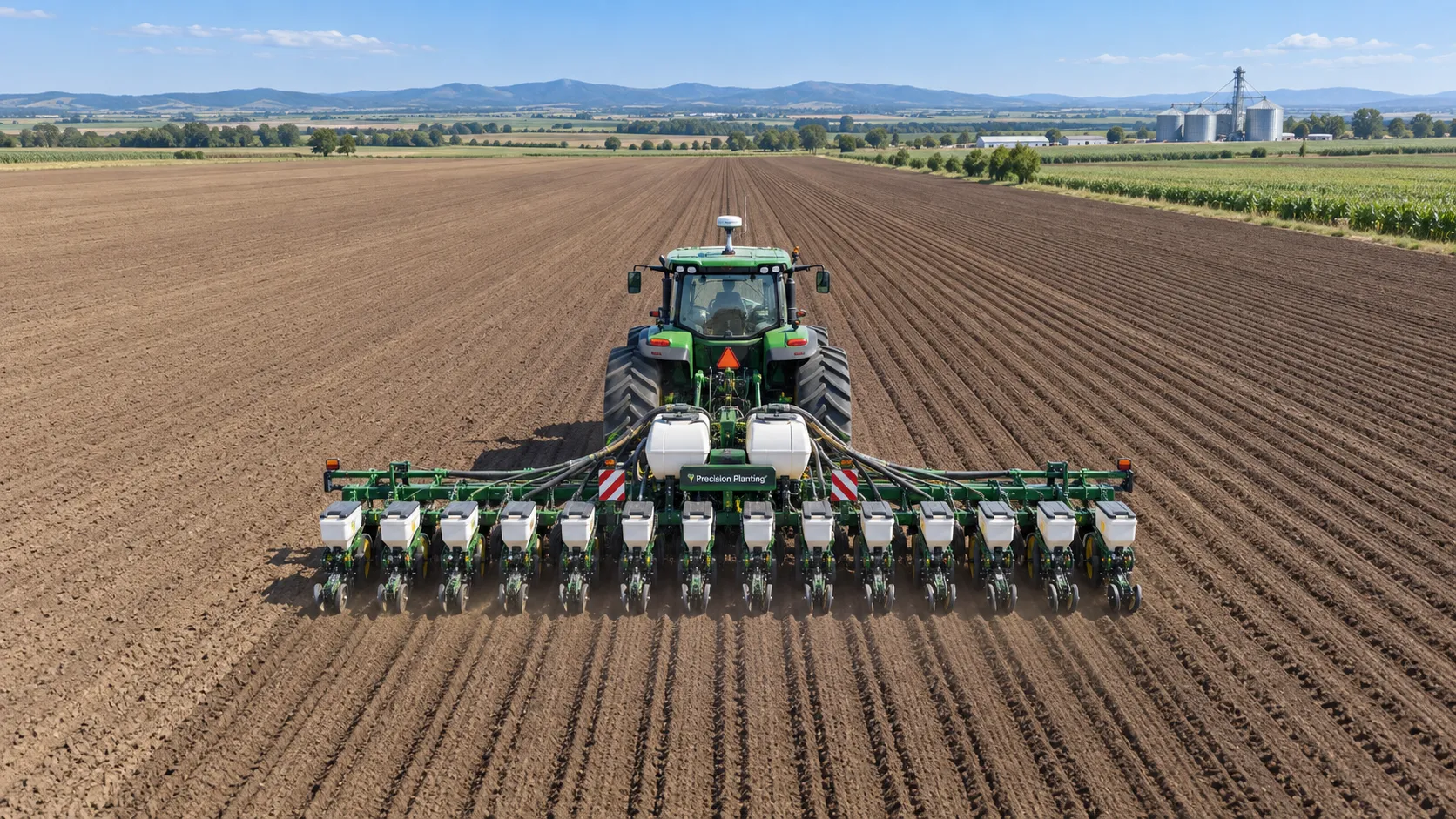
GPS-Guided Farm Machinery: Where It Delivers Measurable Field Efficiency Gains
Agri-mechanization GPS guided systems deliver measurable field efficiency gains through reduced overlap, precise planting, smarter inputs, and reliable farm data.
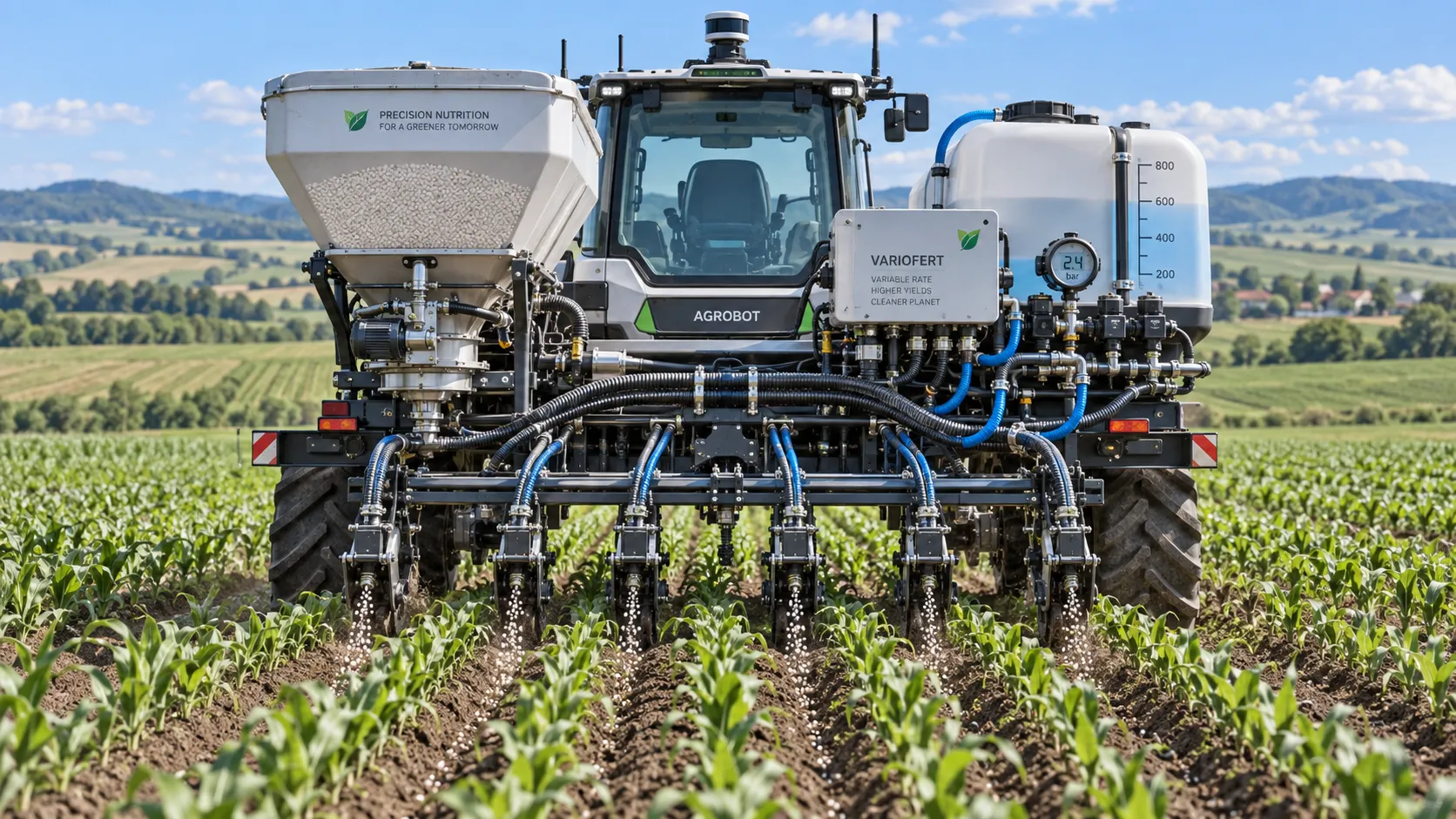
How Sensor Feedback Enables Accurate Variable-Rate Fertilization in Field Conditions
Precision fertilization systems with sensor feedback improve variable-rate accuracy by verifying flow, managing latency, and ensuring reliable field application.
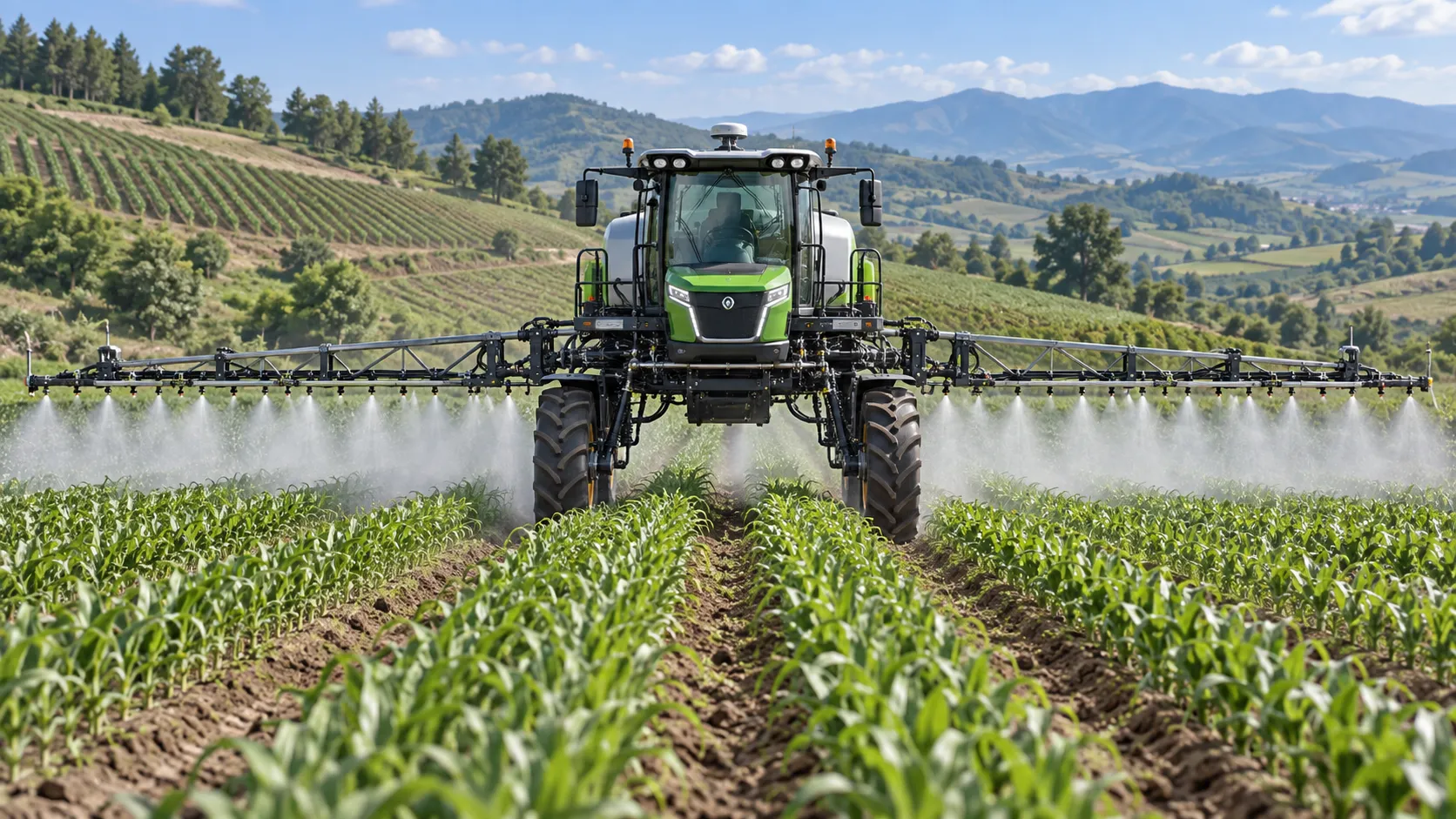
How to Select Precision Crop Protection Equipment for Variable Field Conditions
Precision crop protection equipment selection made simple: compare terrain, canopy, weather, control accuracy, and data workflows for reliable applications.
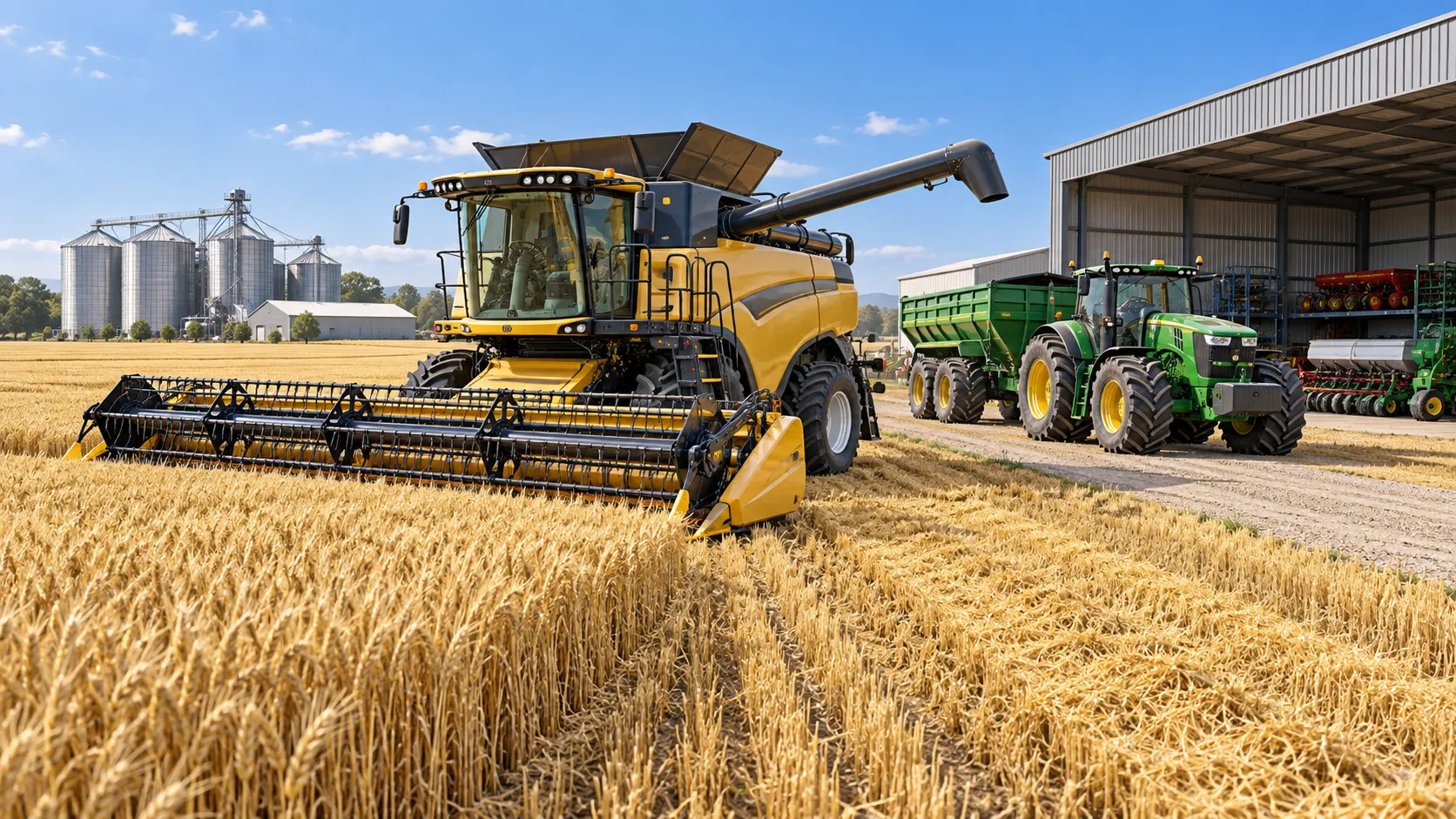
When Does Agricultural Machinery Leasing Cost Less Than Owning Equipment?
Agricultural machinery leasing can lower farm costs when use is seasonal or uncertain. Compare utilization, maintenance, cash flow, and risk to make a smarter equipment decision.
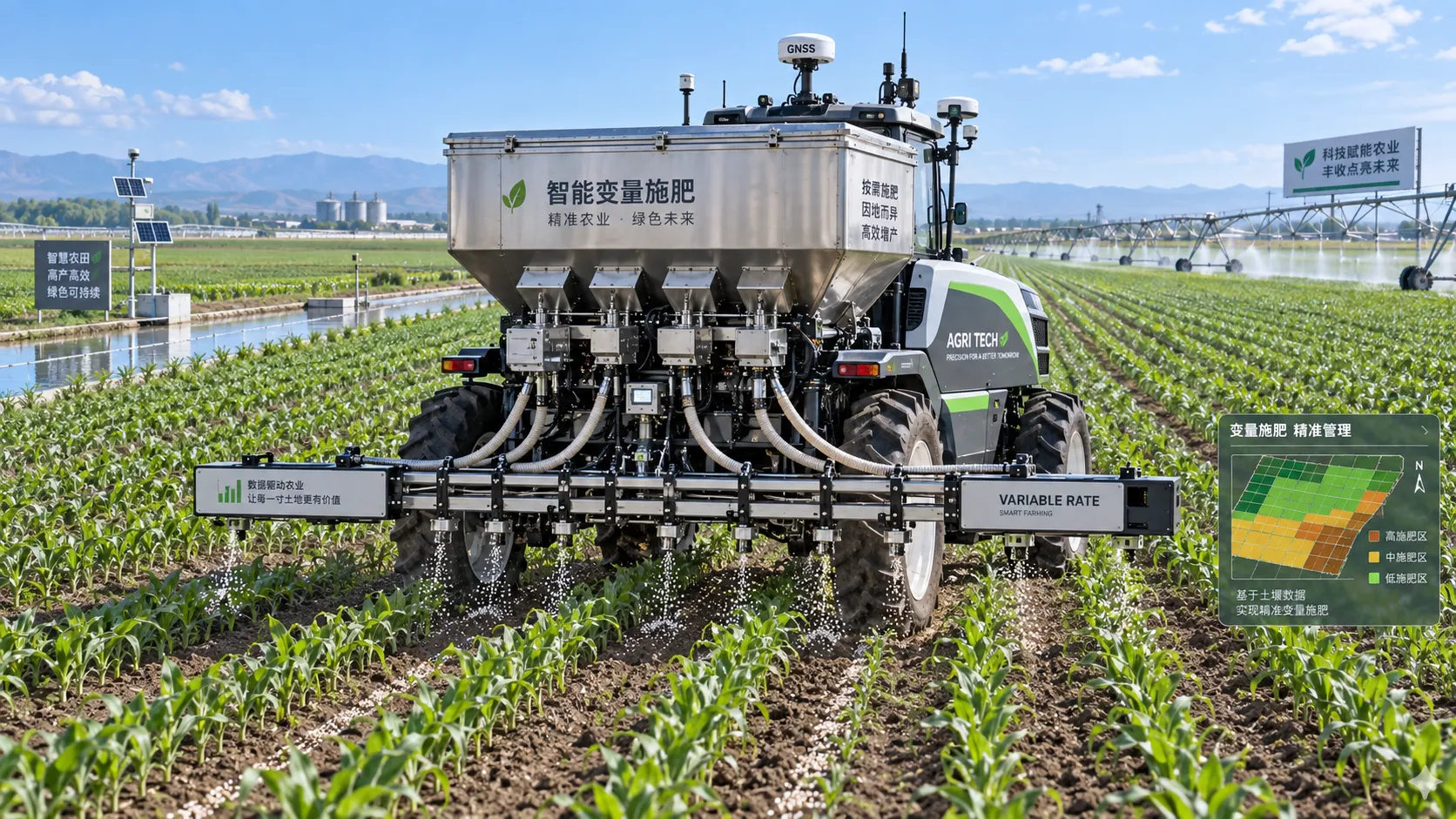
How to Evaluate Precision Fertilization System Suppliers for Farm-Scale Deployment
Precision fertilization systems suppliers: learn how to compare accuracy, integration, uptime, service, and total cost for confident farm-scale deployment.
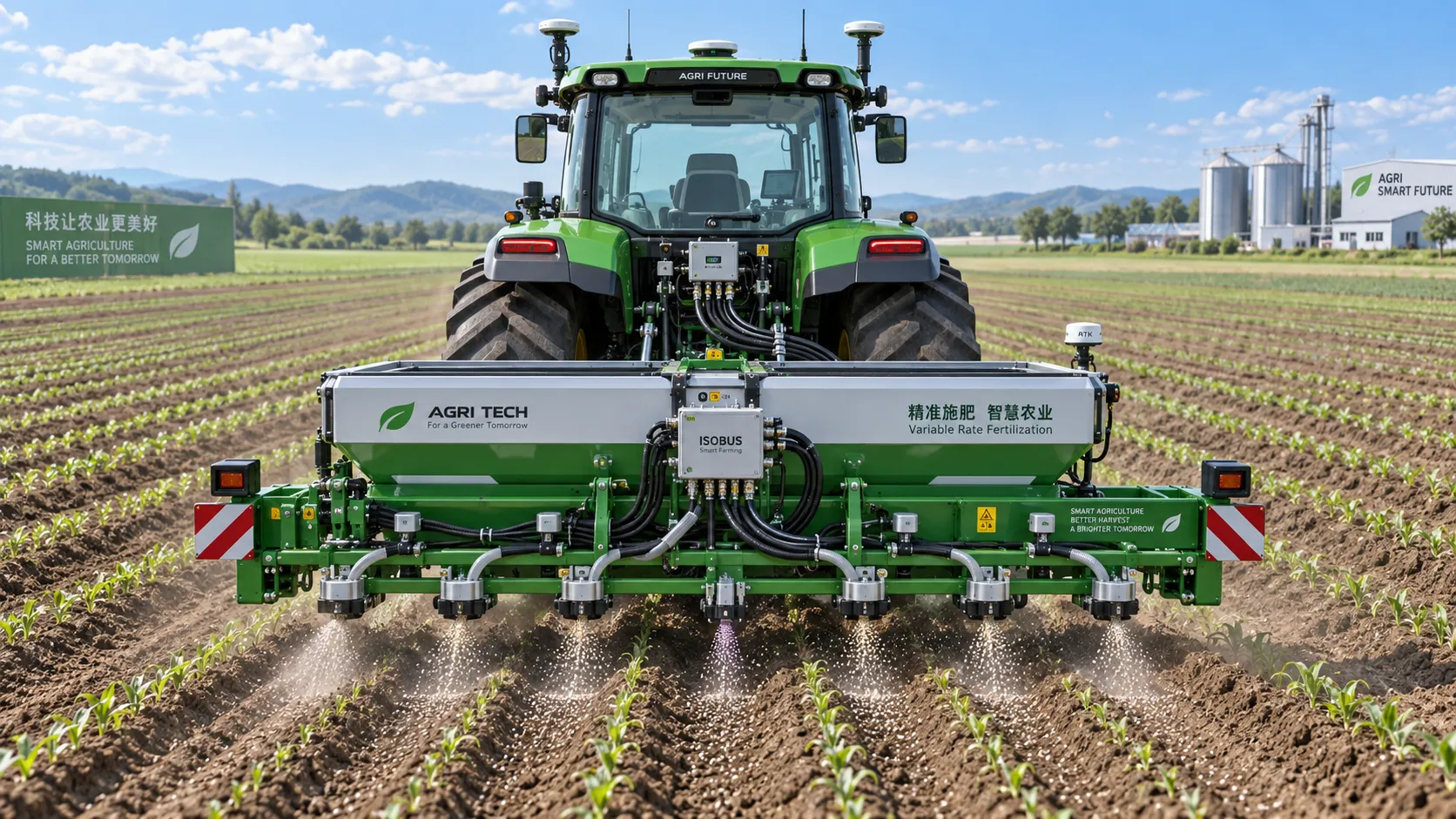
ISOBUS for Smart Agriculture: How It Connects Tractors, Implements, and Farm Data
ISOBUS for smart agriculture connects tractors, implements, terminals, and farm data—helping growers improve precision, documentation, and smarter field decisions.
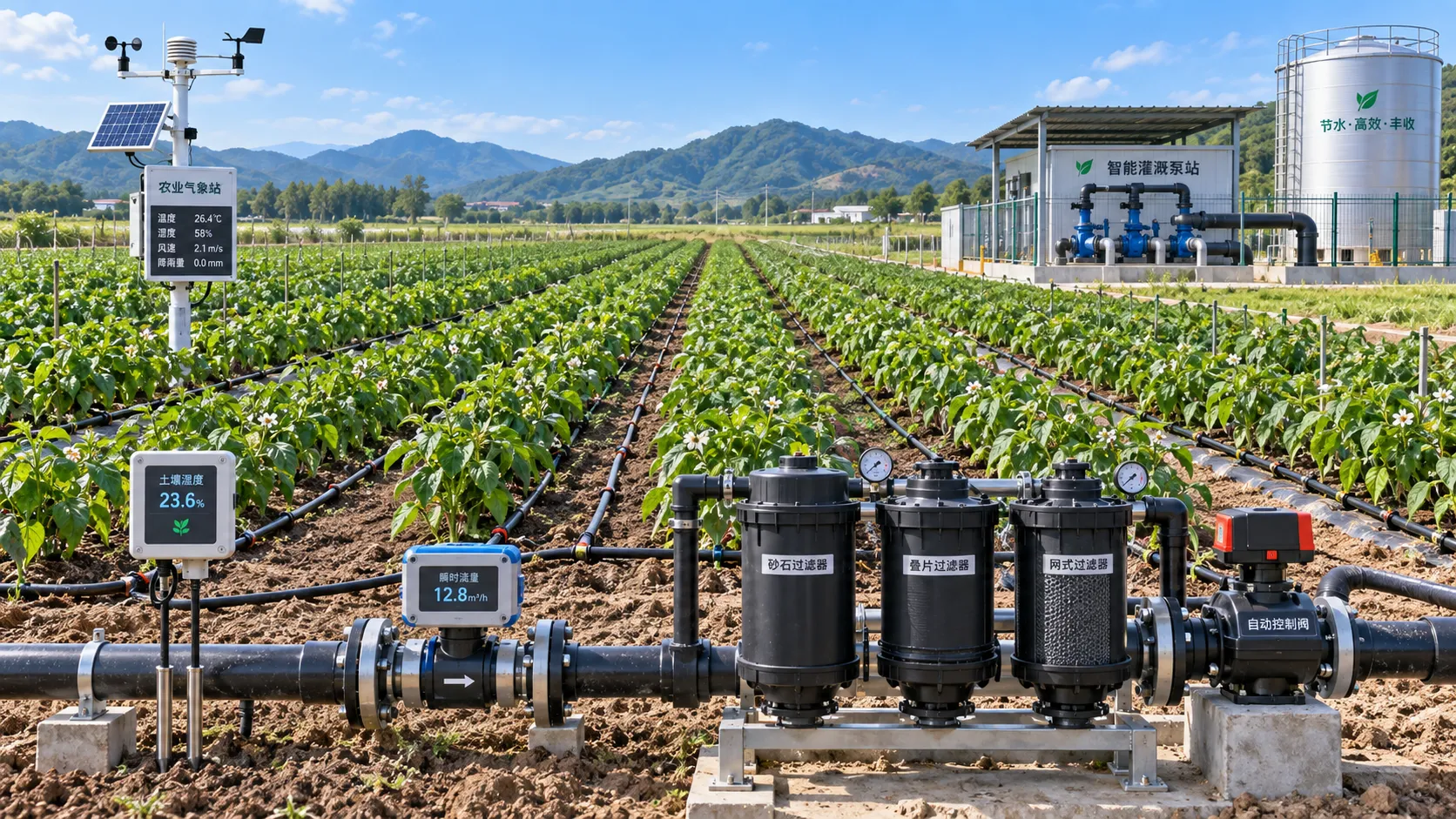
Automated Water-Saving Irrigation: How to Cut Water Use Without Reducing Crop Yields
Automated water-saving irrigation helps farms cut water use, protect crop yields, improve scheduling, and gain reliable control with sensors, flow monitoring, and smart zones.
Related News
- 00
0000-00
What separates robotic automation providers for equipment production? - 00
0000-00
Which field data collection provider fits an agricultural robotics program? - 00
0000-00
How Autonomous Machinery for Crop Scouting Helps Growers Detect Field Issues Earlier - 00
0000-00
How to Evaluate Autonomous Machinery for Vineyards by Terrain, Tasks, and ROI - 00
0000-00
Brazil ANVISA Rule Requires Portuguese Risk Labels for Farm Robots
Popular Tags
Tractor Power Architect
Weekly Insights
Stay ahead with our curated technology reports delivered every Monday.