
Brazil Tightens LIDAR Logging Rule for Autonomous Robots





On July 1, 2026, Brazil’s health regulator ANVISA issued an emergency technical notice that changes the compliance baseline for Autonomous Robots in the Brazilian market. From October 1, 2026, products already on sale and newly imported units must include built-in real-time monitoring of LIDAR radiation power and local log storage, with a minimum sampling interval of no more than 100 ms and a log format aligned with ISO/IEC 17025:2023 Annex F. This matters not only for product design, but also for customs clearance of existing inventory, channel responsibilities, after-sales firmware work, and the practical handoff between import, distribution, and compliance functions.
What the emergency notice changes
According to the provided event information, ANVISA released Nota Técnica ANVISA/GEA/2026-088 on July 1, 2026. The notice requires all Autonomous Robots already on sale and all newly imported Autonomous Robots to have a built-in function for real-time monitoring of LIDAR radiation power and for local storage of logs starting on October 1, 2026.
The same information states that the minimum sampling interval for this monitoring function must be 100 ms or less. It also states that the log format must comply with ISO/IEC 17025:2023 Annex F.
The provided summary further indicates that the requirement will affect customs clearance for existing inventory and will create after-sales firmware upgrade obligations for channel partners.
Where the operational pressure is likely to appear
Imported products approaching customs or market entry
From an industry perspective, importers and export-facing suppliers are likely to feel the impact first because the rule applies to newly imported Autonomous Robots and also affects existing inventory clearance. The practical issue is not only whether the device includes a LIDAR function, but whether the required monitoring and local logging capability is already embedded and whether the related technical documentation can support the product’s status at the point of import or release.
What deserves closer attention is the alignment between shipped configuration, software version, and compliance records. Firms involved in cross-border delivery should pay closer attention to whether product files, technical descriptions, and internal release records clearly reflect the required monitoring interval and log format.
Manufacturers and integrators handling product configuration
Analysis shows that manufacturers, developers, and system integrators may need to review whether current product architecture can support continuous LIDAR radiation power monitoring with a sampling interval of no more than 100 ms and local log retention in the specified format. Even without adding assumptions about hardware redesign, the notice clearly shifts compliance from a general product function question to a traceable data-recording requirement.
This means the affected business step is likely to include software configuration control, embedded logging logic, validation of log output structure, and internal coordination between engineering and compliance teams. For suppliers serving Brazil, procurement and delivery planning may also need to reflect whether units produced before October 1, 2026 can still be placed, cleared, or updated in line with the new requirement.
Distributors and channel partners with devices already in the field
The provided information explicitly points to after-sales firmware upgrade obligations for channel partners. Observably, that makes distributors and local channel operators more than simple sales intermediaries in this case. They may need to identify affected units, confirm upgrade paths, and prepare evidence that devices already circulating in the market can be brought into line with the new logging requirement.
The main pressure point here is operational rather than theoretical: installed base visibility, firmware deployment control, and record consistency may become part of normal channel compliance work. Businesses in this role should therefore watch for any further clarification on what supporting records may be expected when products are serviced, upgraded, or reviewed.
Testing, documentation, and compliance support functions
Because the notice ties the logging format to ISO/IEC 17025:2023 Annex F, compliance-related service providers, internal quality teams, and documentation teams may also be affected. Analysis shows that the issue is not limited to generating logs; it also concerns whether logs are structured in a way that can be presented consistently in technical review, customer acceptance, or regulatory checks.
For these functions, the key business impact is likely to center on technical files, validation records, and the consistency of supporting materials used in import, sales support, or post-market service.
What companies should review now
Check whether current models already meet the logging function requirement
Analysis shows that companies should first separate products into those that already contain the required monitoring and local storage capability and those that may require firmware changes. The relevant checkpoint is not a general safety statement, but whether the product can record LIDAR radiation power in real time at a sampling interval of 100 ms or less and store logs locally in the required format.
Revisit documents used for import, delivery, and technical handover
What deserves closer attention is whether existing technical documents, product specifications, validation files, and customer-facing delivery materials accurately describe the presence of the monitoring and logging function. Where products are moving through import or distribution channels, any mismatch between actual software configuration and declared product capability may create avoidable friction.
Map the installed base that may depend on firmware updates
Observably, the notice matters not only for new imports but also for products already on sale. Companies with channel inventories or devices already delivered into the market should identify which units may require a firmware path, what evidence can show completion of an update, and how local service teams will keep records consistent with the new requirement.
Follow any later clarification on enforcement practice
The provided information does not include detailed enforcement procedures, review methods, or documentary templates. For that reason, it would be premature to treat all implementation questions as settled. Companies should continue monitoring for any further official wording, execution guidance, or market-side interpretation that could affect customs handling, compliance review, tender documentation, or service obligations.
How this should be read at this stage
Analysis shows that this is better understood as a concrete compliance signal rather than a distant policy discussion. The notice includes a defined publication date, a named technical document, a specific implementation date, and technical conditions tied to sampling interval and log format. That gives the market a clear direction of travel.
At the same time, it is also more appropriate to understand this as a rule change whose full operating practice still needs observation. The provided summary confirms direct effects on inventory clearance and firmware obligations, but it does not provide the full execution detail that companies would normally want for planning evidence packages, service workflows, or channel accountability.
Why the market should keep watching this rule
In practical terms, this development points to a more specific compliance expectation for Autonomous Robots in Brazil: traceable, local, and format-defined LIDAR radiation power logging is no longer peripheral to market access once the October 1, 2026 date takes effect. The immediate significance lies in the overlap between product configuration, import handling, and post-sale responsibilities.
A neutral reading is that the notice already represents a real change in compliance expectations, while some execution details may still require confirmation through later regulatory practice or market feedback. For companies exposed to the Brazilian market, the sensible approach is to treat this as an active implementation issue rather than a background regulatory headline.
Basis of this article
This article is based on the user-provided news title, event date, and event summary regarding ANVISA’s emergency revision affecting Autonomous Robots and LIDAR radiation monitoring logs. For events of this type, source categories commonly reviewed include official regulator notices, competent authority releases, customs or trade administration information, industry association updates, standards documents, and reporting by established professional media.
No specific official source link was provided in the input, so the exact official publication path still requires ongoing verification. Further observation is also needed on any later policy detail, certification or compliance interpretation, tender document changes, industry feedback, and company-side implementation progress.
Related News
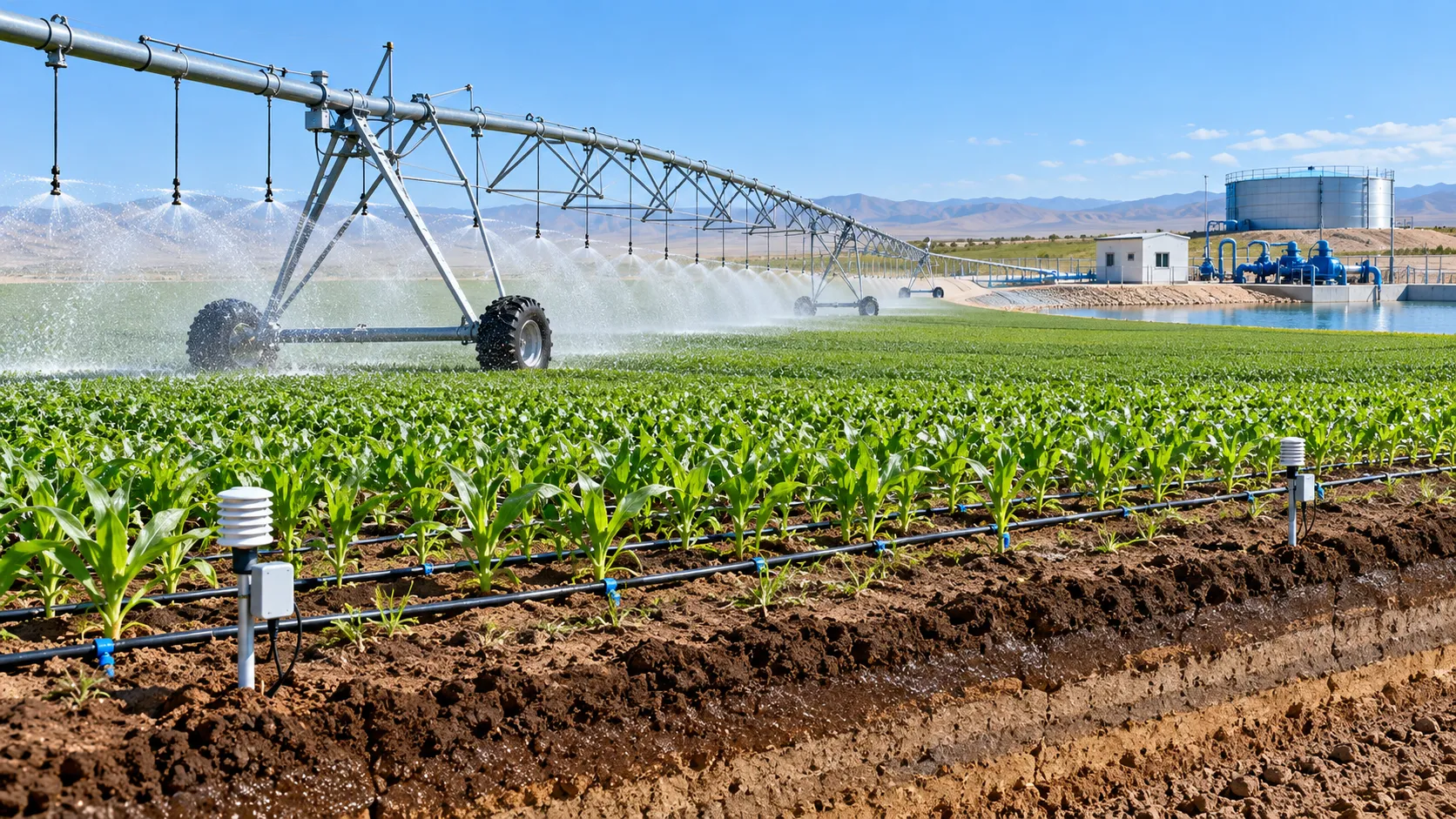
Climate-Smart Farming for Drought: A Practical Plan for Protecting Yields
Climate-smart farming for drought: build smarter water budgets, protect critical crop stages, improve irrigation uniformity, and safeguard yields with practical field-proven strategies.

How Digital Agriculture Platforms Turn Field Data Into Better Input Decisions
Digital agriculture platforms turn field data into smarter fertilizer, water, seed, and equipment decisions—helping farms cut risk, improve margins, and scale sustainability.
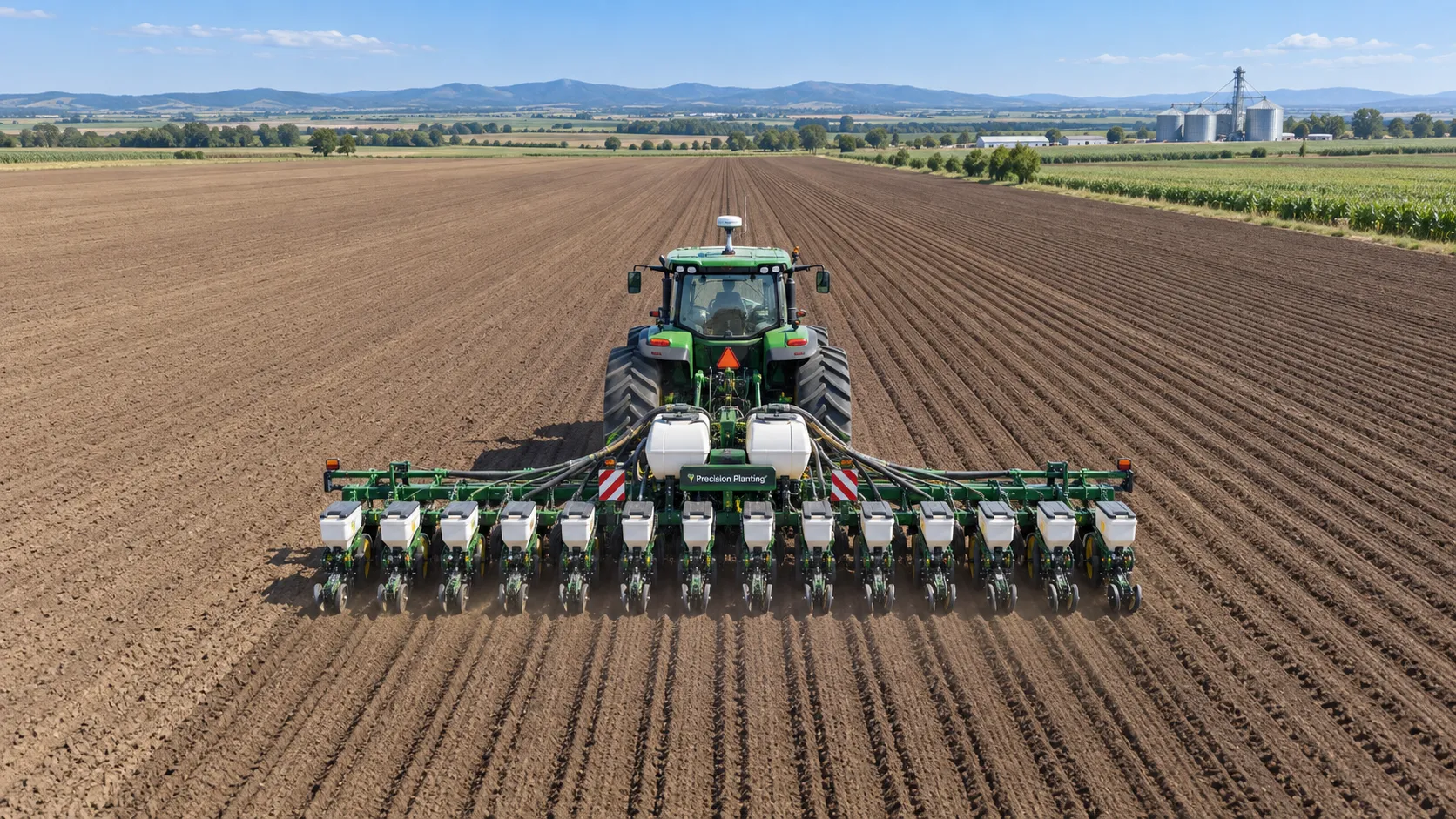
GPS-Guided Farm Machinery: Where It Delivers Measurable Field Efficiency Gains
Agri-mechanization GPS guided systems deliver measurable field efficiency gains through reduced overlap, precise planting, smarter inputs, and reliable farm data.

How Sensor Feedback Enables Accurate Variable-Rate Fertilization in Field Conditions
Precision fertilization systems with sensor feedback improve variable-rate accuracy by verifying flow, managing latency, and ensuring reliable field application.

How to Select Precision Crop Protection Equipment for Variable Field Conditions
Precision crop protection equipment selection made simple: compare terrain, canopy, weather, control accuracy, and data workflows for reliable applications.

When Does Agricultural Machinery Leasing Cost Less Than Owning Equipment?
Agricultural machinery leasing can lower farm costs when use is seasonal or uncertain. Compare utilization, maintenance, cash flow, and risk to make a smarter equipment decision.
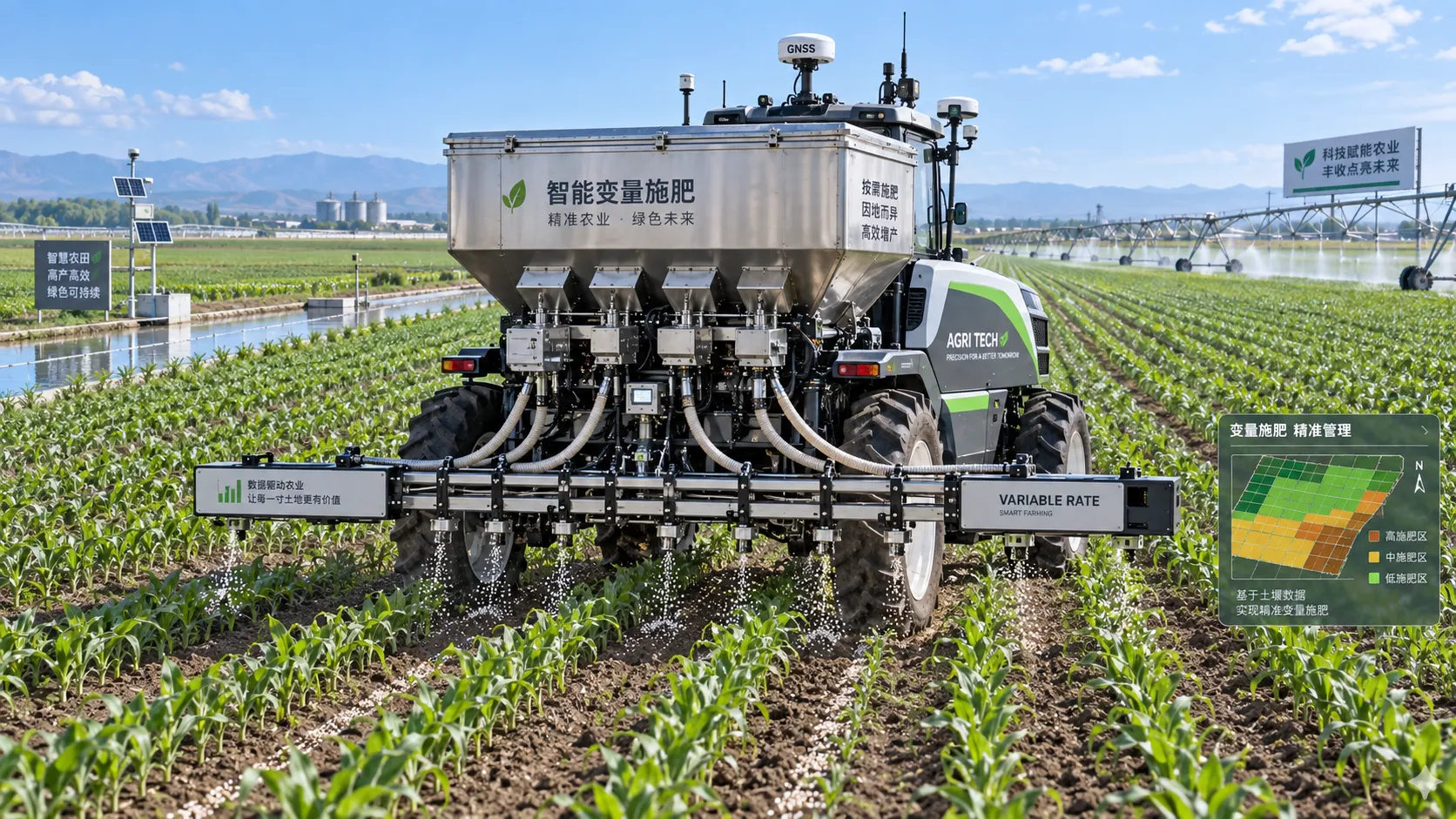
How to Evaluate Precision Fertilization System Suppliers for Farm-Scale Deployment
Precision fertilization systems suppliers: learn how to compare accuracy, integration, uptime, service, and total cost for confident farm-scale deployment.
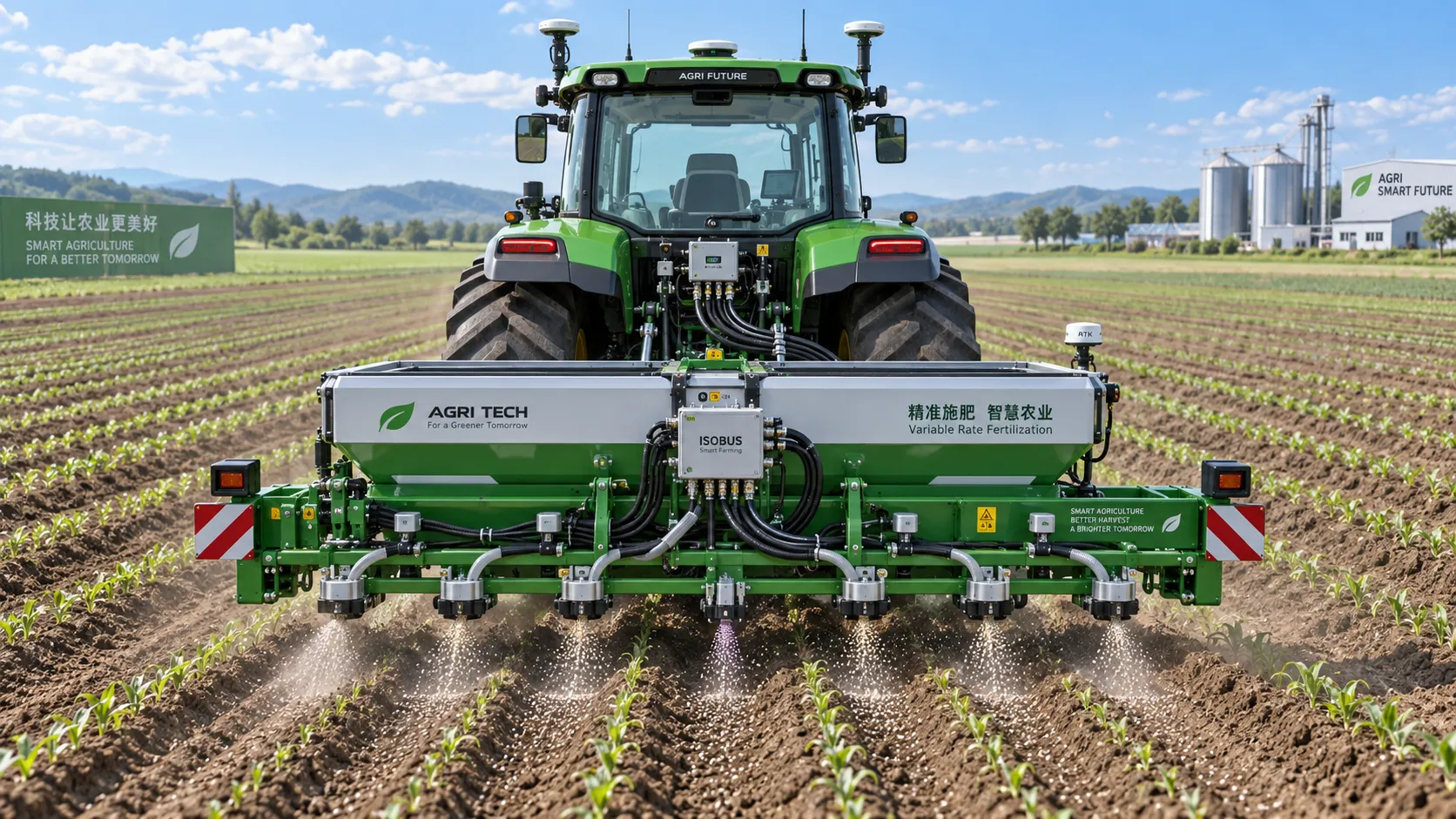
ISOBUS for Smart Agriculture: How It Connects Tractors, Implements, and Farm Data
ISOBUS for smart agriculture connects tractors, implements, terminals, and farm data—helping growers improve precision, documentation, and smarter field decisions.
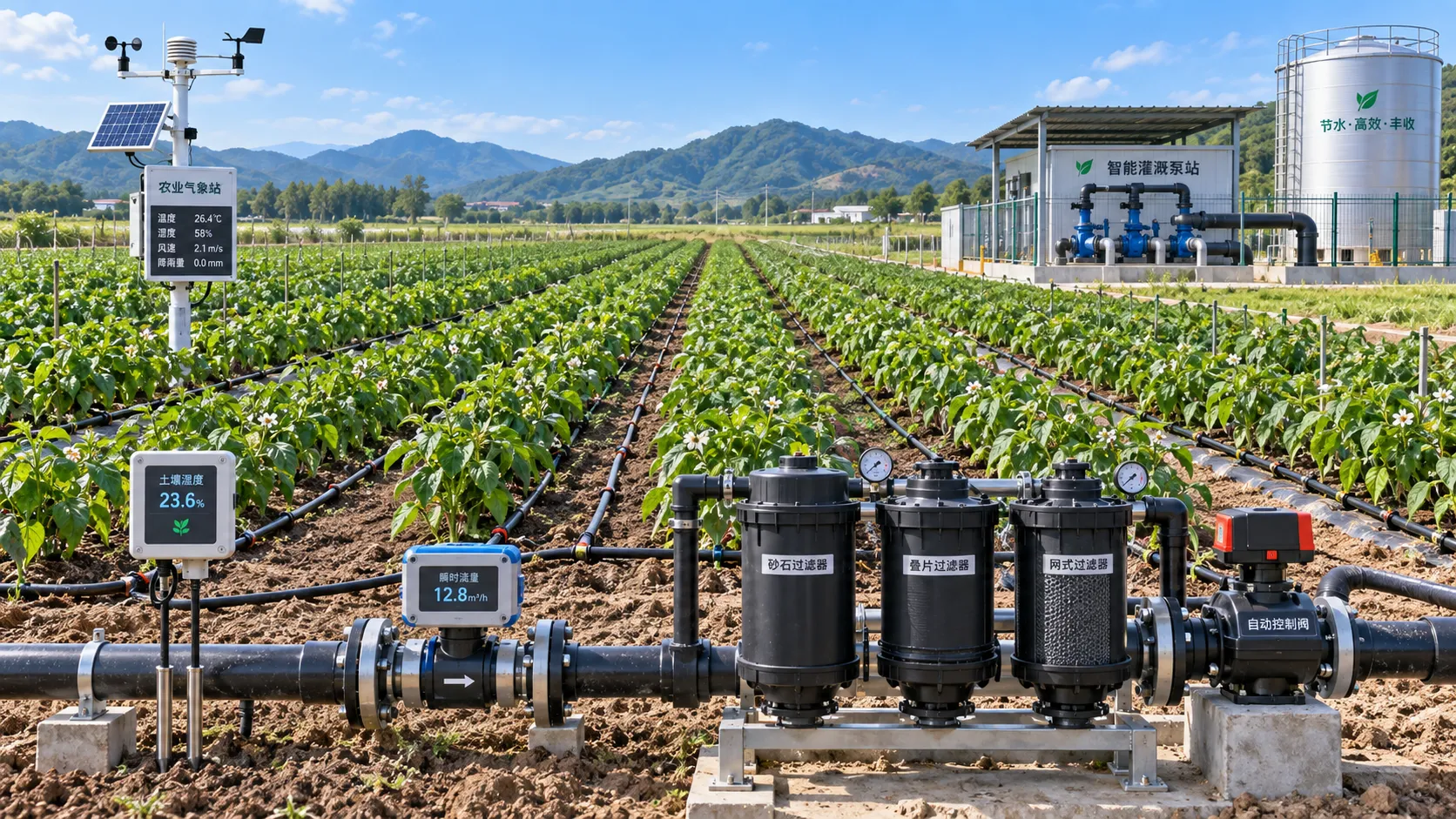
Automated Water-Saving Irrigation: How to Cut Water Use Without Reducing Crop Yields
Automated water-saving irrigation helps farms cut water use, protect crop yields, improve scheduling, and gain reliable control with sensors, flow monitoring, and smart zones.
Related News
- 00
0000-00
What separates robotic automation providers for equipment production? - 00
0000-00
Which field data collection provider fits an agricultural robotics program? - 00
0000-00
How Autonomous Machinery for Crop Scouting Helps Growers Detect Field Issues Earlier - 00
0000-00
How to Evaluate Autonomous Machinery for Vineyards by Terrain, Tasks, and ROI - 00
0000-00
Brazil ANVISA Rule Requires Portuguese Risk Labels for Farm Robots
Popular Tags
Tractor Power Architect
Weekly Insights
Stay ahead with our curated technology reports delivered every Monday.