
Brazil Extends Farm Robot Permit, Adds LIDAR Limit
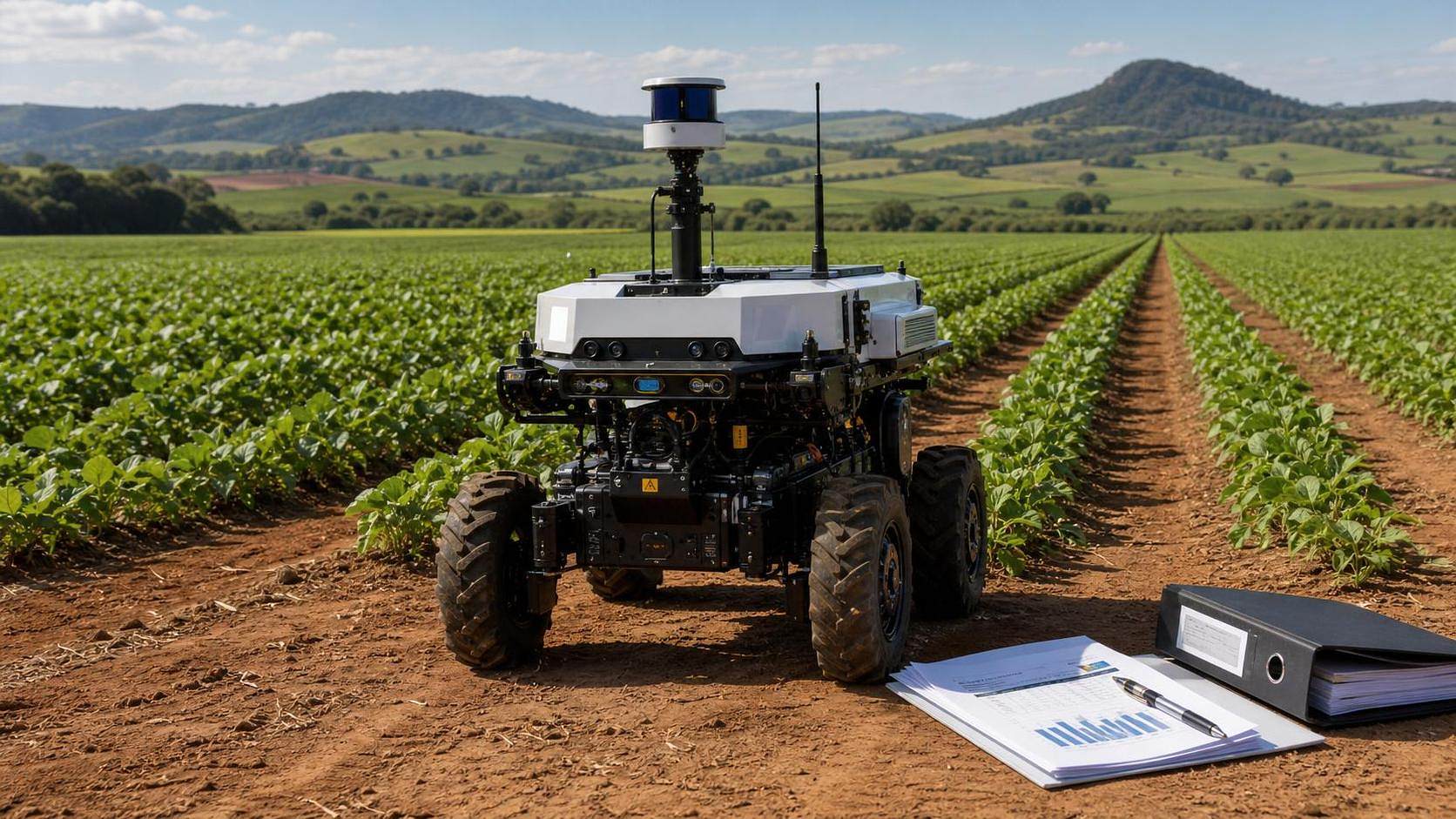




On June 30, 2026, Brazil’s National Health Surveillance Agency (ANVISA) announced that the temporary import authorization for Autonomous Robots used in agricultural settings will remain valid until December 2027 instead of ending in September 2026. At the same time, the agency added an IEC 62471:2026 Class 1B laser radiation safety threshold, requiring robots equipped with LIDAR navigation systems to submit a third-party photobiological safety assessment report. For agricultural robotics suppliers, importers, compliance teams, and buyers involved in Brazil-related business, this is worth close attention because it extends market access timing while also making technical entry requirements more exacting.
What ANVISA Confirmed on June 30
According to the information provided, ANVISA extended the validity of the temporary import permit for Autonomous Robots in agricultural applications from the previously scheduled September 2026 deadline to December 2027. The same announcement introduced a new laser radiation safety requirement tied to IEC 62471:2026 Class 1B. Under that adjustment, every robot using a LIDAR-based navigation system must provide a third-party photobiological safety assessment report. The stated effect of the change is to create additional transition time for China-Brazil cooperation in smart agricultural machinery while raising the precision of technical market access.
Where the Immediate Pressure Shifts Across the Chain
Import and market-entry teams now face a dual-track task
From an industry perspective, companies handling imports into Brazil may be affected in two directions at once. The permit extension reduces near-term timing pressure linked to the original September 2026 end date, but the new LIDAR-related documentation requirement adds a more specific compliance checkpoint. The business impact is likely to concentrate on filing readiness, technical document collection, and whether product configurations can be matched to the new safety reporting expectation.
Robot manufacturers need to focus on sensor-related compliance detail
For manufacturers of agricultural Autonomous Robots, the most relevant change is not only the longer authorization window but the fact that LIDAR-equipped products now face a defined third-party assessment requirement. Analysis shows that the operational impact is most likely to appear in product compliance review, component selection, technical file preparation, and coordination with external testing or assessment bodies. What deserves closer attention is whether existing product documentation already aligns with the newly referenced radiation safety limit.
Distributors and project delivery parties may need to reset timelines
Channel partners, local distributors, and delivery-focused service providers may also be affected because the extension and the added safety condition point to a more conditional path to execution. The extension can support continuity in pipeline planning, but the added report requirement may influence order confirmation, delivery sequencing, and customer communication. The key variable for these parties is whether documentation can be completed without delaying deployment schedules.
Buyers and farm application users will need clearer proof of compliance
For procurement teams and end users in agricultural applications, the practical issue is likely to shift toward verification rather than simple availability. Observably, products that rely on LIDAR navigation may now require more complete supporting evidence before procurement or deployment decisions move forward. Attention is likely to center on document completeness, supplier response speed, and whether the product offered for the Brazilian market is fully aligned with the updated permit conditions.
What Companies Should Watch Next
Separate the permit extension from the new technical threshold
One practical point is to avoid reading the extension as a broad easing of entry conditions. The time window has been lengthened, but the technical threshold for LIDAR-equipped systems has become more explicit. Companies should review internal and external communication carefully so commercial teams do not treat the extension alone as the full policy signal.
Check which product lines actually trigger the new reporting requirement
The requirement described in the provided information applies to robots carrying LIDAR navigation systems. Companies should therefore map product portfolios, variants, and configurations against that condition and identify where third-party photobiological safety assessment reports are required. This matters most for businesses supplying multiple agricultural robot models or adapting systems for different operating scenarios.
Prepare documentation and supplier coordination earlier in the cycle
Because the added requirement concerns third-party assessment, documentation lead time may become a practical issue. Companies involved in sourcing, assembly, import filing, and customer delivery should pay attention to report availability, document consistency, and handoff timing across suppliers and market-entry teams. In execution terms, the compliance file may become a gate for shipment or deployment planning rather than a back-end formality.
Keep tracking whether official wording or implementation detail evolves
Analysis shows that the current information gives a clear direction but does not answer every implementation detail that businesses may eventually need. Firms with exposure to the Brazilian agricultural robotics market should continue to monitor whether further official clarification appears around documentation expectations, assessment interpretation, or any additional operational guidance tied to the new limit.
Why This Looks Like a Transitional Signal, Not a Final Endpoint
It is more appropriate to understand this as a transitional regulatory signal rather than a fully settled end state. The extension to December 2027 suggests that the market is being given more time to continue operating under a temporary authorization framework. At the same time, the added IEC 62471:2026 Class 1B-related requirement shows that access conditions are becoming more technically specific, especially where LIDAR is involved. From an industry perspective, that combination points to a market that is still open but increasingly documentation-driven.
Observably, the value of this development is not only in the extra time it creates but in the compliance direction it reveals. The immediate commercial effect may be continuity, while the deeper signal is a higher expectation for evidence-based safety review in sensor-equipped agricultural robotics. That is why the development still warrants continued watching rather than being treated as a completed regulatory outcome.
How the Market Is Best Reading This for Now
At this stage, the update carries a balanced message. It preserves room for continued agricultural robot imports under the temporary scheme through the end of 2027, which may ease short-term planning pressure. But it also raises the precision of technical access conditions by attaching a third-party photobiological safety reporting requirement to LIDAR-equipped systems. The most neutral reading is that this is a near-term operational extension combined with a longer-term compliance tightening signal, and businesses should respond with both scheduling discipline and document readiness.
Basis of This Article and What Still Needs Verification
This article is based on the user-provided news title, event date, and event summary. For this type of industry update, relevant source categories would typically include official regulatory notices, company statements, industry association releases, authoritative media reporting, and standards-related documents. A specific official source link was not provided in the input, so the exact official publication path still needs to be verified on an ongoing basis. Continued attention should be paid to any further ANVISA clarification, implementation wording, or follow-up materials related to the IEC 62471:2026 Class 1B requirement and third-party assessment expectations for LIDAR-equipped agricultural robots.
Related News
GPS-Guided Farm Machinery: Where It Delivers Measurable Field Efficiency Gains
Agri-mechanization GPS guided systems deliver measurable field efficiency gains through reduced overlap, precise planting, smarter inputs, and reliable farm data.
How Sensor Feedback Enables Accurate Variable-Rate Fertilization in Field Conditions
Precision fertilization systems with sensor feedback improve variable-rate accuracy by verifying flow, managing latency, and ensuring reliable field application.
How to Select Precision Crop Protection Equipment for Variable Field Conditions
Precision crop protection equipment selection made simple: compare terrain, canopy, weather, control accuracy, and data workflows for reliable applications.
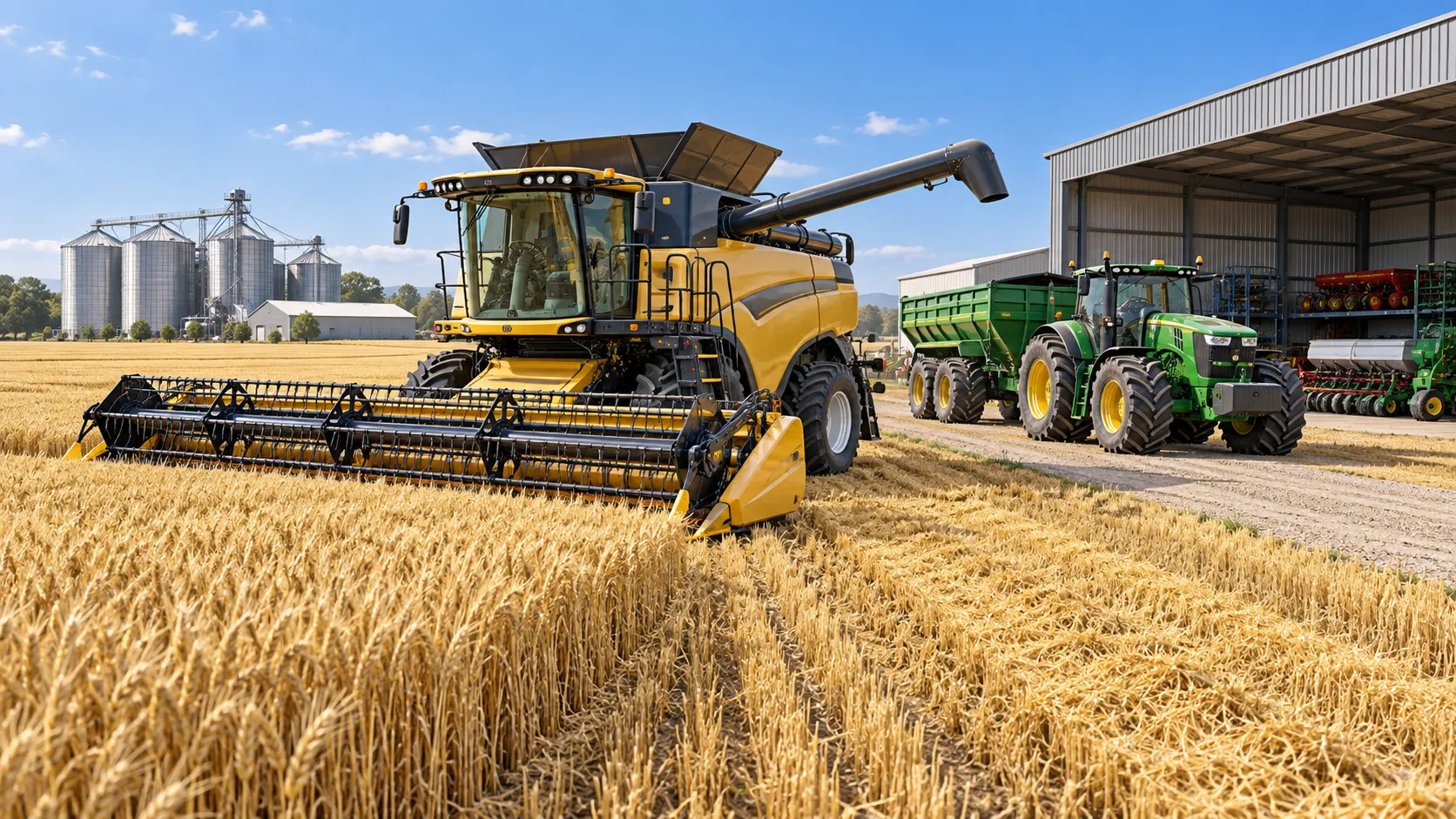
When Does Agricultural Machinery Leasing Cost Less Than Owning Equipment?
Agricultural machinery leasing can lower farm costs when use is seasonal or uncertain. Compare utilization, maintenance, cash flow, and risk to make a smarter equipment decision.
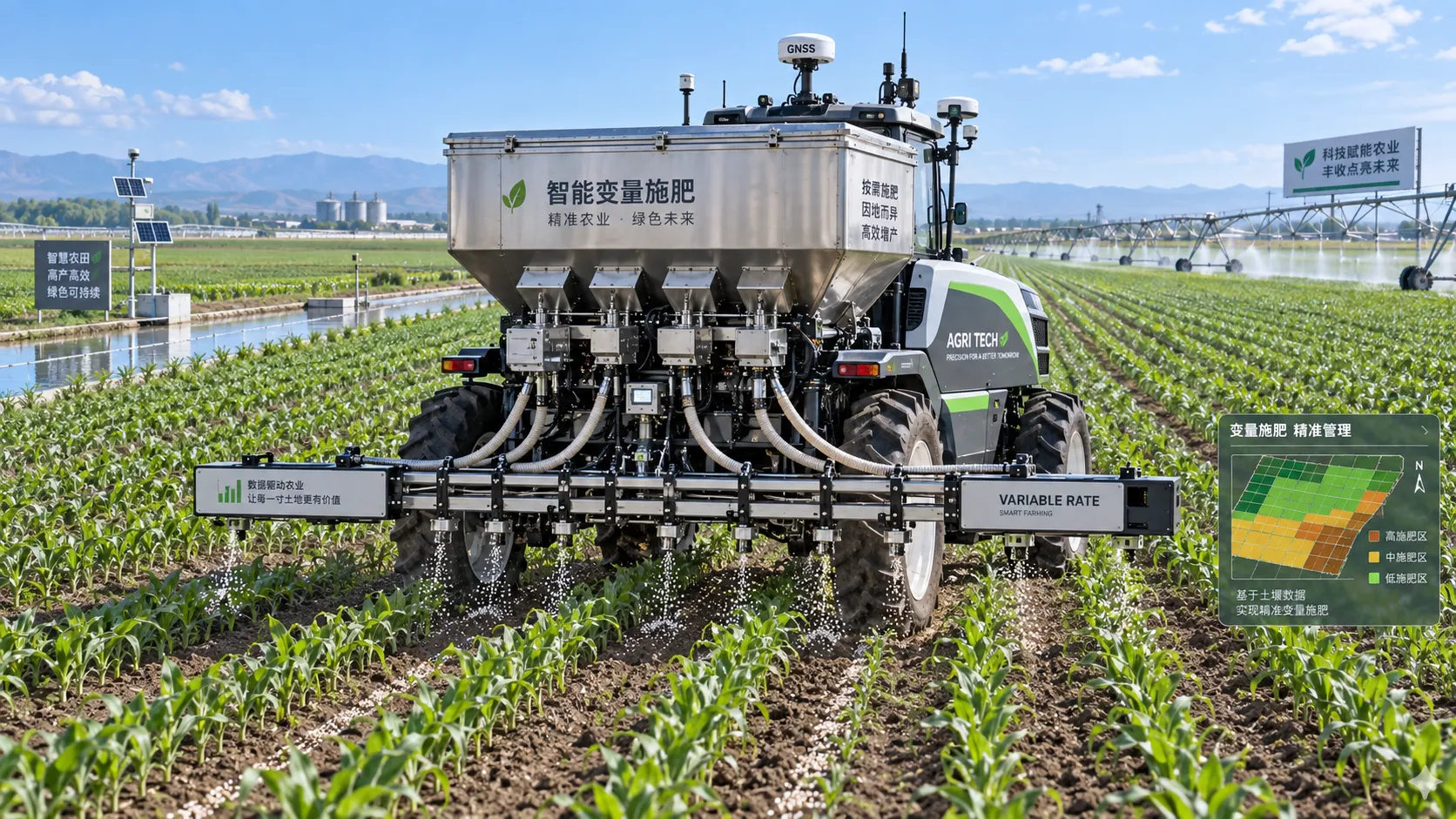
How to Evaluate Precision Fertilization System Suppliers for Farm-Scale Deployment
Precision fertilization systems suppliers: learn how to compare accuracy, integration, uptime, service, and total cost for confident farm-scale deployment.
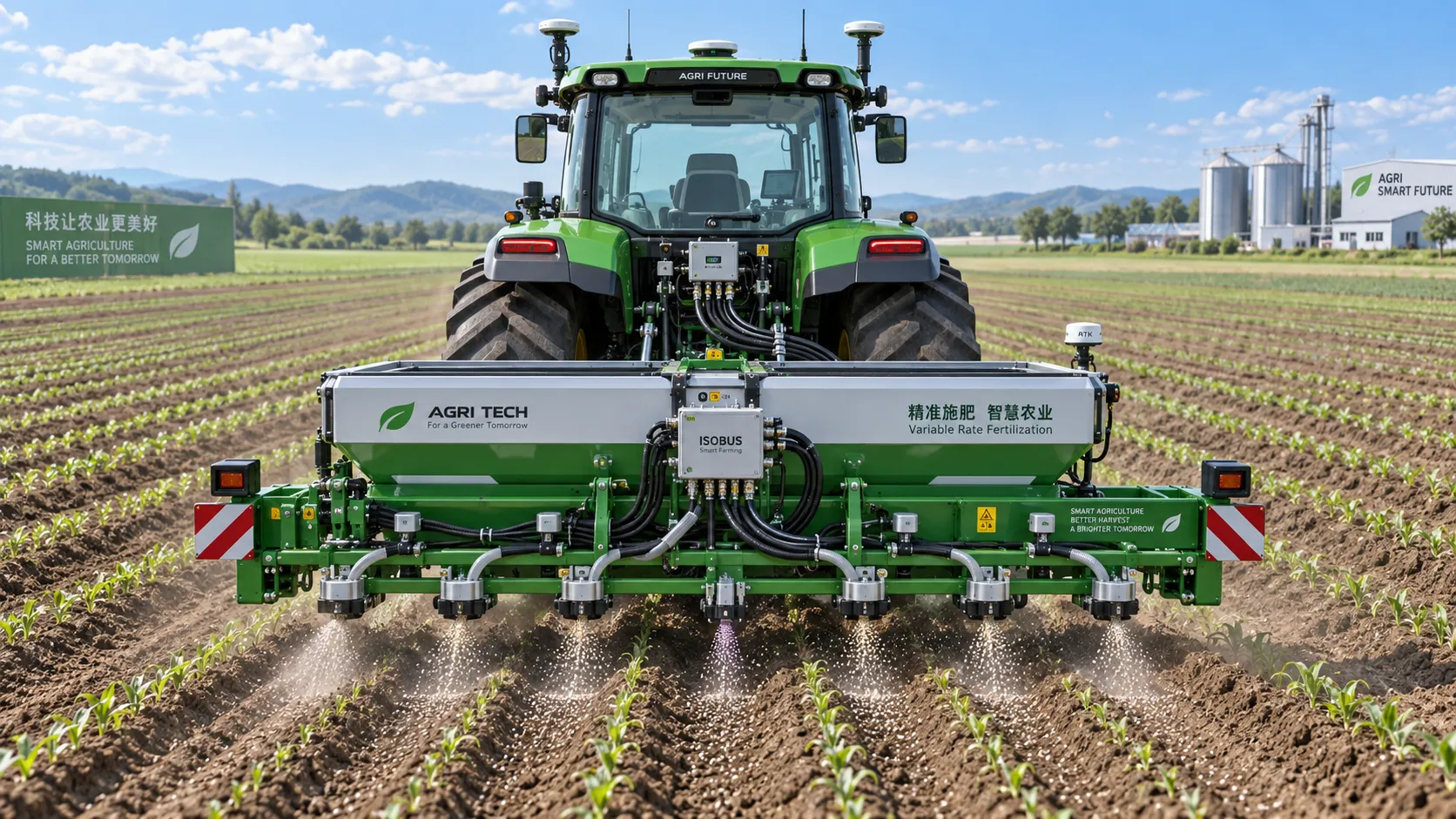
ISOBUS for Smart Agriculture: How It Connects Tractors, Implements, and Farm Data
ISOBUS for smart agriculture connects tractors, implements, terminals, and farm data—helping growers improve precision, documentation, and smarter field decisions.
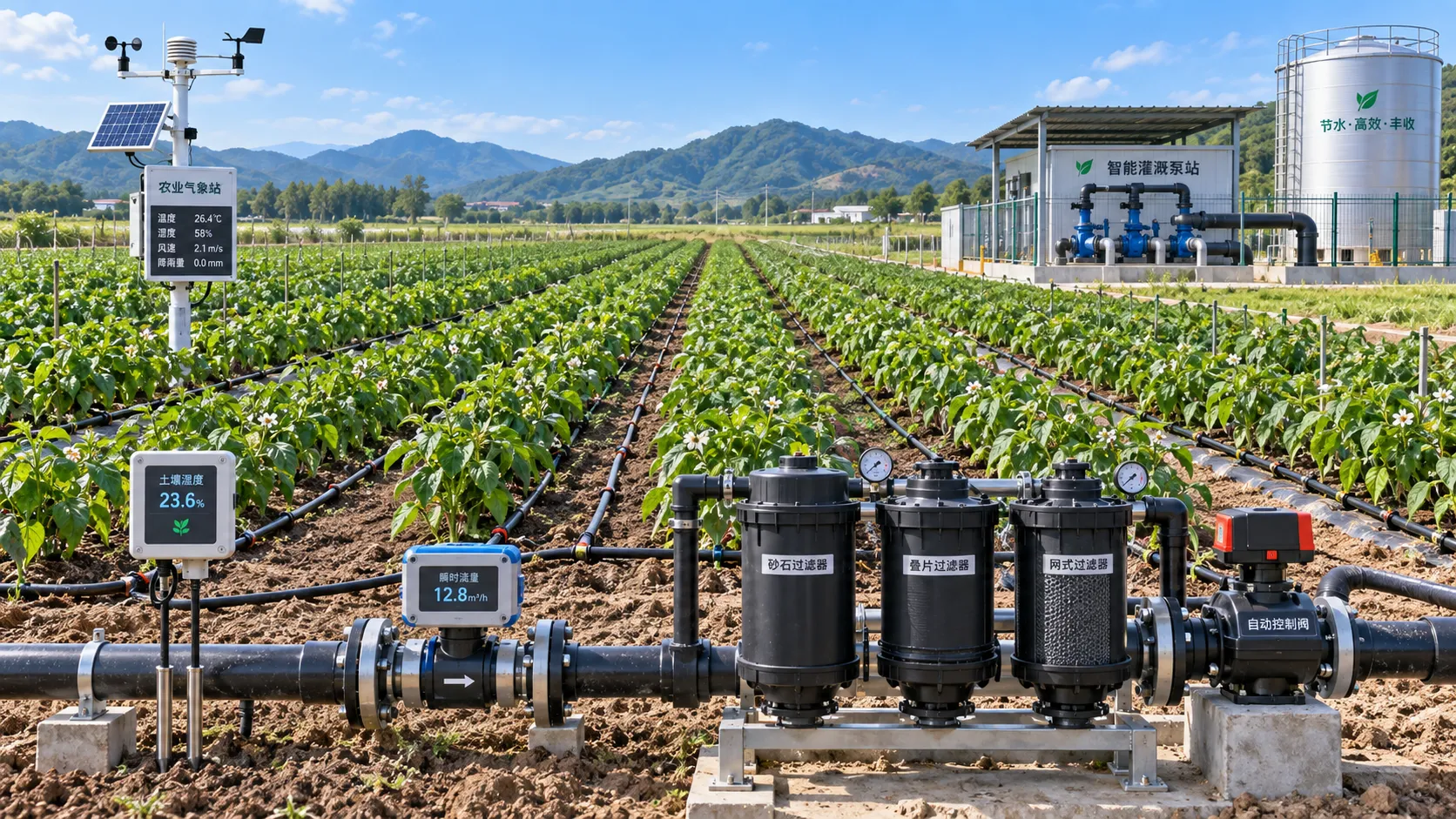
Automated Water-Saving Irrigation: How to Cut Water Use Without Reducing Crop Yields
Automated water-saving irrigation helps farms cut water use, protect crop yields, improve scheduling, and gain reliable control with sensors, flow monitoring, and smart zones.
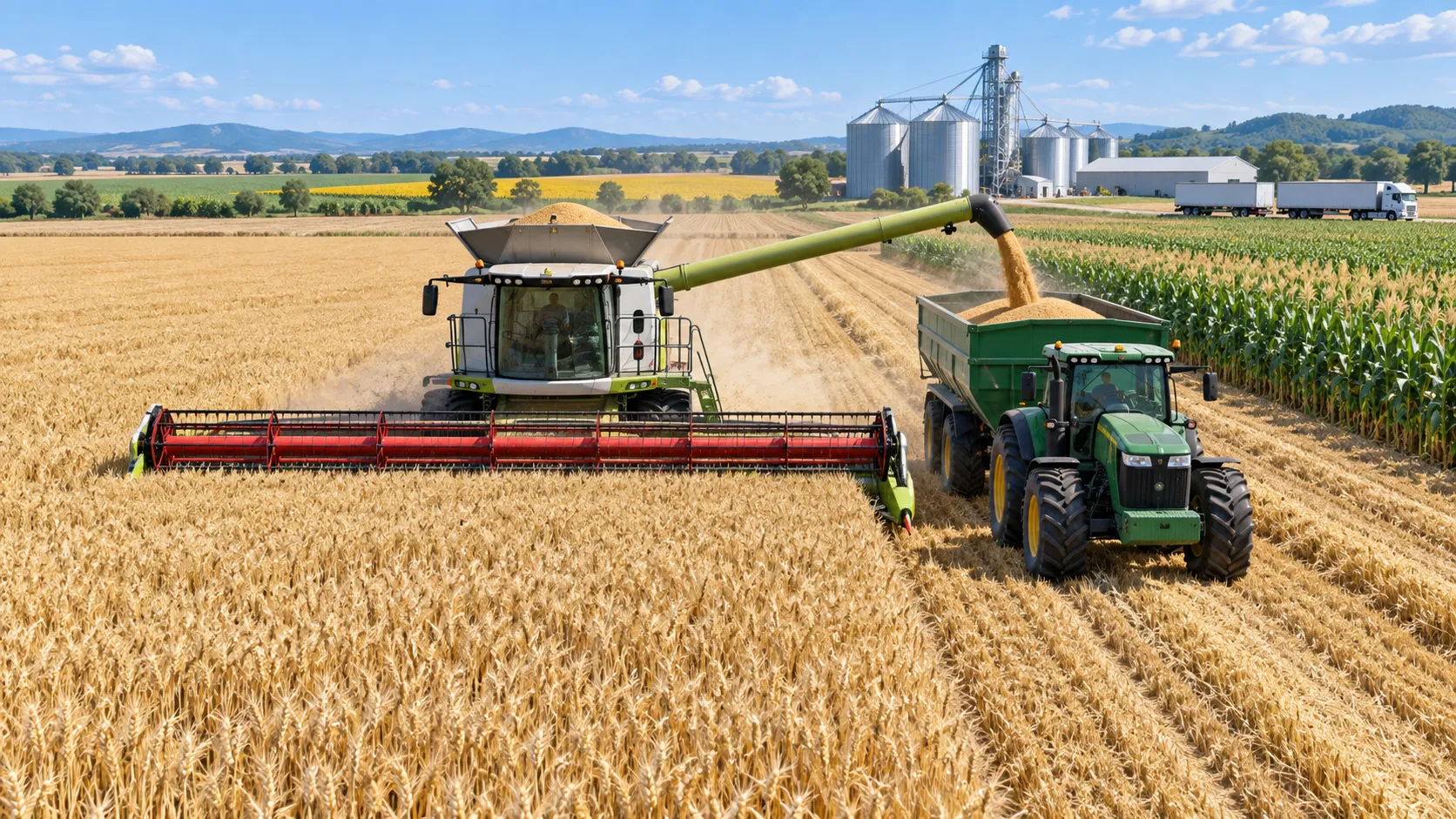
Selecting Grain Farm Equipment by Acreage, Crop Mix, and Harvest Window
Agricultural equipment selection for grain farming: match machinery to acreage, crop mix, and harvest windows to improve uptime, efficiency, and returns.
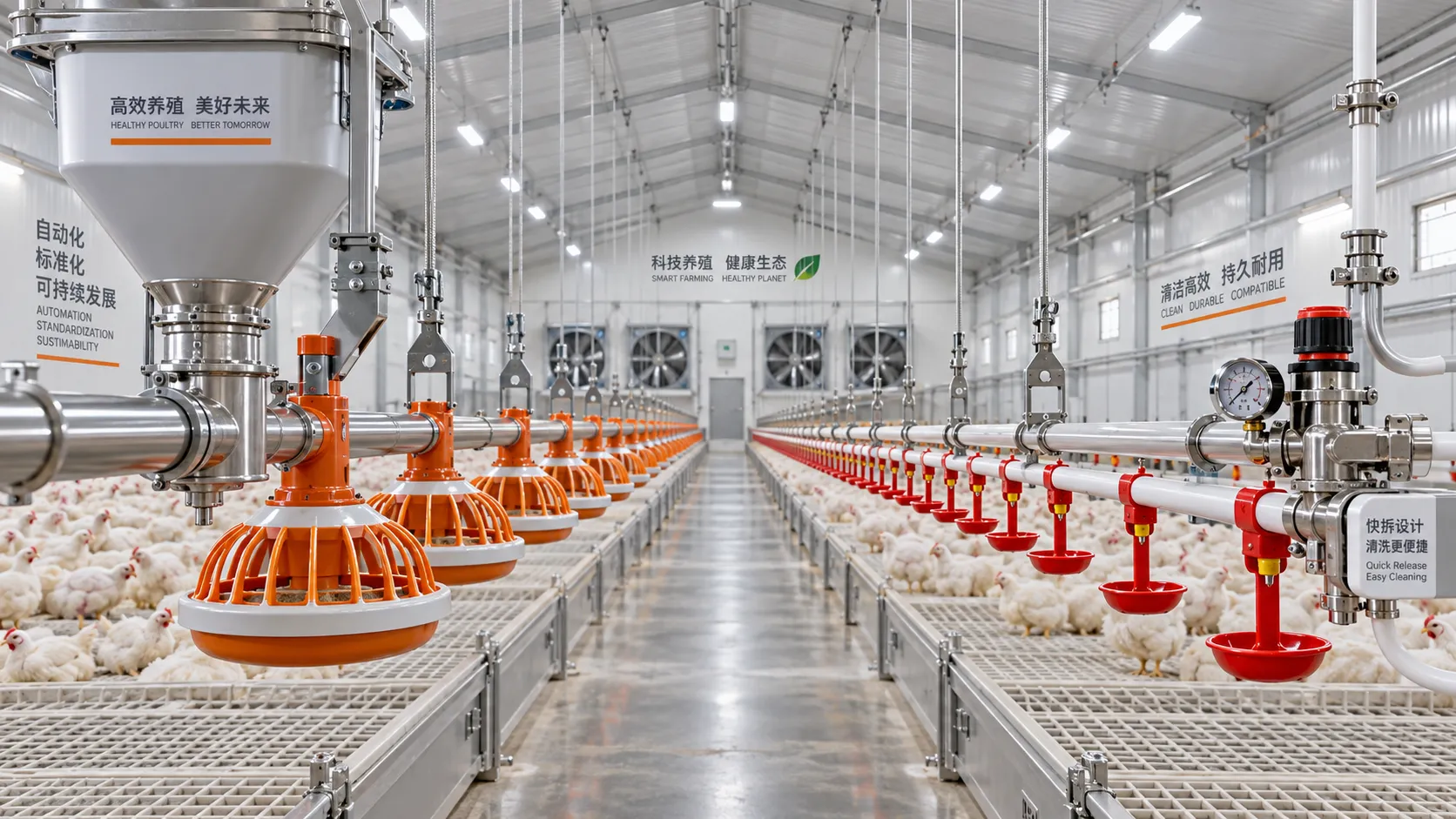
Poultry Equipment Selection: Evaluating Durability, Cleaning, and Compatibility
Poultry equipments selection guide: evaluate durability, cleaning access, and system compatibility to improve hygiene, reduce downtime, and support efficient flock management.
Related News
- 00
0000-00
What separates robotic automation providers for equipment production? - 00
0000-00
Which field data collection provider fits an agricultural robotics program? - 00
0000-00
How Autonomous Machinery for Crop Scouting Helps Growers Detect Field Issues Earlier - 00
0000-00
How to Evaluate Autonomous Machinery for Vineyards by Terrain, Tasks, and ROI - 00
0000-00
Brazil ANVISA Rule Requires Portuguese Risk Labels for Farm Robots
Popular Tags
Tractor Power Architect
Weekly Insights
Stay ahead with our curated technology reports delivered every Monday.