
Large Scale Agricultural Machinery Automation: Where It Delivers the Biggest Efficiency Gains
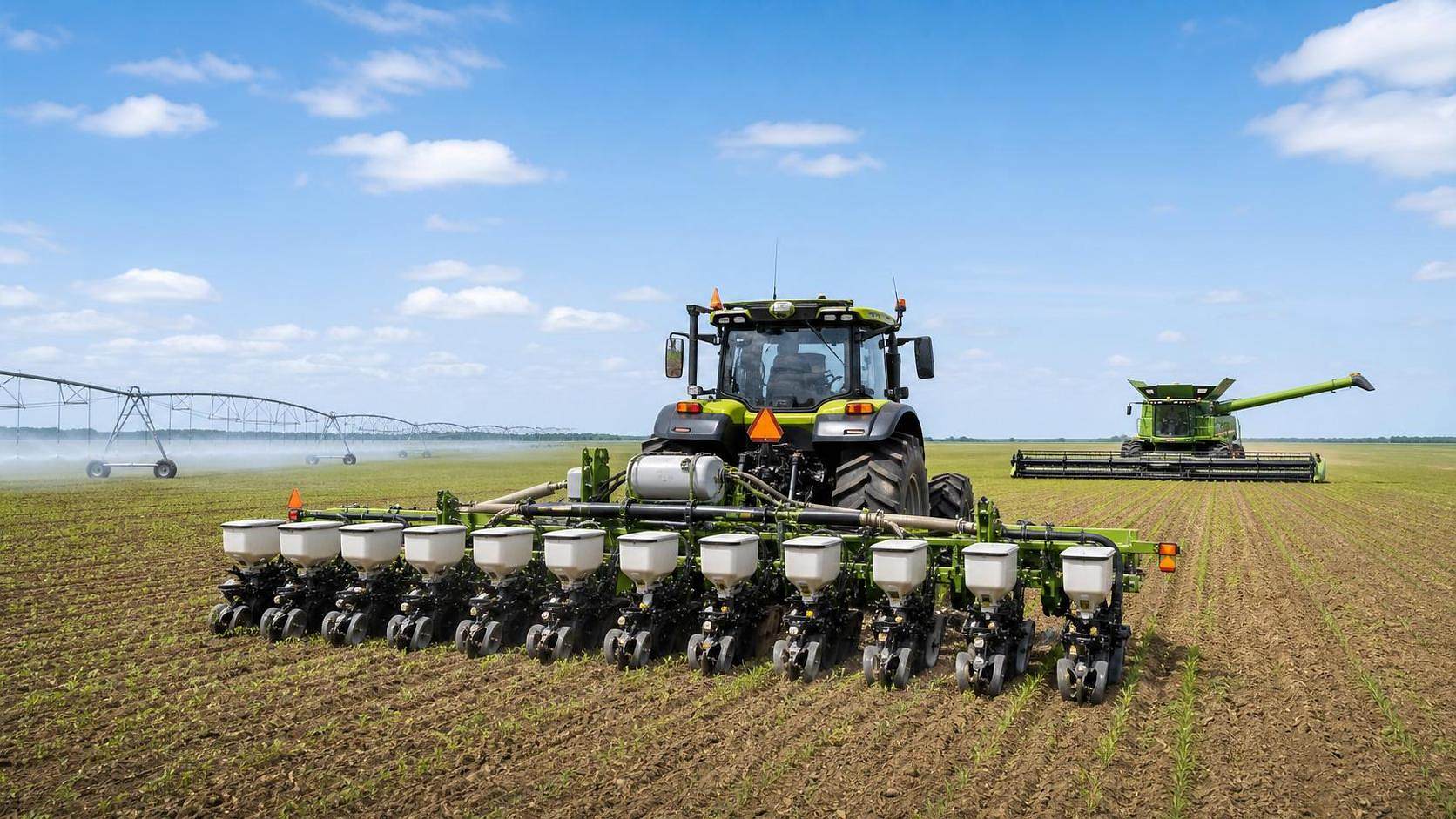




Large Scale Agricultural Machinery Automation Delivers the Most Value Where Timing Pressure Is Highest
Large scale agricultural machinery automation creates its biggest efficiency gains when field operations cannot slow down without affecting yield, fuel use, or crop quality.
That is why automation is moving from optional upgrade to operating logic across broad-acre farming, harvesting, and irrigation management.
In practice, the value does not come from autonomy alone. It comes from reducing overlap, stabilizing machine behavior, and keeping work consistent across long operating windows.
AP-Strategy follows this shift closely because large-scale farm equipment, combine harvesting technology, tractor chassis performance, and intelligent irrigation are now tightly connected.
The strongest deployments link mechanical capacity with positioning data, task algorithms, and field feedback. That combination turns automation into measurable operational control.
Actual Field Conditions Change What Automation Needs to Solve
Not every operation gains the same return from large scale agricultural machinery automation. Soil variability, crop density, labor availability, and weather exposure change the priority.
A flat grain region may care most about route precision and input savings. A mixed-condition harvest zone may focus instead on throughput stability and loss control.
The more complex the field environment, the less useful it is to judge automation by headline horsepower or advertised autonomy level alone.
A better method is to ask where delays, overlap, missed timing, or operator inconsistency create recurring losses. That is where automation usually pays back first.
Soil Preparation and Seeding Usually Show the Earliest Efficiency Gains
During soil preparation and planting, large scale agricultural machinery automation often produces visible gains quickly because these stages reward repeatability.
Auto-steering, section control, implement guidance, and prescription-based input delivery reduce overlap and missed strips across large fields.
The savings are not only in labor hours. Fuel burn, seed placement consistency, and field pass discipline usually improve at the same time.
This is especially important where tractor chassis performance and hydraulic response influence implement stability over long working days.
In these conditions, automation should be judged by pass-to-pass accuracy, implement response time, and compatibility with variable-rate farm tools.
A common mistake is assuming centimeter guidance alone guarantees field efficiency. If the implement drifts, bounces, or lags, the theoretical precision does not hold.
Where the judgment point usually sits
- Whether guidance remains stable under changing load and terrain.
- Whether seeding or application tools can use prescription maps without frequent manual correction.
- Whether the control system captures field data for the next operation, not only the current one.
Harvest Automation Matters Most When Throughput and Loss Control Compete
Harvest is where large scale agricultural machinery automation becomes less about convenience and more about protecting value already grown in the field.
Combine harvesters operate under changing crop moisture, uneven stands, and narrow weather windows. Small control errors quickly turn into grain loss or downtime.
Automation helps most when it stabilizes feed rate, adjusts threshing behavior, and supports cleaner route coordination between combines and grain carts.
In high-yield crops, the goal is not maximum speed at every moment. The real gain comes from staying near the best throughput band without increasing cleaning losses.
This is why AP-Strategy tracks dynamic feedback algorithms for harvester loss control. Mechanical power and sensor intelligence now depend on each other.
More advanced fleets also use automation to coordinate unloading paths and reduce idle time at headlands, which can save more time than engine upgrades alone.
The table shows why harvest automation should be matched to loss behavior and logistics rhythm, not treated as a single universal function.
Crop Protection and Precision Application Reward Fine Control, Not Just Autonomy
Spraying and fertilizer application often look easier to automate, but the field reality is more sensitive than many deployments expect.
Here, large scale agricultural machinery automation succeeds when the machine can respond to wind exposure, canopy variation, speed changes, and section shutoff timing.
Broad-acre crop protection benefits from automated path planning, nozzle control, and variable-rate application linked to remote sensing or field scouting data.
But the main judgment point is execution accuracy under imperfect conditions. A perfect map has little value if boom stability or timing is poor.
This is where intelligent farm tools matter. Prescription tasks only work when sensors, controllers, and implement mechanics stay aligned in the field.
A frequent misread is treating all variable-rate systems as equal. In reality, control latency, calibration discipline, and data quality create very different outcomes.
Irrigation Automation Pays Back Differently Because the Gains Are Cumulative
Water-saving irrigation systems do not always show the dramatic daily productivity jump seen in harvest, yet their efficiency gains compound over the season.
Large scale agricultural machinery automation connects here through pump control, sensor feedback, telemetry, and irrigation scheduling based on crop demand.
The strongest gains appear in water-stressed regions, energy-cost-sensitive operations, and farms managing several zones with different soil profiles.
In these cases, automation reduces overwatering, avoids unnecessary pump cycles, and improves timing against evapotranspiration patterns.
AP-Strategy pays special attention to transpiration prediction models because irrigation intelligence now affects both resource efficiency and crop resilience.
The wrong comparison is to judge irrigation automation only by hardware cost. The better comparison includes water recovery, energy load, and yield stability over time.
Different Scenarios Need Different Automation Priorities
Across farm systems, the same automation package will not solve the same problem. The priority changes with crop cycle pressure and operational bottlenecks.
- For planting windows, prioritize guidance accuracy, implement control, and reduced overlap.
- For harvesting windows, prioritize adaptive machine settings, logistics coordination, and loss visibility.
- For crop care, prioritize response speed, section accuracy, and calibration integrity.
- For irrigation networks, prioritize sensor reliability, scheduling logic, and remote fault detection.
That is also why the AP-Strategy intelligence model links machinery, agronomy, and resource management instead of analyzing them in isolation.
Where Deployments Often Go Wrong Before the First Season Ends
One common error is buying for a showcase task rather than for the hardest repeated condition in the operating calendar.
Another is evaluating large scale agricultural machinery automation by equipment specification alone, while ignoring signal quality, data handoff, and implement compatibility.
Some operations also underestimate maintenance behavior. Sensors, hydraulic systems, software updates, and trained calibration routines shape field performance more than brochures suggest.
There is also a strategic mistake in treating similar fields as identical. Small differences in slope, moisture movement, and traffic pattern can change automation performance sharply.
The practical safeguard is to test automation against recurring friction points, not against ideal conditions during a short demonstration window.
A Better Next Step Is to Build a Scenario-Based Evaluation Standard
The most useful way to assess large scale agricultural machinery automation is to map each field operation against its real efficiency losses.
List where timing breaks down, where overlap occurs, where machine settings drift, and where resource use becomes hard to control.
Then compare automation options by field fit, control quality, implementation difficulty, service burden, and data continuity across the crop cycle.
This approach is more reliable than chasing general automation labels because it reflects how large-scale agriculture actually works.
For operations following global mechanization trends, AP-Strategy offers a useful lens: treat automation as a coordinated system linking machinery strength, agronomic precision, and sustainable resource decisions.
When that logic is clear, the biggest efficiency gains become easier to find, measure, and scale.
- large-scale farm equipment
- combine harvesting technology
- soil preparation
- tractor chassis
- intelligent farm tools
- water-saving irrigation
- dynamic feedback algorithms
- transpiration prediction models
- agricultural machinery
- farm equipment
- combine harvesters
- water-saving irrigation systems
- large scale agricultural machinery
- large scale agricultural machinery automation
Related News
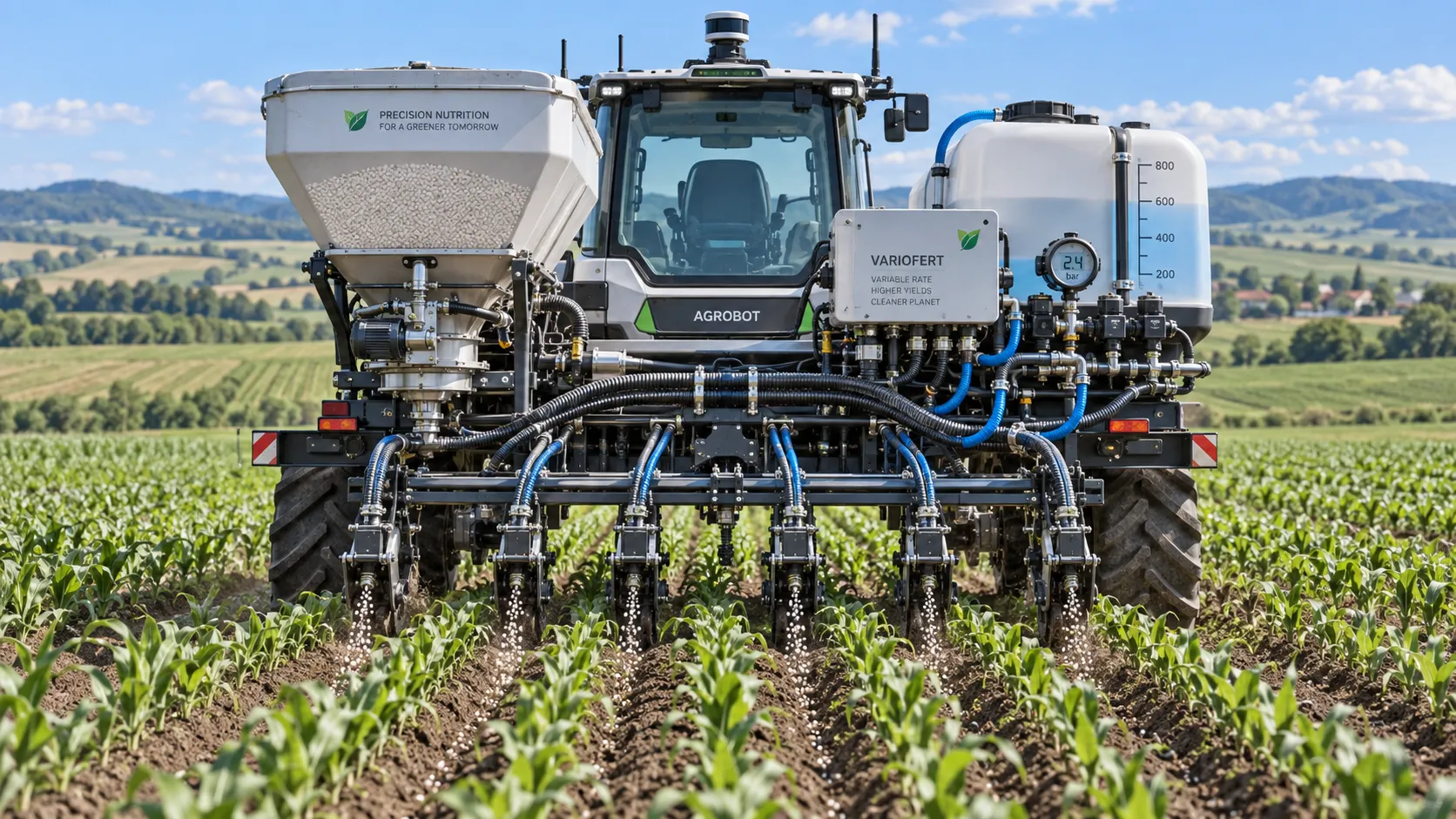
How Sensor Feedback Enables Accurate Variable-Rate Fertilization in Field Conditions
Precision fertilization systems with sensor feedback improve variable-rate accuracy by verifying flow, managing latency, and ensuring reliable field application.
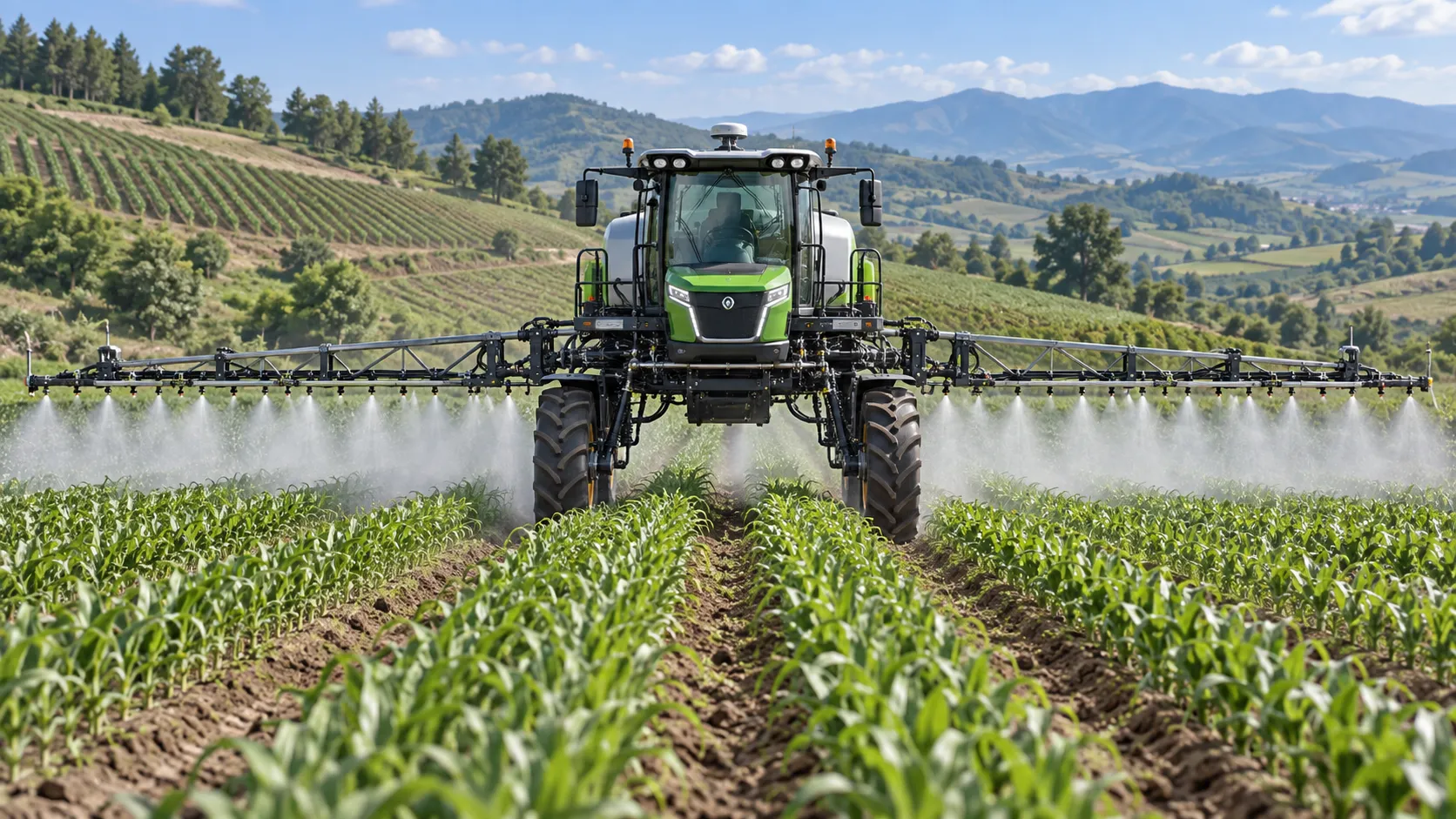
How to Select Precision Crop Protection Equipment for Variable Field Conditions
Precision crop protection equipment selection made simple: compare terrain, canopy, weather, control accuracy, and data workflows for reliable applications.
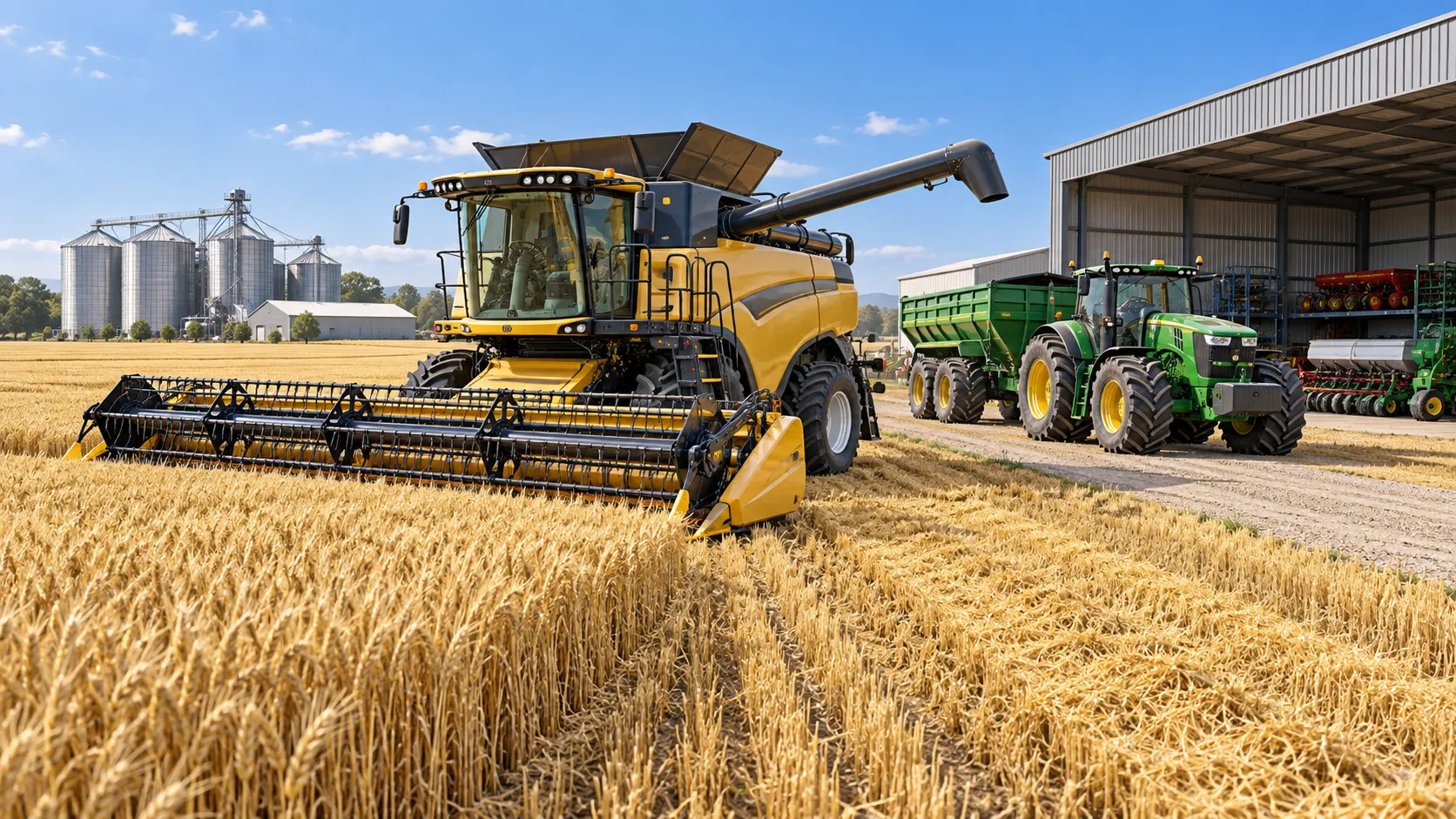
When Does Agricultural Machinery Leasing Cost Less Than Owning Equipment?
Agricultural machinery leasing can lower farm costs when use is seasonal or uncertain. Compare utilization, maintenance, cash flow, and risk to make a smarter equipment decision.
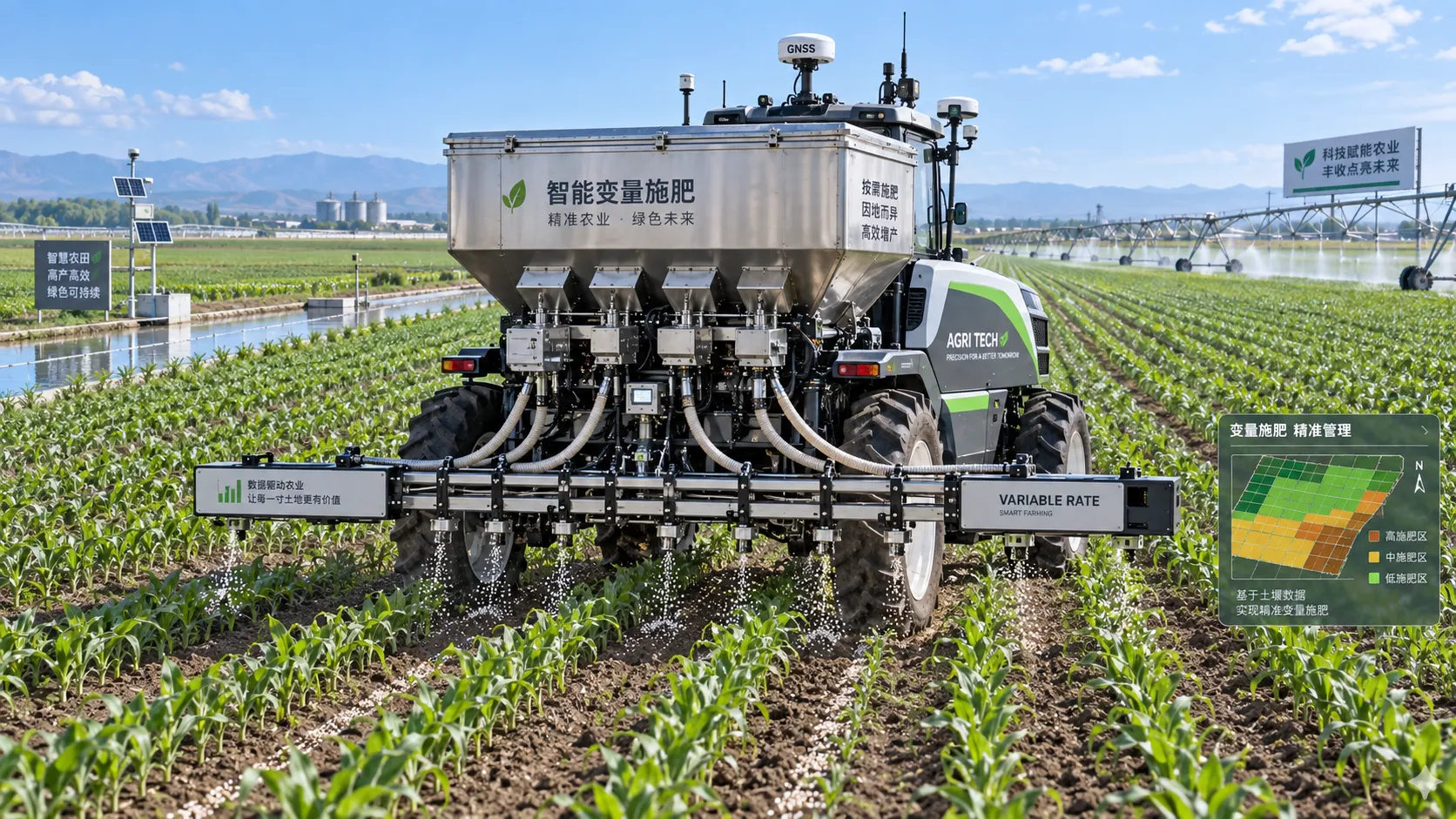
How to Evaluate Precision Fertilization System Suppliers for Farm-Scale Deployment
Precision fertilization systems suppliers: learn how to compare accuracy, integration, uptime, service, and total cost for confident farm-scale deployment.
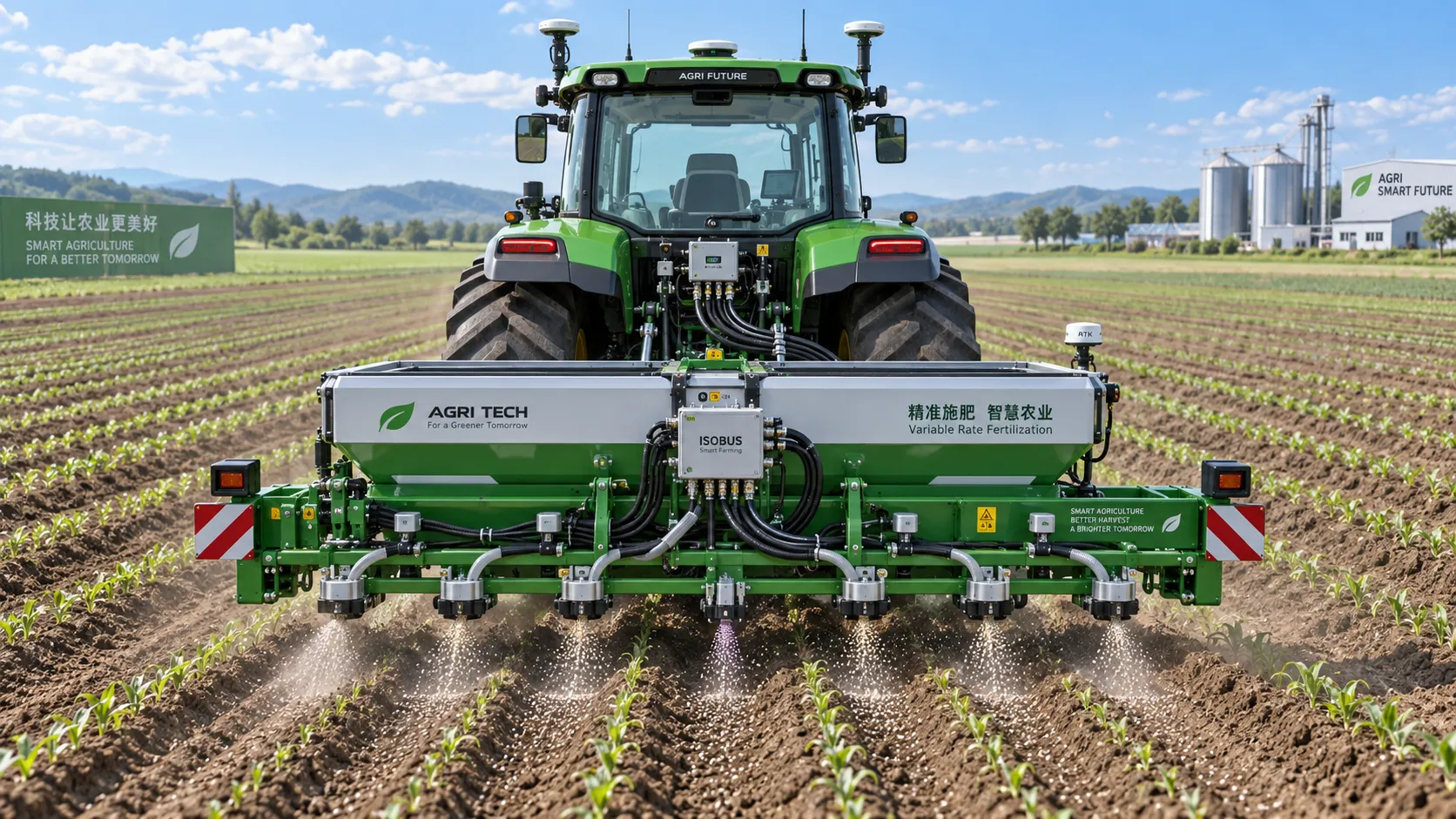
ISOBUS for Smart Agriculture: How It Connects Tractors, Implements, and Farm Data
ISOBUS for smart agriculture connects tractors, implements, terminals, and farm data—helping growers improve precision, documentation, and smarter field decisions.
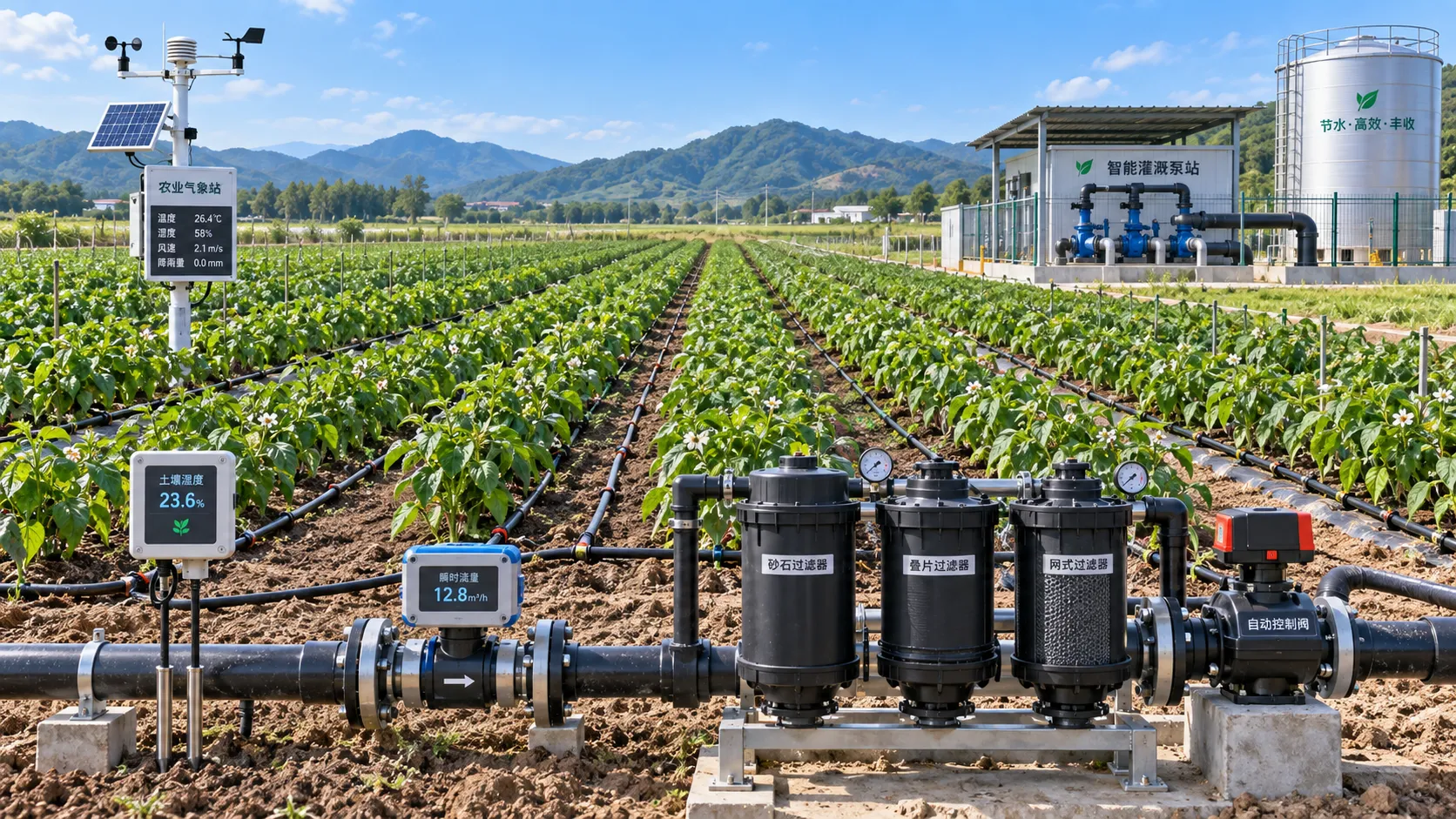
Automated Water-Saving Irrigation: How to Cut Water Use Without Reducing Crop Yields
Automated water-saving irrigation helps farms cut water use, protect crop yields, improve scheduling, and gain reliable control with sensors, flow monitoring, and smart zones.
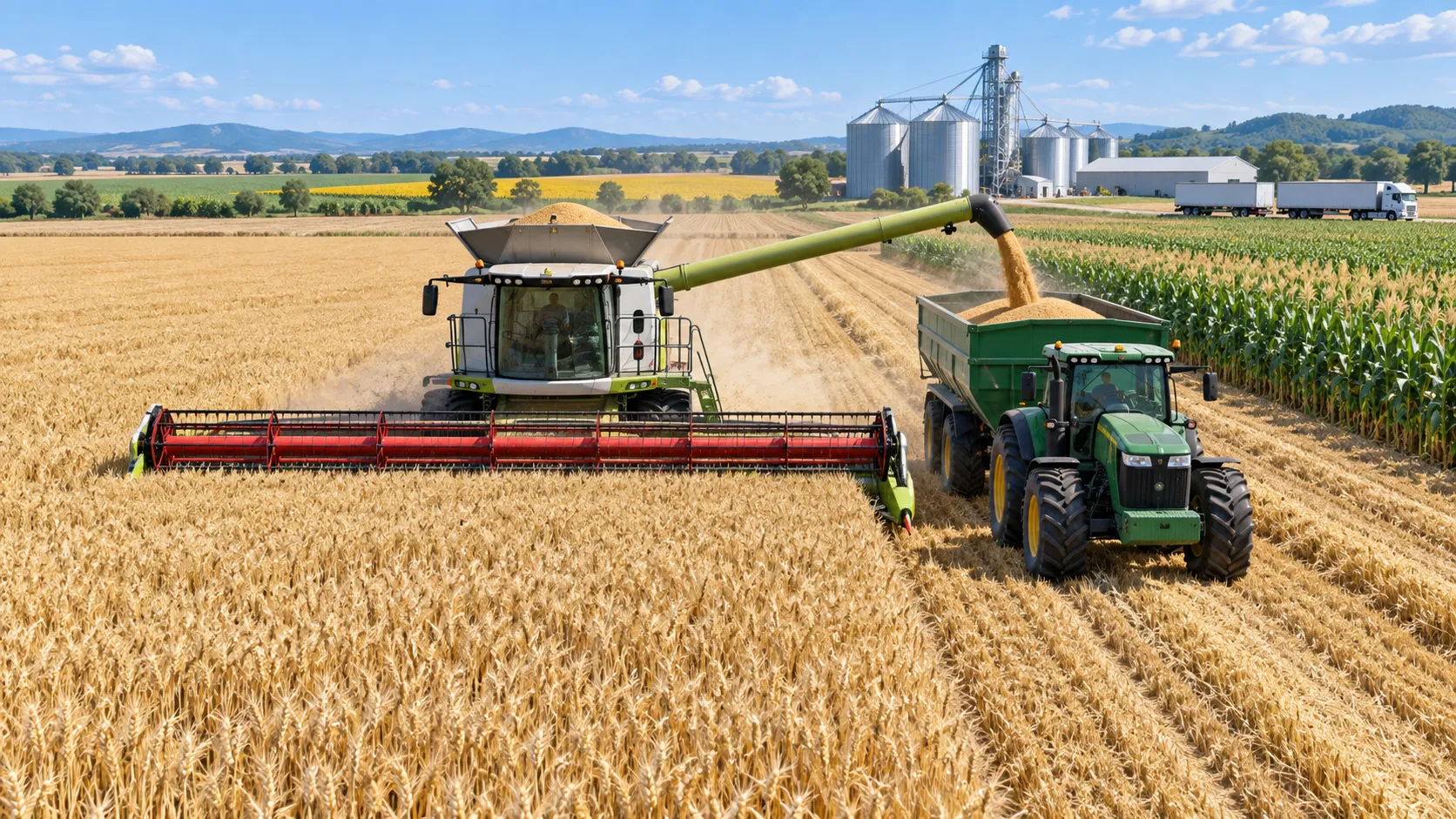
Selecting Grain Farm Equipment by Acreage, Crop Mix, and Harvest Window
Agricultural equipment selection for grain farming: match machinery to acreage, crop mix, and harvest windows to improve uptime, efficiency, and returns.
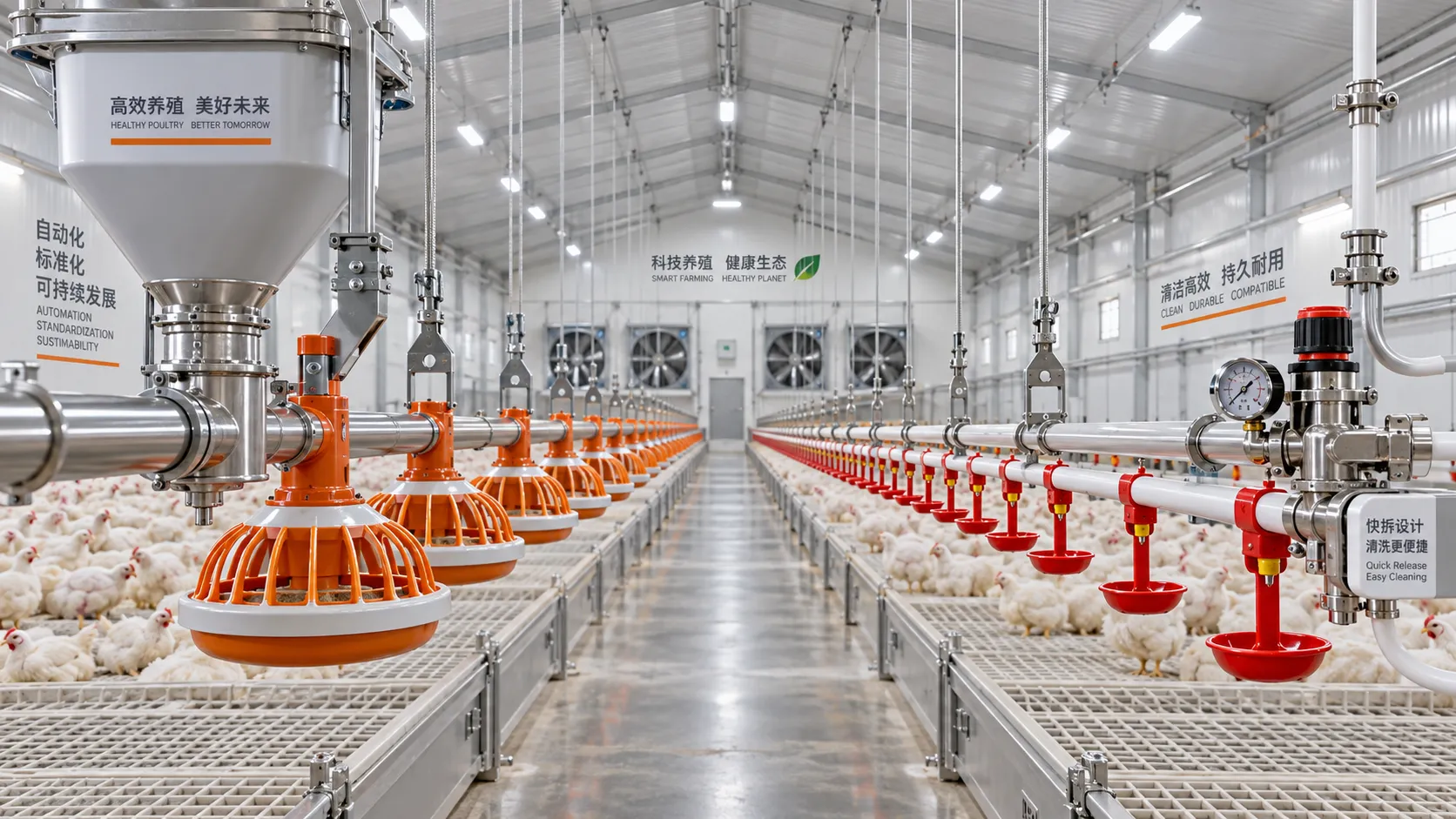
Poultry Equipment Selection: Evaluating Durability, Cleaning, and Compatibility
Poultry equipments selection guide: evaluate durability, cleaning access, and system compatibility to improve hygiene, reduce downtime, and support efficient flock management.
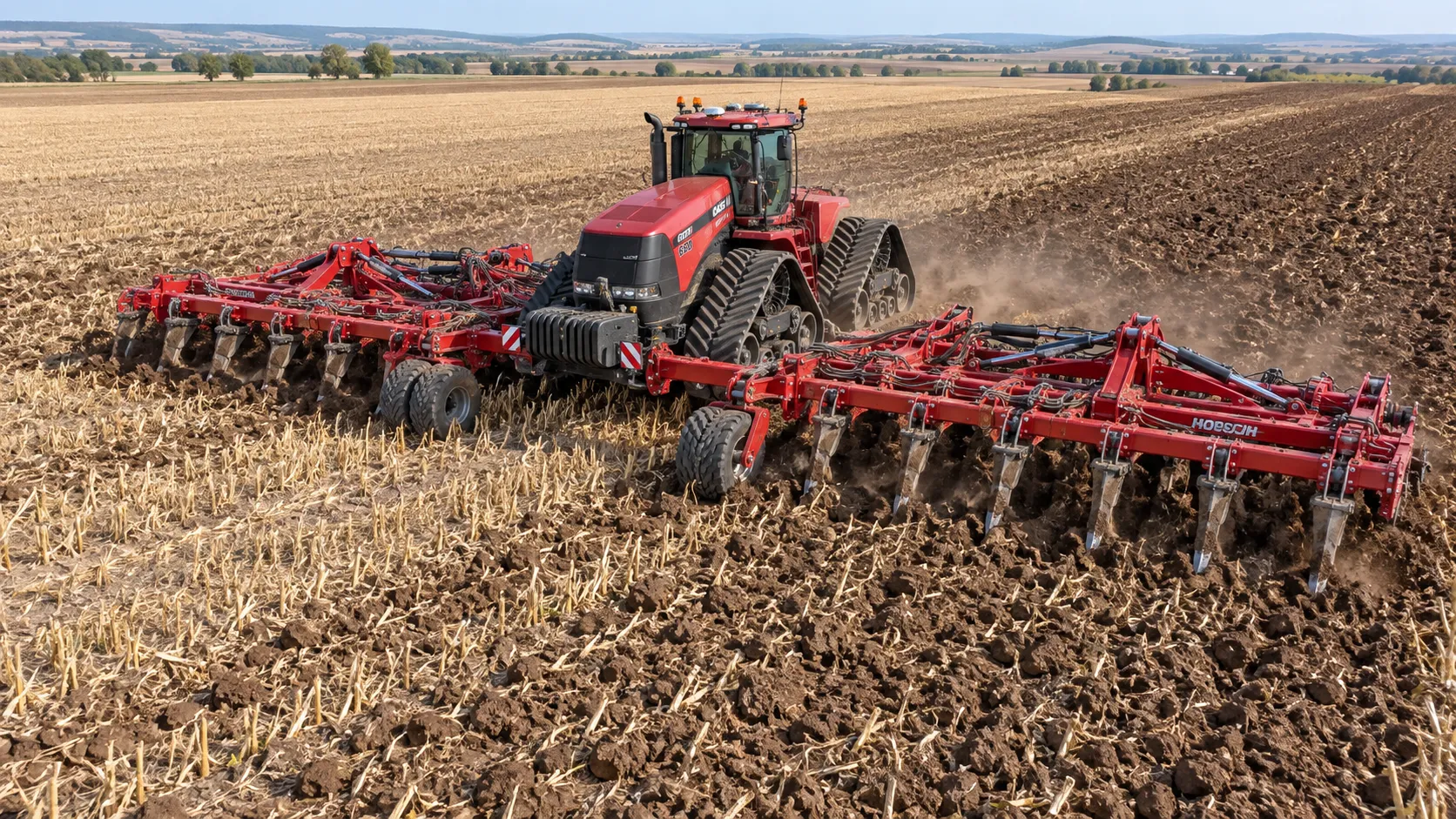
How to Select Heavy-Duty Farm Implements for High-Acreage, High-Horsepower Operations
Heavy duty farm implements: learn how to match draft, hydraulics, hitch capacity, frame strength, and field conditions for reliable high-acreage performance.
Related News
- 00
0000-00
What separates robotic automation providers for equipment production? - 00
0000-00
Which field data collection provider fits an agricultural robotics program? - 00
0000-00
How Autonomous Machinery for Crop Scouting Helps Growers Detect Field Issues Earlier - 00
0000-00
How to Evaluate Autonomous Machinery for Vineyards by Terrain, Tasks, and ROI - 00
0000-00
Brazil ANVISA Rule Requires Portuguese Risk Labels for Farm Robots
Popular Tags
Tractor Power Architect
Weekly Insights
Stay ahead with our curated technology reports delivered every Monday.