
GPS Autonomous Agricultural Machinery vs Guided Tractors: Which Setup Fits Your Operation?




Why this comparison matters now
Choosing between gps autonomous agricultural machinery and guided tractors is no longer a niche machinery question. It shapes labor planning, uptime targets, input control, and capital timing.
In large-scale operations, the decision usually sits inside a wider Agriculture 4.0 roadmap. It affects tractors, implements, harvesting flow, irrigation coordination, and field data quality.
That is why the debate is getting more attention across global equipment intelligence platforms such as AP-Strategy. The real issue is not novelty. It is operational fit.
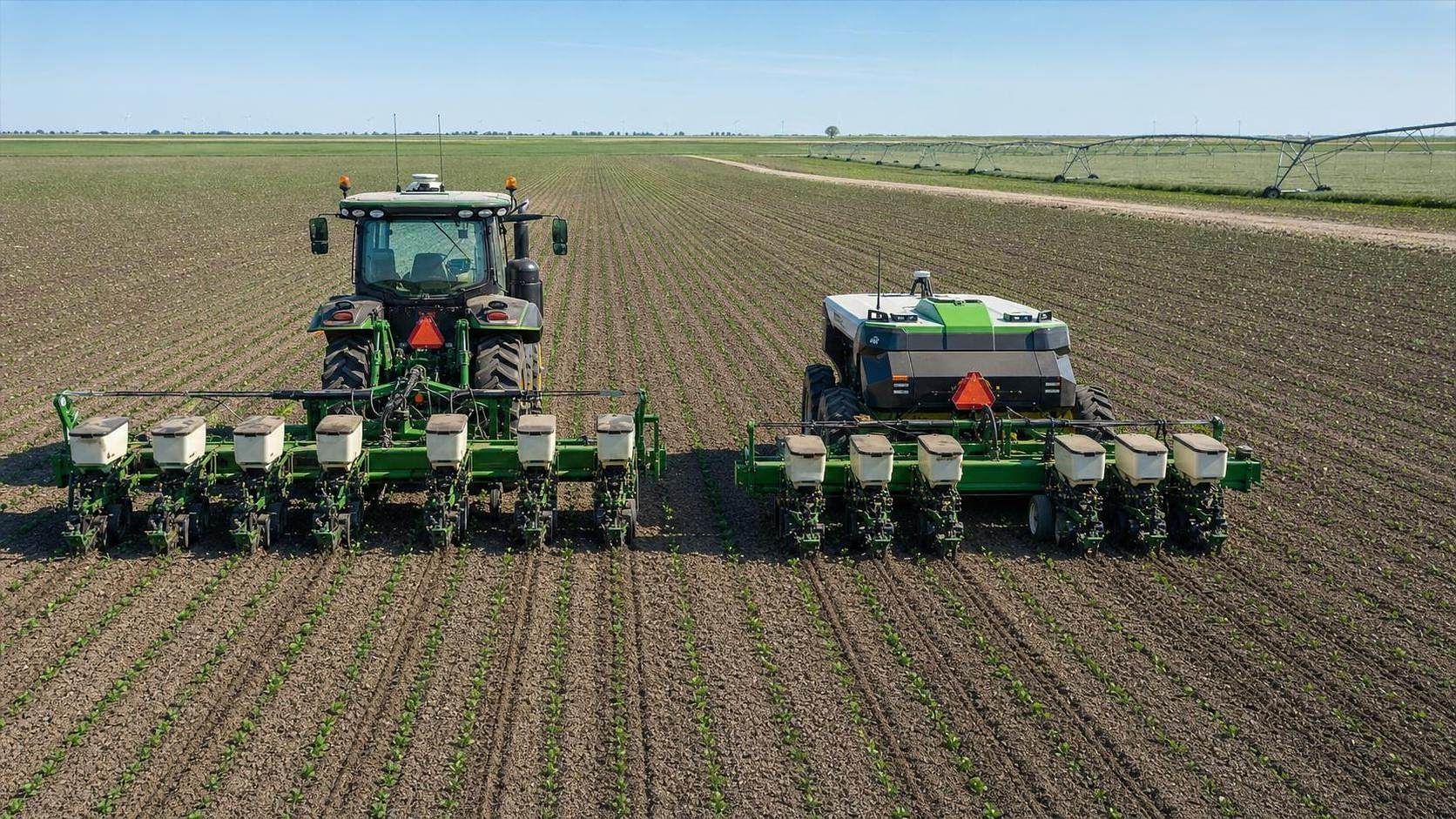
A guided tractor can sharpen accuracy with a human still in control. Gps autonomous agricultural machinery goes further, shifting part of execution from operator skill to software, sensors, and connected supervision.
For many fleets, both options can create value. The better choice depends on field pattern, labor exposure, task repeatability, safety requirements, and tolerance for implementation complexity.
What is the practical difference between the two setups?
A guided tractor uses GNSS, steering control, and display guidance to keep passes accurate. The machine still depends on an operator for decisions, turns, implement monitoring, and exceptions.
Gps autonomous agricultural machinery adds route execution, task logic, boundary handling, and machine-state monitoring. In practical terms, the machine performs more of the work cycle by itself.
The distinction matters because labor savings and risk profiles are very different. Guided systems improve consistency. Autonomous systems redesign how field work is staffed and supervised.
It also changes where performance bottlenecks sit. With guided tractors, the operator remains the main variable. With gps autonomous agricultural machinery, connectivity, sensor reliability, and workflow design become central.
A quick comparison for decision framing
This table is useful because purchase decisions often stall when teams compare only guidance accuracy. The more meaningful comparison is operating model versus field complexity.
When do guided tractors still make more sense?
Guided tractors remain a strong choice when field conditions shift often. Irregular boundaries, changing soil traction, frequent transport moves, and varied implements still reward experienced human judgment.
They also fit operations that already have stable operators but want tighter pass-to-pass control. In that situation, guidance delivers a faster payback without forcing a new supervision framework.
Another common case is phased modernization. A fleet may standardize steering, correction signals, and task mapping first, then evaluate gps autonomous agricultural machinery after data discipline improves.
In practical use, guided tractors are usually easier to integrate with older tractor chassis and mixed implement brands. That matters when replacement cycles are staggered across multiple regions.
- Better fit for diverse tasks across tillage, seeding, and support transport.
- Lower procedural burden for safety and remote oversight.
- Useful where network coverage or RTK access remains inconsistent.
- Often easier for service teams to maintain with existing skills.
Where does gps autonomous agricultural machinery create a real advantage?
The strongest case appears in repetitive, time-sensitive field work. Broadacre seeding, spraying, strip-till preparation, and other structured passes are natural candidates for gps autonomous agricultural machinery.
These tasks benefit when machine hours can extend without adding operator fatigue. Better utilization can matter as much as labor savings, especially during compressed weather windows.
Autonomous systems also help where labor recruitment is unstable. If the operating region faces seasonal shortages, the value of predictable execution rises quickly.
Another advantage is data continuity. Gps autonomous agricultural machinery tends to generate more structured task records, which supports prescription farming, fleet benchmarking, and cross-season optimization.
AP-Strategy often frames this as a systems question rather than a machinery question. The machine creates more value when connected to agronomic prescriptions, implement feedback, and broader resource-efficiency goals.
That includes links to intelligent farm tools and water-saving irrigation scheduling. Better field execution data can improve how inputs and water are timed across the production cycle.
How should cost, ROI, and implementation risk be judged?
The biggest mistake is comparing purchase price alone. The right financial view includes supervision labor, avoided overlap, reduced idle hours, service readiness, software fees, and seasonal timeliness gains.
Guided tractors usually win on lower entry cost and simpler rollout. Gps autonomous agricultural machinery can win on long-term value, but only when utilization is high and task design is disciplined.
A useful ROI test is to ask where your operation loses money today. Is it overlap and fatigue, or missed weather windows, staffing gaps, and underused machine hours?
That answer changes the investment logic. One operation needs accuracy support. Another needs a new execution model.
Questions worth settling before approval
- How many annual hours can the target machine realistically run?
- Which tasks are repeatable enough for autonomous workflows?
- What happens if correction signal, sensor input, or connectivity drops?
- Can current implements share data cleanly with the control platform?
- Is local service support trained on autonomous diagnostics?
- Which compliance, safety, and insurance requirements apply by region?
These questions sound operational because they are. Most disappointing projects fail during deployment detail, not during vendor demonstration.
What risks are often underestimated during selection?
One underestimated risk is assuming autonomy removes management effort. In reality, gps autonomous agricultural machinery replaces some driving labor with planning, monitoring, and protocol discipline.
Another is overlooking field edge complexity. Headlands, obstacles, drainage structures, and mixed traffic patterns can sharply reduce autonomous efficiency if not mapped and governed well.
There is also the integration problem. A tractor may be autonomous-ready, but the full job still depends on implement control, telemetry compatibility, and clean agronomic data layers.
Finally, some teams expect every task to be autonomous on day one. A better path is narrower. Start with repeatable operations, stable fields, and measurable success criteria.
A practical judgment table
So which setup fits your operation best?
If the main goal is better accuracy with manageable change, guided tractors are usually the cleaner answer. They improve field performance without rebuilding the operating model.
If the real pressure comes from labor scarcity, long work windows, and the need for structured repeatability, gps autonomous agricultural machinery deserves serious consideration.
The decision becomes clearer when viewed through five filters: task repeatability, annual machine hours, field complexity, digital readiness, and support capability. Those filters matter more than hype.
A sensible next step is to rank target operations by autonomy suitability, then compare expected gains against deployment effort. Pilot one task family first, measure uptime and exception rates, and expand only after the workflow proves stable.
That approach aligns with the broader intelligence logic seen across AP-Strategy: connect machinery decisions to agronomic data, resource efficiency, and long-cycle asset performance. In this comparison, the best technology is the one your operation can actually execute well.
Related News
How to Select Precision Crop Protection Equipment for Variable Field Conditions
Precision crop protection equipment selection made simple: compare terrain, canopy, weather, control accuracy, and data workflows for reliable applications.
When Does Agricultural Machinery Leasing Cost Less Than Owning Equipment?
Agricultural machinery leasing can lower farm costs when use is seasonal or uncertain. Compare utilization, maintenance, cash flow, and risk to make a smarter equipment decision.
How to Evaluate Precision Fertilization System Suppliers for Farm-Scale Deployment
Precision fertilization systems suppliers: learn how to compare accuracy, integration, uptime, service, and total cost for confident farm-scale deployment.
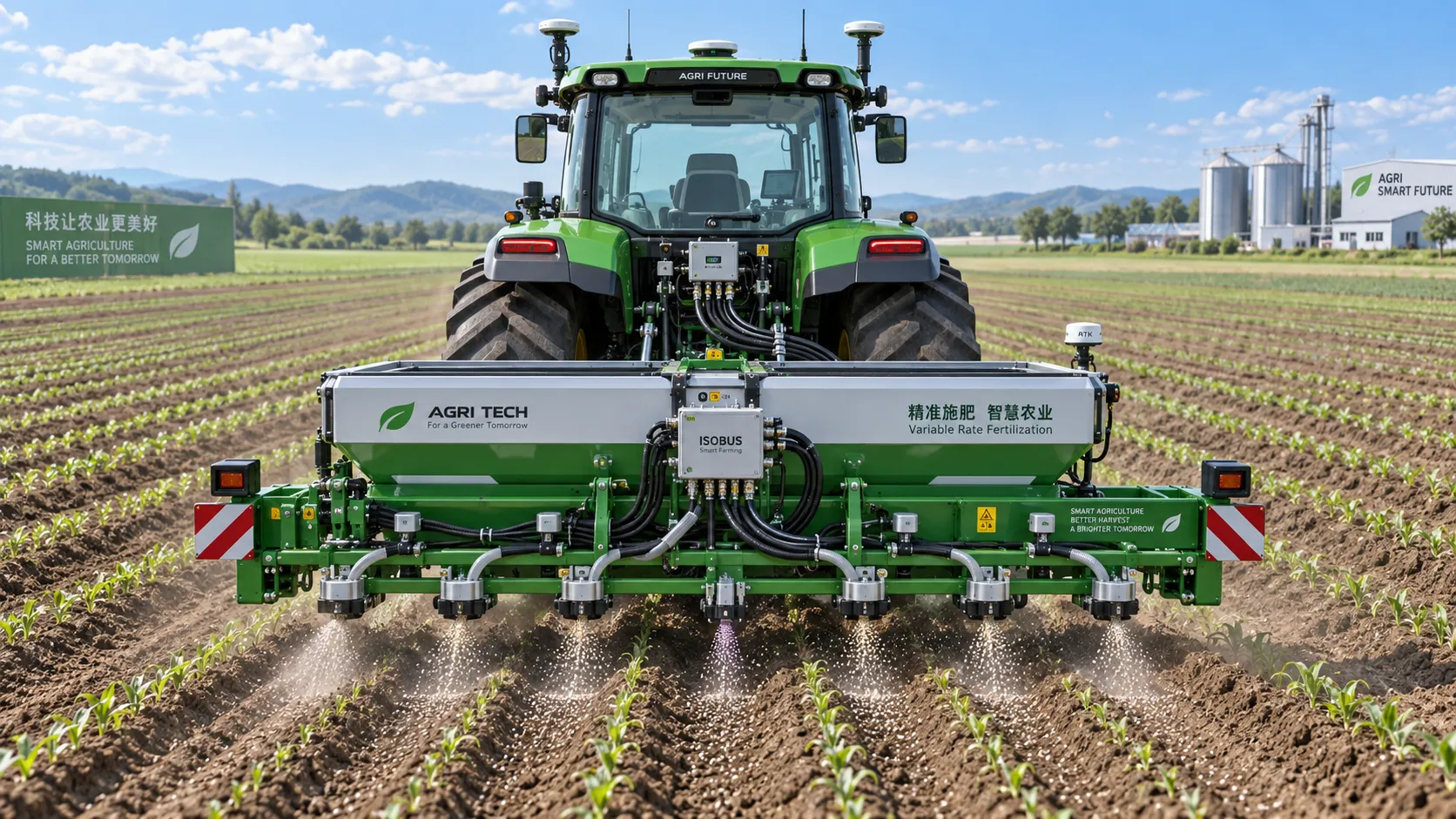
ISOBUS for Smart Agriculture: How It Connects Tractors, Implements, and Farm Data
ISOBUS for smart agriculture connects tractors, implements, terminals, and farm data—helping growers improve precision, documentation, and smarter field decisions.
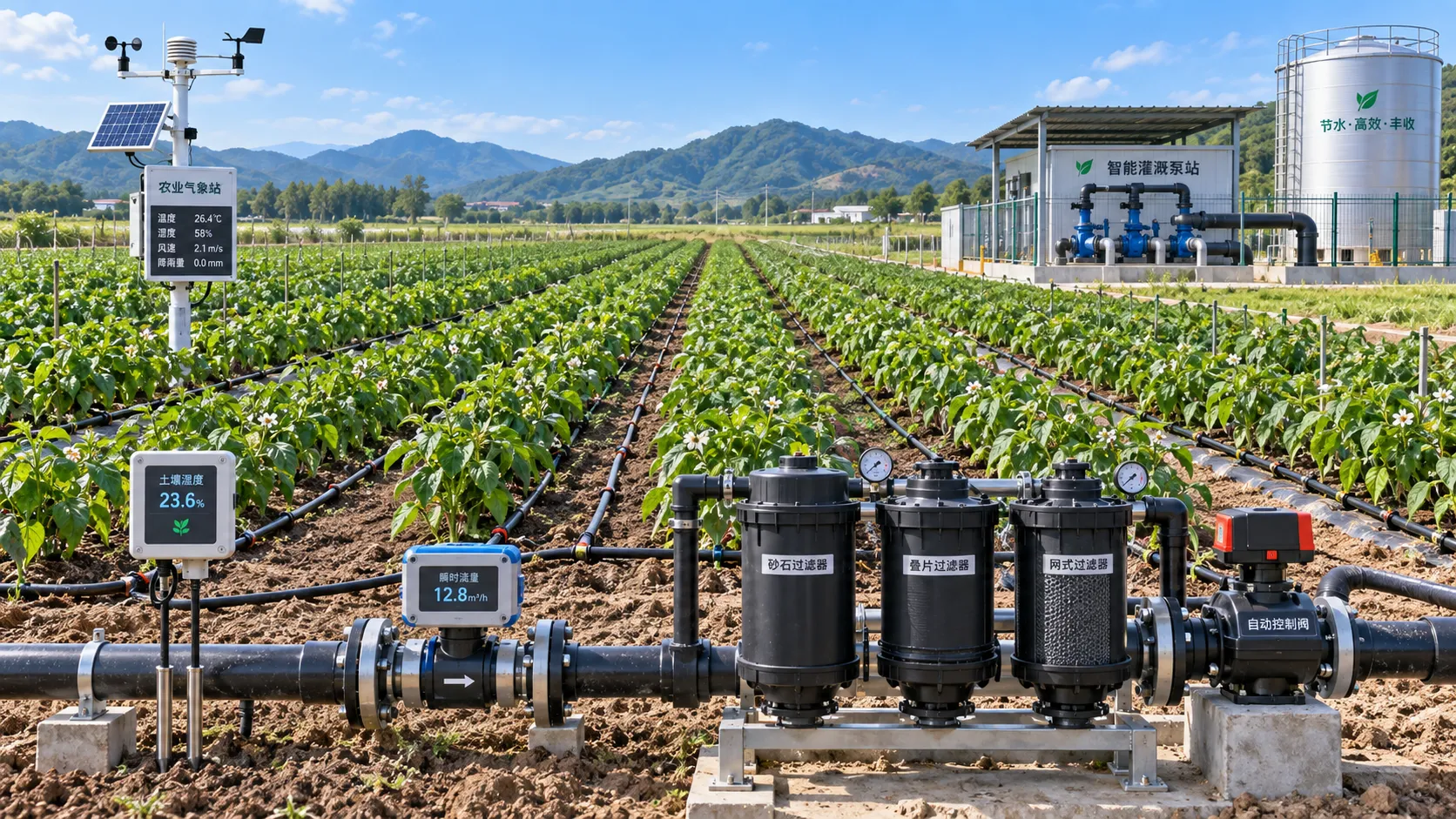
Automated Water-Saving Irrigation: How to Cut Water Use Without Reducing Crop Yields
Automated water-saving irrigation helps farms cut water use, protect crop yields, improve scheduling, and gain reliable control with sensors, flow monitoring, and smart zones.
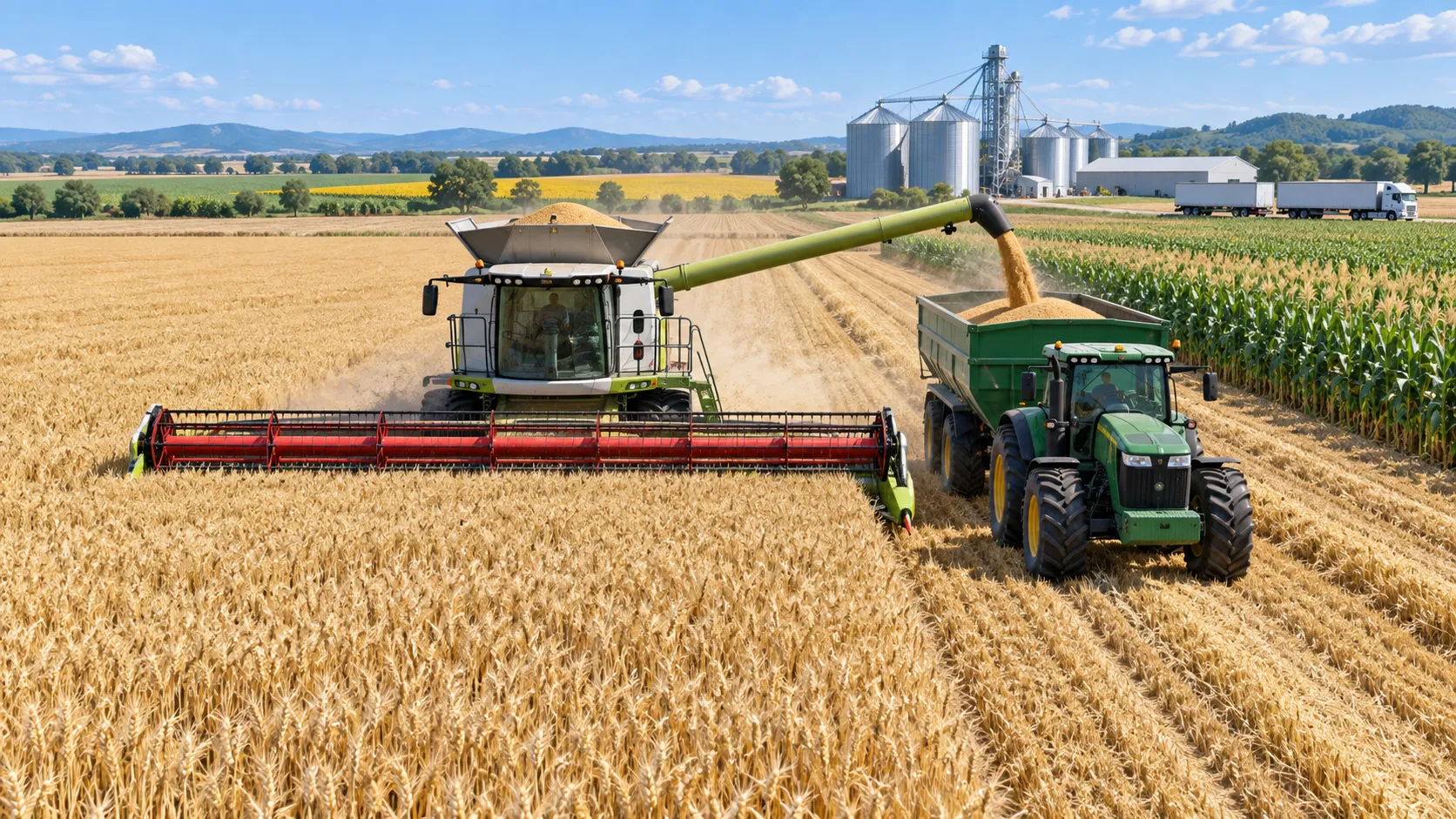
Selecting Grain Farm Equipment by Acreage, Crop Mix, and Harvest Window
Agricultural equipment selection for grain farming: match machinery to acreage, crop mix, and harvest windows to improve uptime, efficiency, and returns.
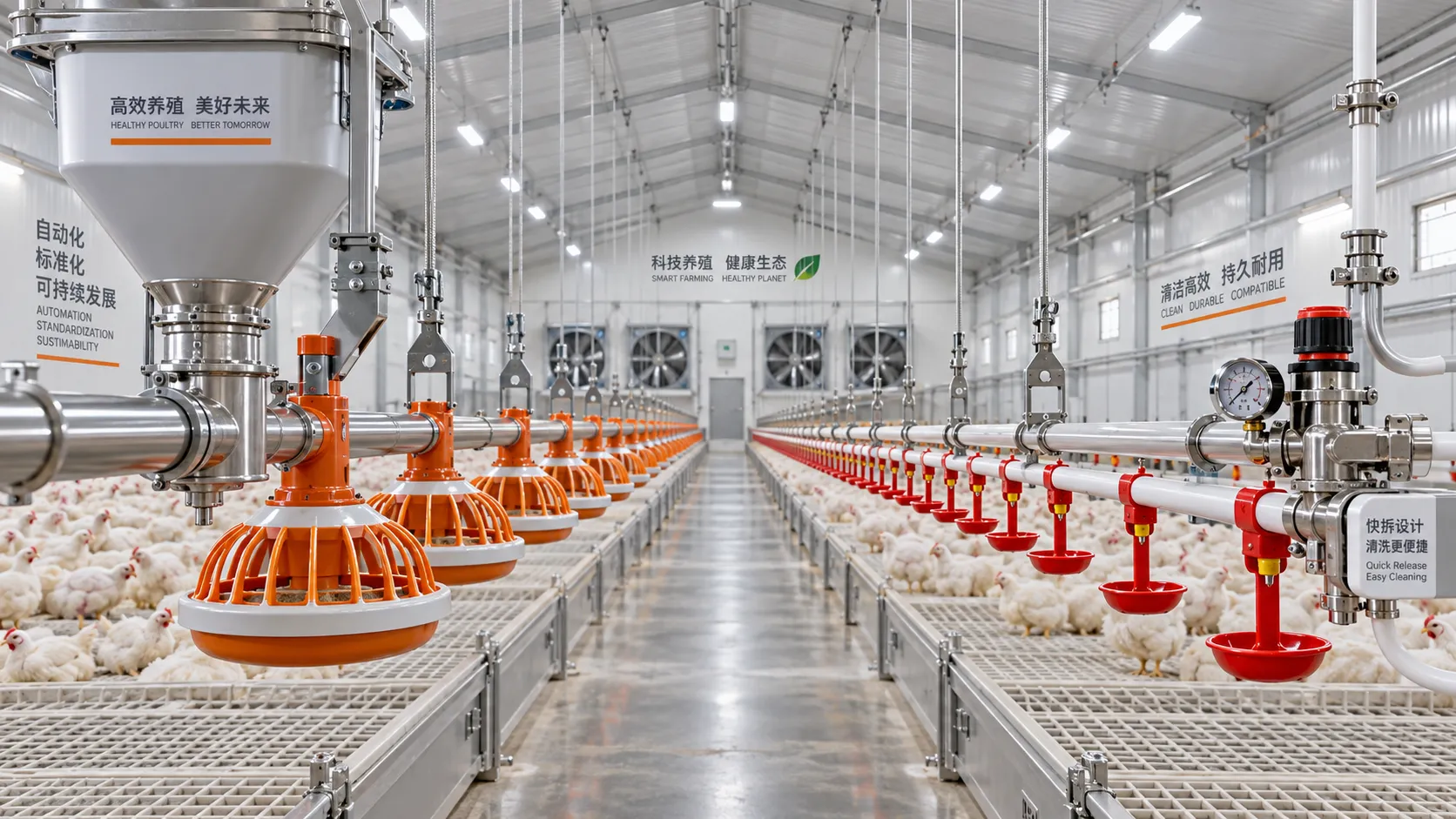
Poultry Equipment Selection: Evaluating Durability, Cleaning, and Compatibility
Poultry equipments selection guide: evaluate durability, cleaning access, and system compatibility to improve hygiene, reduce downtime, and support efficient flock management.
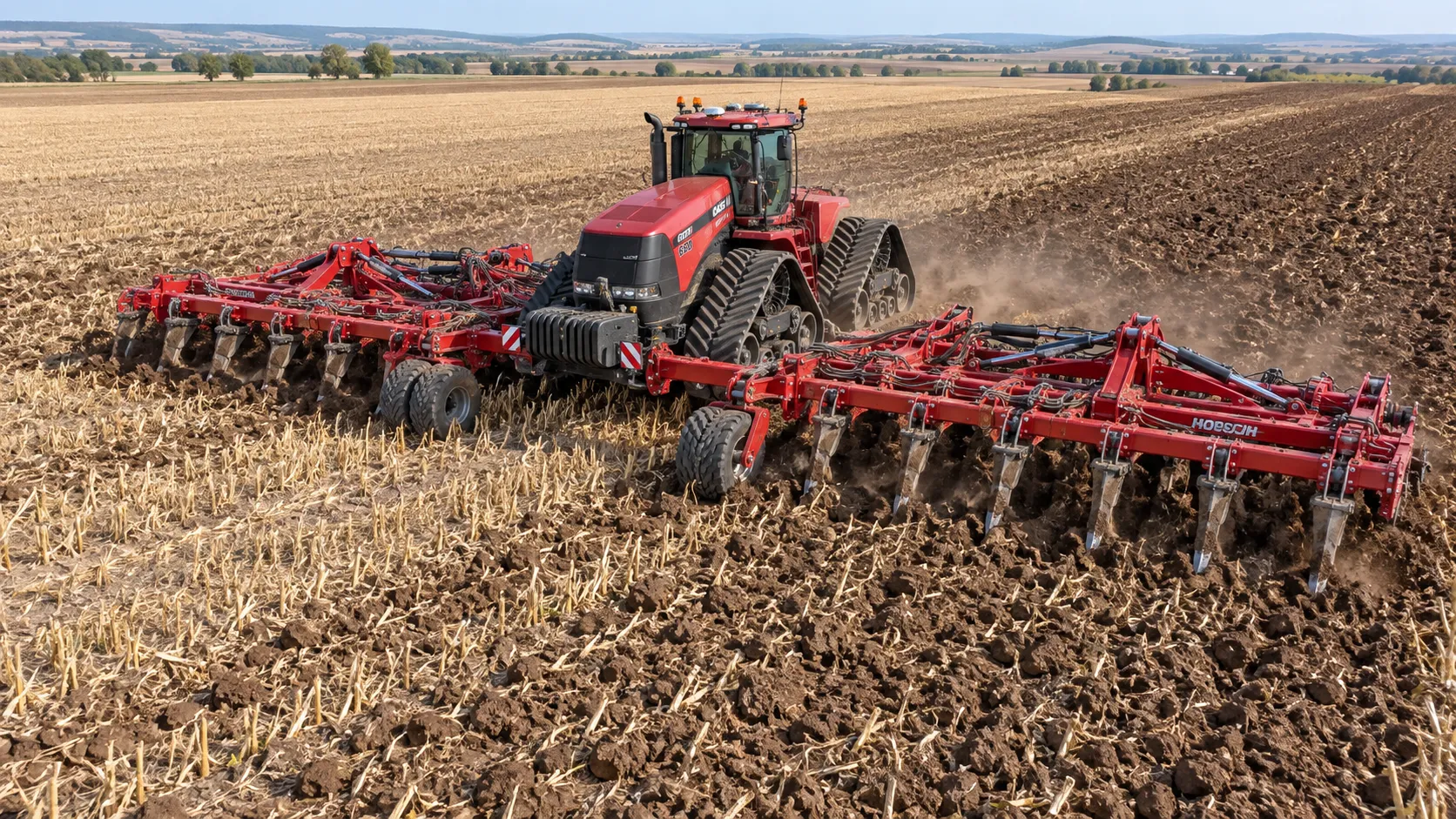
How to Select Heavy-Duty Farm Implements for High-Acreage, High-Horsepower Operations
Heavy duty farm implements: learn how to match draft, hydraulics, hitch capacity, frame strength, and field conditions for reliable high-acreage performance.
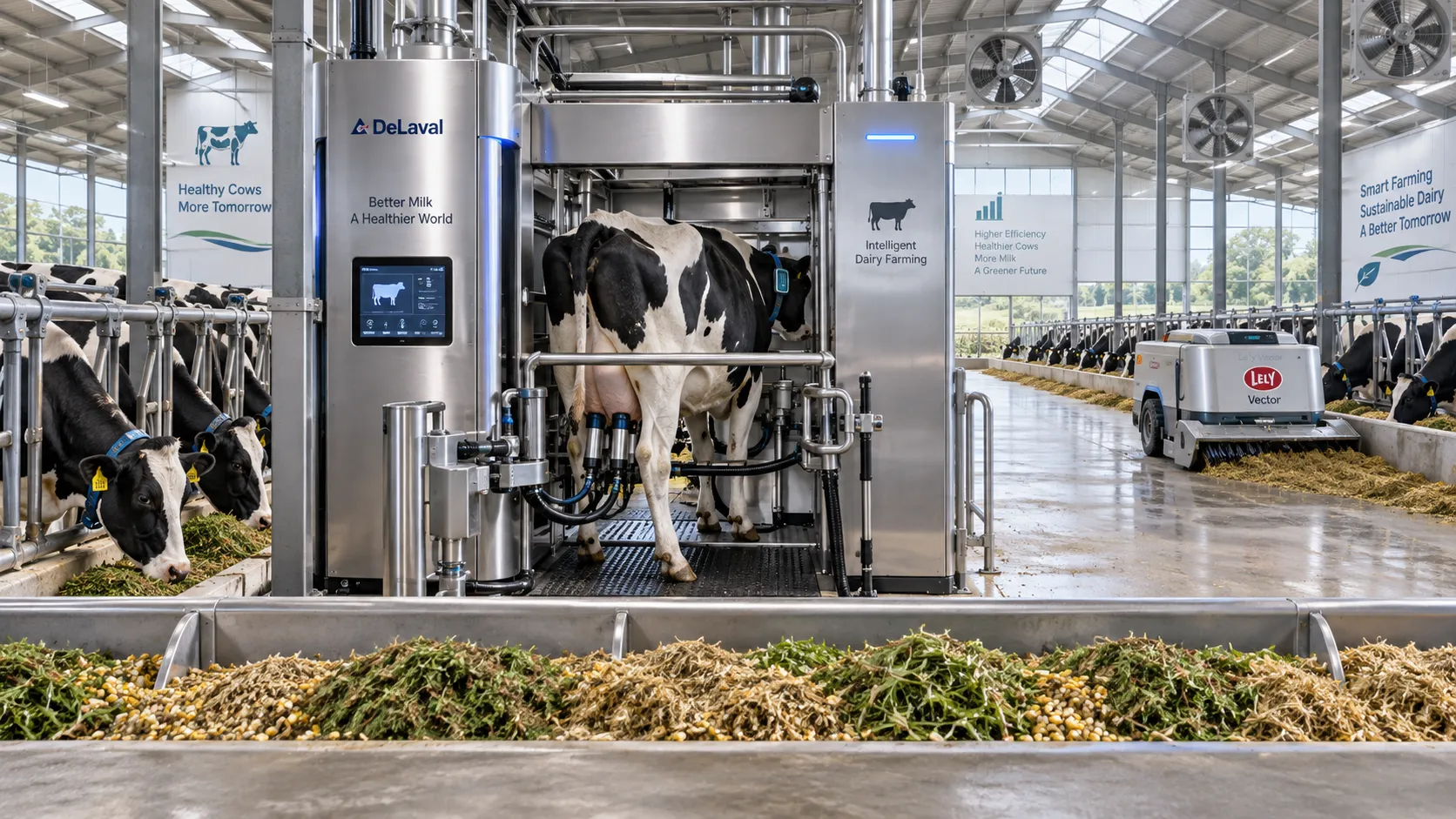
Smart Farming Technology for Dairy Farms: Where Automation Delivers Measurable ROI
Smart farming technology for dairy farms delivers measurable ROI through automation, precision feeding, health monitoring, and data-driven cost control.
Related News
- 00
0000-00
What separates robotic automation providers for equipment production? - 00
0000-00
Which field data collection provider fits an agricultural robotics program? - 00
0000-00
How Autonomous Machinery for Crop Scouting Helps Growers Detect Field Issues Earlier - 00
0000-00
How to Evaluate Autonomous Machinery for Vineyards by Terrain, Tasks, and ROI - 00
0000-00
Brazil ANVISA Rule Requires Portuguese Risk Labels for Farm Robots
Popular Tags
Tractor Power Architect
Weekly Insights
Stay ahead with our curated technology reports delivered every Monday.