
Vietnam Tightens Import Rules for Autonomous Robots
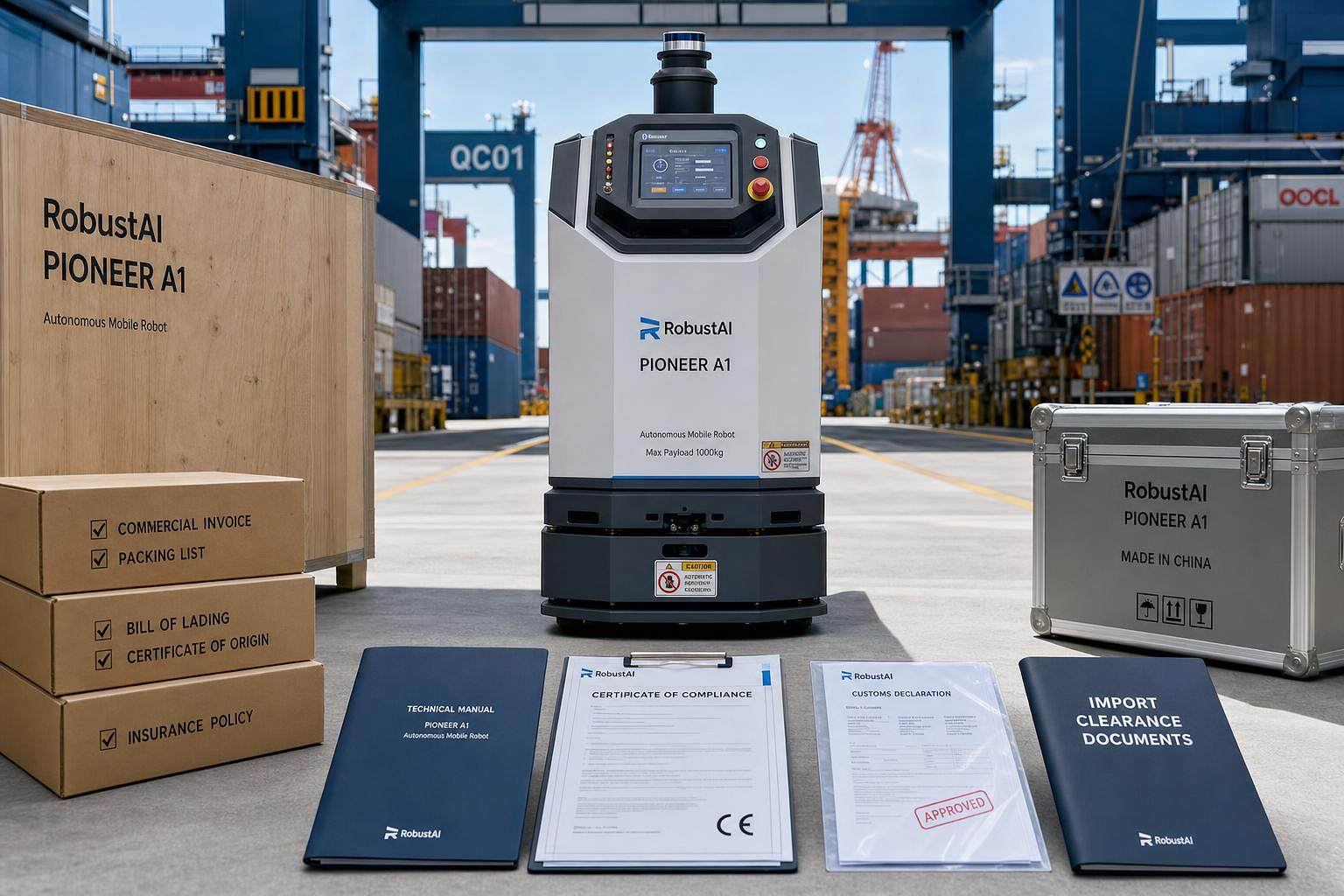




On June 26, 2026, Vietnam introduced a new import compliance requirement for Autonomous Robots that moves beyond product entry and into labeling and technical documentation readiness. Under the new rule, imported units will need Vietnamese-language safety warnings and operating instructions affixed to the equipment itself, and a Vietnamese technical manual filed with STAMEQ must accompany the shipment from August 1, 2026. For suppliers, importers, procurement teams, and delivery coordinators, this is worth attention because the change directly affects customs clearance, document preparation, and shipment acceptance at the border.
What the new requirement formally changes
According to the provided information, Vietnam's Ministry of Industry and Trade (MOIT) issued Circular 18/2026/TT-BCT on June 26, 2026. The circular requires all imported Autonomous Robots, from August 1, 2026, to carry Vietnamese-language safety warnings and operating instructions on the device body. It also requires a Vietnamese technical manual that has been filed with the Vietnam Directorate for Standards, Metrology and Quality (STAMEQ). Goods that do not meet these requirements will be rejected at the port and returned.
Where the pressure is likely to appear across the business chain
Import and trading parties will face a front-end compliance checkpoint
From an industry perspective, direct importers and trading companies are likely to be the first parties affected because the rule is tied to entry conditions rather than post-sale correction. The main impact is likely to fall on shipment preparation, product presentation, and customs-facing documentation. What deserves closer attention is whether each imported unit is physically labeled in Vietnamese before arrival and whether the accompanying Vietnamese manual is prepared and aligned with the filing requirement referenced in the rule.
Manufacturers and exporters may need to adjust delivery packaging and document workflows
Analysis shows that overseas manufacturers supplying the Vietnam market may need to treat local-language labeling and manual preparation as part of the deliverable, not as an optional distributor-side step. This can affect production release timing, packaging control, document approval, and handover between engineering, compliance, and logistics teams. Export-oriented suppliers should pay particular attention to how product documentation is translated, version-controlled, and matched to the exact equipment being shipped.
Procurement and project delivery teams may see timing and acceptance risks
For buyers, project contractors, and delivery coordinators, the immediate issue is not only product availability but whether the shipment can be accepted without disruption. Observably, a rule that allows non-compliant cargo to be returned at the port can turn labeling and manual readiness into a delivery risk rather than a simple paperwork issue. This makes document review, purchase order terms, and supplier confirmation points more relevant in cross-border procurement and scheduled deployment planning.
Service and support partners may need closer alignment with technical documentation
After-sales and service-related parties may also be affected because operating instructions and safety warnings are now part of the local compliance surface. Analysis shows that documentation quality, language consistency, and equipment-specific instructions may become more visible in handover and support stages. Even without further execution detail in the provided information, companies involved in installation, commissioning, or user support should watch how the Vietnamese manual requirement is interpreted in practice.
Practical points companies should review now
Check whether current product labeling can meet the device-level requirement
Companies shipping Autonomous Robots into Vietnam should review whether existing labels are applied on the equipment body and whether they already contain the required safety and operating content in Vietnamese. The key issue is that the rule, as provided, points to physical labeling on the device itself, which may require changes in production, packaging, or pre-shipment preparation.
Review the status of Vietnamese technical manuals and filing readiness
What deserves closer attention is the requirement that the Vietnamese technical manual be filed with STAMEQ. Companies should examine whether they already have a Vietnamese version of the manual, whether internal document ownership is clear, and whether current export files are structured to support filing-related preparation. Since the provided information does not include detailed filing procedures, this remains an area that requires continued verification.
Reassess shipment timing around the August 1 effective date
Analysis shows that the effective date matters for trade execution because goods failing the stated requirements may be returned at the port. Importers and exporters should therefore review shipment schedules, handover dates, and supplier commitments for consignments moving close to or after August 1, 2026. The practical concern is less about broad market impact and more about whether individual shipments are fully compliant at the point of entry.
Align contracts, purchase documents, and acceptance criteria
Companies involved in procurement or channel distribution may need to revisit contract wording, document lists, and delivery acceptance conditions for Autonomous Robots bound for Vietnam. Observably, where labeling and technical manuals become import conditions, responsibility for translation, document preparation, and compliance failure should be identified more clearly between seller, buyer, and logistics participants.
How this development is best interpreted at this stage
As an editorial observation, this is better understood as a concrete compliance and enforcement signal rather than a general policy discussion. The rule includes a defined effective date and a stated consequence for non-compliance at the port, which suggests immediate relevance for companies with active or planned shipments. At the same time, it is still appropriate to keep watching for further clarification on execution details, including how filing expectations, document review standards, and operational interpretation will be applied in practice.
Why the market should treat this as an operational issue, not just a legal update
The industry significance of this development lies in its effect on trade execution. It links market access for imported Autonomous Robots to local-language labeling and a Vietnamese technical manual requirement, turning compliance preparation into a shipment-level control point. From an industry perspective, the most balanced reading is that this is an already defined rule change with direct practical consequences, while the full operating standard for implementation still deserves continued observation.
Basis of this article and what still needs verification
This article is generated based on the user-provided news title, event date, and event summary. For developments of this kind, relevant source types typically include official government notices, releases from regulatory authorities, customs or trade administration information, standards-related bodies, industry association updates, and reporting by authoritative trade media. A specific official source link was not provided in the input, so the original publication path still needs to be verified on an ongoing basis. Further attention should also remain on any detailed implementation guidance, certification or filing interpretation, procurement document changes, market feedback, and company-level execution practices that may emerge after the rule takes effect.
Related News
When Does Agricultural Machinery Leasing Cost Less Than Owning Equipment?
Agricultural machinery leasing can lower farm costs when use is seasonal or uncertain. Compare utilization, maintenance, cash flow, and risk to make a smarter equipment decision.
How to Evaluate Precision Fertilization System Suppliers for Farm-Scale Deployment
Precision fertilization systems suppliers: learn how to compare accuracy, integration, uptime, service, and total cost for confident farm-scale deployment.
ISOBUS for Smart Agriculture: How It Connects Tractors, Implements, and Farm Data
ISOBUS for smart agriculture connects tractors, implements, terminals, and farm data—helping growers improve precision, documentation, and smarter field decisions.
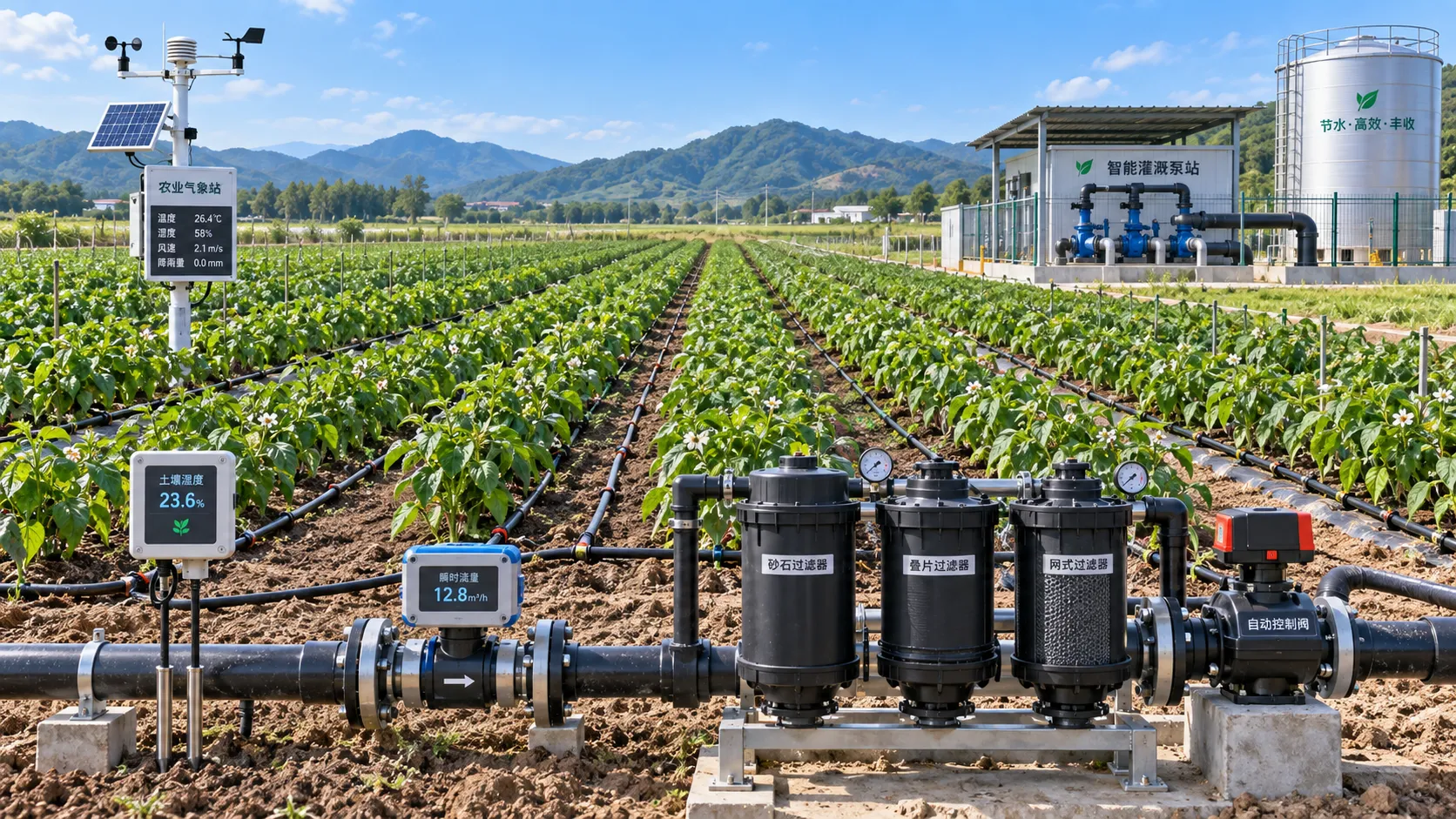
Automated Water-Saving Irrigation: How to Cut Water Use Without Reducing Crop Yields
Automated water-saving irrigation helps farms cut water use, protect crop yields, improve scheduling, and gain reliable control with sensors, flow monitoring, and smart zones.
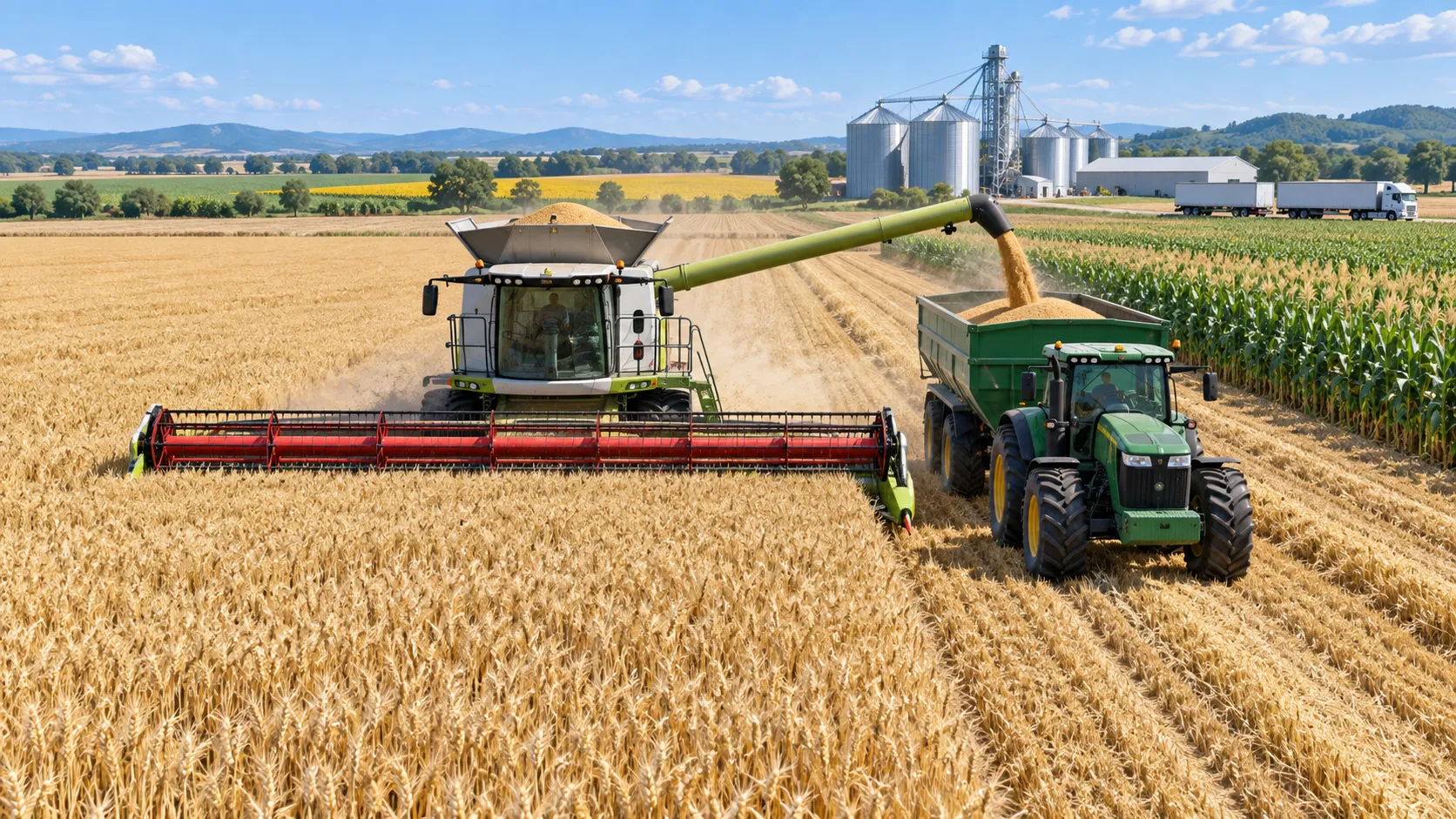
Selecting Grain Farm Equipment by Acreage, Crop Mix, and Harvest Window
Agricultural equipment selection for grain farming: match machinery to acreage, crop mix, and harvest windows to improve uptime, efficiency, and returns.
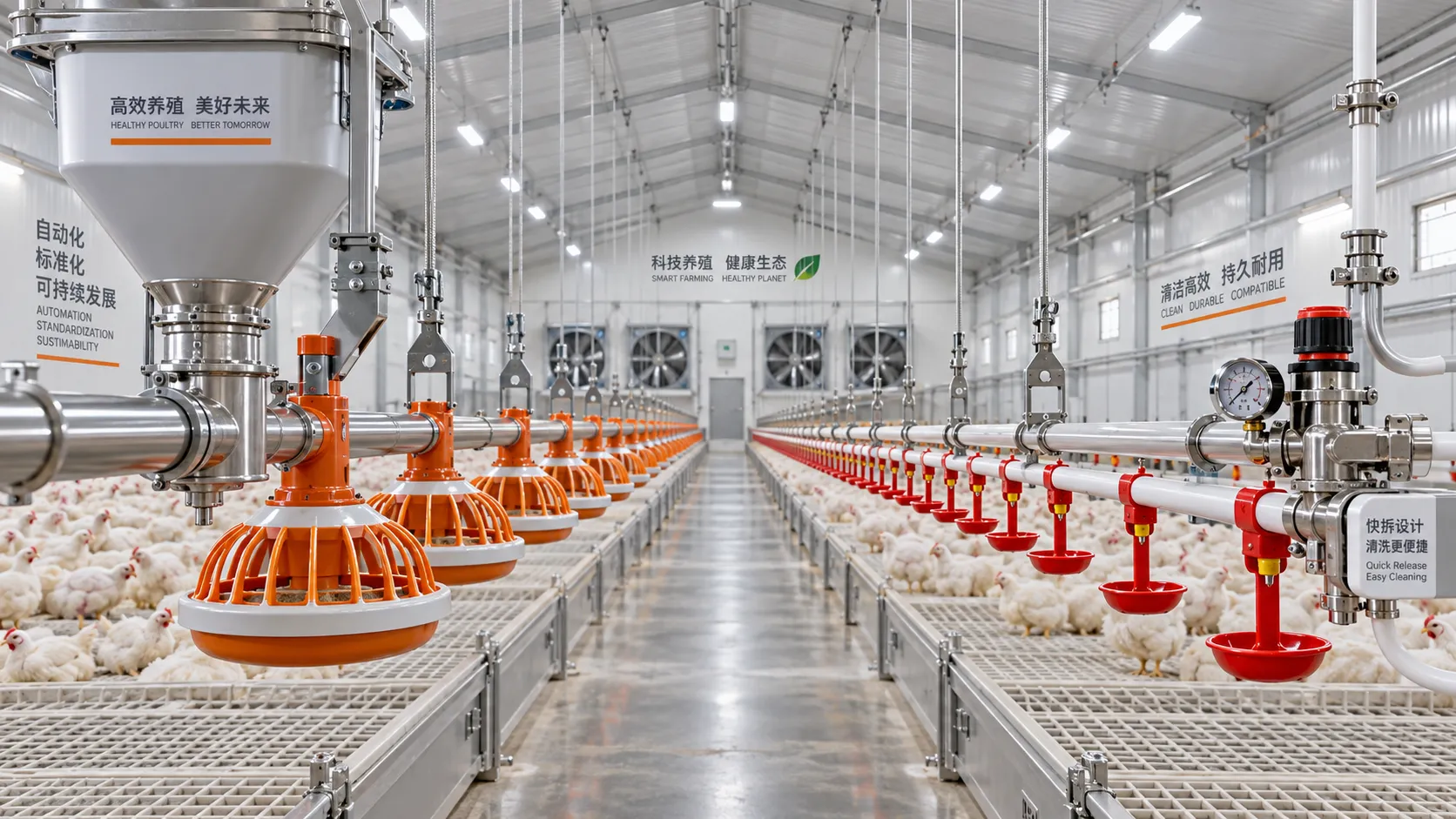
Poultry Equipment Selection: Evaluating Durability, Cleaning, and Compatibility
Poultry equipments selection guide: evaluate durability, cleaning access, and system compatibility to improve hygiene, reduce downtime, and support efficient flock management.
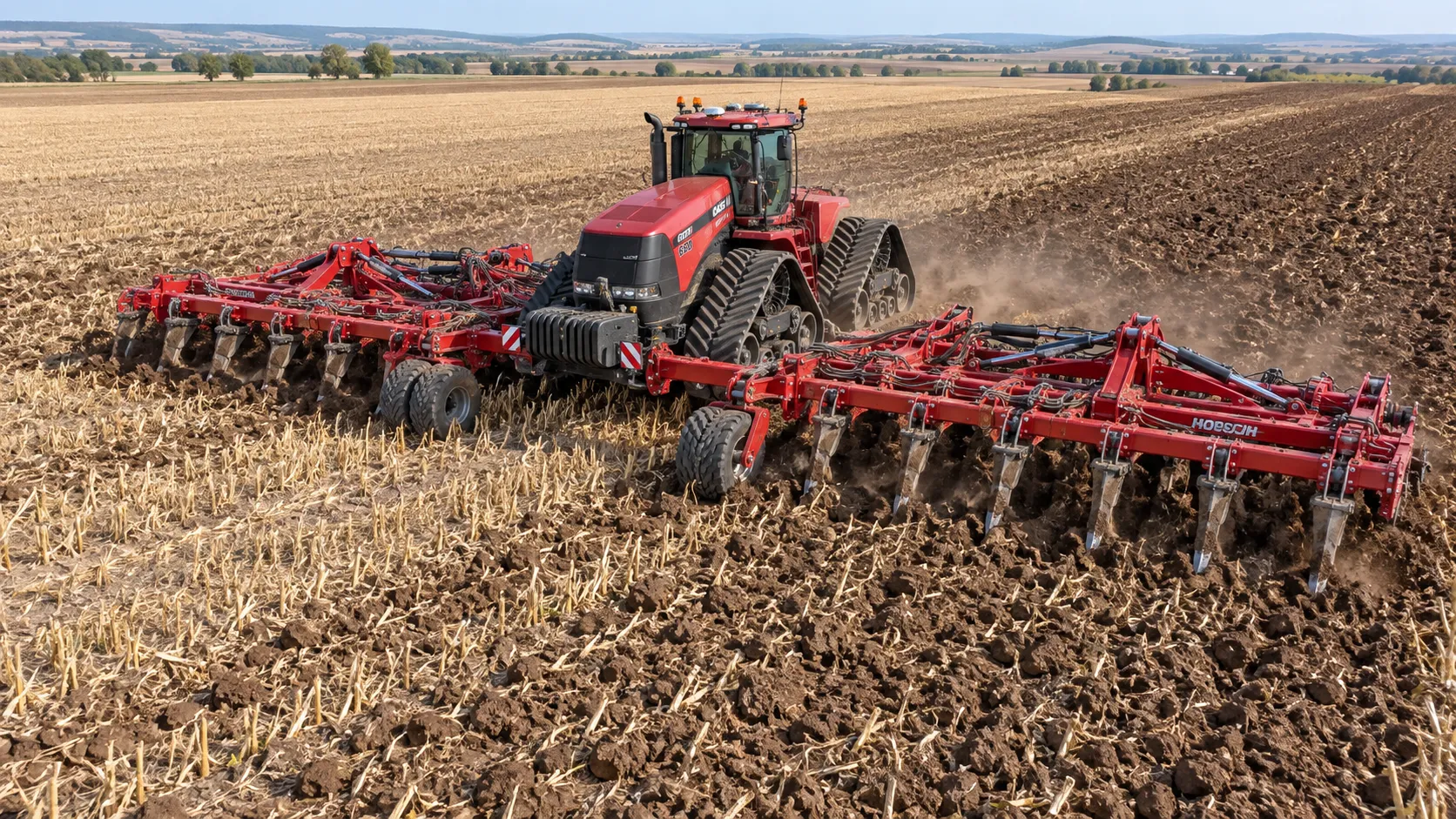
How to Select Heavy-Duty Farm Implements for High-Acreage, High-Horsepower Operations
Heavy duty farm implements: learn how to match draft, hydraulics, hitch capacity, frame strength, and field conditions for reliable high-acreage performance.
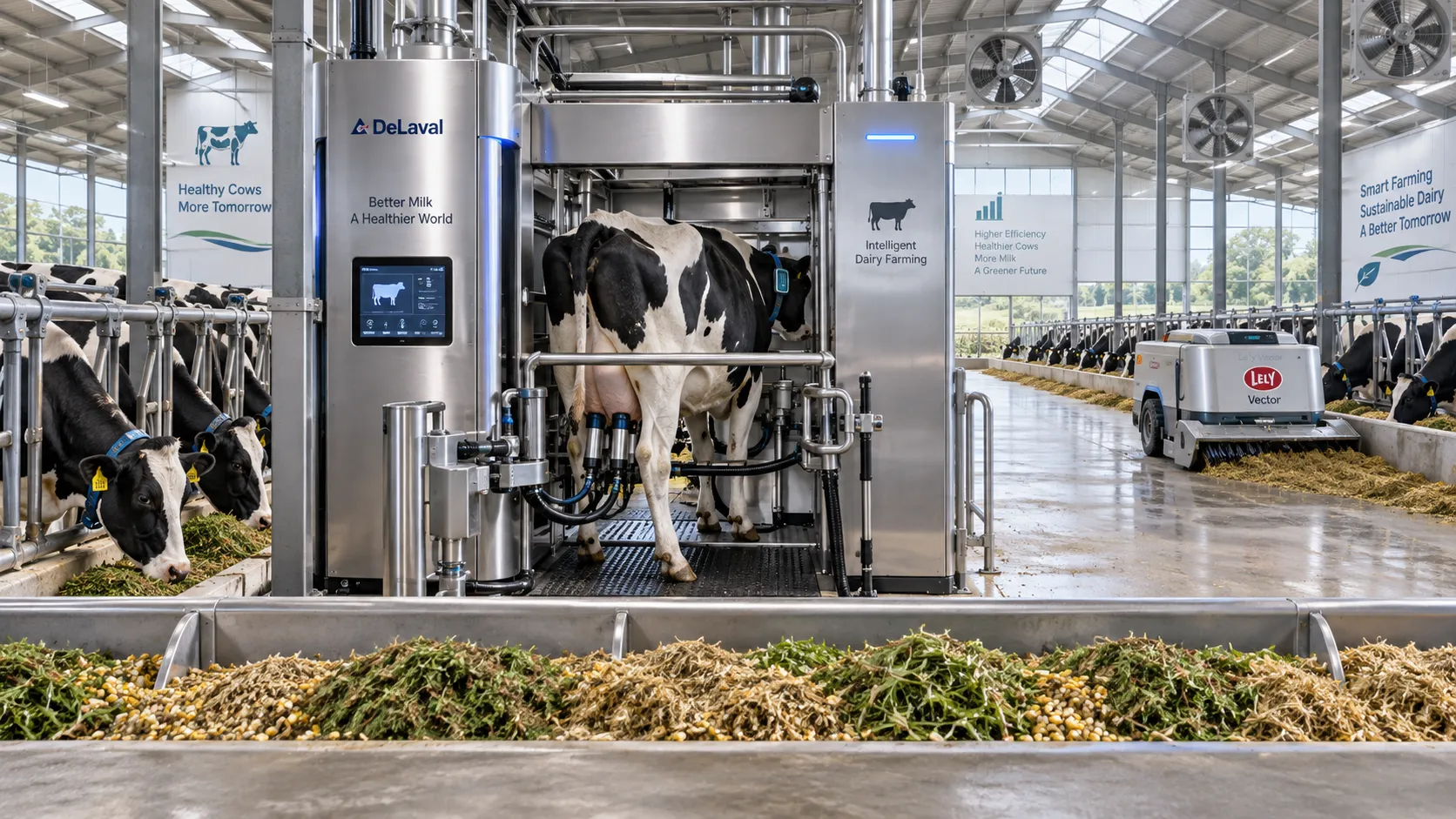
Smart Farming Technology for Dairy Farms: Where Automation Delivers Measurable ROI
Smart farming technology for dairy farms delivers measurable ROI through automation, precision feeding, health monitoring, and data-driven cost control.
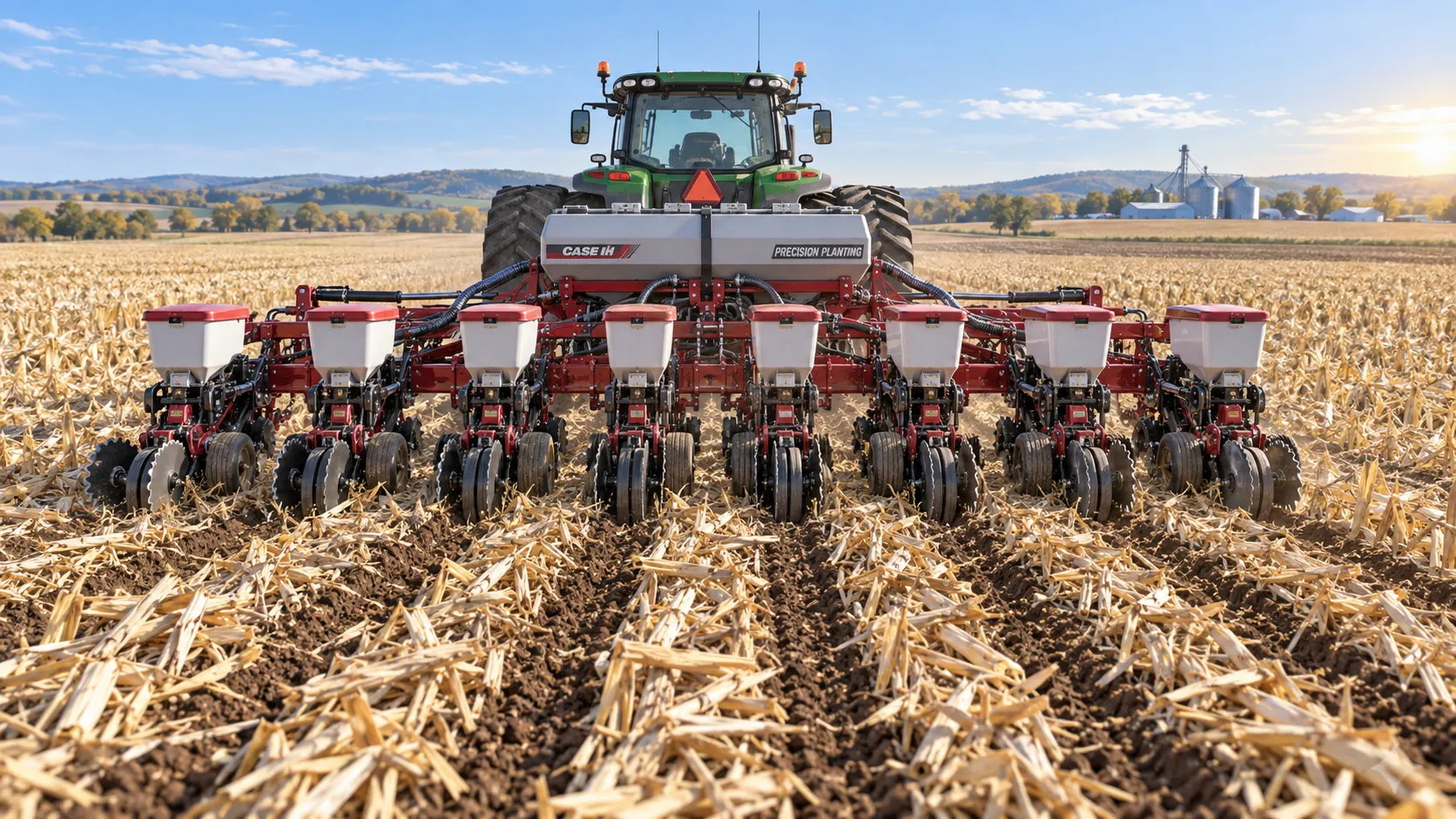
How to Select a Heavy-Duty Seeder for Large Acreage and High-Residue Fields
Heavy duty seeders for large acreage: compare residue handling, depth control, downforce, metering accuracy, and precision features to select the right model.
Related News
- 00
0000-00
What separates robotic automation providers for equipment production? - 00
0000-00
Which field data collection provider fits an agricultural robotics program? - 00
0000-00
How Autonomous Machinery for Crop Scouting Helps Growers Detect Field Issues Earlier - 00
0000-00
How to Evaluate Autonomous Machinery for Vineyards by Terrain, Tasks, and ROI - 00
0000-00
Brazil ANVISA Rule Requires Portuguese Risk Labels for Farm Robots
Popular Tags
Tractor Power Architect
Weekly Insights
Stay ahead with our curated technology reports delivered every Monday.