
CIAME Asia Vietnam Opens Fast-Track for Ag Robots
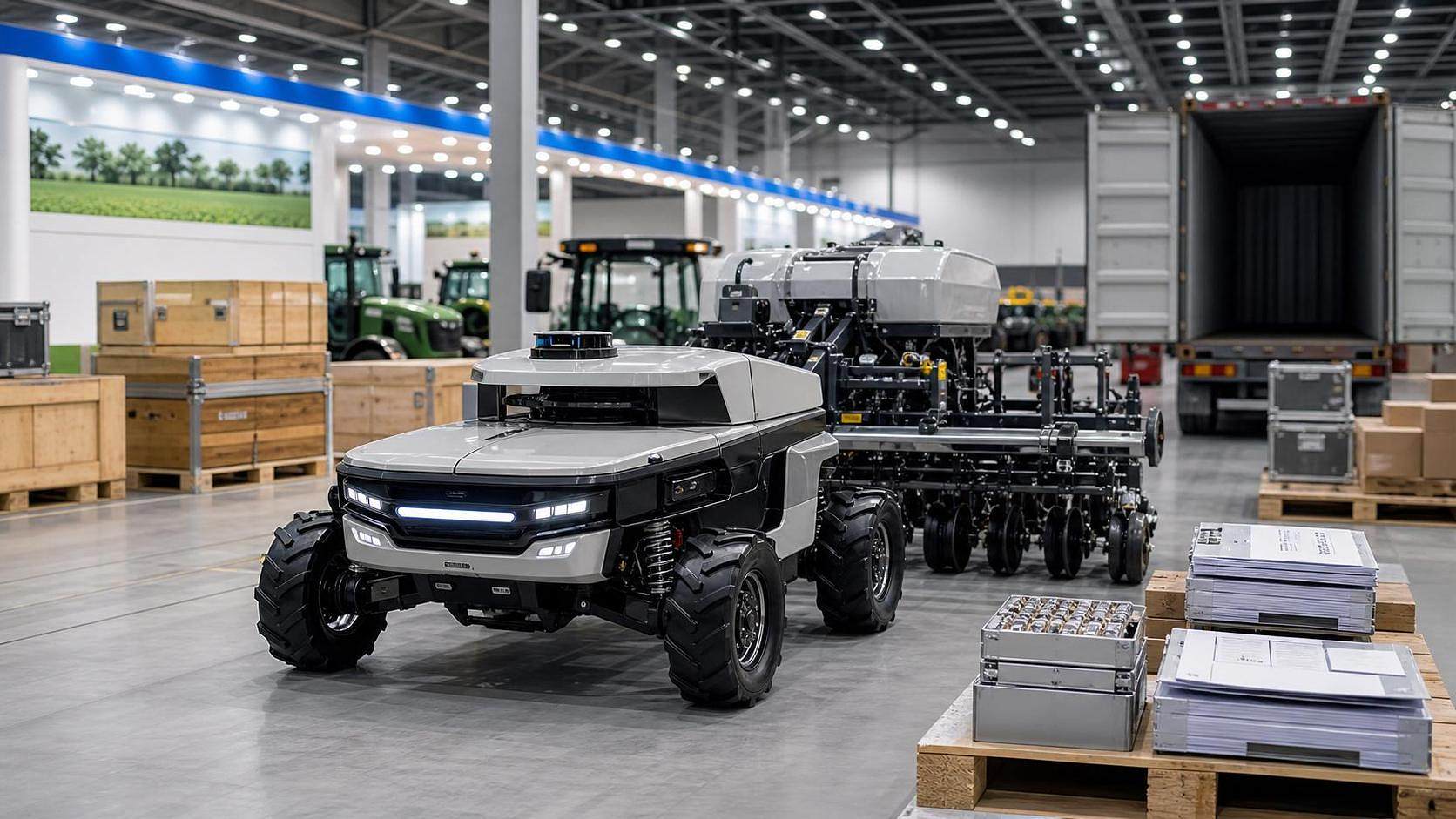




On July 23, 2026, the Vietnam International Agricultural Machinery Exhibition opened in Ho Chi Minh City with a new support mechanism focused on Autonomous Robots. According to the event information, the exhibition has set up a dedicated customs-clearance support window that combines pre-filing, faster clearance and guidance on CE and UN ECE dual-standard compliance. For Chinese exhibitors, the added convenience of submitting export documents once for recognition across multiple locations could shorten market-entry timelines in Southeast Asia, making this update relevant not only to machinery manufacturers but also to importers, compliance teams and supply-chain service providers.
What the exhibition has formally introduced
The 2026 Vietnam International Agricultural Machinery Exhibition is scheduled for July 23–25 in Ho Chi Minh City. The event announced a dedicated clearance support window for Autonomous Robots.
This arrangement is being provided in cooperation with the General Department of Vietnam Customs and VASEP. The support described in the event summary includes pre-inspection filing, fast customs clearance and compliance guidance covering both CE and UN ECE standards.
The confirmed convenience for Chinese exhibitors is an export-document process described as “submit once, recognized in multiple locations.” The stated effect is to reduce the time required for access to Southeast Asian markets.
Where the practical impact may emerge first
For robot and machinery exporters, the issue is speed and document readiness
From an industry perspective, the most immediate impact may fall on exhibitors and exporters of Autonomous Robots and related agricultural machinery. The reason is straightforward: the announced support directly touches customs procedures and compliance preparation, two points that often influence how quickly a product can move from exhibition presence to market entry. What deserves closer attention is whether companies are operationally ready to use the pre-filing and multi-location recognition convenience in a complete and accurate way.
For Southeast Asian importers, the signal is about lower procedural friction
Importers in Southeast Asia may be affected because the update points to a more structured path for handling imported Autonomous Robots. Analysis shows that the value here is less about demand itself and more about transaction execution: customs handling, document coordination and standards-related communication may become easier to organize if the announced mechanism works as described. Importers should therefore watch how this support window is applied in practice and whether it helps reduce uncertainty in early-stage procurement decisions.
For compliance and supply-chain service providers, the focus shifts to execution quality
Customs brokers, certification advisers and other supply-chain service providers may also see direct implications. The event summary links faster clearance with CE and UN ECE dual-standard guidance, which means service quality may increasingly depend on how well providers connect paperwork, standards interpretation and shipment timing. Observably, the practical impact for this group is concentrated in document review, filing coordination and delivery scheduling rather than in broader market expansion claims.
What companies should monitor now
Watch for the exact wording of implementation rules
Companies should distinguish between a favorable policy signal and the detailed operating rules that determine actual use. The key point to monitor is how the dedicated support window defines eligible products, required filings and the operational meaning of “submit once, recognized in multiple locations.”
Prepare compliance files before shipment decisions
Because the announced support includes CE and UN ECE guidance, exporters should pay close attention to whether their existing technical and export documentation is aligned for review. In practical terms, incomplete or inconsistent files could reduce the value of any fast-track arrangement even when the policy direction is supportive.
Coordinate importer communication early
What deserves closer attention is the importer side of execution. Even when clearance support is available, buyers, agents and local service partners still need a shared understanding of product scope, documentation status and delivery expectations. Early coordination may matter more than promotional visibility at the exhibition itself.
Treat timing gains as conditional, not automatic
Analysis shows that the announcement points to shorter market-entry cycles, but companies should not treat this as an automatic outcome for every shipment or every product configuration. The practical question is whether internal teams can match customs preparation, standards documentation and customer communication to the new process without creating new delays elsewhere.
Why this reads as a policy-and-process signal
Observably, this update is best understood as a process signal rather than a confirmed market result. It does not by itself prove wider sales adoption or a completed change in regional trade patterns. Instead, it shows that Autonomous Robots are receiving more formal handling in cross-border market-access procedures tied to an industry exhibition.
From an industry perspective, that matters because it connects three elements that are often managed separately: exhibition activity, customs handling and standards compliance. Still, the extent of the impact remains something to watch, especially in how consistently the announced support is applied and how broadly businesses are able to use it.
How to read the significance of this update
At this stage, it is more appropriate to understand the news as a near-term operational development with possible longer-term relevance. The immediate significance lies in lower procedural friction for participating companies, especially those trying to shorten the path from exhibition participation to Southeast Asian market access.
The broader meaning is more tentative. If the support window, pre-filing mechanism and multi-location document recognition are implemented smoothly, they may become an important reference point for how agricultural robotics enters regional trade channels. For now, a neutral reading is the most accurate one: this is a concrete procedural move worth tracking closely, not yet a final verdict on market outcomes.
Basis of this article and points for follow-up
This article is based on the user-provided news title, event date and event summary. The information referenced here relates to the exhibition announcement, the stated participation of the General Department of Vietnam Customs and VASEP, and the described support measures for Autonomous Robots.
For this type of industry update, commonly relevant source categories may include official exhibition announcements, customs-related notices, industry association releases, company statements, authoritative media coverage and standards-related documents. A specific official source link was not provided in the input, so further verification remains necessary. The main follow-up points are the exact implementation rules, the scope of eligible products and the practical use of the “submit once, recognized in multiple locations” document arrangement.
Related News
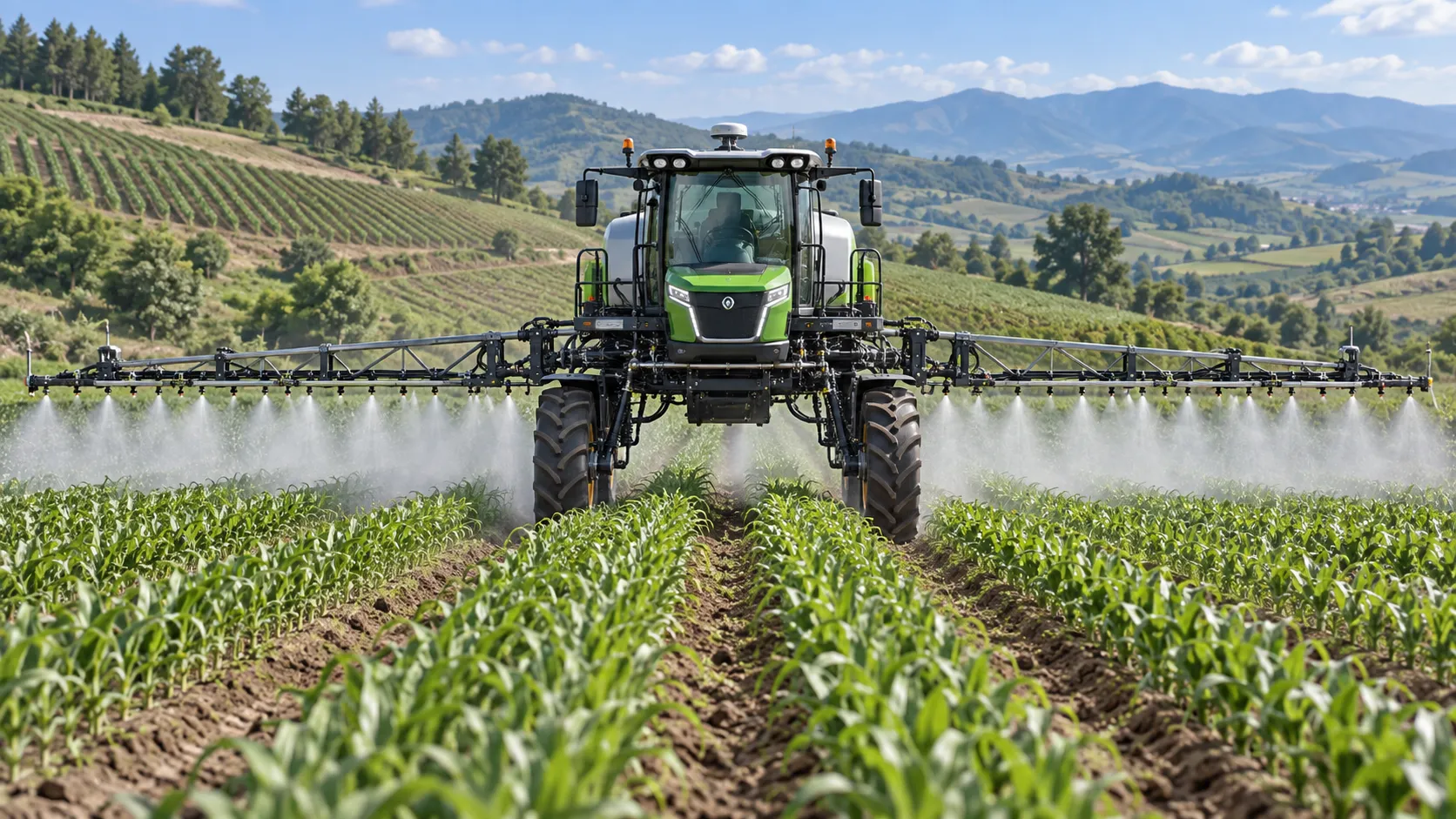
How to Select Precision Crop Protection Equipment for Variable Field Conditions
Precision crop protection equipment selection made simple: compare terrain, canopy, weather, control accuracy, and data workflows for reliable applications.
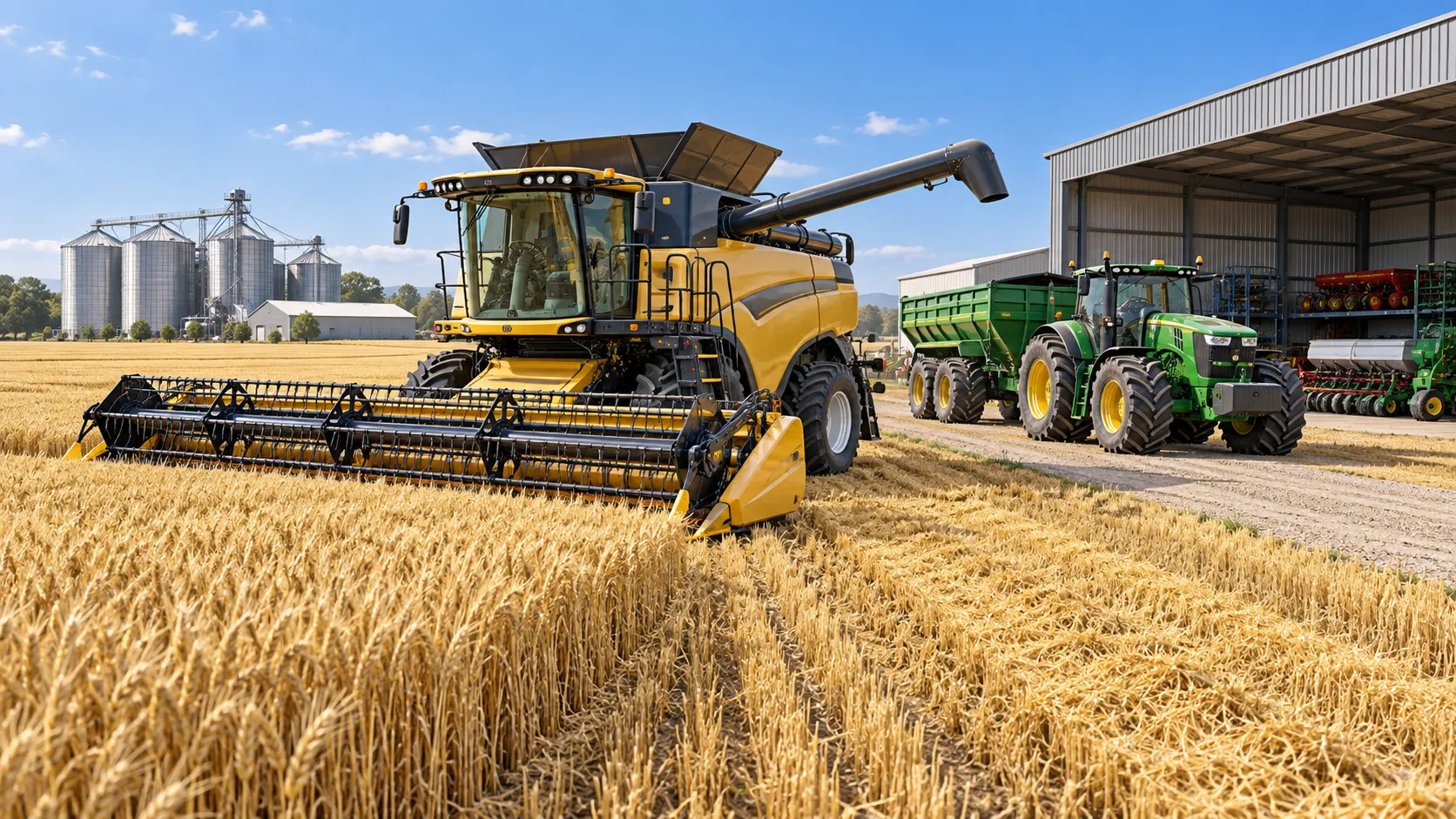
When Does Agricultural Machinery Leasing Cost Less Than Owning Equipment?
Agricultural machinery leasing can lower farm costs when use is seasonal or uncertain. Compare utilization, maintenance, cash flow, and risk to make a smarter equipment decision.
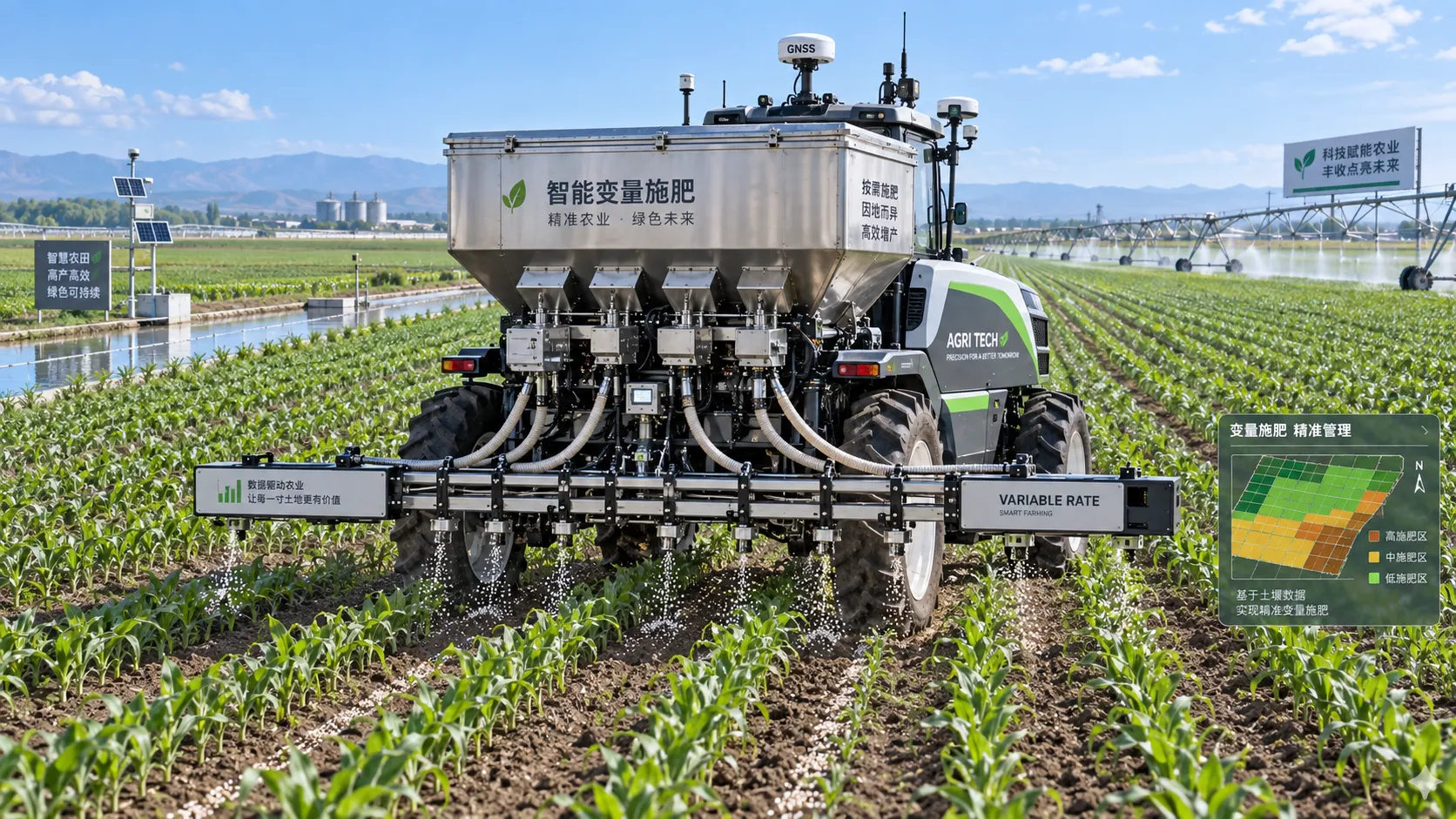
How to Evaluate Precision Fertilization System Suppliers for Farm-Scale Deployment
Precision fertilization systems suppliers: learn how to compare accuracy, integration, uptime, service, and total cost for confident farm-scale deployment.
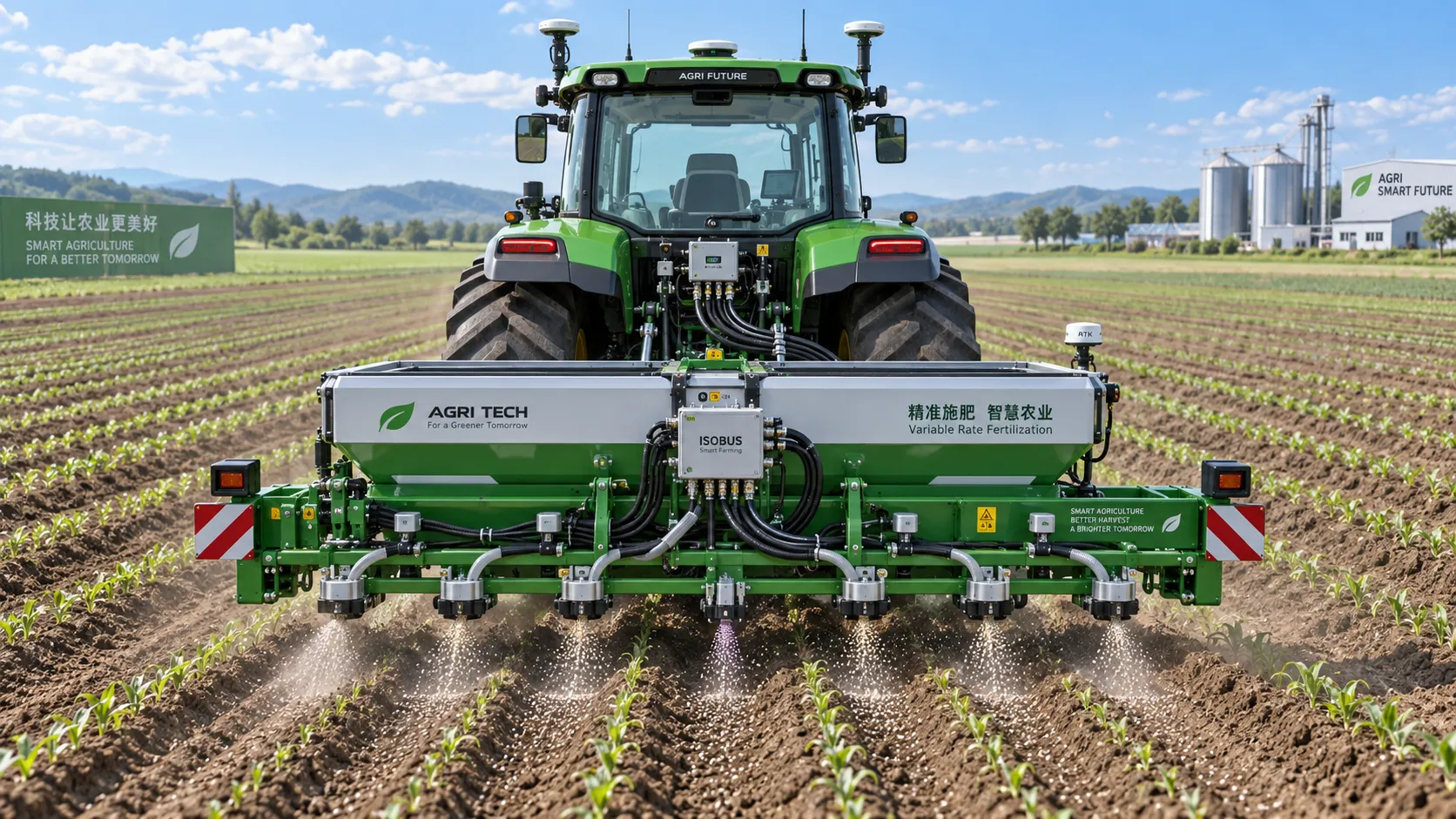
ISOBUS for Smart Agriculture: How It Connects Tractors, Implements, and Farm Data
ISOBUS for smart agriculture connects tractors, implements, terminals, and farm data—helping growers improve precision, documentation, and smarter field decisions.
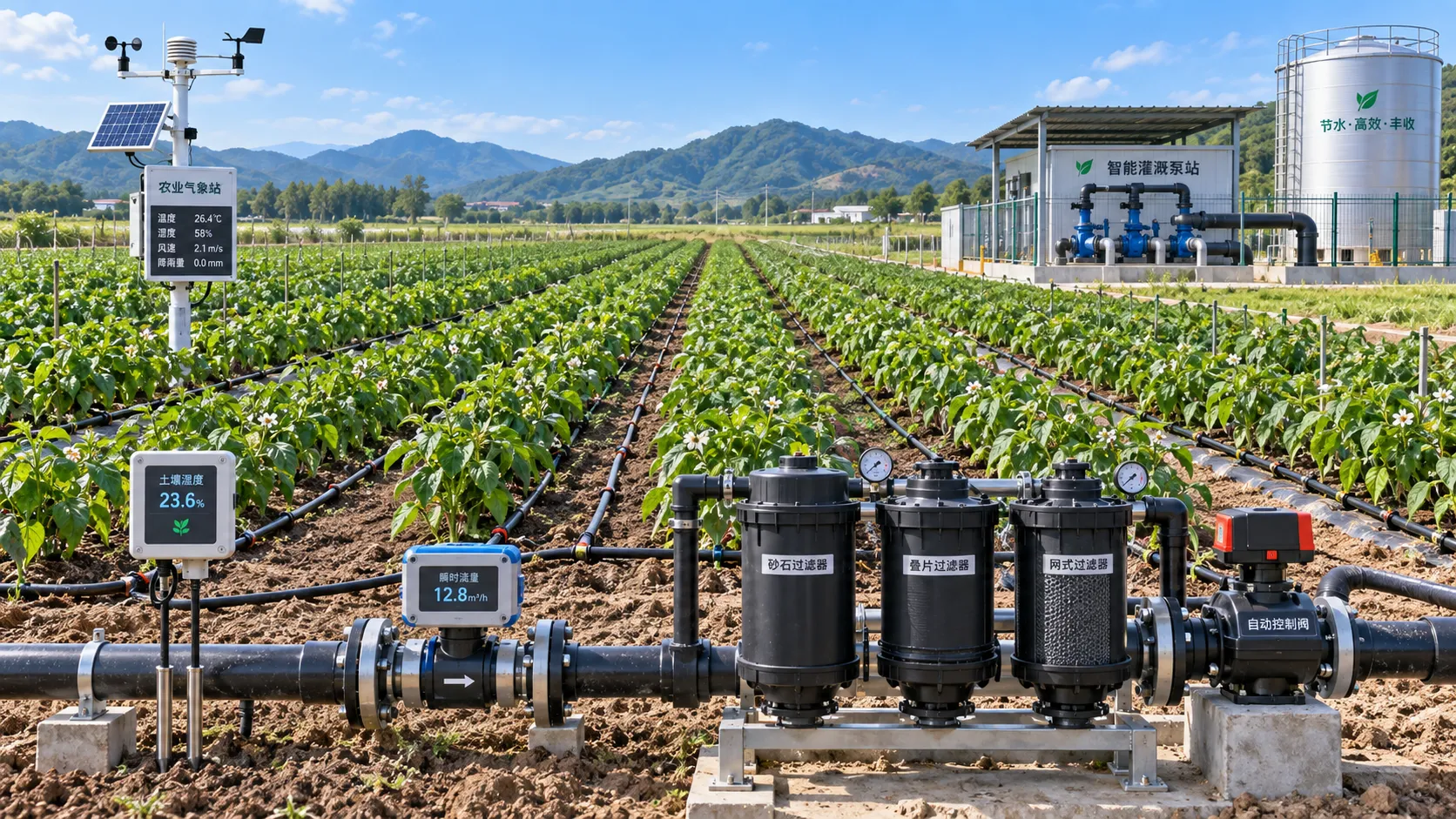
Automated Water-Saving Irrigation: How to Cut Water Use Without Reducing Crop Yields
Automated water-saving irrigation helps farms cut water use, protect crop yields, improve scheduling, and gain reliable control with sensors, flow monitoring, and smart zones.
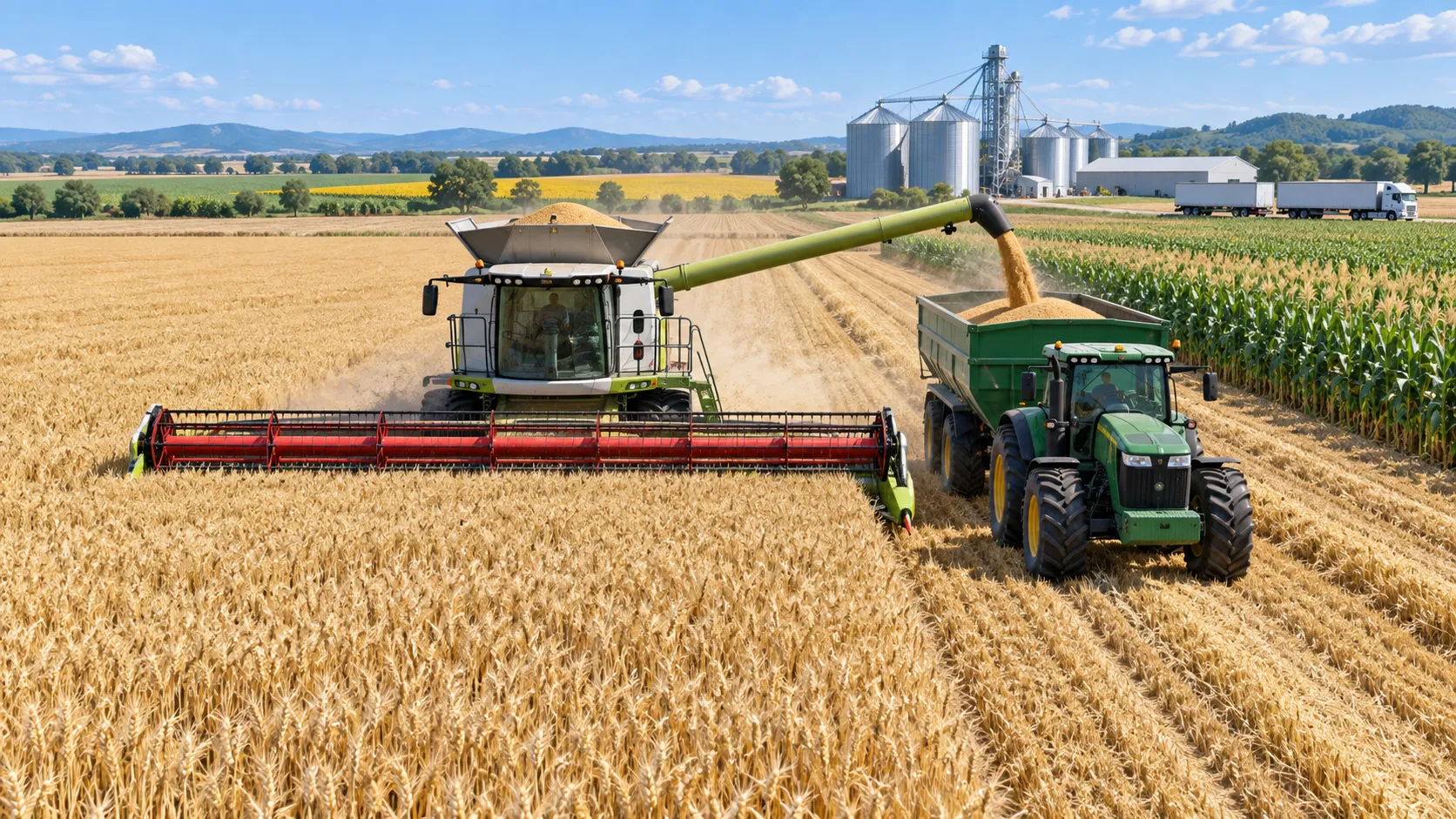
Selecting Grain Farm Equipment by Acreage, Crop Mix, and Harvest Window
Agricultural equipment selection for grain farming: match machinery to acreage, crop mix, and harvest windows to improve uptime, efficiency, and returns.
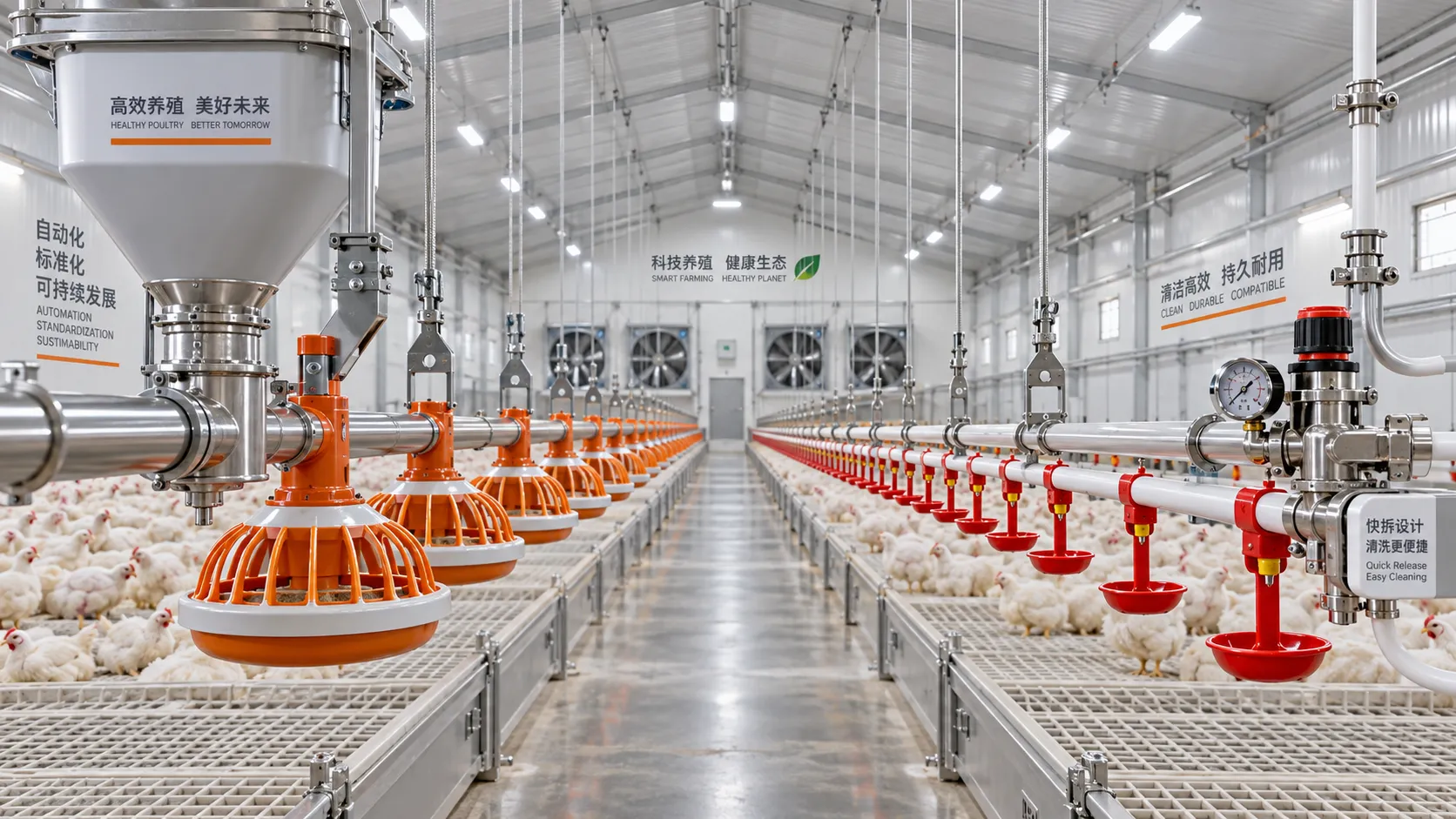
Poultry Equipment Selection: Evaluating Durability, Cleaning, and Compatibility
Poultry equipments selection guide: evaluate durability, cleaning access, and system compatibility to improve hygiene, reduce downtime, and support efficient flock management.
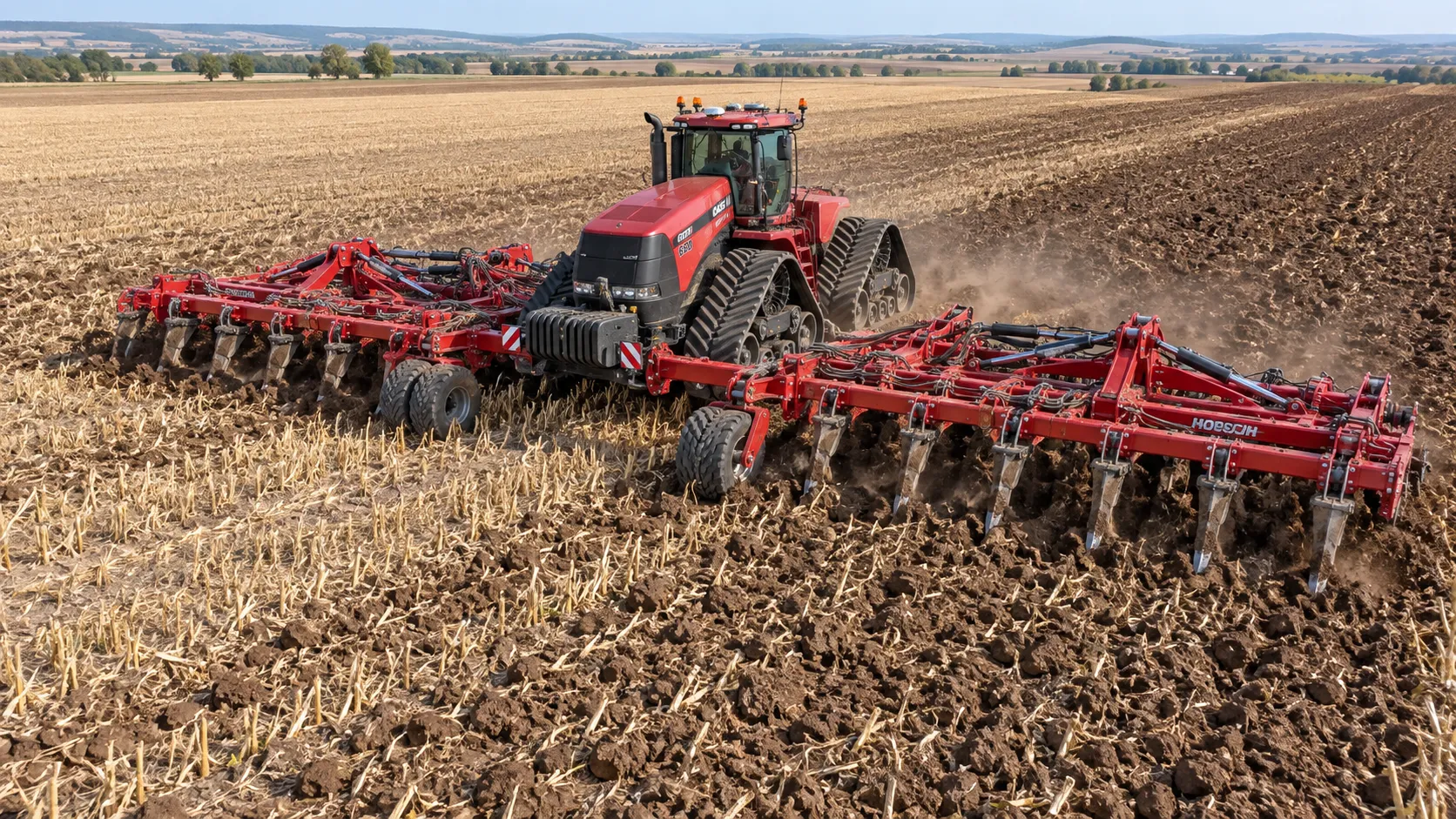
How to Select Heavy-Duty Farm Implements for High-Acreage, High-Horsepower Operations
Heavy duty farm implements: learn how to match draft, hydraulics, hitch capacity, frame strength, and field conditions for reliable high-acreage performance.
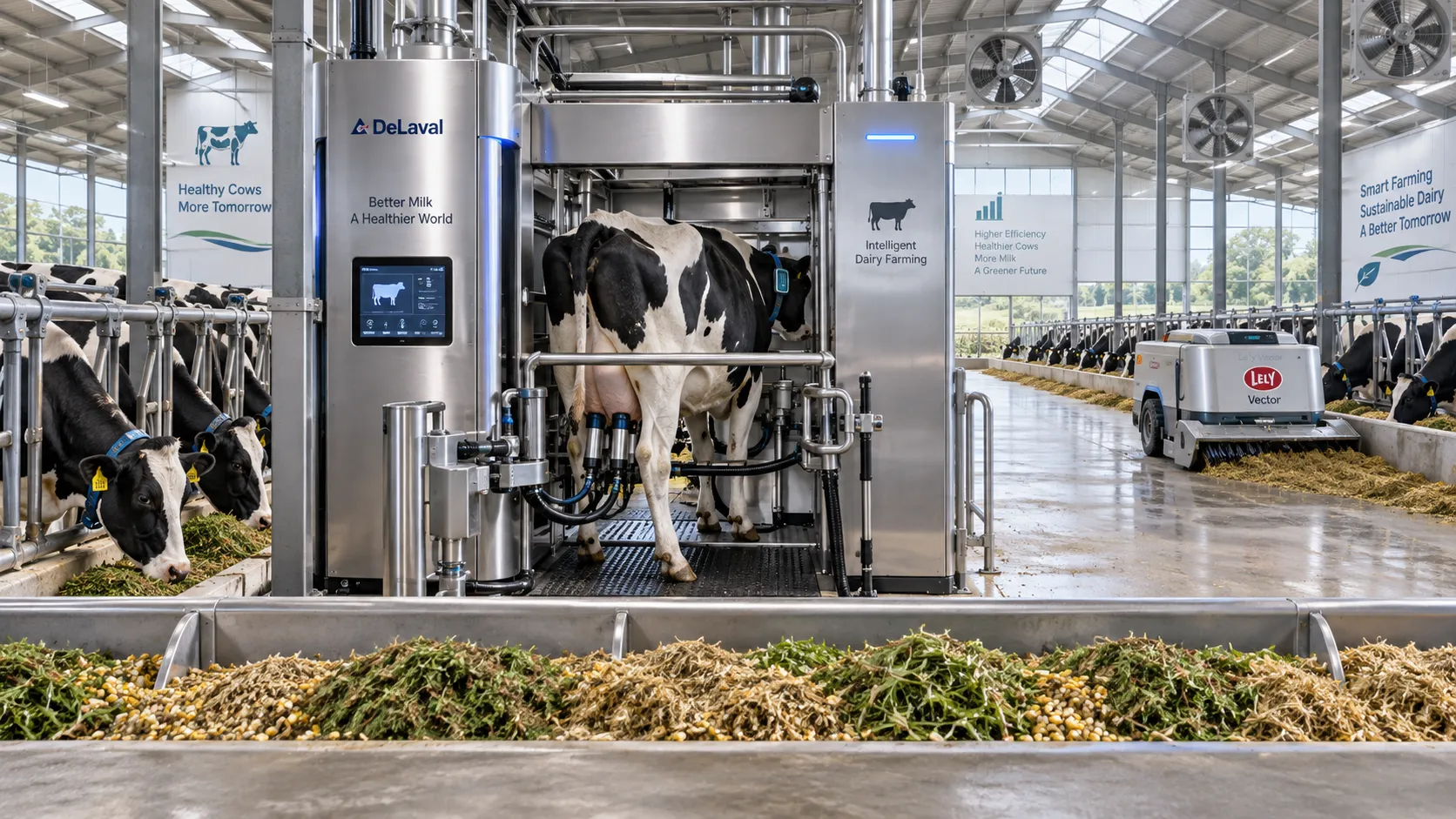
Smart Farming Technology for Dairy Farms: Where Automation Delivers Measurable ROI
Smart farming technology for dairy farms delivers measurable ROI through automation, precision feeding, health monitoring, and data-driven cost control.
Related News
- 00
0000-00
What separates robotic automation providers for equipment production? - 00
0000-00
Which field data collection provider fits an agricultural robotics program? - 00
0000-00
How Autonomous Machinery for Crop Scouting Helps Growers Detect Field Issues Earlier - 00
0000-00
How to Evaluate Autonomous Machinery for Vineyards by Terrain, Tasks, and ROI - 00
0000-00
Brazil ANVISA Rule Requires Portuguese Risk Labels for Farm Robots
Popular Tags
Tractor Power Architect
Weekly Insights
Stay ahead with our curated technology reports delivered every Monday.