
How Crop Monitoring Remote Sensing Helps Detect Field Stress Before Yield Drops
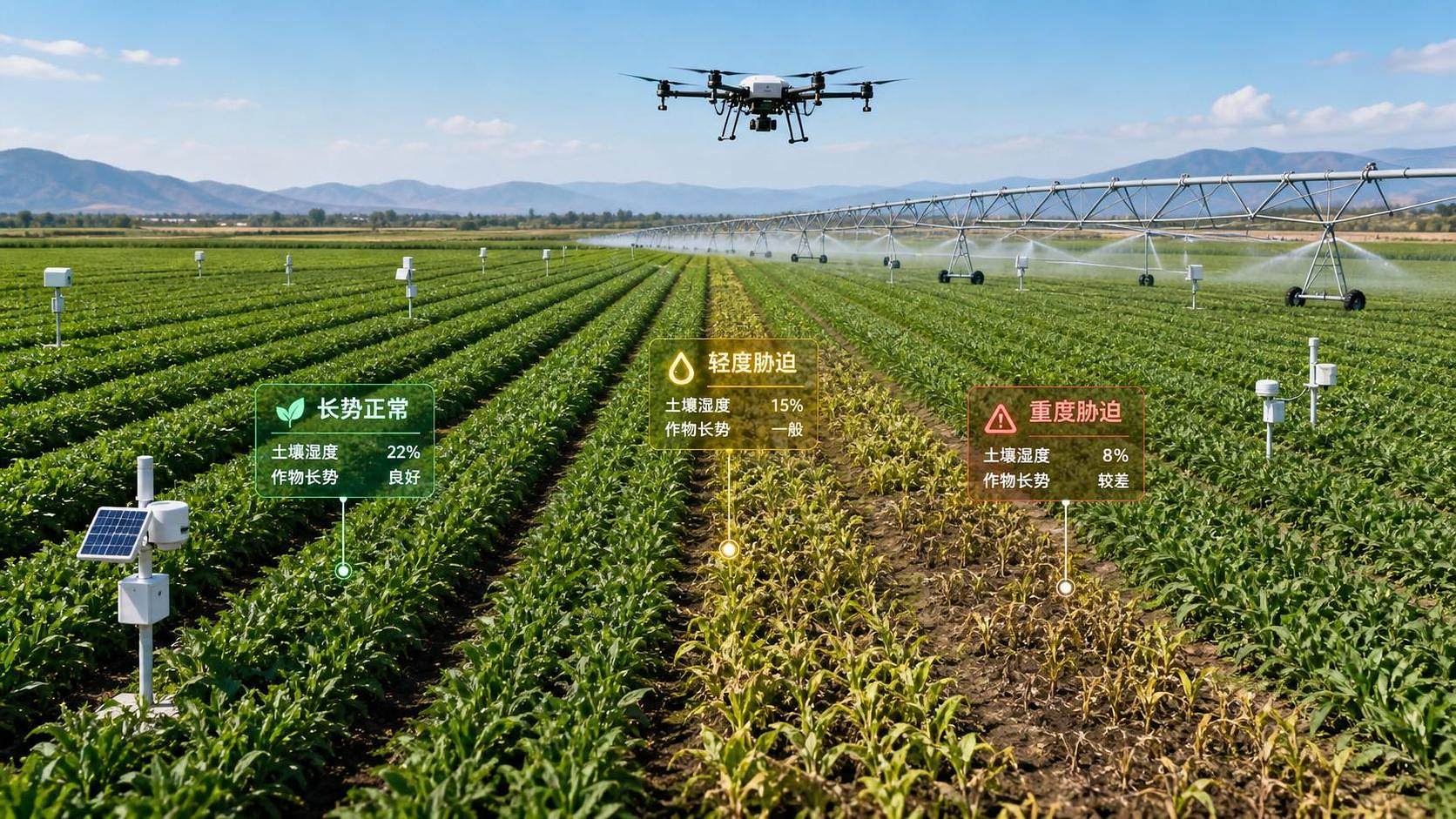




How Crop Monitoring Remote Sensing Helps Detect Field Stress Before Yield Drops
In modern agriculture, yield losses rarely start with visible damage. They begin with small shifts in plant vigor, canopy temperature, soil moisture, and nutrient balance.
Crop monitoring remote sensing helps detect those shifts early. It gives farm operations a wider view, faster updates, and clearer signals before losses spread across the field.
For large-scale operations, that matters. Delayed action on stress often turns a manageable issue into lower yield, uneven harvest timing, and higher input costs.
This is where crop monitoring remote sensing becomes practical, not theoretical. It supports earlier irrigation changes, better equipment scheduling, and tighter control over field risk.
At AP-Strategy, this fits the broader Agriculture 4.0 direction. Better sensing improves how machinery, water systems, and field decisions work together under real operating pressure.
Why Early Stress Detection Changes the Yield Equation
Most crop stress builds gradually. Water deficit, disease pressure, compaction, heat stress, and nutrient limitations often appear in data before they appear to the eye.
That delay creates a decision gap. Crews may continue normal operations while plant performance is already slipping across high-risk zones.
Crop monitoring remote sensing closes that gap. Satellite, drone, and sensor-based imagery reveal stress patterns through vegetation indices, thermal anomalies, and spatial change detection.
More importantly, it shows where stress is concentrated. That allows action by zone instead of treating the entire field as one uniform block.
From an operations view, earlier detection protects both yield and timing. It reduces the chance that late correction will collide with spraying windows, irrigation limits, or harvest plans.
What Crop Monitoring Remote Sensing Actually Detects
A strong crop monitoring remote sensing program does more than produce color maps. It translates field signals into operational categories that support intervention.
1. Water stress
Thermal imagery and moisture-linked vegetation patterns can reveal irrigation gaps early. This is especially useful in large fields with uneven distribution or changing weather pressure.
2. Nutrient imbalance
Changes in reflectance often point to reduced chlorophyll activity. That can indicate nitrogen stress or uneven nutrient uptake before visible yellowing becomes widespread.
3. Disease and pest pressure
Remote sensing does not replace scouting. It improves it by narrowing the search area and identifying unusual plant responses that deserve immediate field verification.
4. Soil and drainage variability
Repeated imagery helps expose chronic weak zones. These may reflect compaction, poor drainage, salinity, or recurring waterlogging after rainfall events.
5. Emergence and stand uniformity
Early-season crop monitoring remote sensing can highlight poor establishment. That supports replant decisions, machinery checks, and more accurate season planning.
How It Supports Better Field Decisions
The value of crop monitoring remote sensing is not the image itself. The value comes from linking field signals to a specific operational response.
In practice, decision quality improves when teams use remote sensing to prioritize time, labor, equipment, and water where they matter most.
- Adjust irrigation schedules based on stress intensity and zone-level need.
- Direct scouting crews to anomalies instead of running broad manual checks.
- Sequence tractors, sprayers, and field tools around urgent treatment areas.
- Refine fertilizer or crop protection plans using spatial variability.
- Prepare harvest logistics where maturity or plant health is diverging.
This matters even more when operations span multiple blocks or regions. Remote sensing creates a common decision layer across dispersed assets and changing field conditions.
That common layer supports quicker escalation. When stress rises in one zone, teams can act before the same pattern spreads through adjacent areas.
Where It Fits in an Agriculture 4.0 Operation
Crop monitoring remote sensing works best when it is connected to other field systems. On its own, it informs. In an integrated operation, it drives action.
For example, stress maps can support intelligent irrigation systems by identifying where watering intervals should tighten or where flow balance needs correction.
They also align with large-scale agri-machinery planning. If one block shows accelerating stress, machinery deployment can shift to protect the highest-risk acreage first.
Combine harvest planning benefits as well. Fields with uneven stress often mature unevenly, which affects grain moisture, loss risk, and cleaning performance.
This is why AP-Strategy treats remote sensing as part of a larger intelligence chain. It connects crop condition, equipment timing, and resource efficiency into one decision framework.
A Practical Implementation Model
Adoption becomes smoother when crop monitoring remote sensing follows a clear operating model. Complex tools fail when teams cannot connect outputs to daily field choices.
Step 1: Define the stress risks that matter most
Start with the risks that create the largest financial impact. Water shortage, heat events, uneven emergence, and nutrient stress are common starting points.
Step 2: Match sensing frequency to crop stage
Weekly images may be enough in stable periods. During rapid vegetative growth or weather volatility, more frequent updates are often necessary.
Step 3: Build field thresholds for action
Do not stop at map interpretation. Define what level of anomaly triggers scouting, irrigation change, machine redeployment, or agronomic review.
Step 4: Verify with selective ground checks
Remote sensing is strongest when paired with targeted field validation. That keeps false alarms low and improves confidence in the data over time.
Step 5: Feed results into future planning
Seasonal stress history should shape future irrigation design, equipment allocation, and variable-rate strategies. This turns monitoring into long-term operational learning.
Common Deployment Mistakes
Even good crop monitoring remote sensing programs can underperform. The problem is usually not data availability. It is weak decision design around the data.
- Collecting imagery without defining response rules.
- Using one vegetation index for every crop stage and stress type.
- Ignoring cloud cover, timing gaps, or sensor limitations.
- Treating all anomalies as agronomic problems without checking equipment or irrigation performance.
- Failing to connect stress maps with operational scheduling tools.
A more reliable approach is simple. Use crop monitoring remote sensing as a decision system, not just a reporting layer.
Decision Priorities by Field Scenario
Why the Business Case Is Getting Stronger
From a business perspective, crop monitoring remote sensing supports more than agronomy. It improves asset use, response speed, and planning discipline across the operation.
That matters in a market shaped by climate volatility, tighter water management, and pressure to justify machinery and input costs with measurable outcomes.
When remote sensing highlights stress earlier, corrective action is usually cheaper. A smaller intervention today often prevents a larger productivity loss later.
This is also why intelligence-led operations are gaining ground. Better timing, not just more data, is what protects margin in large-scale crop systems.
Moving From Monitoring to Timely Action
The real strength of crop monitoring remote sensing is simple. It helps teams see field stress while there is still time to respond effectively.
For operations managing machinery, irrigation, and harvest risk at scale, that early visibility is a practical advantage. It sharpens decisions before yield decline becomes visible and expensive.
The next step is not more dashboards alone. It is building clear thresholds, response routines, and cross-team workflows around the signals that matter most.
When crop monitoring remote sensing is tied to execution, it becomes a working solution for protecting yield, improving resource efficiency, and keeping Agriculture 4.0 decisions grounded in field reality.
Related News
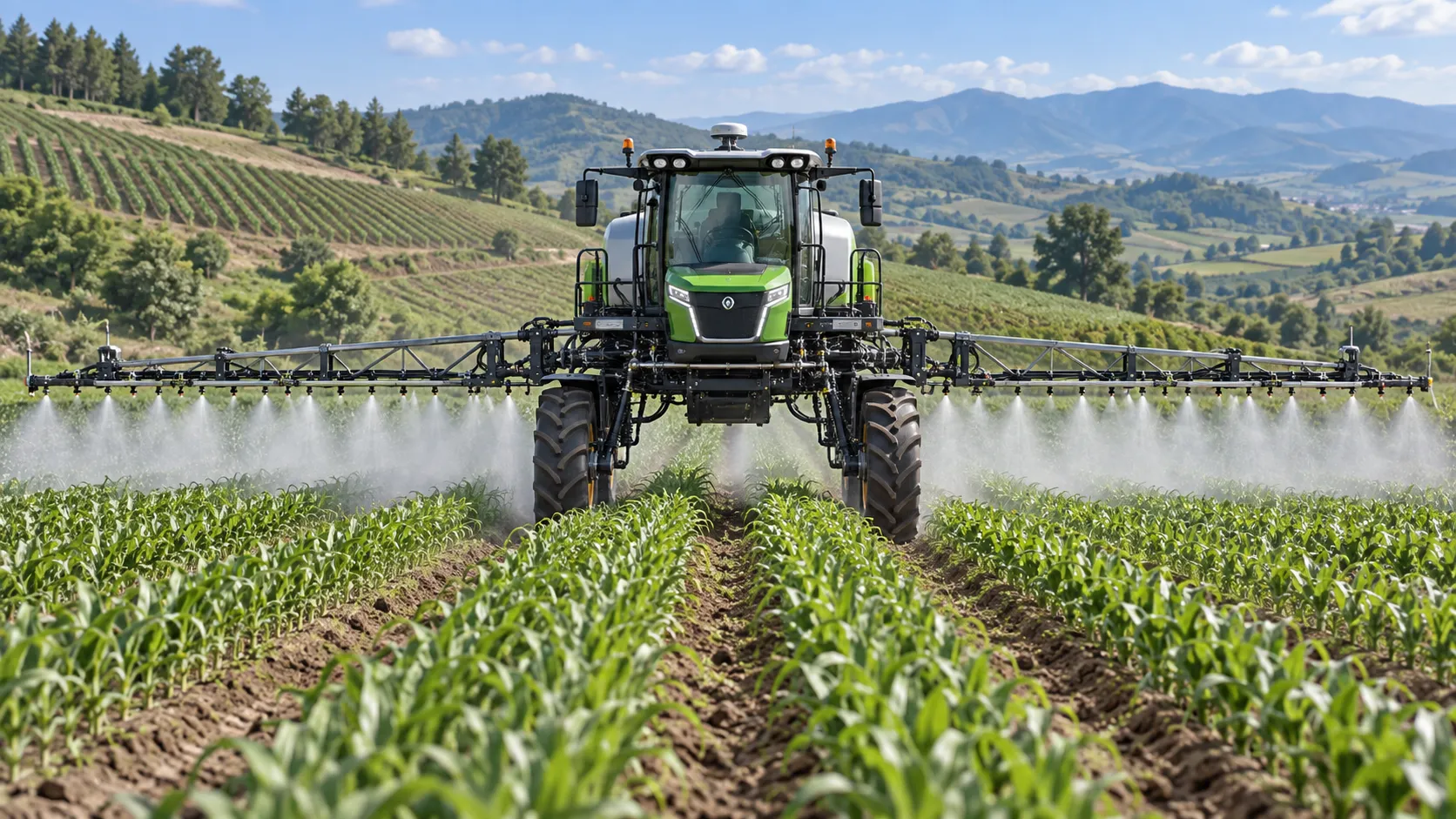
How to Select Precision Crop Protection Equipment for Variable Field Conditions
Precision crop protection equipment selection made simple: compare terrain, canopy, weather, control accuracy, and data workflows for reliable applications.

When Does Agricultural Machinery Leasing Cost Less Than Owning Equipment?
Agricultural machinery leasing can lower farm costs when use is seasonal or uncertain. Compare utilization, maintenance, cash flow, and risk to make a smarter equipment decision.
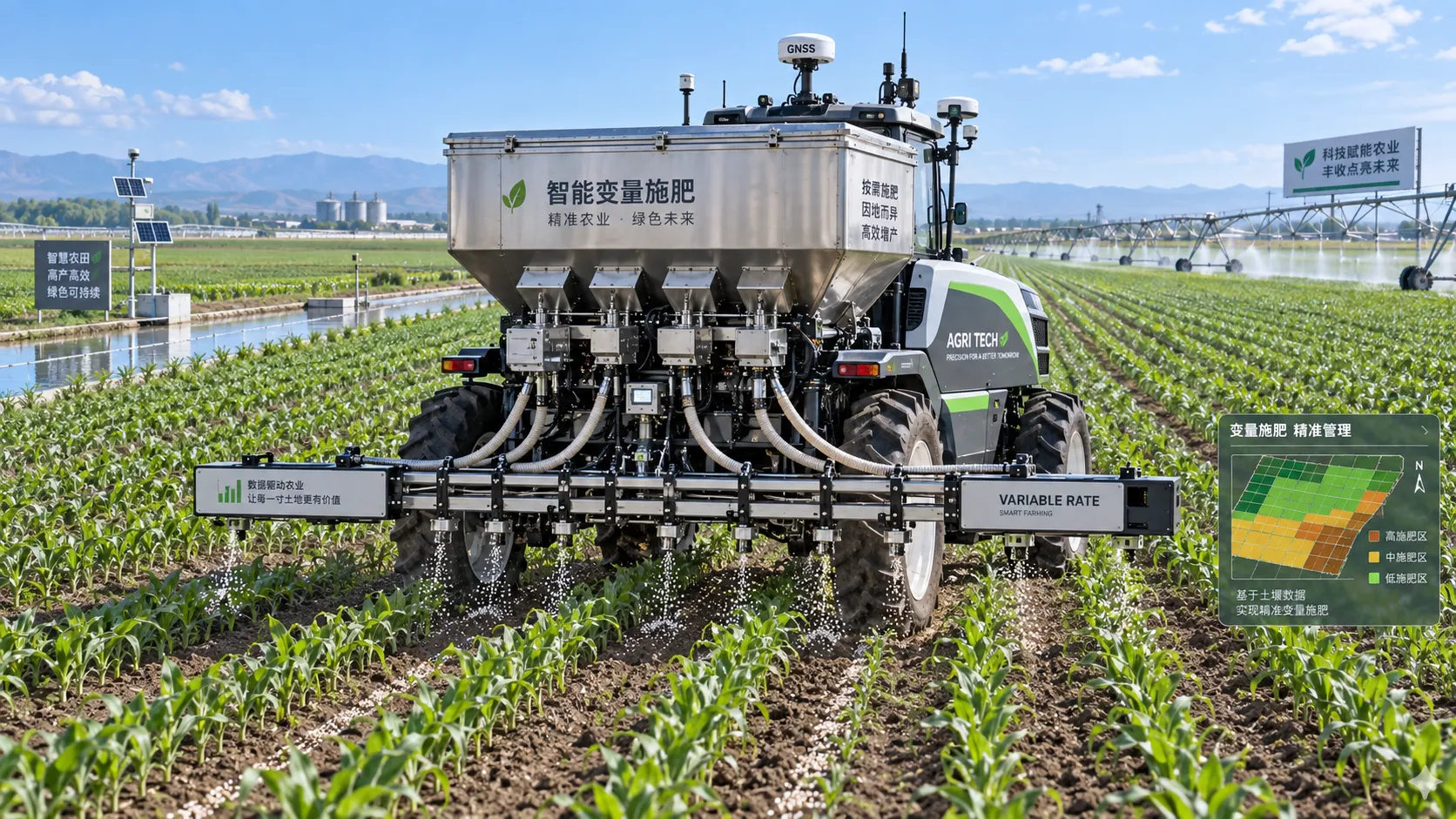
How to Evaluate Precision Fertilization System Suppliers for Farm-Scale Deployment
Precision fertilization systems suppliers: learn how to compare accuracy, integration, uptime, service, and total cost for confident farm-scale deployment.
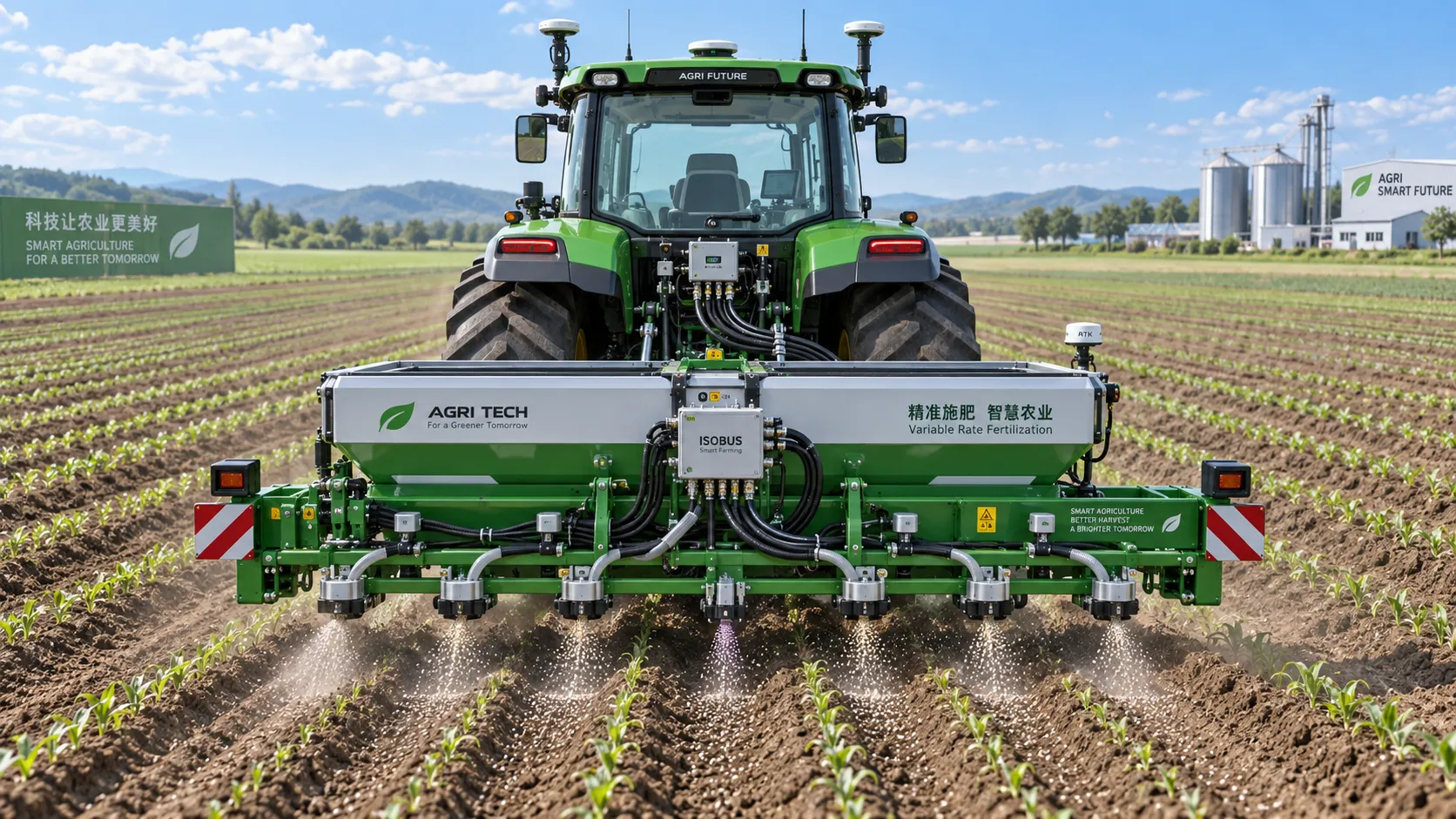
ISOBUS for Smart Agriculture: How It Connects Tractors, Implements, and Farm Data
ISOBUS for smart agriculture connects tractors, implements, terminals, and farm data—helping growers improve precision, documentation, and smarter field decisions.
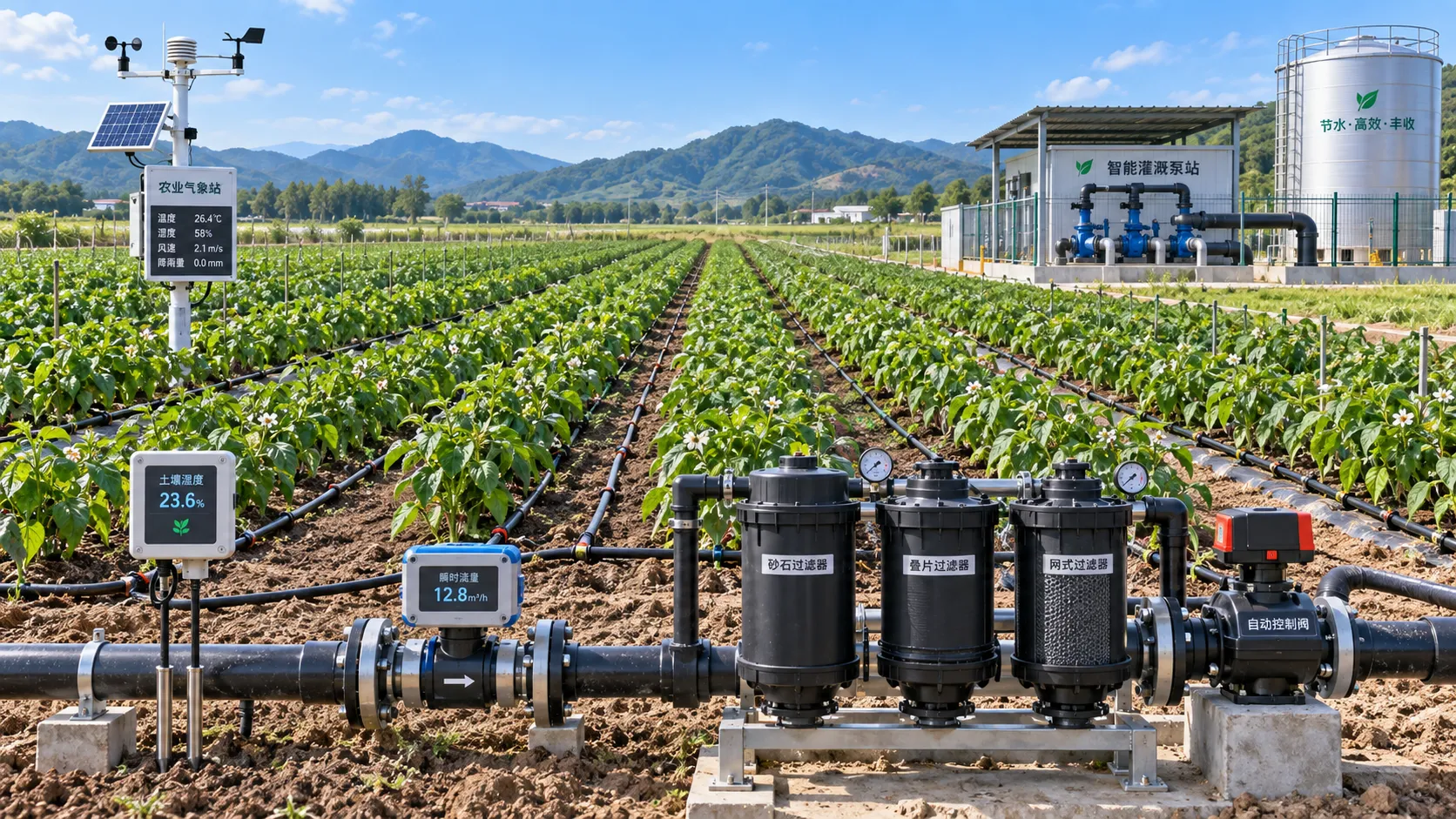
Automated Water-Saving Irrigation: How to Cut Water Use Without Reducing Crop Yields
Automated water-saving irrigation helps farms cut water use, protect crop yields, improve scheduling, and gain reliable control with sensors, flow monitoring, and smart zones.
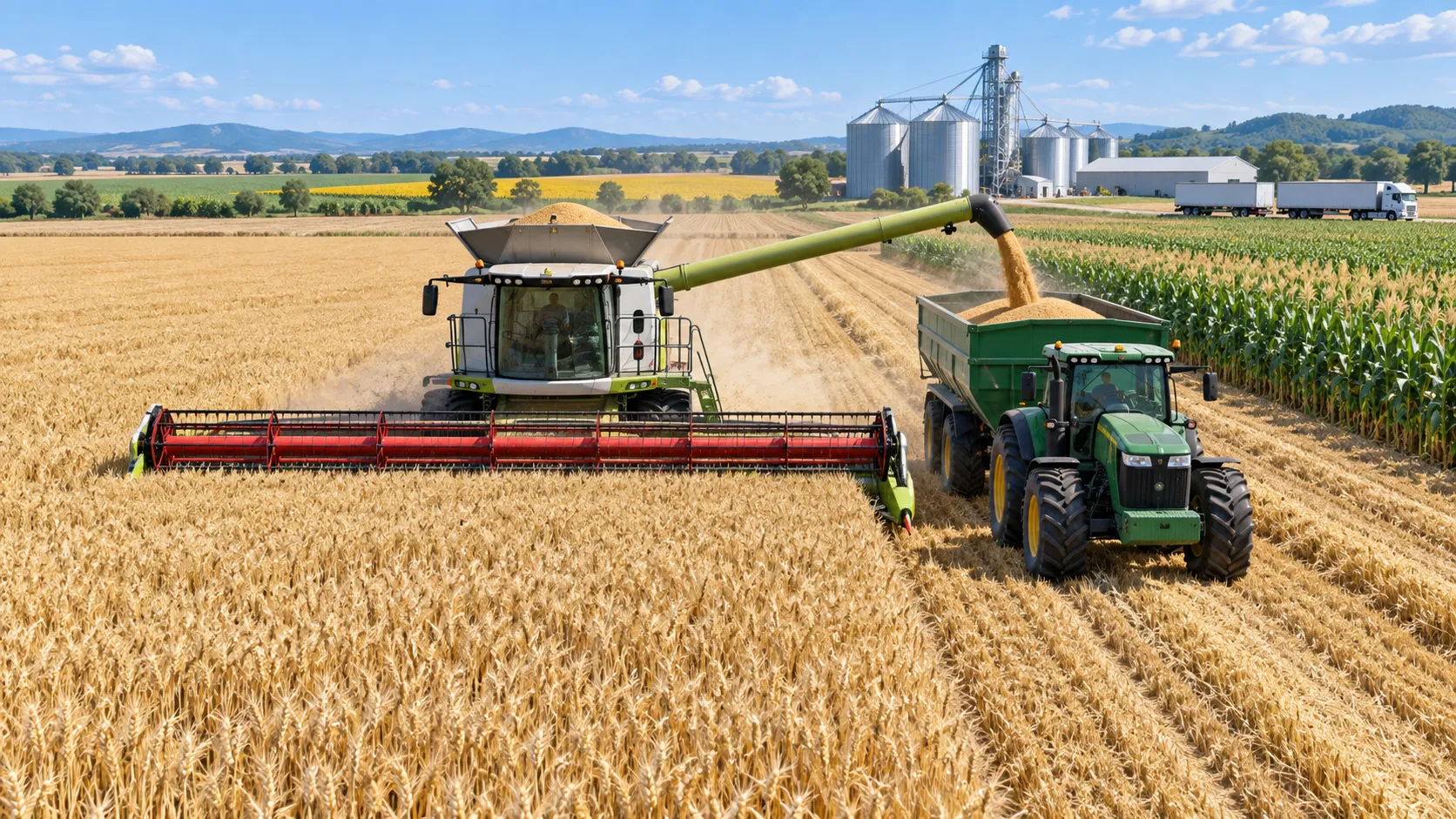
Selecting Grain Farm Equipment by Acreage, Crop Mix, and Harvest Window
Agricultural equipment selection for grain farming: match machinery to acreage, crop mix, and harvest windows to improve uptime, efficiency, and returns.
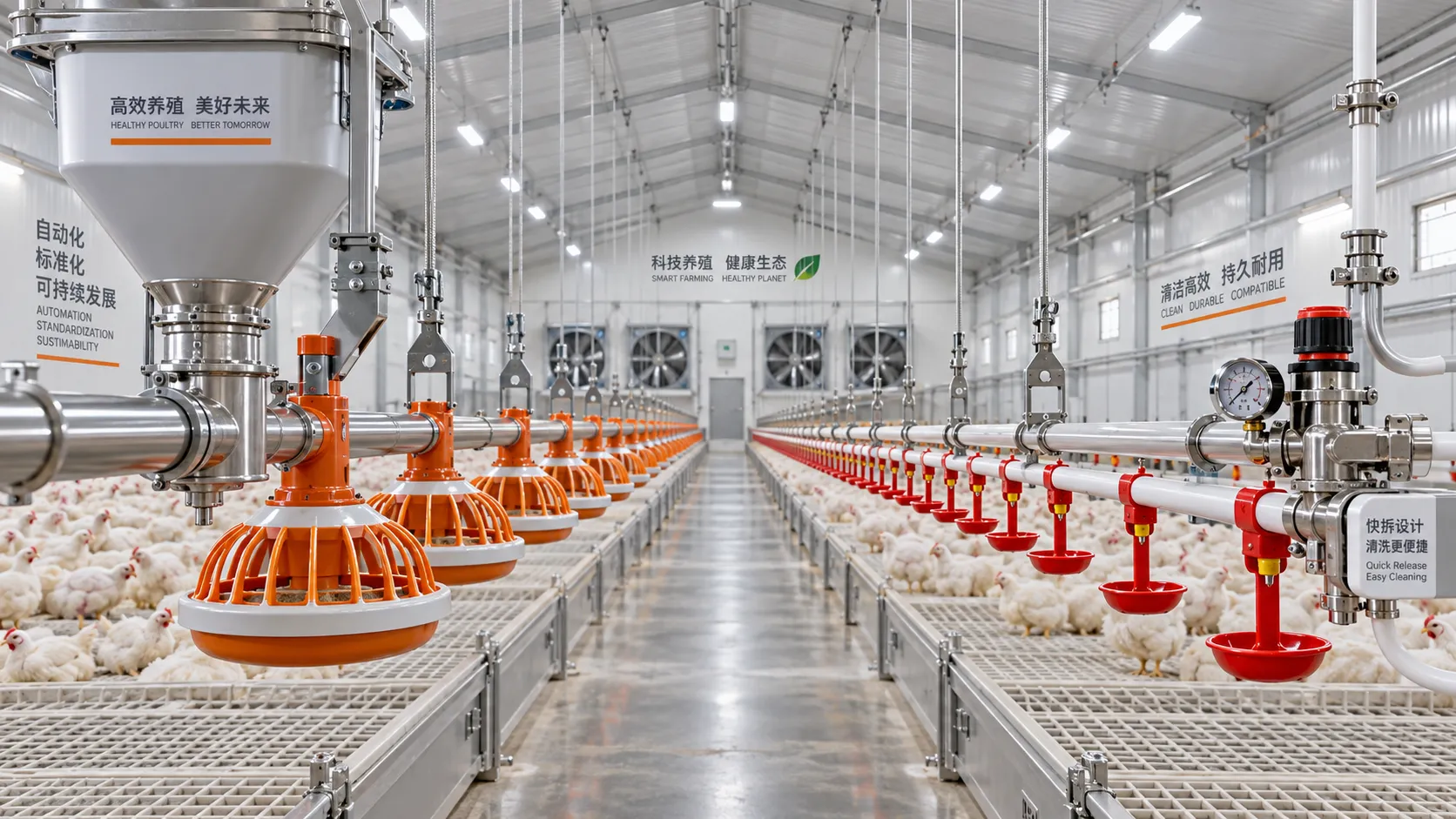
Poultry Equipment Selection: Evaluating Durability, Cleaning, and Compatibility
Poultry equipments selection guide: evaluate durability, cleaning access, and system compatibility to improve hygiene, reduce downtime, and support efficient flock management.
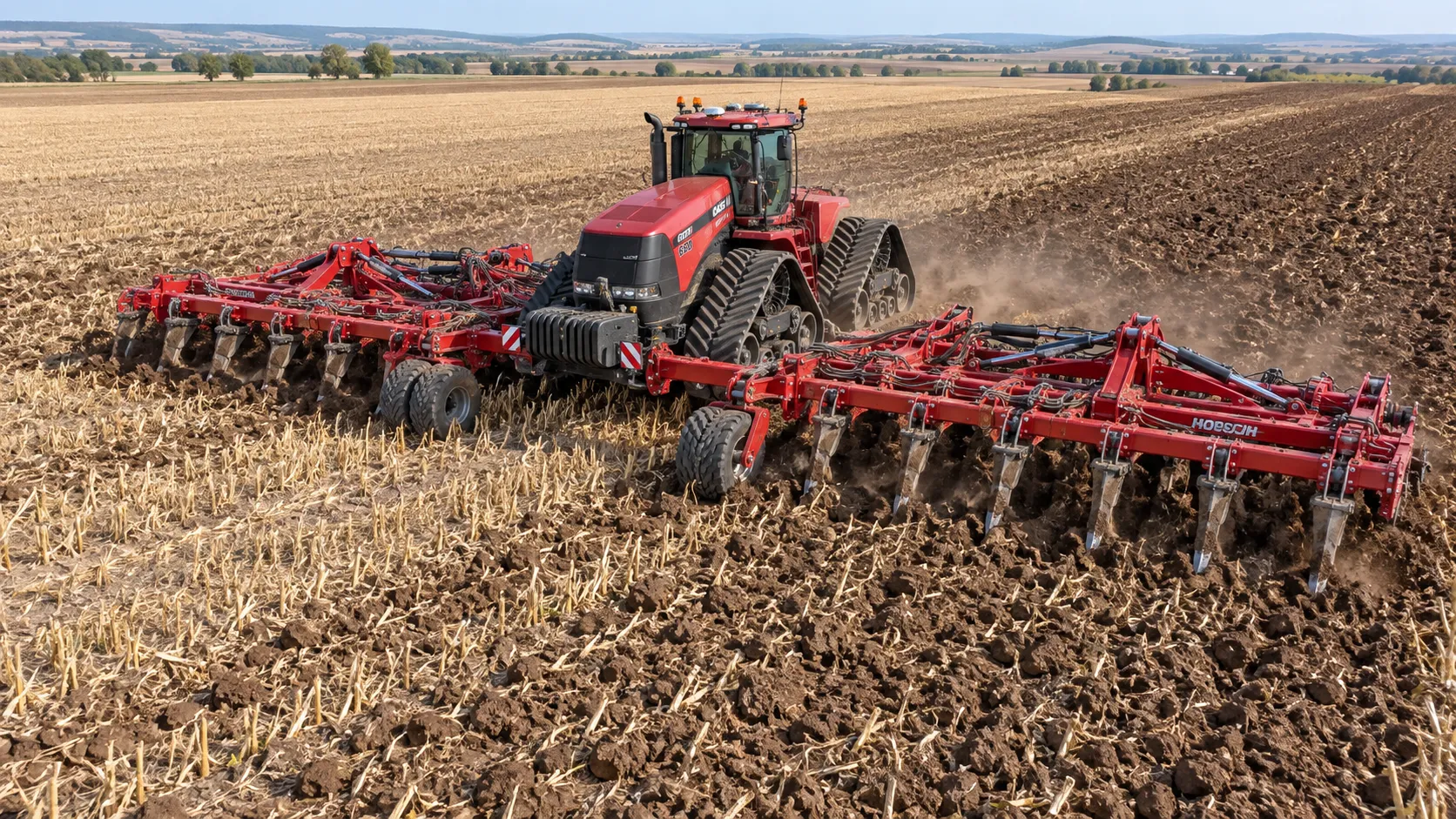
How to Select Heavy-Duty Farm Implements for High-Acreage, High-Horsepower Operations
Heavy duty farm implements: learn how to match draft, hydraulics, hitch capacity, frame strength, and field conditions for reliable high-acreage performance.
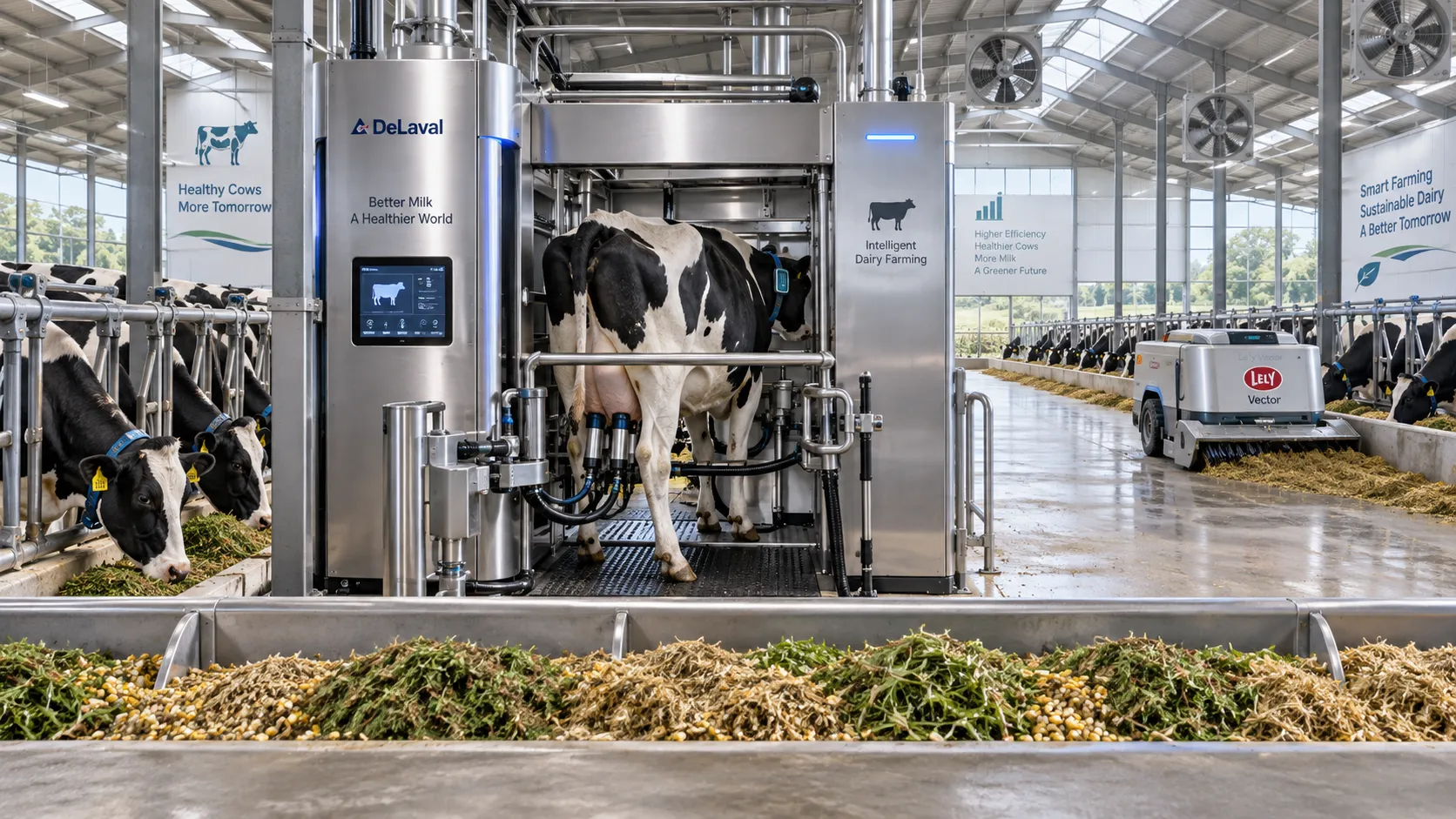
Smart Farming Technology for Dairy Farms: Where Automation Delivers Measurable ROI
Smart farming technology for dairy farms delivers measurable ROI through automation, precision feeding, health monitoring, and data-driven cost control.
Related News
- 00
0000-00
How Does Farm Mechanization Affect Food Security in Developing Regions? - 00
0000-00
Agricultural Technology Insights by Region: Where Adoption Is Growing Fastest - 00
0000-00
How Climate-Smart Agriculture Technology Improves Yield, Soil Health, and Risk Resilience - 00
0000-00
Smart Farming Solutions in Latin America: Which Technologies Fit Large Farms Best? - 00
0000-00
Long-Cycle Agri-Trade Price Trends: How to Read Supply, Freight, and Currency Signals
Popular Tags
Prof. Marcus Chen
Weekly Insights
Stay ahead with our curated technology reports delivered every Monday.