
Electric Agricultural Equipment vs Diesel Machines: How to Compare ROI, Range, and Power
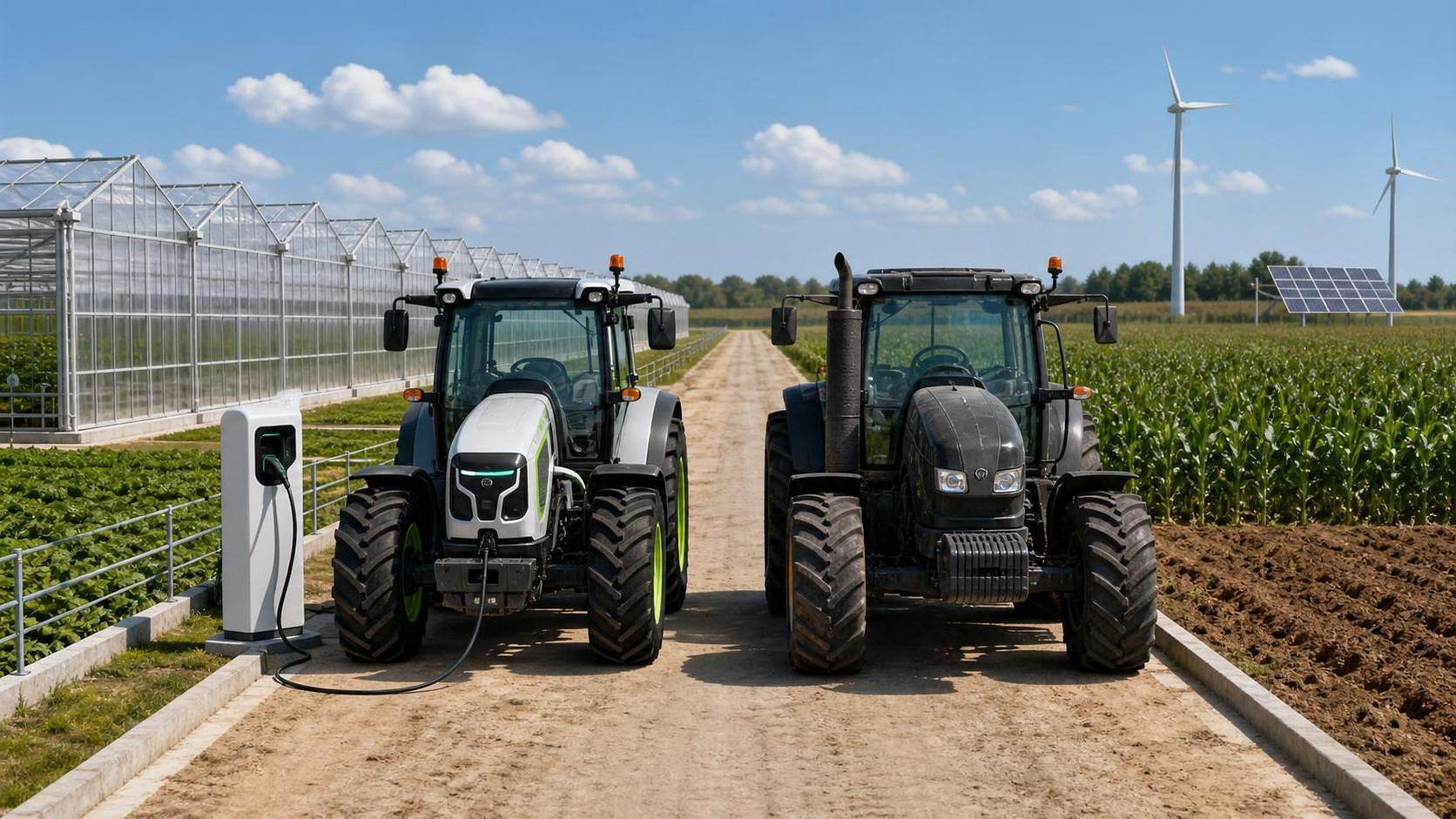




Electric Agricultural Equipment vs Diesel Machines: How to Compare ROI, Range, and Power
For enterprise buyers, the debate around electric agricultural equipment is moving past headlines.
The real issue is simple.
Which platform creates stronger returns under real farm workloads?
That means looking beyond sticker price.
You need to compare fuel or electricity cost, maintenance cycles, usable range, torque delivery, charging logistics, and residual value.
In large-scale operations, small differences in uptime can reshape annual margins.
This is why electric agricultural equipment deserves a disciplined buying framework, not a trend-driven decision.
From recent market shifts, the clearest signal is that electrification works best where duty cycles, energy access, and labor planning are already measurable.
Start with ROI, Not Marketing Claims
A fair comparison begins with total cost of ownership over five to eight years.
For diesel fleets, buyers usually know the pattern.
Fuel spend is visible, maintenance is frequent, and service networks are mature.
Electric agricultural equipment changes that equation.
Upfront costs are often higher, but routine service needs are usually lower.
There are fewer moving parts, no engine oil changes, and less wear from heat-heavy combustion systems.
In actual procurement reviews, three cost lines matter most:
- Acquisition cost, including charging or grid upgrades
- Operating cost per hour, acre, or ton harvested
- Downtime risk, including waiting for service or energy access
If a machine runs predictable daily routes, electric agricultural equipment can show attractive payback.
If usage is highly seasonal, remote, and intensive for long shifts, diesel may still hold the financial edge.
Compare Range by Work Pattern, Not by Spec Sheet
Range is one of the most misunderstood parts of electric agricultural equipment selection.
Manufacturers often publish ideal figures under controlled operating conditions.
Field reality is tougher.
Soil resistance, slope, attachment weight, ambient temperature, and stop-start behavior all affect battery use.
This also means the right question is not “How far can it go?”
The better question is “Can it complete the required shift without disrupting farm throughput?”
A practical range review should examine:
- Average operating hours between breaks
- Peak load periods during planting, spraying, or transport
- Distance from field blocks to charging points
- Time available for overnight or midday charging
Electric agricultural equipment performs best in repeated, well-planned cycles.
Think horticulture, dairy support tasks, controlled transport loops, greenhouse work, and precision operations near base facilities.
Diesel stays stronger where machines must work continuously across large, dispersed fields without reliable charging windows.
Power Means More Than Horsepower
Power comparisons often get oversimplified.
Diesel machines are familiar because buyers trust their sustained output under heavy load.
Yet electric agricultural equipment has a real advantage in instant torque.
That quick torque response improves low-speed control, startup force, and precision maneuvers.
In practice, that can support loader work, orchard tasks, autonomous navigation, and stop-and-go field activities.
Still, sustained heavy draw is where evaluation gets more serious.
Battery systems can deliver strong power, but runtime under continuous peak load may fall faster than buyers expect.
That is especially relevant for deep tillage, long-haul grain cart work, or intensive harvesting support.
A more useful power checklist includes:
- Peak torque at low speed
- Sustained output across a full shift
- Hydraulic and PTO compatibility
- Performance drop under heat, dust, and load
This makes equipment matching essential. The best electric agricultural equipment is usually job-specific, not universal.
Maintenance, Uptime, and Fleet Planning
Maintenance savings are one of the strongest arguments for electric agricultural equipment.
There is no exhaust aftertreatment system, fewer fluids, and less engine-related service complexity.
For operators facing labor shortages, that matters.
Less time in the workshop means more time in the field.
However, maintenance is not eliminated.
Battery health, thermal management, software diagnostics, and charger reliability become central uptime issues.
This is where procurement teams should look beyond the machine itself.
They should assess service response time, remote monitoring capability, battery warranty terms, and local parts support.
In day-to-day fleet management, the key questions are practical:
- Can charging be integrated without shifting labor schedules?
- Is backup equipment available during battery or charger failure?
- Can telematics track energy use by task and operator?
In many cases, electric agricultural equipment delivers its best value as part of a mixed fleet strategy.
Policy Incentives Can Change the Math Fast
Another clear signal in the market is that policy support can materially improve investment returns.
Electric agricultural equipment may qualify for grants, tax credits, green financing, or emissions-linked procurement support.
That can shorten payback periods significantly.
At the same time, diesel fleets face rising exposure to fuel volatility, emissions regulations, and reporting pressure from supply chains.
This matters even more for large producers serving export markets or sustainability-linked buyers.
The smart move is to model two scenarios.
First, compare economics without incentives.
Then add region-specific support programs, carbon targets, and energy price projections.
That approach keeps the decision grounded while still recognizing strategic upside.
A Practical Decision Framework for Buyers
When comparing electric agricultural equipment with diesel machines, procurement should follow a structured screen.
In actual business decisions, the strongest candidates for electric agricultural equipment usually share four conditions.
- Daily workloads are predictable
- Charging access is reliable
- Maintenance labor is constrained
- Sustainability reporting has financial value
Where these conditions are weak, diesel often remains the lower-risk choice.
That said, a hybrid fleet can reduce risk while building operational learning.
Final Takeaway
Electric agricultural equipment is not a one-size-fits-all replacement for diesel.
It is a strategic fit for specific operating profiles.
The winning decision comes from matching energy model, workload pattern, power demand, and policy context.
In the near term, many operations will benefit from selective electrification rather than full conversion.
Start with tasks that have stable routes, repeatable hours, and high maintenance pain.
Model ROI using real field data, not vendor assumptions.
Test range under peak seasonal conditions.
Verify service support before signing large fleet contracts.
That is the most reliable path to choosing electric agricultural equipment with confidence and commercial discipline.
Related News
How to Select Precision Crop Protection Equipment for Variable Field Conditions
Precision crop protection equipment selection made simple: compare terrain, canopy, weather, control accuracy, and data workflows for reliable applications.
When Does Agricultural Machinery Leasing Cost Less Than Owning Equipment?
Agricultural machinery leasing can lower farm costs when use is seasonal or uncertain. Compare utilization, maintenance, cash flow, and risk to make a smarter equipment decision.
How to Evaluate Precision Fertilization System Suppliers for Farm-Scale Deployment
Precision fertilization systems suppliers: learn how to compare accuracy, integration, uptime, service, and total cost for confident farm-scale deployment.
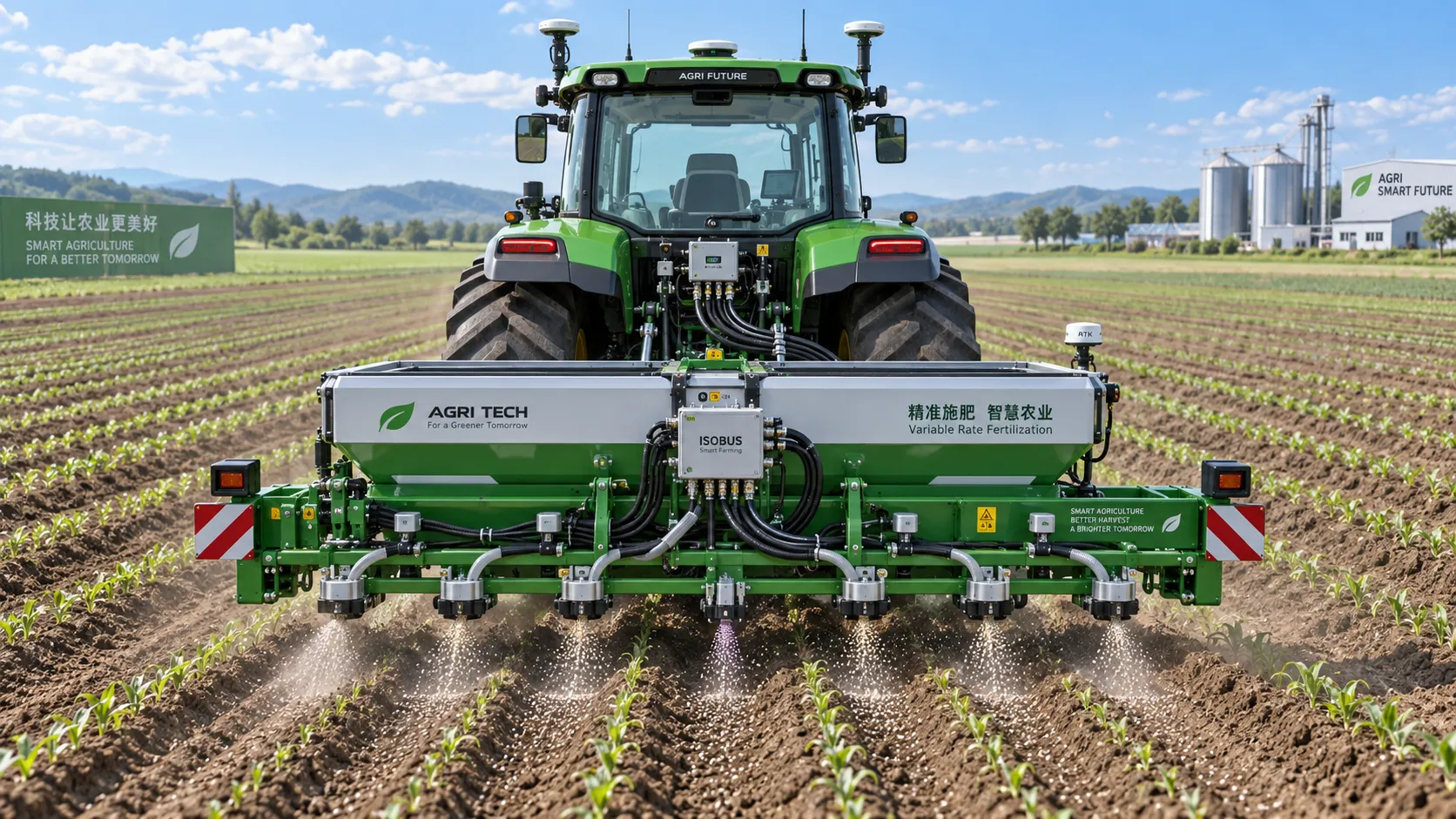
ISOBUS for Smart Agriculture: How It Connects Tractors, Implements, and Farm Data
ISOBUS for smart agriculture connects tractors, implements, terminals, and farm data—helping growers improve precision, documentation, and smarter field decisions.
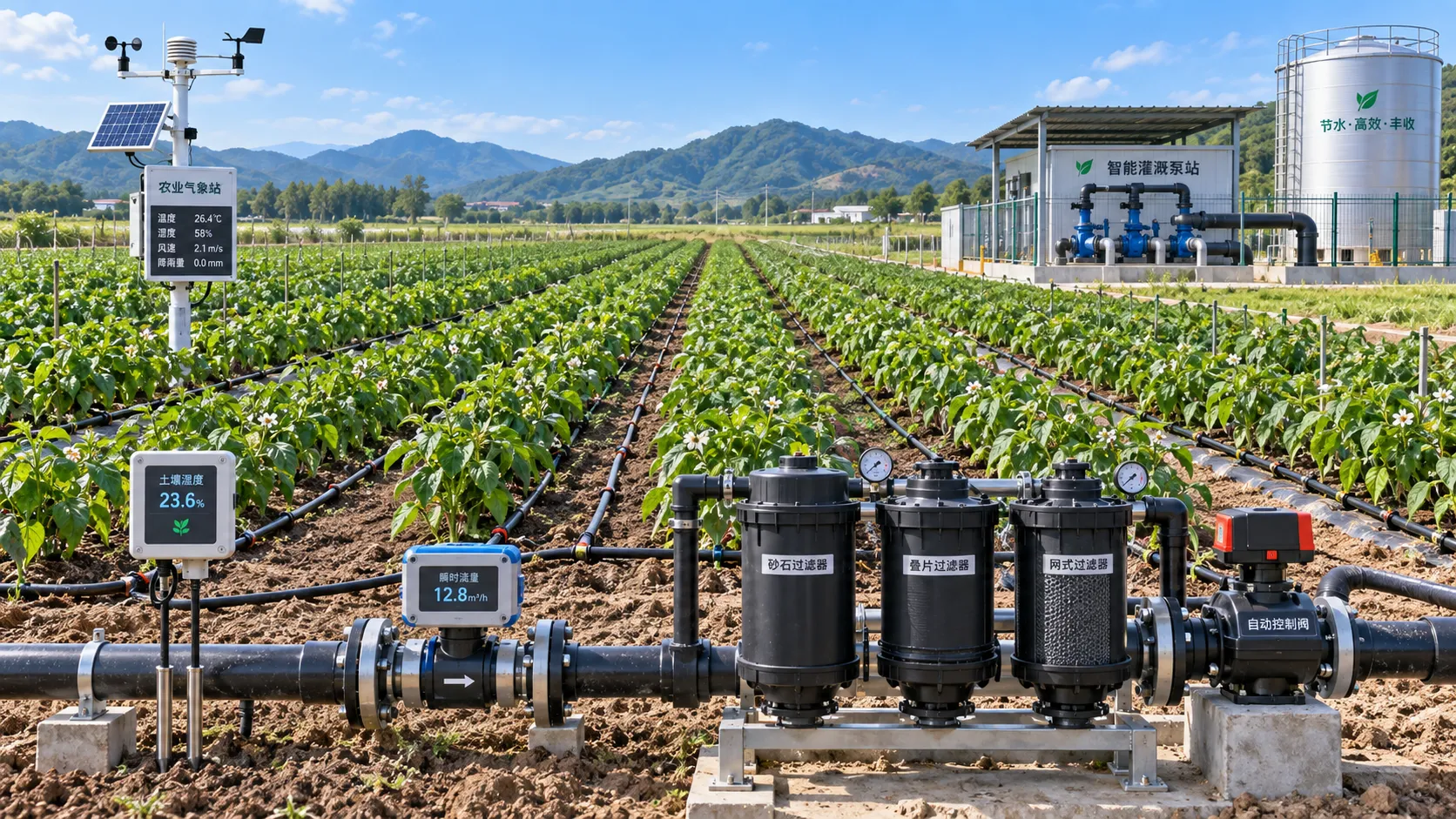
Automated Water-Saving Irrigation: How to Cut Water Use Without Reducing Crop Yields
Automated water-saving irrigation helps farms cut water use, protect crop yields, improve scheduling, and gain reliable control with sensors, flow monitoring, and smart zones.
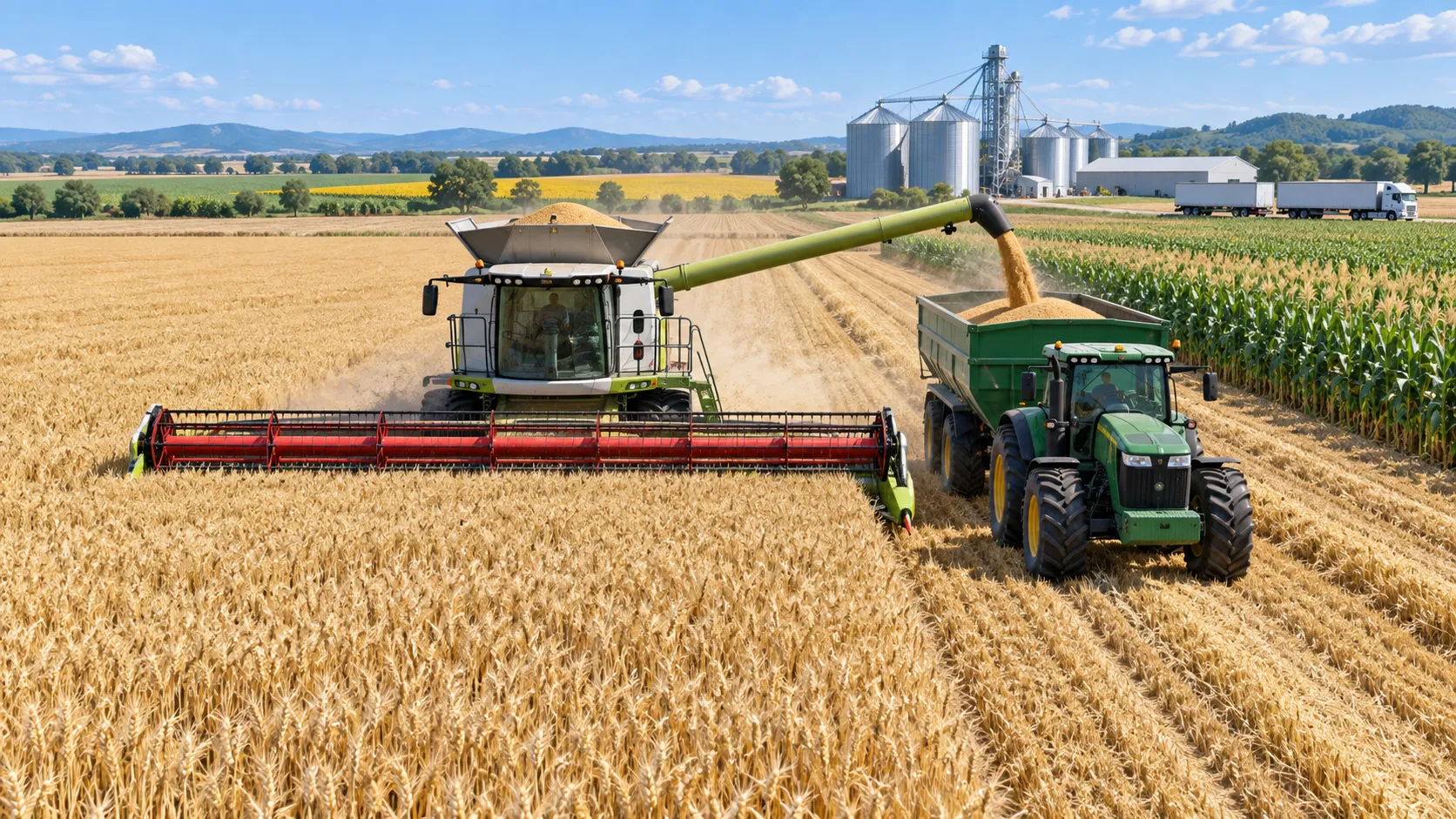
Selecting Grain Farm Equipment by Acreage, Crop Mix, and Harvest Window
Agricultural equipment selection for grain farming: match machinery to acreage, crop mix, and harvest windows to improve uptime, efficiency, and returns.
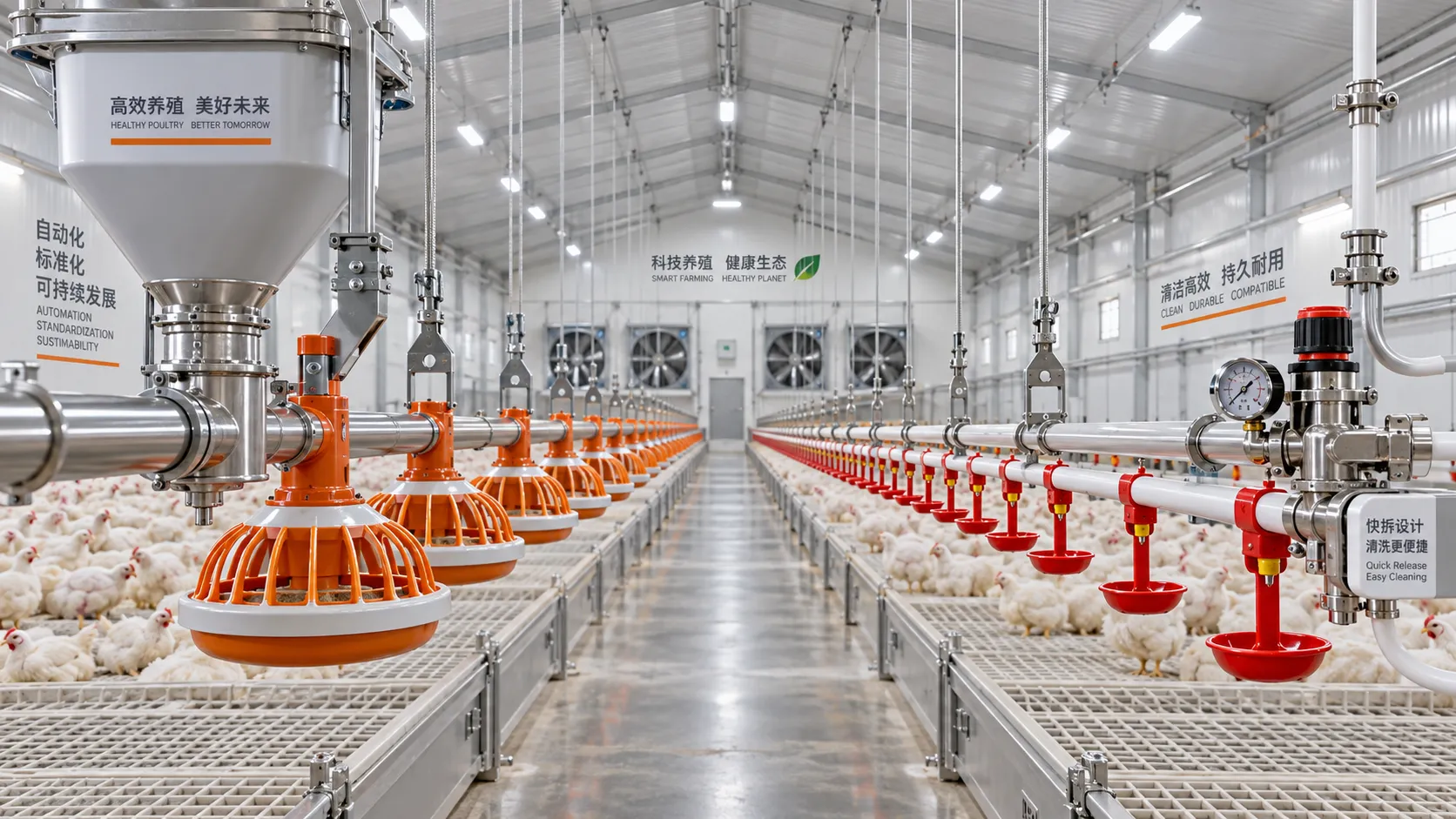
Poultry Equipment Selection: Evaluating Durability, Cleaning, and Compatibility
Poultry equipments selection guide: evaluate durability, cleaning access, and system compatibility to improve hygiene, reduce downtime, and support efficient flock management.
How to Select Heavy-Duty Farm Implements for High-Acreage, High-Horsepower Operations
Heavy duty farm implements: learn how to match draft, hydraulics, hitch capacity, frame strength, and field conditions for reliable high-acreage performance.
Smart Farming Technology for Dairy Farms: Where Automation Delivers Measurable ROI
Smart farming technology for dairy farms delivers measurable ROI through automation, precision feeding, health monitoring, and data-driven cost control.
Related News
- 00
0000-00
How Does Farm Mechanization Affect Food Security in Developing Regions? - 00
0000-00
Agricultural Technology Insights by Region: Where Adoption Is Growing Fastest - 00
0000-00
How Climate-Smart Agriculture Technology Improves Yield, Soil Health, and Risk Resilience - 00
0000-00
Smart Farming Solutions in Latin America: Which Technologies Fit Large Farms Best? - 00
0000-00
Long-Cycle Agri-Trade Price Trends: How to Read Supply, Freight, and Currency Signals
Popular Tags
Prof. Marcus Chen
Weekly Insights
Stay ahead with our curated technology reports delivered every Monday.