
Electric Farm Equipment vs Diesel Machines: How to Compare Range, Power, and Charging Needs
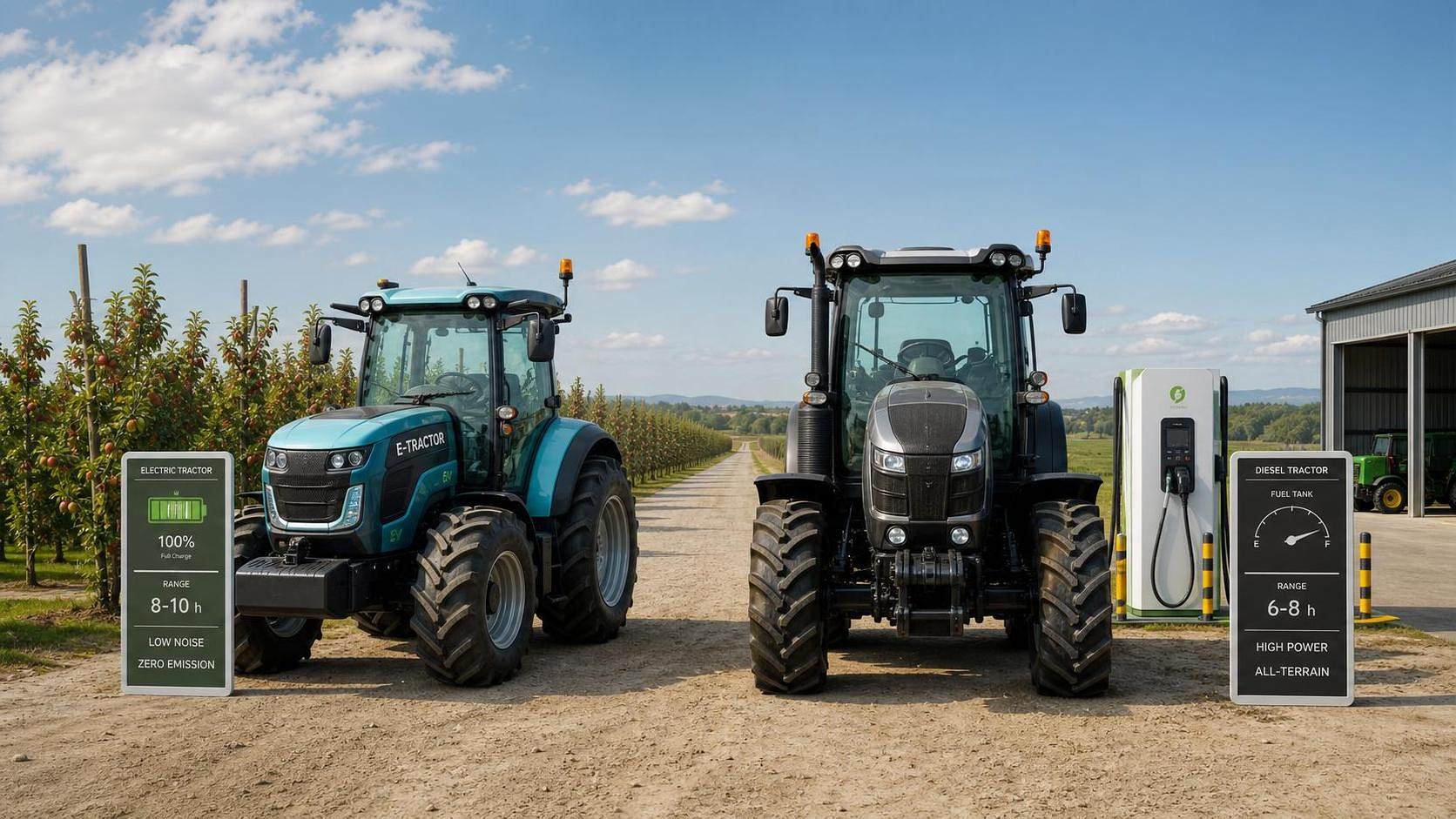




Electric farm equipment is no longer a niche topic in agricultural investment. When compared with diesel machines, the real question is not only energy source, but whether the machine can sustain field output, fit operating schedules, and support long-term cost control.
That comparison matters more now because large farms face tighter emissions targets, volatile fuel pricing, labor pressure, and growing interest in digital fleet management. In the Agriculture 4.0 landscape tracked by AP-Strategy, equipment decisions increasingly connect machine performance with data visibility, resource efficiency, and operational resilience.
For this reason, evaluating electric farm equipment against diesel alternatives requires a practical view of range, torque delivery, charging needs, work windows, and site infrastructure. A machine may look attractive on paper, yet fail if it cannot finish a spraying round, support hydraulic loads, or recover energy between shifts.
Why this comparison is moving to the center of farm planning
Diesel has long dominated heavy agricultural work because it offers predictable refueling, high energy density, and broad service support. That advantage remains important in primary tillage, long harvest days, and remote operations.
At the same time, electric farm equipment is gaining attention in orchards, vineyards, dairy units, municipal farming, controlled environments, and repetitive field tasks. In these settings, quieter operation, lower maintenance, and precise power control can create measurable value.
The shift is also strategic. AP-Strategy’s coverage of tractor chassis, intelligent farm tools, and water-saving systems reflects a wider market pattern: machines are being judged not only by horsepower, but by how they fit connected, lower-input, sustainability-oriented production systems.
Range is about duty cycle, not brochure distance
Range is often misunderstood because agricultural work does not resemble road transport. A field machine may idle, accelerate, climb, pull implements, run PTO-driven tools, or power hydraulics within the same hour.
That means electric farm equipment should be assessed by duty cycle. The useful question is how many productive hours the machine delivers under actual load, not the maximum duration under light conditions.
What changes real-world battery endurance
- Terrain, especially slopes and soft soil, increases energy draw.
- Implement weight and draft resistance can sharply reduce runtime.
- Hydraulic demand often matters as much as traction demand.
- Ambient temperature affects battery efficiency and charging speed.
- Transport distance between fields can consume useful operating capacity.
Diesel machines are easier to recover during peak season because refueling is fast. Electric farm equipment can still compete when daily work is structured, route lengths are known, and charging windows align with labor breaks or overnight parking.
Power delivery is not just a horsepower number
Many electric drives deliver instant torque, which can be a major advantage in stop-start tasks, loader work, and precision navigation. Smooth torque response also helps reduce operator fatigue and improve low-speed control.
Still, continuous heavy pulling is a different test. Diesel engines often maintain field endurance more easily when operations require long periods at high drawbar load or constant PTO demand.
In practical terms, the comparison should separate peak power from sustained usable power. Some electric farm equipment performs extremely well in short, repeated cycles, but may de-rate when the battery heats up or state of charge drops.
Performance areas worth checking closely
This is especially relevant for high-value crops and precision work. Better controllability can matter as much as raw output when crop protection, row accuracy, and repeatability drive returns.
Charging needs can decide the project before the machine does
Charging is where many electric equipment proposals become either credible or impractical. A good machine on a weak site plan can create bottlenecks during critical planting or harvest windows.
The first issue is available electrical capacity. Farms with irrigation pumps, cold storage, grain handling, or workshop loads may already face peak demand pressure. Adding chargers without reviewing load profiles can create expensive upgrades.
The second issue is charging speed versus work rhythm. Overnight charging may suit compact tractors or utility vehicles. It may not suit intensive multi-shift operations unless battery swapping or fast charging is available.
A practical charging checklist
- Map daily machine hours by task, season, and location.
- Check grid capacity and existing peak electrical loads.
- Estimate time to recharge from realistic remaining battery levels.
- Review weather protection and charger placement at service points.
- Clarify whether mobile charging or battery exchange is possible.
In many cases, charging strategy is less about technology and more about logistics discipline. Electric farm equipment works best when the machine schedule and the energy schedule are designed together.
Where electric farm equipment already makes business sense
Not every farm task needs the same energy model. The strongest candidates for electrification are often tasks with repeatable routes, controlled downtime, and moderate power demand.
Examples include loader work around livestock facilities, orchard transport, vineyard spraying, greenhouse logistics, utility transport, and specialized municipal or campus agriculture. These applications benefit from low noise, reduced exhaust exposure, and predictable return-to-base patterns.
Autonomous and sensor-based operations also support the case. AP-Strategy’s focus on intelligent farm tools highlights a useful pattern: when a machine works within defined routes and data-rich task plans, electric farm equipment becomes easier to schedule and optimize.
By contrast, remote broadacre tillage, long-distance haul work, and high-load harvest support still often favor diesel, especially where service reach and refueling flexibility remain decisive.
Cost comparison should include infrastructure and asset utilization
Electric farm equipment is often evaluated through lower energy and maintenance cost. That is valid, but incomplete. The full picture includes charger installation, transformer upgrades, downtime risk, battery replacement planning, and residual value uncertainty.
Diesel machines usually bring familiar maintenance routines, wider dealer support, and stronger resale benchmarks. Electric machines may offset part of that through fewer moving parts, lower fluid use, and easier fleet monitoring.
The more important metric is cost per productive hour. If a lower-energy machine needs extra units to cover the same work window, the headline savings can narrow quickly.
Questions that improve a total-cost review
- How many annual hours will the machine actually achieve?
- Will charging downtime reduce seasonal asset utilization?
- What support commitment exists for batteries and power electronics?
- Can on-site renewable energy improve charging economics?
- How sensitive is the model to local fuel and power prices?
How to make a better comparison before committing capital
A useful buying process starts with task segmentation. Separate heavy draft work, transport work, precision operations, and stationary support roles. The right answer may be a mixed fleet rather than a full replacement strategy.
Then compare machines against the same field conditions, not generic spec sheets. A realistic test should include implement load, turnaround time, battery recovery, and operator workflow.
It also helps to review wider system effects. If electric farm equipment supports sustainability reporting, quieter night work, lower indoor emissions, or integration with precision scheduling, that value belongs in the decision.
The strongest decisions usually come from linking machine data, agronomic timing, and site energy capacity. That is where intelligence-led evaluation becomes more useful than simple brand comparison.
A grounded next step
Electric farm equipment should be judged by work completed, not by technology appeal alone. Diesel should also be judged by more than familiarity, especially where sustainability targets and operating costs are tightening.
A sensible next step is to build a task-by-task comparison matrix covering range, sustained power, charging time, infrastructure readiness, and cost per productive hour. From there, shortlisting becomes clearer, and pilot decisions become easier to defend.
For organizations following global equipment trends through AP-Strategy, the most valuable perspective is not whether electric replaces diesel everywhere. It is where each power system creates the strongest operational fit in a more connected, resource-aware farming model.
Related News
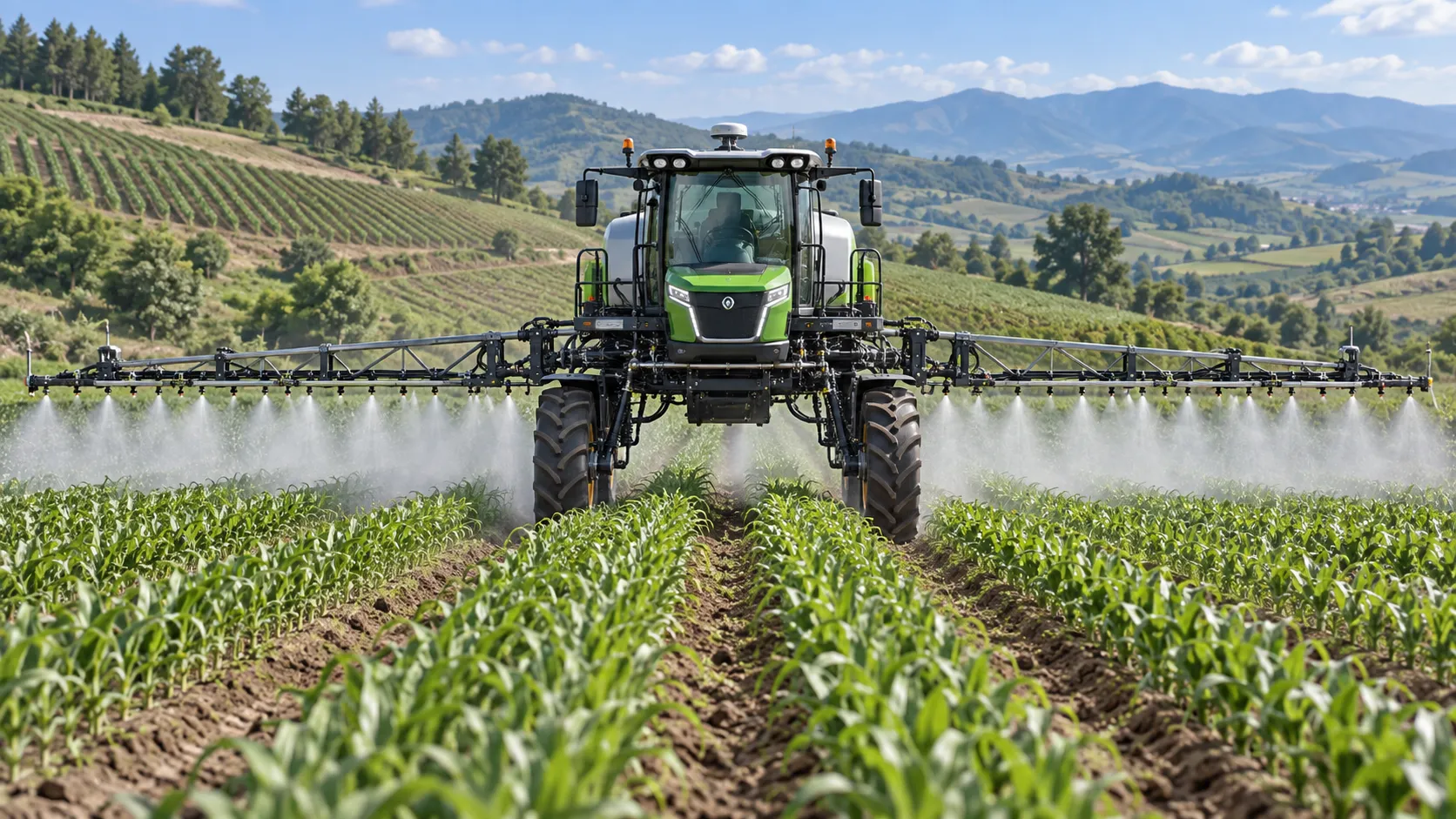
How to Select Precision Crop Protection Equipment for Variable Field Conditions
Precision crop protection equipment selection made simple: compare terrain, canopy, weather, control accuracy, and data workflows for reliable applications.

When Does Agricultural Machinery Leasing Cost Less Than Owning Equipment?
Agricultural machinery leasing can lower farm costs when use is seasonal or uncertain. Compare utilization, maintenance, cash flow, and risk to make a smarter equipment decision.

How to Evaluate Precision Fertilization System Suppliers for Farm-Scale Deployment
Precision fertilization systems suppliers: learn how to compare accuracy, integration, uptime, service, and total cost for confident farm-scale deployment.

ISOBUS for Smart Agriculture: How It Connects Tractors, Implements, and Farm Data
ISOBUS for smart agriculture connects tractors, implements, terminals, and farm data—helping growers improve precision, documentation, and smarter field decisions.
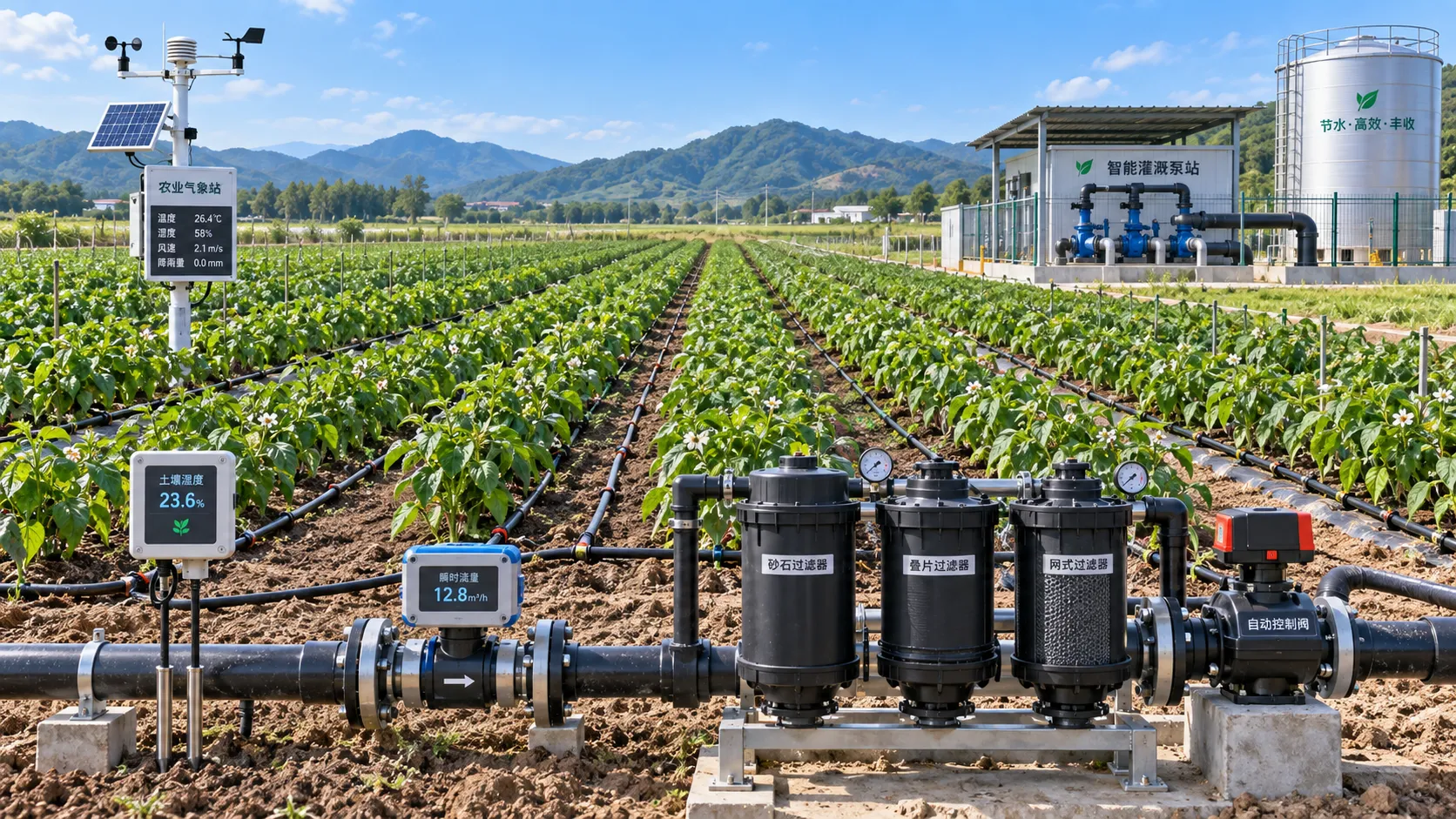
Automated Water-Saving Irrigation: How to Cut Water Use Without Reducing Crop Yields
Automated water-saving irrigation helps farms cut water use, protect crop yields, improve scheduling, and gain reliable control with sensors, flow monitoring, and smart zones.
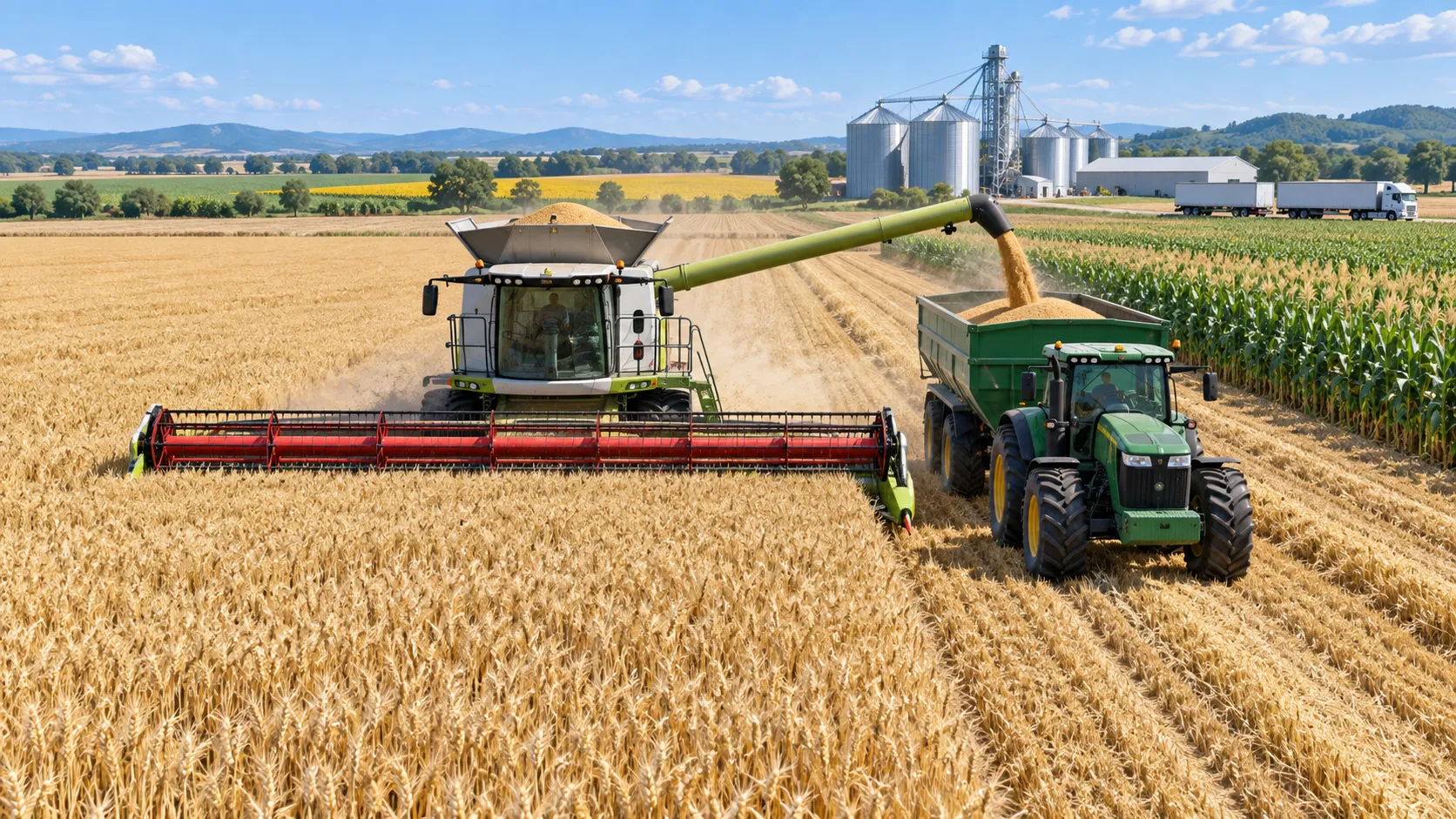
Selecting Grain Farm Equipment by Acreage, Crop Mix, and Harvest Window
Agricultural equipment selection for grain farming: match machinery to acreage, crop mix, and harvest windows to improve uptime, efficiency, and returns.
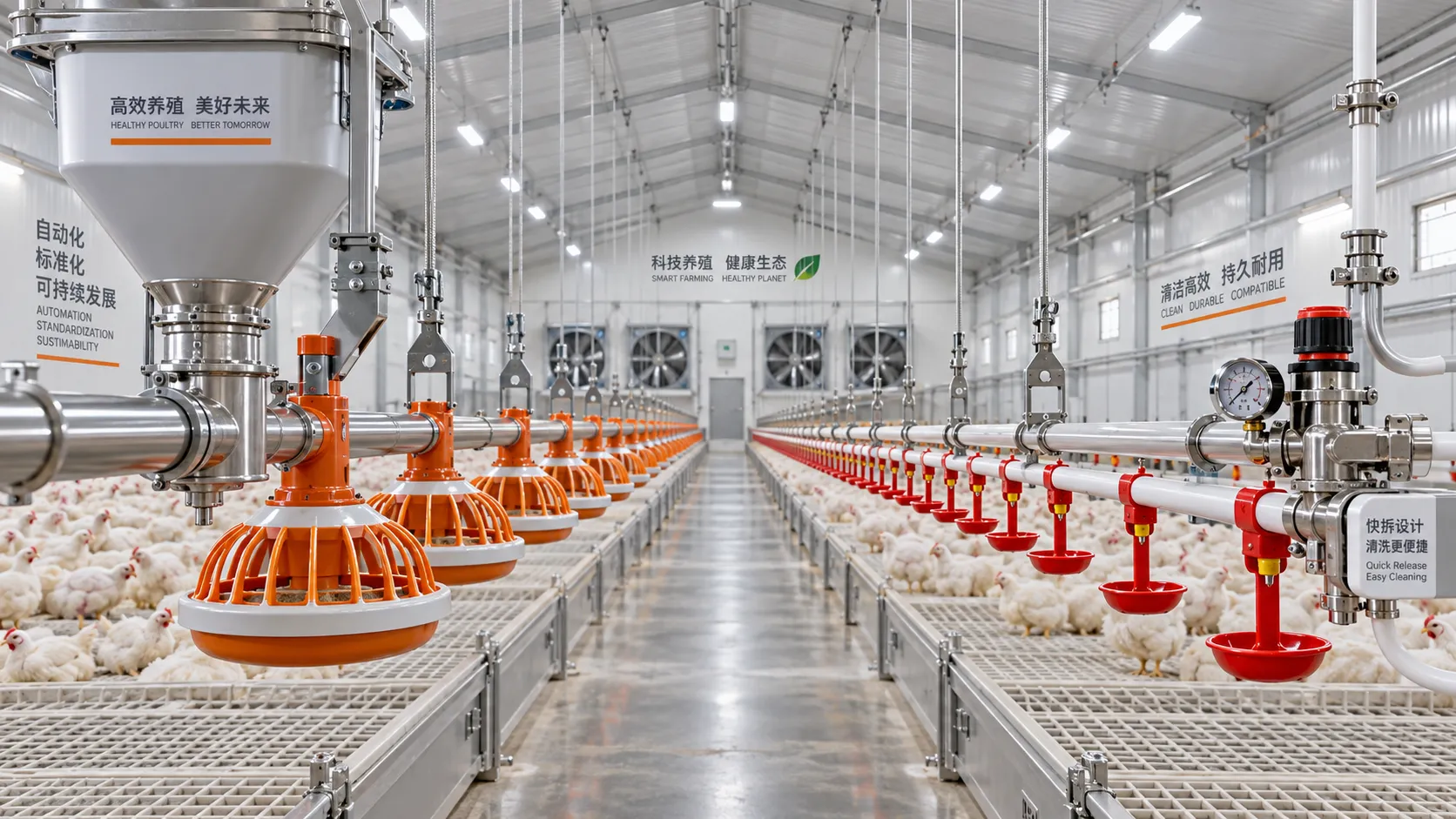
Poultry Equipment Selection: Evaluating Durability, Cleaning, and Compatibility
Poultry equipments selection guide: evaluate durability, cleaning access, and system compatibility to improve hygiene, reduce downtime, and support efficient flock management.
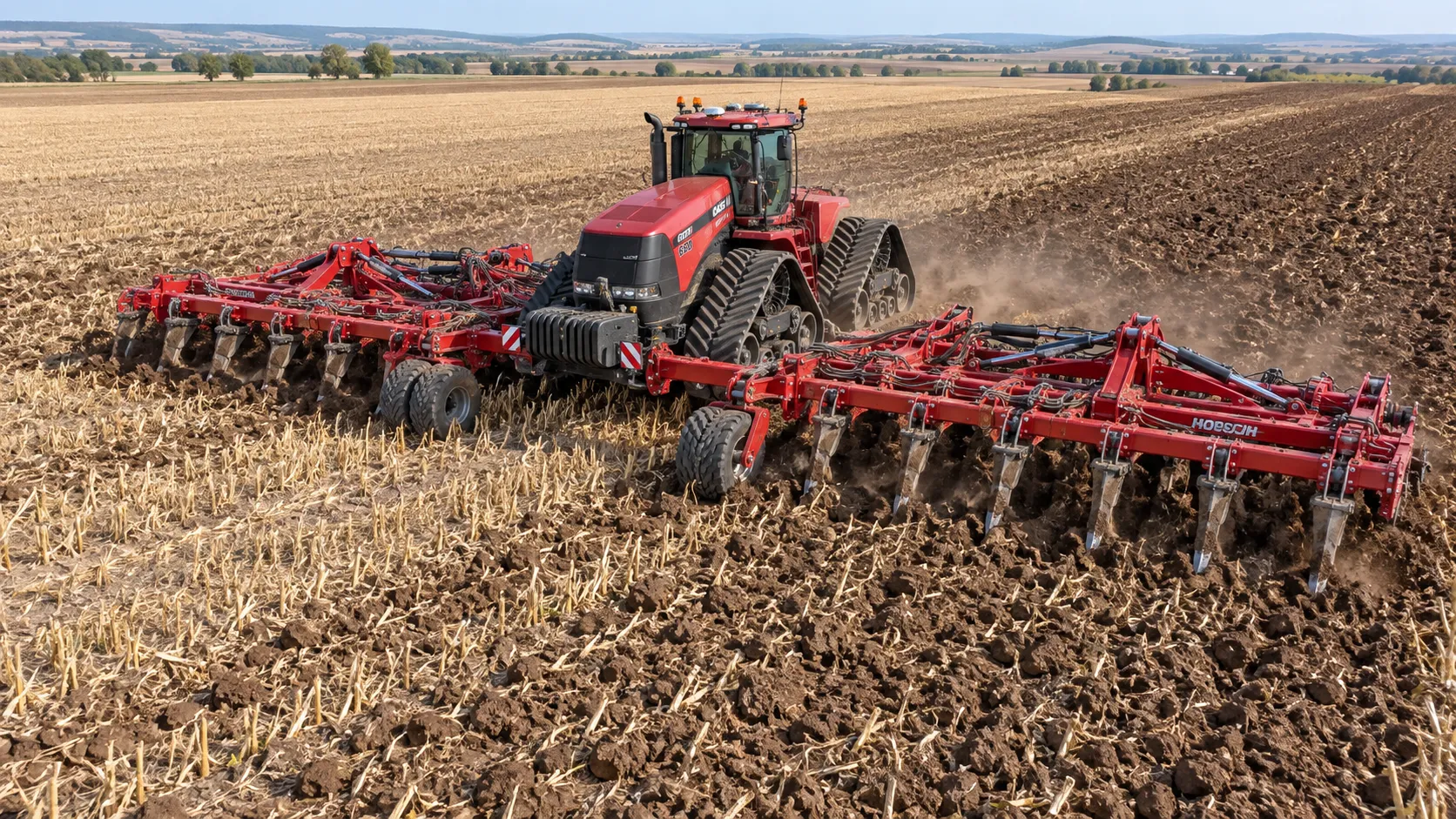
How to Select Heavy-Duty Farm Implements for High-Acreage, High-Horsepower Operations
Heavy duty farm implements: learn how to match draft, hydraulics, hitch capacity, frame strength, and field conditions for reliable high-acreage performance.
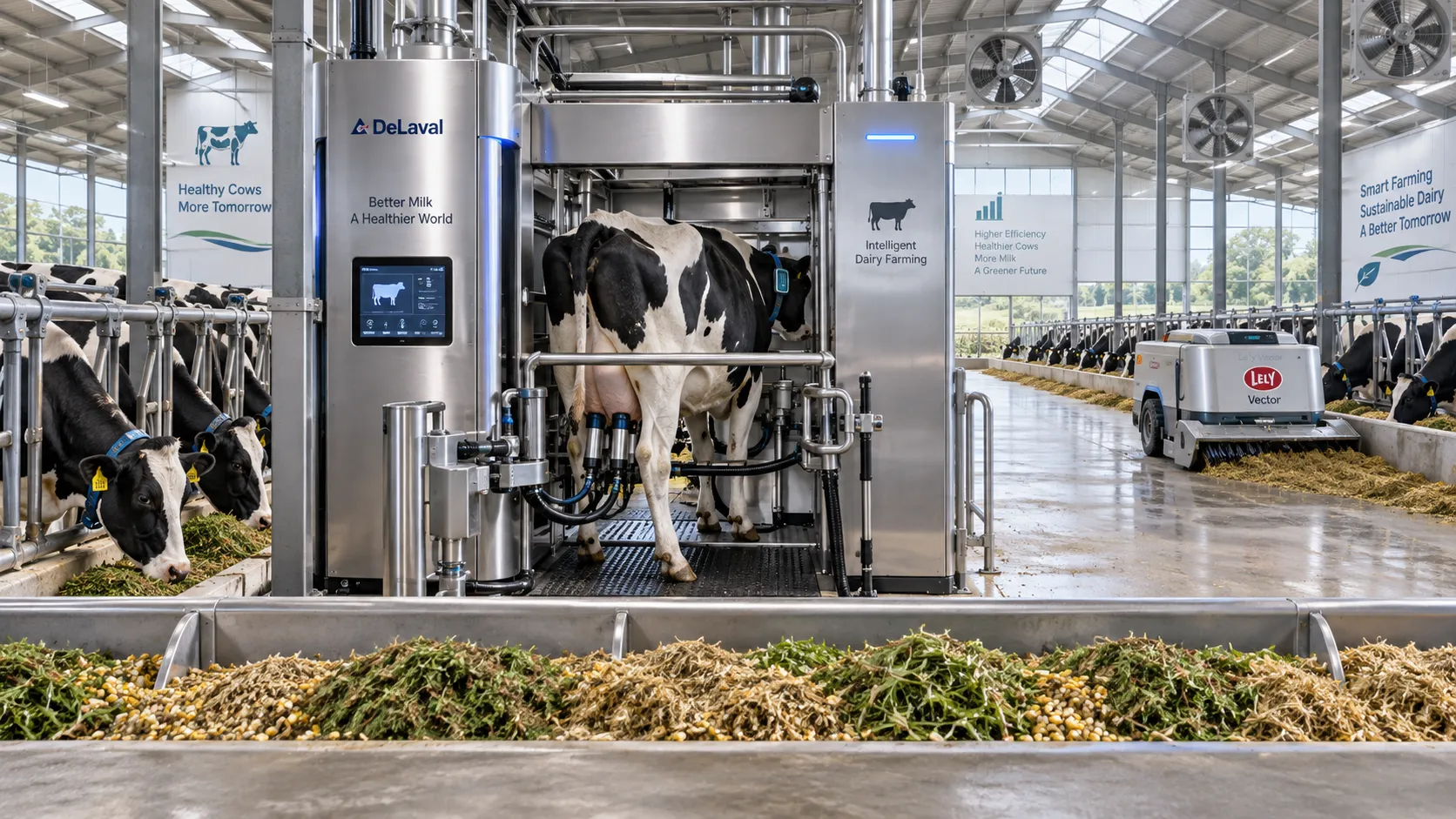
Smart Farming Technology for Dairy Farms: Where Automation Delivers Measurable ROI
Smart farming technology for dairy farms delivers measurable ROI through automation, precision feeding, health monitoring, and data-driven cost control.
Related News
- 00
0000-00
How Does Farm Mechanization Affect Food Security in Developing Regions? - 00
0000-00
Agricultural Technology Insights by Region: Where Adoption Is Growing Fastest - 00
0000-00
How Climate-Smart Agriculture Technology Improves Yield, Soil Health, and Risk Resilience - 00
0000-00
Smart Farming Solutions in Latin America: Which Technologies Fit Large Farms Best? - 00
0000-00
Long-Cycle Agri-Trade Price Trends: How to Read Supply, Freight, and Currency Signals
Popular Tags
Prof. Marcus Chen
Weekly Insights
Stay ahead with our curated technology reports delivered every Monday.