
How Climate-Resilient Agriculture Improves Yield Stability in Drought and Flood Conditions
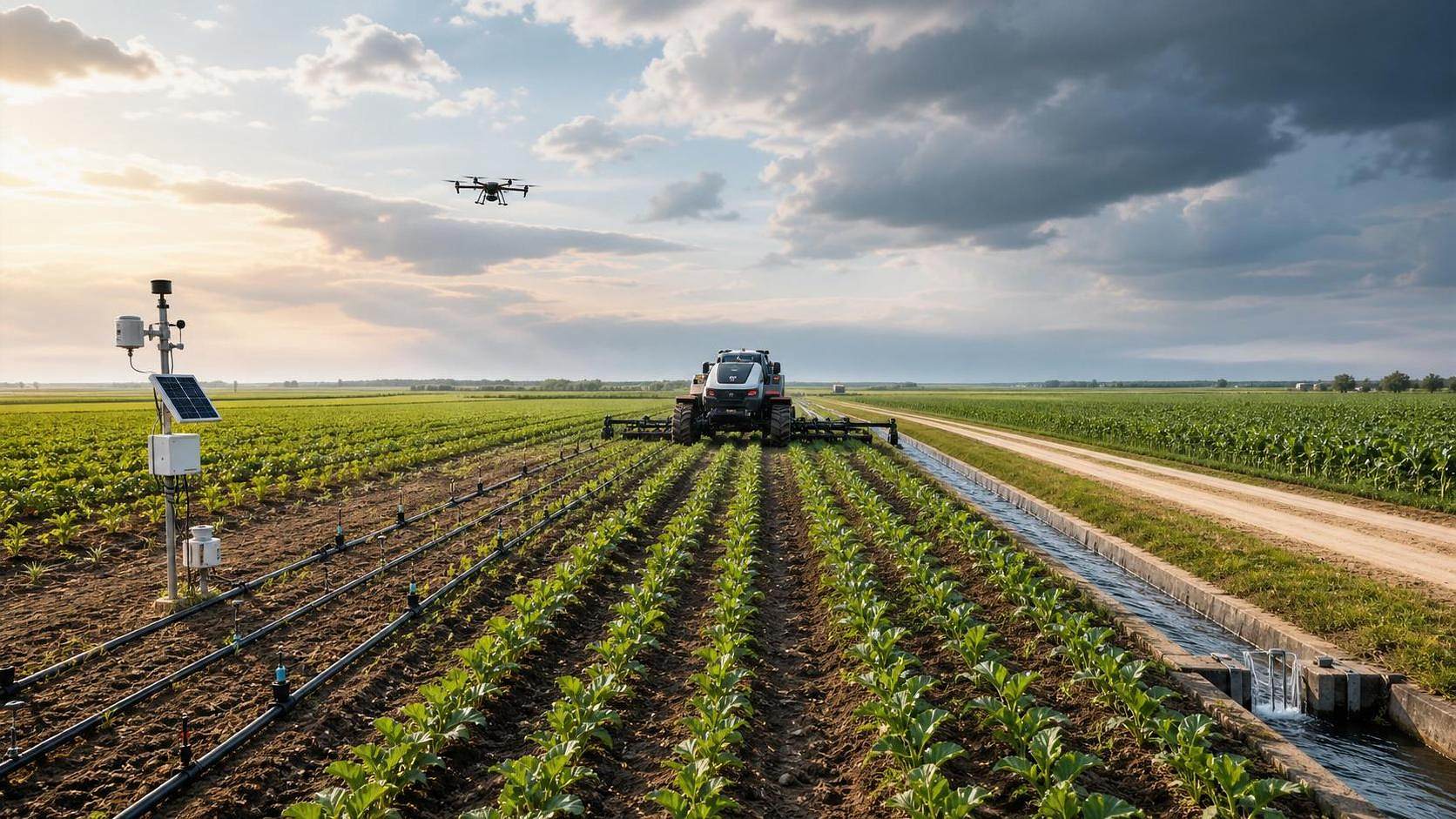




Why is climate-resilient agriculture now a board-level concern?
Climate shocks no longer sit at the edge of farm planning. They now shape yield forecasts, capital timing, and supply security across entire agricultural value chains.
That is why climate-resilient agriculture has moved from a sustainability topic to an operating priority. Drought cuts plant development. Floods delay field access, damage roots, and compress harvest windows.
For large-scale operations, the biggest issue is not only lower output. It is unstable output. Volatility in yield often creates more financial stress than a single poor season.
In practical terms, climate-resilient agriculture aims to keep production dependable under weather extremes. The goal is not to eliminate risk entirely. The goal is to absorb shocks better than conventional systems.
This usually combines field practices, water management, equipment choices, and decision intelligence. When these parts work together, farms can protect crop performance and reduce costly emergency responses.
AP-Strategy often frames this through an Agriculture 4.0 lens. Mechanical performance, irrigation efficiency, sensor feedback, and market intelligence all influence how resilient a production system really is.
What does climate-resilient agriculture actually include on the ground?
Many people treat climate-resilient agriculture as a single technology. It is better understood as a coordinated operating model built for unstable moisture conditions.
In drought-prone areas, resilience often starts with water-saving irrigation, soil moisture retention, and field-level timing. In flood-prone areas, drainage capacity, trafficability, and harvest adaptability become equally important.
The most effective systems usually combine biological, mechanical, and digital measures rather than relying on one intervention.
- Precision irrigation that matches application rates to crop stage and soil conditions.
- Large-scale machinery configured to reduce compaction and support timely field operations.
- Intelligent farm tools using positioning and sensors for variable-rate input placement.
- Adaptive combine harvesting systems that limit losses in uneven or weather-damaged crops.
- Data models that track rainfall, evapotranspiration, soil moisture, and harvest windows.
A useful way to view climate-resilient agriculture is simple: it protects plant health during stress, preserves field access during disruption, and improves recovery speed after extreme events.
That broader definition matters because yield stability depends on the full production sequence, from soil preparation to post-rain harvesting, not only on irrigation alone.
How does climate-resilient agriculture improve yield stability in drought and flood conditions?
The answer is different for drought and floods, but the principle is the same. Resilience improves the probability of acceptable performance when normal growing conditions break down.
In drought years, where does the gain usually come from?
Yield stability improves when crops lose less water, receive more precise irrigation, and avoid stress at critical growth stages. Timing often matters more than total water volume.
Smart irrigation networks help allocate limited water to the highest-value zones first. Sensor-driven scheduling also reduces overwatering, which wastes energy and weakens drought planning.
Machinery choices matter too. Tractors, implements, and traffic strategies that preserve soil structure can improve infiltration and root development, which helps crops use water more effectively.
And in flood conditions?
Flood resilience depends heavily on speed and recovery. Can water move away quickly? Can equipment re-enter fields without severe compaction? Can harvest losses be contained if maturity becomes uneven?
This is where combine harvester performance and chassis capability become strategic, not merely operational. Narrow harvest windows demand machines that work efficiently under variable crop density and moisture.
AP-Strategy’s coverage of cleaning-loss algorithms and high-efficiency harvesting benchmarks reflects this reality. In difficult seasons, small improvements in recovery and low-loss harvesting protect final yield more than expected.
Climate-resilient agriculture therefore improves yield stability by reducing exposure before the event, supporting response during the event, and preserving harvestable output after the event.
Which capabilities deserve priority when comparing resilience investments?
Not every climate-resilient agriculture investment delivers equal value. A common mistake is to buy visible technology before identifying the operation’s main source of instability.
A clearer starting point is to compare the field bottlenecks that most often reduce yield consistency. The table below helps frame that decision.
In many cases, the strongest returns come from connecting these capabilities. Precision irrigation helps during drought, but its value rises when linked with field sensors and operational planning.
The same logic applies to harvest resilience. Equipment performance matters most when supported by timely field intelligence, maintenance readiness, and clear loss thresholds.
What are the most common misunderstandings about climate-resilient agriculture?
One misunderstanding is that climate-resilient agriculture is only about environmental branding. In reality, it is closely tied to throughput, asset utilization, and risk-adjusted productivity.
Another misconception is that resilience means adding more hardware everywhere. More common success comes from better targeting, better timing, and better integration across existing systems.
- Do not assume the same response works for both drought and flood stress.
- Do not evaluate machinery only by peak performance in ideal field conditions.
- Do not separate irrigation decisions from harvest and traffic planning.
- Do not ignore data quality when using predictive or prescription tools.
There is also a timing error many operations make. They wait for repeated losses before investing in climate-resilient agriculture, even when weather volatility is already visible in multi-year data.
A more disciplined approach is to define which climate events create the greatest margin pressure, then build resilience around those exact breakpoints.
How should the next implementation step be judged?
A good next step is rarely the broadest one. It is usually the move that stabilizes the most exposed part of the production system within a realistic investment cycle.
In practice, climate-resilient agriculture should be judged across four filters: yield protection, operational continuity, resource efficiency, and decision visibility.
That is where sector intelligence becomes useful. AP-Strategy’s focus on machinery evolution, intelligent irrigation, and field decision models offers a helpful framework for comparing resilience options without reducing them to simple equipment purchases.
If the objective is stable output under drought and flood pressure, start by mapping where losses actually occur. Then compare whether water systems, harvesting systems, chassis capability, or precision tools will close that gap first.
Climate-resilient agriculture works best when it is treated as a system design question. The strongest results come from linking land, machines, water, and data into one response logic.
A sensible action plan is to review recent weather-linked losses, set yield stability thresholds, and build a shortlist of upgrades against those metrics. That makes future investment decisions more consistent, measurable, and defensible.
Related News
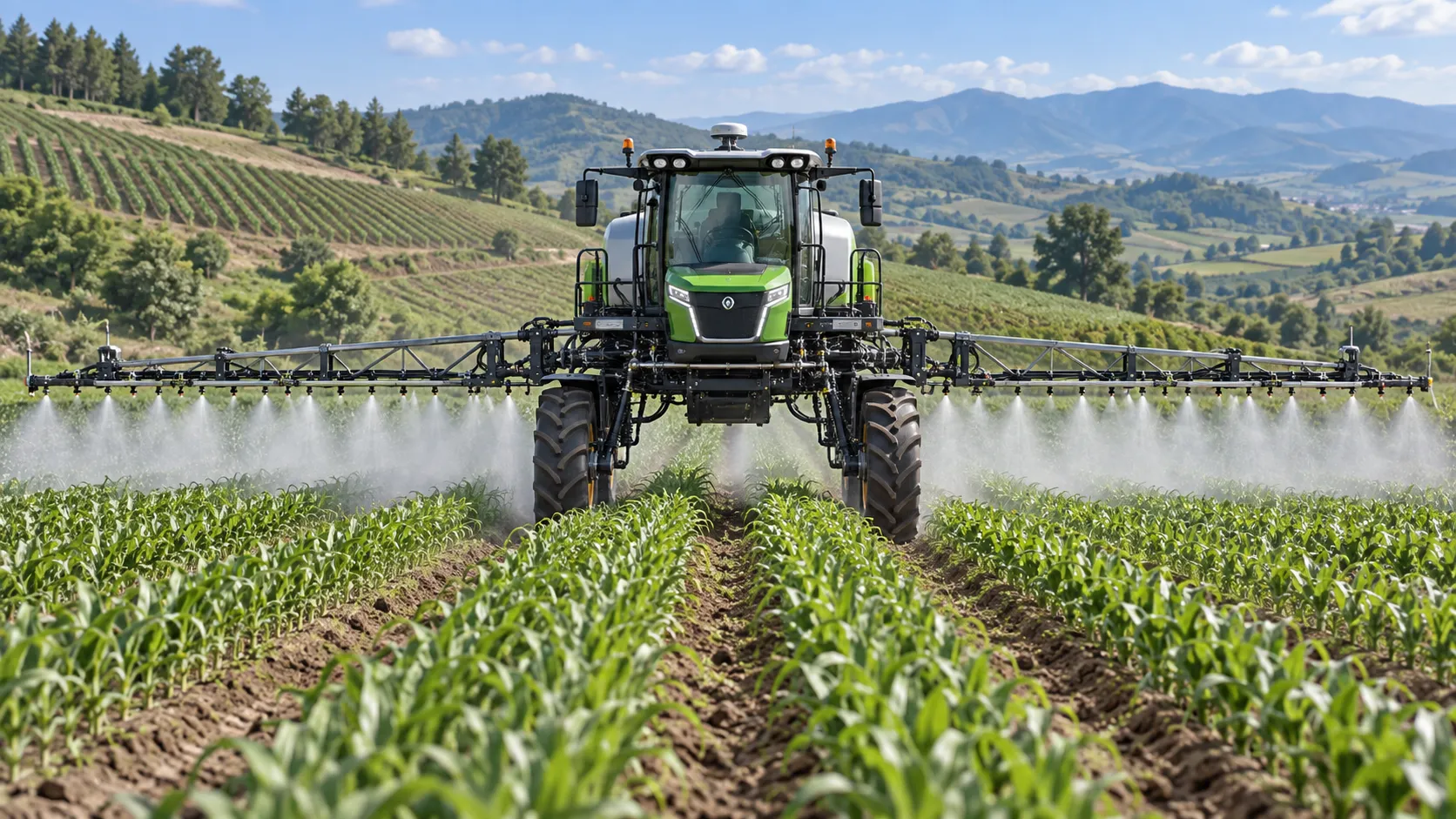
How to Select Precision Crop Protection Equipment for Variable Field Conditions
Precision crop protection equipment selection made simple: compare terrain, canopy, weather, control accuracy, and data workflows for reliable applications.

When Does Agricultural Machinery Leasing Cost Less Than Owning Equipment?
Agricultural machinery leasing can lower farm costs when use is seasonal or uncertain. Compare utilization, maintenance, cash flow, and risk to make a smarter equipment decision.
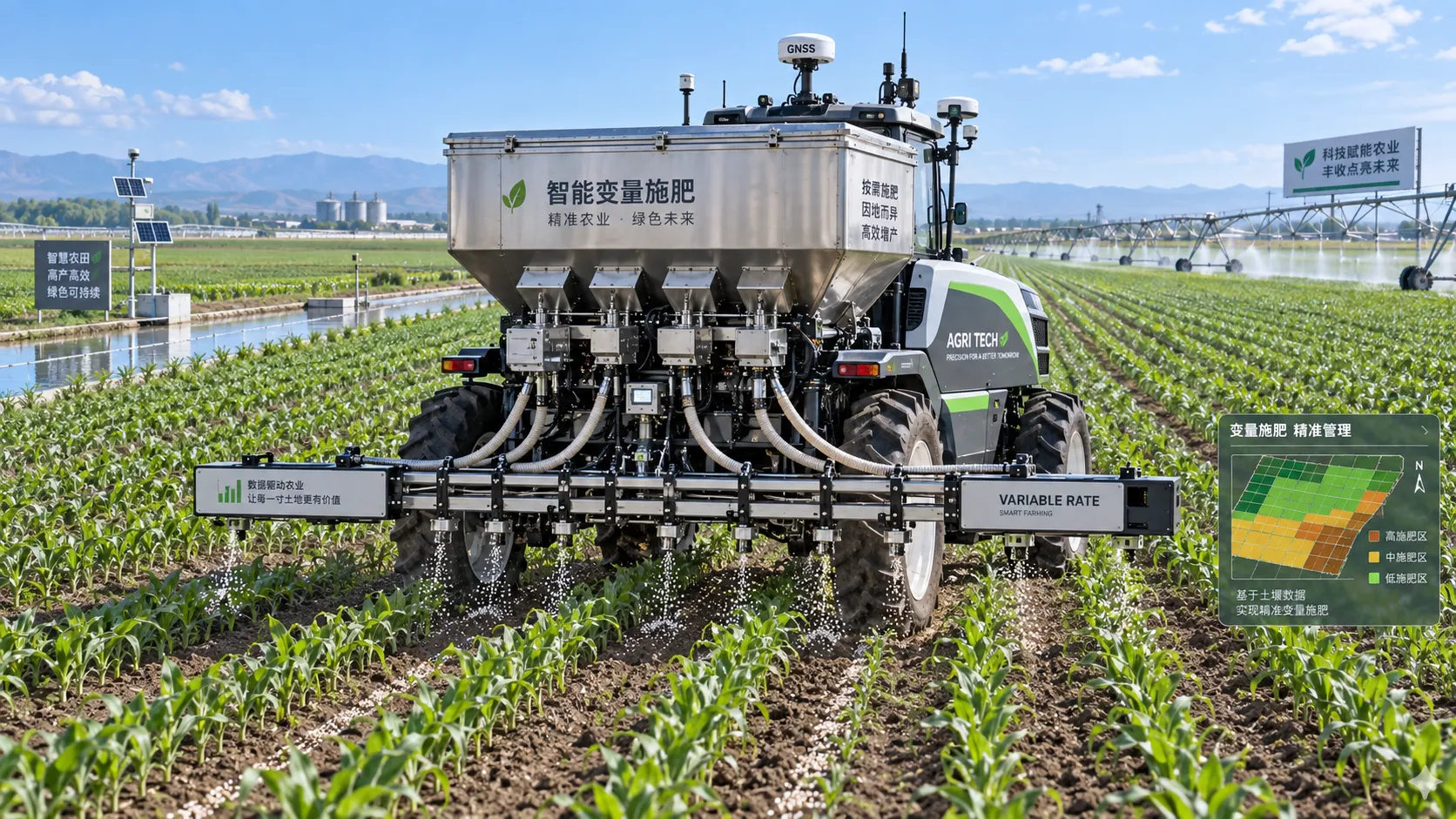
How to Evaluate Precision Fertilization System Suppliers for Farm-Scale Deployment
Precision fertilization systems suppliers: learn how to compare accuracy, integration, uptime, service, and total cost for confident farm-scale deployment.
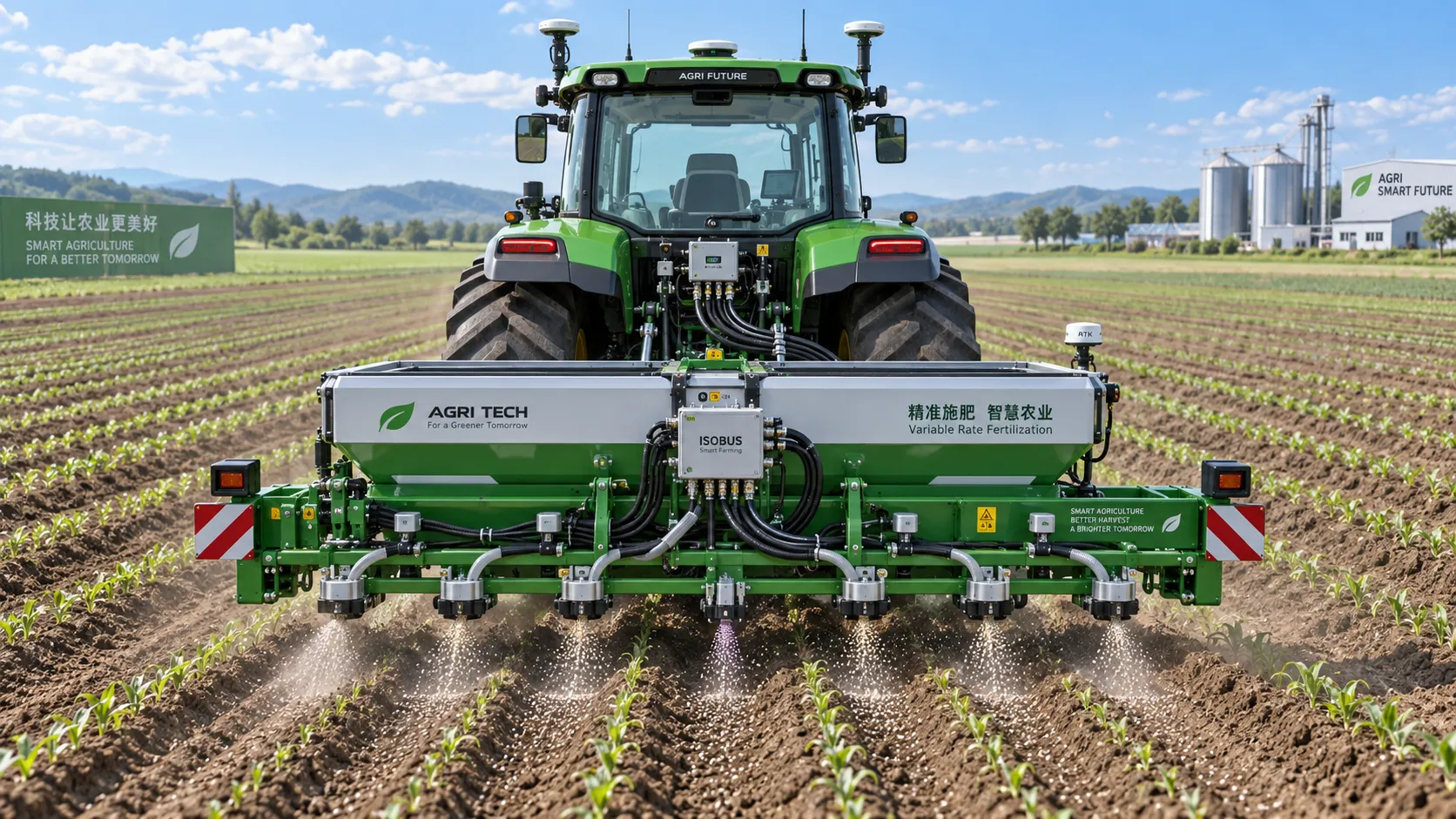
ISOBUS for Smart Agriculture: How It Connects Tractors, Implements, and Farm Data
ISOBUS for smart agriculture connects tractors, implements, terminals, and farm data—helping growers improve precision, documentation, and smarter field decisions.
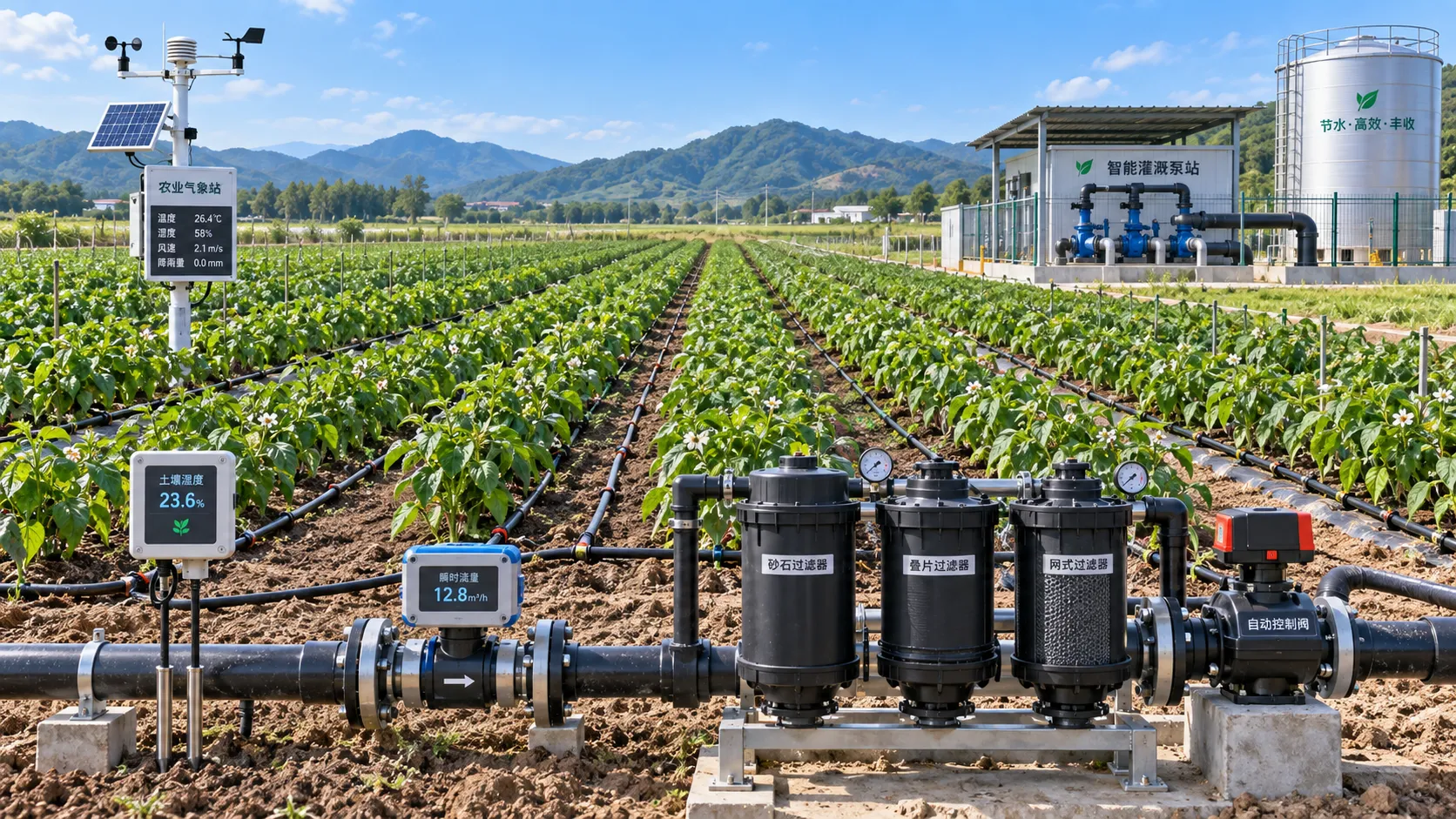
Automated Water-Saving Irrigation: How to Cut Water Use Without Reducing Crop Yields
Automated water-saving irrigation helps farms cut water use, protect crop yields, improve scheduling, and gain reliable control with sensors, flow monitoring, and smart zones.
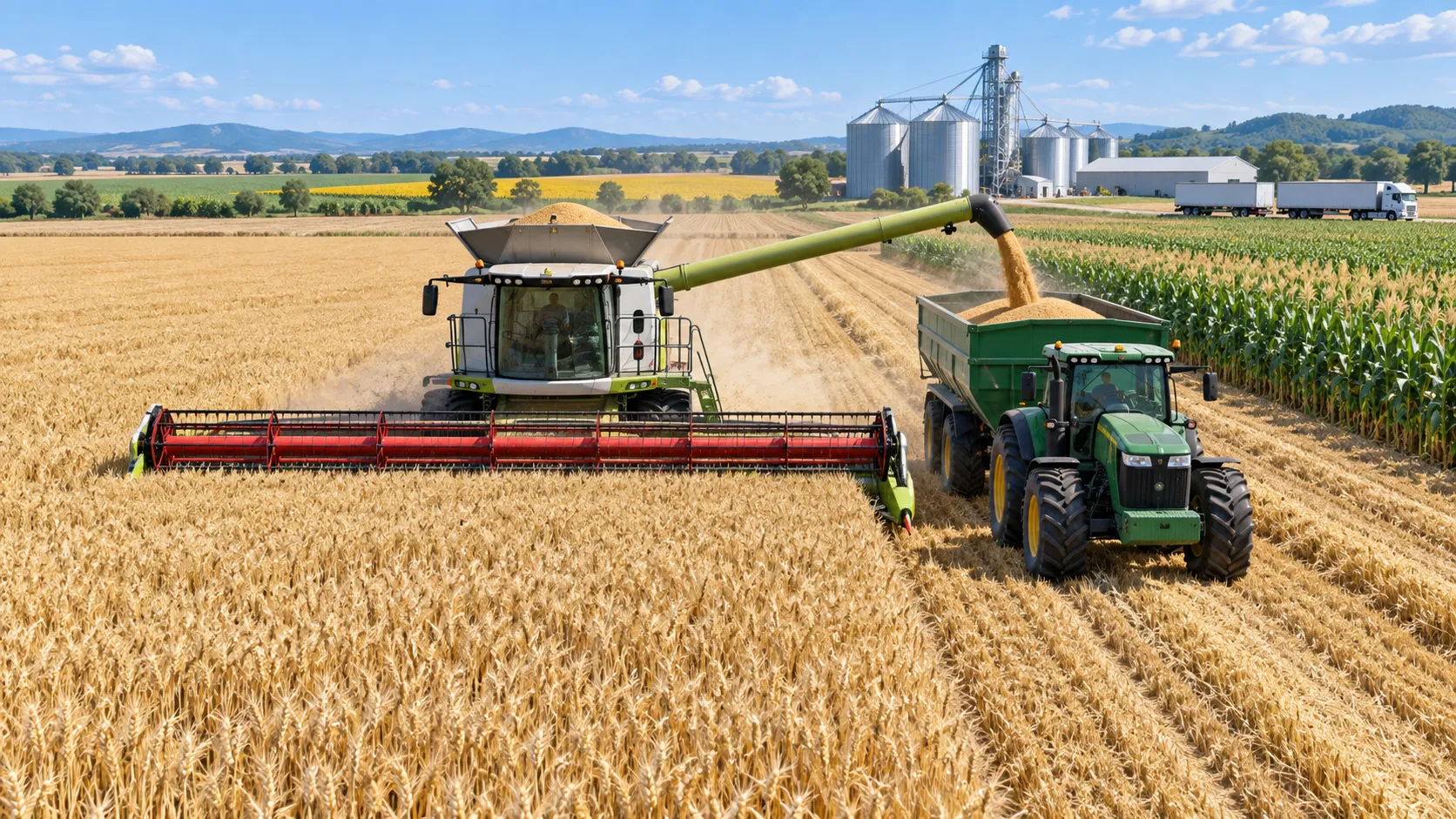
Selecting Grain Farm Equipment by Acreage, Crop Mix, and Harvest Window
Agricultural equipment selection for grain farming: match machinery to acreage, crop mix, and harvest windows to improve uptime, efficiency, and returns.
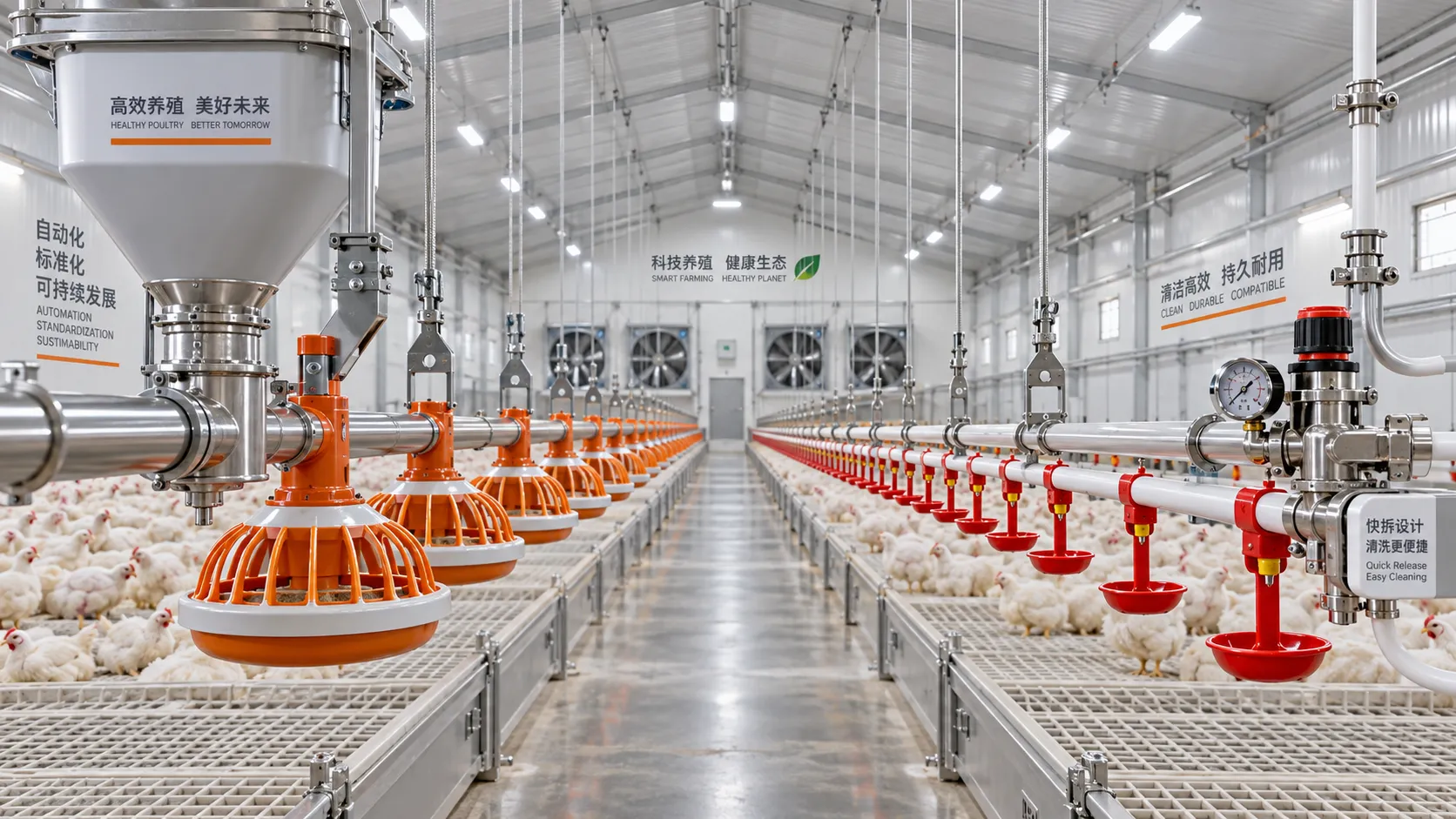
Poultry Equipment Selection: Evaluating Durability, Cleaning, and Compatibility
Poultry equipments selection guide: evaluate durability, cleaning access, and system compatibility to improve hygiene, reduce downtime, and support efficient flock management.
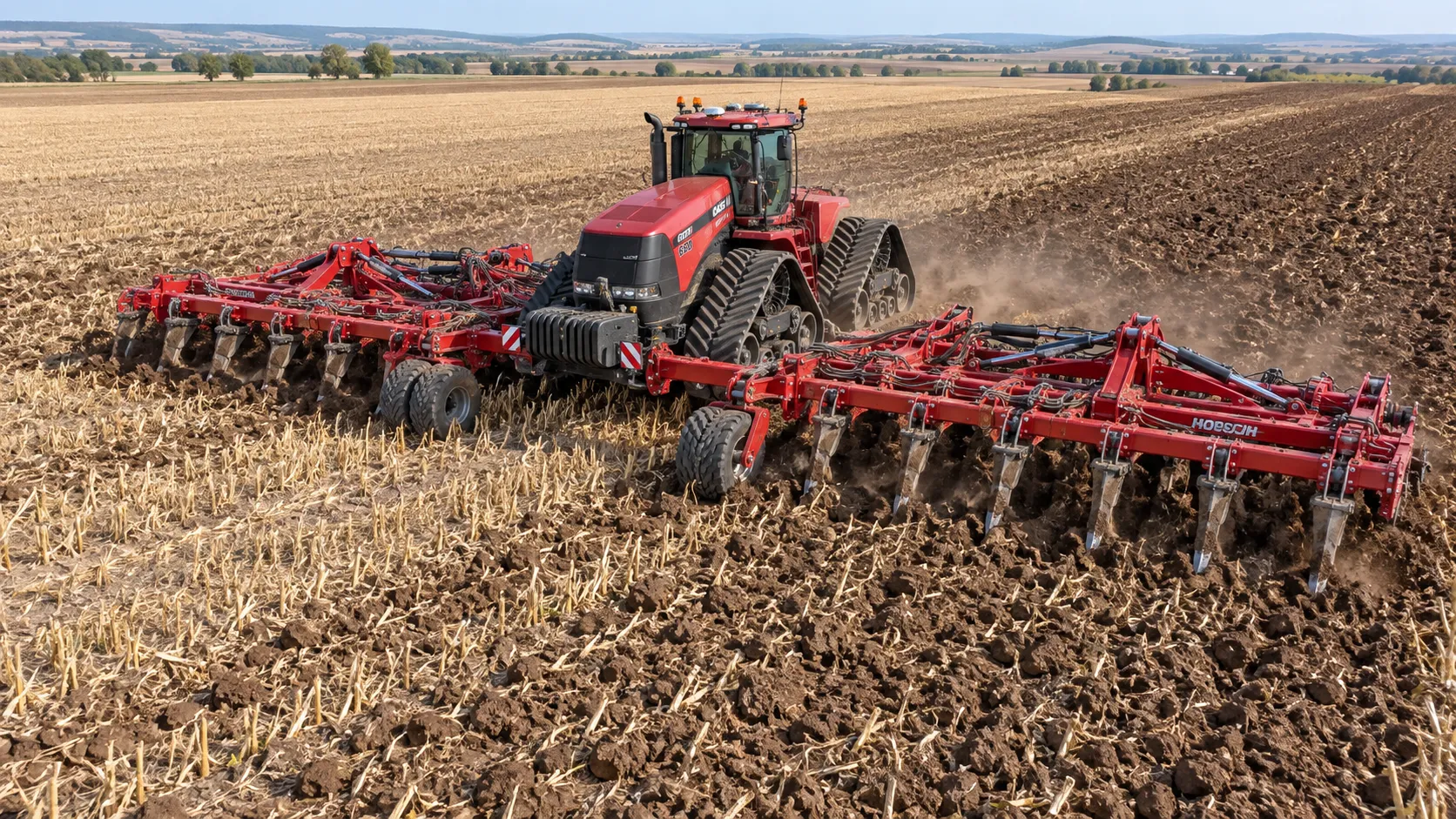
How to Select Heavy-Duty Farm Implements for High-Acreage, High-Horsepower Operations
Heavy duty farm implements: learn how to match draft, hydraulics, hitch capacity, frame strength, and field conditions for reliable high-acreage performance.
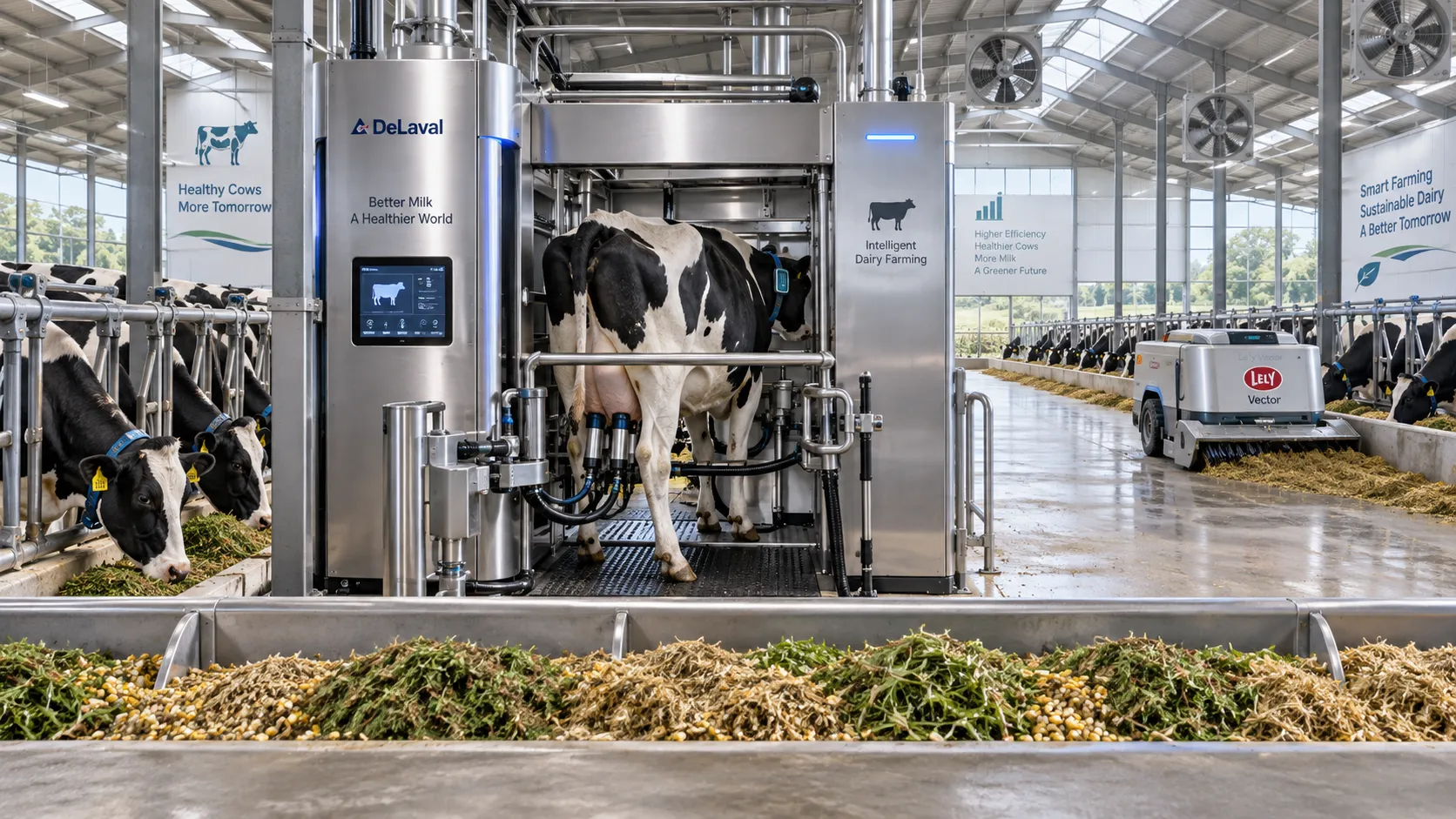
Smart Farming Technology for Dairy Farms: Where Automation Delivers Measurable ROI
Smart farming technology for dairy farms delivers measurable ROI through automation, precision feeding, health monitoring, and data-driven cost control.
Related News
- 00
0000-00
How Does Farm Mechanization Affect Food Security in Developing Regions? - 00
0000-00
Agricultural Technology Insights by Region: Where Adoption Is Growing Fastest - 00
0000-00
How Climate-Smart Agriculture Technology Improves Yield, Soil Health, and Risk Resilience - 00
0000-00
Smart Farming Solutions in Latin America: Which Technologies Fit Large Farms Best? - 00
0000-00
Long-Cycle Agri-Trade Price Trends: How to Read Supply, Freight, and Currency Signals
Popular Tags
Prof. Marcus Chen
Weekly Insights
Stay ahead with our curated technology reports delivered every Monday.