
Hybrid Technology Solutions for Sustainable Farming: Costs, ROI, and Buying Factors
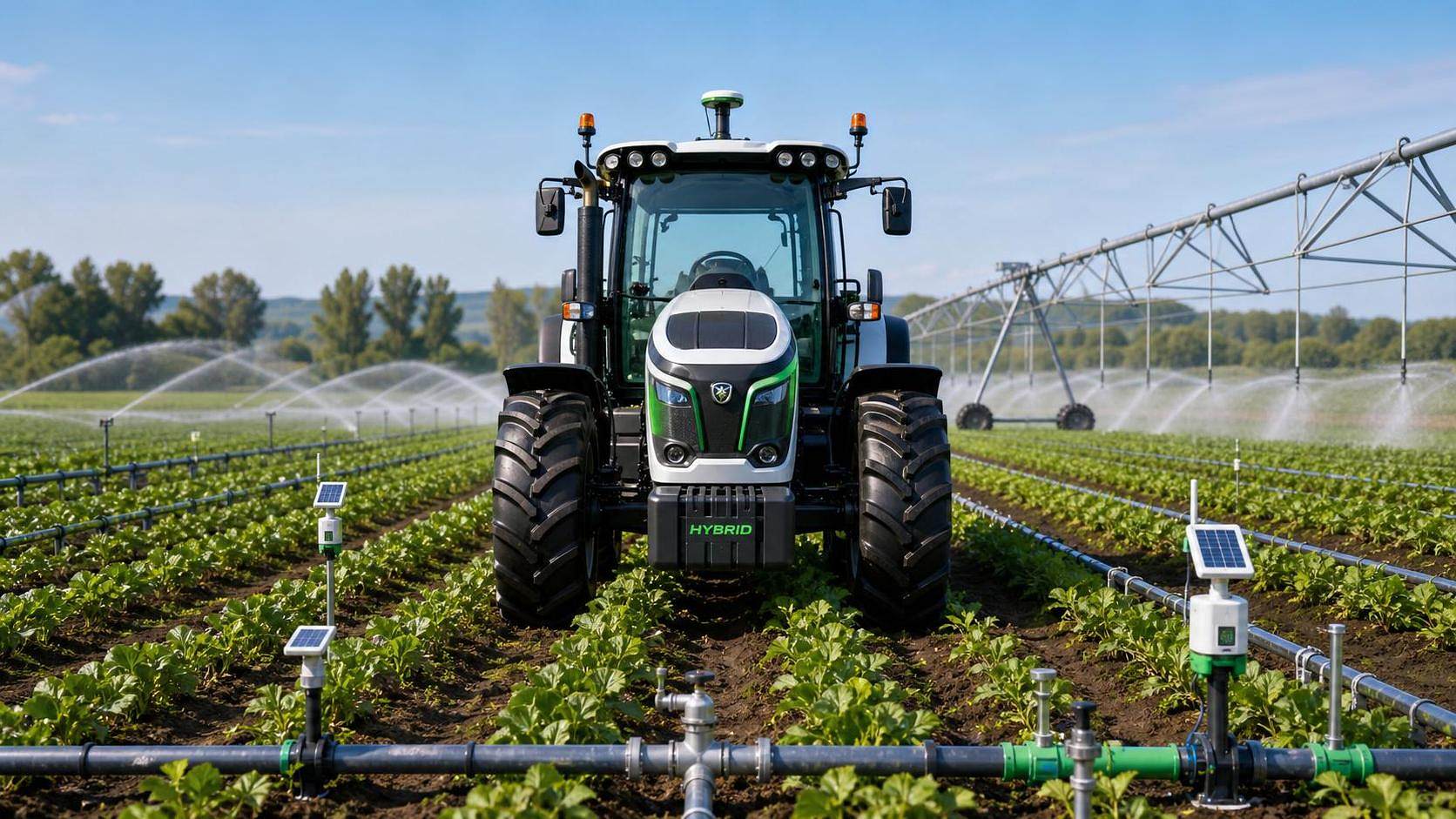




Hybrid Technology Solutions for Sustainable Farming: Costs, ROI, and Buying Factors
For procurement teams evaluating hybrid technology solutions for sustainable farming, the real question is not only innovation, but measurable value.
From fuel-efficient tractor systems to smart irrigation integration, buyers must balance upfront costs, long-term ROI, operational reliability, and supplier capability.
This guide explains how to compare hybrid technology solutions for sustainable farming with a practical, cost-focused lens.
It also reflects the data-first perspective promoted by AP-Strategy across modern mechanization, precision agriculture, and resource-saving field systems.
Why Hybrid Technology Matters in Farm Purchasing
Hybrid technology solutions for sustainable farming combine mechanical power, digital controls, and resource-efficiency functions in one operating model.
In practical terms, this may include hybrid tractor drivetrains, sensor-guided implements, variable-rate systems, and intelligent irrigation platforms.
The appeal is clear.
Farms face higher fuel prices, tighter water constraints, labor shortages, and stronger sustainability reporting demands.
That means buyers are no longer choosing equipment only by horsepower or list price.
They are choosing systems that can reduce operating cost per hectare while protecting yield stability.
Typical hybrid applications now entering tenders
- Hybrid tractor chassis with improved fuel management and load response.
- Combine support systems using dynamic sensors to reduce grain loss.
- Precision implements linked to GPS, telematics, and prescription maps.
- Smart irrigation packages with pump control, flow monitoring, and evapotranspiration-based scheduling.
- Integrated fleet platforms that connect field operations, energy use, and maintenance data.
From a buying perspective, hybrid technology solutions for sustainable farming are best viewed as productivity systems, not isolated machines.
Understanding Total Cost, Not Just Purchase Price
The most common mistake is comparing bids by acquisition cost alone.
Hybrid technology solutions for sustainable farming often carry a higher initial price than conventional alternatives.
However, the real decision should be based on total cost of ownership.
That includes every major cost driver across the asset life cycle.
Core cost categories to evaluate
- Base equipment or system purchase price.
- Installation, commissioning, and calibration cost.
- Software licenses, subscriptions, and connectivity fees.
- Operator training and maintenance staff onboarding.
- Fuel, electricity, water, fertilizer, and labor savings.
- Service intervals, spare parts access, and downtime exposure.
- Residual value and upgrade compatibility.
A lower-priced machine can become more expensive if fuel use stays high or service support is weak.
On the other hand, a premium hybrid package may pay back faster if it reduces input waste across several seasons.
A simple cost comparison framework
How to Measure ROI from Hybrid Farming Systems
ROI should be tied to field performance, not vendor claims alone.
The strongest business case for hybrid technology solutions for sustainable farming usually comes from combined savings, not one benefit alone.
A system may save fuel, reduce overlap, cut water use, and improve uptime at the same time.
Main ROI drivers
- Lower diesel or electricity consumption.
- Reduced irrigation water and pumping hours.
- Better seed, nutrient, and chemical placement.
- Lower harvest loss through sensor-based adjustments.
- Less unplanned downtime through predictive maintenance.
- Improved compliance with sustainability or traceability requirements.
In real operations, payback periods often vary by crop type, farm size, water stress, and machinery utilization rate.
High-use assets generally justify hybrid technology solutions for sustainable farming faster than lightly used machines.
Questions to validate ROI assumptions
- What baseline fuel, water, and labor metrics are available today?
- Which savings are proven in similar crops and climates?
- How many operating hours or hectares are needed to reach payback?
- What happens to ROI if commodity prices weaken?
- Can the system scale across multiple farms or contractor fleets?
These questions bring discipline to capital planning and reduce the risk of buying features that look impressive but stay underused.
Technical Buying Factors That Influence Long-Term Value
Cost matters, but technical fit determines whether expected savings actually appear in the field.
This is where many sourcing decisions become more nuanced.
The best hybrid technology solutions for sustainable farming are compatible with local workloads, operator skills, and digital infrastructure.
Key technical checkpoints
- Powertrain efficiency under variable field loads.
- Hydraulic performance for heavy-duty implements.
- Sensor accuracy and calibration frequency.
- Telematics stability in weak-connectivity areas.
- Interoperability with existing software and farm platforms.
- Spare parts availability in harvest-critical periods.
- Cybersecurity and data ownership terms.
For example, an advanced irrigation controller means little if field sensors drift and no local technician can recalibrate them quickly.
The same logic applies to hybrid tractors or harvest systems with software-dependent performance gains.
Why integration now matters more
A few years ago, buyers could evaluate machines one by one.
Now, hybrid technology solutions for sustainable farming increasingly depend on connected data flows.
That includes positioning data, machine diagnostics, field maps, irrigation logs, and maintenance alerts.
If those systems do not communicate well, ROI can stall despite good equipment specifications.
Supplier Evaluation: What Strong Partners Look Like
In procurement, supplier quality often matters as much as product quality.
Hybrid technology solutions for sustainable farming usually require ongoing software support, upgrades, and operator retraining.
That makes post-sale capability a major buying factor.
Supplier checks worth including in every RFP
- Local service network coverage and response times.
- Documented uptime performance in similar operating regions.
- Availability of remote diagnostics and field support.
- Training packages for operators, agronomy staff, and technicians.
- Warranty scope for electronic and hydraulic components.
- Upgrade roadmap for software, sensors, and control modules.
- Clarity on data export, integration APIs, and ownership rights.
A reliable vendor should also provide reference cases with measurable results.
That evidence is especially important when comparing hybrid technology solutions for sustainable farming across multiple brands or system architectures.
Common Buying Risks and How to Reduce Them
Even strong technologies can underperform when procurement risks are overlooked.
The good news is that most risks can be reduced early in the sourcing process.
Frequent risk points
- Oversized systems that never reach efficient utilization.
- Weak training adoption after deployment.
- Poor compatibility with existing implements or software.
- Savings estimates based on ideal rather than realistic field conditions.
- Delayed spare parts during planting or harvest peaks.
- Subscription or support fees that rise after the first contract cycle.
Practical risk controls
- Run a pilot on one crop zone or irrigation block first.
- Request season-based performance data, not showroom benchmarks.
- Use service-level terms with response and parts commitments.
- Model best-case, base-case, and downside ROI scenarios.
- Score suppliers on support depth, not only equipment price.
This approach keeps hybrid technology solutions for sustainable farming tied to operational discipline rather than marketing momentum.
A Smart Procurement Approach for the Next Buying Cycle
From recent market shifts, one signal is becoming clearer.
Hybrid technology solutions for sustainable farming are moving from optional innovation to strategic infrastructure.
That also means buying decisions need sharper financial logic and better technical screening.
The strongest purchase outcomes usually come from a simple sequence.
- Define the field problem first.
- Measure current cost baselines.
- Compare total ownership cost across options.
- Stress-test ROI assumptions with local operating data.
- Select suppliers that can support the full asset life cycle.
When evaluated this way, hybrid technology solutions for sustainable farming become easier to justify and easier to scale.
The result is not just a greener equipment profile.
It is a more resilient cost structure, stronger operational visibility, and better long-term asset performance.
For organizations planning their next investment cycle, this is the right time to align capital budgets with measurable field efficiency.
A disciplined review today can turn hybrid technology solutions for sustainable farming into a reliable competitive advantage over the next several seasons.
Related News
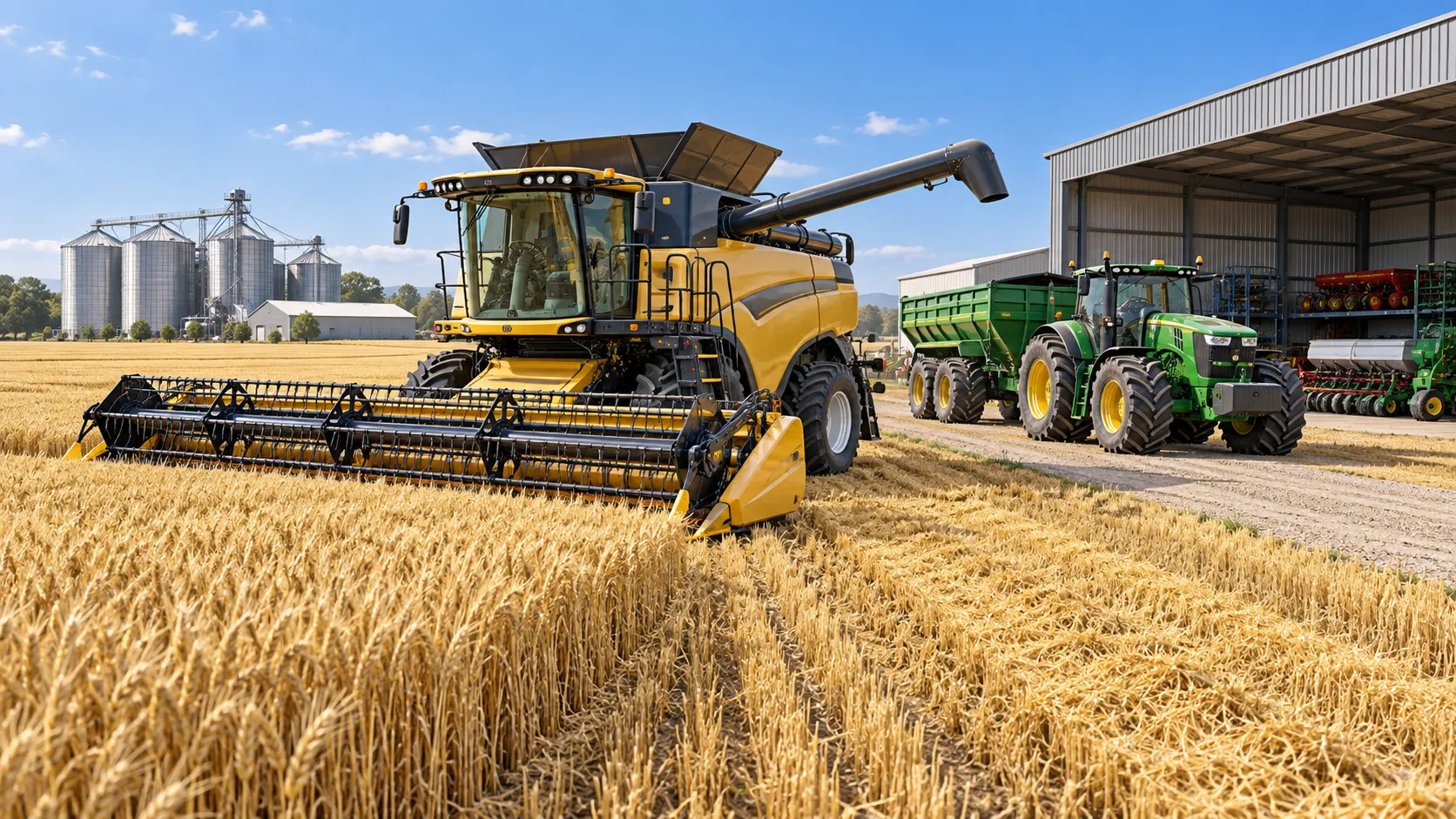
When Does Agricultural Machinery Leasing Cost Less Than Owning Equipment?
Agricultural machinery leasing can lower farm costs when use is seasonal or uncertain. Compare utilization, maintenance, cash flow, and risk to make a smarter equipment decision.
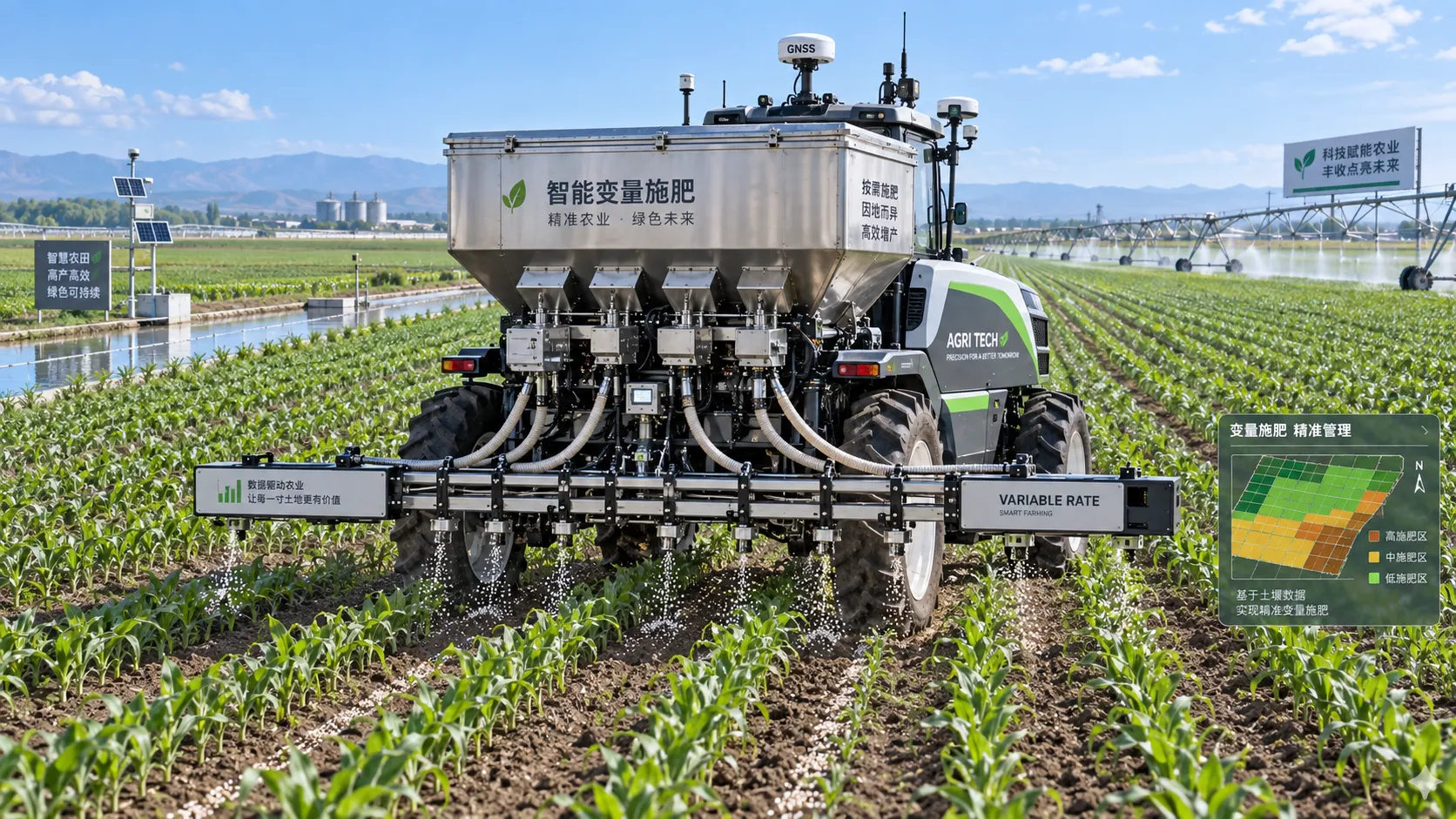
How to Evaluate Precision Fertilization System Suppliers for Farm-Scale Deployment
Precision fertilization systems suppliers: learn how to compare accuracy, integration, uptime, service, and total cost for confident farm-scale deployment.
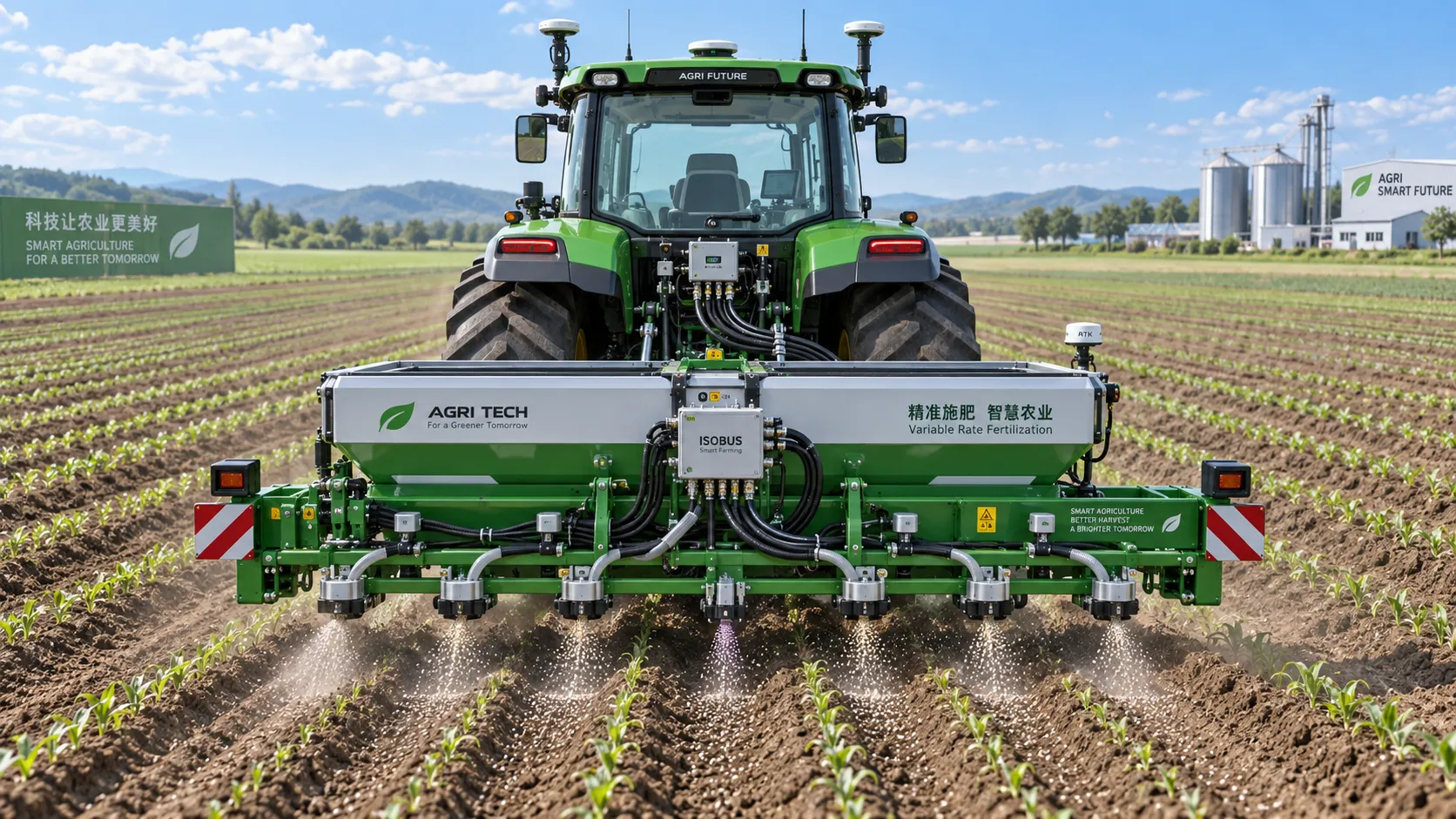
ISOBUS for Smart Agriculture: How It Connects Tractors, Implements, and Farm Data
ISOBUS for smart agriculture connects tractors, implements, terminals, and farm data—helping growers improve precision, documentation, and smarter field decisions.
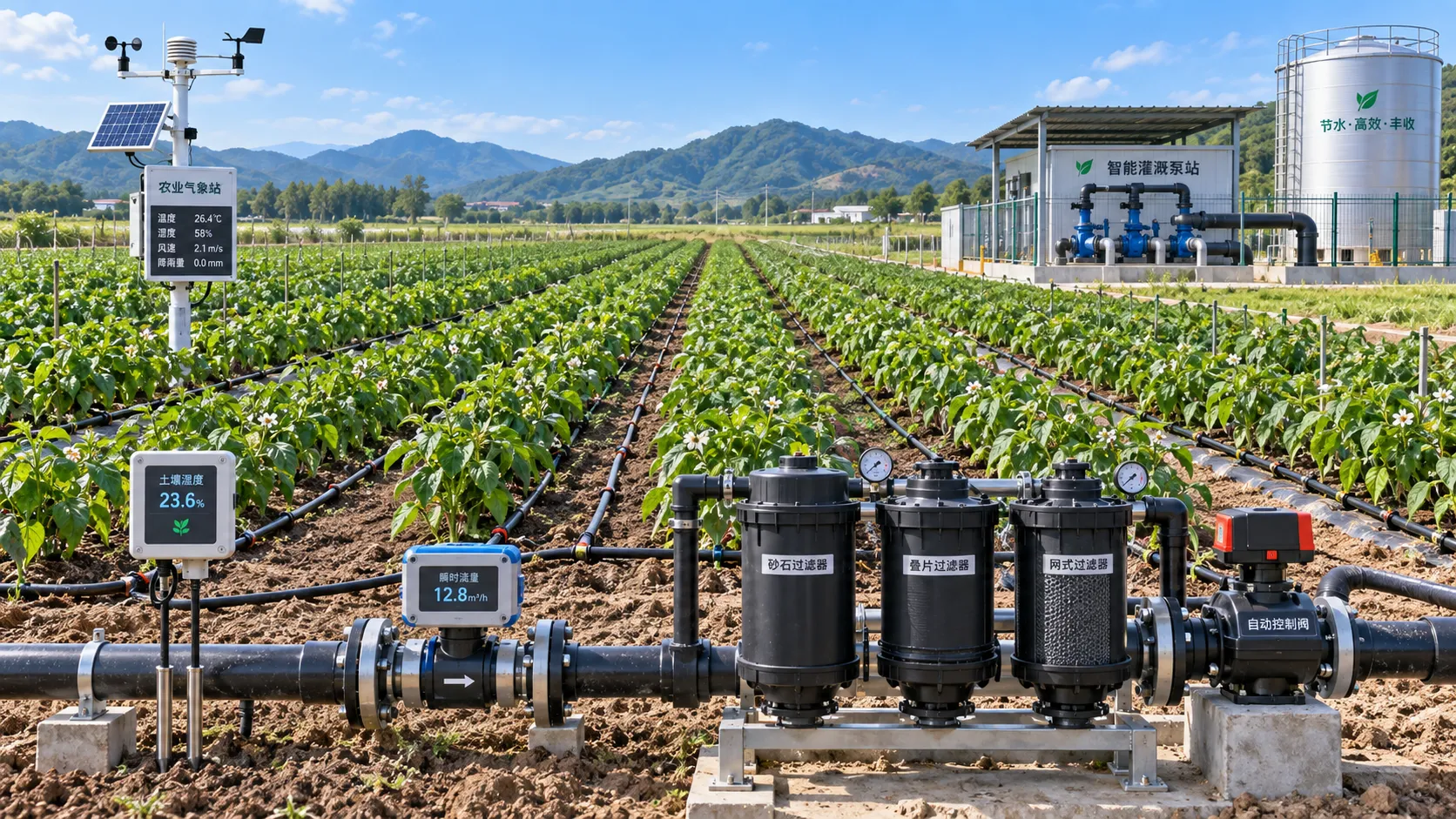
Automated Water-Saving Irrigation: How to Cut Water Use Without Reducing Crop Yields
Automated water-saving irrigation helps farms cut water use, protect crop yields, improve scheduling, and gain reliable control with sensors, flow monitoring, and smart zones.
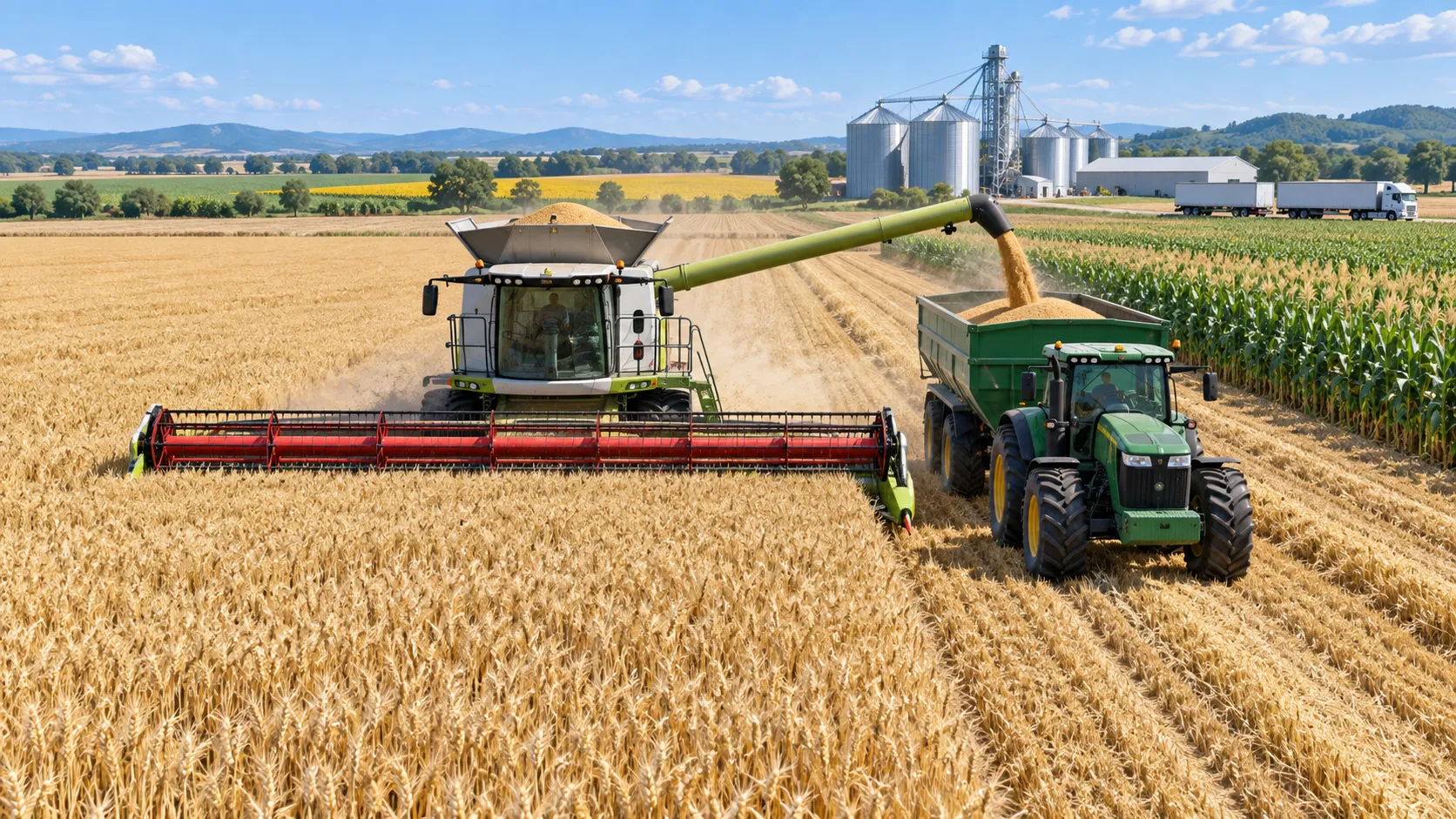
Selecting Grain Farm Equipment by Acreage, Crop Mix, and Harvest Window
Agricultural equipment selection for grain farming: match machinery to acreage, crop mix, and harvest windows to improve uptime, efficiency, and returns.
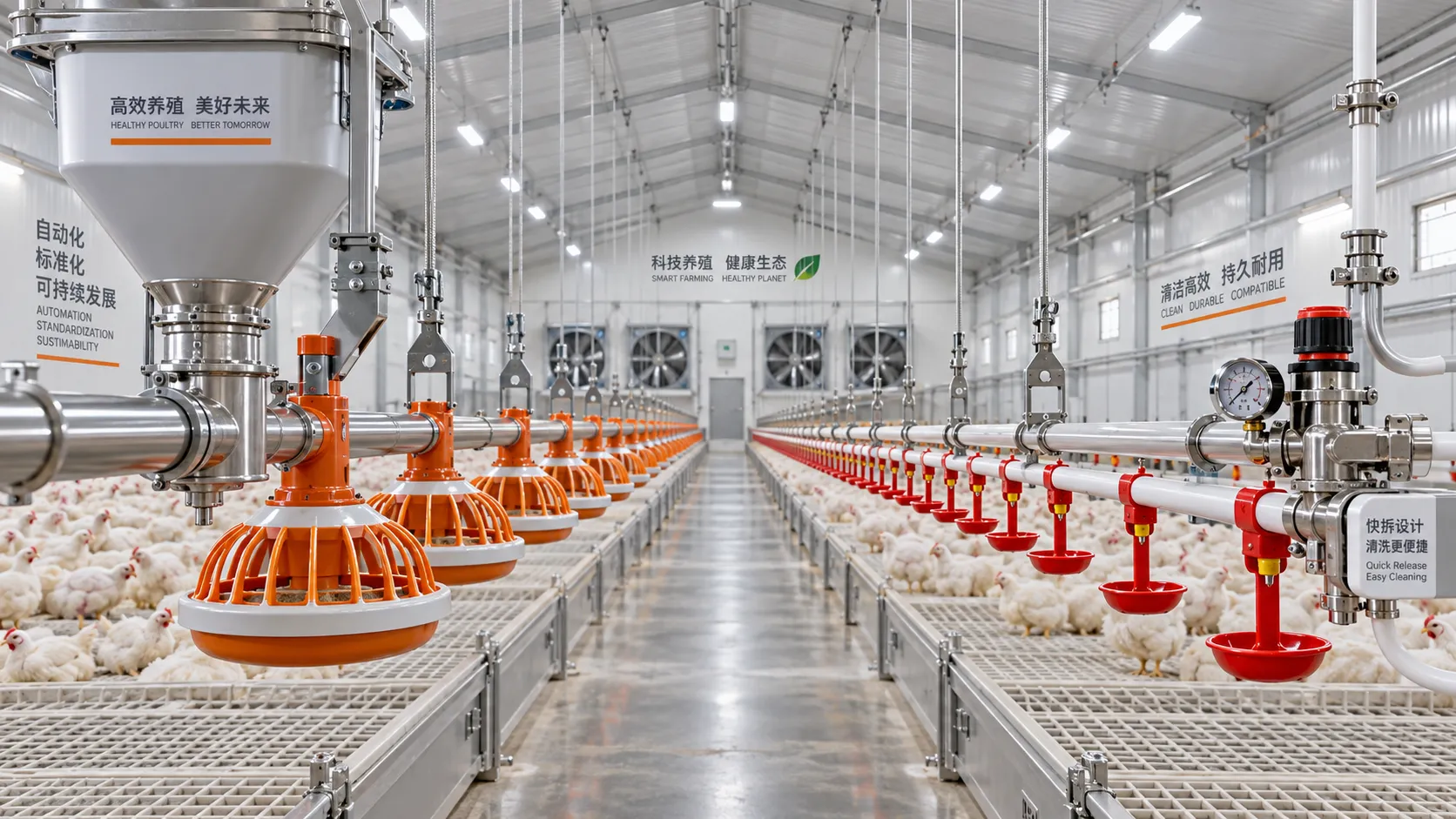
Poultry Equipment Selection: Evaluating Durability, Cleaning, and Compatibility
Poultry equipments selection guide: evaluate durability, cleaning access, and system compatibility to improve hygiene, reduce downtime, and support efficient flock management.
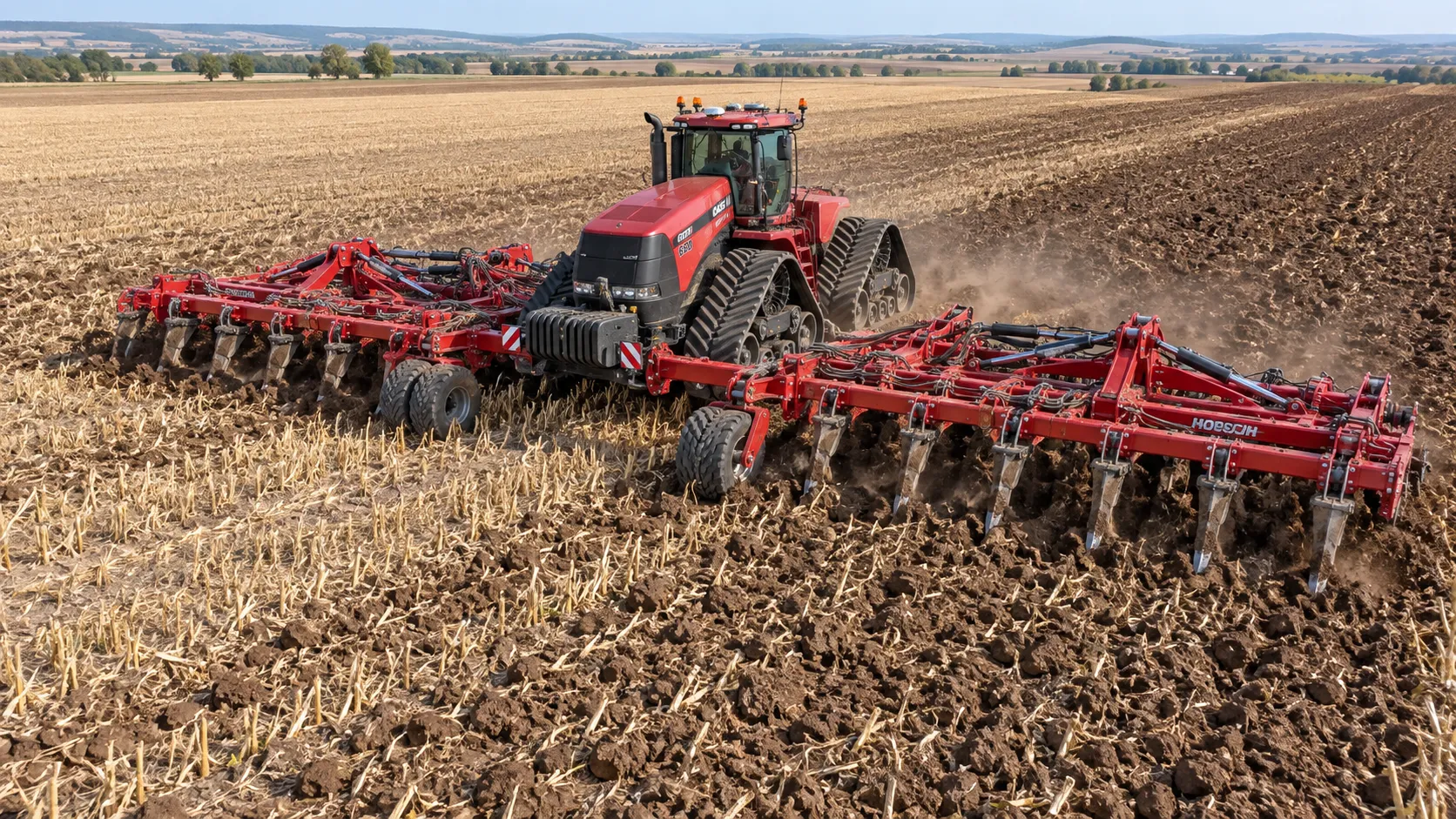
How to Select Heavy-Duty Farm Implements for High-Acreage, High-Horsepower Operations
Heavy duty farm implements: learn how to match draft, hydraulics, hitch capacity, frame strength, and field conditions for reliable high-acreage performance.
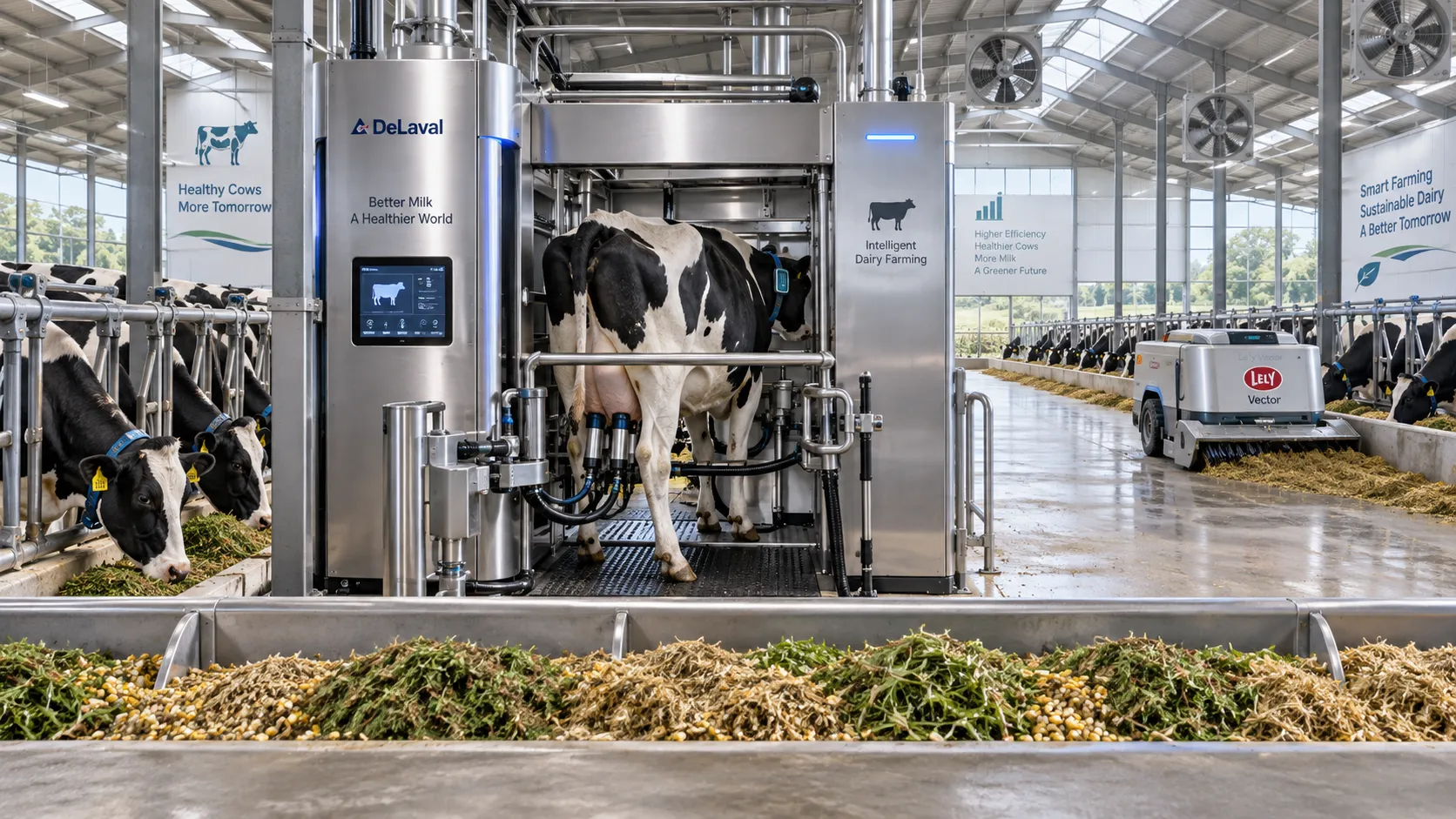
Smart Farming Technology for Dairy Farms: Where Automation Delivers Measurable ROI
Smart farming technology for dairy farms delivers measurable ROI through automation, precision feeding, health monitoring, and data-driven cost control.
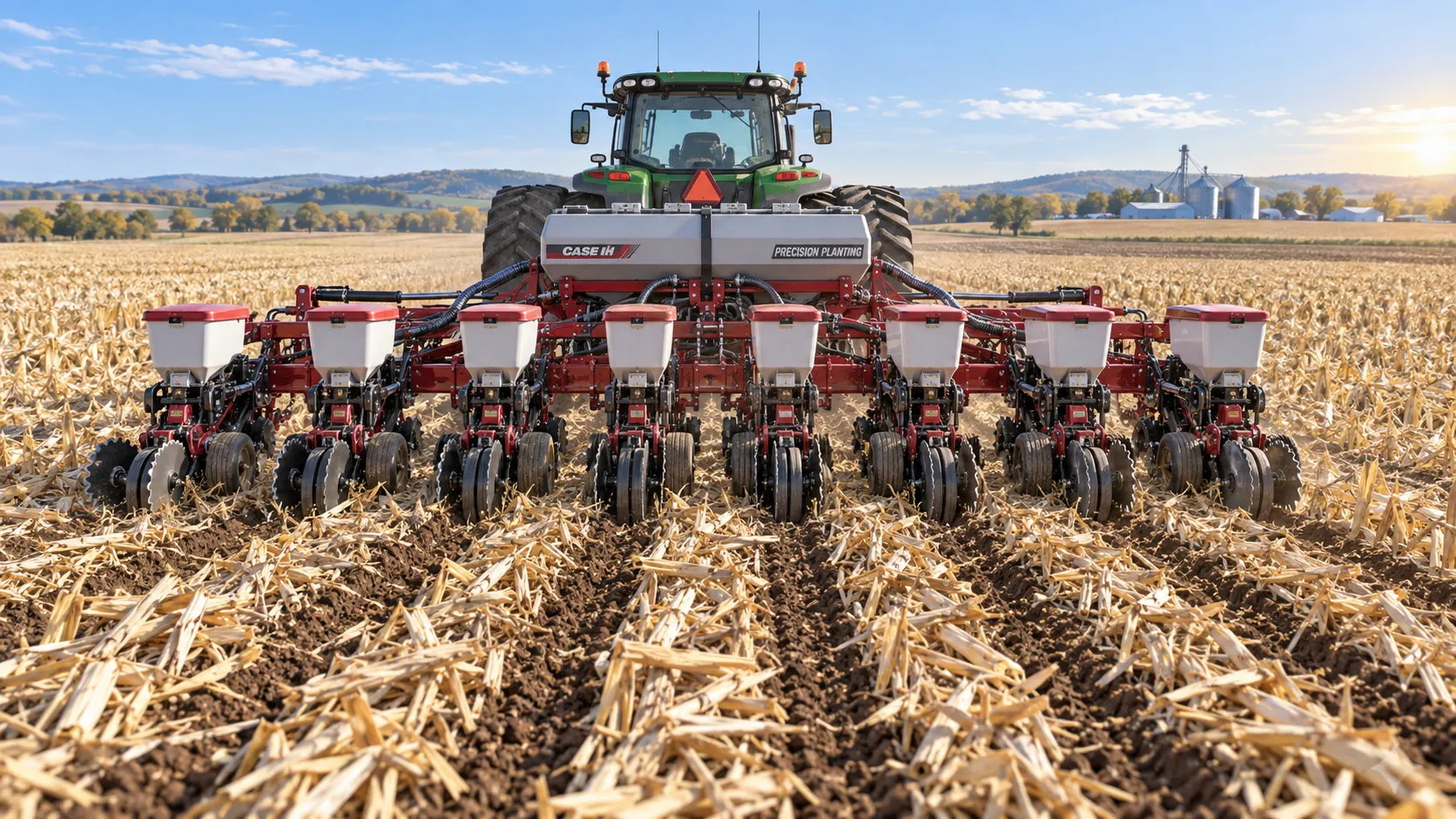
How to Select a Heavy-Duty Seeder for Large Acreage and High-Residue Fields
Heavy duty seeders for large acreage: compare residue handling, depth control, downforce, metering accuracy, and precision features to select the right model.
Related News
- 00
0000-00
How Does Farm Mechanization Affect Food Security in Developing Regions? - 00
0000-00
Agricultural Technology Insights by Region: Where Adoption Is Growing Fastest - 00
0000-00
How Climate-Smart Agriculture Technology Improves Yield, Soil Health, and Risk Resilience - 00
0000-00
Smart Farming Solutions in Latin America: Which Technologies Fit Large Farms Best? - 00
0000-00
Long-Cycle Agri-Trade Price Trends: How to Read Supply, Freight, and Currency Signals
Popular Tags
Prof. Marcus Chen
Weekly Insights
Stay ahead with our curated technology reports delivered every Monday.