
Climate-Smart Farming Practices for Food Security: Which Methods Work in Drought-Prone Areas?
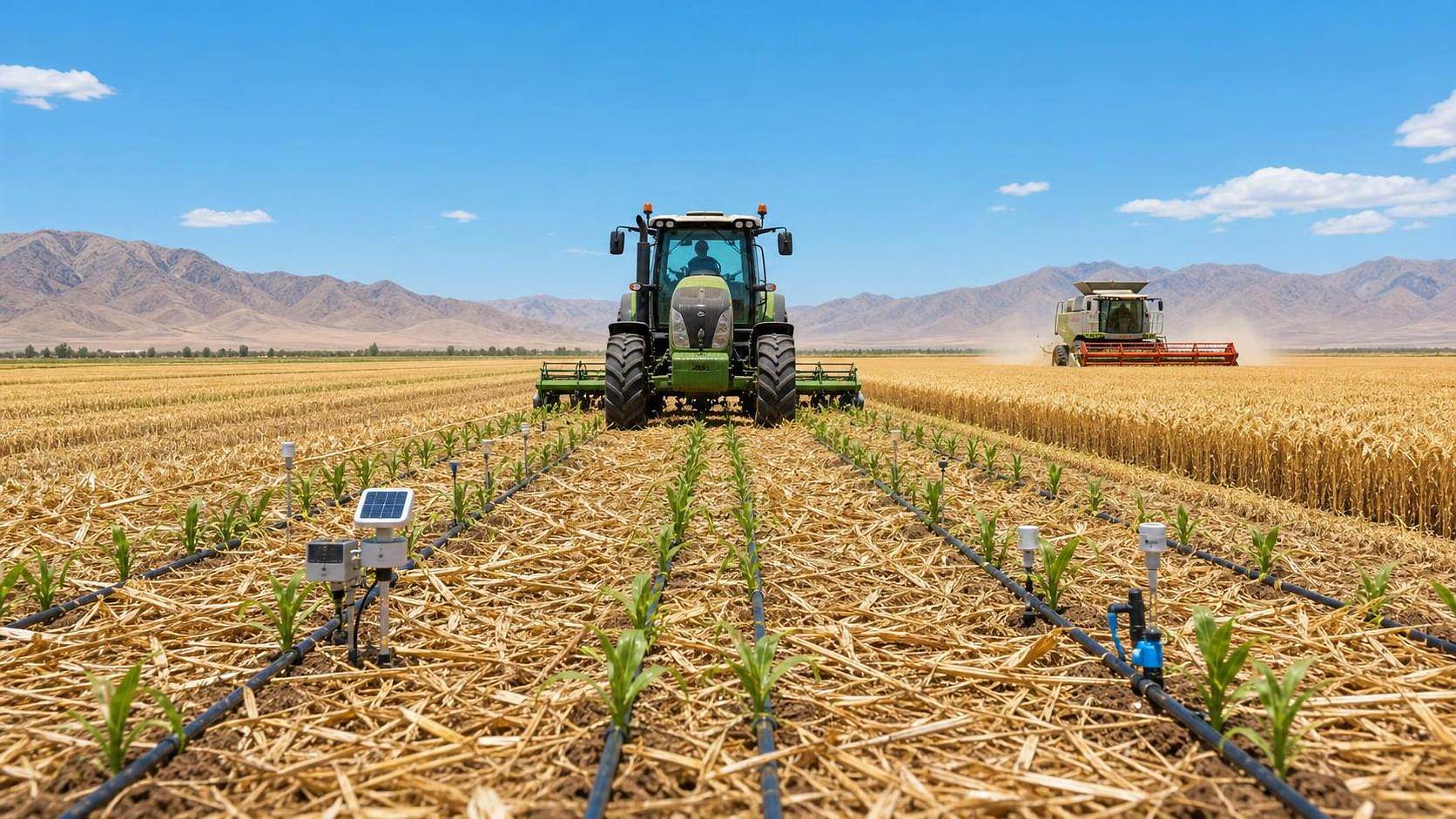




Why drought conditions change the rules of climate-smart farming practices for food security
In drought-prone regions, yield stability depends on more than survival traits. It depends on how water, machinery, labor, and timing work together under pressure.
That is why climate-smart farming practices for food security cannot be judged as a fixed package. The right method in one field may underperform in another.
Soil depth, irrigation access, fuel reliability, harvesting windows, and crop value all reshape the decision. In practice, drought is never only a weather problem.
It becomes an operations problem. It becomes a timing problem. It also becomes a capital allocation problem across the full growing cycle.
This is where the Agriculture 4.0 lens matters. AP-Strategy’s focus on mechanization, combine efficiency, tractor performance, and intelligent irrigation reflects a practical reality.
Food security improves when drought responses are measurable. Water productivity, field pass efficiency, loss control, and decision accuracy matter more than broad claims of resilience.
Dryland grain systems need risk control before they need complexity
In broadacre dryland farming, the first question is not which technology looks advanced. The first question is which method protects yield when rainfall becomes uneven.
Here, climate-smart farming practices for food security usually start with soil moisture retention and low-disturbance field operations. Residue cover, reduced tillage, and controlled traffic matter.
These methods reduce evaporation, preserve soil structure, and limit unnecessary wheel compaction. They also support more predictable seed placement when early-season moisture is marginal.
Mechanization still plays a central role. Large-scale equipment is useful only when machine weight, tire setup, and pass frequency match fragile soil conditions.
A common mistake is adding power without improving field discipline. Bigger tractors do not automatically strengthen climate-smart farming practices for food security if compaction reduces infiltration.
In these systems, the better choice is often fewer passes, more accurate guidance, and seeding equipment that performs well in residue-heavy surfaces.
What usually deserves priority in dryland operations
- Residue retention that shields the soil without blocking uniform emergence.
- Variable-rate seeding based on water-holding zones, not field averages.
- Tractor and implement matching that avoids unnecessary axle load.
- Harvest settings that reduce grain loss when drought causes uneven maturity.
Where irrigation exists, the real issue is precision, not simply access to water
Irrigated farms in drought zones face a different challenge. Water is available, but often expensive, restricted, or unreliable across the season.
In this setting, climate-smart farming practices for food security depend on the quality of scheduling. Over-irrigation is as damaging as under-irrigation in water-scarce years.
Drip systems, low-pressure pivots, soil moisture sensors, and evapotranspiration models can all work well. The difference lies in calibration and response speed.
For high-value crops, precise irrigation timing protects quality and marketability. For staple crops, the same precision protects water budgets and stabilizes harvested volume.
This is why intelligent irrigation should be linked with field data, not treated as a stand-alone hardware investment. AP-Strategy’s emphasis on smart water networks fits this reality.
The strongest results usually come from combining sensor feedback, weather forecasts, and practical pump capacity limits. One without the others creates blind spots.
Mixed operations often gain most from coordination between equipment and agronomy
Many farms in drought-prone areas are neither purely dryland nor fully irrigated. They operate across mixed plots, changing crops, and uneven water rights.
In these cases, climate-smart farming practices for food security are less about one hero technology and more about system coordination.
A common example is shifting scarce irrigation toward the most responsive zones while protecting the rest through residue management, precise nutrition, and targeted field traffic control.
Harvesting also becomes more sensitive. Drought often produces variable plant height, brittle straw, and uneven grain fill. Combine settings must adapt quickly to avoid hidden losses.
This is where operational intelligence matters as much as equipment ownership. Machine capacity, fuel planning, and harvest windows need to align with crop stress patterns.
When farms ignore that interaction, they may protect moisture during the season but lose value at harvest. That weakens the real food security outcome.
Useful adaptation signals in mixed systems
- Different yield zones respond differently to the same irrigation volume.
- Fertilizer timing becomes riskier when rainfall cannot activate nutrients.
- Harvest loss monitoring matters more when crop uniformity declines.
- Repair downtime becomes costlier when drought narrows workable days.
Different scenarios create different decision priorities
The phrase climate-smart farming practices for food security sounds broad, but field choices become clearer when priorities are separated by operating condition.
More often than not, the right comparison is not technology versus no technology. It is one constraint set versus another.
Where climate-smart plans are often misjudged
One frequent misread is treating drought adaptation as a seed decision only. Genetics matter, but operational losses can erase that advantage quickly.
Another is focusing on purchase price without testing lifecycle fit. A cheaper irrigation unit, sensor package, or tractor setup may raise maintenance pressure during the hardest season.
There is also a tendency to copy successful neighboring systems. Similar rainfall maps do not mean similar infiltration rates, labor capacity, or harvest risk.
Climate-smart farming practices for food security work best when local constraints are measured honestly. Water source reliability, spare parts access, and operator skill all affect the outcome.
The stronger judgment method is to compare response under stress, not brochure specifications. That is especially true for combines, hydraulic platforms, and precision irrigation controls.
How to choose methods that still perform when pressure rises
A practical roadmap starts with field segmentation. Separate land by soil water capacity, access to irrigation, traffic sensitivity, and harvest risk before assigning any technology stack.
Then check whether equipment and agronomy are actually aligned. Precision seeding loses value if compaction blocks root growth. Smart irrigation underperforms if pumps cannot follow prescriptions.
It also helps to evaluate methods through three filters: water saved per hectare, yield preserved under stress, and operational reliability during narrow timing windows.
That is the deeper promise behind climate-smart farming practices for food security. The goal is not to collect technologies. The goal is to create dependable output from uncertain seasons.
A useful next step is to map current fields against these constraints, compare likely weak points across planting, irrigation, and harvest, and build a scenario-based adaptation standard.
When decisions are made that way, mechanization, combine performance, and intelligent irrigation stop being separate investments. They become one coordinated drought strategy.
Related News
How to Select Precision Crop Protection Equipment for Variable Field Conditions
Precision crop protection equipment selection made simple: compare terrain, canopy, weather, control accuracy, and data workflows for reliable applications.
When Does Agricultural Machinery Leasing Cost Less Than Owning Equipment?
Agricultural machinery leasing can lower farm costs when use is seasonal or uncertain. Compare utilization, maintenance, cash flow, and risk to make a smarter equipment decision.
How to Evaluate Precision Fertilization System Suppliers for Farm-Scale Deployment
Precision fertilization systems suppliers: learn how to compare accuracy, integration, uptime, service, and total cost for confident farm-scale deployment.
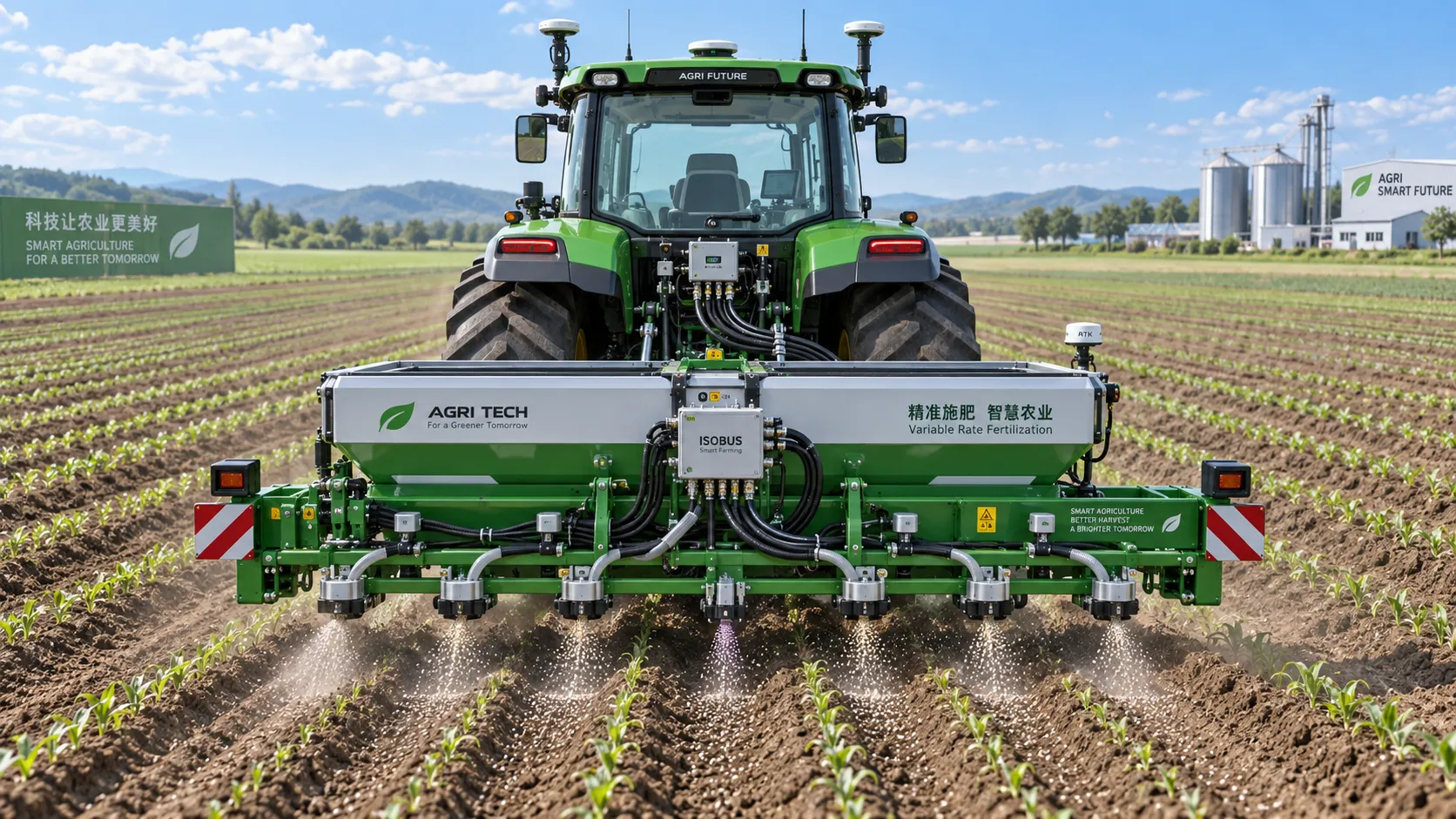
ISOBUS for Smart Agriculture: How It Connects Tractors, Implements, and Farm Data
ISOBUS for smart agriculture connects tractors, implements, terminals, and farm data—helping growers improve precision, documentation, and smarter field decisions.
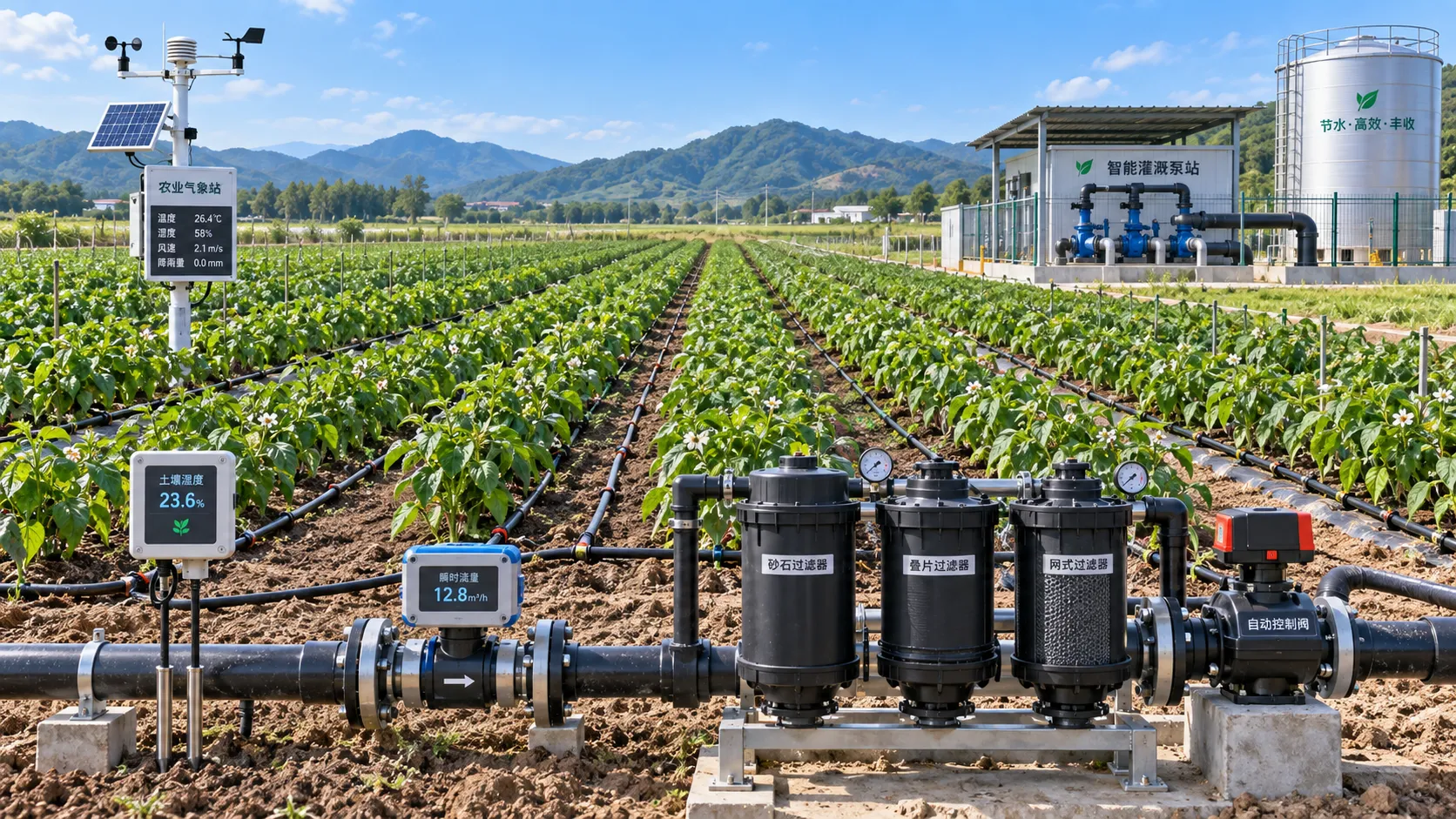
Automated Water-Saving Irrigation: How to Cut Water Use Without Reducing Crop Yields
Automated water-saving irrigation helps farms cut water use, protect crop yields, improve scheduling, and gain reliable control with sensors, flow monitoring, and smart zones.
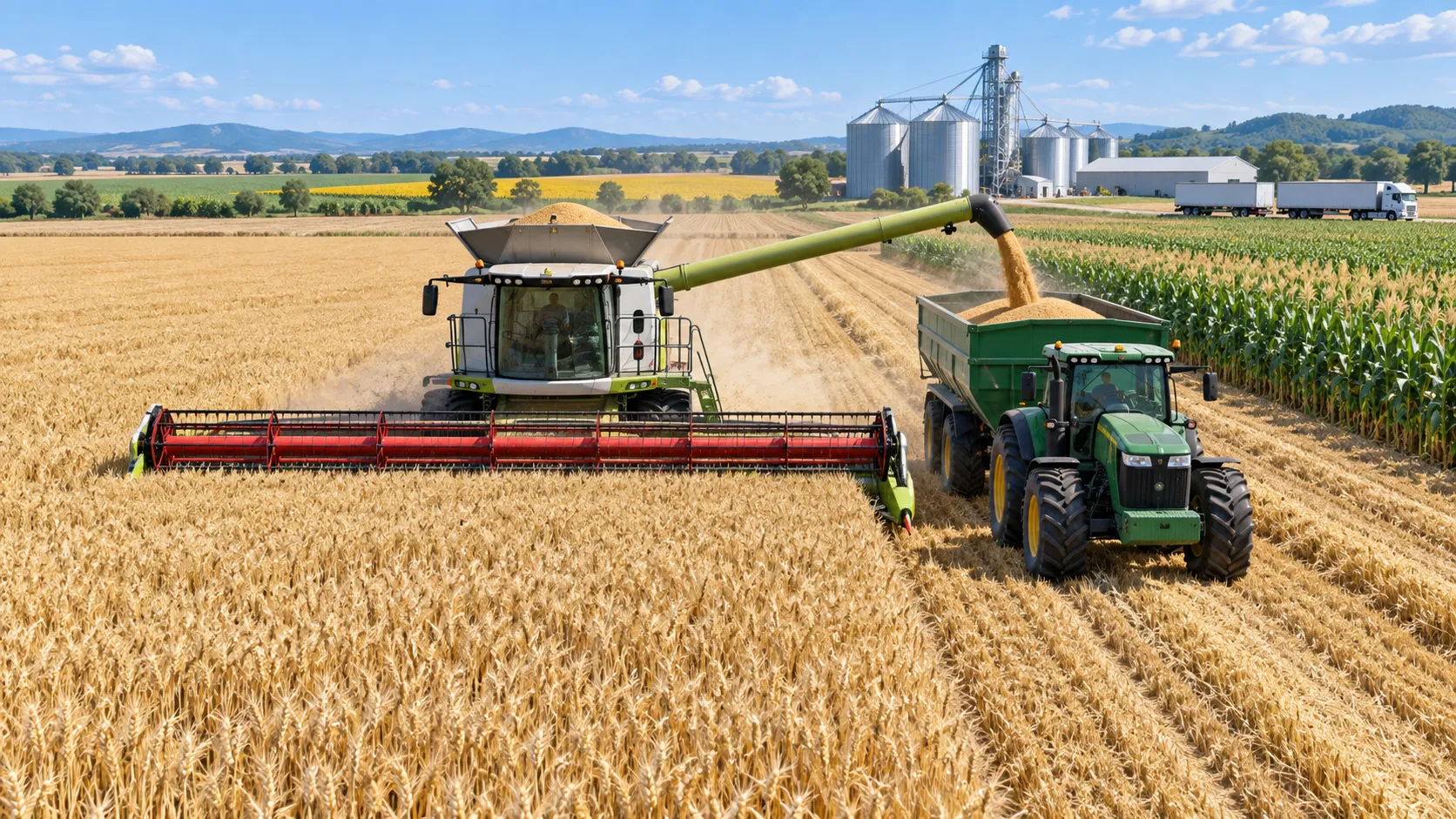
Selecting Grain Farm Equipment by Acreage, Crop Mix, and Harvest Window
Agricultural equipment selection for grain farming: match machinery to acreage, crop mix, and harvest windows to improve uptime, efficiency, and returns.
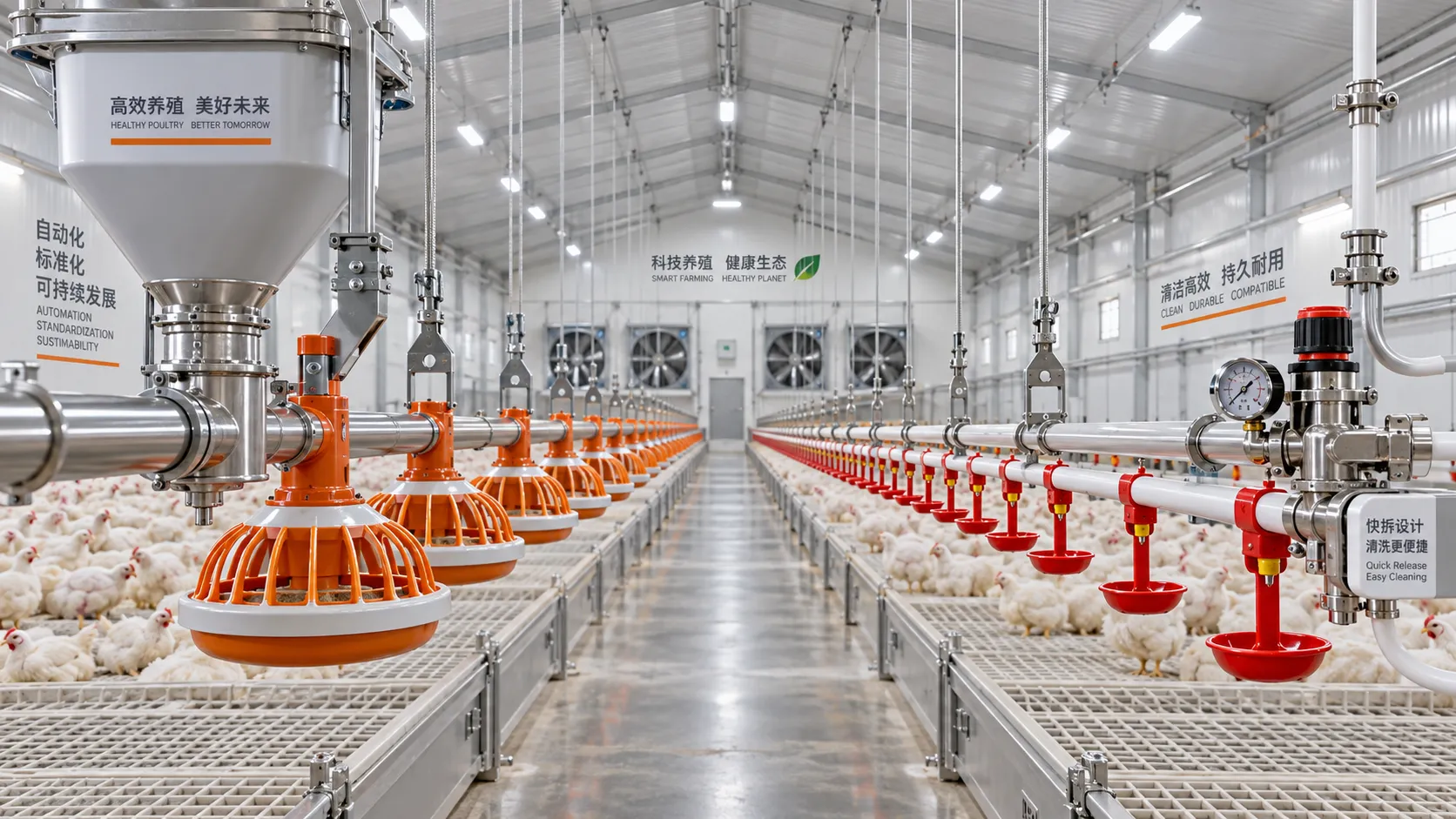
Poultry Equipment Selection: Evaluating Durability, Cleaning, and Compatibility
Poultry equipments selection guide: evaluate durability, cleaning access, and system compatibility to improve hygiene, reduce downtime, and support efficient flock management.
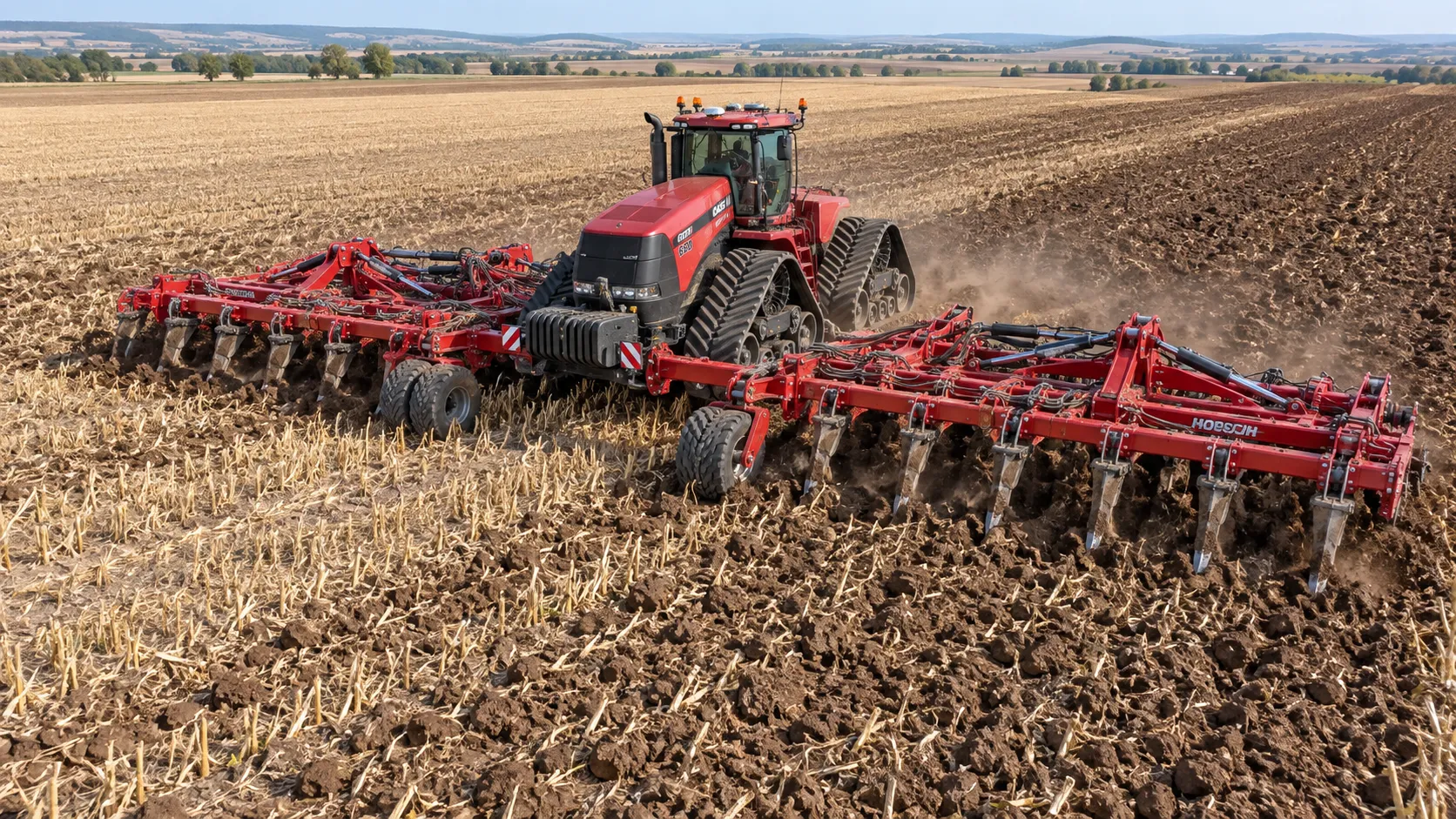
How to Select Heavy-Duty Farm Implements for High-Acreage, High-Horsepower Operations
Heavy duty farm implements: learn how to match draft, hydraulics, hitch capacity, frame strength, and field conditions for reliable high-acreage performance.
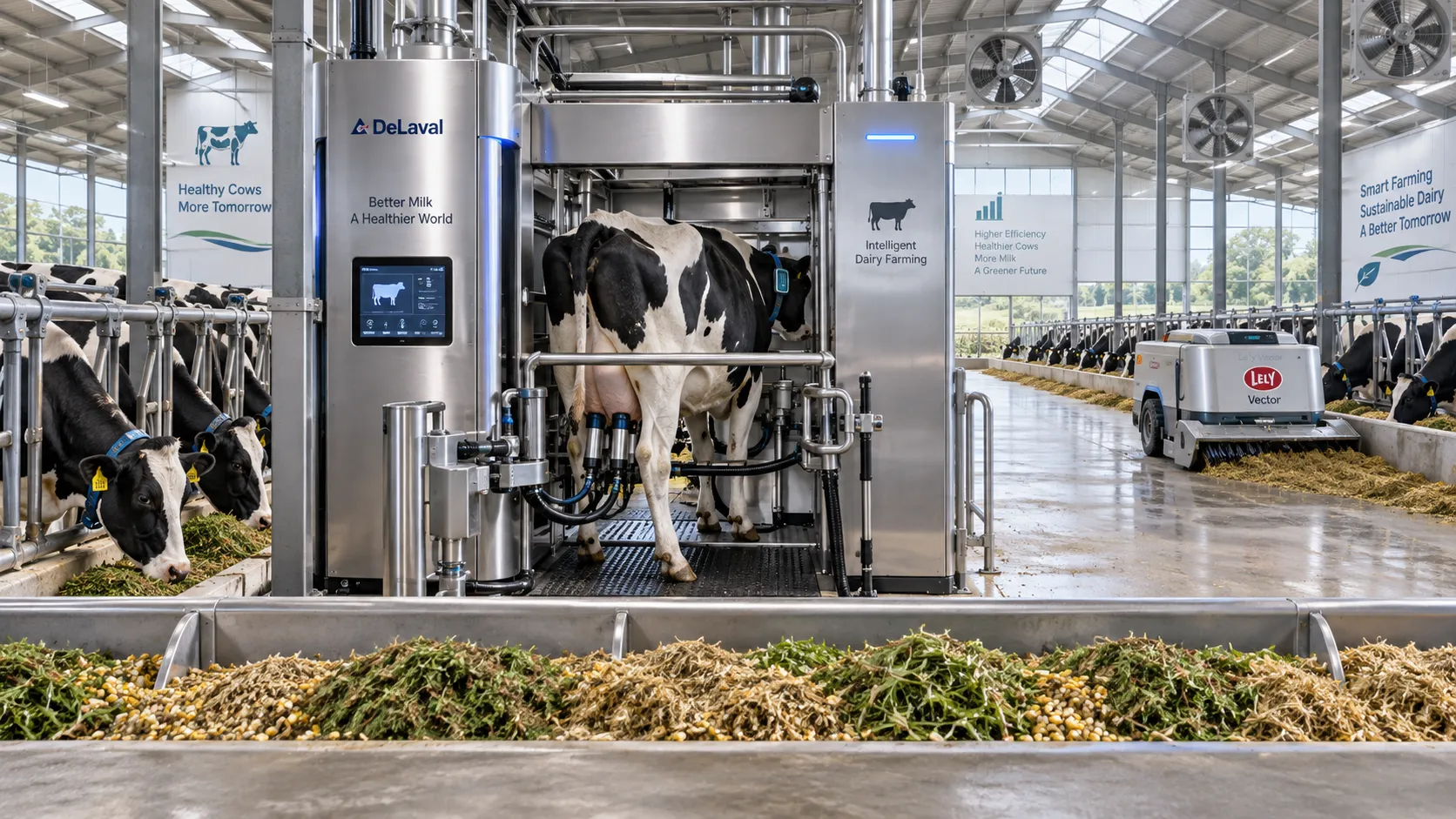
Smart Farming Technology for Dairy Farms: Where Automation Delivers Measurable ROI
Smart farming technology for dairy farms delivers measurable ROI through automation, precision feeding, health monitoring, and data-driven cost control.
Related News
- 00
0000-00
How Does Farm Mechanization Affect Food Security in Developing Regions? - 00
0000-00
Agricultural Technology Insights by Region: Where Adoption Is Growing Fastest - 00
0000-00
How Climate-Smart Agriculture Technology Improves Yield, Soil Health, and Risk Resilience - 00
0000-00
Smart Farming Solutions in Latin America: Which Technologies Fit Large Farms Best? - 00
0000-00
Long-Cycle Agri-Trade Price Trends: How to Read Supply, Freight, and Currency Signals
Popular Tags
Prof. Marcus Chen
Weekly Insights
Stay ahead with our curated technology reports delivered every Monday.