
Smart Farming Technology Comparison: Which Systems Matter Most for Mid-Size Farms?
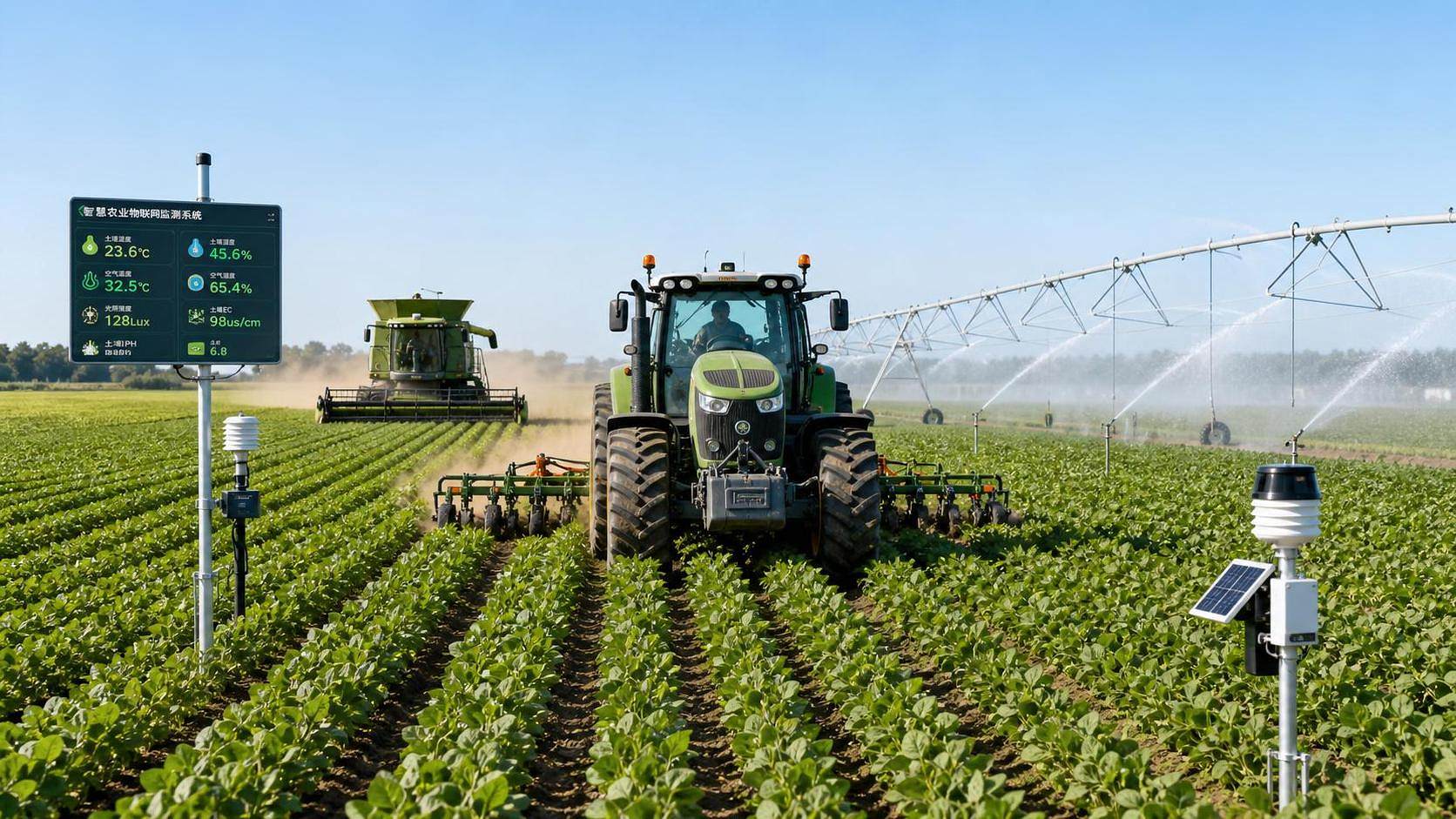




For mid-size farms, the real question is not whether smart farming technology matters, but which systems create usable value without overloading budgets, labor routines, or machine compatibility. In practice, the strongest results come from tools that improve decisions at the field edge, reduce waste across the season, and connect reliably with tractors, harvesters, and irrigation assets already in operation.
That is why comparison matters now. Input costs remain volatile, water pressure is rising, and harvesting windows are less predictable. At the same time, Agriculture 4.0 has moved beyond concept language. It now reaches daily operations through guidance systems, sensor-driven applications, yield analytics, and irrigation intelligence.
From the perspective of AP-Strategy, the most useful evaluation method links mechanical performance, data quality, and sustainability outcomes. A digital layer only matters when it helps a planter run straighter, a combine lose less grain, or an irrigation network deliver water with better timing.
What smart farming technology really includes
Smart farming technology is often treated as a single category, yet it is a stack of systems with very different purposes. Some guide machines. Some sense crop or soil conditions. Some turn machine data into agronomic decisions. Others automate water delivery or application control.
For mid-size farms, the most relevant comparison usually spans five operational layers: positioning, sensing, variable application, harvest intelligence, and irrigation control. These layers do not carry equal value in every operation.
Why some systems matter more than others
Not every farm needs the same digital priority. A grain operation with broad acre coverage may gain most from guidance, section control, and combine analytics. A diversified farm under water constraints may see stronger returns from irrigation automation and moisture sensing.
The key point is that smart farming technology should be ranked by operational bottleneck, not by novelty. If overlap, missed timing, and inconsistent application drive cost, then machine guidance and control systems matter first. If yield loss appears at harvest, combine intelligence deserves earlier investment.
High-priority systems with broad impact
Across many mid-size farms, three categories repeatedly stand out. The first is autosteer with reliable positioning correction. It improves pass-to-pass consistency and makes every field operation cleaner.
The second is section control and variable-rate capability. These tools become valuable when fields show measurable variation or irregular shapes that cause repeated overlap and uneven input placement.
The third is harvest data capture. Yield and moisture maps are not just records. They are the feedback loop that tells whether seeding, nutrition, irrigation, and crop protection choices actually worked.
Situational systems with strong upside
Remote sensing, in-field cameras, disease modeling, and advanced robotics can be highly useful, but they depend more heavily on crop type, labor structure, and management readiness. They are often best adopted after core data and control systems are stable.
Where the comparison becomes practical
A useful comparison should move beyond feature lists. It should test whether a system improves specific workflows from pre-season planning to harvest closeout.
Field operations and tractor performance
Guidance systems are most effective when they work smoothly with tractor chassis behavior, hydraulic response, and implement control. On uneven ground or long working days, the difference between nominal accuracy and true field stability becomes obvious.
This is one reason AP-Strategy tracks mechanical and digital performance together. Smart farming technology that ignores transmission response, steering correction speed, or implement timing may look strong on paper and weak in the field.
Harvest precision and machine feedback
Combine intelligence is often undervalued in mid-size operations. Yet harvesting is where a season’s decisions become measurable. Grain loss sensors, cleaning adjustment feedback, moisture mapping, and throughput monitoring reveal whether crop conditions are being handled efficiently.
When smart farming technology is connected to combine harvesting technology, the benefit is not only yield documentation. It also supports machine tuning, logistics timing, and future prescription decisions.
Irrigation and resource pressure
For farms under water limits, smart irrigation may outrank other investments. Soil moisture probes, weather-linked controllers, flow monitoring, and evapotranspiration models can reduce overwatering while protecting yield stability.
The strongest systems do not simply automate irrigation cycles. They create a decision framework that links field moisture, crop stage, and available water supply. That is where water-saving irrigation systems become strategic rather than merely convenient.
How to judge value without overbuying
A recurring mistake in smart farming technology adoption is paying for data volume instead of decision quality. More sensors, dashboards, and layers do not guarantee better outcomes.
A better approach is to score each system against a short set of practical questions.
- Does it solve a known field problem with measurable cost or yield impact?
- Can it integrate with current tractors, combines, controllers, and data formats?
- Is the accuracy level meaningful for the intended operation?
- Will operators actually use it during peak workload periods?
- Can the farm translate collected data into rate, timing, or maintenance decisions?
- Does the supplier provide support beyond installation, especially in-season?
Usually, systems with simple training paths and clear workflow impact outperform more ambitious platforms that require perfect data discipline. Mid-size farms often benefit from a staged model: first accurate guidance, then application control, then analytics depth.
What current industry signals suggest
Several trends are shaping the comparison. One is tighter integration between implements and software. Another is stronger demand for autonomous support features rather than full autonomy. A third is the growing weight of water efficiency in investment decisions.
There is also a clear shift from isolated hardware purchases to intelligence ecosystems. That includes machine data pipelines, agronomic recommendations, and sustainability reporting. AP-Strategy’s industry lens is useful here because the value of smart farming technology increasingly depends on how equipment, algorithms, and resource strategy fit together.
This matters especially in markets where grain margins tighten and environmental policy becomes stricter. Systems that prove input efficiency, lower water waste, or reduce harvest loss are no longer optional extras. They shape competitiveness.
A practical way forward
For most mid-size farms, the best smart farming technology roadmap starts with operational clarity. Identify the stage where the largest losses occur. Measure whether the issue is guidance accuracy, application uniformity, harvesting efficiency, or irrigation timing.
Then compare systems by fit, not headline claims. Check compatibility with existing machinery, the quality of field support, the reliability of sensor inputs, and the ability to act on generated data within normal seasonal routines.
If the next step is evaluation, build a short matrix around pass accuracy, overlap reduction, loss detection, water response, data usability, and upgrade flexibility. That structure makes comparison more credible and keeps investment focused on systems that can scale with both farm performance and resource constraints.
In other words, the systems that matter most are not the most advanced in isolation. They are the ones that turn field variability into better decisions, better machine output, and better resource control across the entire season.
Related News
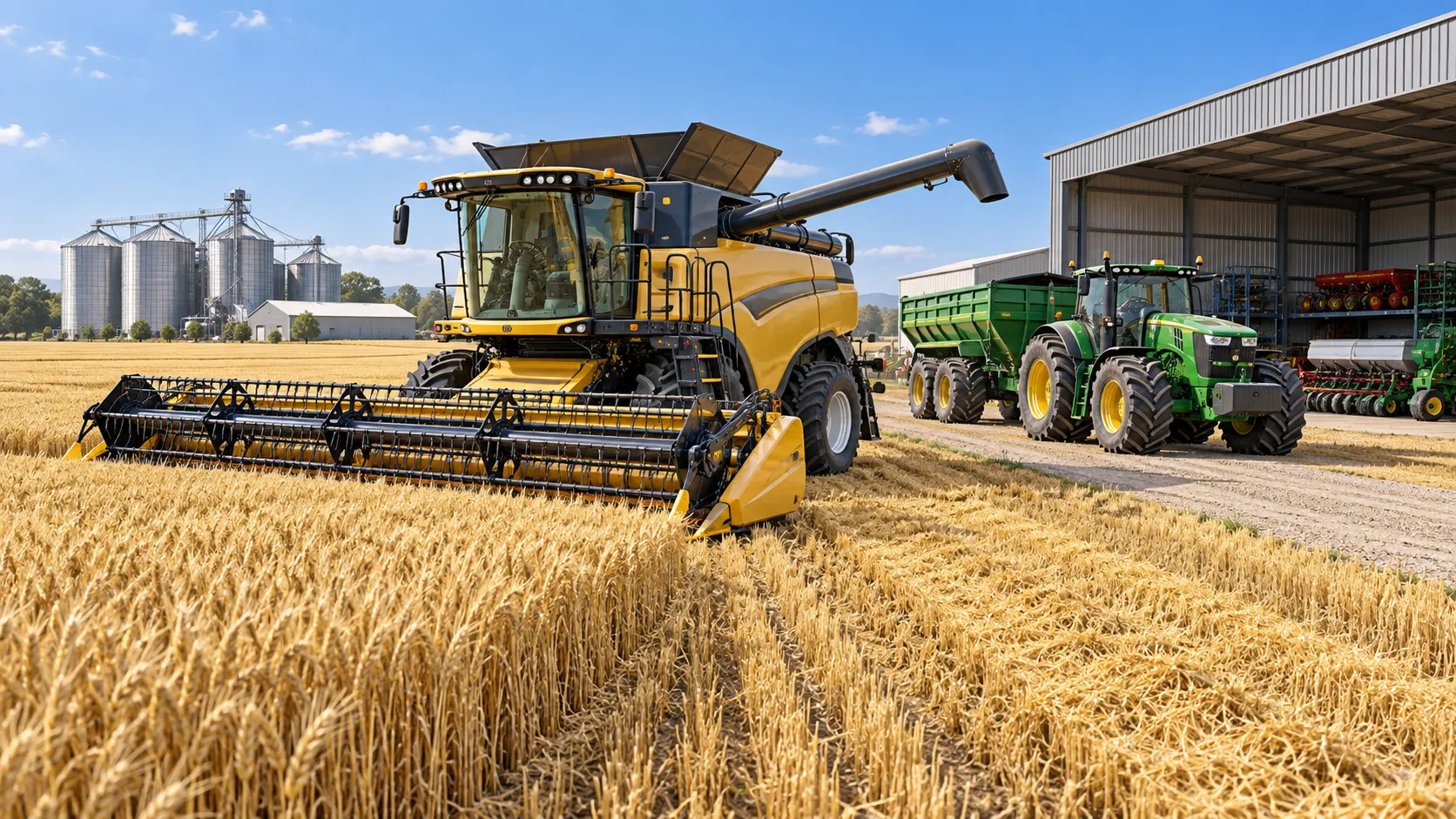
When Does Agricultural Machinery Leasing Cost Less Than Owning Equipment?
Agricultural machinery leasing can lower farm costs when use is seasonal or uncertain. Compare utilization, maintenance, cash flow, and risk to make a smarter equipment decision.
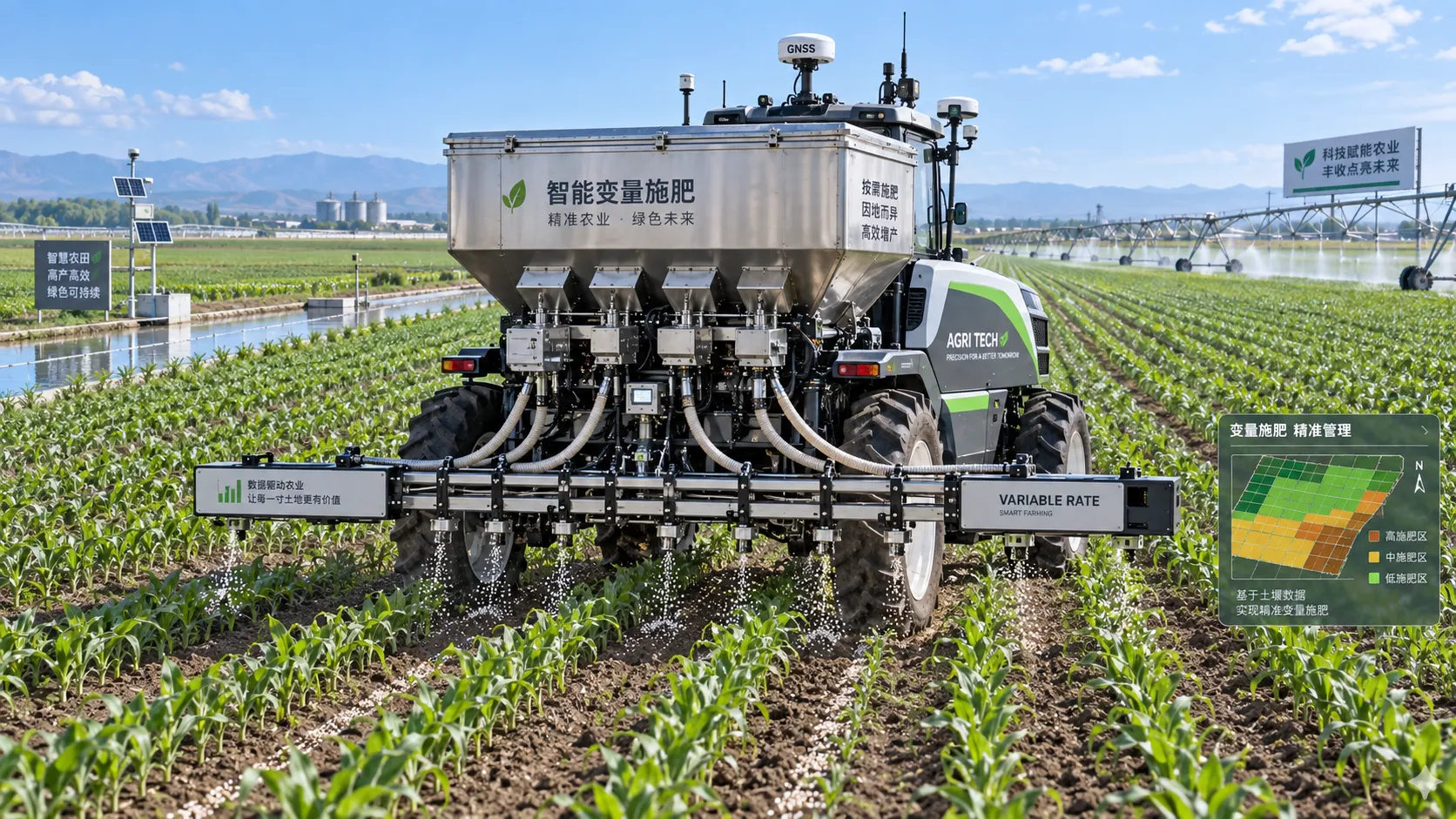
How to Evaluate Precision Fertilization System Suppliers for Farm-Scale Deployment
Precision fertilization systems suppliers: learn how to compare accuracy, integration, uptime, service, and total cost for confident farm-scale deployment.
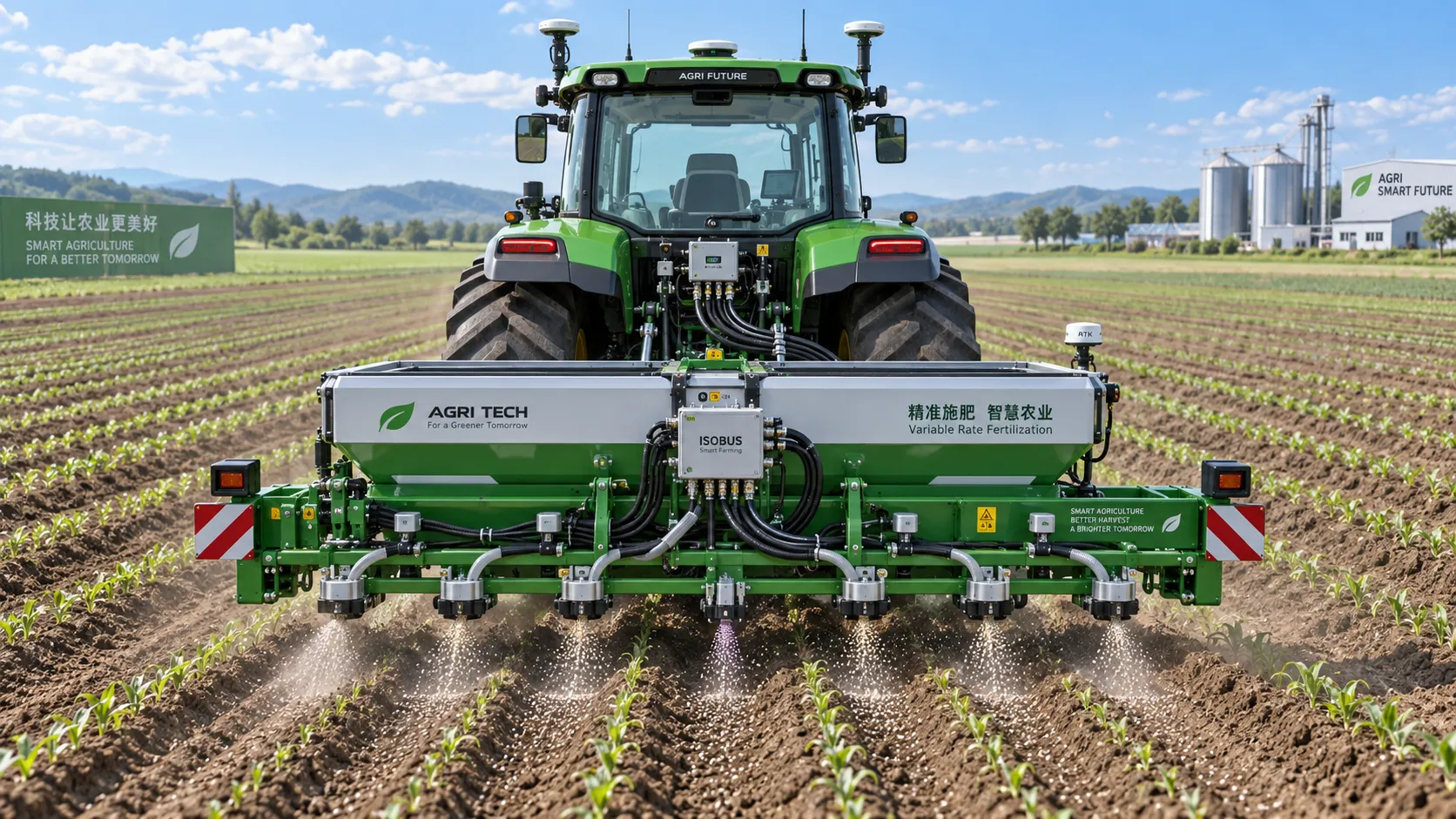
ISOBUS for Smart Agriculture: How It Connects Tractors, Implements, and Farm Data
ISOBUS for smart agriculture connects tractors, implements, terminals, and farm data—helping growers improve precision, documentation, and smarter field decisions.
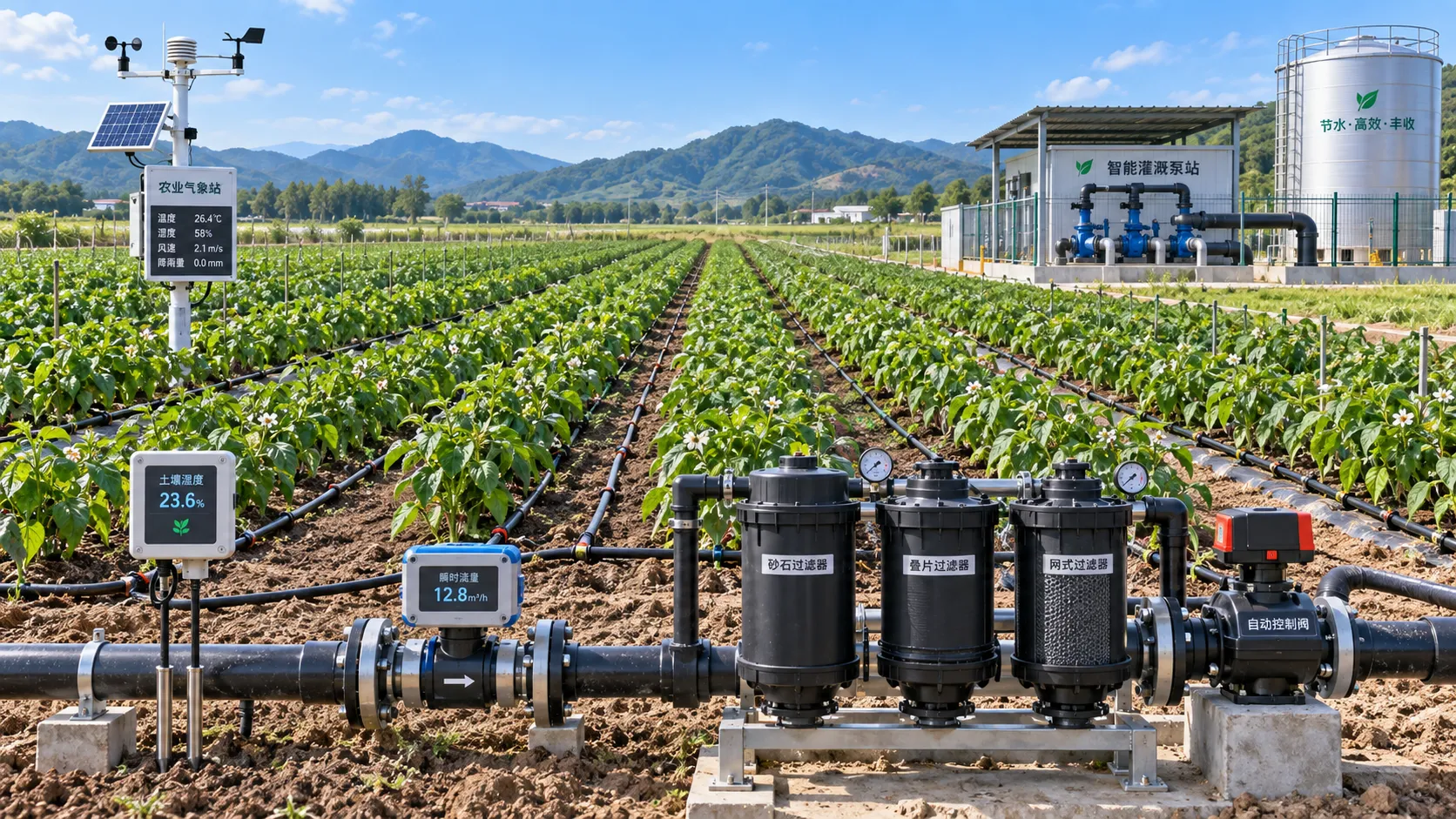
Automated Water-Saving Irrigation: How to Cut Water Use Without Reducing Crop Yields
Automated water-saving irrigation helps farms cut water use, protect crop yields, improve scheduling, and gain reliable control with sensors, flow monitoring, and smart zones.
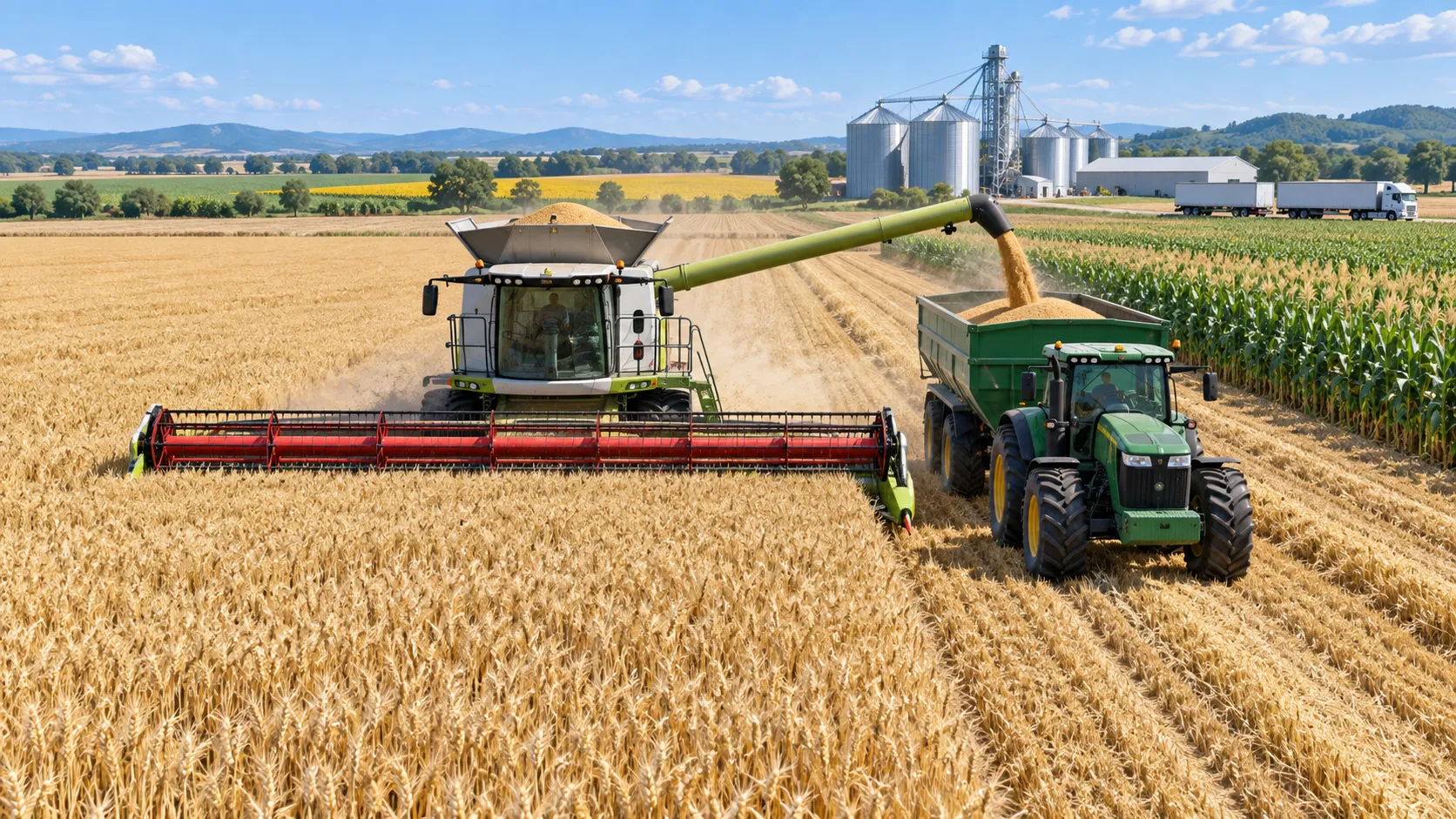
Selecting Grain Farm Equipment by Acreage, Crop Mix, and Harvest Window
Agricultural equipment selection for grain farming: match machinery to acreage, crop mix, and harvest windows to improve uptime, efficiency, and returns.
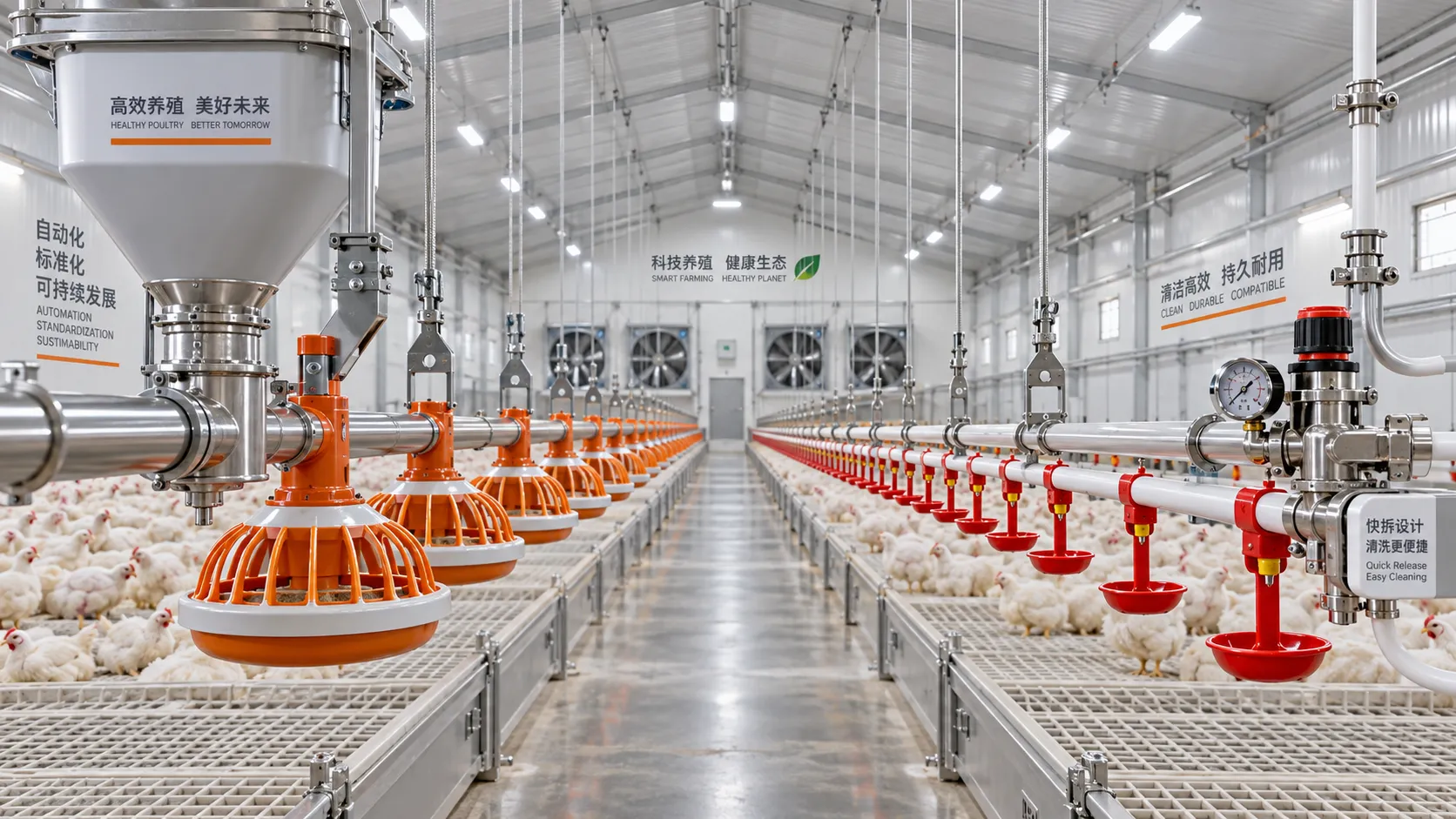
Poultry Equipment Selection: Evaluating Durability, Cleaning, and Compatibility
Poultry equipments selection guide: evaluate durability, cleaning access, and system compatibility to improve hygiene, reduce downtime, and support efficient flock management.
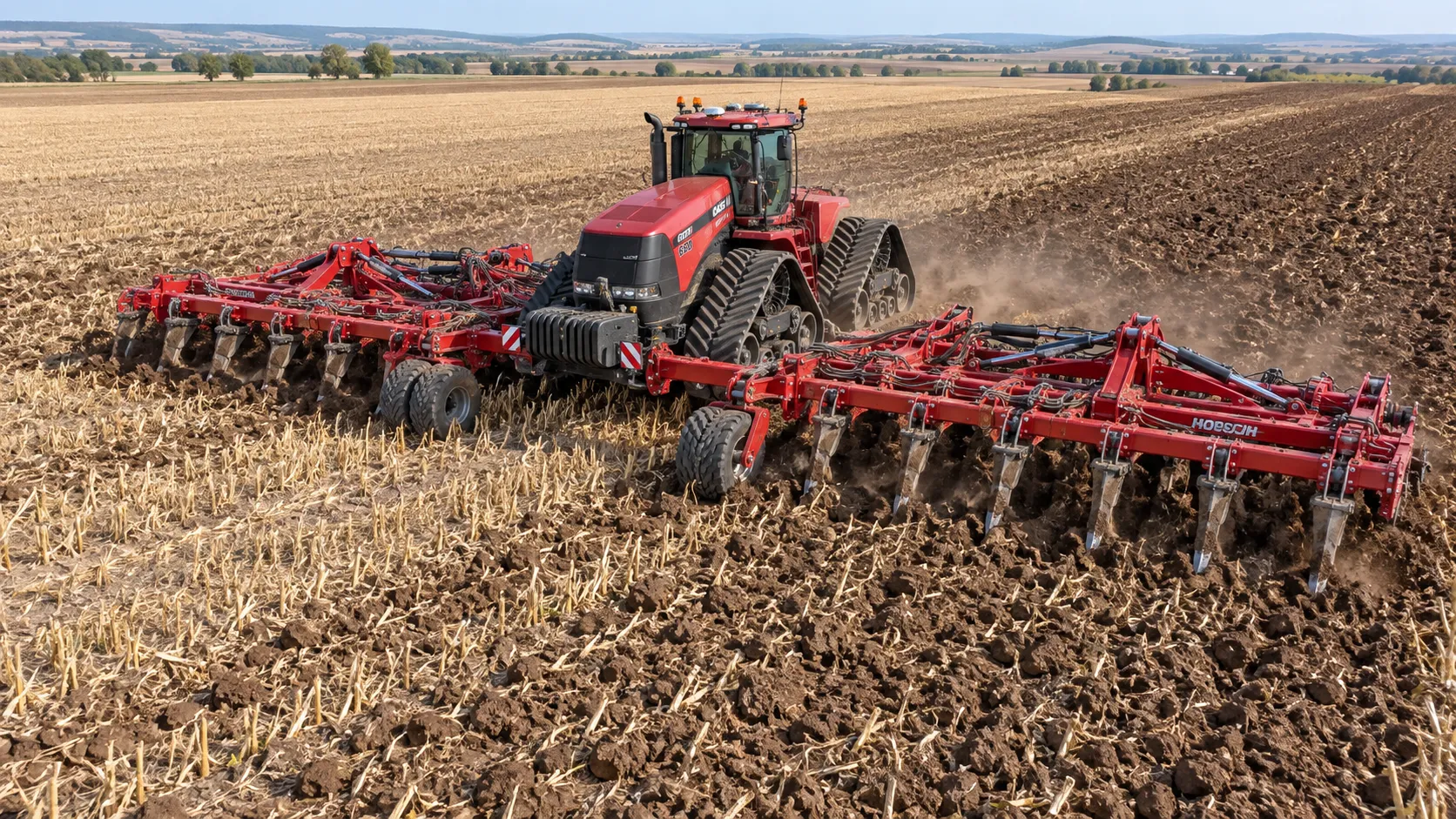
How to Select Heavy-Duty Farm Implements for High-Acreage, High-Horsepower Operations
Heavy duty farm implements: learn how to match draft, hydraulics, hitch capacity, frame strength, and field conditions for reliable high-acreage performance.
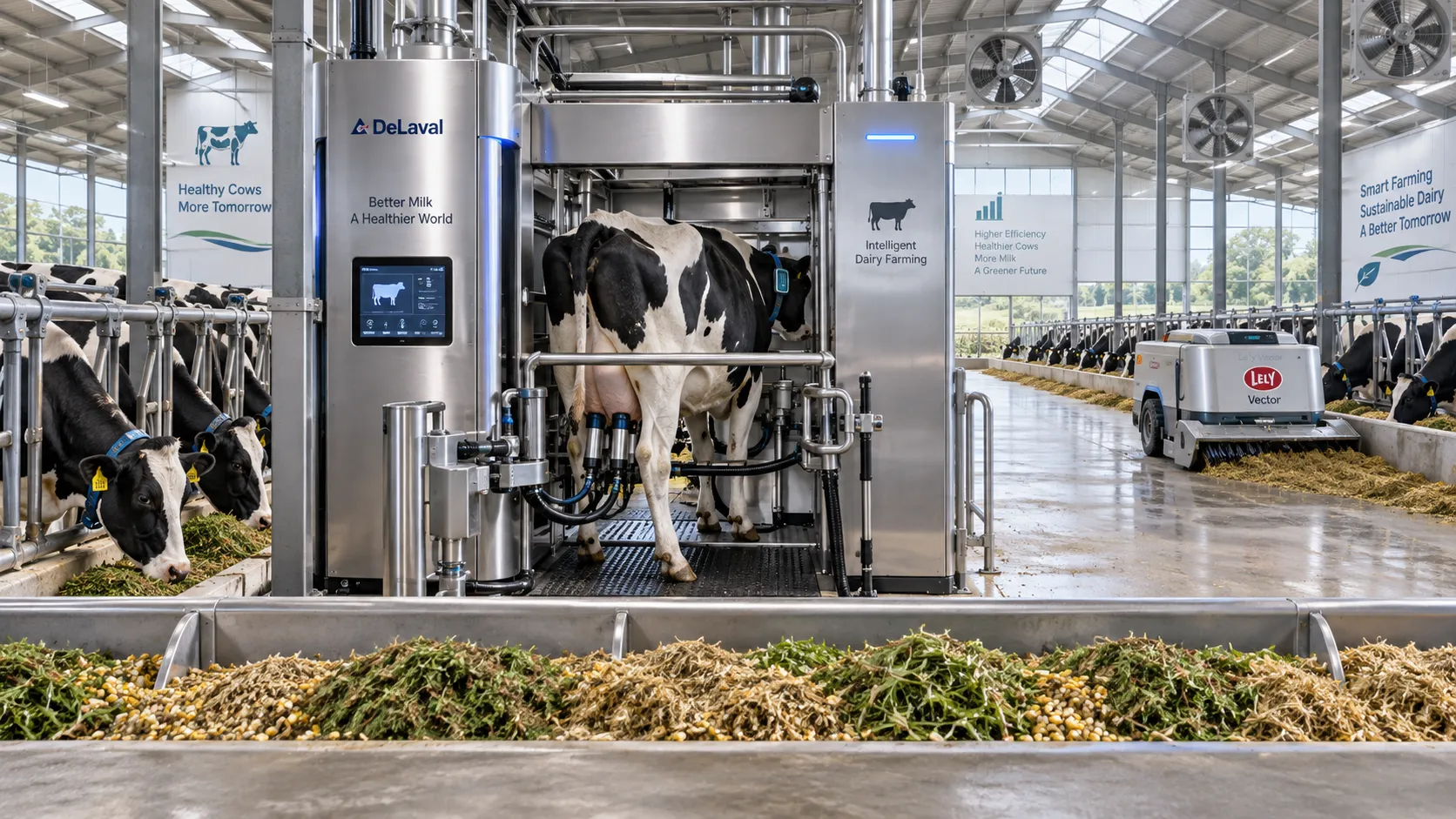
Smart Farming Technology for Dairy Farms: Where Automation Delivers Measurable ROI
Smart farming technology for dairy farms delivers measurable ROI through automation, precision feeding, health monitoring, and data-driven cost control.
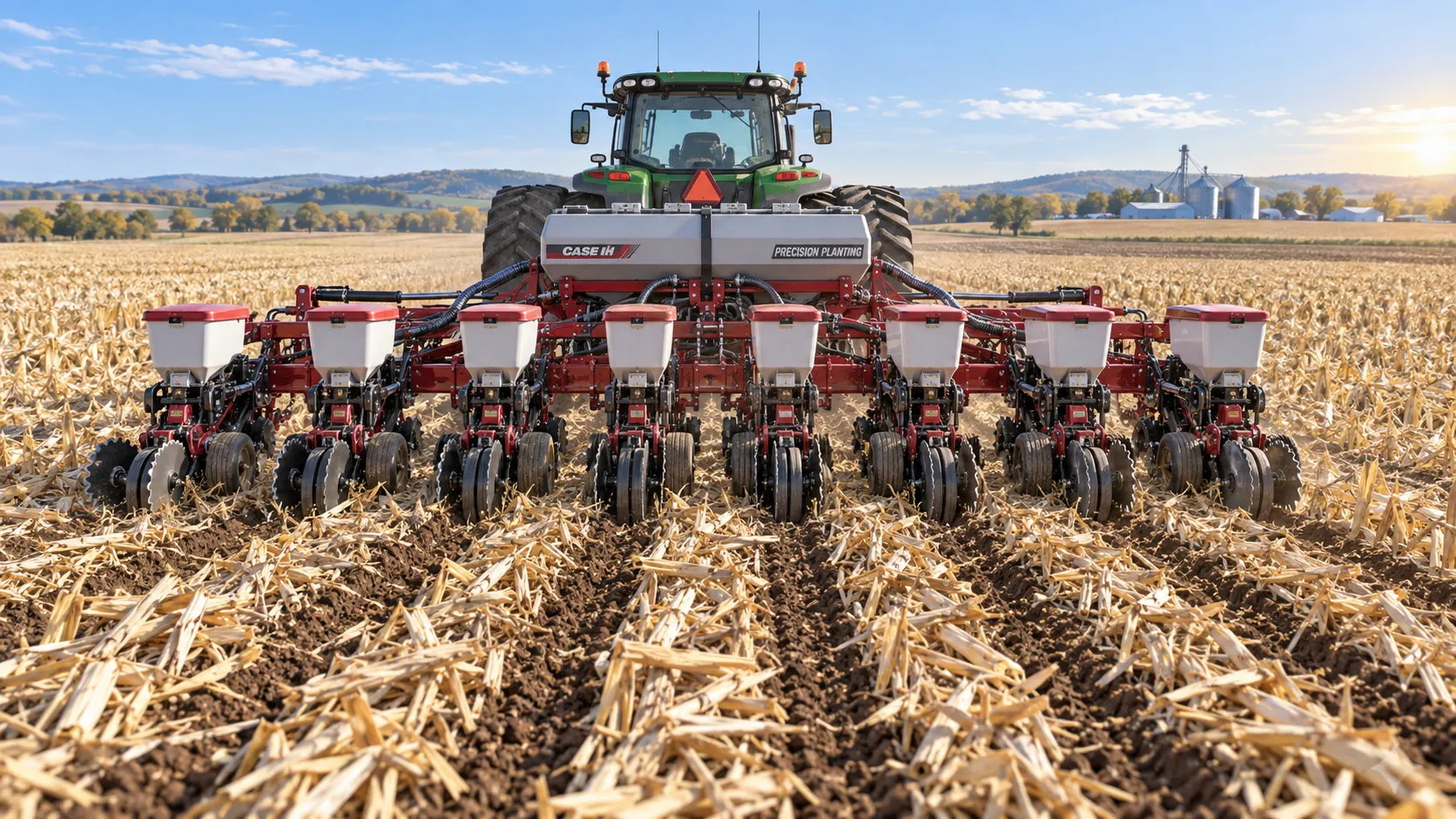
How to Select a Heavy-Duty Seeder for Large Acreage and High-Residue Fields
Heavy duty seeders for large acreage: compare residue handling, depth control, downforce, metering accuracy, and precision features to select the right model.
Related News
- 00
0000-00
How Does Farm Mechanization Affect Food Security in Developing Regions? - 00
0000-00
Agricultural Technology Insights by Region: Where Adoption Is Growing Fastest - 00
0000-00
How Climate-Smart Agriculture Technology Improves Yield, Soil Health, and Risk Resilience - 00
0000-00
Smart Farming Solutions in Latin America: Which Technologies Fit Large Farms Best? - 00
0000-00
Long-Cycle Agri-Trade Price Trends: How to Read Supply, Freight, and Currency Signals
Popular Tags
Prof. Marcus Chen
Weekly Insights
Stay ahead with our curated technology reports delivered every Monday.