
Global Grain Market Outlook: What Drives Price Swings, Trade Flows, and Buying Risk?
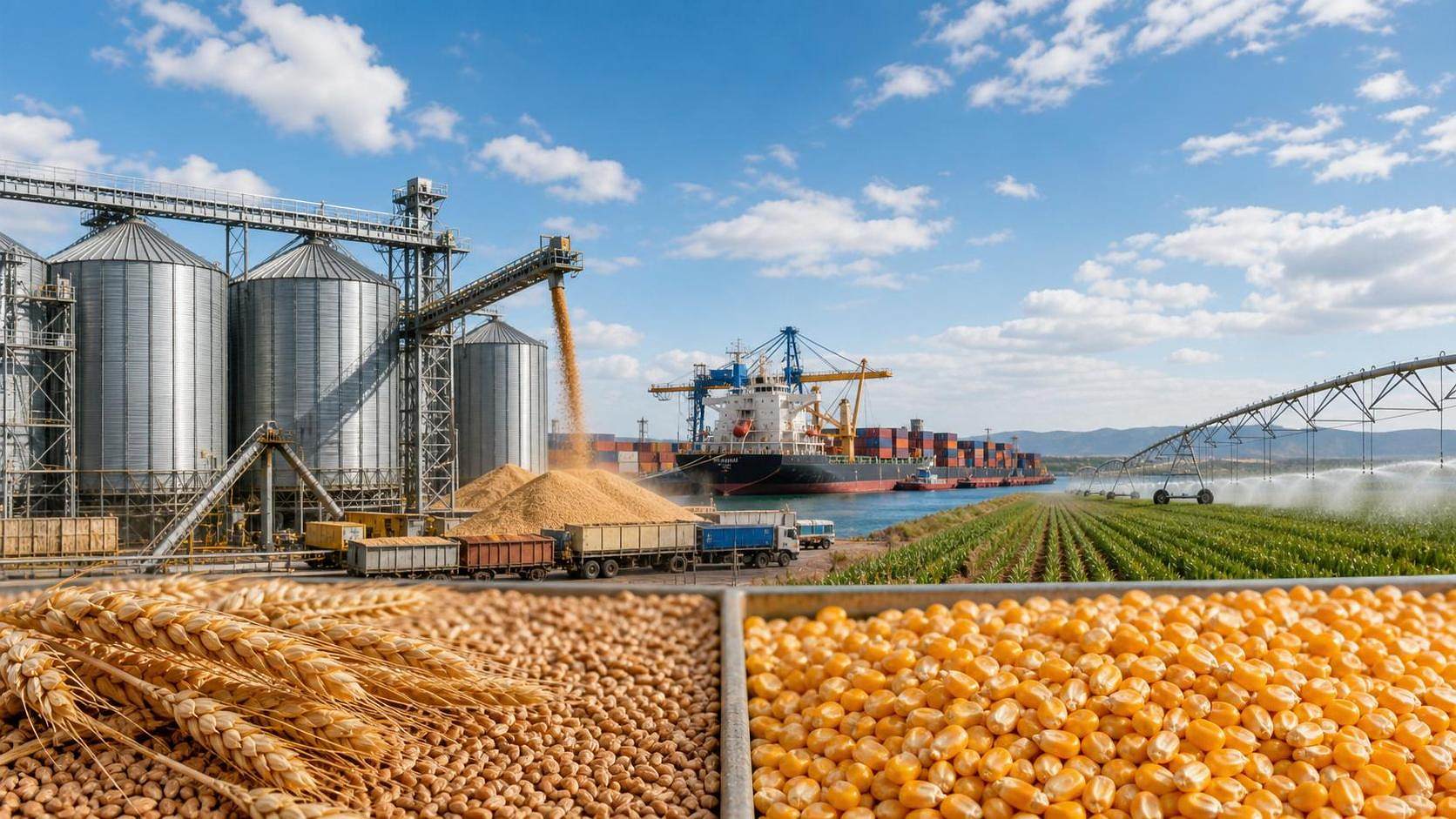




Global grain market volatility is no longer a seasonal story
The global grain market now moves through overlapping shocks rather than isolated cycles.
Weather, freight, policy, finance, and import behavior increasingly interact in real time.
That has made price discovery less predictable and trade timing more consequential.
For any business review tied to grain, the key issue is not only where prices are.
The harder question is why the market is moving, and how fast that logic can change.
Recent signals show a global grain market shaped by tighter risk transmission across regions.
A drought in one producing belt can influence feed demand, freight routes, and currency hedging elsewhere.
That wider linkage matters for agriculture as a whole.
It affects land-use expectations, farm cash flow, equipment replacement timing, and irrigation planning.
This is also where AP-Strategy’s perspective becomes useful.
Its intelligence model connects grain volatility with mechanization, harvesting efficiency, and water management decisions.
What has changed in the global grain market this time
The current phase is defined by shorter reaction windows and faster sentiment reversals.
In earlier cycles, supply shocks often took longer to filter into trade behavior.
Now importers adjust coverage more quickly, and exporters respond with stricter margin discipline.
Another visible shift is fragmentation.
The global grain market still looks integrated on paper, yet actual flows are becoming more corridor-specific.
Black Sea access, South American harvest timing, inland transport bottlenecks, and destination financing now create uneven regional premiums.
This means benchmark prices alone reveal less than before.
A stronger signal often comes from basis shifts, port congestion, and tender behavior.
From a broader industry standpoint, grain is no longer a separate commodity story.
It is increasingly tied to energy costs, environmental rules, and agricultural technology investment.
The main signals worth following now
- Export corridor reliability rather than nominal production alone.
- Import tender spacing, which often signals confidence or caution.
- Currency swings in major suppliers, especially when farm selling accelerates.
- Water stress and crop condition data before yield revisions become official.
- Harvest efficiency, because delayed collection can tighten usable supply.
Why price swings in the global grain market have become sharper
Weather remains the first trigger, but it is no longer the only dominant one.
A yield scare now collides with logistics costs, government action, and speculative positioning.
That collision explains why the global grain market can rally and retreat within a narrow calendar window.
Policy is another force that deserves closer attention.
Export controls, sanitary rules, biofuel mandates, and food inflation responses can reshape flows quickly.
Even when volumes remain available, policy friction changes route economics and delivery certainty.
Freight pressure adds a third layer.
Ocean rates, insurance premiums, river levels, and rail capacity all alter landed cost.
When those costs rise unevenly, the global grain market fragments into local risk pockets.
Currency movements then amplify the effect.
A weaker exporter currency can stimulate farmer sales and pressure prices.
A stronger importer currency can temporarily support buying, even during uncertain demand.
Trade flows are moving with more caution, not less demand
A softer buying pace does not always mean underlying consumption is weak.
Often it reflects a preference for shorter coverage and better optionality.
That behavior has become common across the global grain market.
Buyers increasingly divide origin risk, stagger tenders, and avoid deep exposure to one freight lane.
This can make trade flow data look erratic from month to month.
Yet beneath that volatility, the market often shows strategic redistribution rather than demand collapse.
More worth noting is the role of crop quality and usable supply.
Headline production may appear comfortable, while protein levels, moisture, or storage loss reduce practical availability.
That matters for milling, feed formulation, and blending economics.
It also links the global grain market to farm technology decisions.
Harvest quality depends not only on field conditions, but on machine performance and timing precision.
AP-Strategy tracks this intersection closely through combine harvesting efficiency and intelligent field management signals.
Where caution is showing up in trade behavior
- More destination flexibility in contracts.
- Higher attention to cargo timing and discharge windows.
- Greater use of mixed-origin procurement strategies.
- Closer review of quality risk before shipment commitment.
The impact reaches beyond commodity desks into the field
The global grain market influences more than pricing models and shipment schedules.
It increasingly shapes agricultural capital allocation.
When grain margins improve, mechanization budgets usually strengthen.
When volatility rises without margin support, replacement cycles can be delayed.
This has direct implications for large-scale agri-machinery, tractor chassis upgrades, and smart tool deployment.
Water strategy is also becoming more central.
In many regions, grain price risk now overlaps with irrigation risk.
A crop may be commercially attractive, yet water constraints alter output certainty and cost structure.
That is why smart irrigation systems matter in a grain outlook discussion.
They support yield stability, but they also improve confidence in forward planning.
From AP-Strategy’s Agriculture 4.0 lens, the strongest operations are connecting market intelligence with field execution.
That includes satellite-guided tools, harvesting loss control, and water-use optimization tied to market windows.
What deserves closer attention over the next few quarters
The first priority is to separate noise from structural change.
Not every rally signals a long shortage, and not every price decline reflects improved balance.
The global grain market is increasingly driven by timing, not just annual supply totals.
A second focus should be risk concentration.
If too much volume depends on one corridor, one climate pattern, or one policy stance, exposure rises quickly.
The third signal is operational resilience in production regions.
Harvest labor, machine uptime, spare parts availability, and irrigation efficiency now feed into grain reliability.
That may sound indirect, but it often explains why expected supply fails to reach the export channel smoothly.
A practical watchlist for the global grain market
- Track weather stress together with irrigation coverage, not in isolation.
- Compare production estimates with harvest capacity and storage conditions.
- Review policy changes alongside freight cost and insurance shifts.
- Use currency trends to test whether price moves are truly supply-driven.
- Watch destination buying patterns for signs of hidden caution or renewed confidence.
A steadier reading of buying risk starts with connected signals
The global grain market is unlikely to become simpler soon.
What can improve is the quality of interpretation.
A stronger reading comes from linking price moves with field conditions, logistics access, policy intent, and machinery readiness.
That broader view reduces the risk of reacting to headlines without context.
It also supports better timing around sourcing, investment exposure, and market entry assumptions.
For the next stage, it is worth building a tighter monitoring routine.
Review market signals in phases, compare origin resilience, and test whether operational technology can soften supply risk.
In a global grain market defined by uncertainty, connected intelligence is becoming more valuable than single-point forecasts.
That is precisely the direction in which agri-equipment insight, precision farming data, and grain market observation now converge.
Related News

When Does Agricultural Machinery Leasing Cost Less Than Owning Equipment?
Agricultural machinery leasing can lower farm costs when use is seasonal or uncertain. Compare utilization, maintenance, cash flow, and risk to make a smarter equipment decision.
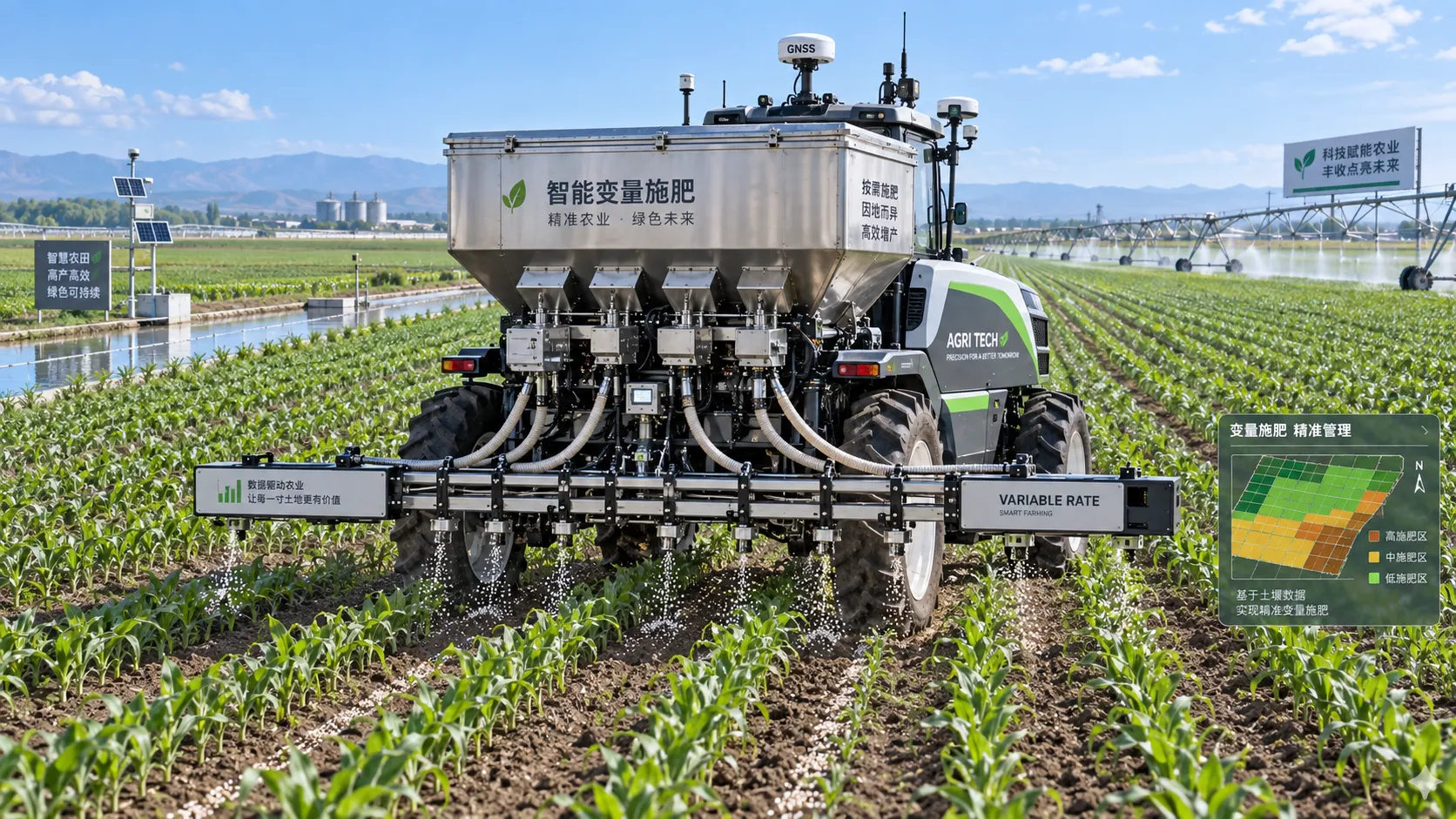
How to Evaluate Precision Fertilization System Suppliers for Farm-Scale Deployment
Precision fertilization systems suppliers: learn how to compare accuracy, integration, uptime, service, and total cost for confident farm-scale deployment.
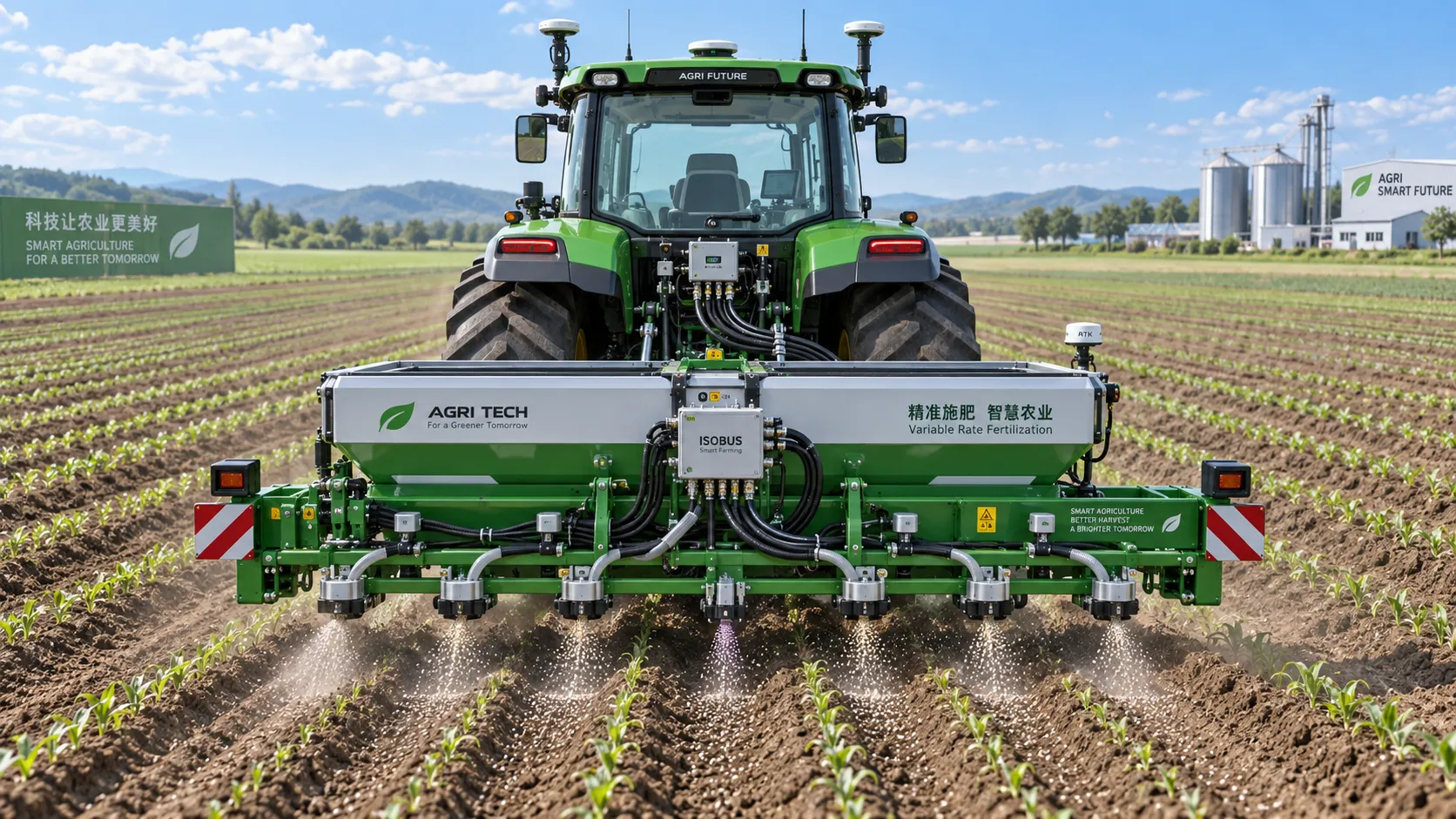
ISOBUS for Smart Agriculture: How It Connects Tractors, Implements, and Farm Data
ISOBUS for smart agriculture connects tractors, implements, terminals, and farm data—helping growers improve precision, documentation, and smarter field decisions.
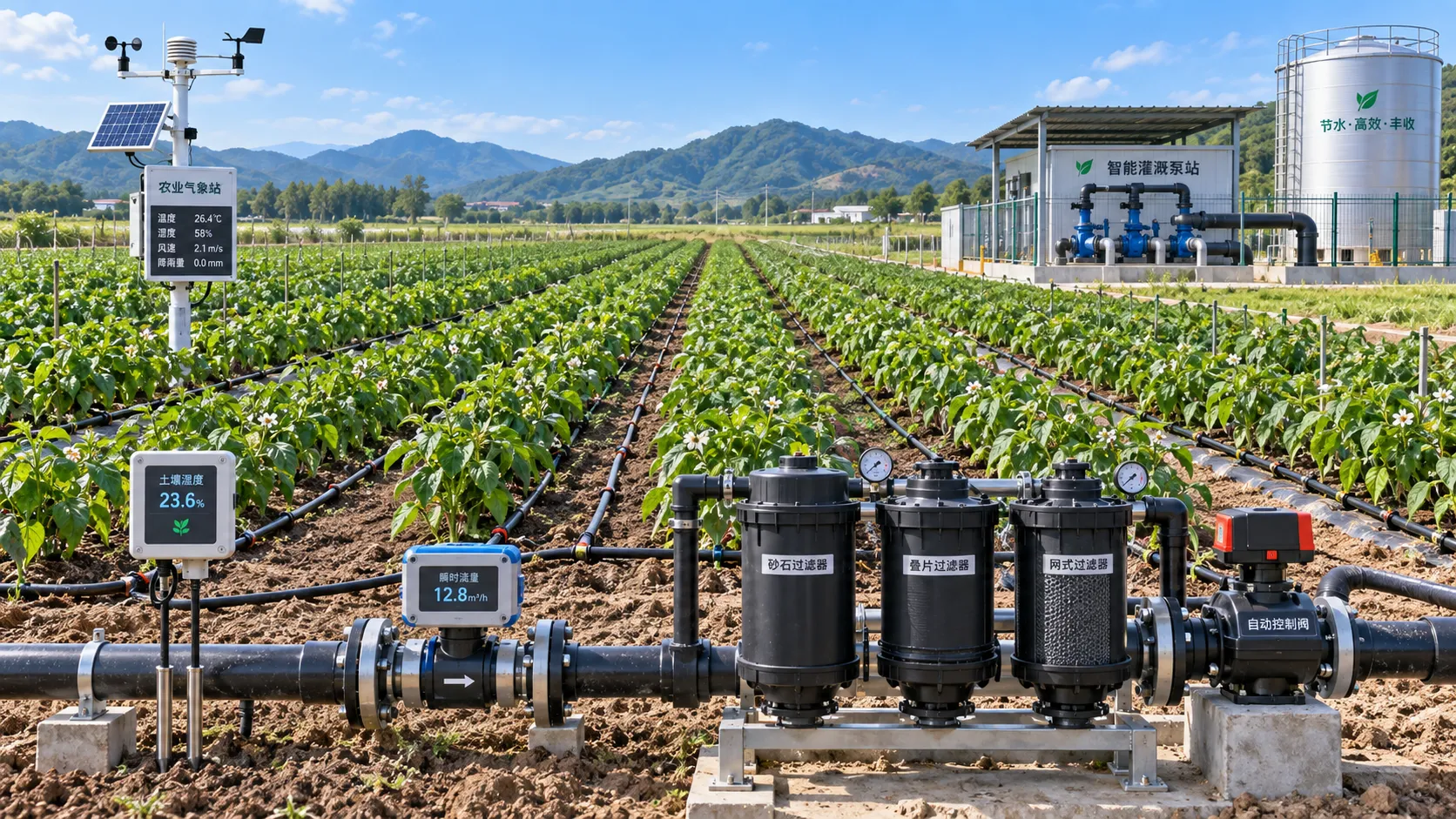
Automated Water-Saving Irrigation: How to Cut Water Use Without Reducing Crop Yields
Automated water-saving irrigation helps farms cut water use, protect crop yields, improve scheduling, and gain reliable control with sensors, flow monitoring, and smart zones.
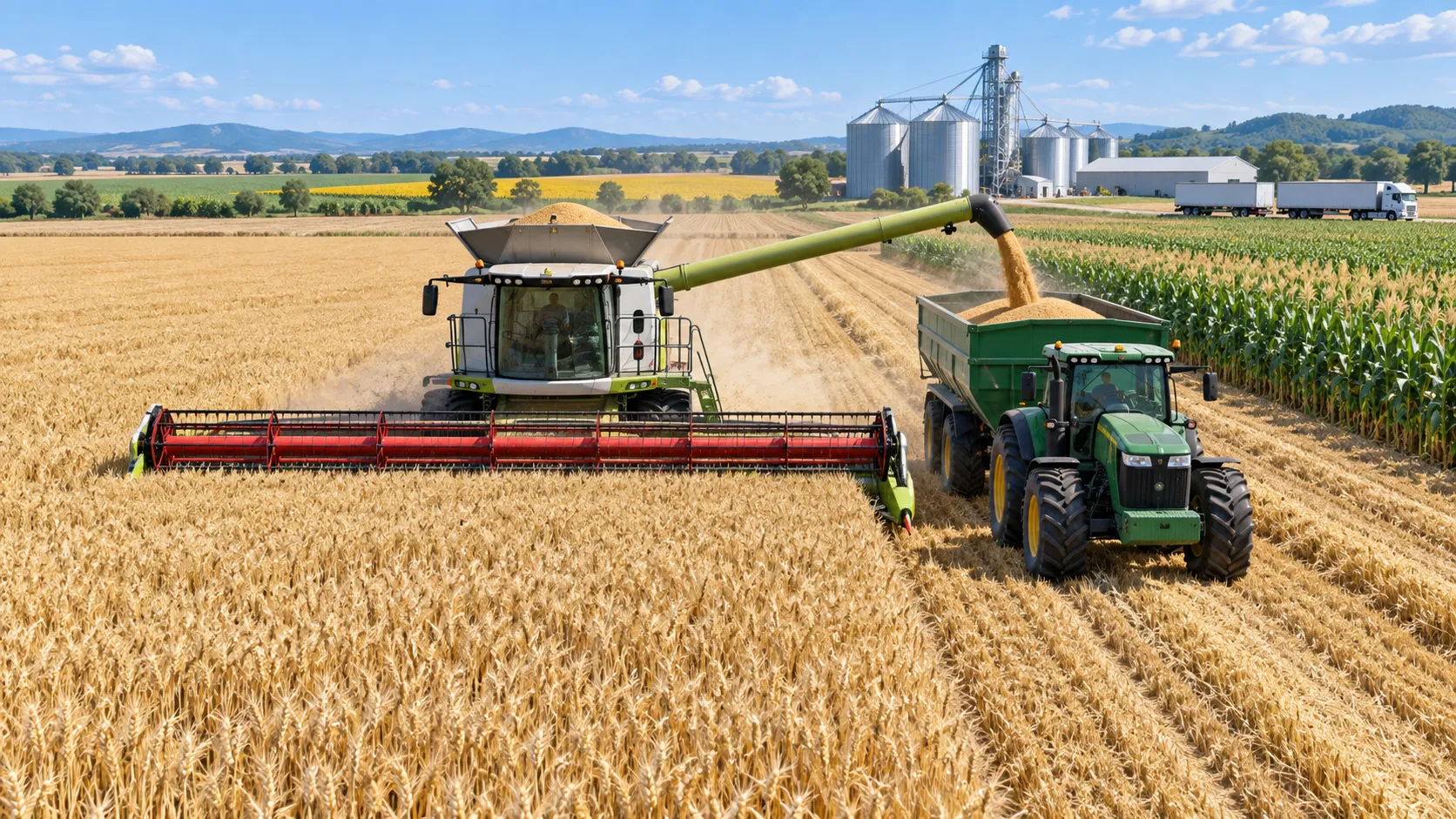
Selecting Grain Farm Equipment by Acreage, Crop Mix, and Harvest Window
Agricultural equipment selection for grain farming: match machinery to acreage, crop mix, and harvest windows to improve uptime, efficiency, and returns.
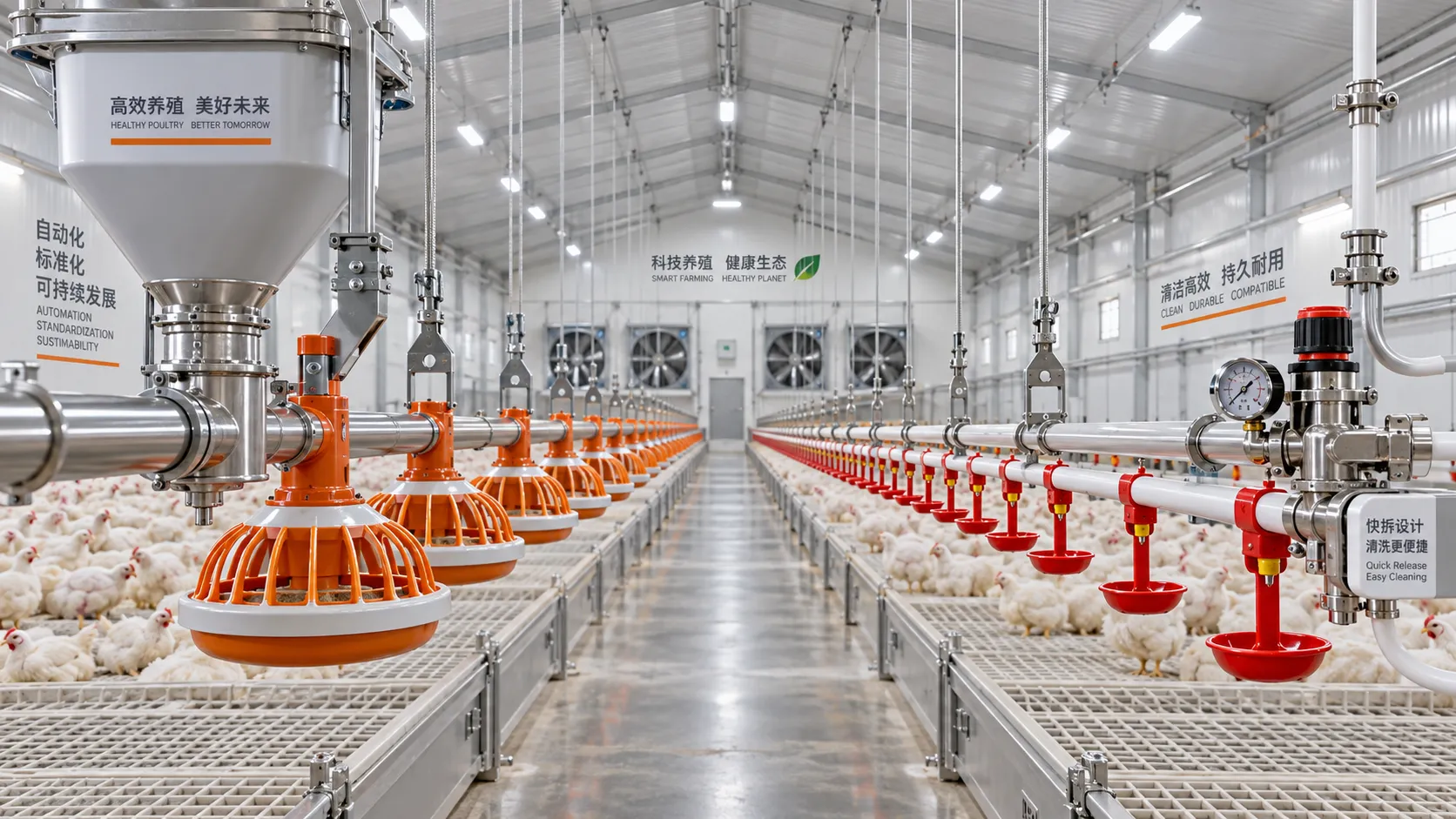
Poultry Equipment Selection: Evaluating Durability, Cleaning, and Compatibility
Poultry equipments selection guide: evaluate durability, cleaning access, and system compatibility to improve hygiene, reduce downtime, and support efficient flock management.
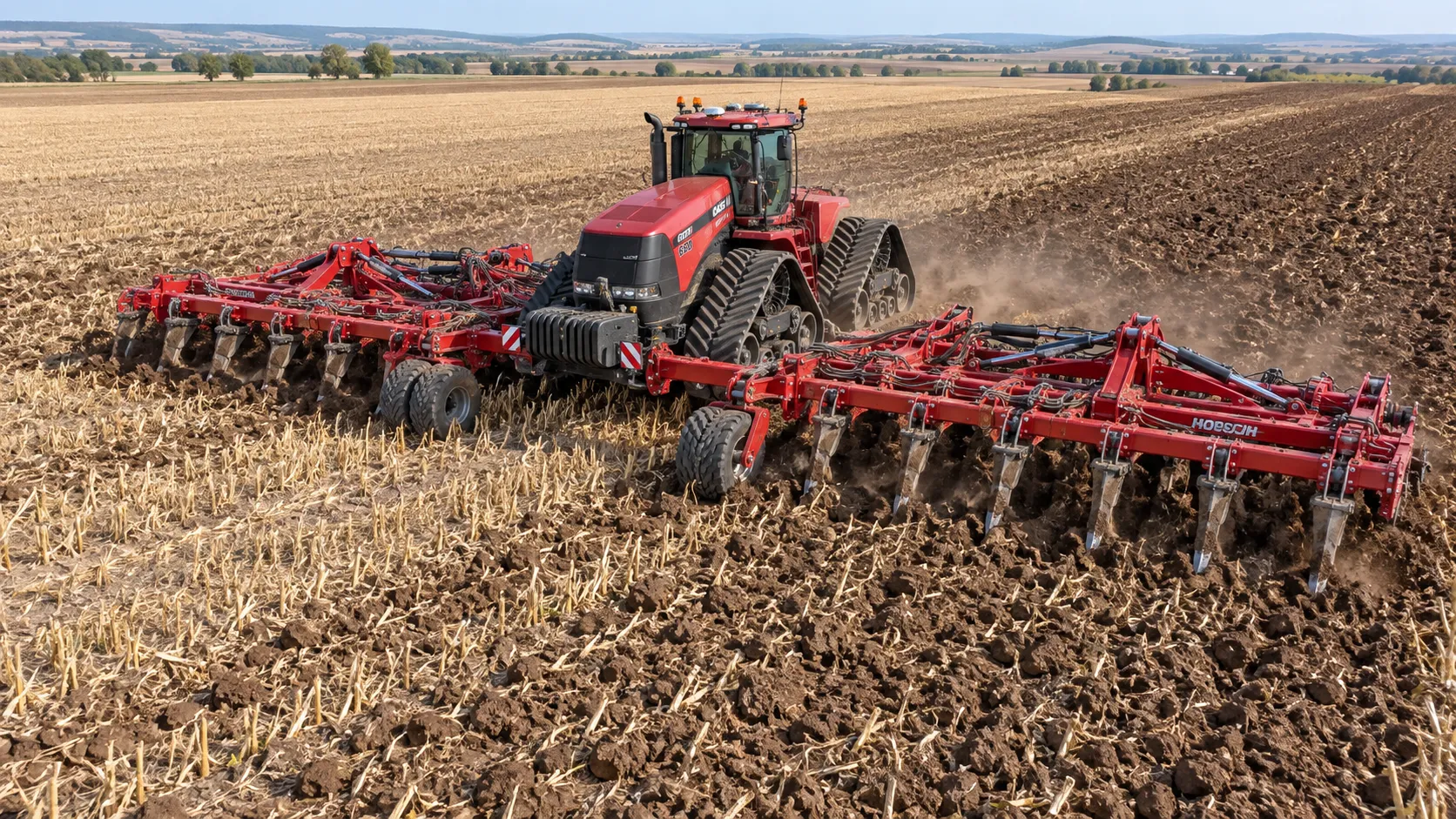
How to Select Heavy-Duty Farm Implements for High-Acreage, High-Horsepower Operations
Heavy duty farm implements: learn how to match draft, hydraulics, hitch capacity, frame strength, and field conditions for reliable high-acreage performance.
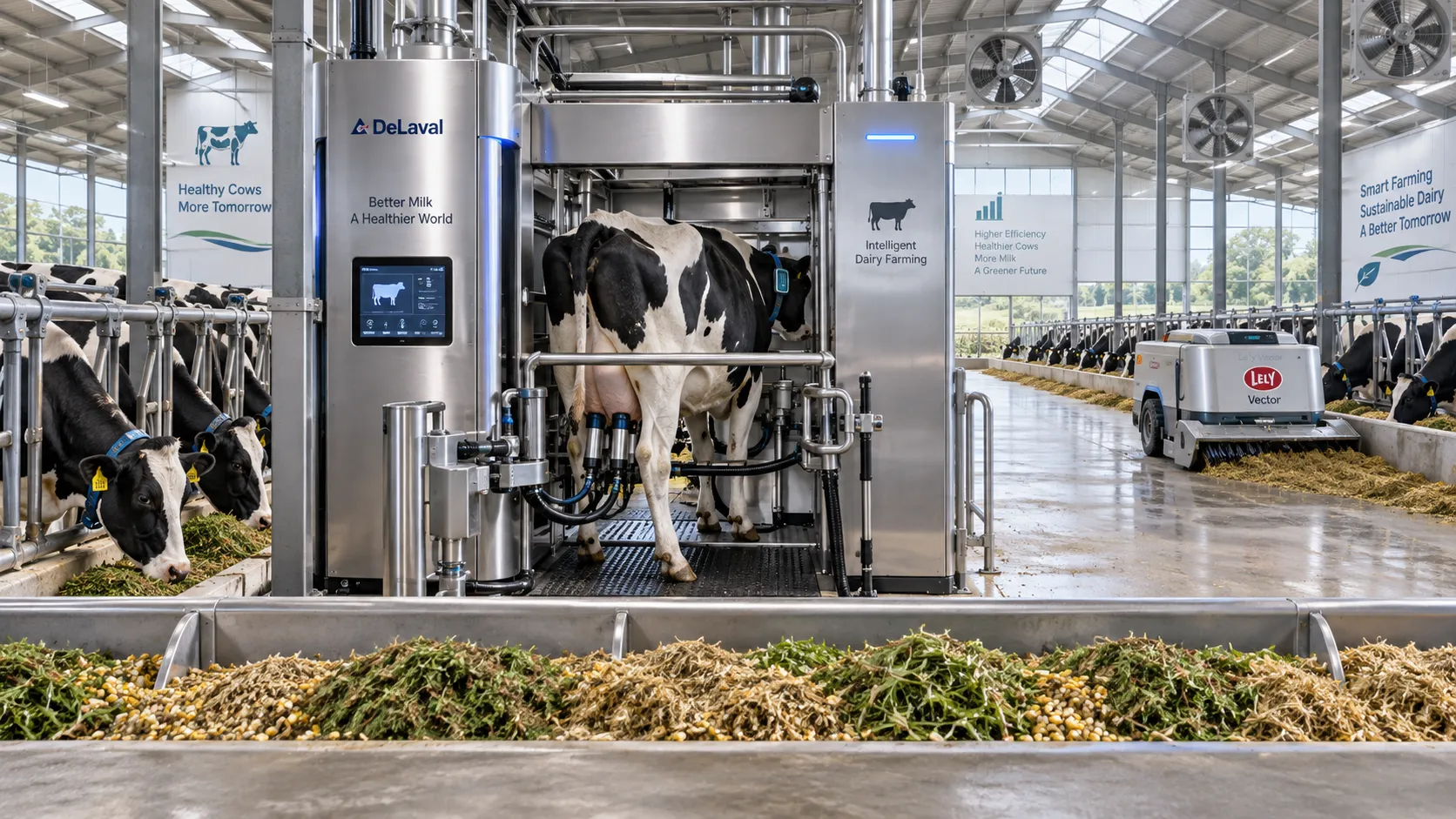
Smart Farming Technology for Dairy Farms: Where Automation Delivers Measurable ROI
Smart farming technology for dairy farms delivers measurable ROI through automation, precision feeding, health monitoring, and data-driven cost control.
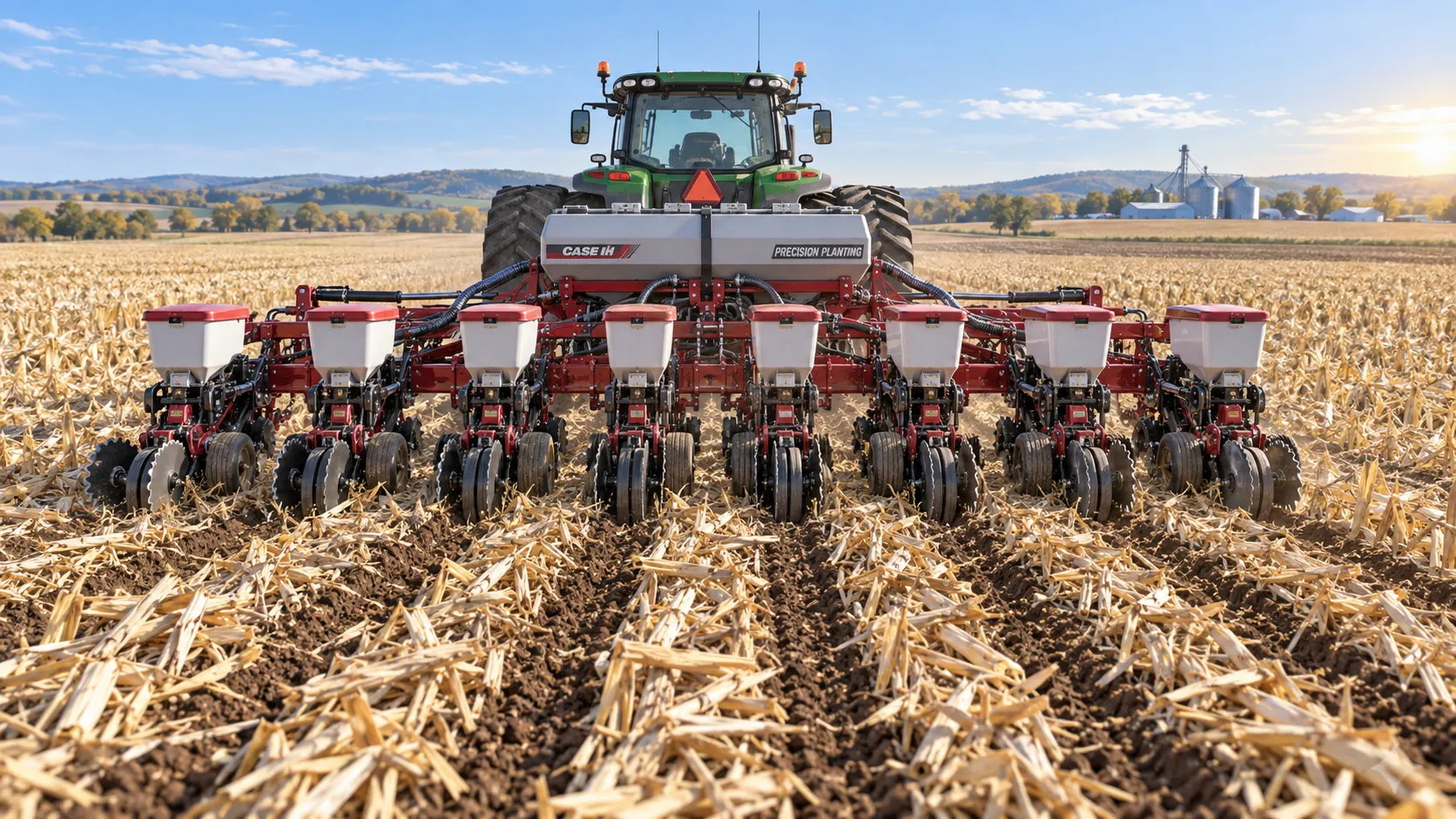
How to Select a Heavy-Duty Seeder for Large Acreage and High-Residue Fields
Heavy duty seeders for large acreage: compare residue handling, depth control, downforce, metering accuracy, and precision features to select the right model.
Related News
- 00
0000-00
How Does Farm Mechanization Affect Food Security in Developing Regions? - 00
0000-00
Agricultural Technology Insights by Region: Where Adoption Is Growing Fastest - 00
0000-00
How Climate-Smart Agriculture Technology Improves Yield, Soil Health, and Risk Resilience - 00
0000-00
Smart Farming Solutions in Latin America: Which Technologies Fit Large Farms Best? - 00
0000-00
Long-Cycle Agri-Trade Price Trends: How to Read Supply, Freight, and Currency Signals
Popular Tags
Prof. Marcus Chen
Weekly Insights
Stay ahead with our curated technology reports delivered every Monday.