
Hybrid Technology in Farm Machinery: What It Is and Where It Delivers Value
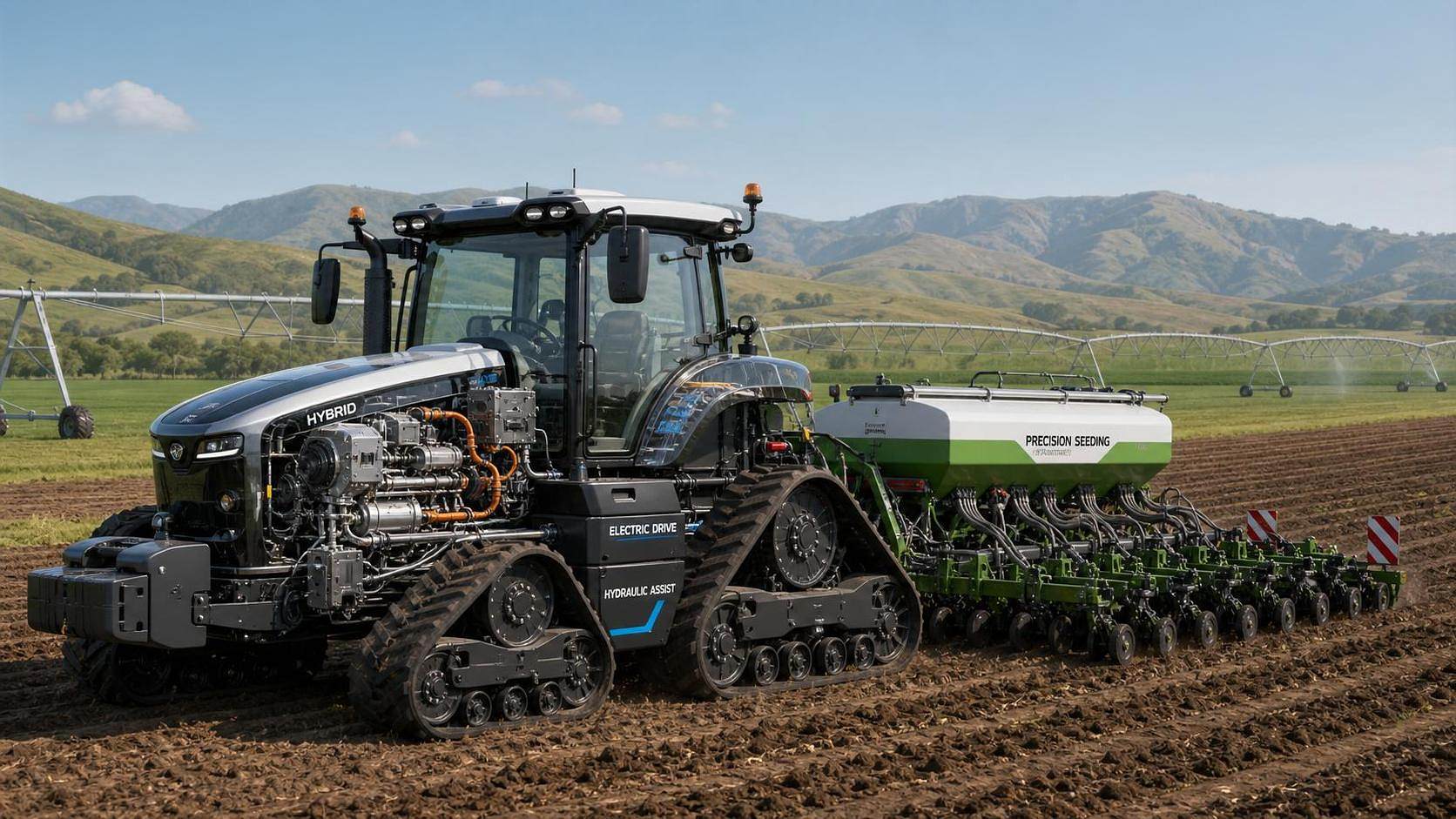




Why is hybrid technology drawing so much attention in farm machinery?
Hybrid technology has moved beyond automotive headlines and into serious agricultural engineering.
In farm machinery, it usually means combining an internal combustion engine with electric drive, energy storage, and digital control.
That combination matters because field work is rarely steady.
Loads change by soil condition, slope, crop density, traction demand, and hydraulic use.
A purely mechanical system handles those shifts, but not always efficiently.
Hybrid technology adds a smarter way to balance power, torque, and energy recovery.
That is why it is increasingly discussed across tractors, combines, intelligent implements, and irrigation support equipment.
From an Agriculture 4.0 perspective, the interest is not only about fuel savings.
It is also about controllability, emissions strategy, and better integration with sensors, software, and precision task management.
This fits the broader intelligence work seen across AP-Strategy, where mechanical performance and digital decision systems are evaluated together.
So what exactly does hybrid technology mean on a machine, not on a brochure?
A practical definition is more useful than a marketing one.
In agricultural equipment, hybrid technology is a power architecture that shares work between engine-driven and electric components.
Sometimes the engine still supplies the main energy.
The electric side then supports peak torque, powers auxiliaries, stabilizes load changes, or improves low-speed efficiency.
In other cases, the electric system becomes more active in traction, implement drive, or temporary power buffering.
Three configurations are common in discussion:
- Mild hybrid systems that support the engine during transient loads.
- Series or power-split concepts that route power through electrical paths.
- Hybrid auxiliary systems that electrify fans, pumps, or implement functions.
The important point is that hybrid technology is not one fixed design.
It is a family of solutions used to reduce wasted energy and improve system response.
That makes it highly relevant for large-scale machinery, where every efficiency gain is multiplied across operating hours and hectares.
Where does hybrid technology deliver real value in the field?
The strongest value appears where machine duty cycles are uneven and power demand changes quickly.
That is common in agriculture.
A tractor pulling through variable soil resistance is one example.
A combine adjusting to changing crop moisture and throughput is another.
An intelligent sprayer or planter managing precise section control can also benefit.
More often than not, value comes from four areas.
Notice that the value is rarely just theoretical fuel economy.
In practice, smoother torque delivery can protect driveline components and improve operator consistency.
Electrified auxiliaries can also support cleaner control of fans, pumps, and metering devices.
That is especially relevant when machinery is expected to work alongside precision farming algorithms and sensor feedback loops.
Is hybrid technology better than full electrification for agricultural equipment?
Not automatically, and that is where many discussions become oversimplified.
Full electric machinery has strong long-term appeal, especially for low-duty or controlled environments.
Yet agriculture often demands long working windows, high peak loads, and limited charging infrastructure.
Hybrid technology often becomes the more practical transition path.
It keeps the range and refueling familiarity of combustion power while introducing electric efficiency where it creates the most value.
That balance is especially useful in large tractors, combine harvesters, and equipment working far from stable grid access.
A simple comparison helps clarify the trade-off:
- Full electric favors simpler local emissions control but faces battery weight and runtime constraints.
- Conventional diesel offers proven endurance but wastes more energy in dynamic load changes.
- Hybrid technology sits between them, improving efficiency without requiring a complete operating model reset.
For many observers, that middle position explains the current momentum.
It is not a final destination for every machine class.
Still, it is a highly relevant step in the evolution of resource-saving farm systems.
What should be checked before deciding whether hybrid technology makes sense?
The better question is not whether hybrid technology is advanced.
The better question is whether the operating profile can actually use its advantages.
A machine that runs at stable load for long periods may see modest gains.
A machine with frequent starts, changing torque demand, or many power-hungry auxiliaries may benefit much more.
Before making any judgment, it helps to review these points:
- Duty cycle variation across the season, not just during one task.
- Peak torque frequency and the cost of underpowered response.
- Hydraulic and auxiliary loads that could be electrified more efficiently.
- Service readiness for batteries, inverters, control software, and diagnostic tools.
- Emission compliance targets and expected policy pressure in key markets.
- Data integration goals tied to guidance, sensors, and precision control systems.
This is also where intelligence-led evaluation becomes useful.
Platforms such as AP-Strategy frame hybrid technology within machinery trends, powertrain evolution, and sustainability pressure.
That broader view helps separate meaningful engineering progress from short-term claims.
What are the common misunderstandings and hidden constraints?
One common misunderstanding is that hybrid technology always cuts fuel use dramatically.
In reality, savings depend on machine design and task pattern.
Another mistake is treating hybrid systems as only an energy story.
Their value may come just as much from control precision, response speed, or smoother load management.
There are also constraints that deserve honest attention.
- Higher upfront system complexity can affect purchase planning and maintenance routines.
- Thermal management and electronic protection matter in dust, vibration, and heat.
- Weight distribution must be controlled carefully, especially on traction-focused platforms.
- Software quality becomes part of machine reliability, not an optional extra.
In other words, hybrid technology should not be judged only by brochure specifications.
It should be judged by how well the total system performs across the season.
That includes serviceability, uptime, field adaptability, and measurable operational return.
What is the smartest next step if you are still evaluating the topic?
Start with the work profile, not the technology label.
List the machines or systems where load changes are frequent and energy waste is likely.
Then compare where hybrid technology could improve torque response, auxiliary efficiency, or emissions performance.
It is also worth tracking three signals over time.
- Which machine categories are moving from prototypes to repeatable commercial deployment.
- How control software and electrified subsystems change real field productivity.
- Whether policy, fuel economics, and sustainability targets reshape the cost equation.
Hybrid technology is not important because it sounds modern.
It is important because it offers a practical bridge between proven powertrains and data-driven agriculture.
For anyone studying large-scale agri-machinery, combine systems, tractor chassis, or intelligent irrigation support, that bridge is worth understanding in detail.
A careful review of duty cycles, control needs, maintenance capacity, and field conditions will usually reveal where hybrid technology creates real value and where it does not.
Related News
How to Evaluate Agricultural Product Information Sources for Reliable Farm Decisions
Agricultural product information reference guide: evaluate reliable farm data, verify claims, and make smarter machinery, irrigation, and crop decisions.
Farm Machinery Guide: Matching Tractor Horsepower and Implements to Farm Size
Farm machinery guide for tractors: match horsepower, implement width, hydraulics, traction, and fleet capacity to farm size for lower costs and reliable field performance.
How to Evaluate Drip Irrigation System Manufacturers for Large Farm Projects
Drip irrigation systems manufacturer evaluation guide for large farms: compare hydraulic design, filtration, quality control, scalability, delivery, and support.
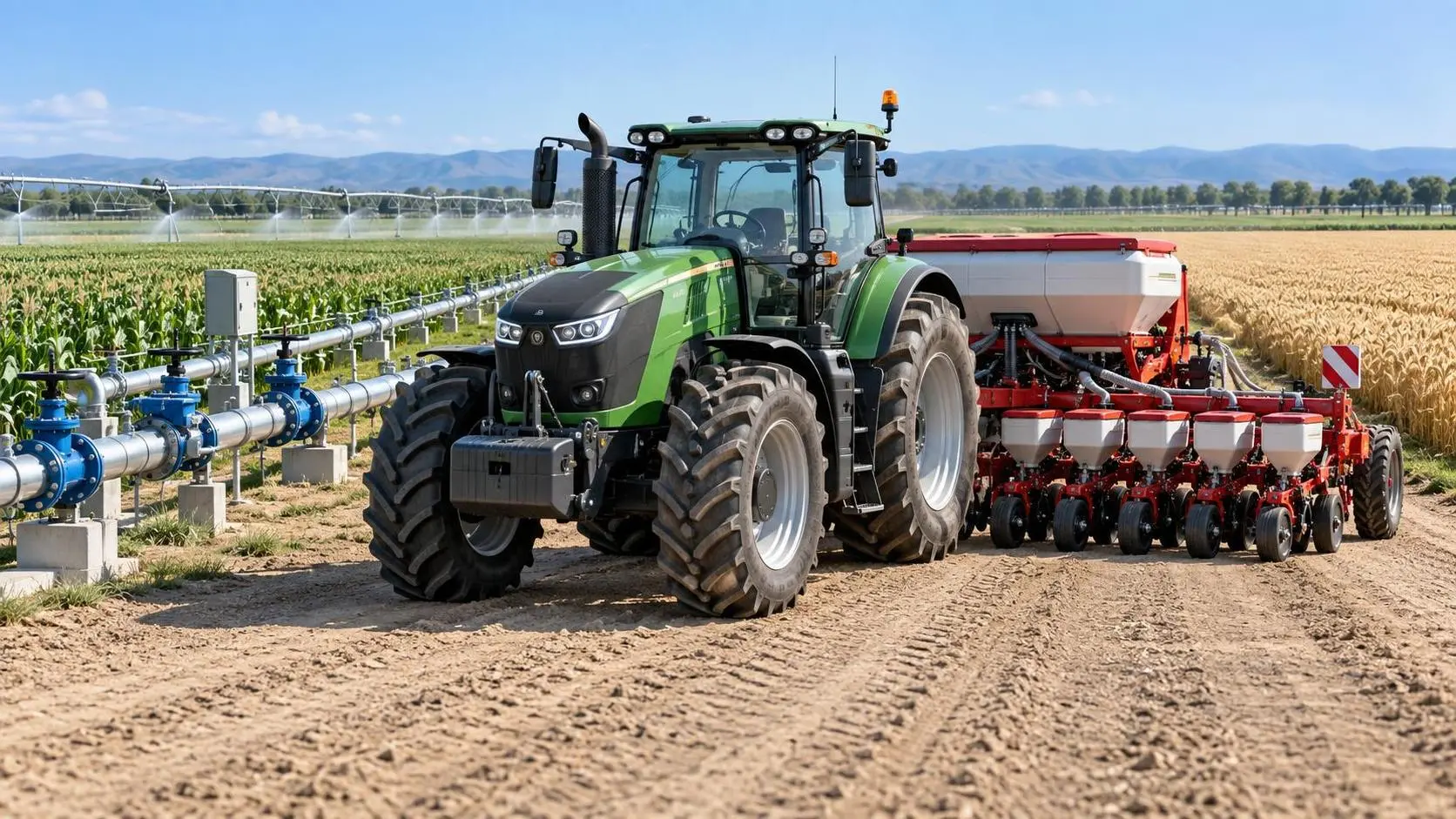
Specification Planning: A Practical Framework for Defining Equipment Requirements
Application guidance for specification planning: define measurable equipment requirements, prioritize performance, and avoid costly procurement mistakes.

How North American Farms Can Select Crop Monitoring Systems by Acreage and Connectivity
Crop monitoring systems North America: learn how to match acreage, connectivity, sensors, and data workflows for reliable, actionable farm decisions.

Where to Find Reliable Product Information for Comparing Farm Equipment
Product information resources agriculture buyers can trust: compare farm equipment with technical specs, manuals, field data, dealer support, and lifecycle insights.
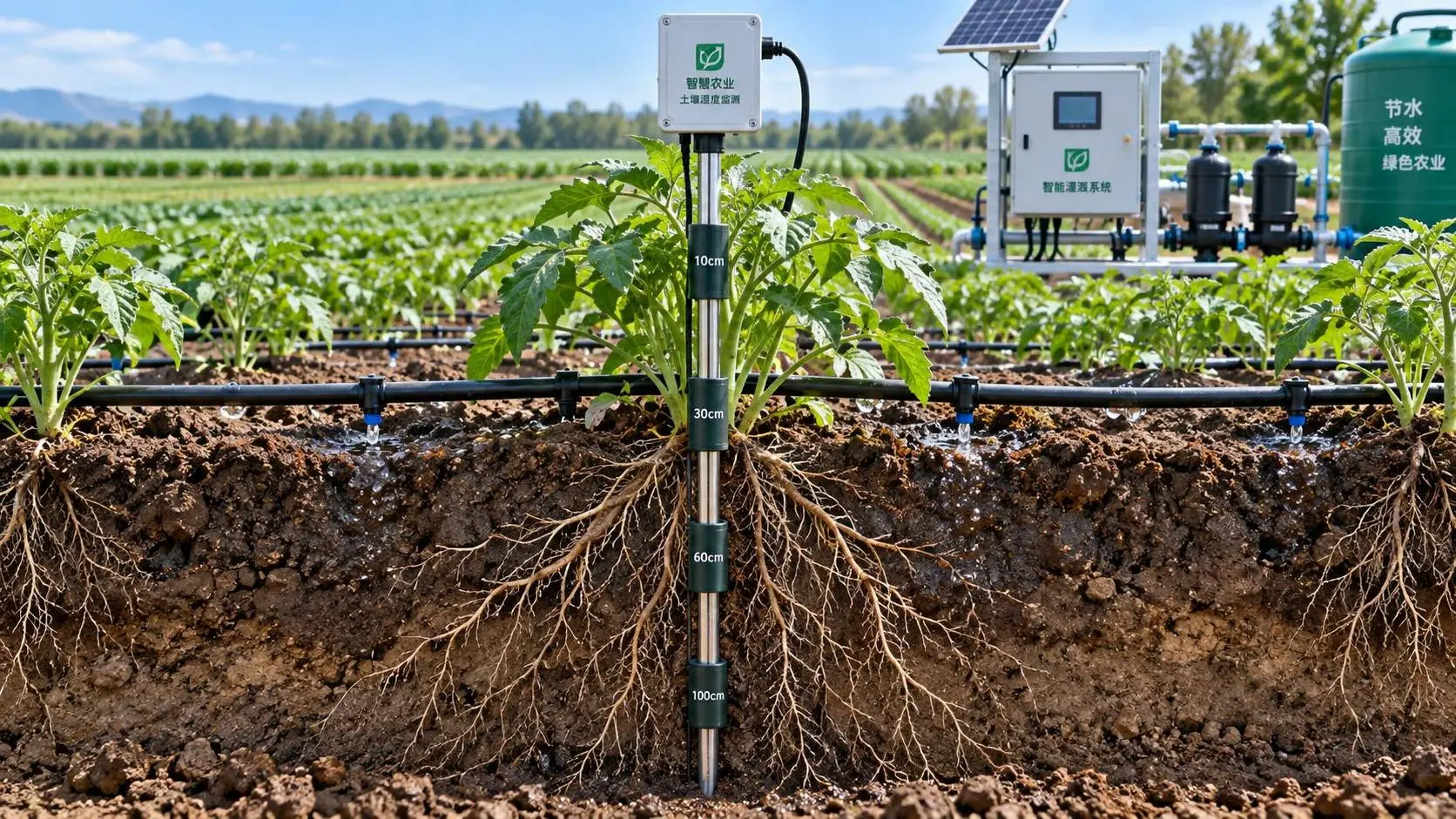
Selecting Real-Time Soil Moisture Sensors for Irrigation Zone Control
Soil moisture sensors real time: learn how to select reliable probes, optimize zone control, improve irrigation decisions, and scale precision water management.
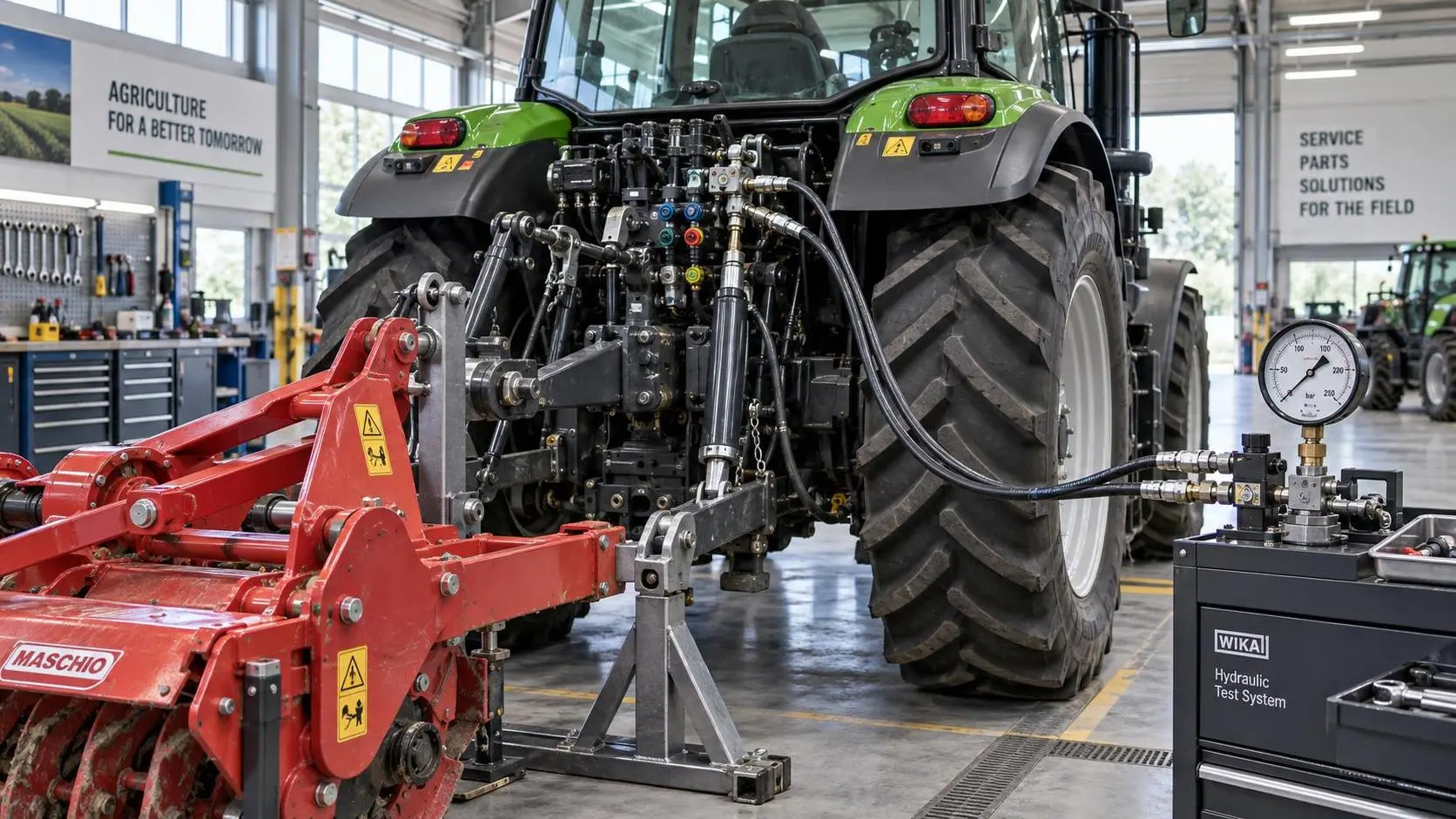
Tractor Hydraulic Systems Troubleshooting: Diagnosing Weak Lift and Slow Implements
Tractor hydraulic systems troubleshooting made practical: diagnose weak lifts and slow implements with proven pressure, flow, valve, and oil-supply checks.
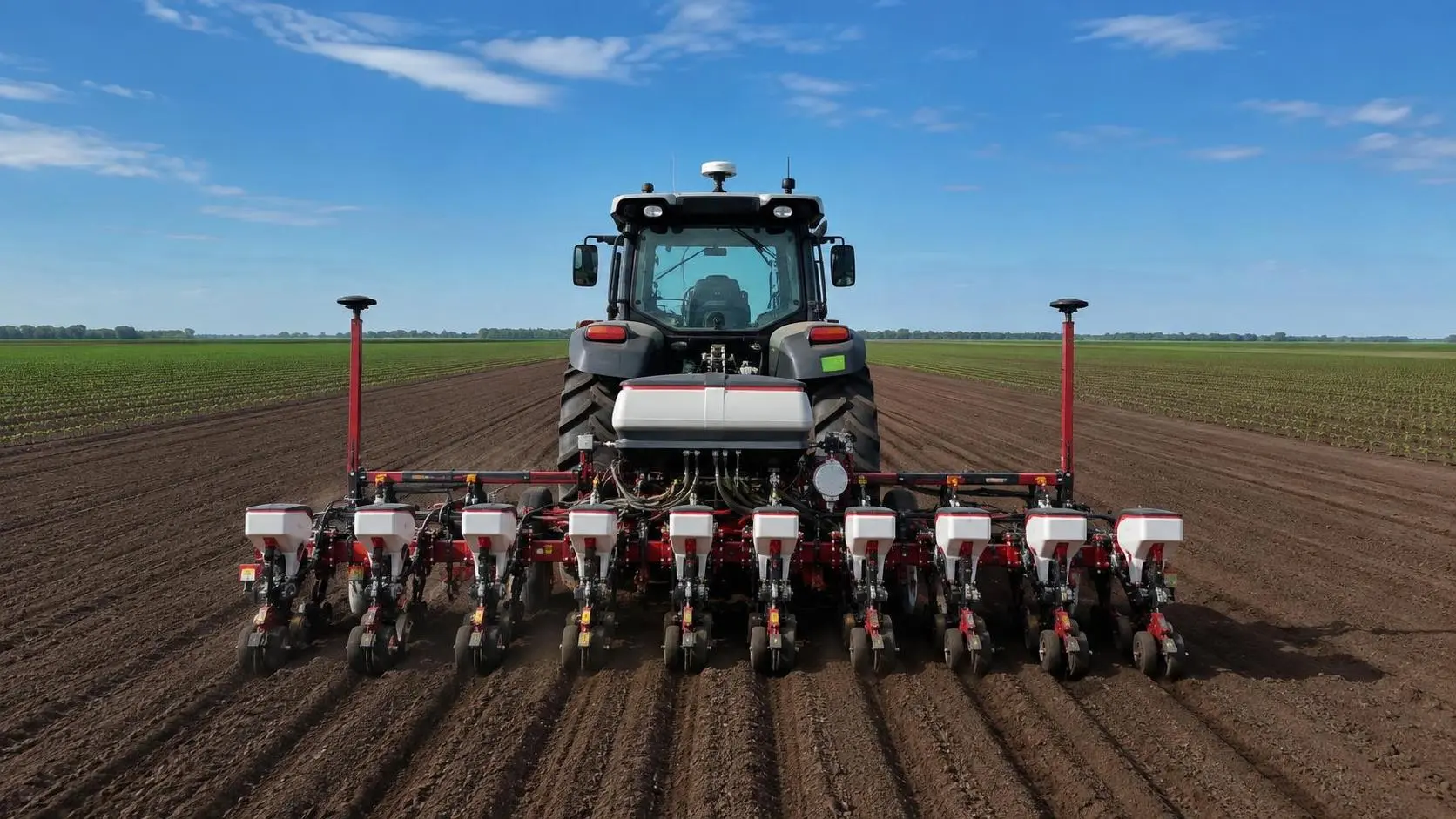
How Tractor Intelligence Systems Improve Field Efficiency and Input Accuracy
Agricultural machinery intelligence for tractors improves field efficiency, input accuracy, data traceability, and implement control. Explore smarter evaluation strategies.
Related News
- 00
0000-00
How Does Farm Mechanization Affect Food Security in Developing Regions? - 00
0000-00
Agricultural Technology Insights by Region: Where Adoption Is Growing Fastest - 00
0000-00
How Climate-Smart Agriculture Technology Improves Yield, Soil Health, and Risk Resilience - 00
0000-00
Smart Farming Solutions in Latin America: Which Technologies Fit Large Farms Best? - 00
0000-00
Long-Cycle Agri-Trade Price Trends: How to Read Supply, Freight, and Currency Signals
Popular Tags
Prof. Marcus Chen
Weekly Insights
Stay ahead with our curated technology reports delivered every Monday.