
Agri-Tech Innovations in 2025: Which Technologies Are Gaining Real Farm Adoption?
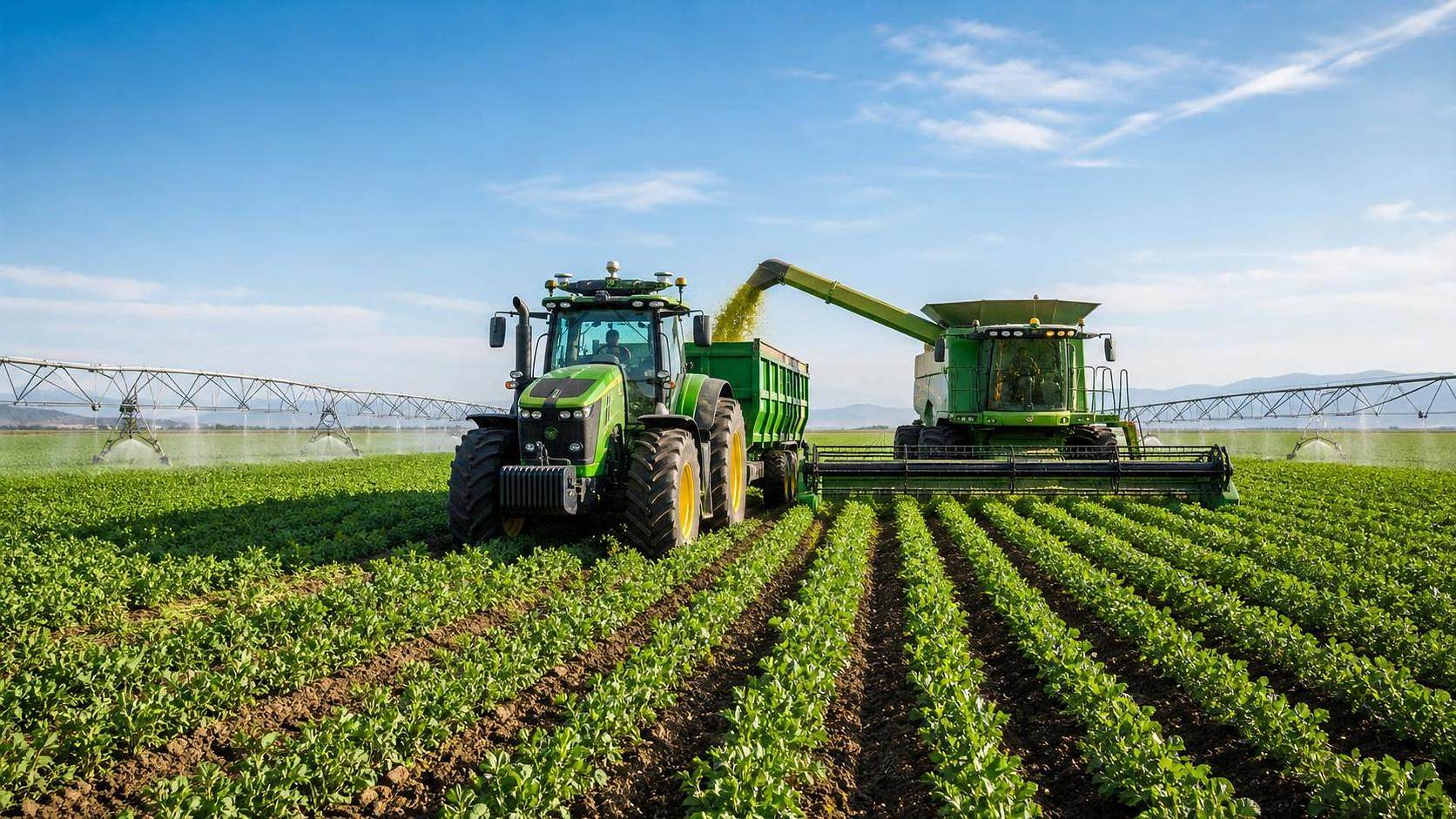




In 2025, agri-tech innovations earn attention only when they prove themselves in the field. Adoption now depends less on novelty and more on uptime, payback speed, labor impact, and resilience under weather pressure. Across large-scale machinery, combine harvesting, intelligent tools, and irrigation systems, the most relevant shift is clear: practical technologies are moving from pilot projects into repeatable farm operations.
That matters because modern agriculture is balancing tighter margins, climate volatility, regulatory scrutiny, and food security demands at the same time. For platforms such as AP-Strategy, which track machinery performance, precision farming algorithms, and water-saving systems, the central question is not which idea sounds advanced, but which solution delivers stable value across seasons, regions, and crop conditions.
What real farm adoption means in 2025
Not every promising tool becomes a working farm standard. Real adoption begins when a technology fits existing workflows, connects with available equipment, and improves decisions without creating extra complexity.
In practice, agri-tech innovations gain traction when they solve operational bottlenecks. That usually means reducing input waste, protecting yield, improving machine efficiency, or lowering dependence on scarce labor.
The strongest adoption signals are often simple. More repeat orders, wider dealer support, stronger service ecosystems, and integration with finance or insurance programs usually indicate that a solution has moved beyond experimentation.
The technologies gaining the most traction
Autonomy that supports operators rather than replacing them
Fully autonomous farming still faces uneven conditions, regulation, and trust barriers. However, assisted autonomy is gaining real farm adoption. Auto-steering, path optimization, headland automation, and machine-to-machine coordination are expanding fast.
These agri-tech innovations succeed because they reduce fatigue, cut overlap, and improve consistency. On large operations, even small efficiency gains across seeding, spraying, and tillage can create meaningful annual returns.
Precision application tools with prescription logic
Variable-rate seeding, fertilization, and plant protection are no longer niche concepts. Adoption rises when sensor feedback, satellite positioning, and agronomic maps are linked to implements that can act on prescriptions in real time.
The value is especially strong where fertilizer costs stay volatile or where chemical use faces tighter oversight. Farms are not buying precision for its own sake. They are buying more controlled input placement.
Smart irrigation with measurable water economics
Among all agri-tech innovations, intelligent irrigation has one of the clearest adoption stories. Water scarcity, pumping costs, and policy pressure make irrigation upgrades easier to justify than many digital tools.
Systems that combine soil moisture sensing, evapotranspiration models, remote control, and leak monitoring are scaling because they translate directly into water savings and more stable crop performance. AP-Strategy’s focus on transpiration prediction reflects this shift toward decision-grade irrigation management.
Harvester intelligence and loss control
Combine upgrades are gaining attention where they improve grain quality, reduce loss, and handle crop variability. Dynamic cleaning adjustment, yield mapping, moisture sensing, and operator guidance systems are seeing practical use.
This matters because harvesting remains one of the highest-risk moments in the production cycle. Technologies that reduce loss in difficult field conditions often show value faster than broad digital platforms with indirect benefits.
Hybrid and electrified subsystems in heavy equipment
Full electrification of large tractors and harvesters remains limited by duty cycle and charging realities. Yet hybrid drivetrains, electric implement drives, and smarter hydraulic management are moving into serious evaluation.
These agri-tech innovations are attractive when they improve fuel efficiency, torque control, and maintenance planning without sacrificing performance in demanding field operations.
Why some solutions scale while others stall
Adoption is not decided by technical capability alone. Farm-scale deployment depends on serviceability, compatibility, seasonal reliability, and local support. A smart system that fails during a narrow harvest window quickly loses credibility.
Interoperability also matters. Equipment owners increasingly prefer technologies that work across mixed fleets, existing telematics, and familiar software environments. Closed systems can still succeed, but only if their performance advantage is obvious.
Another factor is decision clarity. The most successful agri-tech innovations provide outputs that can be acted on immediately. Better route planning, sharper application rates, or irrigation timing recommendations are easier to adopt than dashboards filled with weak signals.
Where business value is being created
The business case is becoming more structured. Instead of asking whether technology is advanced, decision makers are comparing where value appears in the operating cycle.
This is where AP-Strategy’s intelligence approach becomes useful. Machinery trends, environmental rules, grain-market volatility, and infrastructure conditions all shape whether a technology is merely impressive or commercially durable.
How to evaluate agri-tech innovations in real operating contexts
A credible assessment usually starts with context rather than product claims. Crop type, field scale, water access, labor availability, and service coverage change the value equation significantly.
It also helps to separate three layers of return: direct savings, operational resilience, and strategic positioning. Some technologies lower costs immediately. Others reduce risk or prepare operations for future compliance and sustainability standards.
- Check whether the technology integrates with current tractors, harvesters, or irrigation infrastructure.
- Measure value at the task level, not only at the farm level.
- Review service response time, spare parts access, and software support.
- Test whether data outputs lead to clear operational actions.
- Compare seasonal reliability, not just demo performance.
Usually, the best-performing agri-tech innovations are not the ones with the longest feature lists. They are the ones that improve a repeatable decision, under real field constraints, with manageable training demands.
Signals worth tracking through the next investment cycle
Several signals will shape the next stage of adoption. One is whether autonomous and precision systems become easier to retrofit across existing fleets. Another is whether water-saving technologies receive stronger policy or financing support.
A third signal involves data confidence. Farms increasingly want analytics tied to implement behavior, harvester loss control, and irrigation timing, rather than generic monitoring. That favors platforms able to combine agronomic logic with equipment performance insight.
More broadly, agri-tech innovations will keep gaining real farm adoption when they align with the five pillars now shaping food security: mechanization depth, harvesting efficiency, tractor power systems, intelligent tools, and water stewardship.
A practical next step
The smartest next move is to evaluate technologies by operational fit, not by market noise. Start with one field challenge that is measurable: harvesting loss, water use, input placement, labor efficiency, or machine uptime.
Then compare which agri-tech innovations improve that exact pressure point with the least disruption. From there, broader adoption decisions become more grounded, especially when supported by intelligence that connects machinery performance, agronomic outcomes, and long-cycle commercial trends.
In 2025, the technologies gaining real farm adoption are not necessarily the loudest ones. They are the systems that help agriculture produce more reliably, use resources more precisely, and make each pass across the field more valuable.
Related News
How to Evaluate Agricultural Product Information Sources for Reliable Farm Decisions
Agricultural product information reference guide: evaluate reliable farm data, verify claims, and make smarter machinery, irrigation, and crop decisions.
Farm Machinery Guide: Matching Tractor Horsepower and Implements to Farm Size
Farm machinery guide for tractors: match horsepower, implement width, hydraulics, traction, and fleet capacity to farm size for lower costs and reliable field performance.
How to Evaluate Drip Irrigation System Manufacturers for Large Farm Projects
Drip irrigation systems manufacturer evaluation guide for large farms: compare hydraulic design, filtration, quality control, scalability, delivery, and support.
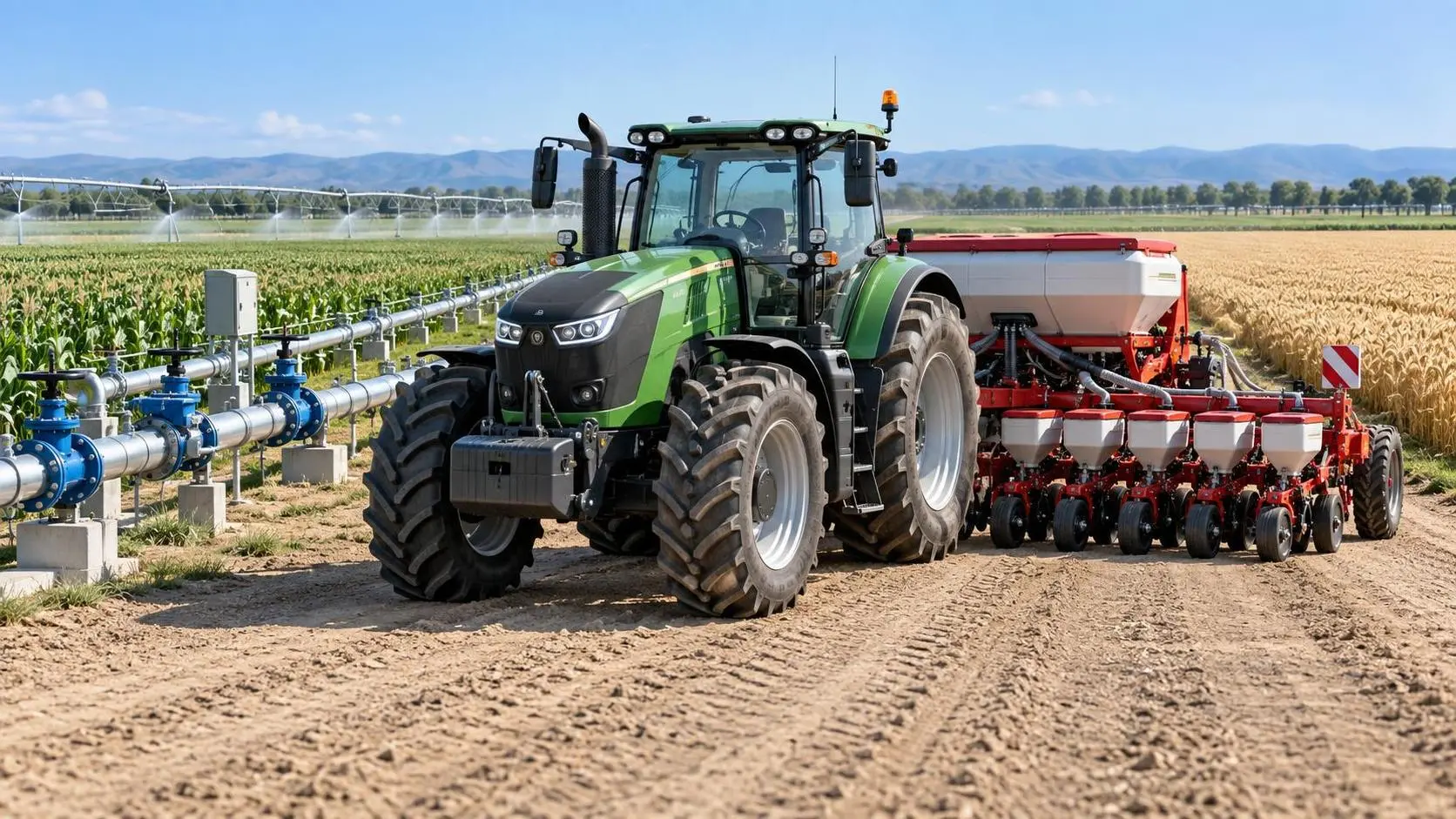
Specification Planning: A Practical Framework for Defining Equipment Requirements
Application guidance for specification planning: define measurable equipment requirements, prioritize performance, and avoid costly procurement mistakes.

How North American Farms Can Select Crop Monitoring Systems by Acreage and Connectivity
Crop monitoring systems North America: learn how to match acreage, connectivity, sensors, and data workflows for reliable, actionable farm decisions.

Where to Find Reliable Product Information for Comparing Farm Equipment
Product information resources agriculture buyers can trust: compare farm equipment with technical specs, manuals, field data, dealer support, and lifecycle insights.
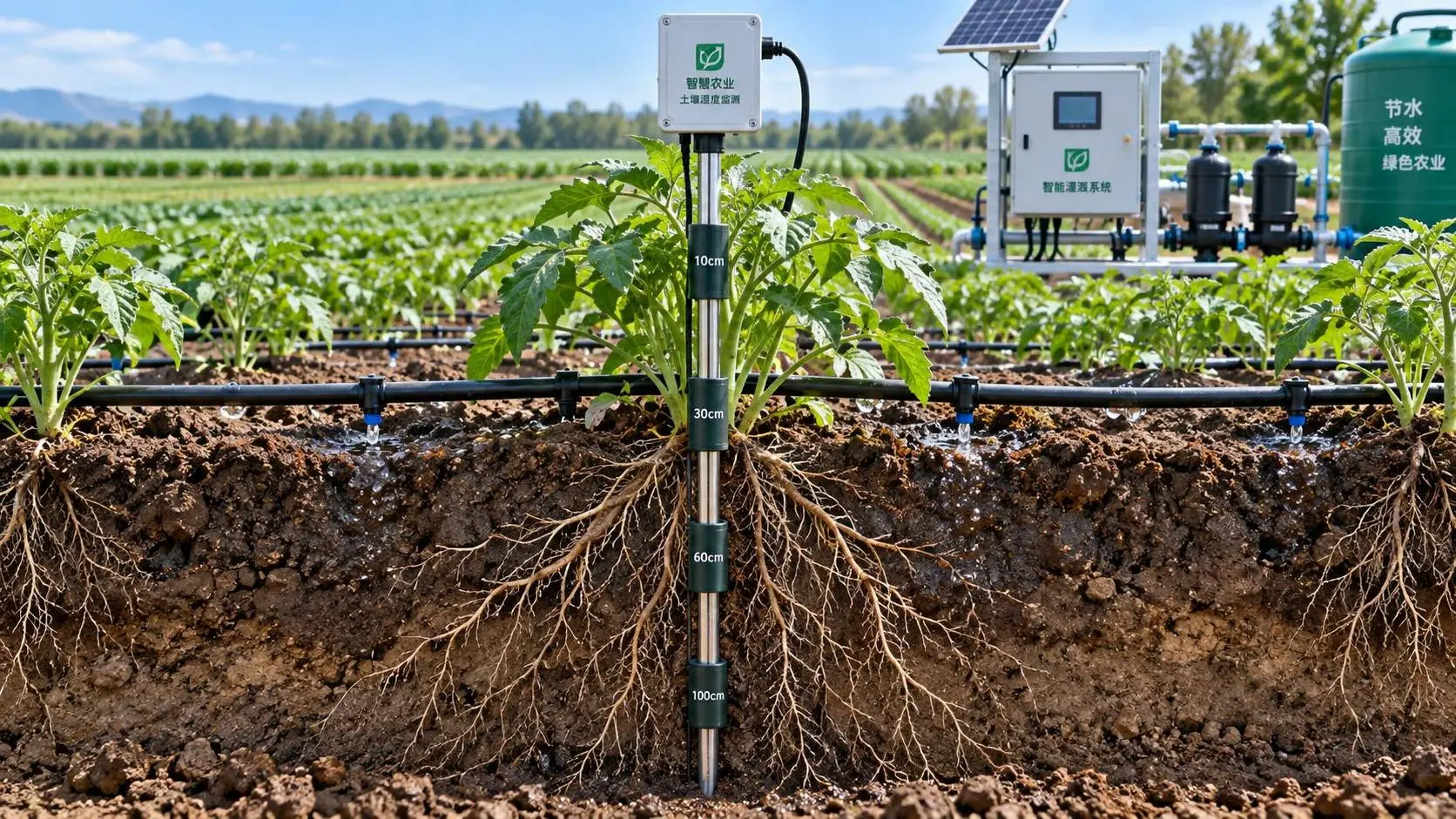
Selecting Real-Time Soil Moisture Sensors for Irrigation Zone Control
Soil moisture sensors real time: learn how to select reliable probes, optimize zone control, improve irrigation decisions, and scale precision water management.
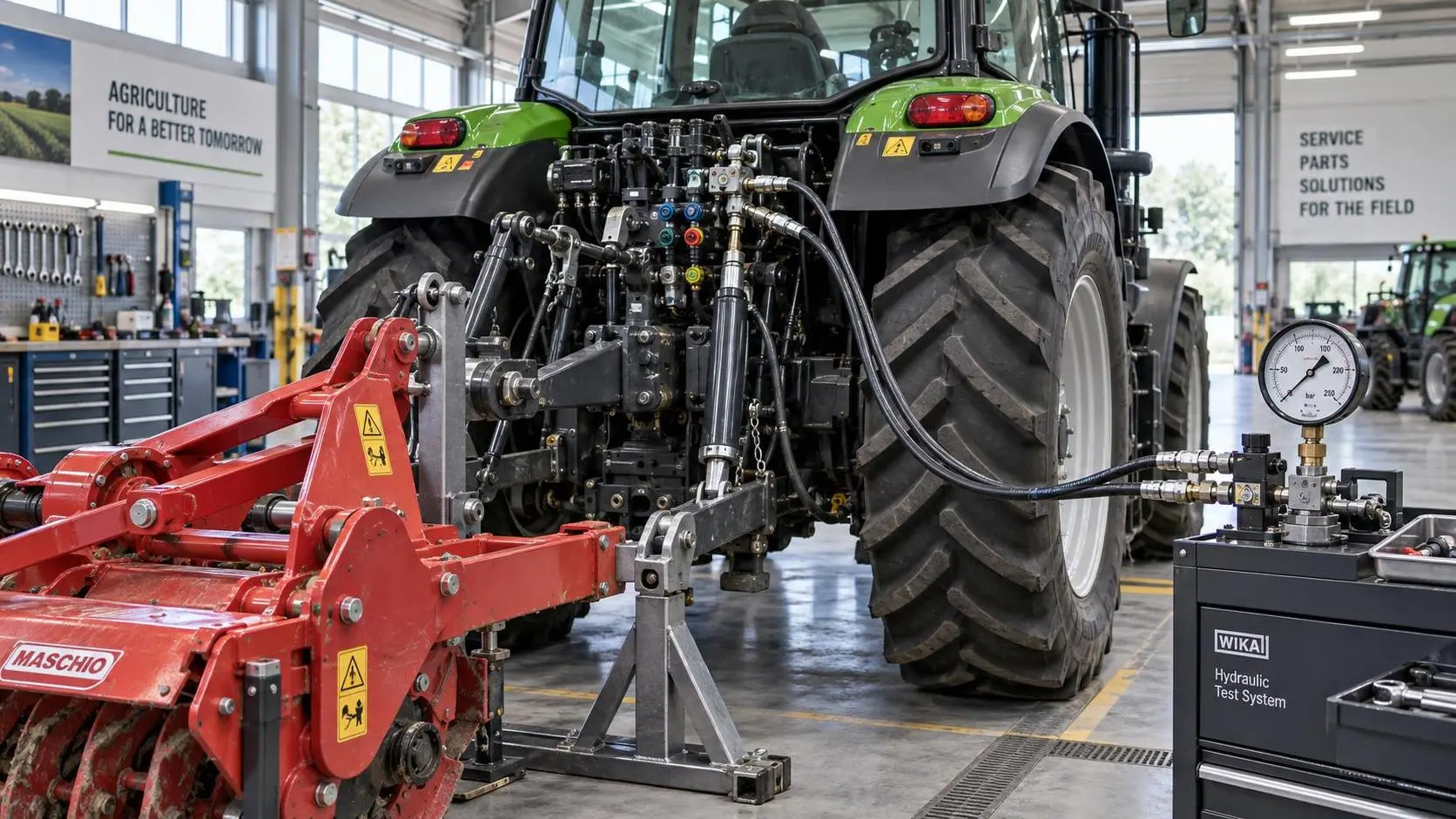
Tractor Hydraulic Systems Troubleshooting: Diagnosing Weak Lift and Slow Implements
Tractor hydraulic systems troubleshooting made practical: diagnose weak lifts and slow implements with proven pressure, flow, valve, and oil-supply checks.
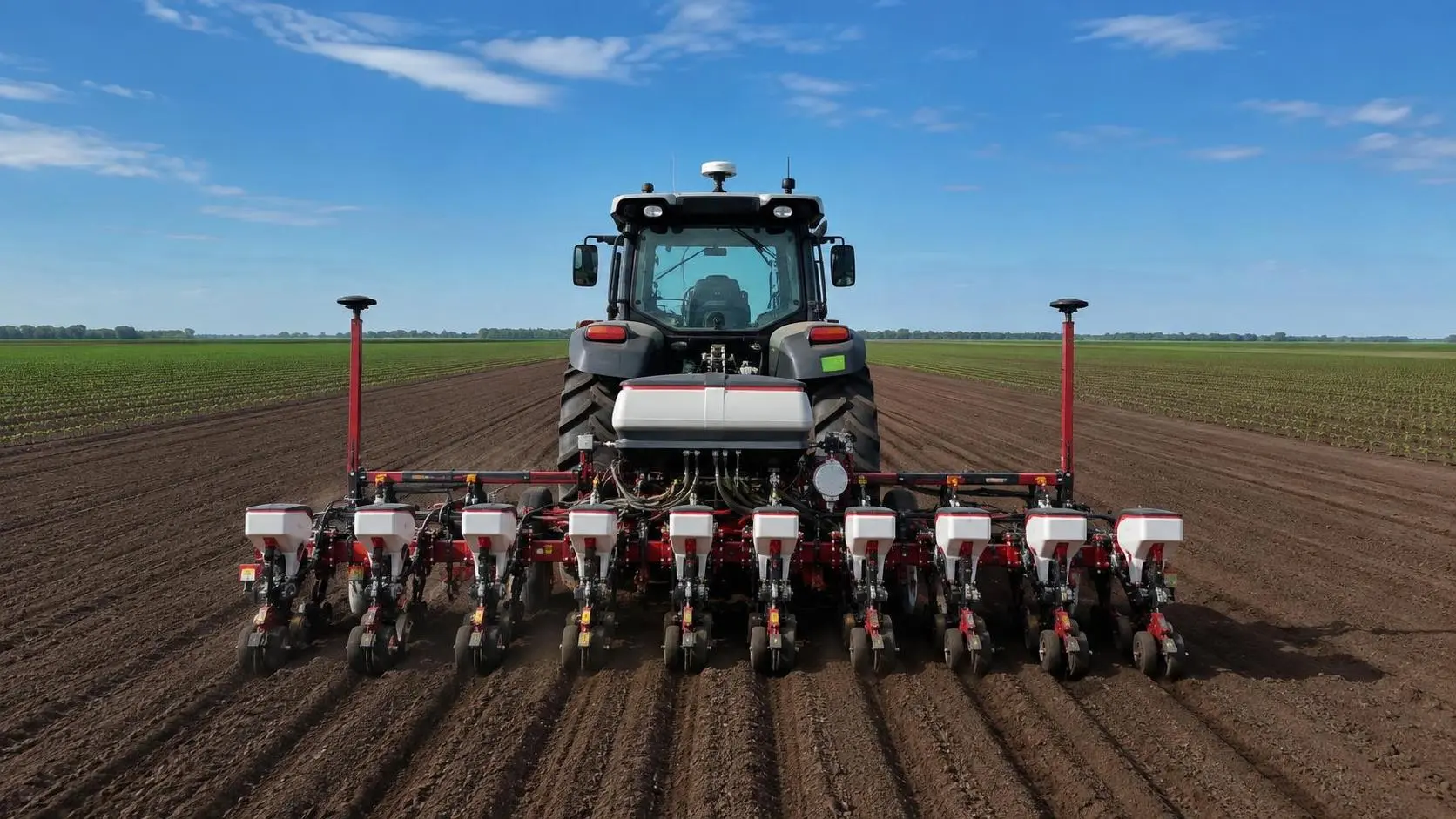
How Tractor Intelligence Systems Improve Field Efficiency and Input Accuracy
Agricultural machinery intelligence for tractors improves field efficiency, input accuracy, data traceability, and implement control. Explore smarter evaluation strategies.
Related News
- 00
0000-00
How Does Farm Mechanization Affect Food Security in Developing Regions? - 00
0000-00
Agricultural Technology Insights by Region: Where Adoption Is Growing Fastest - 00
0000-00
How Climate-Smart Agriculture Technology Improves Yield, Soil Health, and Risk Resilience - 00
0000-00
Smart Farming Solutions in Latin America: Which Technologies Fit Large Farms Best? - 00
0000-00
Long-Cycle Agri-Trade Price Trends: How to Read Supply, Freight, and Currency Signals
Popular Tags
Prof. Marcus Chen
Weekly Insights
Stay ahead with our curated technology reports delivered every Monday.