
Global Grain Market Outlook: Supply Shifts, Price Drivers, and Trade Risks for Buyers
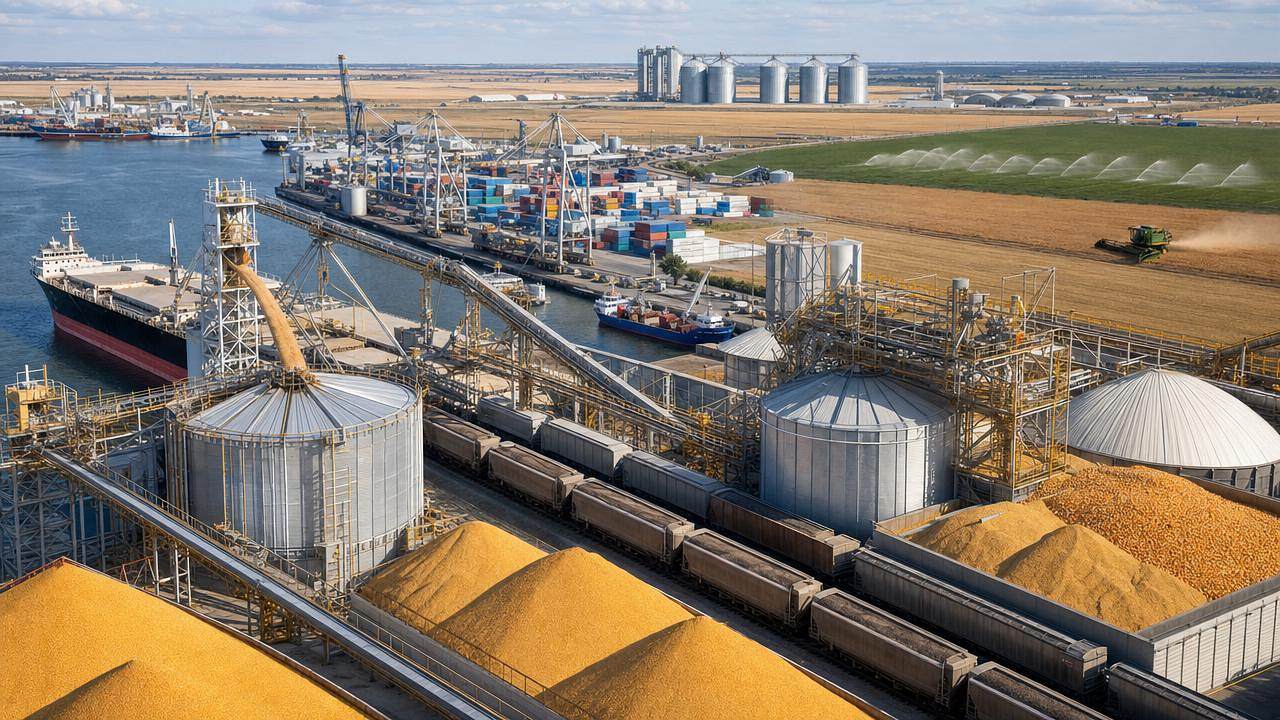




The global grain market is moving into a tighter and less predictable phase. Harvest expectations still matter, but they no longer explain price direction on their own. Freight volatility, export controls, currency swings, and regional conflict now shape purchasing risk almost as much as field output.
That shift matters across the broader industrial chain. Grain is not only a farm commodity. It affects feed costs, food manufacturing margins, transport demand, storage decisions, and equipment investment cycles. For organizations tracking agricultural value creation, the global grain market has become a practical signal for both cost pressure and capital timing.
From the perspective of AP-Strategy, this is also where Agriculture 4.0 becomes visible in commercial terms. Mechanization, combine harvesting efficiency, precision tools, and irrigation performance all influence yield reliability, crop quality, and post-harvest loss. Those factors increasingly feed into how the global grain market is priced and traded.
Why the market outlook is more complex than a harvest forecast
In earlier cycles, buyers could watch a few benchmark harvests and form a reasonable pricing view. Today, supply is more fragmented. A strong crop in one region may not offset quality issues, logistics bottlenecks, or policy barriers elsewhere.
The global grain market covers wheat, corn, soy-related feed demand, barley, and other staple flows that move through interconnected trade corridors. Prices react not only to production volume, but also to protein content, moisture levels, storage capacity, and shipping access.
A headline about abundant output can therefore hide a tighter situation underneath. If the harvest arrives late, if inland transport fails, or if exporters hold stocks, effective supply becomes much smaller than nominal production suggests.
The supply shifts that deserve close attention
Supply changes in the global grain market now emerge from several layers at once. Weather remains central, yet operational efficiency on the ground is becoming equally important.
Field productivity is no longer a simple acreage story
A larger planted area does not guarantee stronger export availability. Yield stability depends on water access, harvest timing, machine uptime, and loss control during collection and storage.
This is where AP-Strategy’s focus areas become commercially relevant. High-capacity agri-machinery, efficient combine harvesters, durable tractor chassis, and intelligent implements can reduce field loss and improve consistency across difficult seasons.
Water-saving irrigation systems matter as well. In drought-prone regions, irrigation efficiency is no longer only an environmental issue. It directly shapes the reliability of grain output and the confidence level behind supply forecasts.
Regional concentration keeps the market exposed
A few exporting regions still carry outsized influence over the global grain market. When one major producer faces drought, flooding, sanctions, labor shortages, or port disruption, importing regions quickly feel the impact.
The issue is not only lost volume. Trade flows can reroute suddenly, which changes freight patterns, delivery windows, and basis levels in nearby markets. That often creates price distortion even before physical shortage becomes visible.
What is pushing grain prices beyond supply and demand
Price formation in the global grain market now reflects a wider set of variables than many procurement models assume. Several drivers can move simultaneously and amplify each other.
- Ocean freight and inland transport costs can lift landed prices even during comfortable harvest years.
- Energy prices influence drying, storage, fertilizer economics, and vessel operating costs.
- Currency movements alter export competitiveness and reshape buyer interest across origins.
- Government intervention, including quotas or tax changes, can tighten supply overnight.
- Speculative positioning in futures markets can accelerate price moves beyond physical fundamentals.
Usually, the strongest pricing pressure appears when physical uncertainty and policy uncertainty happen together. That combination makes the global grain market harder to read and raises the cost of waiting too long.
Trade risks are now part of the buying equation
Trade risk used to be treated as a secondary issue, after crop size and benchmark pricing. That approach is increasingly outdated. In many cases, the key question is not where grain is cheapest, but where supply can move predictably.
The global grain market is exposed to port congestion, insurance premiums, changing sanctions regimes, customs delays, and sudden documentation requirements. A low offer from a risky corridor may become expensive once delivery uncertainty is priced in.
Weather also creates trade risk after harvest. Low river levels, storms, and heat damage to rail infrastructure can slow flows and affect quality during transit. In practical terms, logistics resilience is now part of grain value.
A simple framework for evaluating origin risk
Why agri-equipment intelligence now supports market intelligence
The global grain market is often discussed as if it begins at the export terminal. In reality, price and risk are influenced much earlier, inside the production system itself.
Combine harvesting technology affects grain loss, impurity rates, and harvest speed during narrow weather windows. Tractor chassis performance matters for heavy-field continuity. Intelligent tools improve seeding and nutrient placement. Smart irrigation supports crop resilience under water stress.
These operational details may look technical, yet they shape the commercial outcome. When AP-Strategy connects machinery performance with environmental signals and trade data, it becomes easier to interpret whether supply strength is durable or temporary.
That is especially useful in volatile years. A region with advanced mechanization and better water management may deliver more dependable supply than a region showing larger acreage but weaker operating control.
How to read the market in real business situations
A workable grain outlook should combine macro indicators with operating signals. Watching benchmark futures alone is rarely enough.
Useful questions when assessing the global grain market
- Is the reported crop increase supported by harvest capacity and storage infrastructure?
- Are lower prices coming from real abundance or from temporary demand hesitation?
- Which origins have the best balance of cost, freight access, and policy stability?
- How exposed is the supply route to weather disruption after harvest?
- Are quality specifications likely to tighten effective supply for the intended use?
This approach helps separate attractive offers from fragile offers. It also supports better timing. In a volatile global grain market, the cheapest quote is not always the lowest-risk decision.
Signals worth following in the next cycle
Several indicators are likely to shape the next phase of the global grain market. None should be read in isolation.
- Rainfall distribution and reservoir conditions in key exporting zones.
- Harvest pace relative to machinery availability and labor constraints.
- Freight spreads between major trade lanes and inland hubs.
- Policy shifts tied to inflation control or domestic food security.
- Investment trends in precision agriculture, automation, and irrigation efficiency.
The last point is often underestimated. Technology adoption in the field can soften volatility over time by reducing loss, improving input efficiency, and stabilizing output under stress. That makes equipment intelligence part of long-range grain outlook analysis.
A practical way to move from outlook to action
The global grain market will likely remain reactive, uneven, and politically sensitive. Better decisions come from linking crop expectations with logistics, operating efficiency, and policy risk rather than treating them as separate topics.
A useful next step is to build an internal watchlist around origin reliability, freight exposure, quality tolerance, and timing flexibility. That framework can then be tested against field-level signals, including mechanization strength and irrigation resilience.
For teams using AP-Strategy as a reference point, the value lies in stitching together market news, equipment evolution, and sustainability pressures into one decision view. In the current global grain market, that broader perspective is often what turns uncertainty into a manageable buying strategy.
Related News
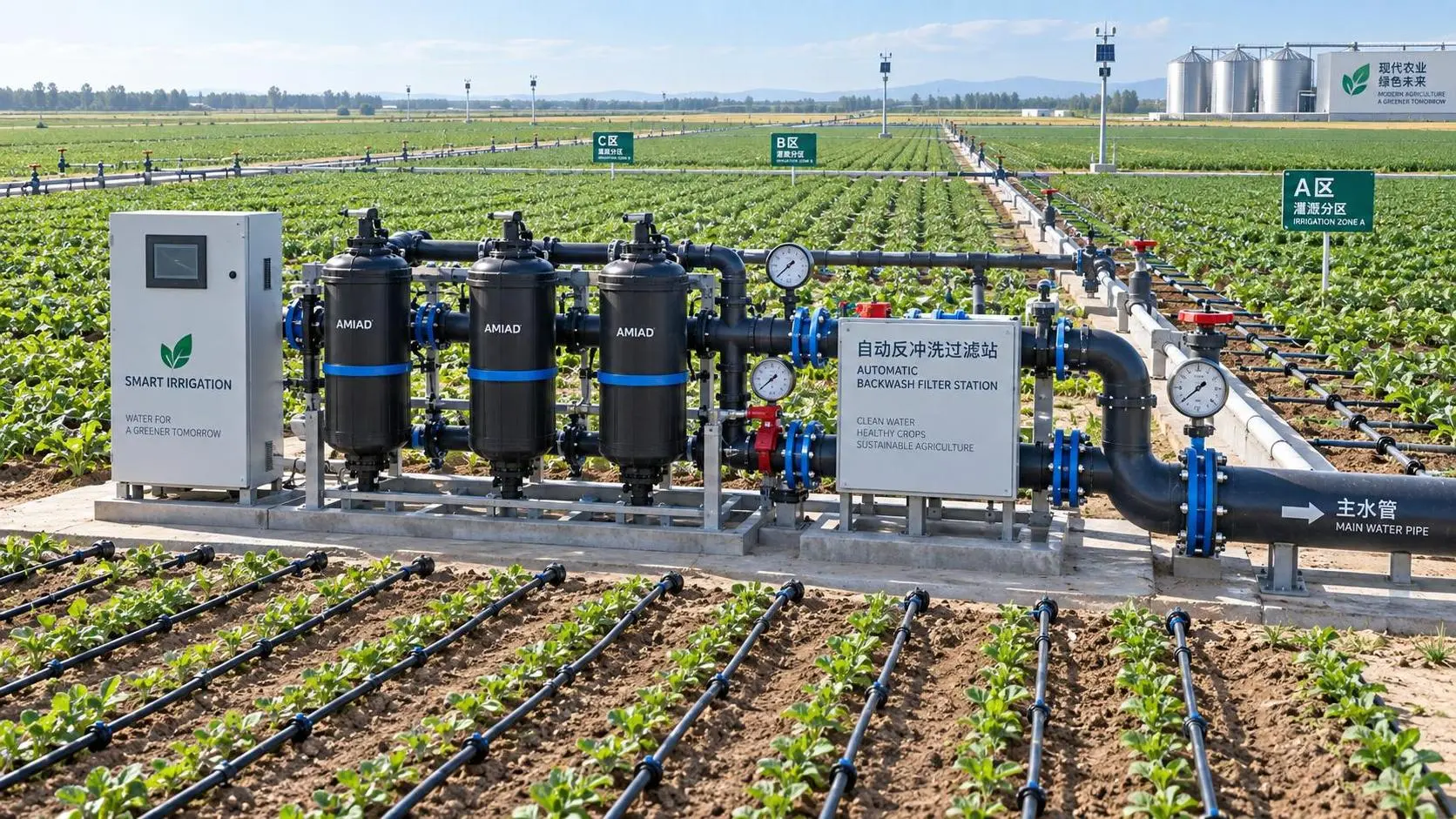
How to Evaluate Drip Irrigation System Manufacturers for Large Farm Projects
Drip irrigation systems manufacturer evaluation guide for large farms: compare hydraulic design, filtration, quality control, scalability, delivery, and support.
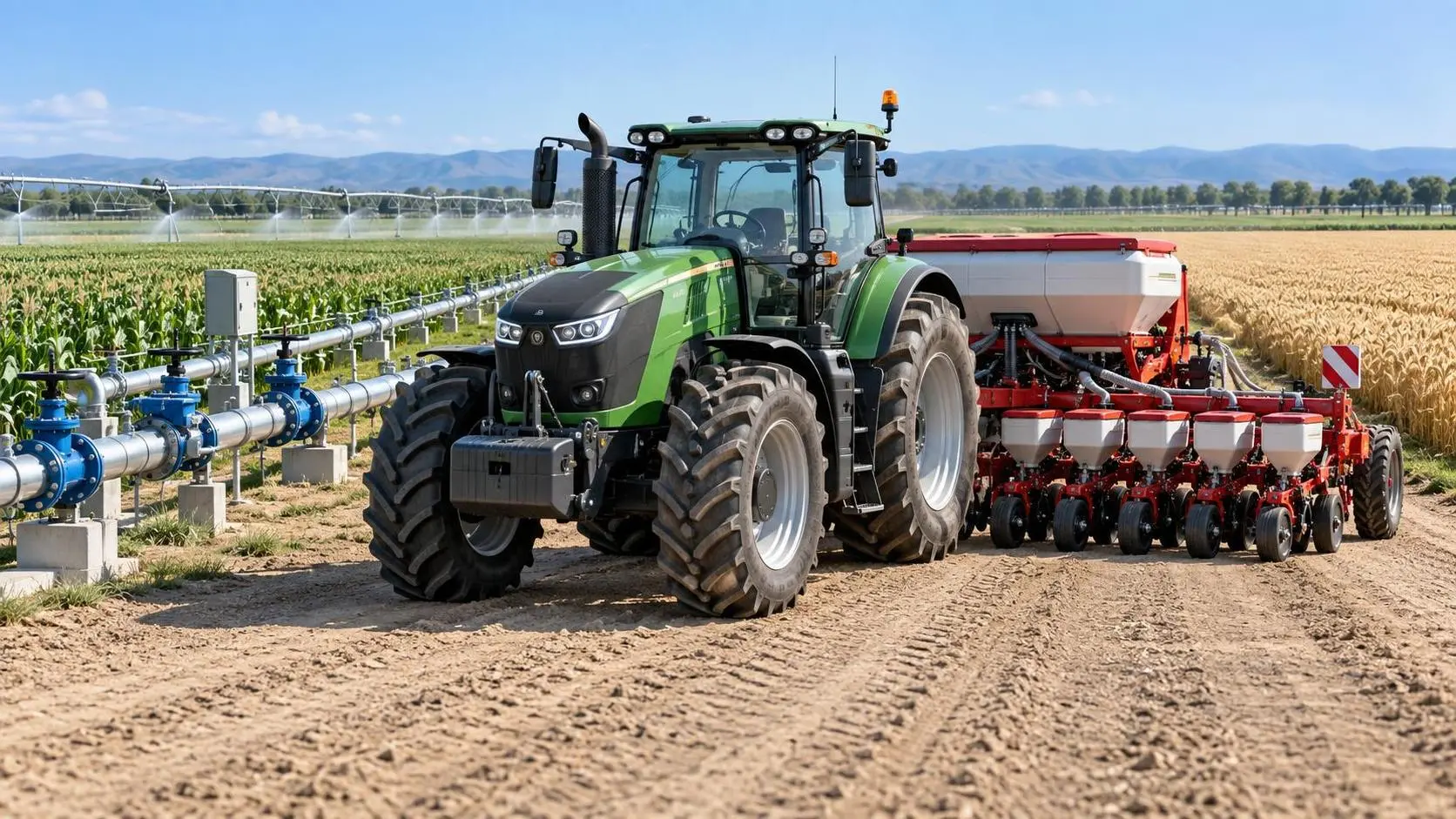
Specification Planning: A Practical Framework for Defining Equipment Requirements
Application guidance for specification planning: define measurable equipment requirements, prioritize performance, and avoid costly procurement mistakes.

How North American Farms Can Select Crop Monitoring Systems by Acreage and Connectivity
Crop monitoring systems North America: learn how to match acreage, connectivity, sensors, and data workflows for reliable, actionable farm decisions.

Where to Find Reliable Product Information for Comparing Farm Equipment
Product information resources agriculture buyers can trust: compare farm equipment with technical specs, manuals, field data, dealer support, and lifecycle insights.
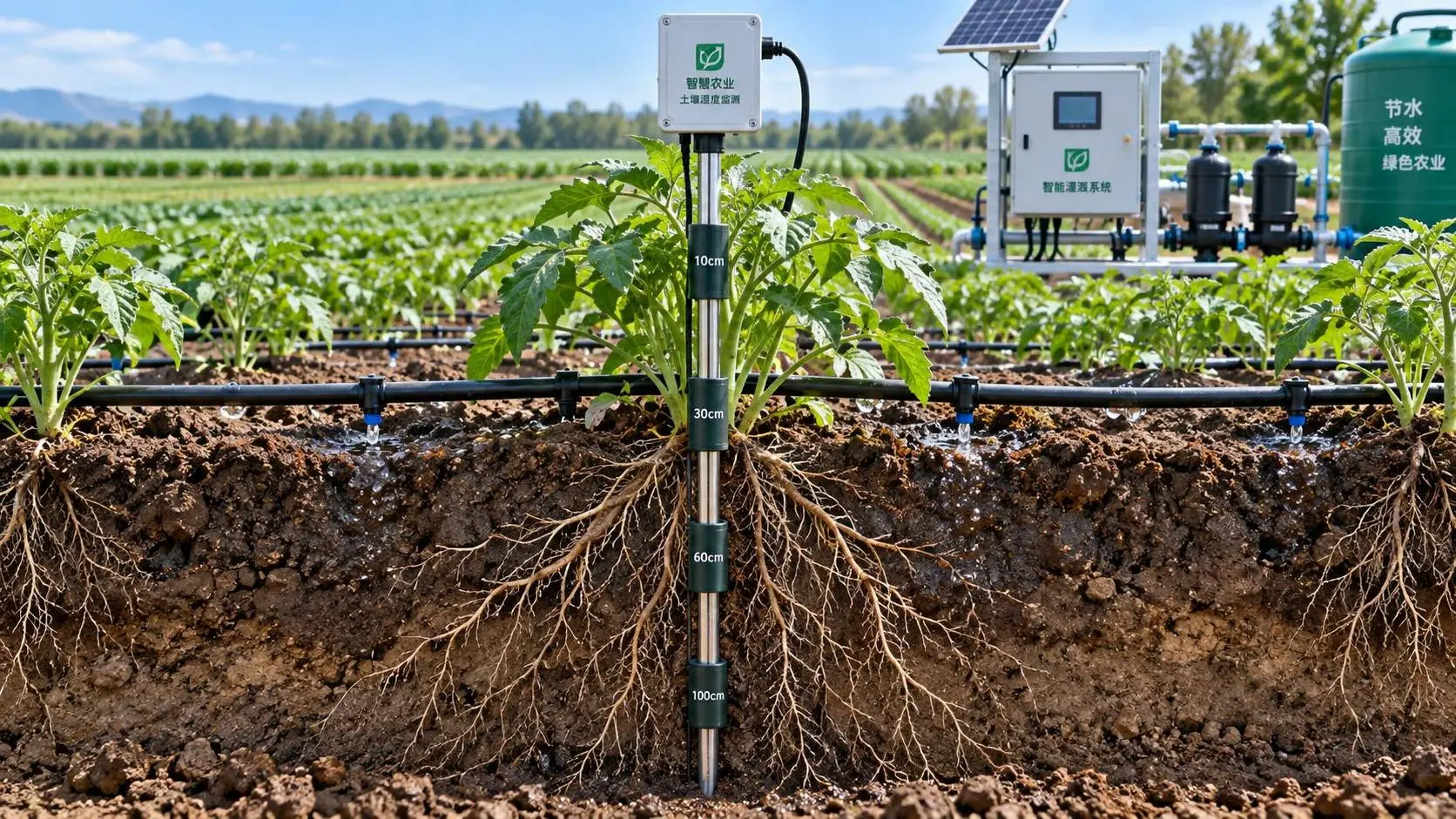
Selecting Real-Time Soil Moisture Sensors for Irrigation Zone Control
Soil moisture sensors real time: learn how to select reliable probes, optimize zone control, improve irrigation decisions, and scale precision water management.
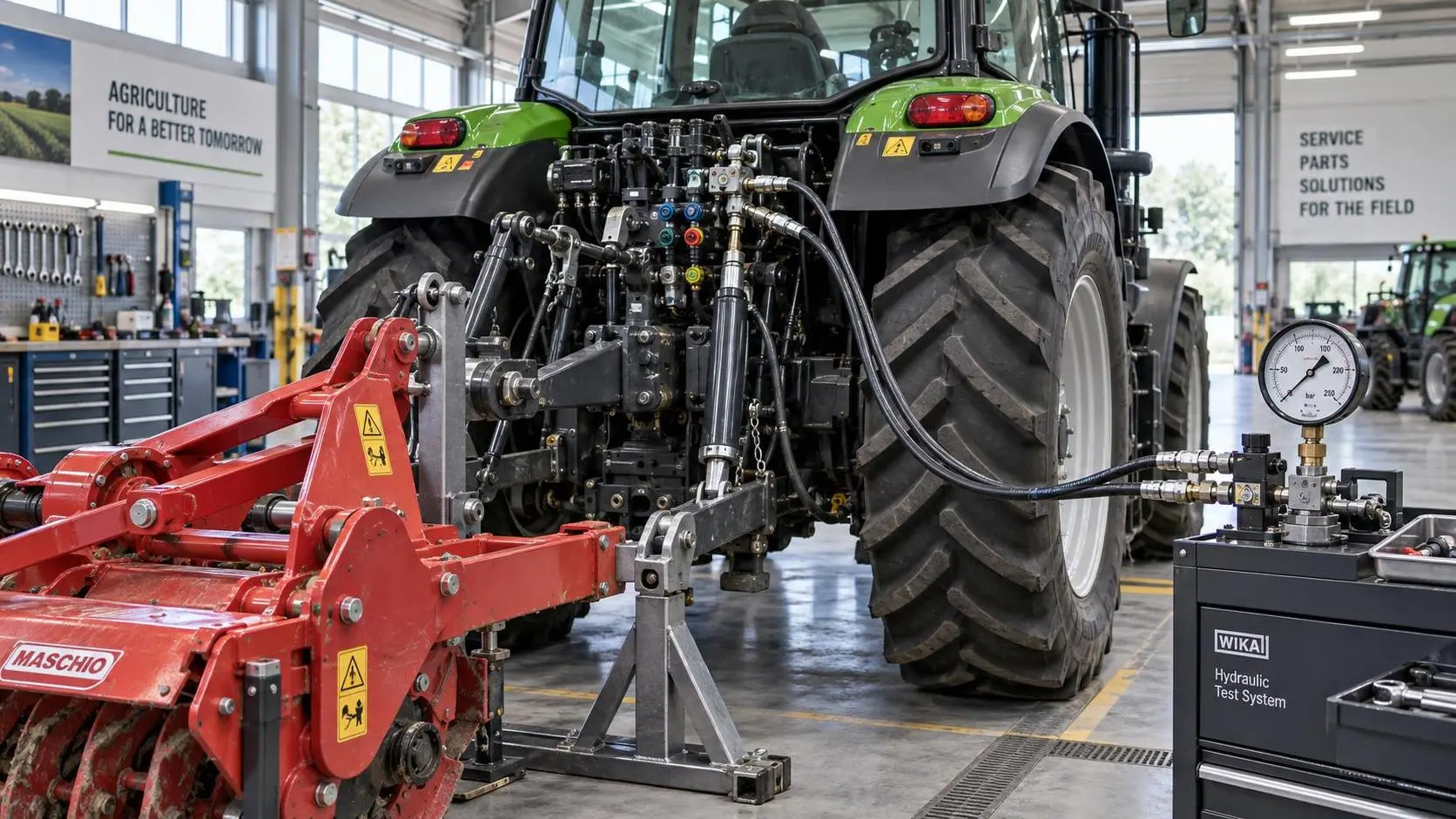
Tractor Hydraulic Systems Troubleshooting: Diagnosing Weak Lift and Slow Implements
Tractor hydraulic systems troubleshooting made practical: diagnose weak lifts and slow implements with proven pressure, flow, valve, and oil-supply checks.
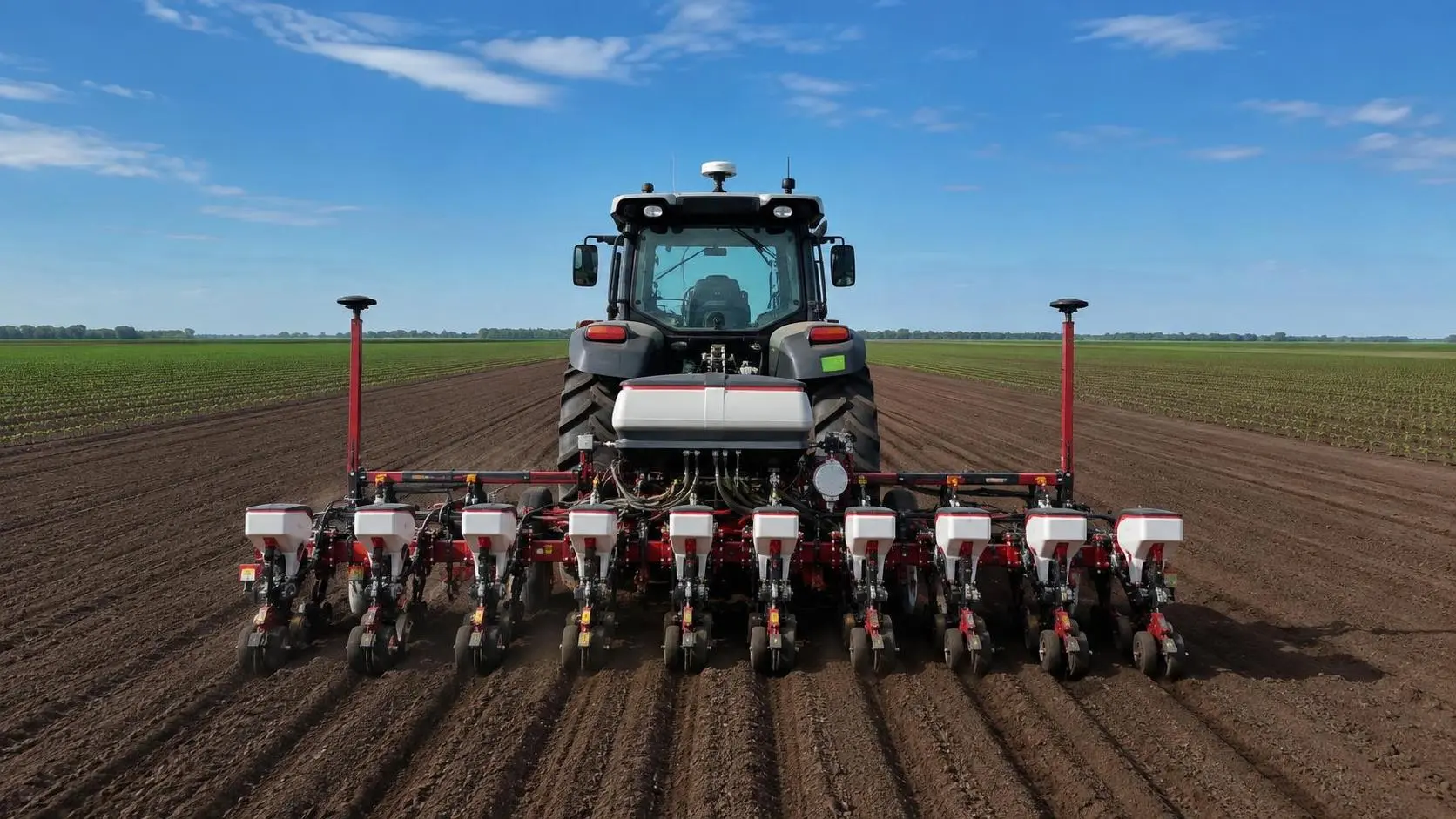
How Tractor Intelligence Systems Improve Field Efficiency and Input Accuracy
Agricultural machinery intelligence for tractors improves field efficiency, input accuracy, data traceability, and implement control. Explore smarter evaluation strategies.
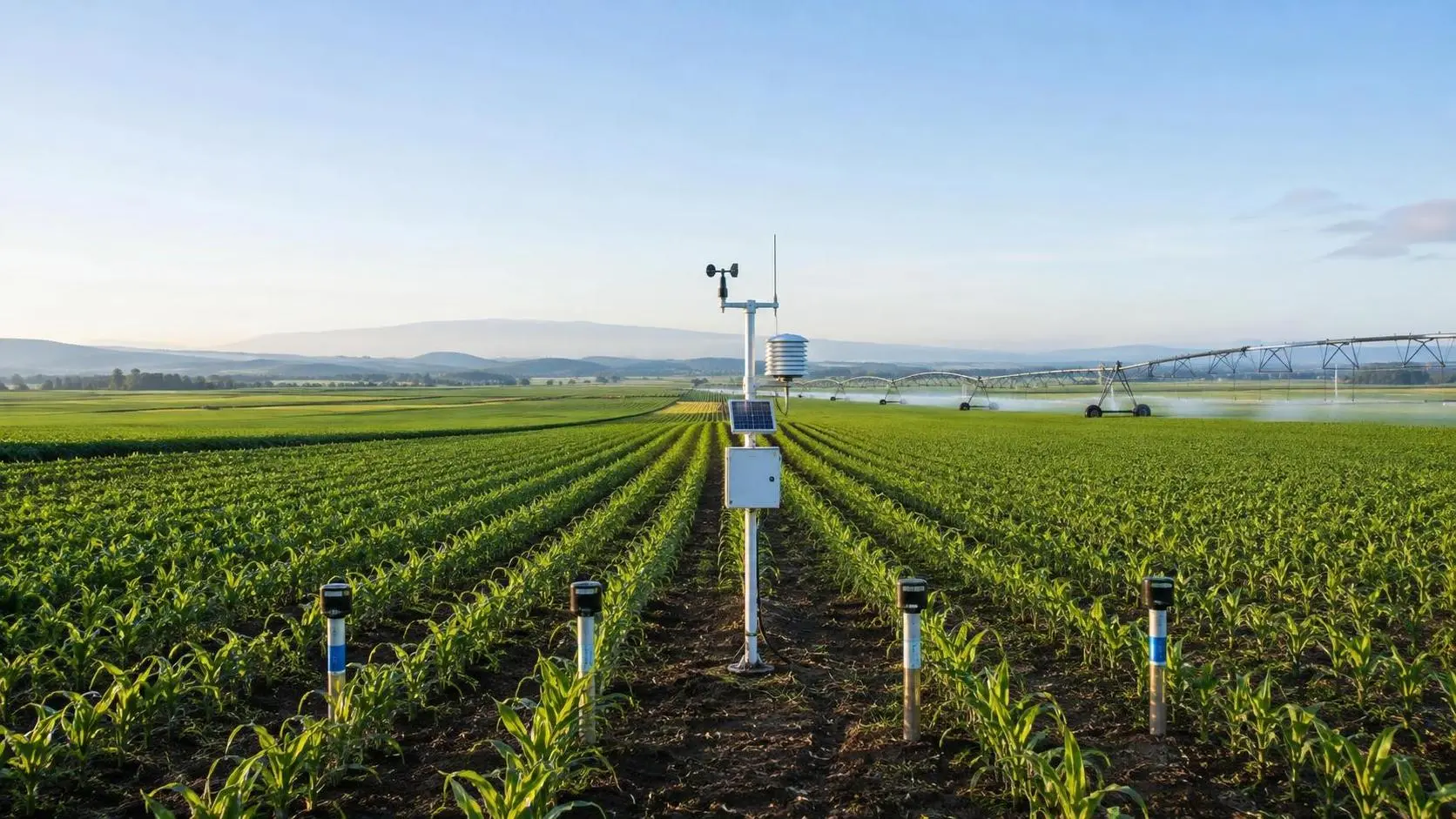
How to Evaluate Crop Monitoring System Manufacturers for Large-Scale Farms
Compare crop monitoring systems manufacturers for large-scale farms. Evaluate data quality, integration, durability, lifecycle costs, support, and pilots for smarter decisions.
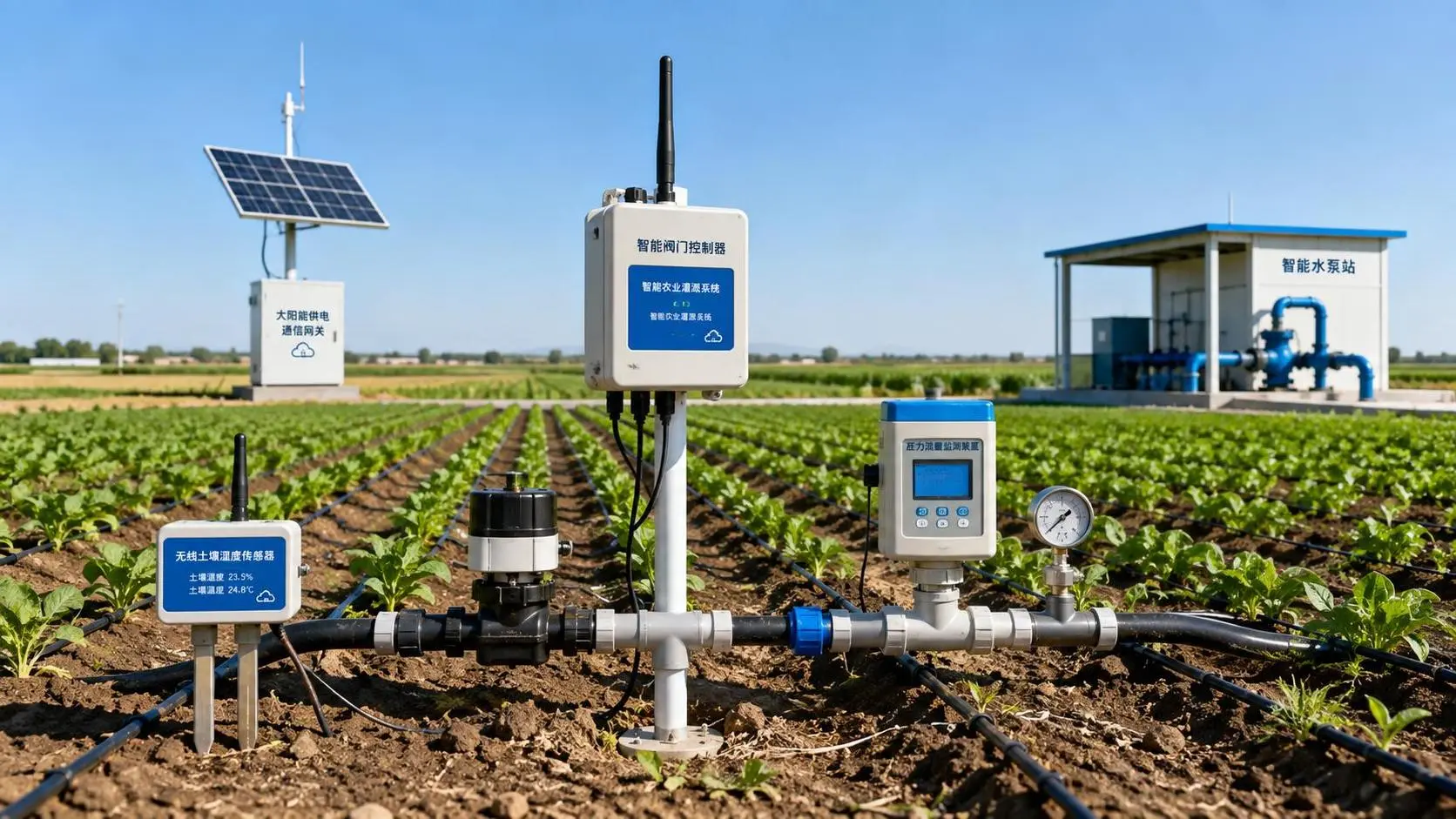
Wireless Agricultural Automation for Remote Irrigation and Field Monitoring
Agricultural automation wireless solutions improve remote irrigation with reliable field data, local control, flow verification, and smarter monitoring. Explore resilient deployment strategies.
Related News
- 00
0000-00
How Does Farm Mechanization Affect Food Security in Developing Regions? - 00
0000-00
Agricultural Technology Insights by Region: Where Adoption Is Growing Fastest - 00
0000-00
How Climate-Smart Agriculture Technology Improves Yield, Soil Health, and Risk Resilience - 00
0000-00
Smart Farming Solutions in Latin America: Which Technologies Fit Large Farms Best? - 00
0000-00
Long-Cycle Agri-Trade Price Trends: How to Read Supply, Freight, and Currency Signals
Popular Tags
Prof. Marcus Chen
Weekly Insights
Stay ahead with our curated technology reports delivered every Monday.