
Farm Machinery Innovations Explained: Which Upgrades Improve Yield and Labor Efficiency?
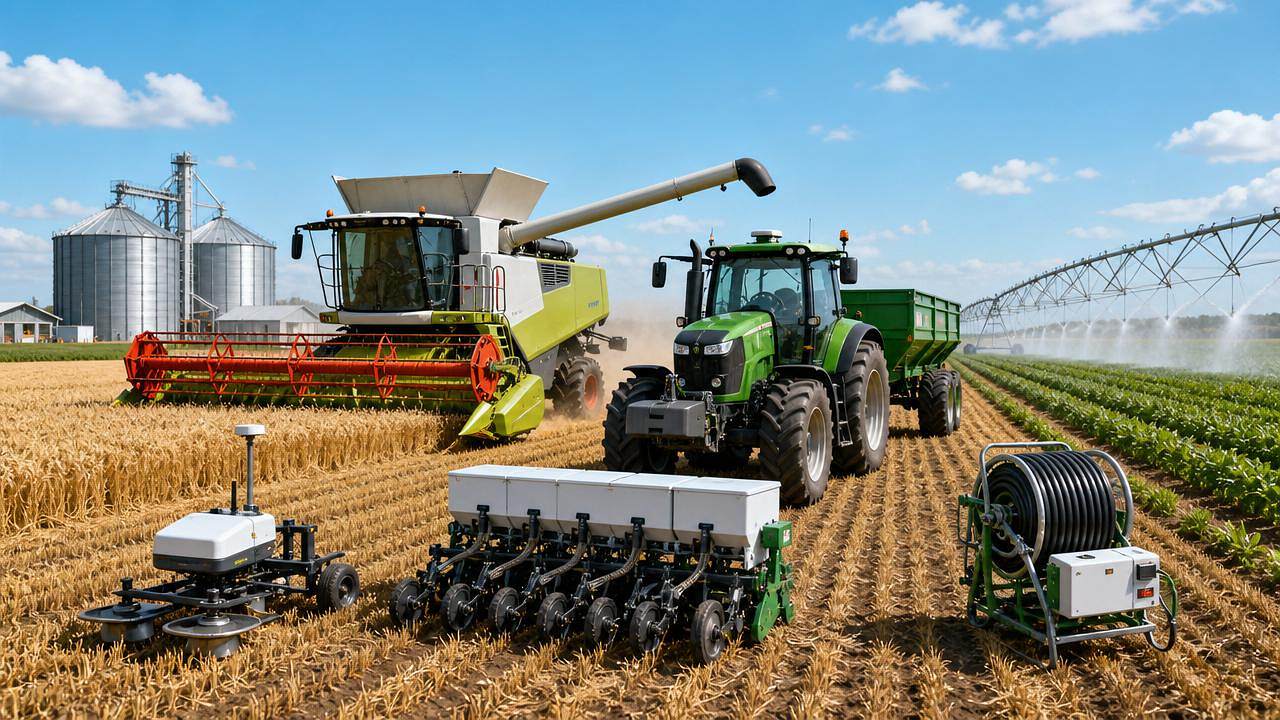




Farm machinery innovations now shape more than machine performance. They influence yield stability, labor allocation, fuel use, water efficiency, and the speed of field decisions across large-scale agriculture.
That is why upgrade decisions are getting harder. A stronger engine alone is no longer enough. The real value often comes from how machinery, sensors, software, and irrigation logic work together.
Across the Agriculture 4.0 landscape, the most useful improvements connect mechanical reliability with data-driven control. This is also where AP-Strategy places its focus, linking equipment intelligence, field operations, and sustainability pressures into a more practical view of investment.
Why farm machinery innovations matter now
Several pressures are arriving at the same time. Labor is less predictable. Weather windows are shorter. Input prices remain sensitive. At the same time, food security expectations are rising in many regions.
In that setting, farm machinery innovations are not only about automation. They are about reducing avoidable loss during seeding, spraying, harvesting, and irrigation, where small errors scale quickly across large acreage.
More importantly, newer platforms produce operational visibility. Instead of guessing why yield variation appears, operators can compare pass-to-pass accuracy, grain loss, hydraulic response, fuel burn, and moisture behavior.
That shift turns equipment from a standalone asset into a decision system. For any business tracking long-cycle machinery value, that distinction matters.
What counts as a meaningful upgrade
Not every new feature improves field outcomes. The strongest farm machinery innovations usually solve one of three problems: timing loss, precision loss, or labor inefficiency.
Timing loss appears when machines stop too often, move too slowly, or miss ideal field windows. Precision loss happens when seed placement, spray rates, or harvesting settings drift from target conditions.
Labor inefficiency shows up when skilled people spend time correcting routine errors, managing overlap, or compensating for poor machine feedback. The best upgrades reduce those hidden burdens.
A practical way to read innovation value
Where yield gains usually come from
Yield improvement from farm machinery innovations is rarely caused by one dramatic machine feature. It usually comes from a chain of smaller gains that protect crop potential at each stage.
At planting, accurate depth control and row placement support more even emergence. During crop care, variable-rate tools help place fertilizer or crop protection products where they matter most.
At harvest, modern combine systems matter because loss at the header, rotor, sieve, or cleaning stage directly removes saleable output. In real conditions, adaptive settings often outperform fixed operator habits.
Irrigation upgrades also play a larger role than many asset reviews assume. Water timing, pressure consistency, and transpiration-based scheduling can protect yield in high-heat periods when stress arrives quickly.
Combine harvesting remains a high-impact area
Among all farm machinery innovations, combine technology often delivers the clearest link between engineering quality and measurable output. Every improvement in loss control protects crop already grown at full seasonal cost.
Upgrades worth attention include automated loss sensing, cleaner sample management, residue handling, and dynamic adjustment for crop moisture changes. These are not cosmetic additions. They influence tonnage recovery and harvest pace.
AP-Strategy tracks this closely because harvesting is where machine intelligence meets fast-changing field reality. A small calibration advantage can become a major seasonal difference across large areas.
How labor efficiency improves in practice
Labor savings are often misunderstood. The aim is not simply to replace people. The better goal is to let limited skilled labor manage more acres with fewer interruptions and less mental overload.
This is where tractor chassis upgrades, automation layers, and interface design matter. Better transmission control, hydraulic precision, and implement synchronization reduce the number of corrections needed during long workdays.
Guidance systems also contribute more than route keeping. They help maintain consistency between operators, shifts, and fields. That consistency is valuable when labor availability changes during peak season.
- Auto-steer reduces fatigue during repetitive passes.
- Section control lowers rework in spraying and seeding.
- Telematics shortens troubleshooting time.
- Remote diagnostics help schedule maintenance before breakdowns.
- Integrated displays reduce training time for complex implements.
In simple terms, labor efficiency rises when the machine handles repetition and the operator handles judgment.
The growing role of intelligent tools and irrigation
Some of the most valuable farm machinery innovations sit beyond the tractor itself. Sensor-guided implements and intelligent irrigation systems increasingly shape input efficiency and climate resilience.
Prescription-based application tools can vary treatments by soil zone, crop vigor, or historical yield response. That improves cost discipline while reducing blanket application across uneven ground.
Water-saving irrigation systems do something similar. They move water management from routine scheduling toward measured demand. Pressure regulation, moisture feedback, and predictive models help avoid both stress and waste.
This aligns with AP-Strategy’s emphasis on linking mechanical systems with hydrological intelligence. In many regions, water efficiency is no longer a secondary target. It is part of the yield equation.
How to judge whether an upgrade is worth it
A useful review starts with field constraints, not product catalogs. The same upgrade can perform very differently depending on crop mix, field shape, operator skill, residue levels, and irrigation exposure.
It helps to compare upgrades through a narrow set of operational questions rather than broad promises.
- Does it reduce loss at a known bottleneck?
- Does it improve pass accuracy or timing?
- Does it lower dependence on constant manual correction?
- Can current teams use the data it generates?
- Will it integrate with existing implements and software?
- Does service access support uptime during peak periods?
The strongest farm machinery innovations usually score well across several of these points, not just one. A machine may look advanced on paper yet deliver weak value if integration is poor.
Common mistakes in upgrade planning
One common mistake is focusing on rated capacity without checking field variability. Another is buying precision functions without a process for using the resulting data.
There is also a tendency to isolate machinery from market and policy conditions. Yet grain price swings, environmental rules, and water restrictions can change payback logic quickly.
That broader view is why strategic intelligence matters. Machinery choices increasingly depend on agronomy, trade conditions, and resource pressure at the same time.
What to watch next
The next wave of farm machinery innovations will likely deepen integration rather than add isolated features. Expect more autonomous functions, stronger machine-to-implement communication, and better predictive maintenance.
Electric and hybrid systems may expand where duty cycles support them. More immediate, however, is the rise of software layers that convert machine feedback into agronomic action.
For that reason, the most reliable upgrade strategy is usually phased. Start with the points where field loss, labor pressure, or water inefficiency are already visible. Then compare technologies by operational fit, not novelty alone.
A clear next step is to map current bottlenecks across harvesting, traction, implement accuracy, and irrigation control. Once those gaps are measured, farm machinery innovations become easier to judge as tools for performance, not just new equipment categories.
Related News
Specification Planning: A Practical Framework for Defining Equipment Requirements
Application guidance for specification planning: define measurable equipment requirements, prioritize performance, and avoid costly procurement mistakes.

How North American Farms Can Select Crop Monitoring Systems by Acreage and Connectivity
Crop monitoring systems North America: learn how to match acreage, connectivity, sensors, and data workflows for reliable, actionable farm decisions.

Where to Find Reliable Product Information for Comparing Farm Equipment
Product information resources agriculture buyers can trust: compare farm equipment with technical specs, manuals, field data, dealer support, and lifecycle insights.
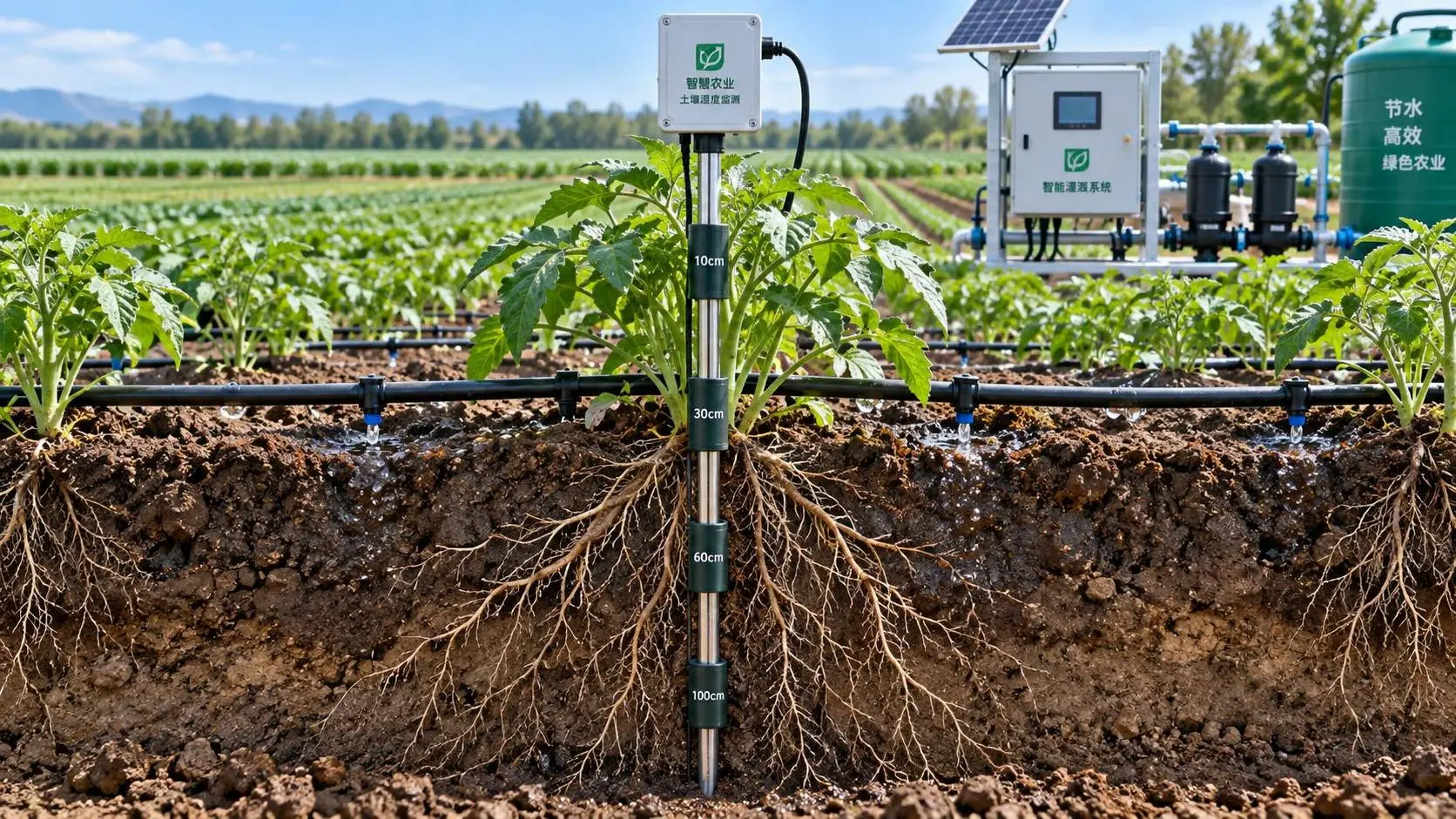
Selecting Real-Time Soil Moisture Sensors for Irrigation Zone Control
Soil moisture sensors real time: learn how to select reliable probes, optimize zone control, improve irrigation decisions, and scale precision water management.
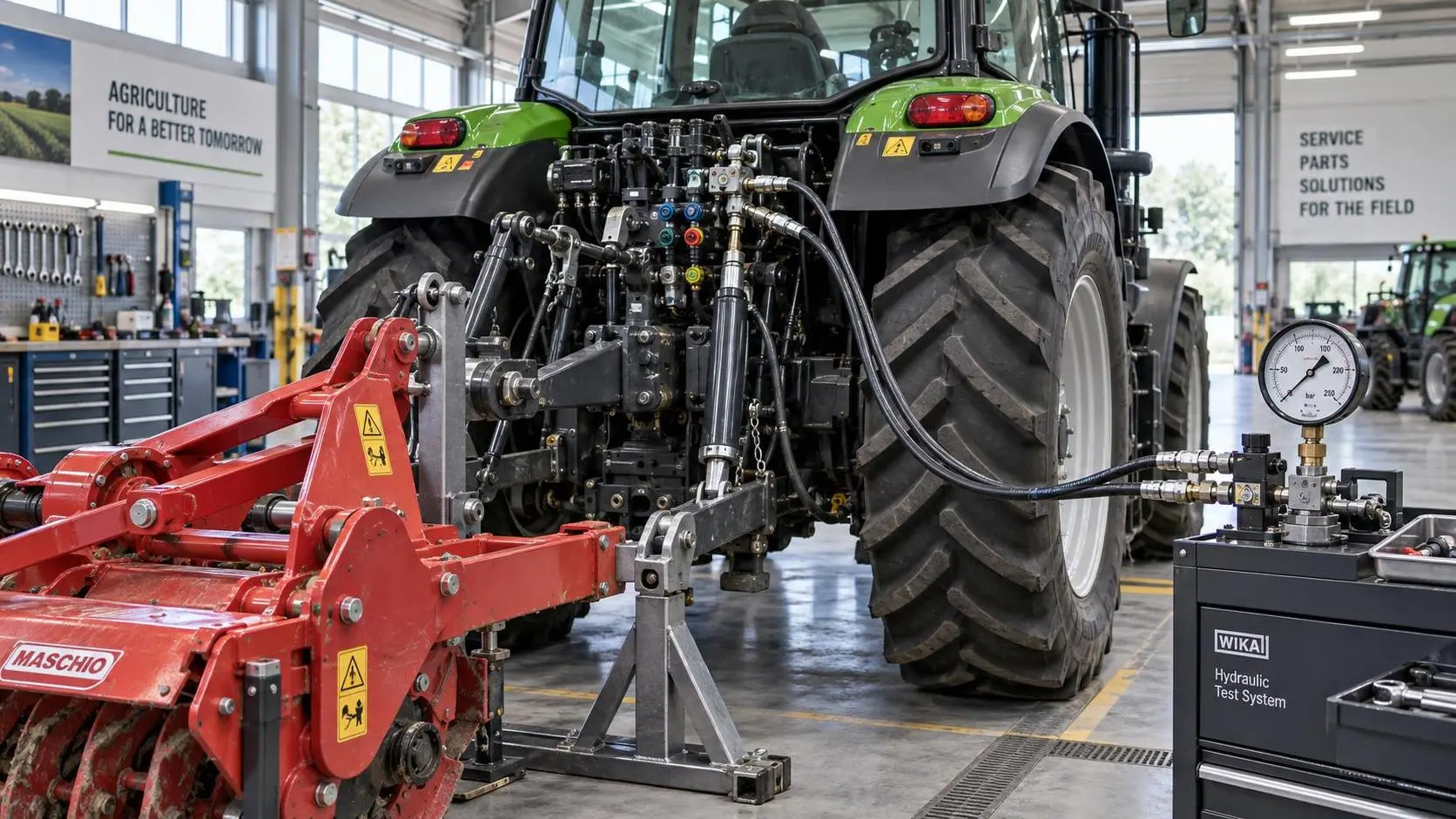
Tractor Hydraulic Systems Troubleshooting: Diagnosing Weak Lift and Slow Implements
Tractor hydraulic systems troubleshooting made practical: diagnose weak lifts and slow implements with proven pressure, flow, valve, and oil-supply checks.
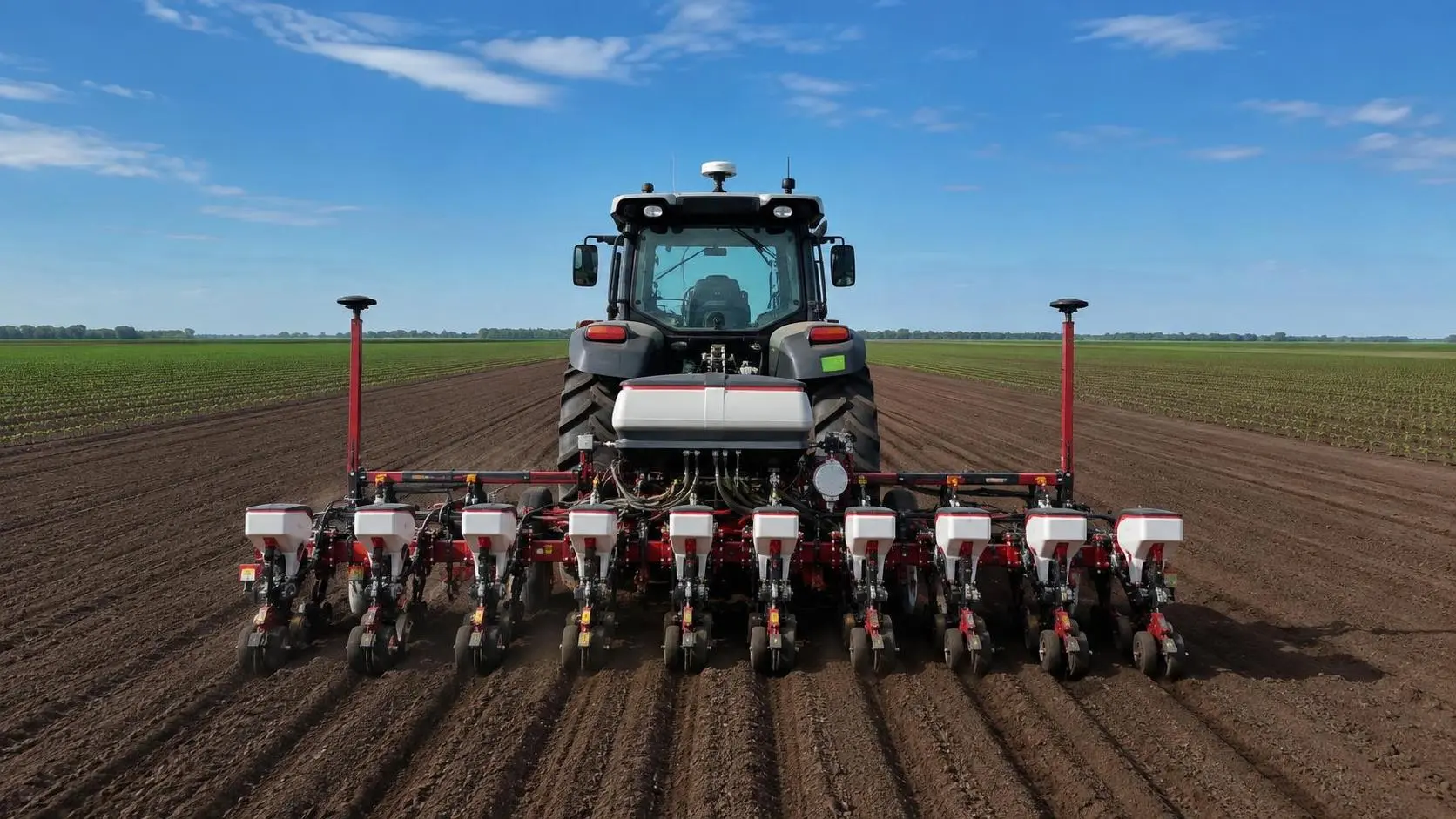
How Tractor Intelligence Systems Improve Field Efficiency and Input Accuracy
Agricultural machinery intelligence for tractors improves field efficiency, input accuracy, data traceability, and implement control. Explore smarter evaluation strategies.
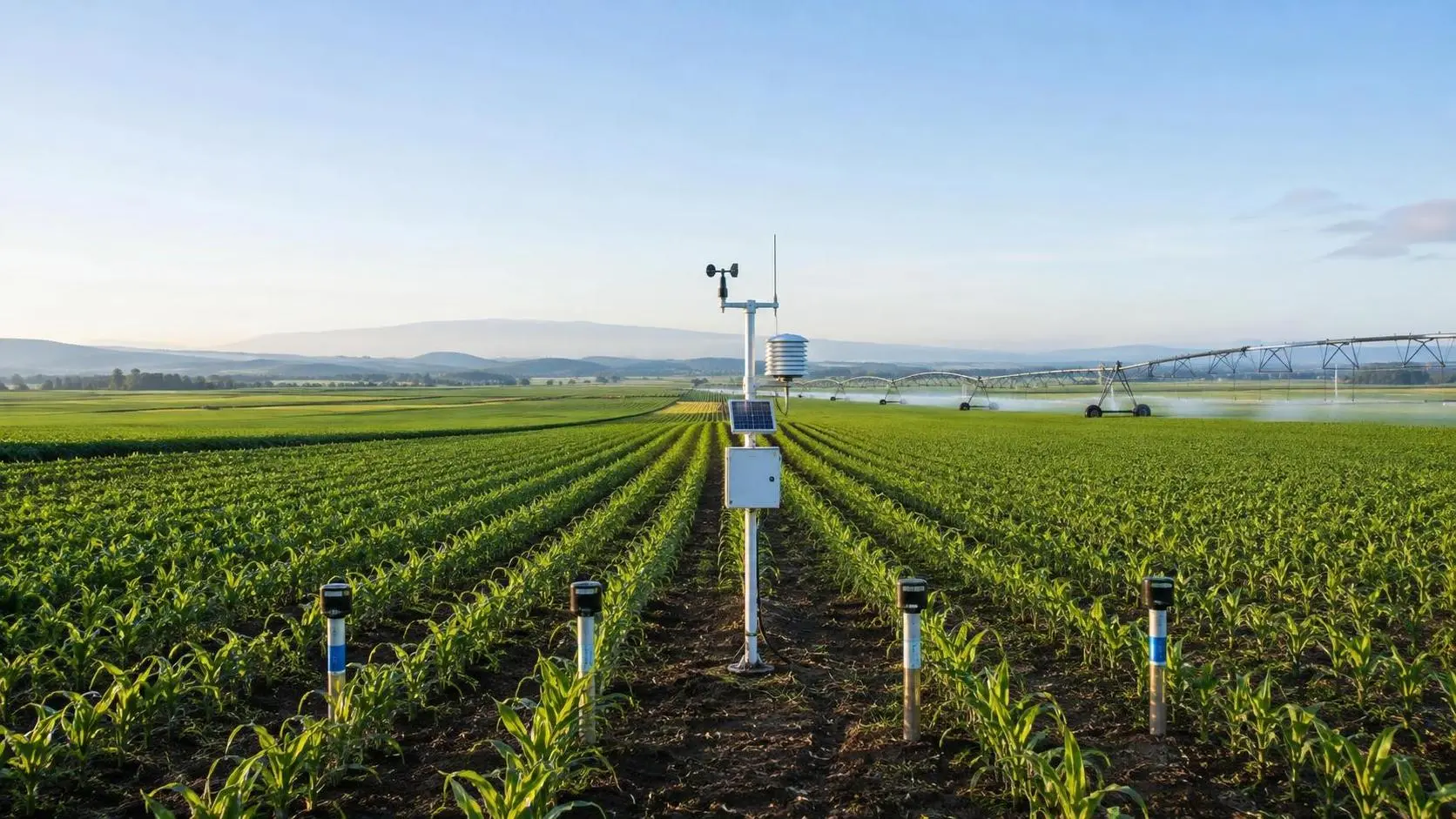
How to Evaluate Crop Monitoring System Manufacturers for Large-Scale Farms
Compare crop monitoring systems manufacturers for large-scale farms. Evaluate data quality, integration, durability, lifecycle costs, support, and pilots for smarter decisions.
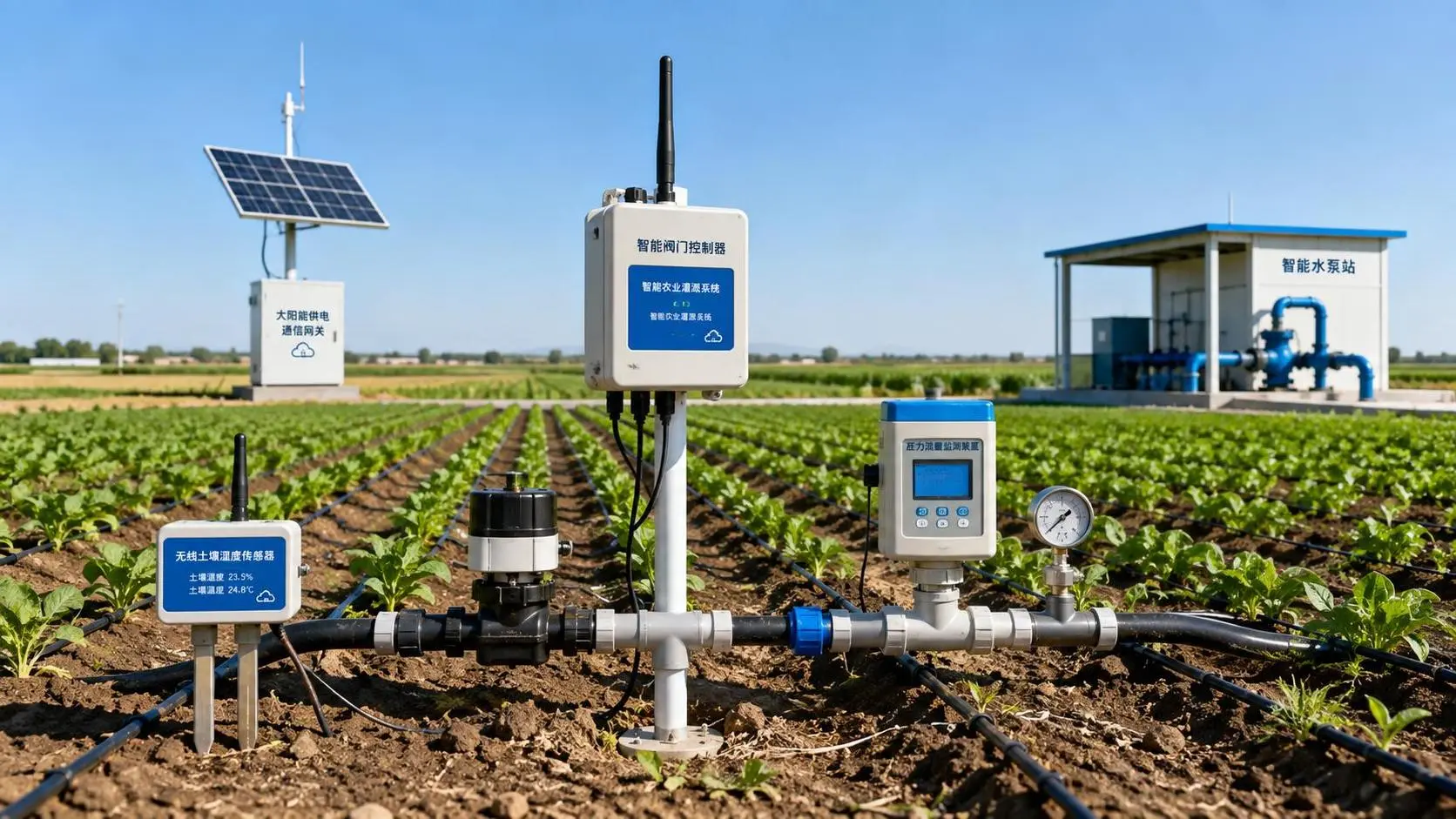
Wireless Agricultural Automation for Remote Irrigation and Field Monitoring
Agricultural automation wireless solutions improve remote irrigation with reliable field data, local control, flow verification, and smarter monitoring. Explore resilient deployment strategies.
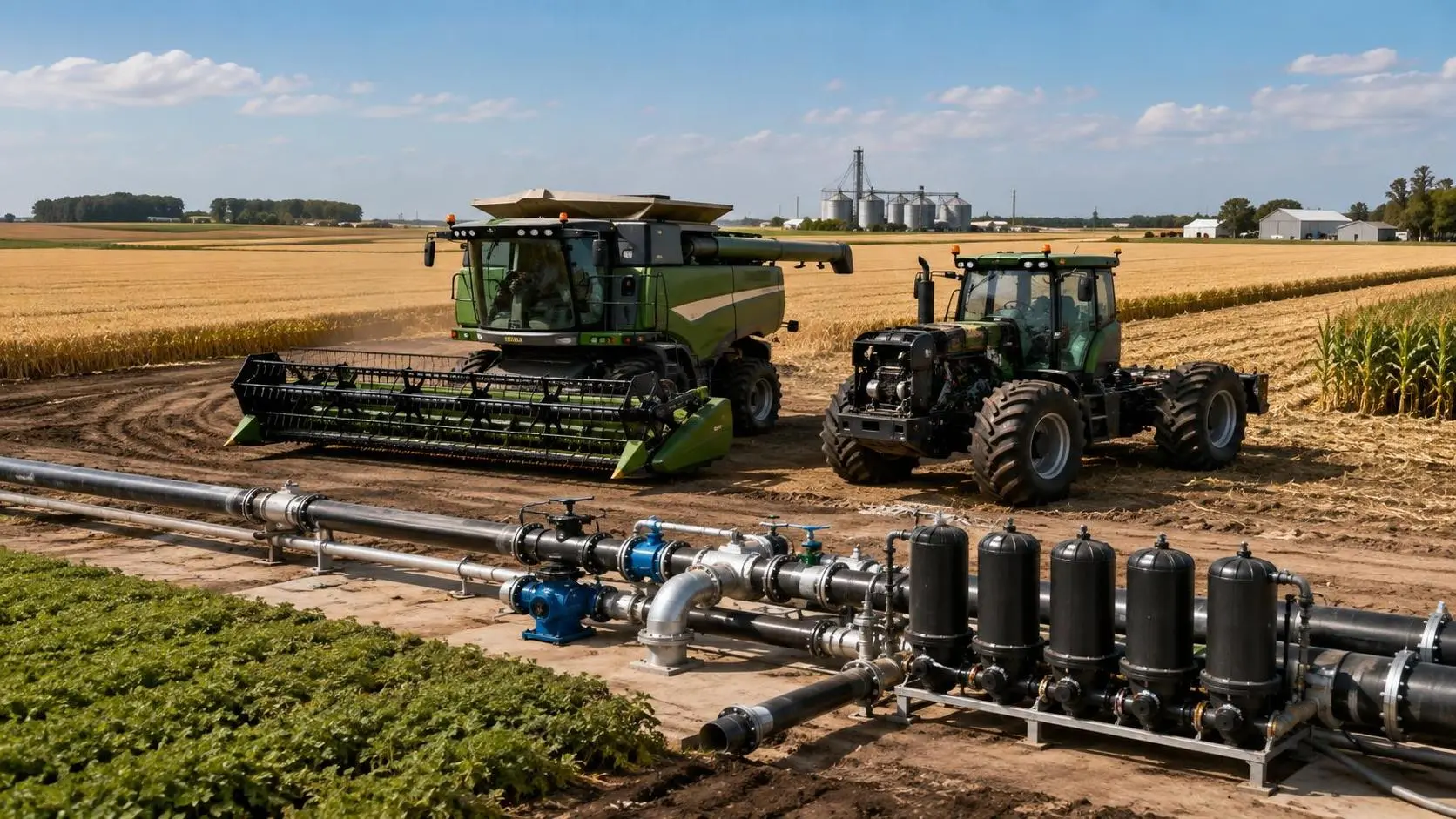
Agricultural Product Information Market Guide: Key Data for Sourcing Decisions
Agricultural product information market guide for smarter sourcing—compare machinery, irrigation, precision tools, lifecycle costs, and supplier risk.
Related News
- 00
0000-00
How Does Farm Mechanization Affect Food Security in Developing Regions? - 00
0000-00
Agricultural Technology Insights by Region: Where Adoption Is Growing Fastest - 00
0000-00
How Climate-Smart Agriculture Technology Improves Yield, Soil Health, and Risk Resilience - 00
0000-00
Smart Farming Solutions in Latin America: Which Technologies Fit Large Farms Best? - 00
0000-00
Long-Cycle Agri-Trade Price Trends: How to Read Supply, Freight, and Currency Signals
Popular Tags
Prof. Marcus Chen
Weekly Insights
Stay ahead with our curated technology reports delivered every Monday.