
Sustainable Farming Practices That Improve Soil Health and Reduce Input Waste
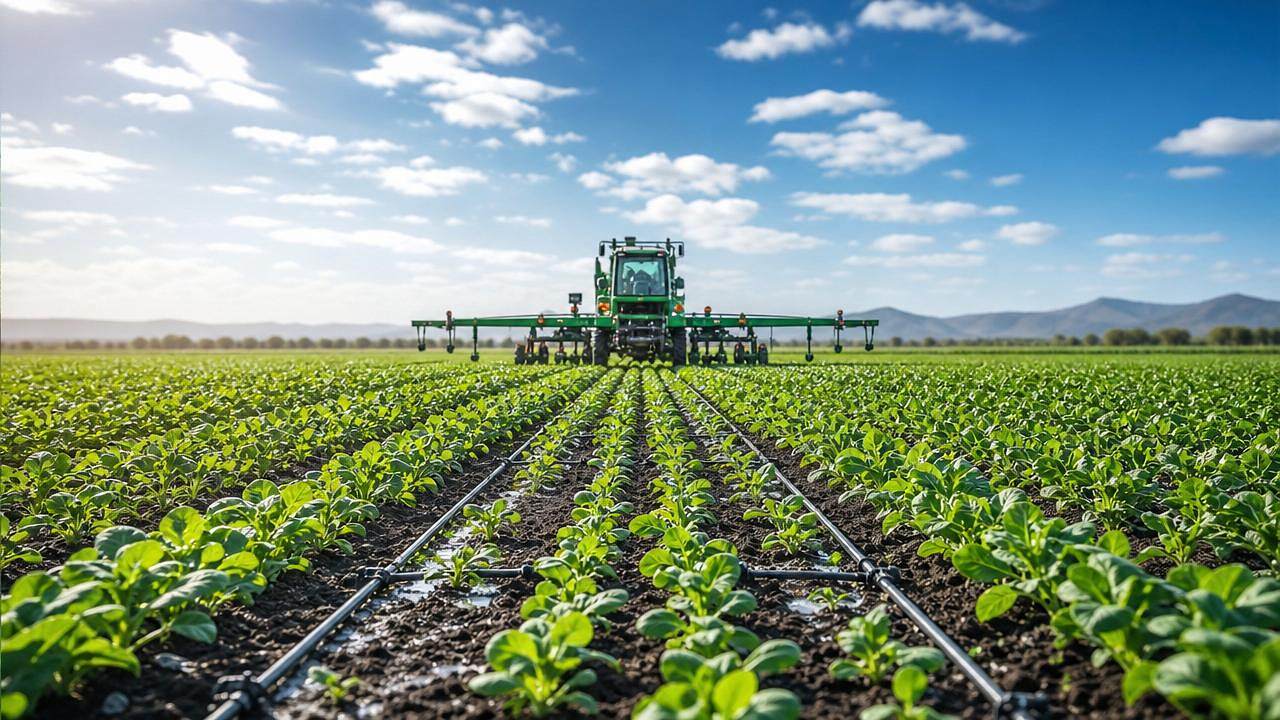




Sustainable Farming Practices That Improve Soil Health and Reduce Input Waste
Sustainable farming practices are no longer optional for modern field performance. They now shape yield stability, soil resilience, operating cost, and long-term land value.
When soil structure declines, every pass becomes harder. Water infiltration slows, nutrient losses rise, and equipment efficiency often drops with it.
That is why sustainable farming practices matter in practical terms. They help reduce waste while keeping crops, machinery, and field timing in better balance.
For operations working in the Agriculture 4.0 environment, the biggest gains often come from smarter execution, not simply adding more inputs.
From precision irrigation to reduced tillage, the goal is simple. Protect the soil, use fewer wasted resources, and improve performance across every season.
Why Soil Health Sits at the Center of Sustainable Farming Practices
Healthy soil is not just a biological asset. It is also an operational asset that affects traction, drainage, timing, and the return on every input.
Good soil structure supports root growth and holds moisture longer. It also reduces runoff, lowers erosion risk, and improves nutrient access for crops.
Once compaction, crusting, or organic matter loss appears, input efficiency declines fast. More fertilizer or more water rarely solves the root problem.
This is where sustainable farming practices create a measurable difference. They build field resilience before weather extremes or price pressure expose weak systems.
- Better aggregate stability supports water movement.
- Higher organic matter improves nutrient buffering.
- Reduced compaction helps roots explore deeper zones.
- More balanced biology improves residue breakdown.
Reduce Tillage Without Losing Operational Control
One of the most effective sustainable farming practices is reducing unnecessary soil disturbance. Less tillage protects structure, conserves moisture, and cuts fuel use.
That does not mean stopping all tillage everywhere. It means matching tillage intensity to residue load, soil condition, crop sequence, and traffic patterns.
In many fields, strip-till, shallow vertical tillage, or no-till can maintain seedbed quality while reducing unnecessary passes. Fewer passes mean lower wear and less compaction pressure.
The key is operational discipline. Residue distribution after harvest, planting accuracy, and traffic timing all become more important under reduced tillage systems.
- Map compacted zones before changing tillage strategy.
- Check residue spread from the combine at harvest.
- Adjust planter downforce for uneven surface conditions.
- Limit field traffic when soils are wet and vulnerable.
Use Cover Crops to Turn Idle Ground Into Active Recovery
Cover crops are among the most practical sustainable farming practices for rebuilding soil health between cash crop cycles. They keep living roots in the ground longer.
That living root activity supports biology, improves aggregation, and helps capture nutrients that would otherwise leach away. It also protects the surface from erosion.
Different goals require different species. Rye can suppress weeds and hold soil well. Legumes can support nitrogen cycling. Multi-species mixes can widen the benefits.
Still, cover crops work best when treated as a managed system. Seeding date, termination timing, and moisture balance all need close attention.
- Choose species by erosion, nitrogen, or weed goals.
- Seed early enough for strong fall establishment.
- Monitor spring moisture before delayed termination.
- Align termination with planter performance needs.
Make Nutrient Use More Precise and Less Wasteful
Nutrient loss is expensive twice. It wastes product and weakens soil and water outcomes. That is why nutrient precision sits high on the list of sustainable farming practices.
The strongest approach combines soil testing, yield history, crop demand, and application timing. Blanket rates often ignore field variability and create avoidable inefficiency.
Variable-rate application helps match nutrients to real conditions. Split applications can also reduce loss risk, especially where rainfall patterns are unpredictable.
In practical operations, this means fewer overapplied zones and stronger response from every unit of input. It also supports more stable crop growth through stress periods.
Improve Water Efficiency With Smarter Irrigation Decisions
Water-saving systems are central to sustainable farming practices, especially where weather is less predictable and pumping costs continue to rise.
Too much irrigation can be as damaging as too little. Saturated soils lose structure, restrict oxygen, and increase nutrient movement below the root zone.
Precision irrigation uses moisture sensors, evapotranspiration data, and field-specific scheduling. The aim is to apply water at the right time and in the right volume.
This approach supports healthier roots and helps maintain soil structure. It also reduces energy waste and improves confidence during peak demand periods.
- Track soil moisture at multiple depths.
- Use forecast data before large irrigation events.
- Check emitter uniformity and line pressure regularly.
- Review pumping energy against delivered water volume.
Use Machinery Intelligence to Support Sustainable Farming Practices
Modern machines can either protect field efficiency or quietly increase waste. The difference usually comes down to data use, setup quality, and operator decisions.
Guidance systems reduce overlap during planting, spraying, and fertilizing. That alone can cut unnecessary fuel, chemical use, and crop damage in trafficked zones.
Combine calibration matters too. Poor threshing or cleaning settings increase grain loss and residue inconsistency, which can weaken the next crop cycle.
AP-Strategy closely tracks these Agriculture 4.0 connections. Mechanical performance, precision algorithms, and sustainability targets now affect each other in real time.
For that reason, sustainable farming practices should include machine-side discipline, not only agronomic changes. Better settings often unlock savings without expanding acreage or input volume.
High-impact equipment checks
- Confirm guidance accuracy before field entry.
- Calibrate spreaders and sprayers by field condition.
- Watch tire pressure to limit compaction risk.
- Review combine loss monitors during harvest windows.
Build a Practical Transition Plan Instead of Changing Everything at Once
The most successful sustainable farming practices usually start with one or two pressure points. That might be compaction, irrigation waste, unstable nutrient response, or residue problems.
A phased approach reduces risk and makes performance easier to measure. It also helps teams adapt equipment settings and timing without disrupting the full operation.
Start by identifying the fields where losses are most visible. Then set clear targets for soil condition, input use, or pass reduction.
- Benchmark fuel, water, and nutrient use by field.
- Choose one sustainable farming practice to pilot first.
- Track yield, infiltration, residue, and application accuracy.
- Expand only after reviewing measurable results.
This step-by-step model is often more effective than a full-system change in one season. It protects cash flow while improving confidence in the process.
What Long-Term Results Look Like in the Field
Over time, sustainable farming practices create a more stable operating environment. Fields handle stress better, inputs perform more consistently, and decisions become less reactive.
The benefits often show up in several places at once. Better infiltration reduces ponding. Better aggregation supports trafficability. Better targeting reduces wasted product.
Just as important, these gains support strategic planning. They give operations a stronger base for adopting intelligent tools, automated equipment, and resource-saving systems.
In a market shaped by food security, climate volatility, and rising cost pressure, sustainable farming practices are no longer a side project. They are part of field-level competitiveness.
The practical next move is to begin where waste is easiest to measure. Improve that area first, verify the results, and build the next layer from there.
That is how soil health improves in the real world. Not through one idea alone, but through consistent sustainable farming practices that make every pass, drop, and input count more.
Related News
How RTK Satellite Positioning Improves Accuracy in Precision Farming Operations
RTK satellite positioning boosts precision farming with repeatable guidance, lower overlap, and better field data. Learn what to verify before choosing an RTK system.
EU Rule Takes Effect: EN 16924:2026 for Drip Irrigation Logic
EN 16924:2026 now reshapes EU access for Drip Irrigation Logic products. Learn how certification, CE marking, customs, and warehouse risks impact exporters and buyers.
How Autonomous Machinery for Crop Scouting Helps Growers Detect Field Issues Earlier
Autonomous machinery for crop scouting helps growers spot irrigation gaps, pest pressure, and crop stress earlier, turning field data into faster decisions and smarter action.
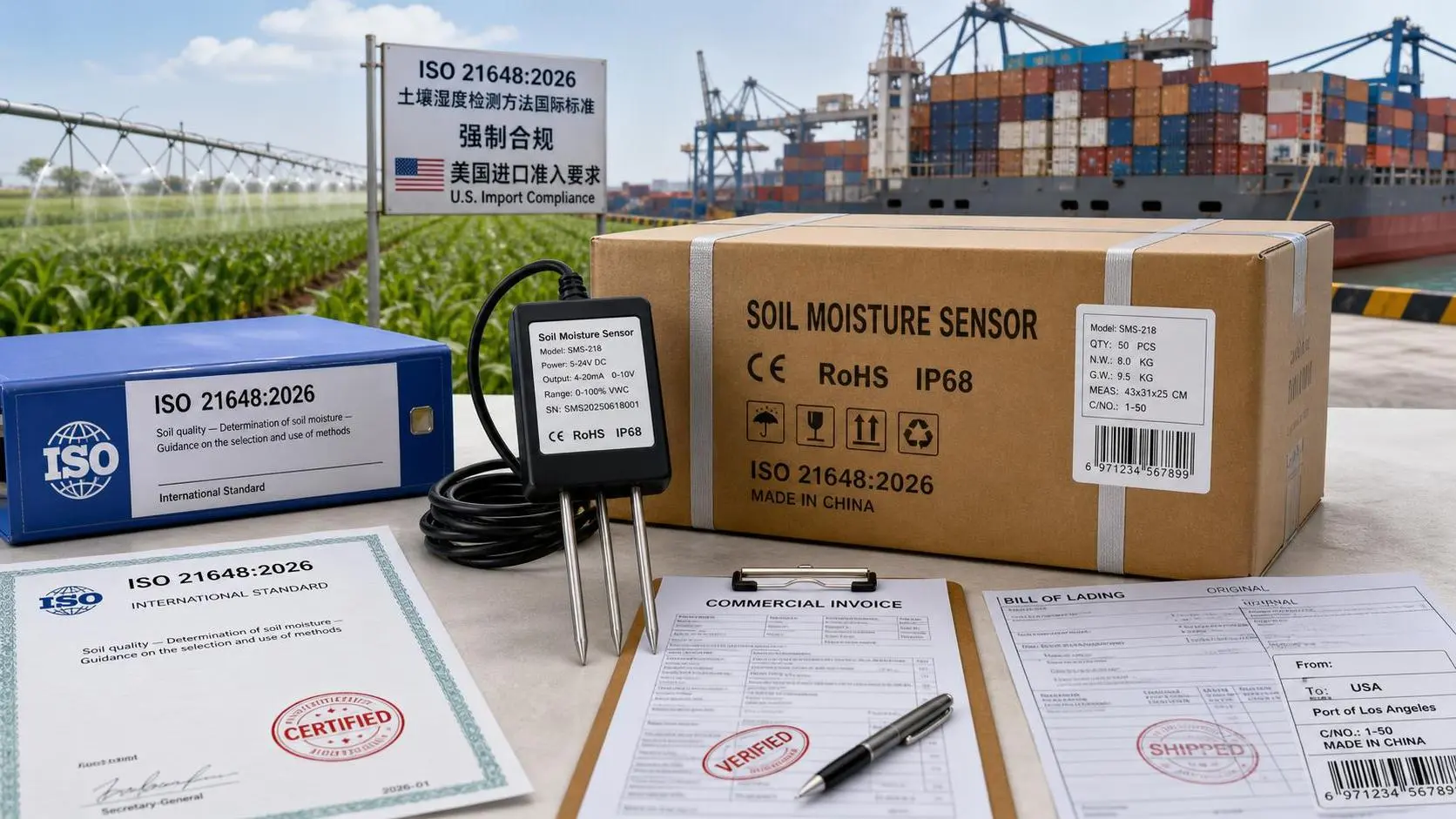
USDA Rule Makes ISO 21648:2026 Mandatory
USDA Rule Makes ISO 21648:2026 Mandatory for soil moisture sensors entering the U.S. Learn how the new USDA import compliance guide impacts certification, CBP entry, suppliers, and delivery plans.
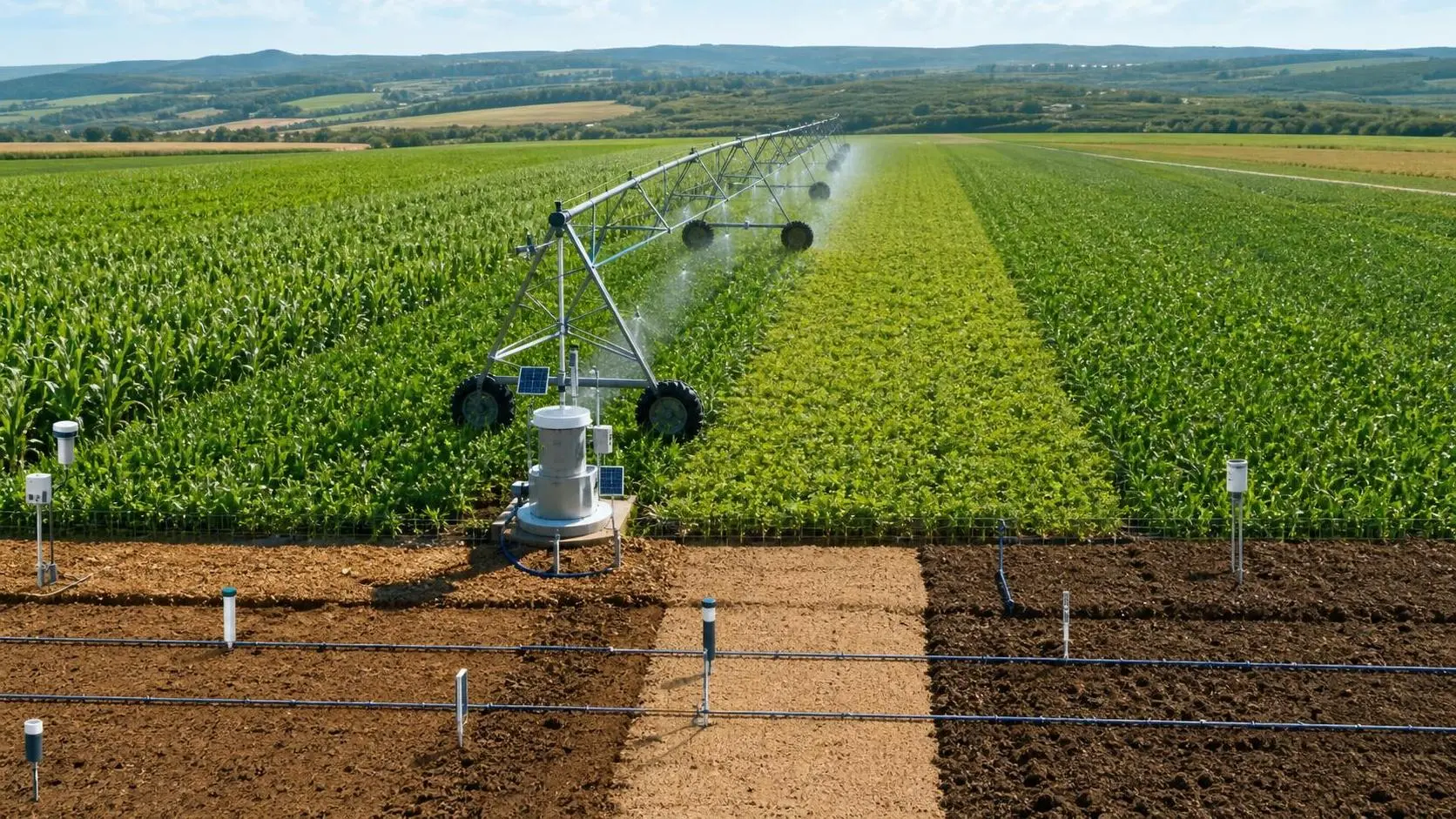
How Digital Farming Improves Irrigation Planning With Soil Data and GPS Mapping
Digital farming for irrigation planning turns soil data and GPS mapping into smarter watering decisions, helping farms reduce waste, improve field precision, and boost operational efficiency.
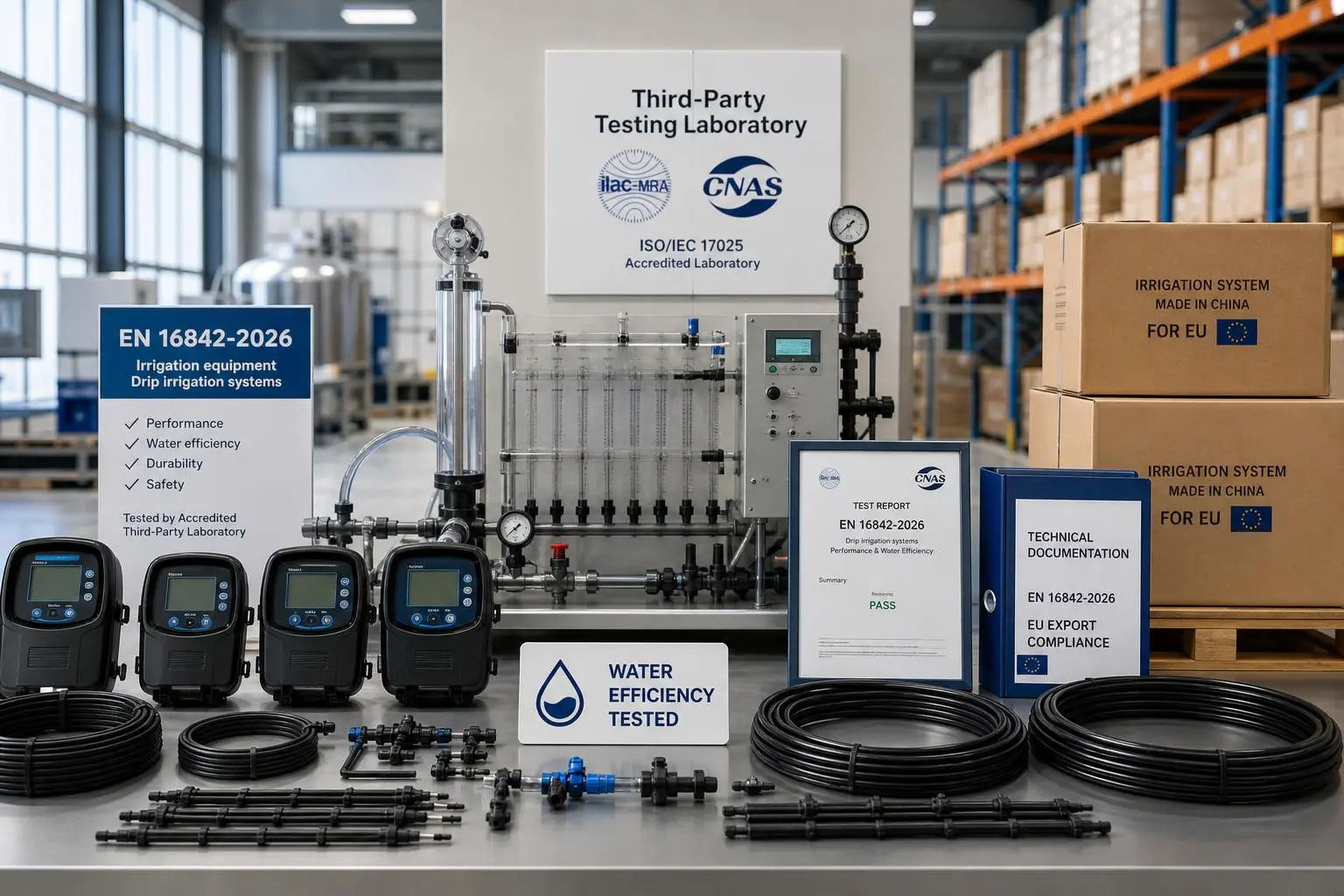
EU Rule Takes Effect: EN 16842-2026 Required for Drip Irrigation Logic Exports
EN 16842-2026 now makes third-party certification mandatory for Drip Irrigation Logic exports to the EU. Learn the compliance risks, customs impact, and supplier checks now.
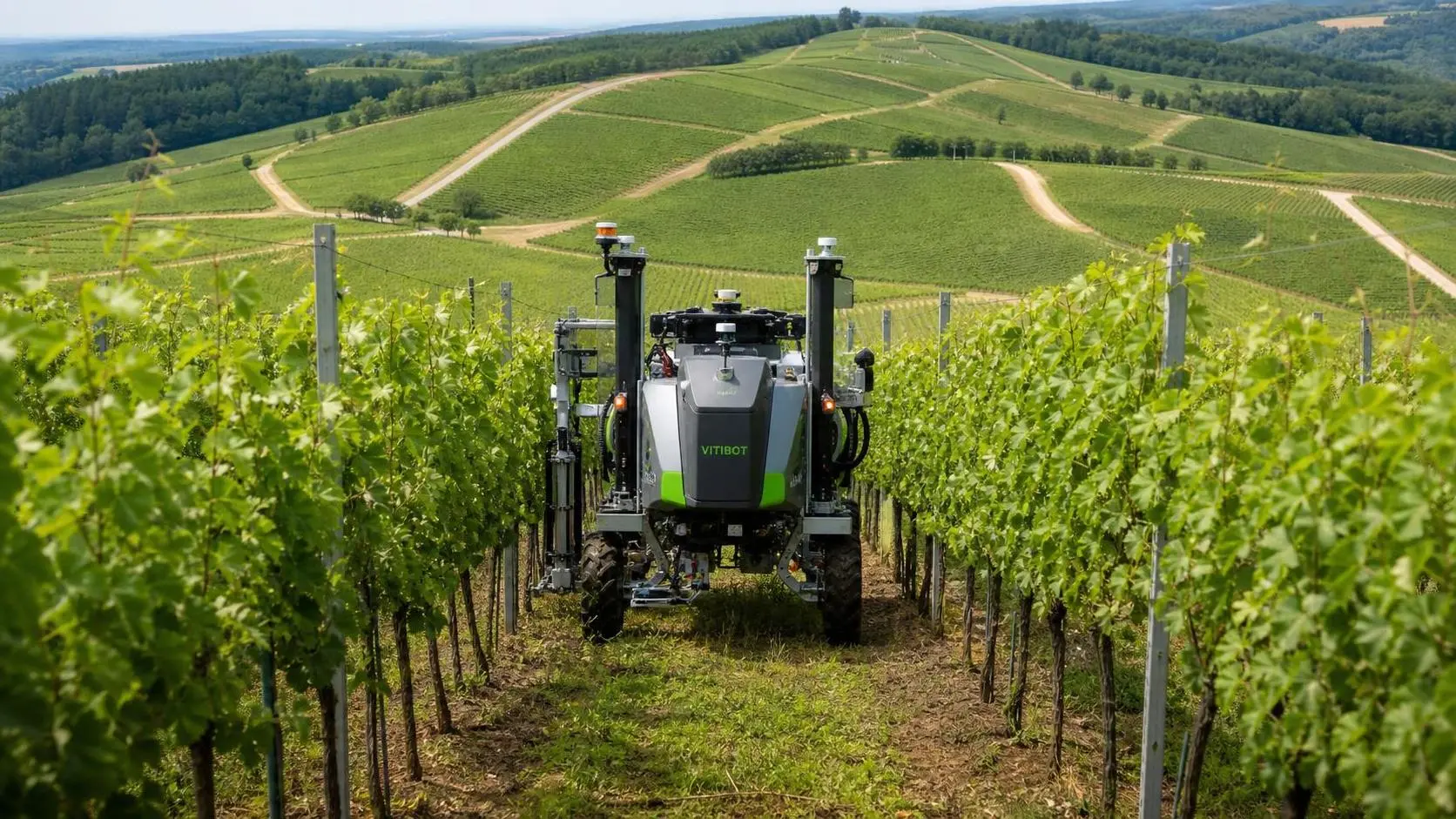
How to Evaluate Autonomous Machinery for Vineyards by Terrain, Tasks, and ROI
Autonomous machinery for vineyards: learn how to evaluate terrain fit, task suitability, safety, and ROI to choose the right solution and reduce procurement risk.
USDA Tightens Import Rules for Soil Moisture Sensors
Soil Moisture Sensors face new USDA import rules from Oct. 1, 2026. Learn how ISO 11274-3:2026 testing may impact customs clearance, lead times, and supplier planning.
How to Use a Global Agricultural Equipment Directory to Compare Suppliers and Reduce Sourcing Risk
Agricultural equipment directory global sourcing starts with smarter supplier comparison. Learn how to assess fit, compliance, support, and market readiness to reduce sourcing risk.
Related News
- 00
0000-00
Smart Farming Solutions in Latin America: Which Technologies Fit Large Farms Best? - 00
0000-00
Long-Cycle Agri-Trade Price Trends: How to Read Supply, Freight, and Currency Signals - 00
0000-00
Agricultural Technology Insights on Smart Machinery: Trends Reshaping Farm Operations - 00
0000-00
Agricultural Technology Insights by Region: What Buyers Should Compare First - 00
0000-00
Digital Farming Technology Standards Explained: Interoperability, Data, and Compliance
Popular Tags
Prof. Marcus Chen
Weekly Insights
Stay ahead with our curated technology reports delivered every Monday.