
Precision Agriculture Technology for Climate Resilience: Key Tools and Limits
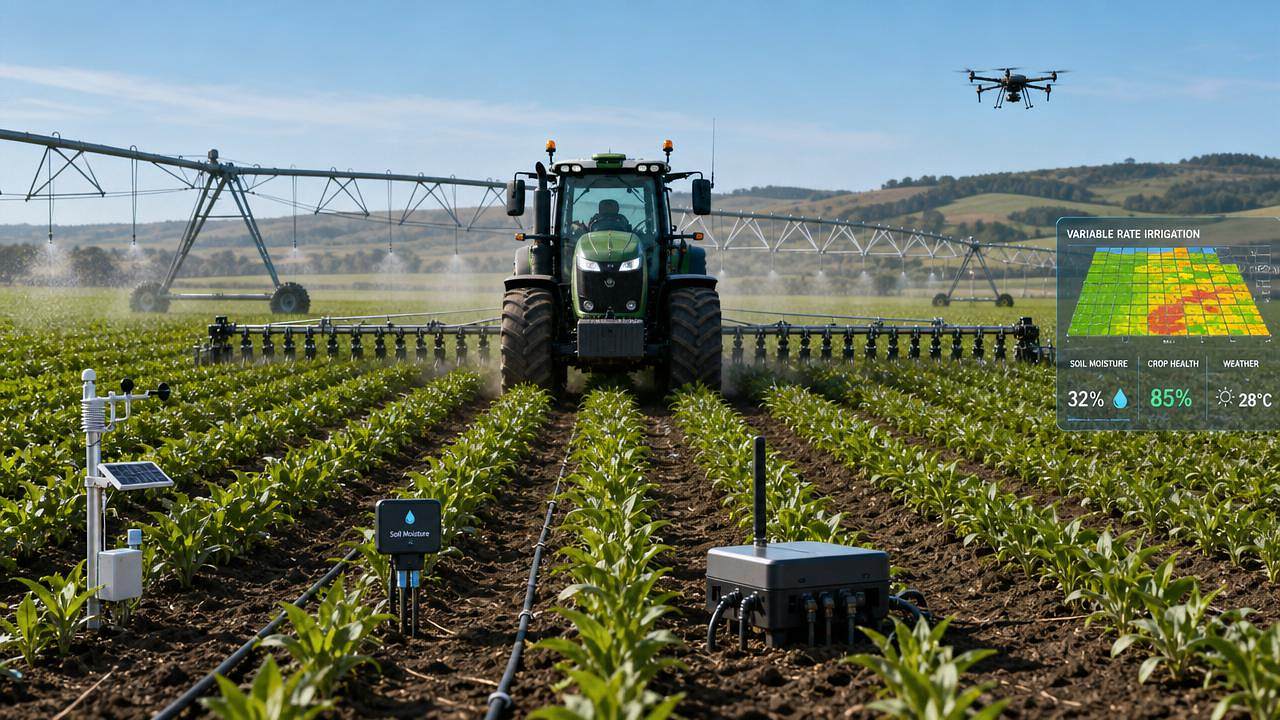




Precision Agriculture Technology for Climate Resilience: Key Tools and Limits
As weather volatility reshapes field performance, precision agriculture technology for climate resilience has moved from pilot projects to operational review.
The promise is straightforward.
Use better data, automate decisions earlier, and reduce the cost of uncertainty across irrigation, planting, spraying, and harvesting.
But the evaluation standard is tougher than the marketing language.
A resilient system must still perform when rainfall shifts, power supply is unstable, connectivity drops, and field variability widens.
That is where technical judgment matters most.
For AP-Strategy, this topic sits at the center of Agriculture 4.0.
Large-scale machinery, combine harvesting platforms, tractor chassis, intelligent farm tools, and water-saving irrigation systems now depend on one shared question.
Can precision agriculture technology for climate resilience deliver measurable stability, not just digital visibility?
Why climate resilience now defines technical value
Climate pressure no longer appears as a single seasonal shock.
It shows up as uneven soil moisture, shifting pest timing, heat stress during grain fill, and narrower operating windows for field equipment.
This changes how machinery and digital tools should be assessed.
The old benchmark focused on peak output.
The new benchmark asks whether output remains acceptable under unstable conditions.
In practical terms, precision agriculture technology for climate resilience should improve three things at once.
- Resource efficiency under stress, especially water, fuel, labor, and nutrients.
- Operational continuity when field conditions change faster than schedules.
- Decision quality across equipment fleets, agronomic zones, and weather windows.
That combination explains why resilience is no longer just an environmental term.
It is now a performance specification.
Core tools behind precision agriculture technology for climate resilience
1. Sensor-driven irrigation and water control
Water stress is often the first test of resilience.
Soil moisture probes, flow meters, pressure sensors, and evapotranspiration models make irrigation more responsive.
When integrated well, they reduce overwatering, cut pumping costs, and protect yield during heat events.
This is especially relevant for intelligent irrigation systems tracked by AP-Strategy.
The strongest systems do not just schedule irrigation.
They connect field-level readings with pump performance, block-level demand, and forecast uncertainty.
2. GNSS guidance and variable-rate application
Satellite positioning remains a basic layer of precision agriculture technology for climate resilience.
But guidance alone is not enough.
Its value rises when linked to variable-rate seeding, fertilization, and crop protection.
In dry years, this supports more selective input placement.
In wet years, it can reduce compaction passes and unnecessary overlap.
The technical limit usually appears in prescription accuracy.
A variable-rate map based on weak zoning logic only automates a poor decision.
3. Remote sensing and field condition monitoring
Satellite imagery, drone surveys, and machine vision expand the observation window.
They help detect stress patterns before they become visible from the road.
For technical review, the key issue is timing.
If image refresh cycles miss rapid stress events, the system becomes descriptive, not actionable.
That matters in climate-sensitive operations where delays of two or three days can change input strategy completely.
4. Connected machinery and telematics
Climate resilience also depends on machine availability.
Telematics platforms connect tractors, sprayers, combines, and irrigation assets into one operating picture.
This matters when narrow harvest windows collide with storm risk or heat stress.
For combine harvesting technology, machine data can reveal cleaning loss behavior, fuel spikes, routing inefficiency, and downtime causes.
The resilience gain comes from faster correction, not simply more dashboards.
Where the limits become visible
From recent deployments, the stronger signal is clear.
The barriers are rarely a lack of tools.
They are usually a lack of system fit.
Interoperability gaps
Many farms operate mixed fleets across brands, model years, and software generations.
If controllers, displays, and cloud platforms do not exchange data cleanly, resilience claims weaken quickly.
ISOBUS support helps, but practical compatibility still varies by function depth.
Data quality weakness
Precision agriculture technology for climate resilience depends on trustworthy data streams.
Bad calibration, drifting sensors, incomplete yield maps, and unclean boundaries distort every downstream recommendation.
The risk is subtle because outputs can still look technically polished.
Infrastructure constraints
Connectivity, power reliability, and service access remain uneven across regions.
A platform that performs well in connected test environments may struggle in remote irrigation districts or large fragmented fields.
This is why offline workflows still matter.
Return on investment uncertainty
Not every climate-smart tool creates a clear payback in every crop system.
A resilient design must justify hardware cost, software subscriptions, training time, and support overhead.
In actual operations, the biggest wins often come from a few linked functions, not a full digital stack.
How to evaluate technical readiness
A useful review framework should move beyond feature lists.
The question is not whether a platform is advanced.
The question is whether it remains reliable under agronomic and operational stress.
- Check data lineage from sensor capture to final recommendation.
- Test interoperability across tractors, implements, combines, and irrigation nodes.
- Compare forecast-driven actions with actual field outcomes over multiple events.
- Measure operator burden, including calibration, setup time, and exception handling.
- Validate serviceability, spare parts support, and software update discipline.
This also means testing under imperfect conditions.
A system that only works with perfect connectivity or ideal boundaries is not truly resilient.
A practical comparison lens
This comparison shows why precision agriculture technology for climate resilience should be evaluated as an operating system, not a collection of gadgets.
What stronger deployments look like
The most effective deployments usually share four habits.
- They start with one climate-sensitive bottleneck, often irrigation or harvest timing.
- They standardize data collection before expanding automation.
- They keep machinery, agronomy, and service teams aligned around the same performance metrics.
- They review results over seasons, not just single weather events.
That approach matches the intelligence model AP-Strategy follows.
Mechanical capability, control algorithms, and sustainability targets must be stitched together, or none of them scale well.
Final take
Precision agriculture technology for climate resilience is no longer a niche upgrade.
It is becoming a core benchmark for field equipment, irrigation networks, and digital farm control.
Still, the real dividing line is not innovation volume.
It is operational fit.
The best systems make climate risk more visible, more manageable, and more economical to act on.
When reviewing solutions, focus on interoperability, data trust, service depth, and field-level proof.
That is the practical path to identifying precision agriculture technology for climate resilience that performs well beyond the brochure.
Related News
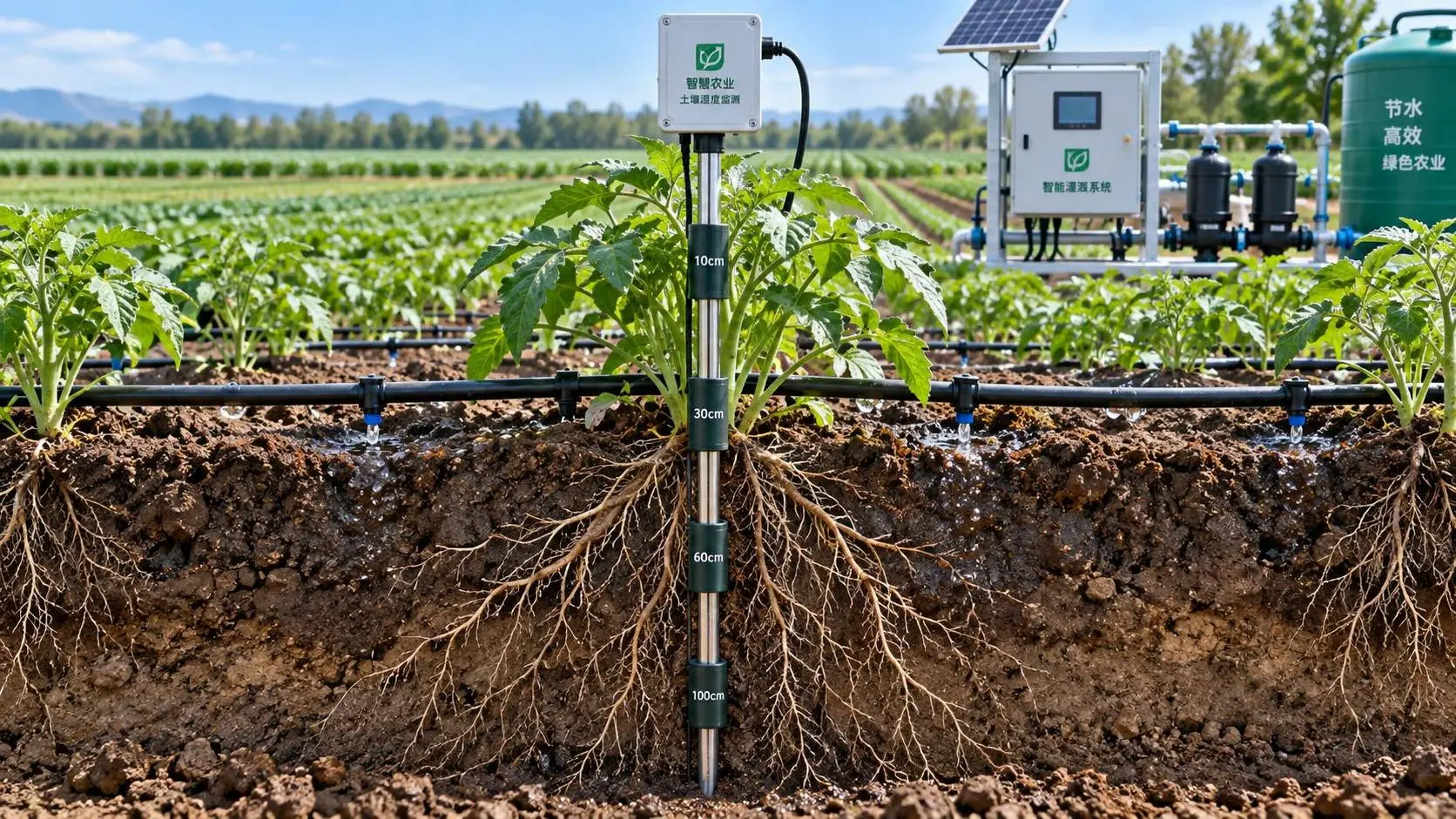
Selecting Real-Time Soil Moisture Sensors for Irrigation Zone Control
Soil moisture sensors real time: learn how to select reliable probes, optimize zone control, improve irrigation decisions, and scale precision water management.
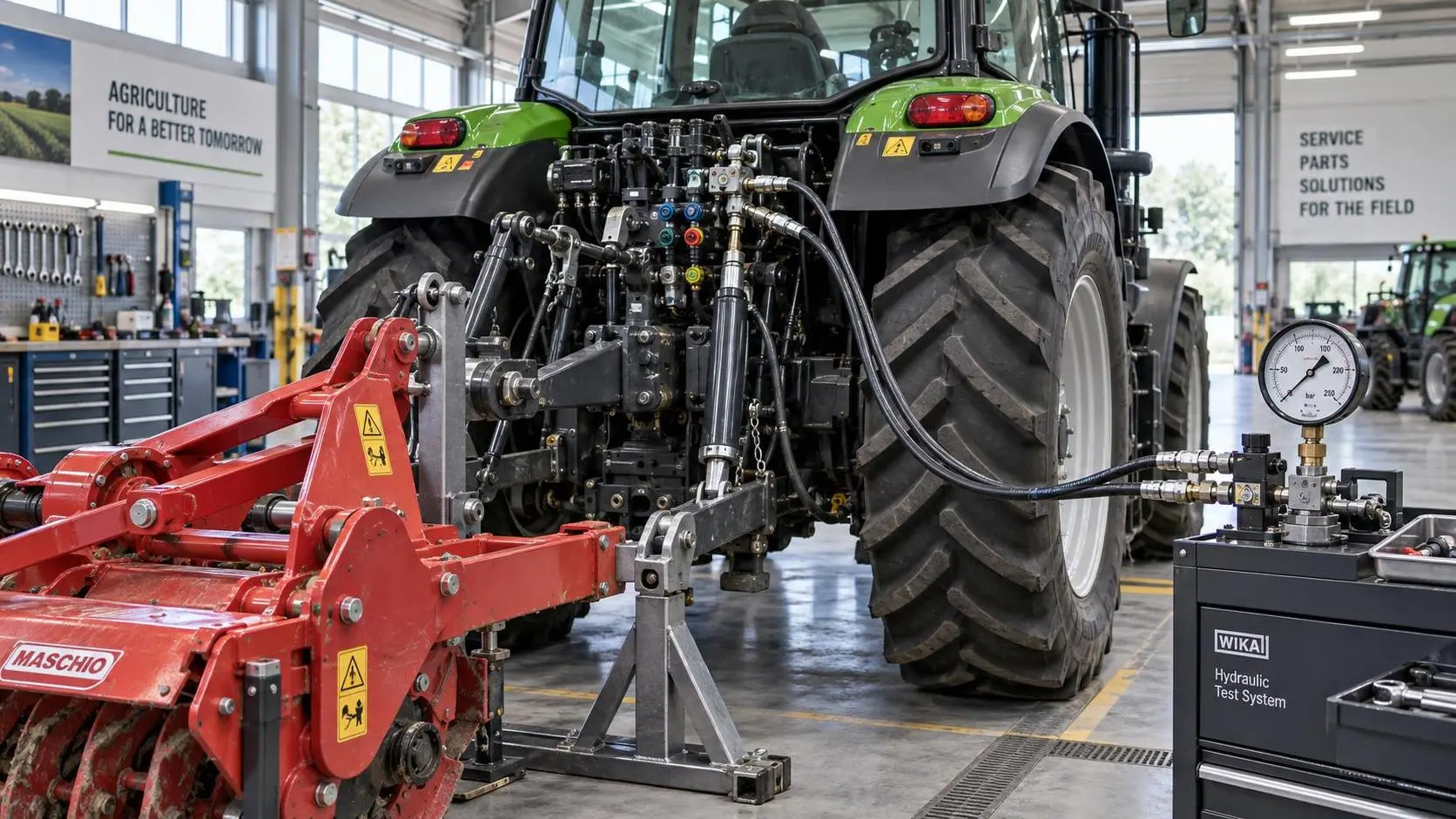
Tractor Hydraulic Systems Troubleshooting: Diagnosing Weak Lift and Slow Implements
Tractor hydraulic systems troubleshooting made practical: diagnose weak lifts and slow implements with proven pressure, flow, valve, and oil-supply checks.
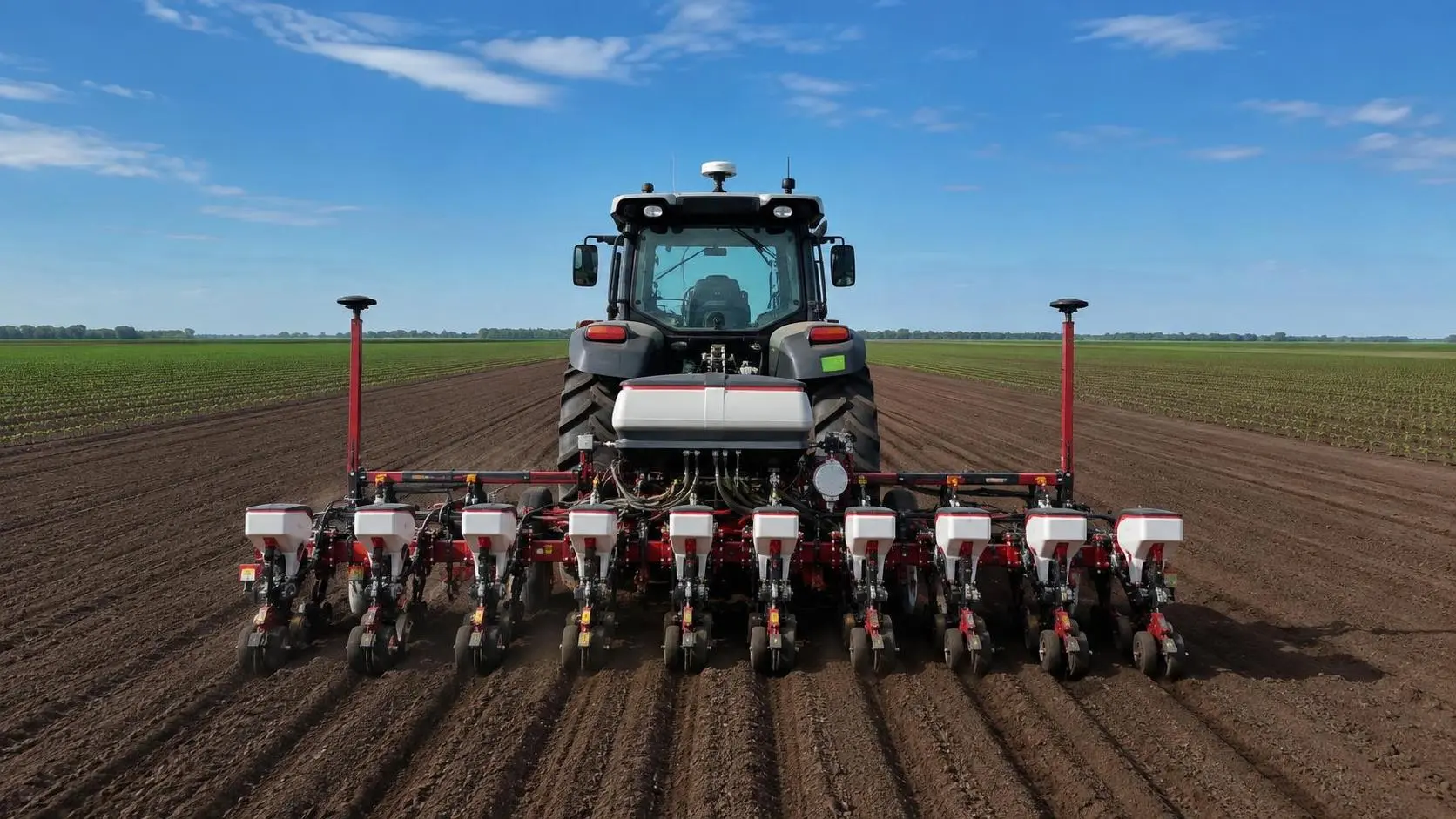
How Tractor Intelligence Systems Improve Field Efficiency and Input Accuracy
Agricultural machinery intelligence for tractors improves field efficiency, input accuracy, data traceability, and implement control. Explore smarter evaluation strategies.
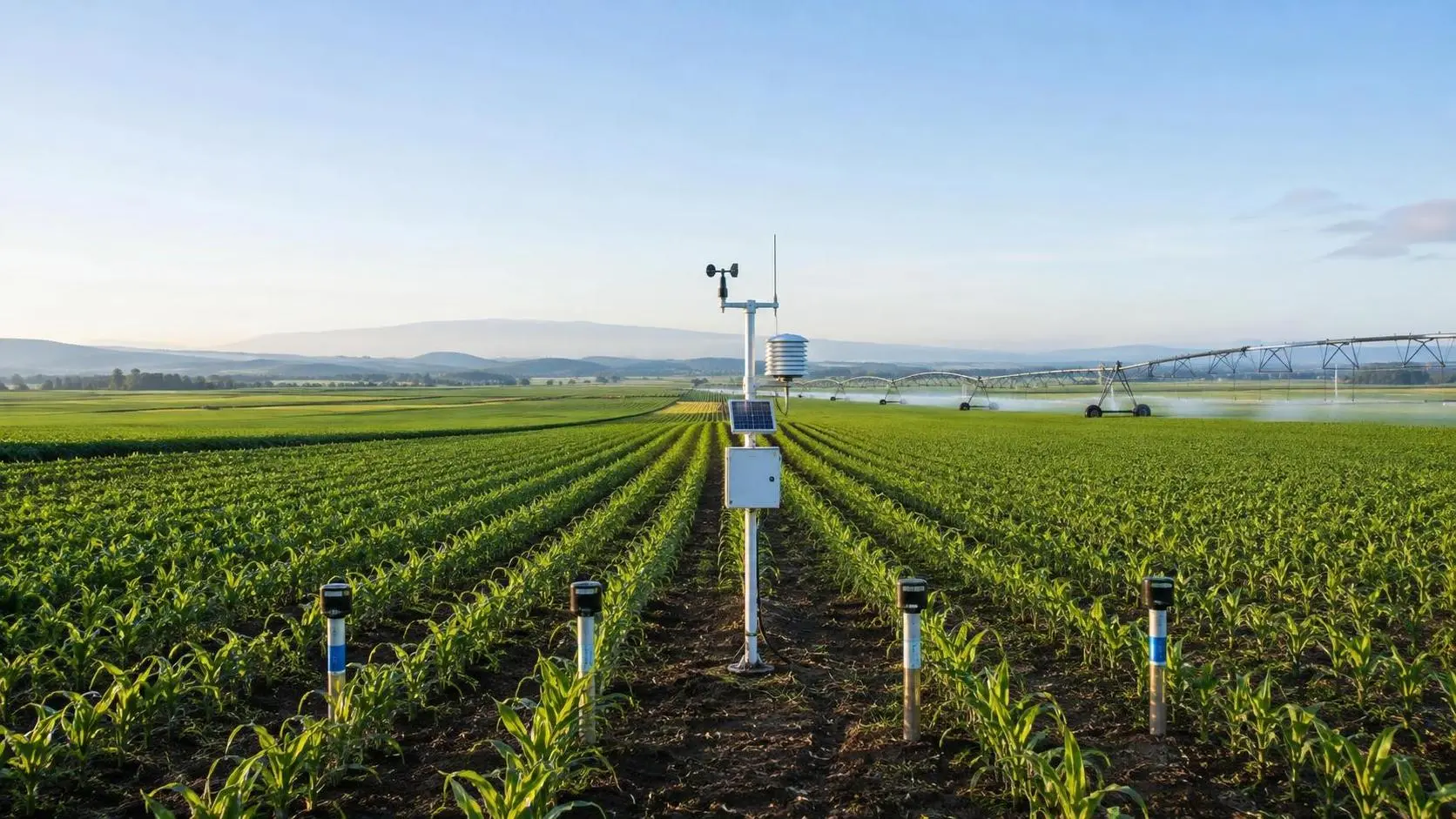
How to Evaluate Crop Monitoring System Manufacturers for Large-Scale Farms
Compare crop monitoring systems manufacturers for large-scale farms. Evaluate data quality, integration, durability, lifecycle costs, support, and pilots for smarter decisions.
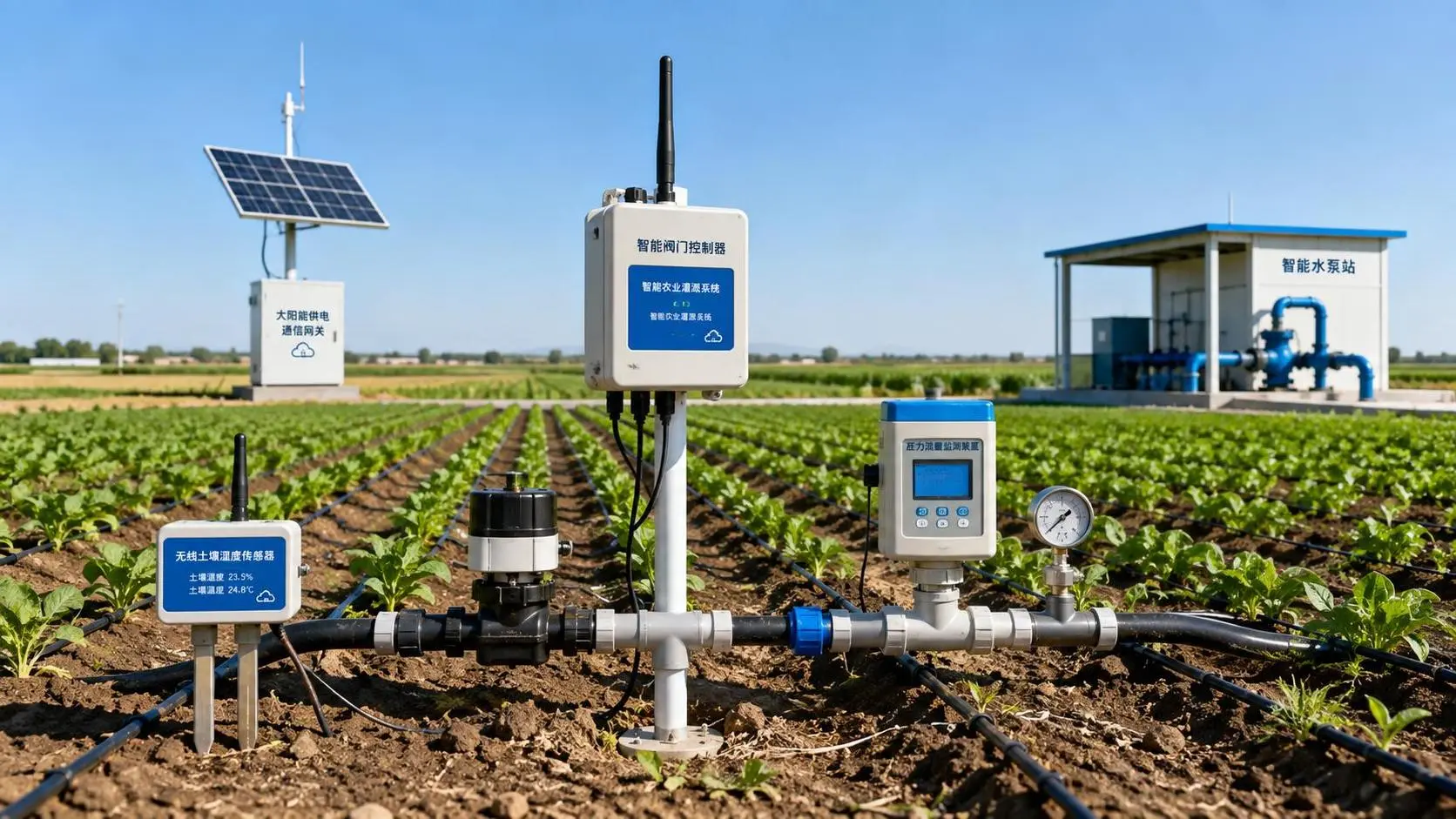
Wireless Agricultural Automation for Remote Irrigation and Field Monitoring
Agricultural automation wireless solutions improve remote irrigation with reliable field data, local control, flow verification, and smarter monitoring. Explore resilient deployment strategies.
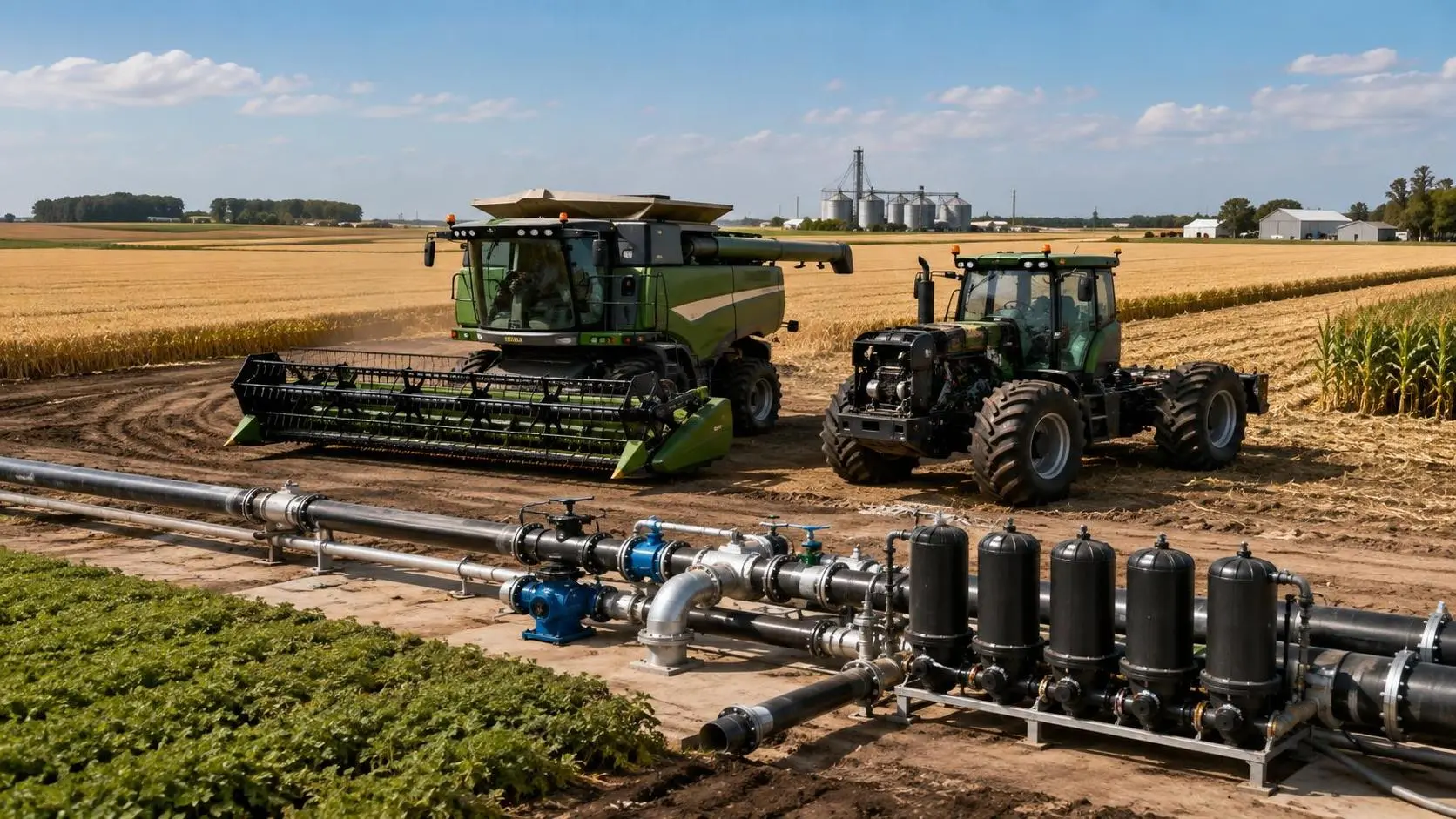
Agricultural Product Information Market Guide: Key Data for Sourcing Decisions
Agricultural product information market guide for smarter sourcing—compare machinery, irrigation, precision tools, lifecycle costs, and supplier risk.
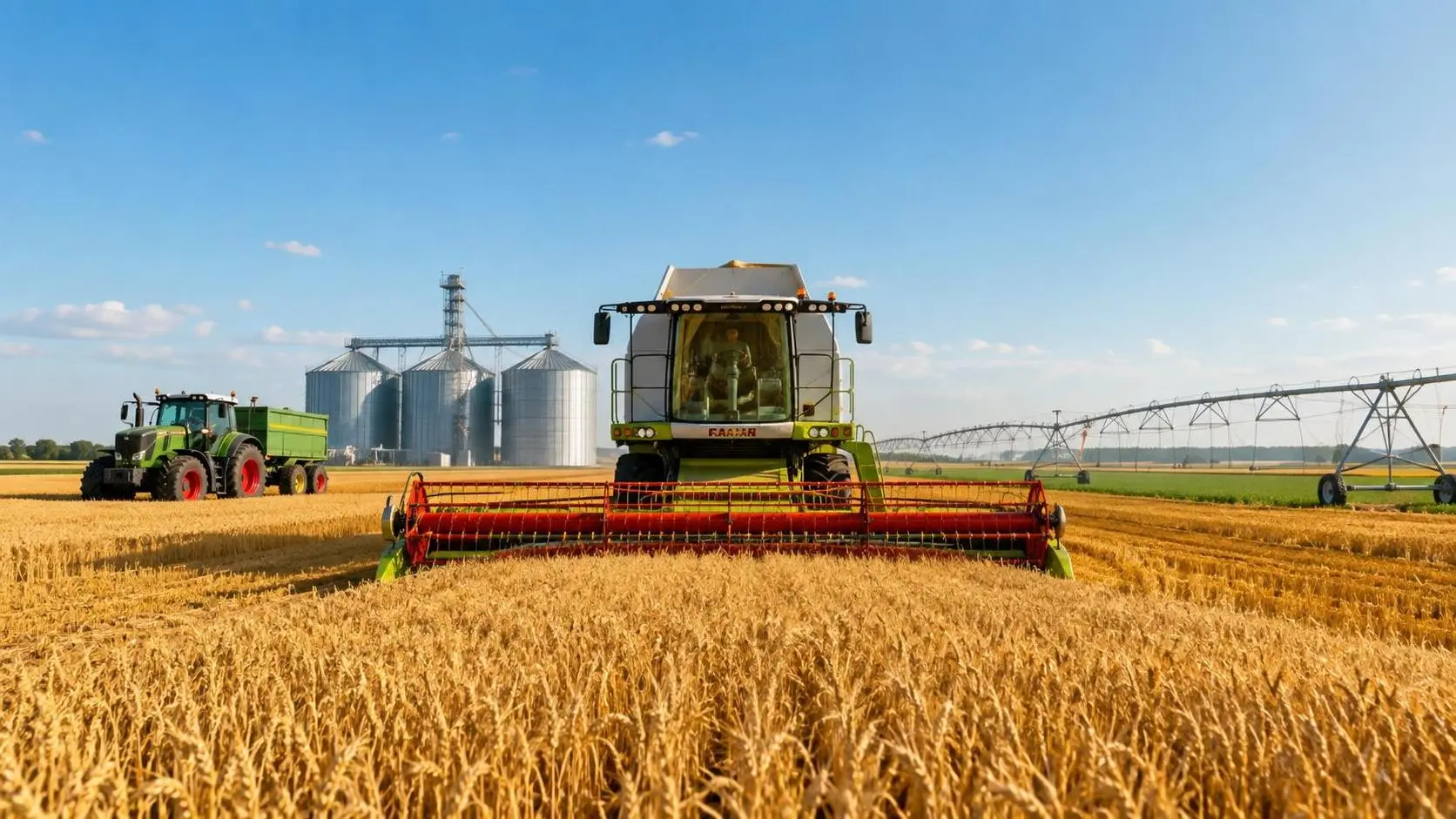
Large-Scale Farm Equipment Cost Comparison: Price, Fuel, and Lifecycle Value
Large-scale farm equipment cost comparison: evaluate price, fuel, maintenance, downtime, and lifecycle value to choose tractors, combines, irrigation, and smart tools with confidence.
A Procurement Specification Preparation Example for Buying Farm Equipment
Procurement specification preparation example for farm equipment: learn to define requirements, compare suppliers, control lifecycle costs, and buy with confidence.
What Tractor Horsepower Is Needed for a Three-Bottom Moldboard Plow?
What tractor horsepower is needed for three-bottom moldboard plow? Compare 60–100 hp needs by soil, depth, traction, and plow width for a confident equipment match.
Related News
- 00
0000-00
How Does Farm Mechanization Affect Food Security in Developing Regions? - 00
0000-00
Agricultural Technology Insights by Region: Where Adoption Is Growing Fastest - 00
0000-00
How Climate-Smart Agriculture Technology Improves Yield, Soil Health, and Risk Resilience - 00
0000-00
Smart Farming Solutions in Latin America: Which Technologies Fit Large Farms Best? - 00
0000-00
Long-Cycle Agri-Trade Price Trends: How to Read Supply, Freight, and Currency Signals
Popular Tags
Prof. Marcus Chen
Weekly Insights
Stay ahead with our curated technology reports delivered every Monday.