
Climate-Smart Agriculture Technologies: Standards, Metrics, and Vendor Claims to Check
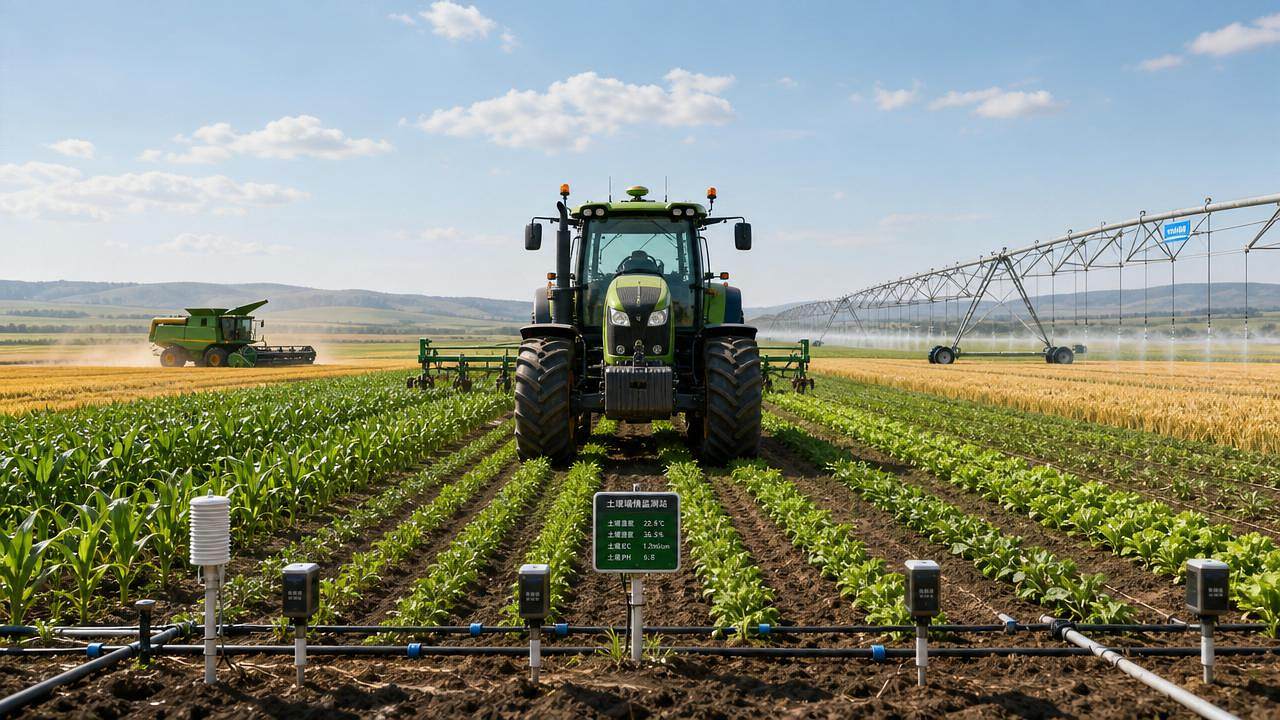




Why do climate-smart agriculture technologies need stricter scrutiny now?
Climate claims in agriculture have become more ambitious, but not always more precise.
That matters because climate-smart agriculture technologies now influence machinery upgrades, irrigation planning, data platforms, and long-cycle capital decisions.
A brochure may promise lower emissions, smarter water use, or yield stability.
The harder question is whether those promises are measured consistently.
In practical terms, buyers need proof that a system performs under field variability, not just in a controlled demo.
This is especially relevant across large-scale agri-machinery, combine harvesting, tractor chassis systems, and intelligent irrigation.
AP-Strategy often frames this as an Agriculture 4.0 verification problem.
Mechanical efficiency, sensor logic, and sustainability outcomes must be checked together, not as separate claims.
So the real value of climate-smart agriculture technologies is not the label itself.
It is the ability to connect resource savings, operational reliability, and measurable agronomic results.
What actually counts as climate-smart agriculture technologies?
The term is broad, which is why it is often misunderstood.
Not every digital farm tool qualifies, and not every efficient machine delivers climate value.
A useful definition combines three outcomes.
- Lower resource intensity, such as fuel, water, fertilizer, or energy per hectare.
- Better resilience under heat, water stress, soil variability, or unstable field conditions.
- Stable or improved productivity without shifting hidden costs elsewhere.
In real operations, this can include variable-rate application, low-loss harvesting controls, telemetry-guided machinery, and sensor-driven irrigation scheduling.
It can also include hybrid drivetrains, pressure-compensated drip systems, and models that predict crop water demand.
The key is that climate-smart agriculture technologies should solve a field problem with measurable evidence.
A machine that only adds data screens without changing loss rates or input efficiency is not enough.
More commonly, the strongest solutions combine hardware, software, and operating rules.
Which standards and metrics deserve the closest attention?
This is where many evaluations become too vague.
Instead of asking whether a system is sustainable, ask how its sustainability was measured.
Relevant standards vary by technology type, but several checkpoints appear again and again.
It also helps to check whether testing followed recognized protocols.
For machinery, look for repeatable field trials and transparent duty cycles.
For irrigation, verify hydraulic design assumptions and sensor calibration intervals.
For software-heavy climate-smart agriculture technologies, data integrity is just as important as device accuracy.
How can vendor claims be tested without getting lost in marketing language?
A simple rule works well: translate every claim into a field condition, a metric, and a verification method.
If a supplier says water use drops by 20 percent, ask under what climate, soil, crop, and pressure conditions.
If a harvester control package claims lower losses, ask whether those losses were measured at peak throughput or moderate load.
This is often where weaker claims start to unravel.
More robust climate-smart agriculture technologies usually come with traceable evidence.
- Third-party validation or university trial references.
- Field data across multiple seasons or regions.
- Clear baselines showing what was compared.
- Known limits, such as soil type sensitivity or connectivity dependence.
- Service requirements for calibration, firmware, and operator setup.
In actual deployment, the baseline matters more than the headline number.
A 15 percent saving against outdated equipment may become marginal against a modern optimized setup.
That is why AP-Strategy often treats commercial claims and technical claims as two different layers.
The first sells potential.
The second proves operating value.
Where do climate-smart agriculture technologies usually underperform in the field?
Underperformance rarely comes from one dramatic failure.
More often, it comes from mismatch between design assumptions and daily operating reality.
For example, precision irrigation may look excellent in trials but lose value when filtration maintenance is inconsistent.
Smart implements may miss application targets if positioning accuracy degrades near field edges.
Harvest optimization software may perform well in one crop moisture band and weaken outside it.
Several warning signs deserve attention before rollout.
- Savings depend on perfect operator behavior every day.
- Performance data comes from one region only.
- The platform needs constant connectivity without offline fallback.
- Replacement parts, sensors, or software support have unclear lead times.
- Reported gains ignore maintenance, cleaning loss calibration, or hydraulic wear.
This is especially important for integrated systems.
When tractor chassis controls, implements, sensors, and cloud analytics interact, small compatibility gaps can erode climate benefits quickly.
What should be compared before procurement or scaling decisions?
At this stage, a short checklist is more useful than another pitch deck.
The smartest comparison is not feature versus feature.
It is outcome versus evidence, adjusted for operating conditions.
Climate-smart agriculture technologies should also be judged by implementation friction.
A technically excellent tool can still disappoint if calibration takes too long or field crews cannot maintain stable use.
The most resilient solutions usually balance mechanical durability, agronomic logic, and manageable data workflows.
So what is a practical next step for evaluating climate-smart agriculture technologies?
Start with one decision framework and apply it consistently.
Define the target outcome first, such as lower irrigation intensity, reduced harvest loss, or better fuel efficiency per hectare.
Then require each proposed solution to show measurement logic, field conditions, and maintenance assumptions.
This keeps climate-smart agriculture technologies tied to evidence instead of branding.
In broader Agriculture 4.0 planning, the strongest choices tend to be those that connect machinery performance with agronomic and environmental indicators.
That is also why intelligence-led review matters.
AP-Strategy’s perspective across combines, tractor systems, intelligent tools, and water-saving irrigation highlights one consistent lesson.
Reliable progress comes from verified operating data, not from broad climate language alone.
When comparing options, focus on standards, baseline metrics, interoperability, and service reality.
That approach makes the next procurement cycle clearer, lower risk, and more defensible over time.
Related News
How Tractor Intelligence Systems Improve Field Efficiency and Input Accuracy
Agricultural machinery intelligence for tractors improves field efficiency, input accuracy, data traceability, and implement control. Explore smarter evaluation strategies.
How to Evaluate Crop Monitoring System Manufacturers for Large-Scale Farms
Compare crop monitoring systems manufacturers for large-scale farms. Evaluate data quality, integration, durability, lifecycle costs, support, and pilots for smarter decisions.
Wireless Agricultural Automation for Remote Irrigation and Field Monitoring
Agricultural automation wireless solutions improve remote irrigation with reliable field data, local control, flow verification, and smarter monitoring. Explore resilient deployment strategies.
Agricultural Product Information Market Guide: Key Data for Sourcing Decisions
Agricultural product information market guide for smarter sourcing—compare machinery, irrigation, precision tools, lifecycle costs, and supplier risk.
Large-Scale Farm Equipment Cost Comparison: Price, Fuel, and Lifecycle Value
Large-scale farm equipment cost comparison: evaluate price, fuel, maintenance, downtime, and lifecycle value to choose tractors, combines, irrigation, and smart tools with confidence.
A Procurement Specification Preparation Example for Buying Farm Equipment
Procurement specification preparation example for farm equipment: learn to define requirements, compare suppliers, control lifecycle costs, and buy with confidence.
What Tractor Horsepower Is Needed for a Three-Bottom Moldboard Plow?
What tractor horsepower is needed for three-bottom moldboard plow? Compare 60–100 hp needs by soil, depth, traction, and plow width for a confident equipment match.
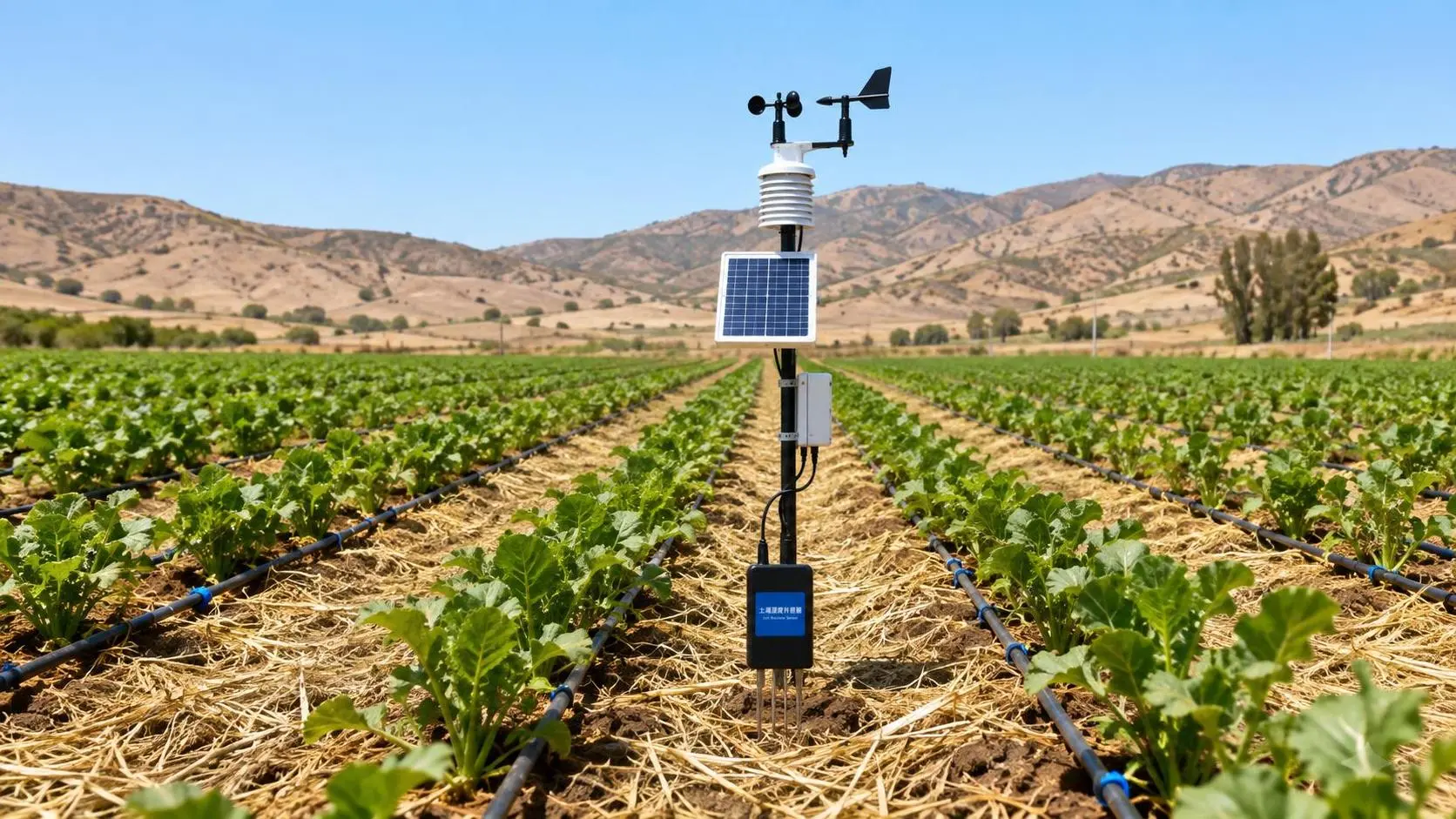
How Does Climate-Smart Farming Reduce Water Use in Semi-Arid Areas?
How does climate-smart farming reduce water use in semi-arid zones? Discover precision irrigation, soil monitoring, and smarter crop planning for resilient yields.
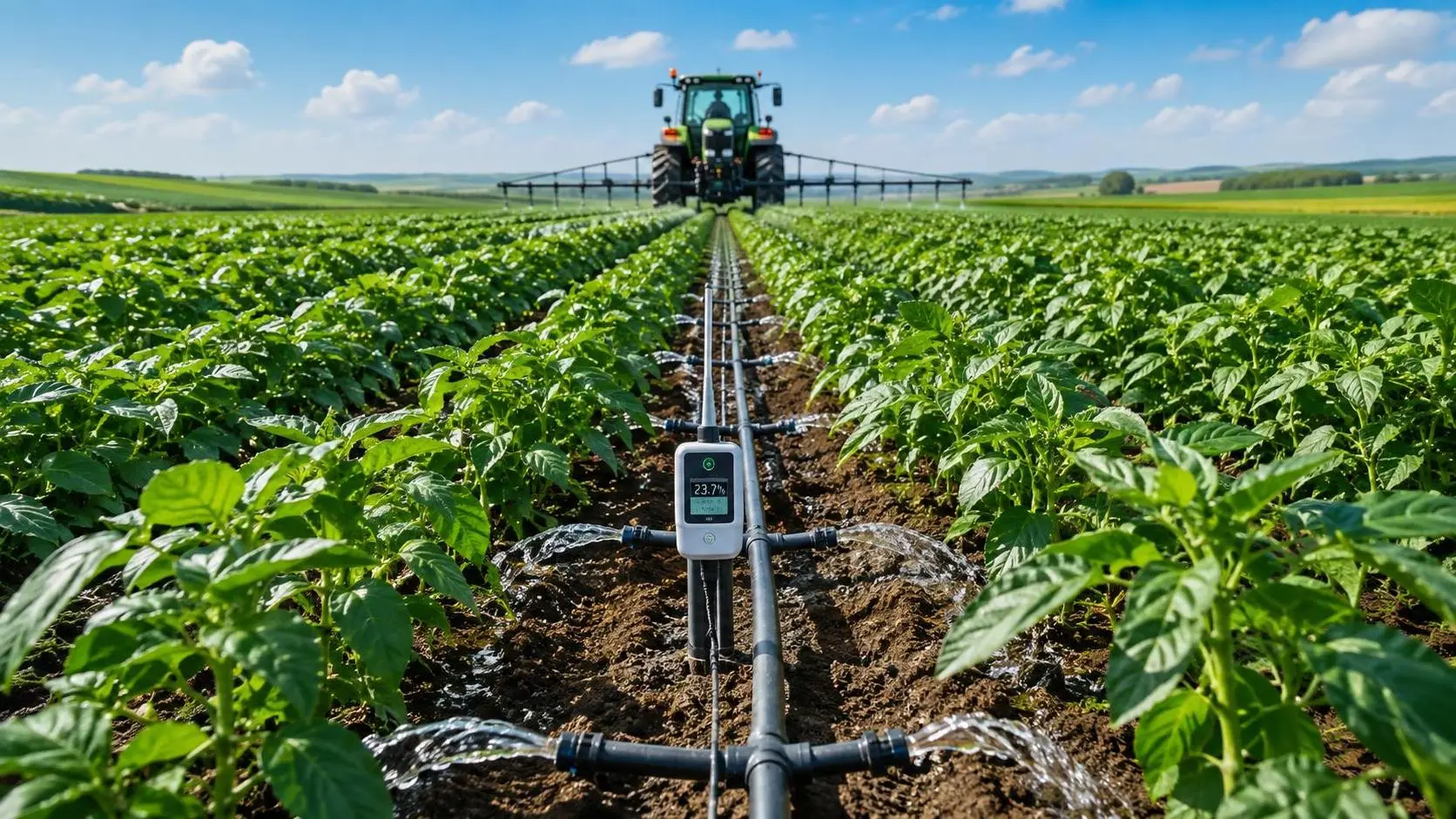
Can Sustainable Farming Be Profitable Without Reducing Yields?
Are sustainable farming practices profitable without yield loss? Discover precision strategies that cut waste, protect yields, and improve farm margins.
Related News
- 00
0000-00
How Does Farm Mechanization Affect Food Security in Developing Regions? - 00
0000-00
Agricultural Technology Insights by Region: Where Adoption Is Growing Fastest - 00
0000-00
How Climate-Smart Agriculture Technology Improves Yield, Soil Health, and Risk Resilience - 00
0000-00
Smart Farming Solutions in Latin America: Which Technologies Fit Large Farms Best? - 00
0000-00
Long-Cycle Agri-Trade Price Trends: How to Read Supply, Freight, and Currency Signals
Popular Tags
Prof. Marcus Chen
Weekly Insights
Stay ahead with our curated technology reports delivered every Monday.