
Hybrid Technology vs Conventional Systems: What Buyers Should Compare Before Investing
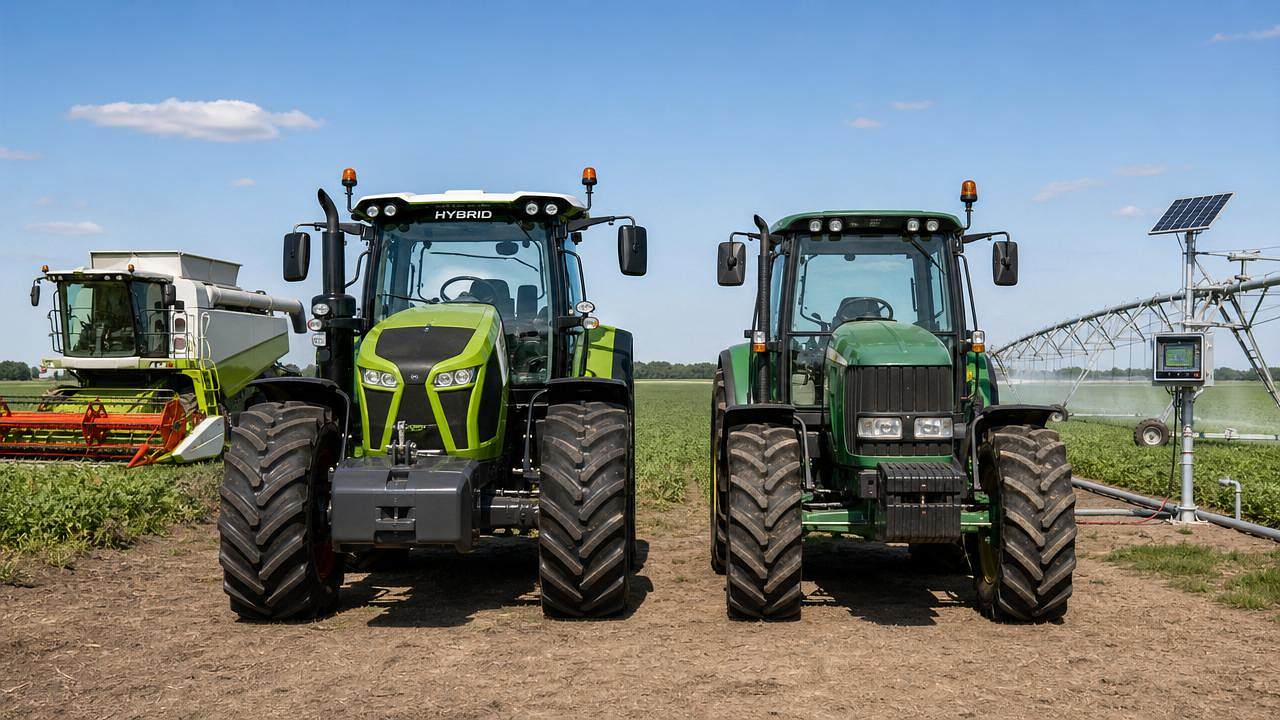




Hybrid Technology vs Conventional Systems: where does the real difference begin?
Hybrid technology now sits at the center of many equipment investment discussions.
That is especially true in large-scale agriculture, where fuel, uptime, data visibility, and sustainability all affect long-term returns.
In practical terms, the comparison is no longer only about engine power versus purchase price.
Buyers now ask whether hybrid technology improves field efficiency, supports precision control, and reduces lifecycle pressure better than conventional systems.
This matters across tractor chassis, combine harvesting platforms, and intelligent irrigation networks.
AP-Strategy follows this shift closely through its Strategic Intelligence Center.
Its research connects mechanical durability, precision farming algorithms, and resource-saving standards across the Agriculture 4.0 landscape.
So the better question is not whether hybrid technology sounds modern.
The better question is what should be compared before capital is committed.
Does hybrid technology always mean lower operating cost?
Not automatically, and this is where many early evaluations go wrong.
Hybrid technology can reduce fuel use, smooth load management, and cut idle waste.
However, savings depend on duty cycle, load variation, operator behavior, and local service support.
A tractor working under fluctuating torque demand may benefit more than a machine running steady repetitive loads.
The same logic applies to irrigation systems.
When pump demand changes throughout the day, hybrid technology may optimize energy use more effectively than conventional systems.
A useful comparison starts with total cost of ownership rather than invoice price.
- Fuel or power consumption under real field conditions
- Maintenance intervals for batteries, electronics, hydraulics, and drivetrain parts
- Downtime risk during harvest windows or irrigation peaks
- Expected residual value after five to eight years
- Software update costs and diagnostic access
More often than not, the strongest business case appears when hybrid technology is matched to variable, energy-intensive, data-driven tasks.
What should be compared first: fuel efficiency, performance, or data integration?
Most buyers start with fuel efficiency, but that is only one layer.
In real operations, performance stability and data integration often decide whether hybrid technology delivers measurable value.
For example, a combine harvester may show fuel savings on paper.
Yet the bigger gain may come from better load balancing, lower grain loss feedback delay, and cleaner integration with yield mapping tools.
AP-Strategy regularly tracks this intersection between mechanical performance and intelligent control.
That perspective is important because advanced equipment now creates value through coordination, not just hardware output.
A simple comparison table helps clarify where hybrid technology should be judged differently.
If digital farming strategy is part of the investment plan, data compatibility should be assessed as early as efficiency claims.
Where does hybrid technology make the most sense in agriculture?
It usually makes the most sense where operating conditions are complex, seasonal pressure is high, and precision matters financially.
That is why interest is growing in tractors, harvesting systems, and smart irrigation platforms.
In tractor chassis, hybrid technology can support transmission response and hydraulic efficiency during demanding field transitions.
In combine harvesters, it may improve power distribution during variable crop density and moisture conditions.
In irrigation, the value often comes from better energy control, sensor feedback, and water-saving automation.
The common thread is not novelty.
It is responsiveness.
AP-Strategy’s coverage of combine harvesting technology and intelligent irrigation reflects this exact shift.
Equipment is increasingly judged by how well it reacts to field variability, resource constraints, and policy pressure.
Conventional systems still remain strong in environments where simplicity, standard service access, and proven mechanical routines dominate.
What risks are often overlooked before investing?
The biggest risk is assuming hybrid technology creates value in every operating model.
It does not.
A second risk is focusing on headline efficiency without checking support infrastructure.
If diagnostic tools, trained technicians, or software access are limited, downtime can erase projected savings.
There is also the issue of integration friction.
Hybrid technology performs best when it fits existing telemetry, implement control, and maintenance planning systems.
Before signing off, it helps to test these questions:
- Can the system share usable data with current platforms?
- What failure modes are most common in the local climate?
- How long does replacement sourcing typically take?
- Are warranty terms clear on batteries, controllers, and software limits?
- Does the projected payback still work under lower commodity prices?
In other words, risk review should be operational, not promotional.
How can buyers judge payback without oversimplifying the comparison?
The cleanest method is to compare scenarios, not isolated features.
A hybrid technology investment should be tested against at least three operating cases.
One should reflect normal workload, one should reflect seasonal peak stress, and one should reflect an unfavorable market year.
This approach shows whether the system remains attractive beyond ideal conditions.
It also reveals whether conventional systems still offer a stronger risk-adjusted return.
A practical decision framework often includes the following checks:
- Measure annual energy savings against actual working hours
- Add expected downtime cost during harvest or irrigation disruptions
- Estimate software, training, and service contract expenses
- Quantify value from precision control and data-driven adjustments
- Include emissions or sustainability reporting requirements where relevant
This is where intelligence sources become useful.
AP-Strategy’s market tracking, technology trend analysis, and commercial insights help frame these variables in a broader investment context.
So, what should be on the final comparison checklist?
By the final stage, the goal is not to prove that hybrid technology is always better.
The goal is to identify where it is measurably better for the intended operating model.
A strong comparison usually brings five elements together.
- Lifecycle cost under realistic duty cycles
- Field performance under variable load conditions
- Compatibility with precision agriculture and remote monitoring
- Maintenance readiness across parts, training, and diagnostics
- Alignment with water, fuel, and sustainability targets
Hybrid technology deserves serious attention because agricultural equipment is no longer evaluated by horsepower alone.
It is evaluated by how efficiently it turns power, data, and resources into reliable output.
The next step is straightforward.
Map the actual workload, compare hybrid technology with conventional systems using scenario-based numbers, and verify support conditions before making the investment decision.
That process reduces risk and makes the comparison far more useful than a basic price review.
Related News
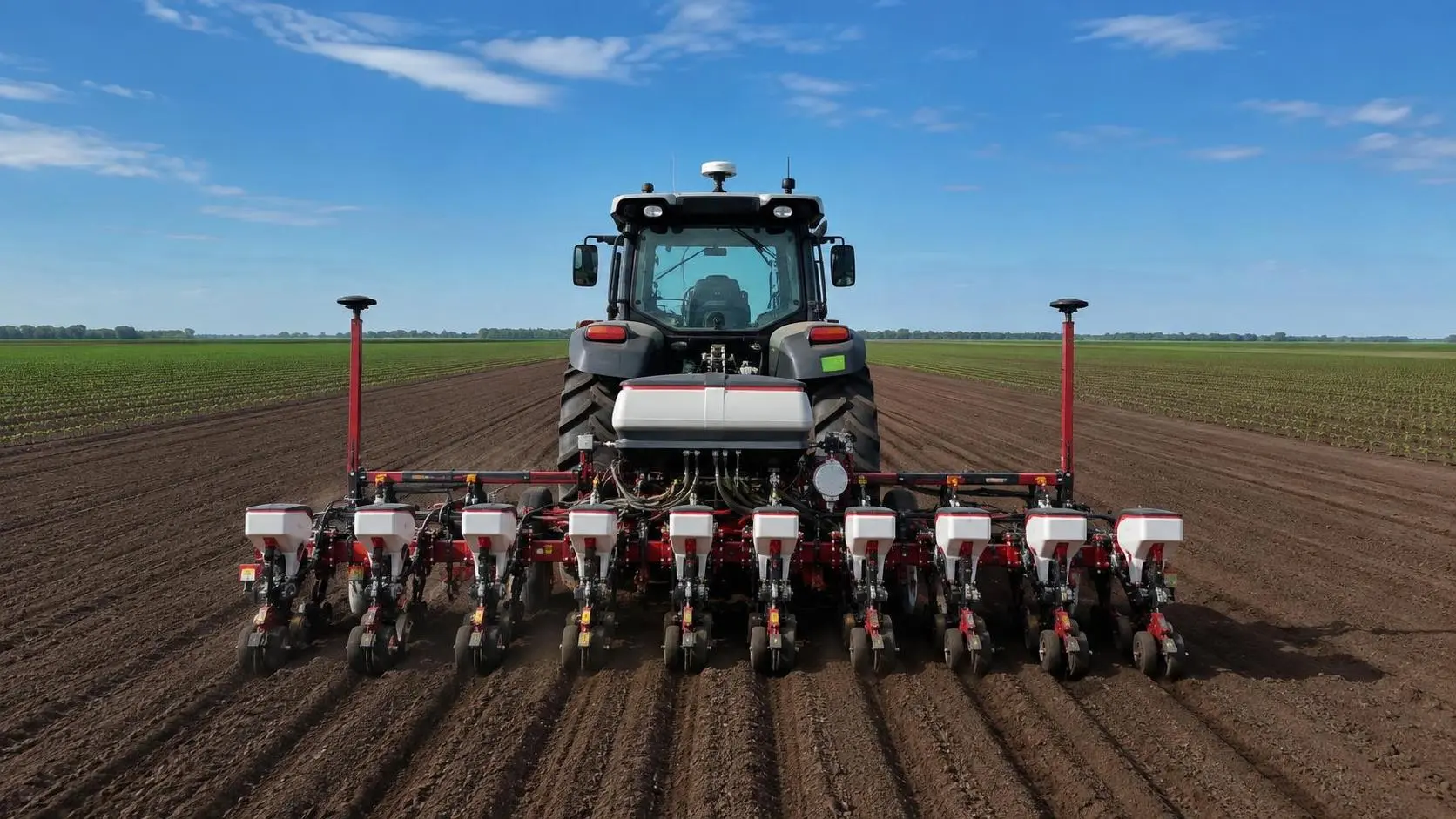
How Tractor Intelligence Systems Improve Field Efficiency and Input Accuracy
Agricultural machinery intelligence for tractors improves field efficiency, input accuracy, data traceability, and implement control. Explore smarter evaluation strategies.
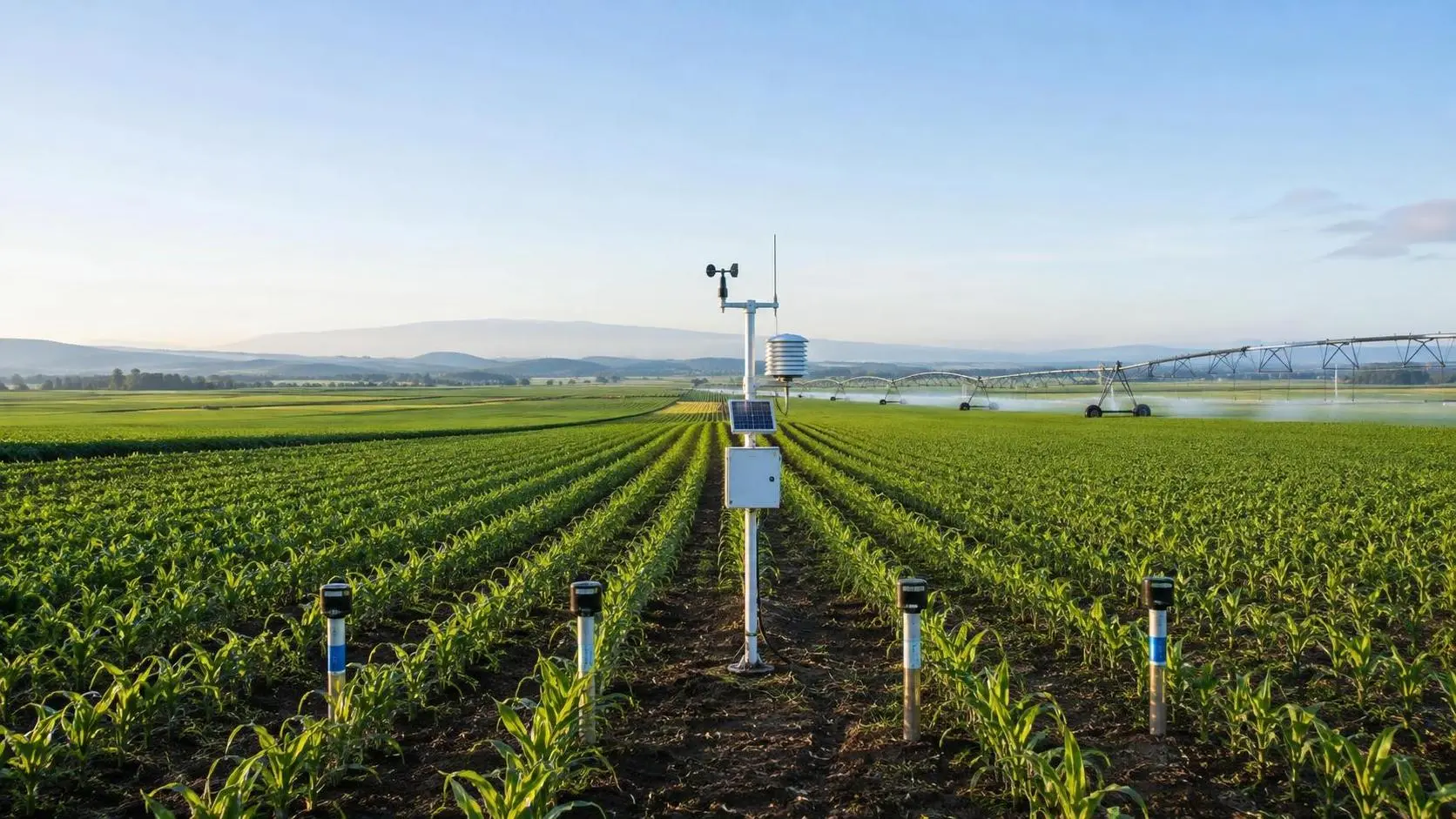
How to Evaluate Crop Monitoring System Manufacturers for Large-Scale Farms
Compare crop monitoring systems manufacturers for large-scale farms. Evaluate data quality, integration, durability, lifecycle costs, support, and pilots for smarter decisions.
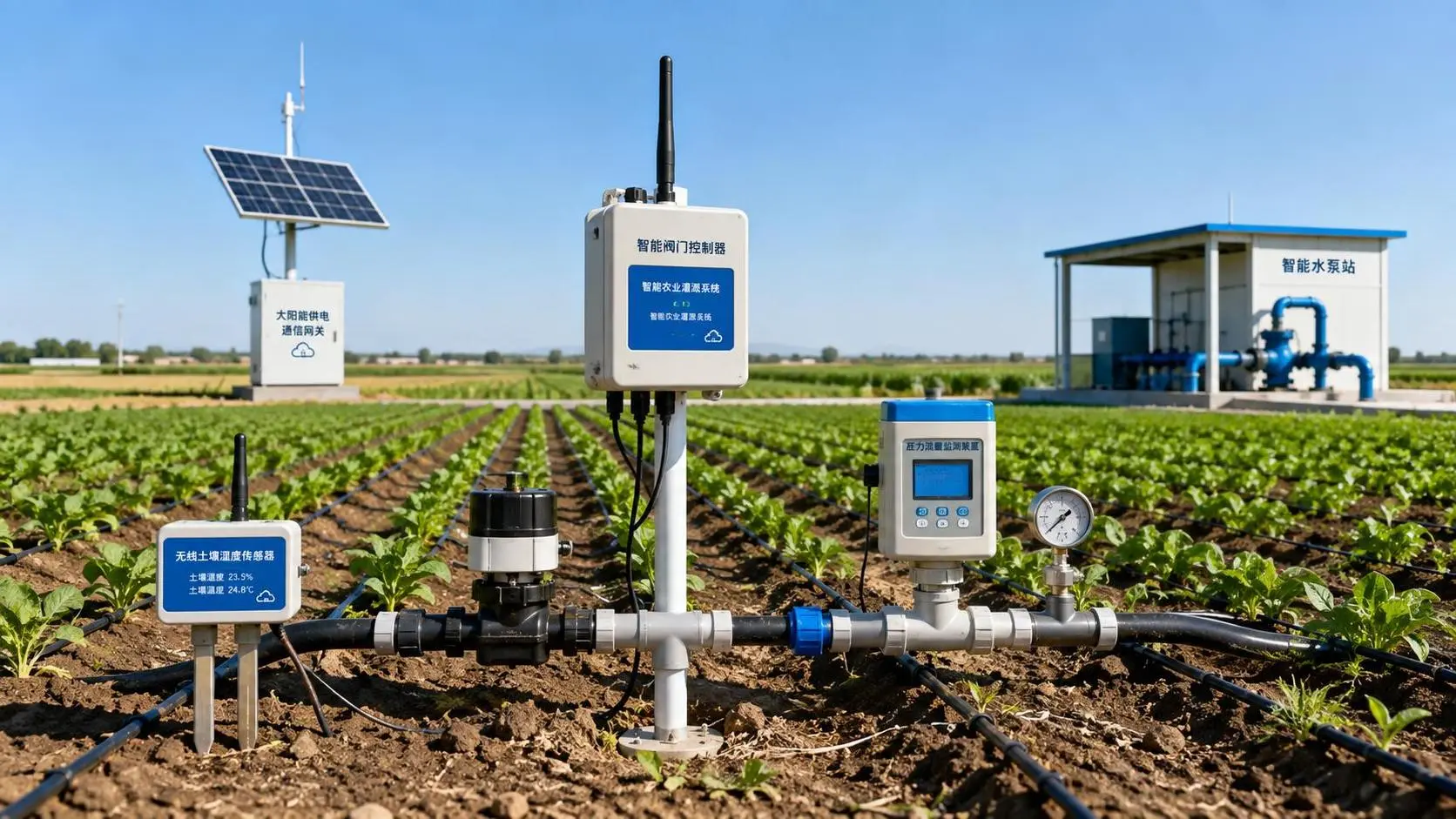
Wireless Agricultural Automation for Remote Irrigation and Field Monitoring
Agricultural automation wireless solutions improve remote irrigation with reliable field data, local control, flow verification, and smarter monitoring. Explore resilient deployment strategies.
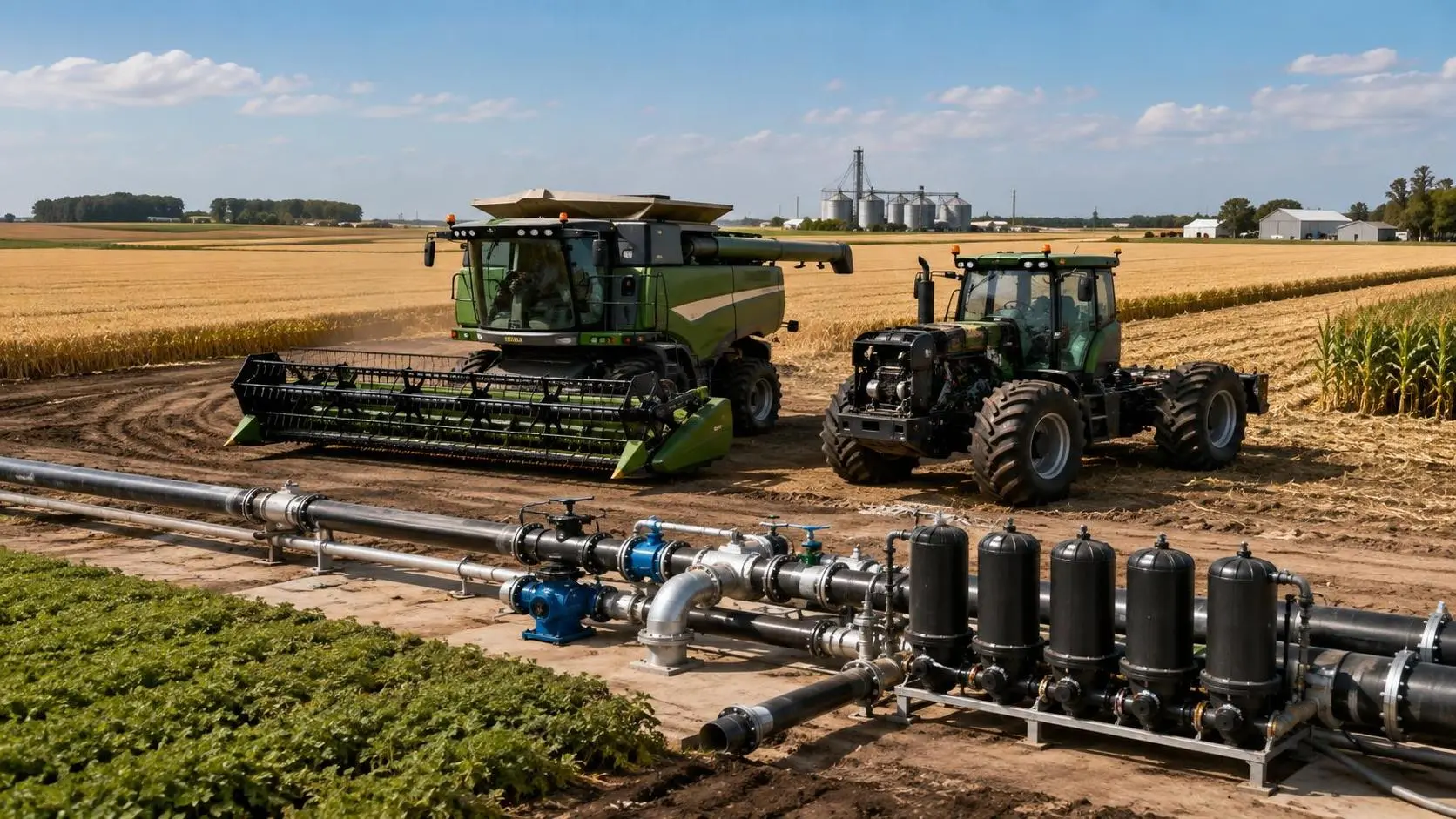
Agricultural Product Information Market Guide: Key Data for Sourcing Decisions
Agricultural product information market guide for smarter sourcing—compare machinery, irrigation, precision tools, lifecycle costs, and supplier risk.
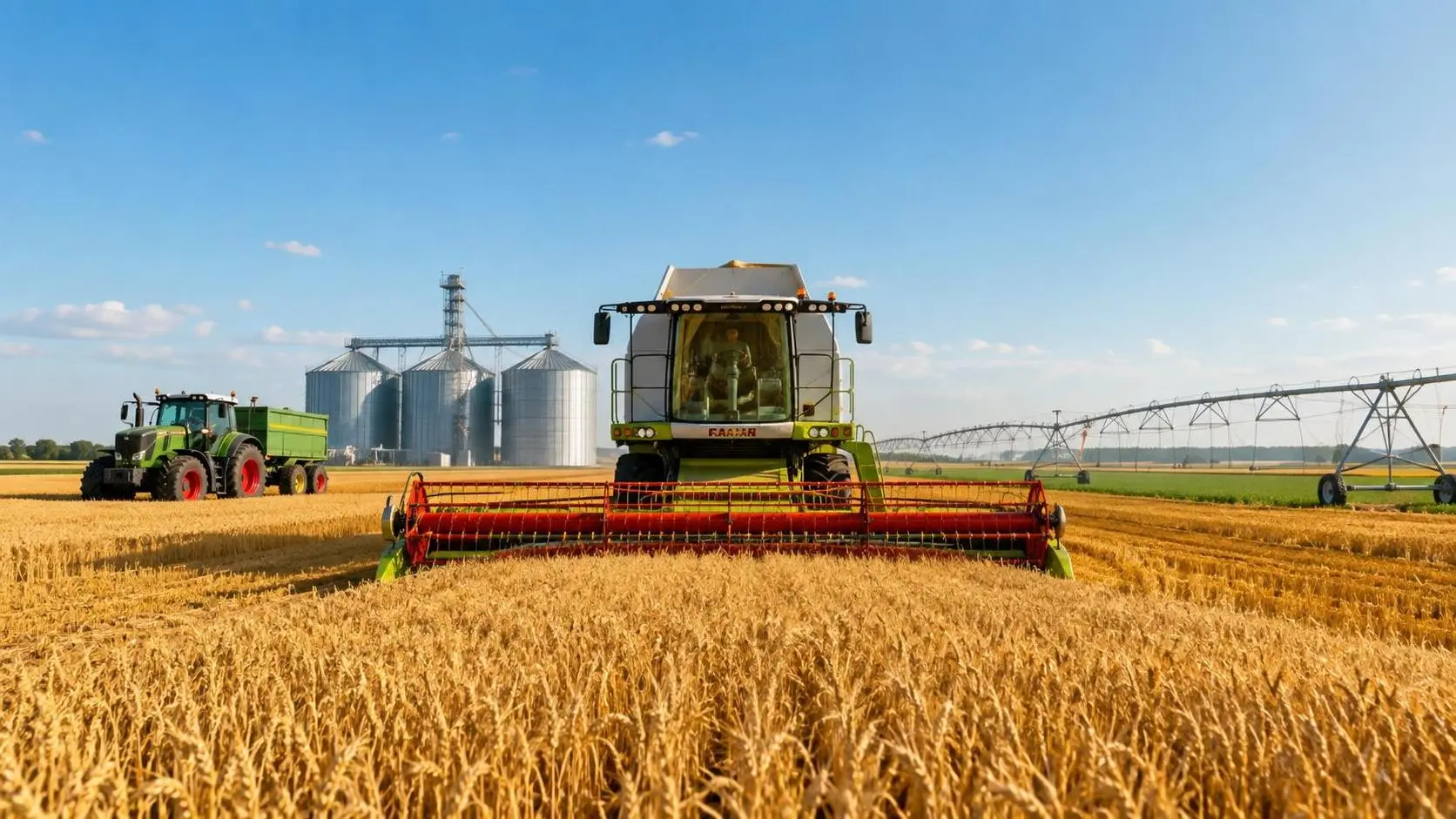
Large-Scale Farm Equipment Cost Comparison: Price, Fuel, and Lifecycle Value
Large-scale farm equipment cost comparison: evaluate price, fuel, maintenance, downtime, and lifecycle value to choose tractors, combines, irrigation, and smart tools with confidence.
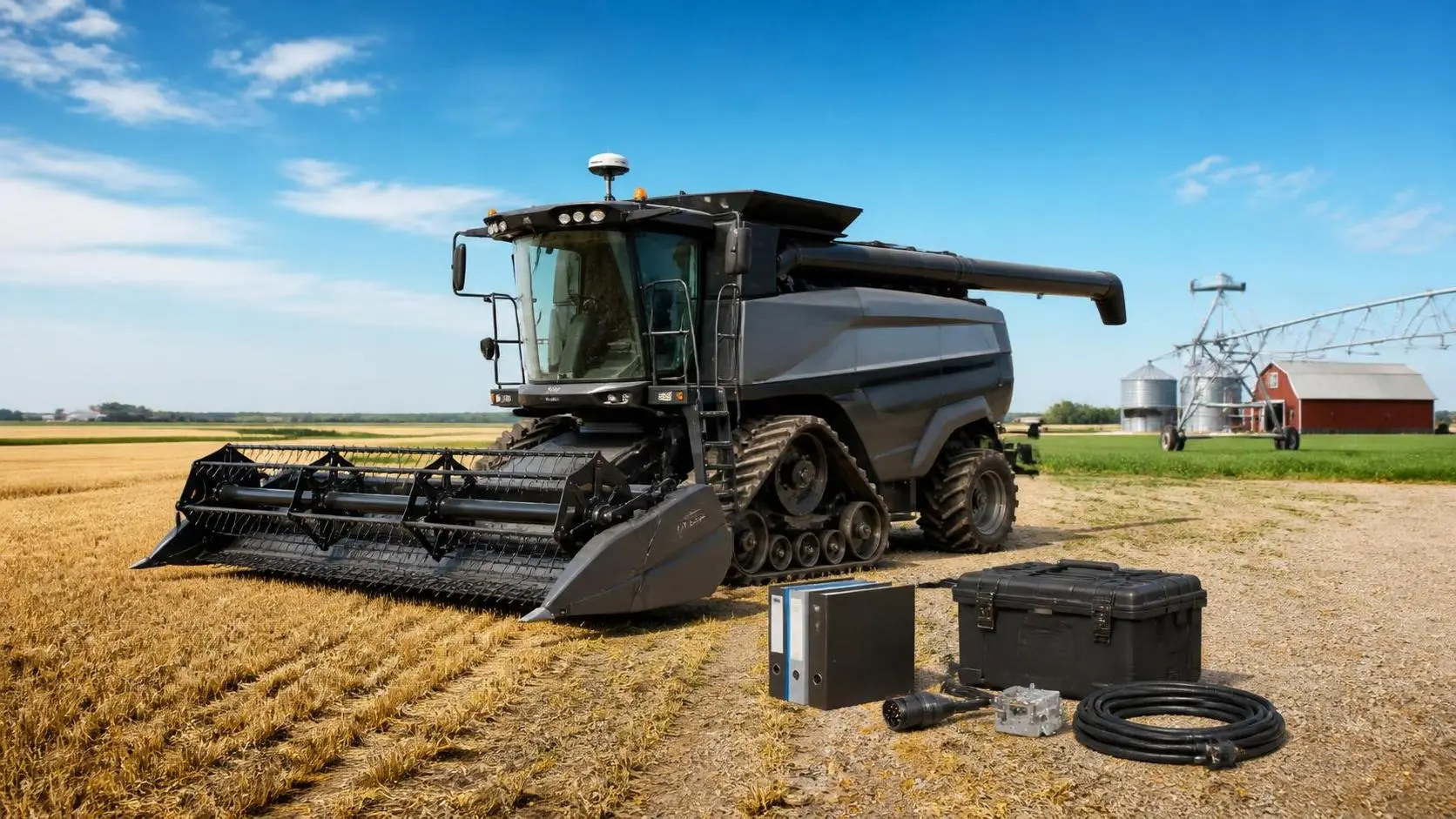
A Procurement Specification Preparation Example for Buying Farm Equipment
Procurement specification preparation example for farm equipment: learn to define requirements, compare suppliers, control lifecycle costs, and buy with confidence.
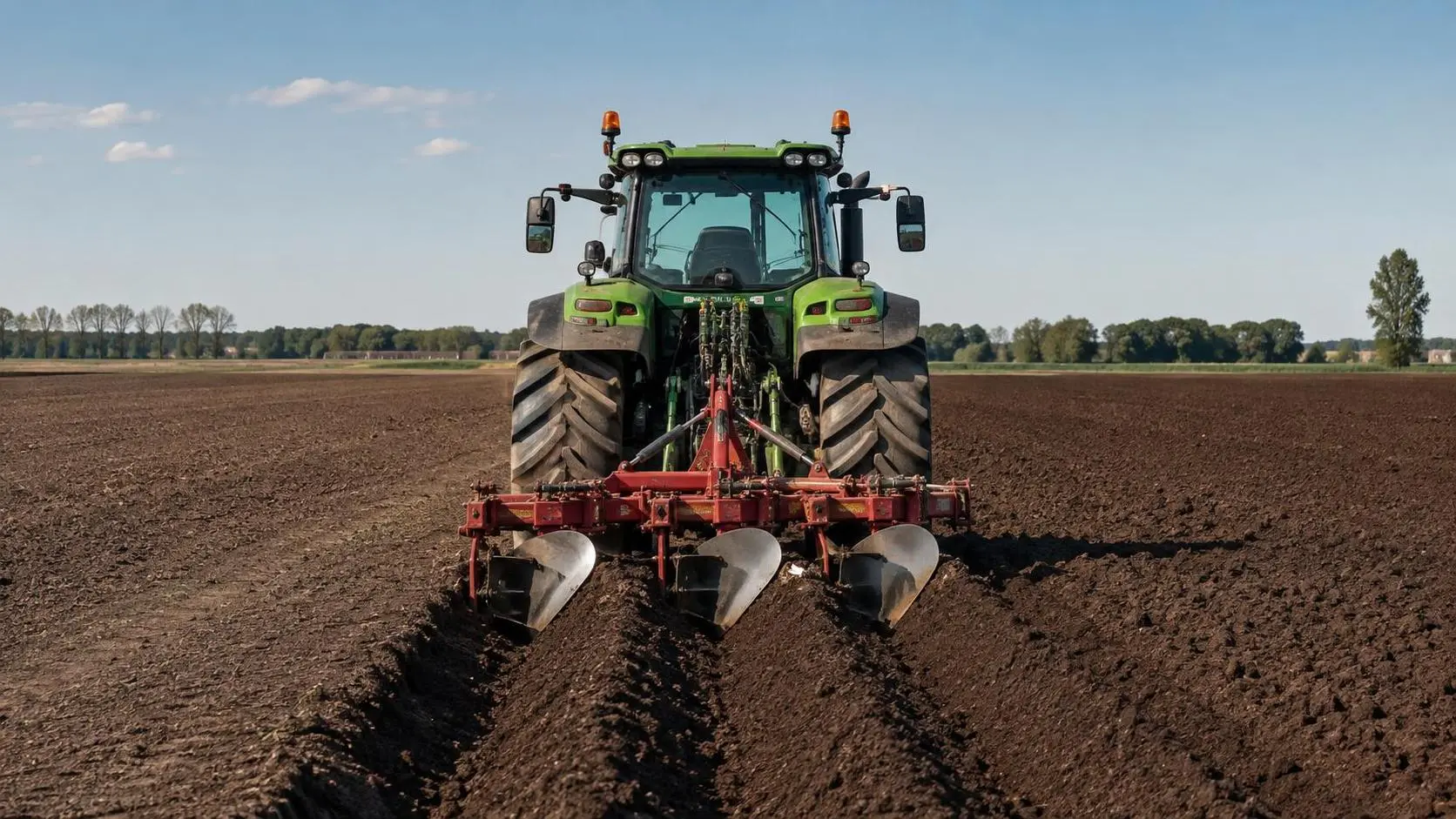
What Tractor Horsepower Is Needed for a Three-Bottom Moldboard Plow?
What tractor horsepower is needed for three-bottom moldboard plow? Compare 60–100 hp needs by soil, depth, traction, and plow width for a confident equipment match.
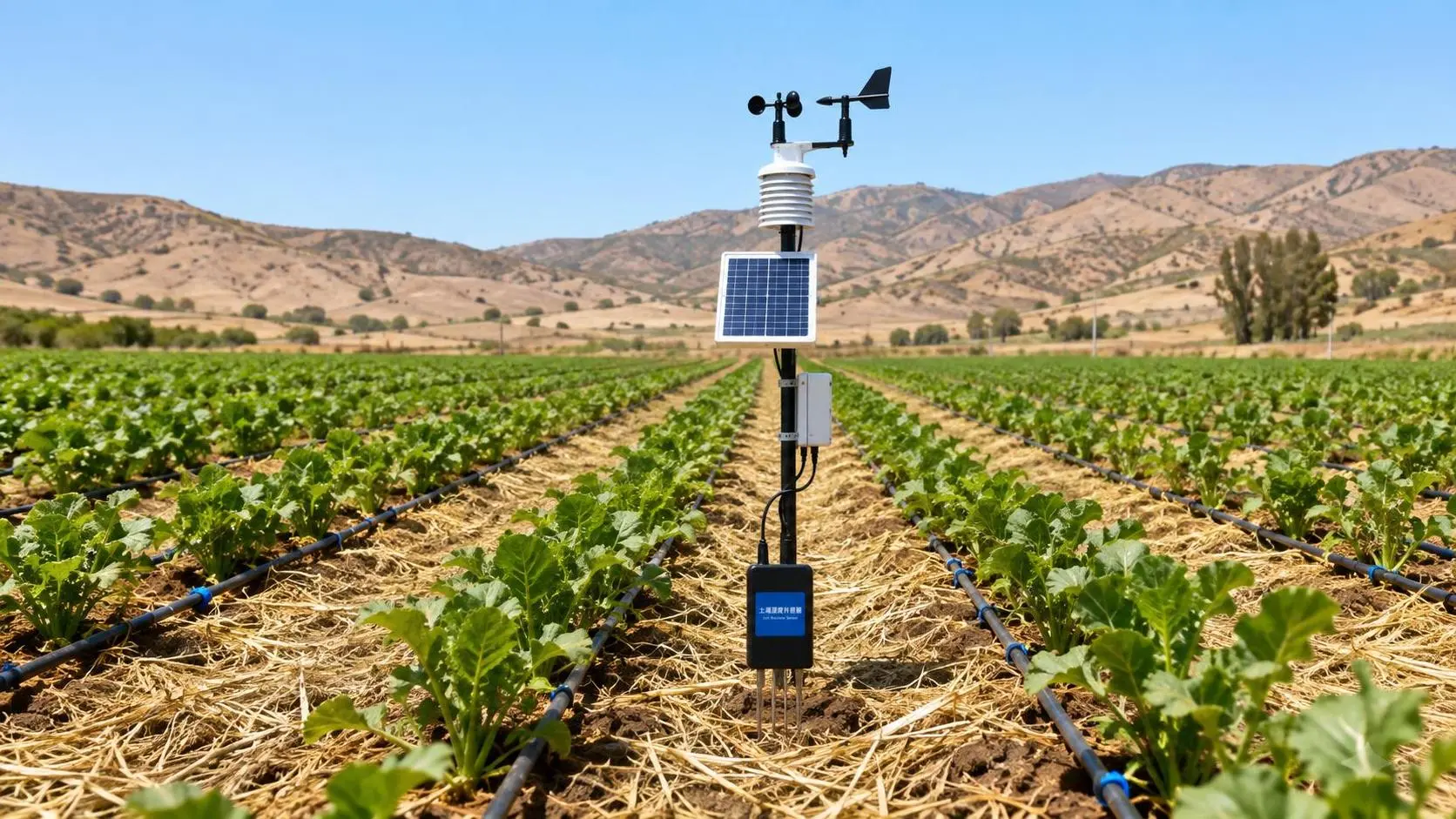
How Does Climate-Smart Farming Reduce Water Use in Semi-Arid Areas?
How does climate-smart farming reduce water use in semi-arid zones? Discover precision irrigation, soil monitoring, and smarter crop planning for resilient yields.
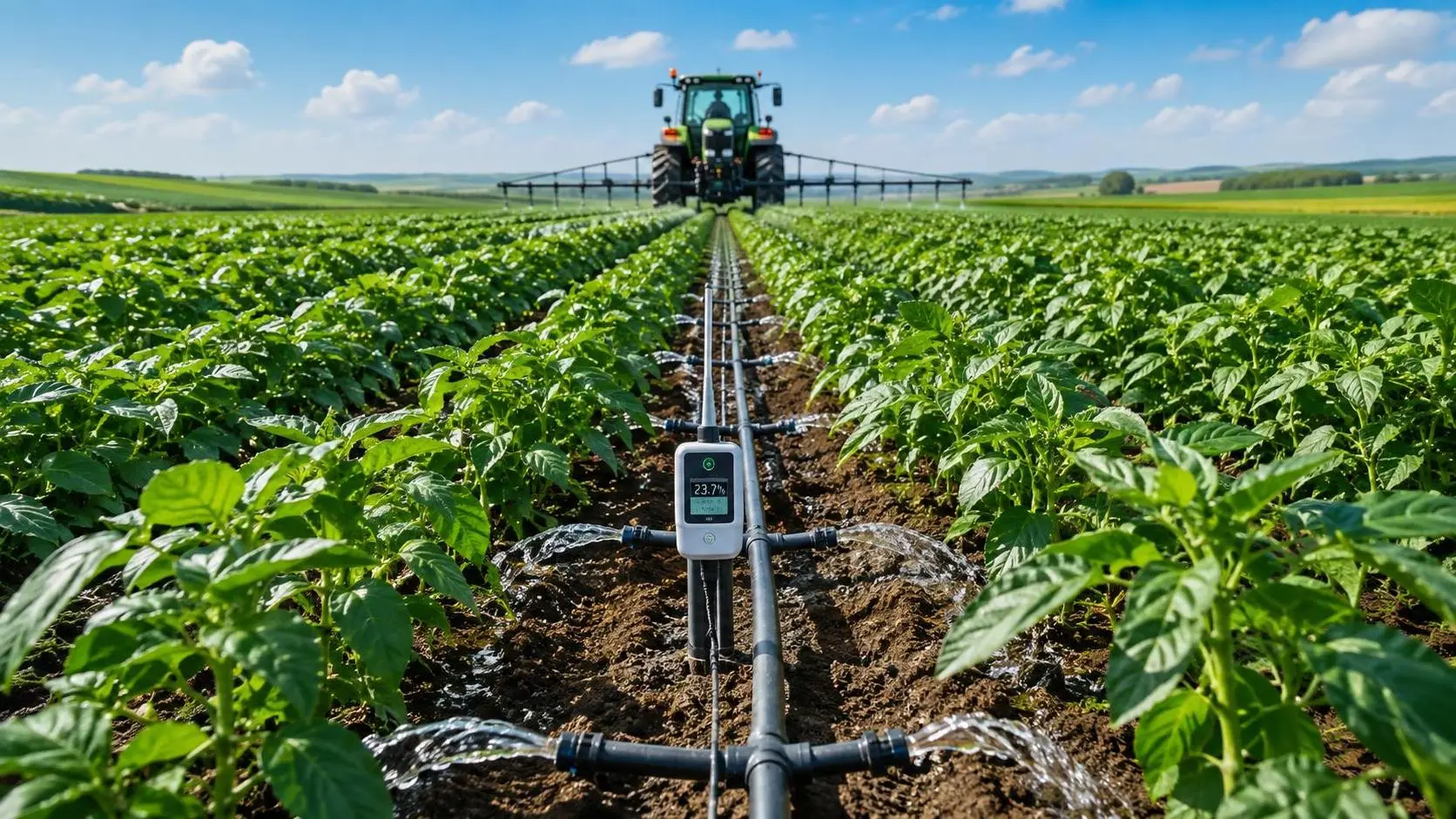
Can Sustainable Farming Be Profitable Without Reducing Yields?
Are sustainable farming practices profitable without yield loss? Discover precision strategies that cut waste, protect yields, and improve farm margins.
Related News
- 00
0000-00
How Does Farm Mechanization Affect Food Security in Developing Regions? - 00
0000-00
Agricultural Technology Insights by Region: Where Adoption Is Growing Fastest - 00
0000-00
How Climate-Smart Agriculture Technology Improves Yield, Soil Health, and Risk Resilience - 00
0000-00
Smart Farming Solutions in Latin America: Which Technologies Fit Large Farms Best? - 00
0000-00
Long-Cycle Agri-Trade Price Trends: How to Read Supply, Freight, and Currency Signals
Popular Tags
Prof. Marcus Chen
Weekly Insights
Stay ahead with our curated technology reports delivered every Monday.