
Agri-Tech Innovations in 2026: Which Technologies Are Moving from Trials to Scale?
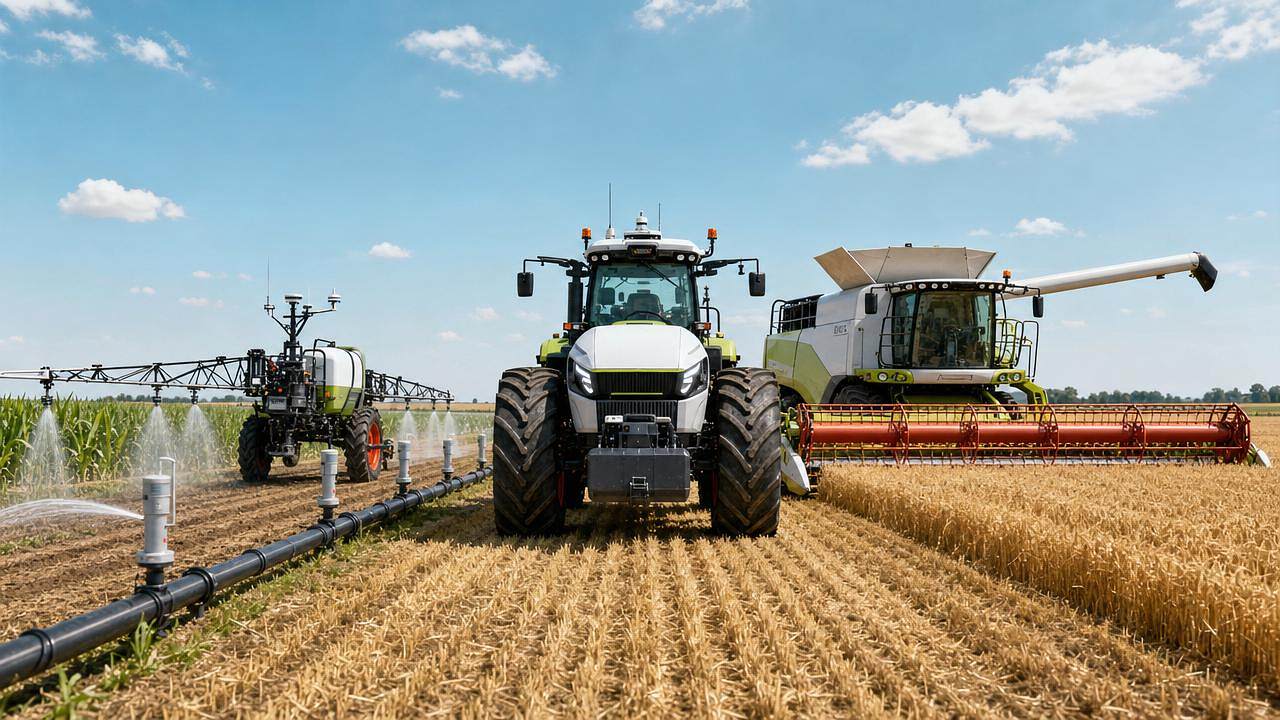




Agri-tech innovations in 2026 are being judged by scale, not novelty
In 2026, agri-tech innovations are entering a tougher phase. The question is no longer whether a tool works in trials. It is whether it survives real acreage, real labor limits, and real cost pressure.
That shift matters across the wider agriculture value chain. It is especially visible in large-scale machinery, combine harvesting, tractor power systems, intelligent farm tools, and water-saving irrigation networks.
The strongest signal is practical: buyers and operators now expect measurable uptime, cleaner data integration, lower input waste, and shorter payback windows. Pilot success alone no longer closes the case.
From AP-Strategy’s field intelligence perspective, the market is not abandoning experimentation. It is filtering it. Technologies with operational resilience are moving outward. Others remain trapped in demonstration mode.
What is changing on the ground is more specific than broad “digital farming” talk
Recent deployment patterns show a clear difference between digital visibility tools and systems that actively change field performance. The second group is gaining momentum faster.
In machinery, autonomous guidance is becoming less of a headline feature and more of a baseline expectation. The real competitive edge is shifting toward implement coordination, route optimization, and mixed-fleet compatibility.
In combine harvesting, attention has moved beyond telemetry dashboards. Operators want cleaning-loss feedback, grain quality sensing, and machine adjustment support that works under changing moisture and crop density.
In irrigation, the conversation has also matured. Remote monitoring matters, but scalable value appears when evapotranspiration modeling, pressure control, and leak detection reduce water and energy use together.
This is why agri-tech innovations with narrow single-point benefits are struggling. Field operations prefer systems that solve linked problems at once.
The technologies most clearly moving from trials to scale
Why this shift is becoming more visible now
The first driver is economic realism. After years of innovation narratives, capital allocation is more selective. Agri-tech innovations now compete on proven savings, not promise alone.
The second driver is labor structure. Fewer experienced operators are available for repetitive or precision-sensitive tasks. That makes automation and machine-assisted decisions more valuable than before.
The third driver is climate variability. Narrow operating windows punish slow or inconsistent field execution. Technologies that stabilize timing are gaining scale because they protect the whole season, not just one pass.
A fourth factor is interoperability. Earlier agri-tech innovations often failed because data stayed isolated. Better standards, API connections, and controller integration are reducing friction across equipment ecosystems.
- Policy pressure is rewarding water efficiency, emissions awareness, and traceable input use.
- Hardware durability has improved in harsh field conditions.
- Analytics are becoming more useful when tied to machine actions, not dashboard reports alone.
Taken together, these drivers explain why scale is appearing first in applications with direct operational consequences.
The impact is not limited to one machine category
Large-scale agri-machinery is seeing a redefinition of value. Horsepower still matters, but drivetrain efficiency, hydraulic responsiveness, and digital compatibility increasingly shape long-term asset performance.
For tractor chassis platforms, hybrid support systems and smarter transmission control are attracting attention because they improve fuel discipline without disrupting familiar operating practices.
Combine harvesters face a sharper challenge. Harvest losses once tolerated as operational noise are becoming a strategic metric. Small percentage gains now have outsized revenue implications in volatile grain markets.
Intelligent farm tools are also changing field economics. Their value rises when sensor feedback directly informs seeding, fertilization, or crop protection decisions inside the same operating cycle.
In water-saving irrigation, scaling depends less on isolated smart valves and more on connected system logic. Pressure, moisture, weather, and pumping schedules must work as one network.
That broader systems view is central to how AP-Strategy reads Agriculture 4.0. Mechanical performance, precision algorithms, and sustainability demands are no longer separate evaluation tracks.
Where scaling still breaks down
Not every promising tool is ready for wide deployment. Some agri-tech innovations still hit the same predictable barriers.
- Data quality drops when sensors face dust, vibration, heat, or irregular maintenance.
- ROI weakens when software subscriptions exceed the value of field-level decisions.
- Mixed-brand fleets create integration delays and duplicate workflows.
- Autonomy features stall when safety rules, mapping quality, or remote support remain incomplete.
- Irrigation intelligence underperforms when hydraulic infrastructure is too old for digital control layers.
These limits do not invalidate the technology. They simply show that scaling depends on operational fit, not technical novelty.
What deserves closer attention in 2026 evaluations
A useful evaluation frame starts with outcome quality. Agri-tech innovations should be measured by field consistency, resource efficiency, and decision speed under variable conditions.
The next checkpoint is implementation friction. A tool that performs well but demands major retraining, custom integration, or heavy service support may remain trapped below scale.
It is also worth comparing direct and indirect value. Some systems save fuel or water immediately. Others protect yield, labor continuity, or compliance confidence over a longer cycle.
For this reason, a narrow price comparison often misses the real story. In practice, the best agri-tech innovations are the ones that reduce uncertainty across multiple seasons.
The next phase will favor integrated intelligence over isolated features
Looking ahead, the strongest agri-tech innovations will likely be those linking machine control, agronomic modeling, and resource management in one operating loop.
That means combine sensing connected to loss reduction decisions. It means irrigation platforms that use weather and plant stress signals to adjust timing. It means implements that execute prescriptions with less human correction.
The market is also moving toward evidence-based intelligence services. Platforms such as AP-Strategy gain relevance here because the challenge is not only identifying emerging tools, but reading which ones can carry commercial weight at scale.
In other words, 2026 is less about chasing every new agri-tech innovation. It is about recognizing which technologies have crossed the threshold from technical possibility to operational discipline.
A practical next step is to track scale signals before making broad assumptions
The most useful next move is to build a short observation list. Focus on uptime, integration burden, service intensity, and measurable field outcomes.
Then compare technologies by deployment maturity, not by presentation quality. Some agri-tech innovations still belong in controlled pilots. Others are already proving themselves in harsher operating environments.
A disciplined review should also revisit assumptions each season. Grain prices, water rules, energy costs, and labor patterns can quickly change the economics of adoption.
The deeper lesson from 2026 is straightforward: scale is becoming the real filter. The agri-tech innovations that matter now are those able to turn intelligence into repeatable field performance.
Related News
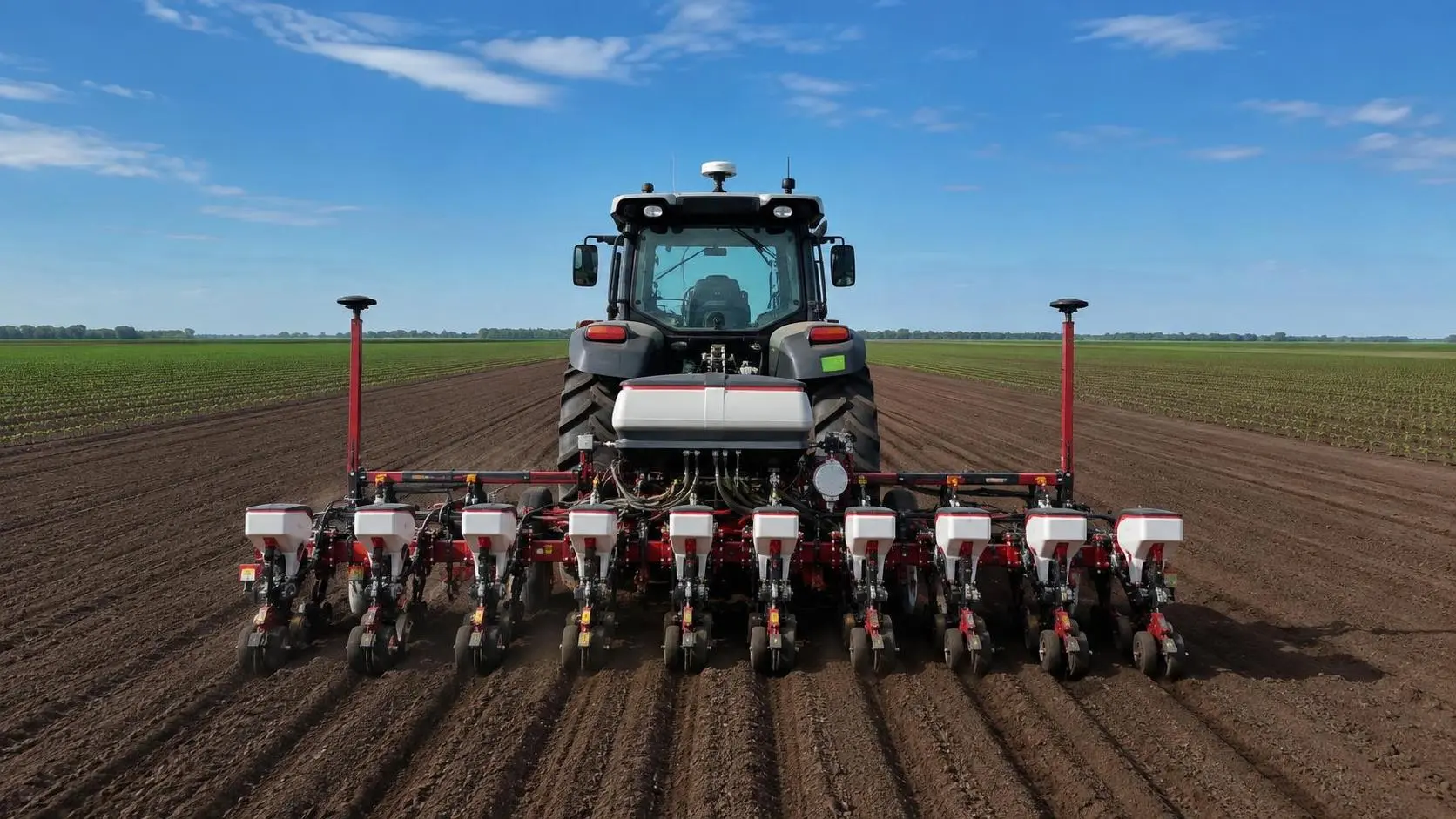
How Tractor Intelligence Systems Improve Field Efficiency and Input Accuracy
Agricultural machinery intelligence for tractors improves field efficiency, input accuracy, data traceability, and implement control. Explore smarter evaluation strategies.
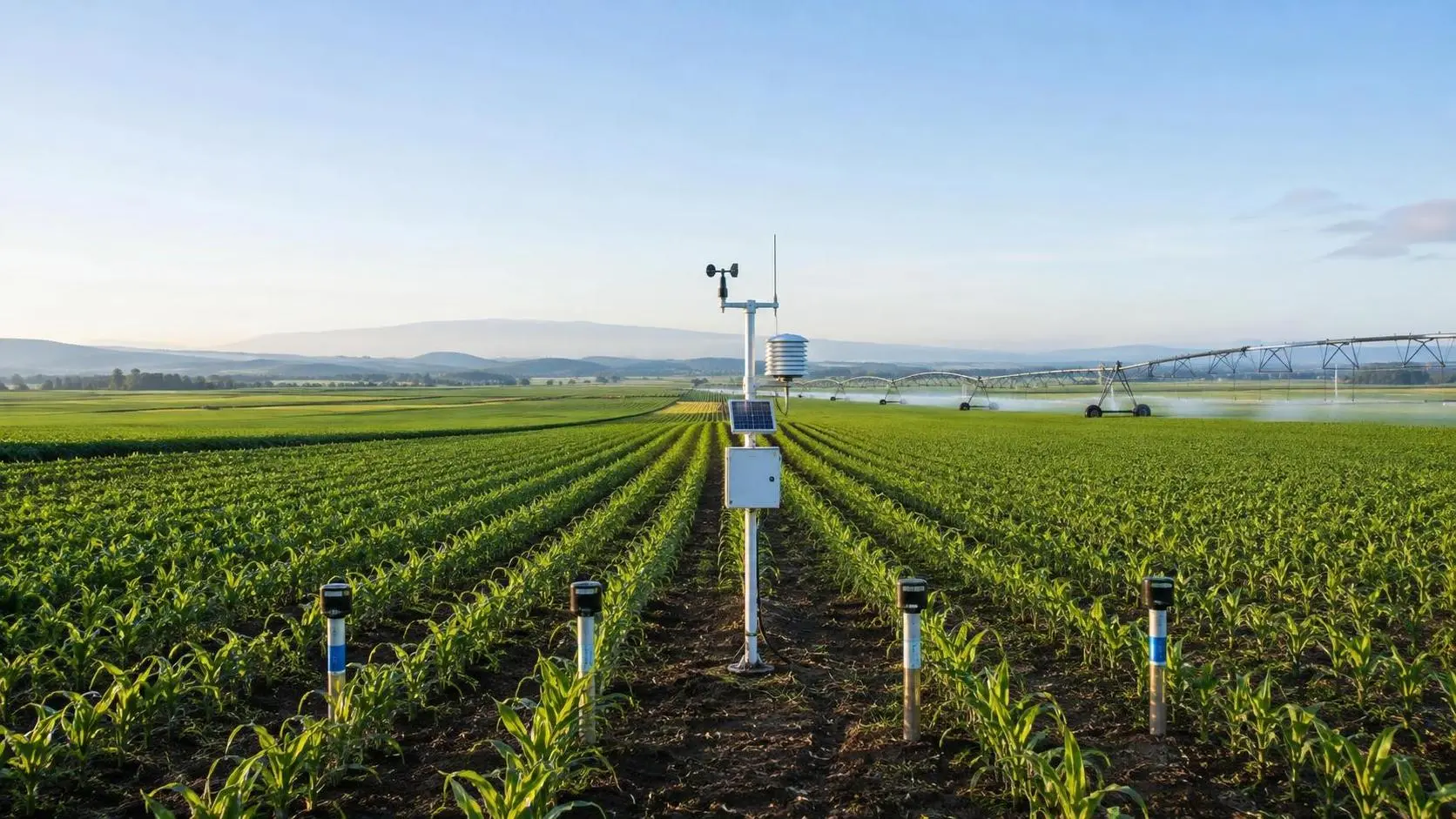
How to Evaluate Crop Monitoring System Manufacturers for Large-Scale Farms
Compare crop monitoring systems manufacturers for large-scale farms. Evaluate data quality, integration, durability, lifecycle costs, support, and pilots for smarter decisions.
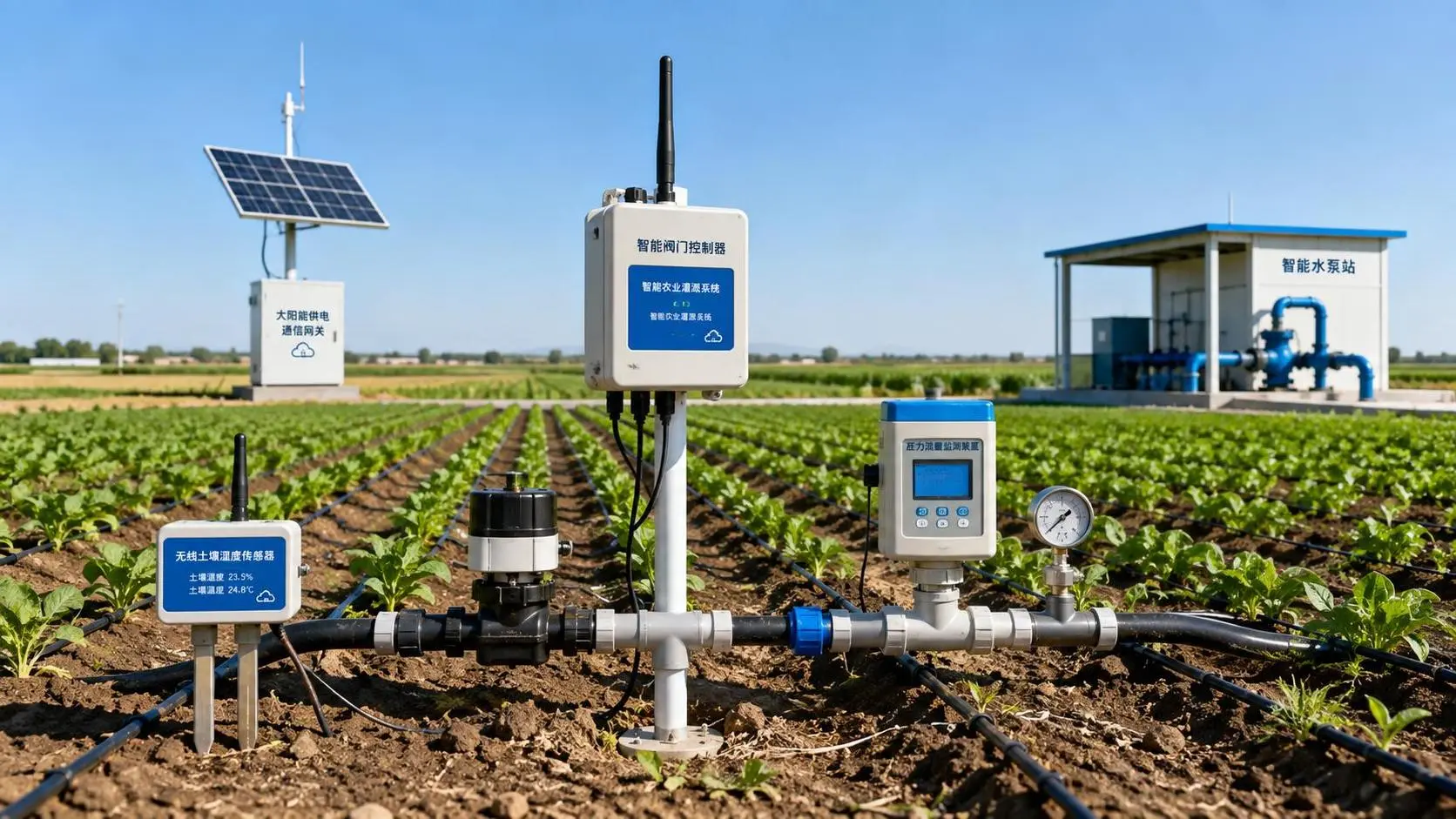
Wireless Agricultural Automation for Remote Irrigation and Field Monitoring
Agricultural automation wireless solutions improve remote irrigation with reliable field data, local control, flow verification, and smarter monitoring. Explore resilient deployment strategies.
Agricultural Product Information Market Guide: Key Data for Sourcing Decisions
Agricultural product information market guide for smarter sourcing—compare machinery, irrigation, precision tools, lifecycle costs, and supplier risk.
Large-Scale Farm Equipment Cost Comparison: Price, Fuel, and Lifecycle Value
Large-scale farm equipment cost comparison: evaluate price, fuel, maintenance, downtime, and lifecycle value to choose tractors, combines, irrigation, and smart tools with confidence.
A Procurement Specification Preparation Example for Buying Farm Equipment
Procurement specification preparation example for farm equipment: learn to define requirements, compare suppliers, control lifecycle costs, and buy with confidence.
What Tractor Horsepower Is Needed for a Three-Bottom Moldboard Plow?
What tractor horsepower is needed for three-bottom moldboard plow? Compare 60–100 hp needs by soil, depth, traction, and plow width for a confident equipment match.
How Does Climate-Smart Farming Reduce Water Use in Semi-Arid Areas?
How does climate-smart farming reduce water use in semi-arid zones? Discover precision irrigation, soil monitoring, and smarter crop planning for resilient yields.
Can Sustainable Farming Be Profitable Without Reducing Yields?
Are sustainable farming practices profitable without yield loss? Discover precision strategies that cut waste, protect yields, and improve farm margins.
Related News
- 00
0000-00
How Does Farm Mechanization Affect Food Security in Developing Regions? - 00
0000-00
Agricultural Technology Insights by Region: Where Adoption Is Growing Fastest - 00
0000-00
How Climate-Smart Agriculture Technology Improves Yield, Soil Health, and Risk Resilience - 00
0000-00
Smart Farming Solutions in Latin America: Which Technologies Fit Large Farms Best? - 00
0000-00
Long-Cycle Agri-Trade Price Trends: How to Read Supply, Freight, and Currency Signals
Popular Tags
Prof. Marcus Chen
Weekly Insights
Stay ahead with our curated technology reports delivered every Monday.