
Agri-Tech Advancements Reshaping Farm Investment: Key Trends, Costs, and Adoption Barriers





Agri-tech advancements are changing the logic of farm investment far beyond equipment replacement. They now influence yield stability, labor exposure, water efficiency, data ownership, and the timing of capital recovery.
That shift matters because Agriculture 4.0 no longer sits at the edge of the industry. It is increasingly tied to food security, climate pressure, input inflation, and the need for more measurable operational performance.
For market observers following large-scale machinery, combine harvesting systems, tractor platforms, intelligent tools, and irrigation networks, the central question is clear: which technologies create durable value, and which remain difficult to scale?
Why farm investment is being reassessed
Traditional farm investment often focused on acreage, machine horsepower, and seasonal output. Today, the evaluation framework is broader and more technical.
Agri-tech advancements add software layers to mechanical assets. A combine is no longer judged only by throughput. It is also judged by loss monitoring, sensor integration, and field-level data quality.
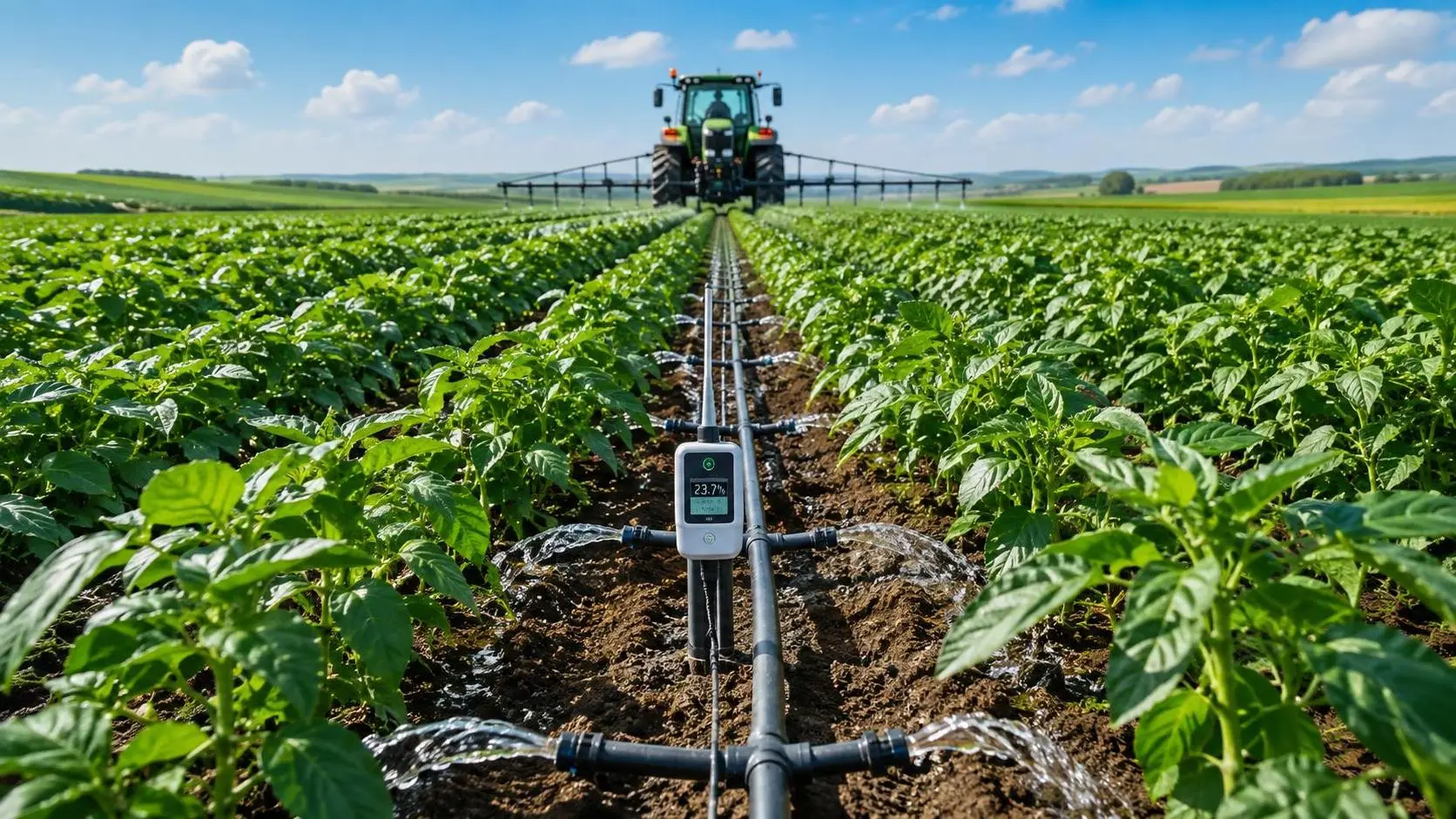
The same applies to irrigation. A pump and pipe network may still work, but intelligent irrigation creates new value through moisture sensing, predictive scheduling, and water-use transparency.
This is why investment analysis increasingly combines engineering, agronomy, and digital risk review. The machine still matters, but the decision is now about the system around it.
The most influential agri-tech advancements in the current cycle
Several trends are reshaping capital allocation across the global agri-equipment landscape. They are not equally mature, but each is affecting investment priorities.
Autonomous and assisted machinery
Autonomy receives attention because labor volatility remains a structural problem. In practice, adoption often starts with guidance, auto-steering, route optimization, and implement coordination rather than full driverless deployment.
These features reduce overlap, fatigue, and timing errors. Their value is strongest in large fields, repetitive operations, and regions with high seasonal labor costs.
Precision harvesting and combine analytics
Combine technology is moving toward real-time visibility. Cleaning-loss feedback, grain quality tracking, and machine setting optimization can turn harvest from a reactive task into a measurable performance process.
For investment review, this means less attention to nameplate capacity alone and more attention to usable productivity under variable crop conditions.
Intelligent irrigation and water-saving networks
Water has become a strategic cost variable. Smart irrigation links sensors, weather data, and control systems to improve timing and reduce waste.
Where water scarcity, energy pricing, or compliance pressure is high, these agri-tech advancements can materially change project economics.
Connected implements and prescription operations
Satellite positioning and sensor feedback are making tools more precise. Variable-rate seeding, fertilization, and spraying are no longer niche concepts in many markets.
Their value depends on field variability, data quality, and operator discipline. Without those conditions, sophisticated tools may underperform expectations.
Where value is actually created
The business case for agri-tech advancements is often overstated when only headline efficiency gains are used. Real value is usually created through several smaller improvements acting together.
- Lower harvest loss through better combine adjustment and monitoring
- Reduced fuel and input waste from optimized paths and application rates
- Improved water productivity through targeted irrigation timing
- Higher machine utilization through fleet visibility and maintenance planning
- More stable output under labor shortages or changing weather windows
This layered effect explains why the best-performing investments often combine hard assets with data tools. Mechanical performance and digital intelligence are becoming harder to separate.
That perspective is central to AP-Strategy’s market lens. The portal tracks not just equipment launches, but the deeper interaction between machine design, precision algorithms, and sustainability demands.
Cost structures are more complex than purchase price
A common mistake in farm investment analysis is comparing technologies mainly by upfront capital cost. With agri-tech advancements, total cost structure matters more.
This is especially relevant for intelligent farm tools and connected harvesting systems. A lower-priced platform can become more expensive if it cannot scale across mixed fleets or changing field requirements.
Why adoption barriers remain stubborn
Despite the momentum behind agri-tech advancements, adoption is uneven. Some barriers are financial, but many are operational.
Technology readiness mismatch
Not every farm environment can absorb advanced systems at the same speed. Field size, crop type, connectivity, and maintenance support strongly influence readiness.
Data fragmentation
Many assets produce data, but not all platforms communicate well. Poor interoperability reduces the value of precision systems and weakens return-on-investment visibility.
Skills and workflow change
A machine upgrade may require a management upgrade. Teams must interpret dashboards, calibrate tools, and act on field recommendations consistently.
Policy and market uncertainty
Input prices, grain markets, water regulation, and environmental rules can all change the economics of agri-tech advancements. A strong technical case can still face timing risk.
How to interpret technology by use case
The most useful approach is to evaluate technology by operational bottleneck rather than by trend label. Different farm systems need different priorities.
- If harvest losses are the issue, prioritize combine sensing, cleaning optimization, and machine uptime analytics.
- If labor exposure is rising, focus on guidance, autonomy layers, and easier implement coordination.
- If water risk dominates, start with intelligent irrigation, moisture monitoring, and predictive scheduling.
- If input efficiency is unstable, examine prescription-capable tools and data-supported application systems.
This is where intelligence platforms provide practical value. AP-Strategy’s coverage of tractor chassis evolution, harvester loss algorithms, and irrigation prediction models helps connect technology claims to operating reality.
A more disciplined framework for decision quality
A sound review of agri-tech advancements should test more than vendor promise. It should ask whether the technology improves the economics of a specific farm system over time.
Useful questions include:
- Which operational constraint does the technology solve first?
- What measurable indicator should improve within one or two seasons?
- How dependent is value creation on data quality or operator behavior?
- Can the system integrate with existing machinery and software?
- What happens to returns if commodity prices or water costs shift?
When these questions are answered early, adoption barriers become easier to price, compare, and monitor.
What deserves closer attention next
Agri-tech advancements will continue to reshape farm investment, but the strongest opportunities are likely to come from integrated systems rather than isolated devices.
The next step is not chasing every innovation headline. It is building a clearer map of operational pain points, technology maturity, support capability, and payback sensitivity.
From there, compare solutions by field conditions, fleet compatibility, and long-cycle asset value. That kind of structured review usually reveals which technologies are genuinely investable and which are still waiting for the right moment.
Related News
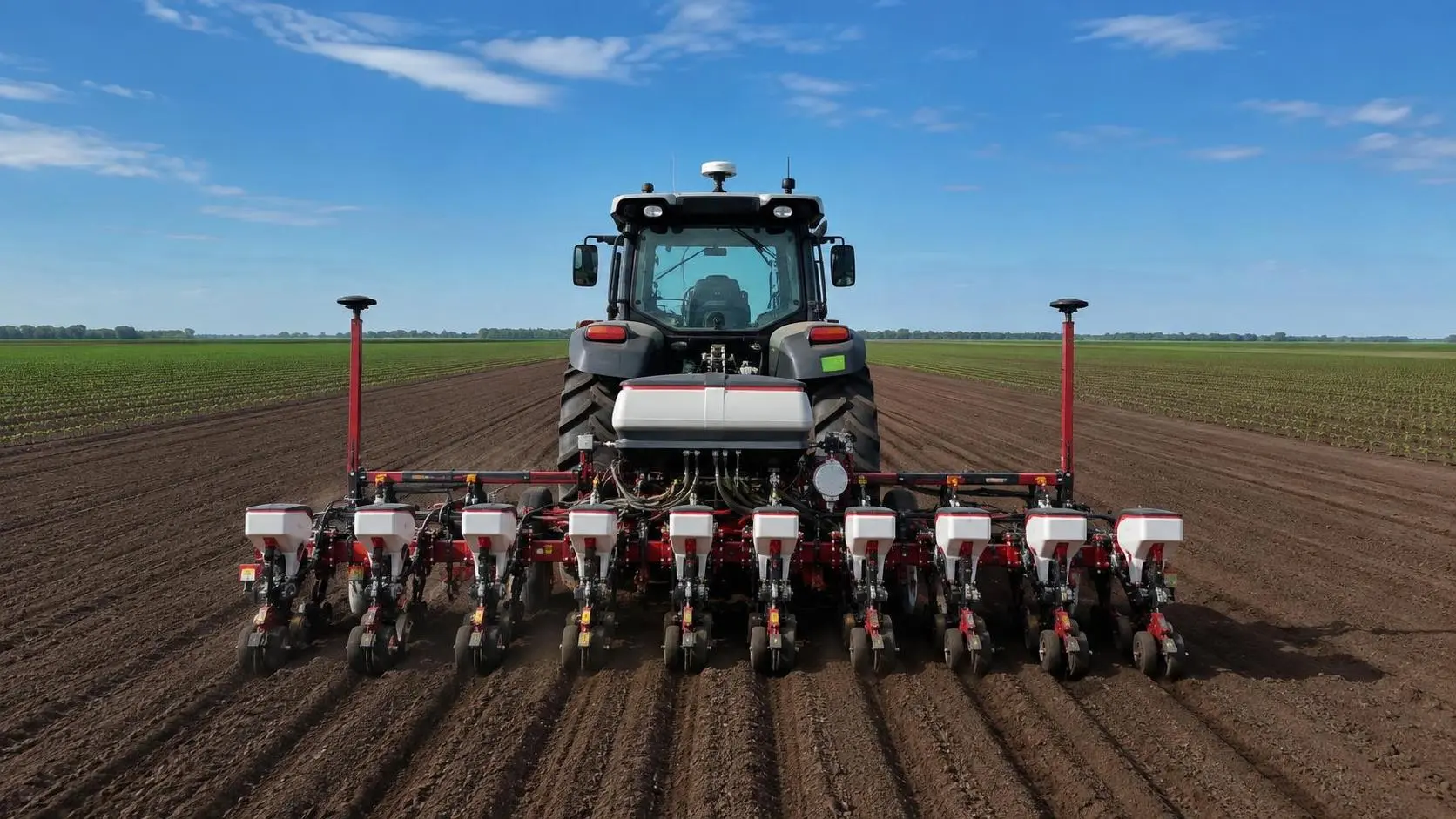
How Tractor Intelligence Systems Improve Field Efficiency and Input Accuracy
Agricultural machinery intelligence for tractors improves field efficiency, input accuracy, data traceability, and implement control. Explore smarter evaluation strategies.
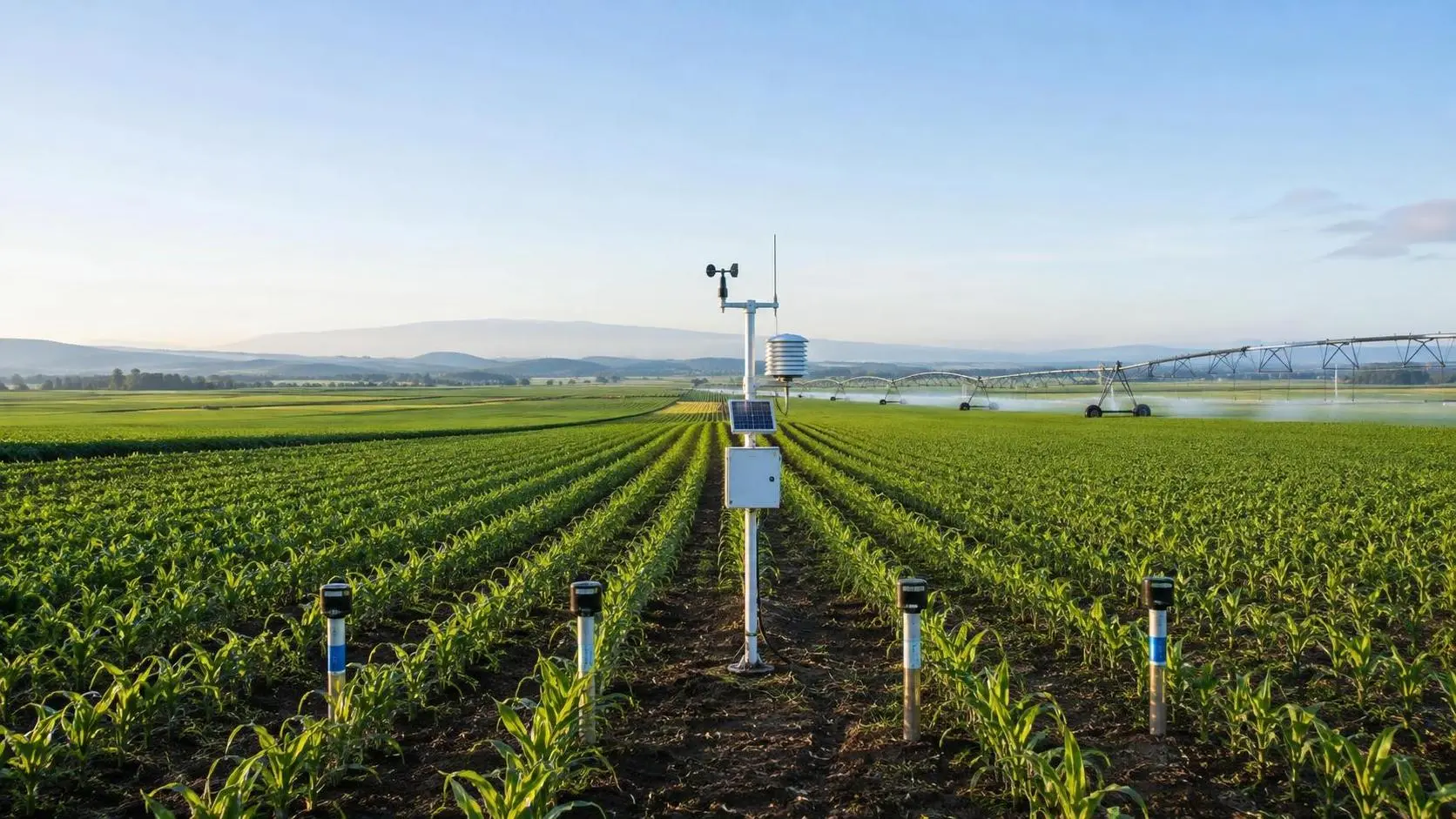
How to Evaluate Crop Monitoring System Manufacturers for Large-Scale Farms
Compare crop monitoring systems manufacturers for large-scale farms. Evaluate data quality, integration, durability, lifecycle costs, support, and pilots for smarter decisions.
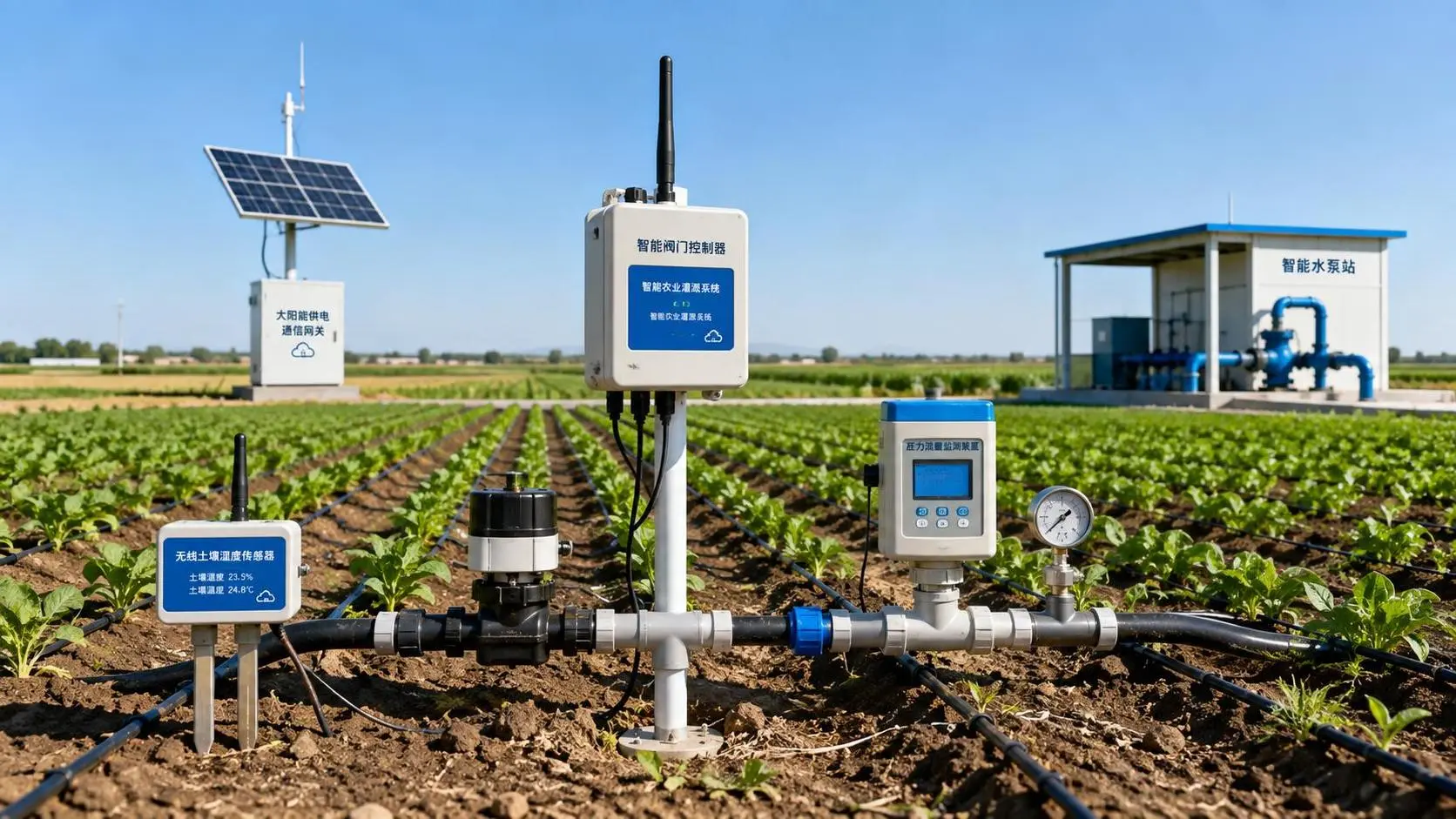
Wireless Agricultural Automation for Remote Irrigation and Field Monitoring
Agricultural automation wireless solutions improve remote irrigation with reliable field data, local control, flow verification, and smarter monitoring. Explore resilient deployment strategies.
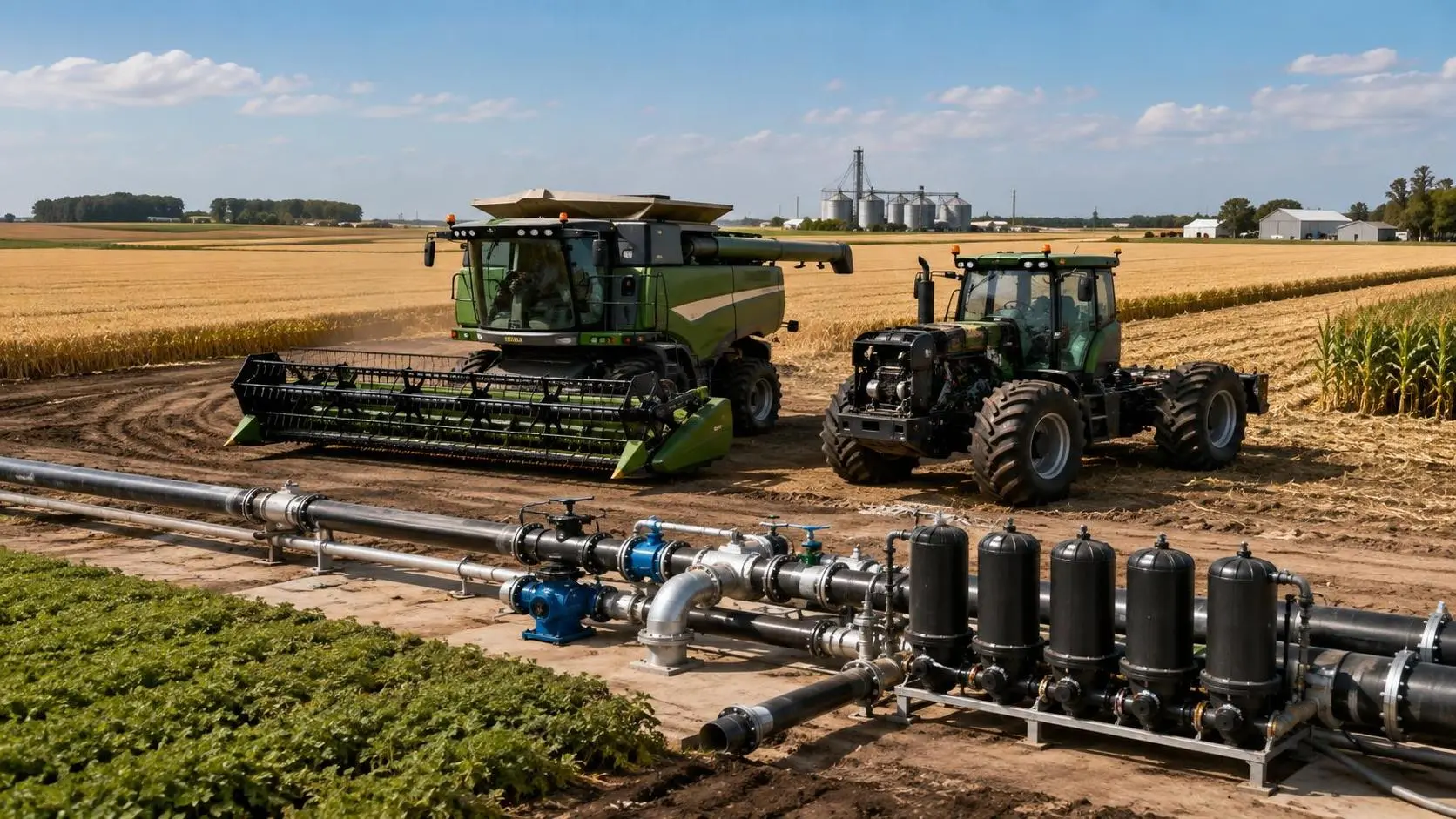
Agricultural Product Information Market Guide: Key Data for Sourcing Decisions
Agricultural product information market guide for smarter sourcing—compare machinery, irrigation, precision tools, lifecycle costs, and supplier risk.
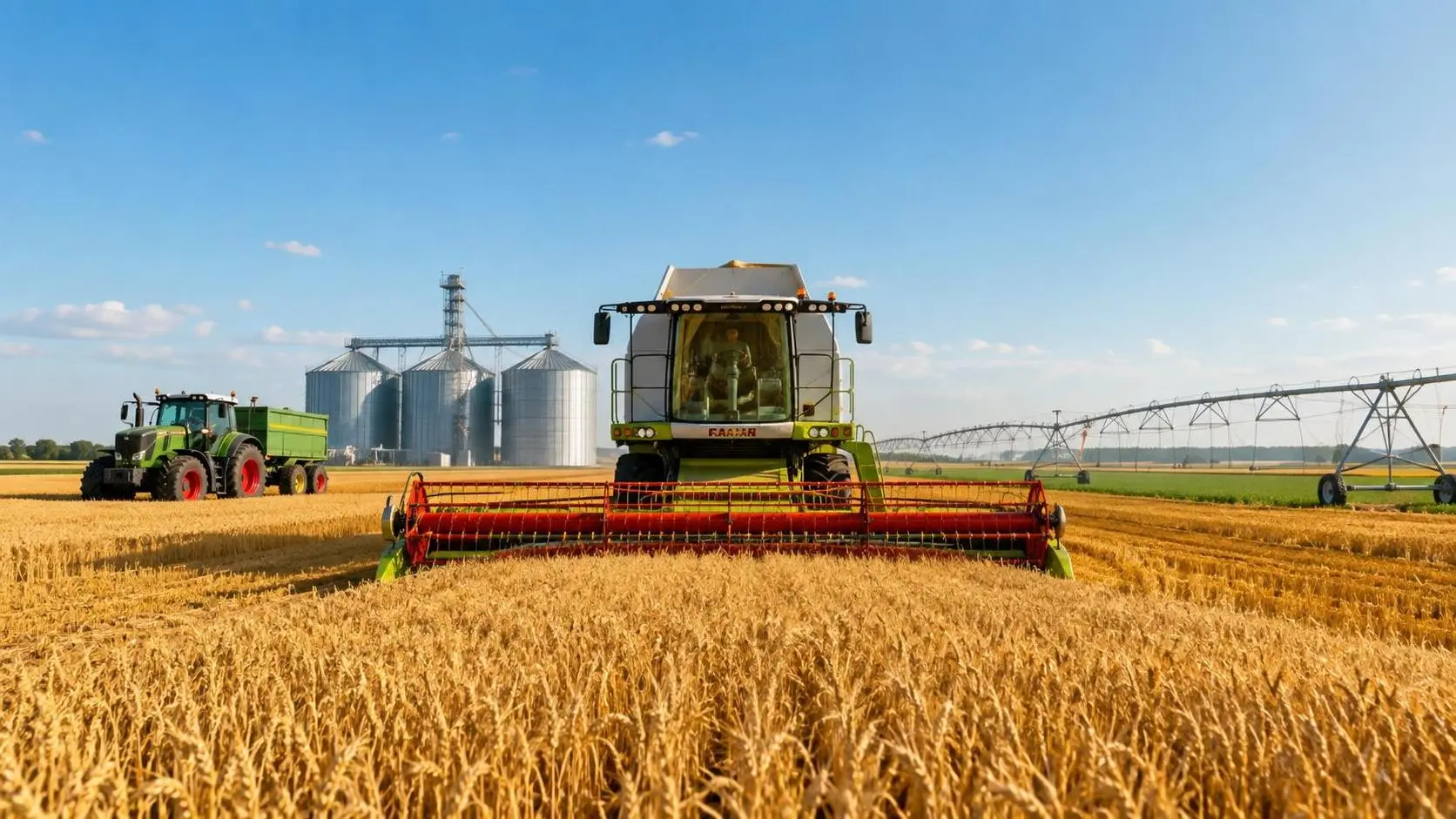
Large-Scale Farm Equipment Cost Comparison: Price, Fuel, and Lifecycle Value
Large-scale farm equipment cost comparison: evaluate price, fuel, maintenance, downtime, and lifecycle value to choose tractors, combines, irrigation, and smart tools with confidence.
A Procurement Specification Preparation Example for Buying Farm Equipment
Procurement specification preparation example for farm equipment: learn to define requirements, compare suppliers, control lifecycle costs, and buy with confidence.
What Tractor Horsepower Is Needed for a Three-Bottom Moldboard Plow?
What tractor horsepower is needed for three-bottom moldboard plow? Compare 60–100 hp needs by soil, depth, traction, and plow width for a confident equipment match.
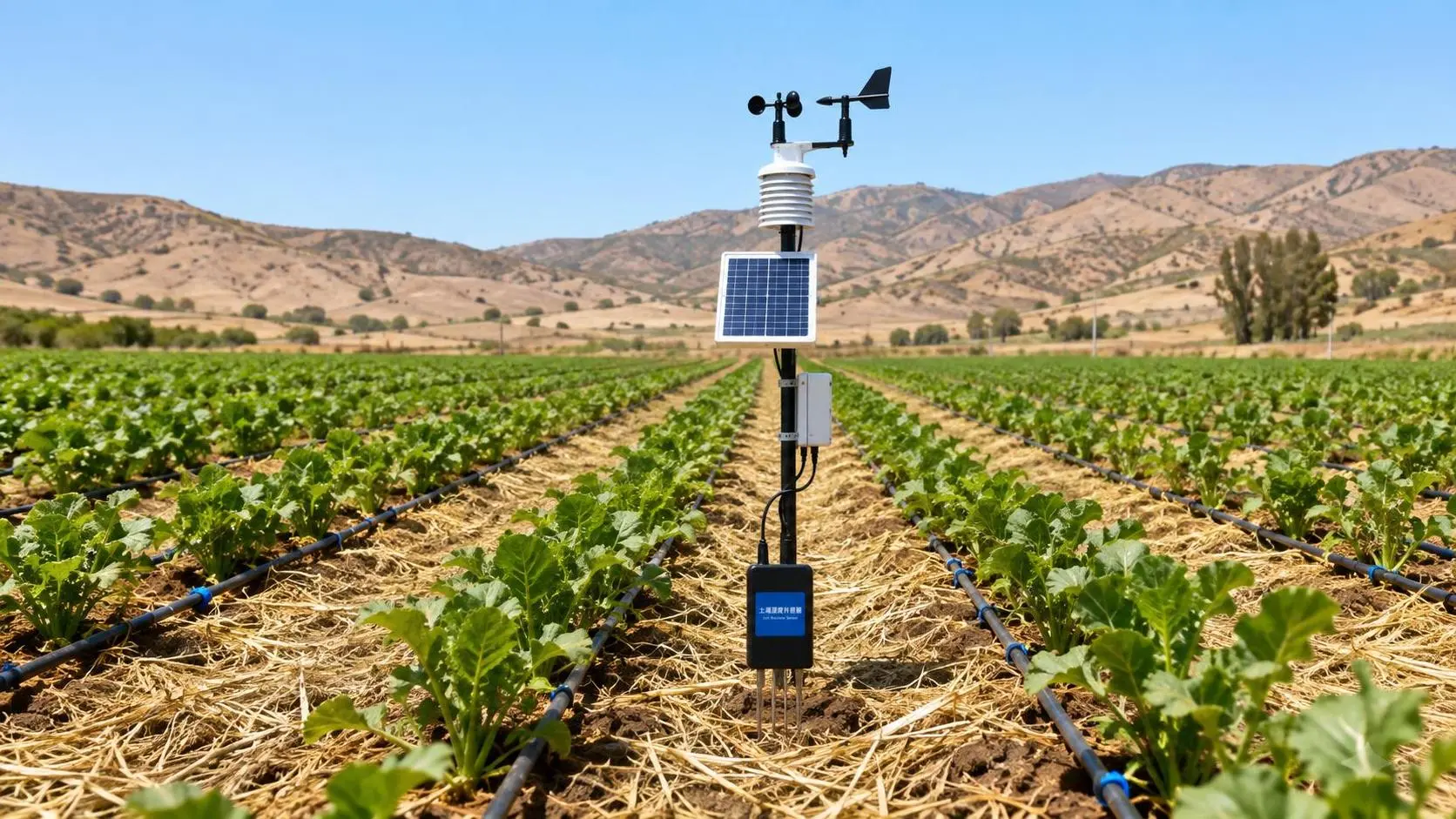
How Does Climate-Smart Farming Reduce Water Use in Semi-Arid Areas?
How does climate-smart farming reduce water use in semi-arid zones? Discover precision irrigation, soil monitoring, and smarter crop planning for resilient yields.
Can Sustainable Farming Be Profitable Without Reducing Yields?
Are sustainable farming practices profitable without yield loss? Discover precision strategies that cut waste, protect yields, and improve farm margins.
Related News
- 00
0000-00
How Does Farm Mechanization Affect Food Security in Developing Regions? - 00
0000-00
Agricultural Technology Insights by Region: Where Adoption Is Growing Fastest - 00
0000-00
How Climate-Smart Agriculture Technology Improves Yield, Soil Health, and Risk Resilience - 00
0000-00
Smart Farming Solutions in Latin America: Which Technologies Fit Large Farms Best? - 00
0000-00
Long-Cycle Agri-Trade Price Trends: How to Read Supply, Freight, and Currency Signals
Popular Tags
Prof. Marcus Chen
Weekly Insights
Stay ahead with our curated technology reports delivered every Monday.