
Sustainable Farming Practices for Lower Fertilizer Use and Better Soil
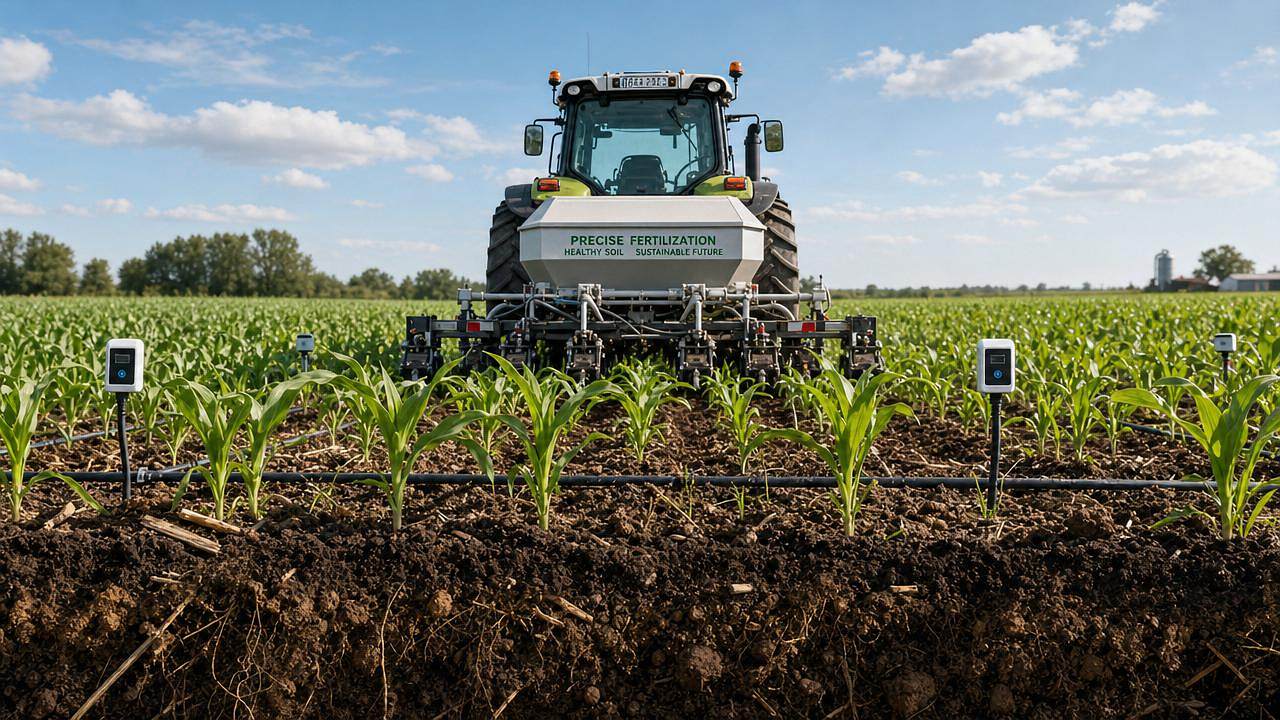




Sustainable farming practices are becoming practical tools for reducing fertilizer use while rebuilding stronger, more resilient soil.
Rising nutrient costs, tighter environmental rules, and unpredictable weather make this shift more than a conservation message.
For field operations, the goal is clear: protect yield potential, reduce waste, and make each machine pass more agronomically useful.
Why fertilizer reduction now depends on better field intelligence
Fertilizer has often been treated as a safety buffer against uncertain soil conditions and uneven crop demand.
That approach is becoming expensive, especially where nitrogen losses, compaction, and irrigation inefficiency reduce nutrient availability.
Sustainable farming practices change the question from “how much can be applied” to “how much can be used effectively.”
This is where Agriculture 4.0 becomes useful beyond buzzwords.
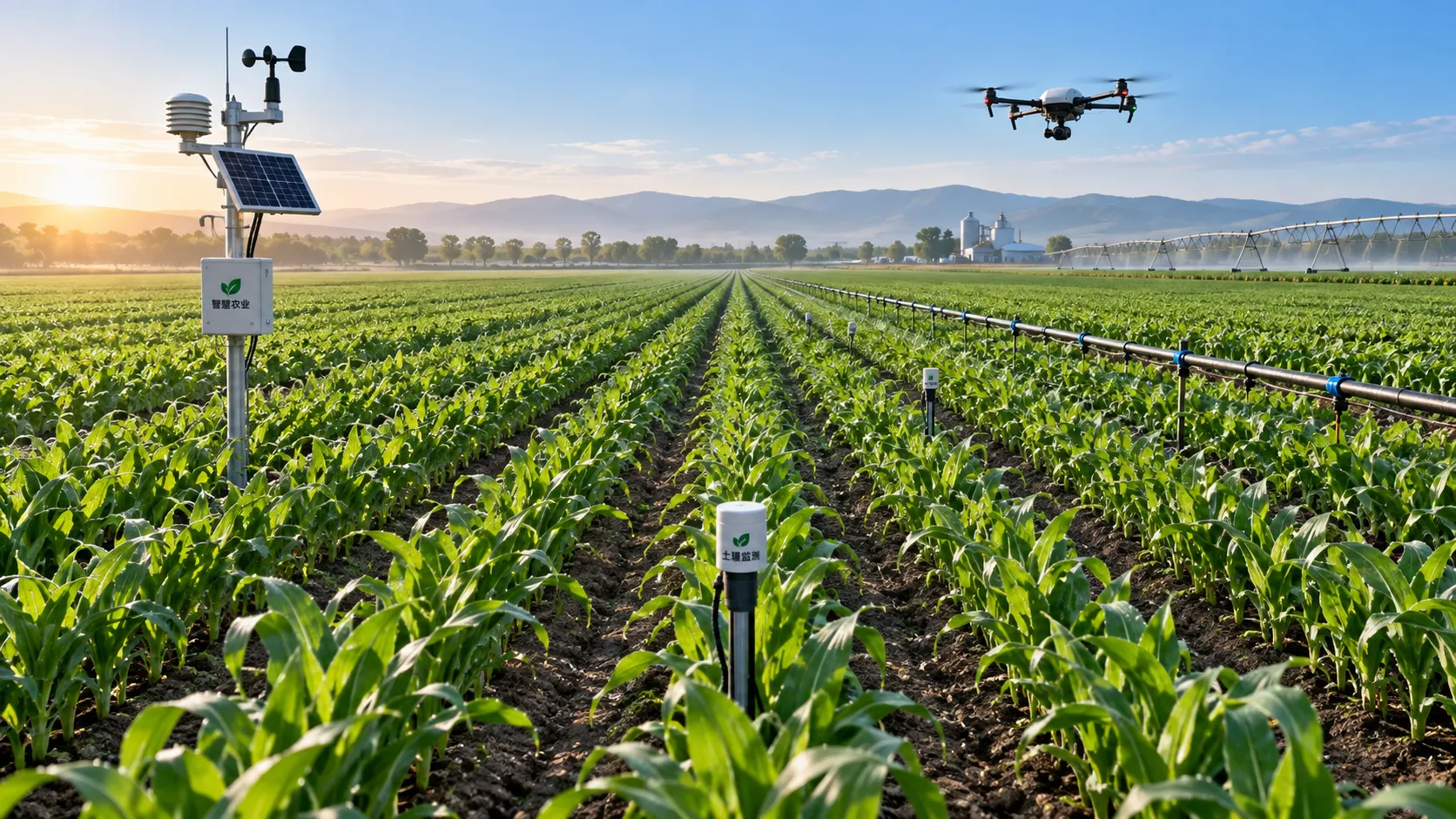
Satellite positioning, soil sensors, smart implements, and irrigation control help turn field variation into manageable decisions.
The Global Agri-Pulse Hub views this connection through machinery, data, water, and long-cycle equipment strategy.
Large-scale equipment is not separate from soil health; it directly shapes compaction, residue handling, and placement accuracy.
What sustainable farming practices mean in daily field work
In simple terms, sustainable farming practices combine agronomy and equipment discipline.
They aim to keep nutrients cycling, roots active, water available, and soil structure protected across seasons.
This does not mean abandoning fertilizers entirely.
It means applying the right source, rate, timing, and placement with less guesswork.
Field routines usually involve soil testing, variable-rate application, cover crops, minimum disturbance, and controlled traffic planning.
Each practice supports the others when planned as a system, not as isolated tasks.
For example, cover crops can capture residual nitrogen, while precision applicators place nutrients near active root zones.
Water-saving irrigation then reduces leaching and keeps nutrient uptake more stable during dry or hot periods.
Soil health is the foundation of lower input demand
Healthy soil is not only a growing medium.
It is a biological and physical system that stores nutrients, exchanges water, and supports root access.
When soil organic matter improves, nutrients are released more gradually and losses are easier to control.
Sustainable farming practices support this process through residue return, crop diversity, reduced erosion, and biological activity.
The benefit is not always immediate, but the operational effect becomes visible over repeated seasons.
Fields with better structure often need fewer corrective passes and respond more consistently to nutrient plans.
That consistency matters for large farms where small inefficiencies become large costs across thousands of hectares.
Practical soil indicators worth tracking
- Organic matter trend, not only a single annual number.
- Bulk density and compaction depth after repeated machinery passes.
- Water infiltration after irrigation or heavy rainfall.
- Soil nitrate movement during peak crop demand.
- Root depth, earthworm presence, and residue breakdown speed.
These indicators help connect sustainable farming practices with measurable field performance.
Precision nutrient management reduces waste before reducing yield
Cutting fertilizer without field data can create risk.
A better approach is to identify where fertilizer is being lost, underused, or applied beyond crop response.
Sustainable farming practices use precision nutrient management to separate productive zones from weak-response zones.
Variable-rate spreaders, seeders, and liquid applicators can follow prescription maps built from yield and soil data.
This approach is especially valuable when fields contain different soil textures, slopes, drainage patterns, or management histories.
Prescription application does not only save product.
It also reduces lodging risk, nitrate leaching, and uneven crop maturity before harvest.
For combine operations, more uniform maturity can support lower losses and smoother cleaning system performance.
Water management is part of nutrient management
Fertilizer efficiency is closely linked to water movement.
Too much water can push nutrients below the root zone.
Too little water limits nutrient uptake, even when soil fertility looks adequate on paper.
Sustainable farming practices increasingly include intelligent irrigation because water timing affects nutrient timing.
Drip systems, pivot control, moisture sensors, and transpiration models help maintain a narrower moisture range.
This is important for nitrogen, potassium, and micronutrients with different mobility patterns.
Water-saving irrigation also supports fertilizer reduction by preventing stress cycles that weaken root function.
In regions facing climate volatility, irrigation data becomes a core layer of the nutrient plan.
Residue, tillage, and traffic patterns shape long-term results
A nutrient plan can fail if the soil is physically damaged.
Heavy machinery, wet-field passes, and aggressive tillage can reduce pore space and restrict root exploration.
Sustainable farming practices give more attention to where and when machines travel.
Controlled traffic farming concentrates compaction in planned lanes instead of spreading it across the field.
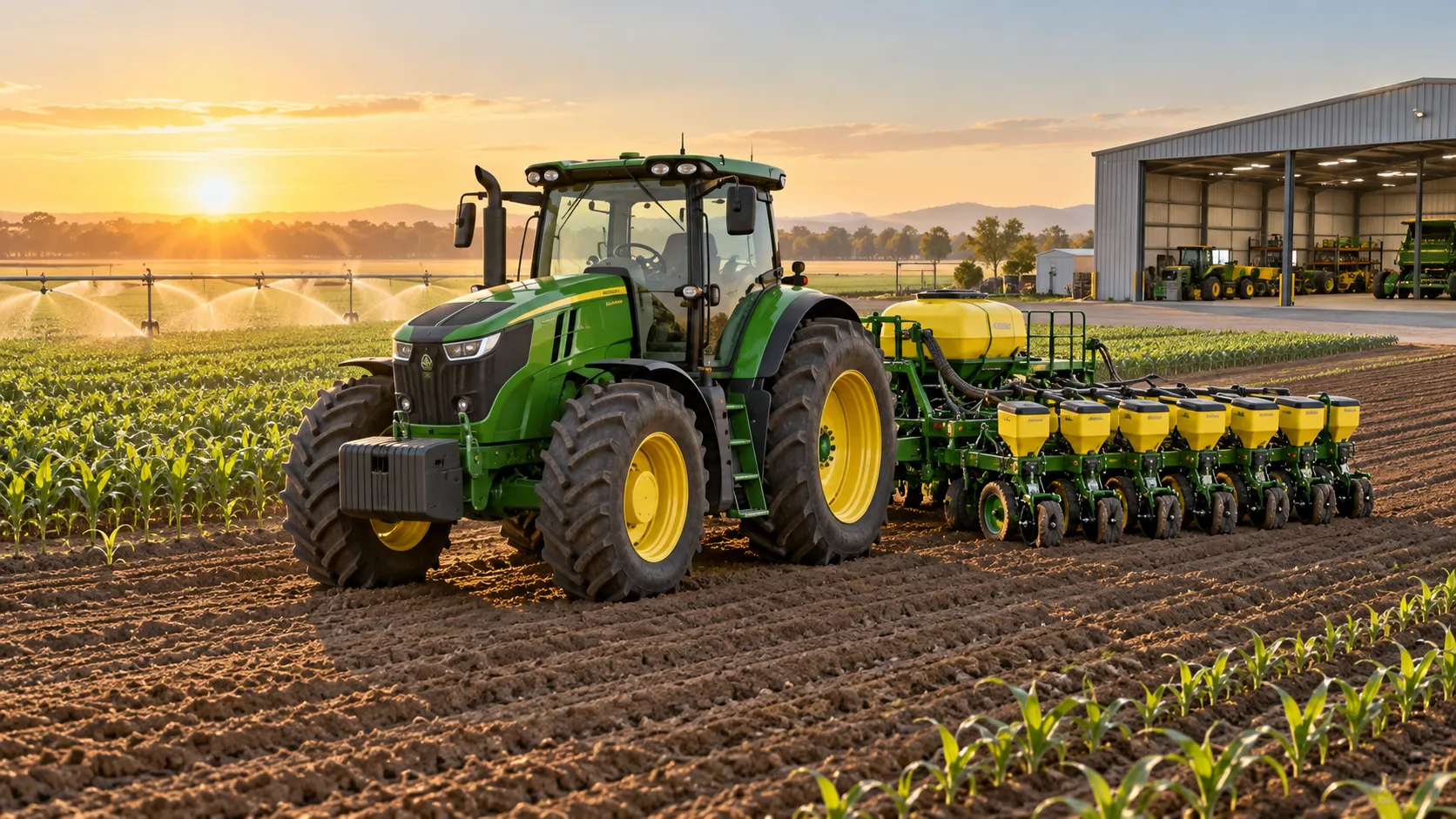
Tractor chassis design, tire pressure, ballast, and implement matching all influence soil impact.
Residue management also matters after harvest.
A combine that spreads residue evenly helps create uniform decomposition and better seedbed conditions.
Uneven residue can cause cold spots, nitrogen tie-up, and inconsistent emergence in the next crop.
This is why harvesting technology belongs in the soil health conversation.
Cover crops and rotations make nutrients work harder
Cover crops are among the most visible sustainable farming practices, but their value depends on purpose.
A cover crop may capture leftover nitrogen, reduce erosion, add biomass, suppress weeds, or improve soil biology.
The right species mix depends on climate, cash crop timing, equipment access, and termination method.
Legumes can add nitrogen, while grasses often build roots and hold nutrients effectively.
Brassicas may break surface compaction and scavenge nutrients from deeper layers.
Rotations add another layer of resilience.
Different rooting patterns and residue qualities can reduce disease pressure and improve nutrient cycling.
The practical challenge is timing operations without disrupting planting windows or harvest logistics.
Common implementation mistakes
- Selecting species without a clear nutrient or soil objective.
- Terminating too late and creating moisture competition.
- Ignoring planter setup after high-residue cover growth.
- Expecting immediate fertilizer cuts without soil test confirmation.
How data turns good intentions into repeatable practice
Sustainable farming practices become more reliable when decisions are recorded, compared, and adjusted.
Yield maps, application maps, soil tests, moisture readings, and machinery logs should be viewed together.
A single dataset can mislead when field conditions are complex.
For example, low yield may come from compaction, water stress, disease, or delayed planting.
Applying more fertilizer to every low-yield area may only increase cost.
Decision platforms and intelligence portals help organize these signals into practical equipment and agronomy choices.
AP-Strategy’s focus on machinery, harvesters, intelligent tools, and irrigation reflects this integrated decision path.
The strongest plans link mechanical capability with agronomic timing and environmental targets.
Where sustainable farming practices are easiest to start
A full system redesign is not always necessary at the beginning.
Many operations start by tightening the most visible sources of fertilizer inefficiency.
That may mean recalibrating applicators, improving soil sampling zones, or splitting nitrogen applications.
Other fields may benefit first from compaction control or irrigation scheduling.
Sustainable farming practices are easier to maintain when they solve an existing operational problem.
A practical starting sequence often includes these steps:
- Define the main loss pathway: leaching, runoff, volatilization, compaction, or poor placement.
- Use soil and yield data to divide fields into management zones.
- Check whether current equipment can support variable-rate or banded placement.
- Adjust irrigation timing before making major fertility reductions.
- Compare treated and untreated strips across more than one season.
Judging value beyond one-season fertilizer savings
The value of sustainable farming practices should not be judged only by a single fertilizer invoice.
Better soil structure, fewer rescue applications, reduced erosion, and steadier crop maturity all carry economic value.
Some returns appear through lower machine hours or fewer corrective operations.
Others appear through improved yield stability during dry, wet, or high-input-cost seasons.
Equipment selection should also be evaluated over a long service cycle.
A precision applicator, smart irrigation controller, or residue-capable harvester may influence multiple crop years.
This broader view helps connect capital planning with soil performance and regulatory readiness.
Building the next decision framework
Sustainable farming practices work best when field reality guides the plan.
The next step is to compare nutrient goals with equipment capability, water availability, and soil condition.
A useful framework asks which practices reduce risk while improving nutrient efficiency.
It also asks which data can confirm progress before larger changes are made.
For operations planning future machinery or irrigation upgrades, this link is especially important.
The most durable results come from aligning soil health, precision tools, harvest quality, and water control.
By treating fertilizer reduction as a systems decision, sustainable farming practices can support both productivity and land resilience.
A practical review of field data, machinery settings, and seasonal constraints is the best place to begin.
Related News
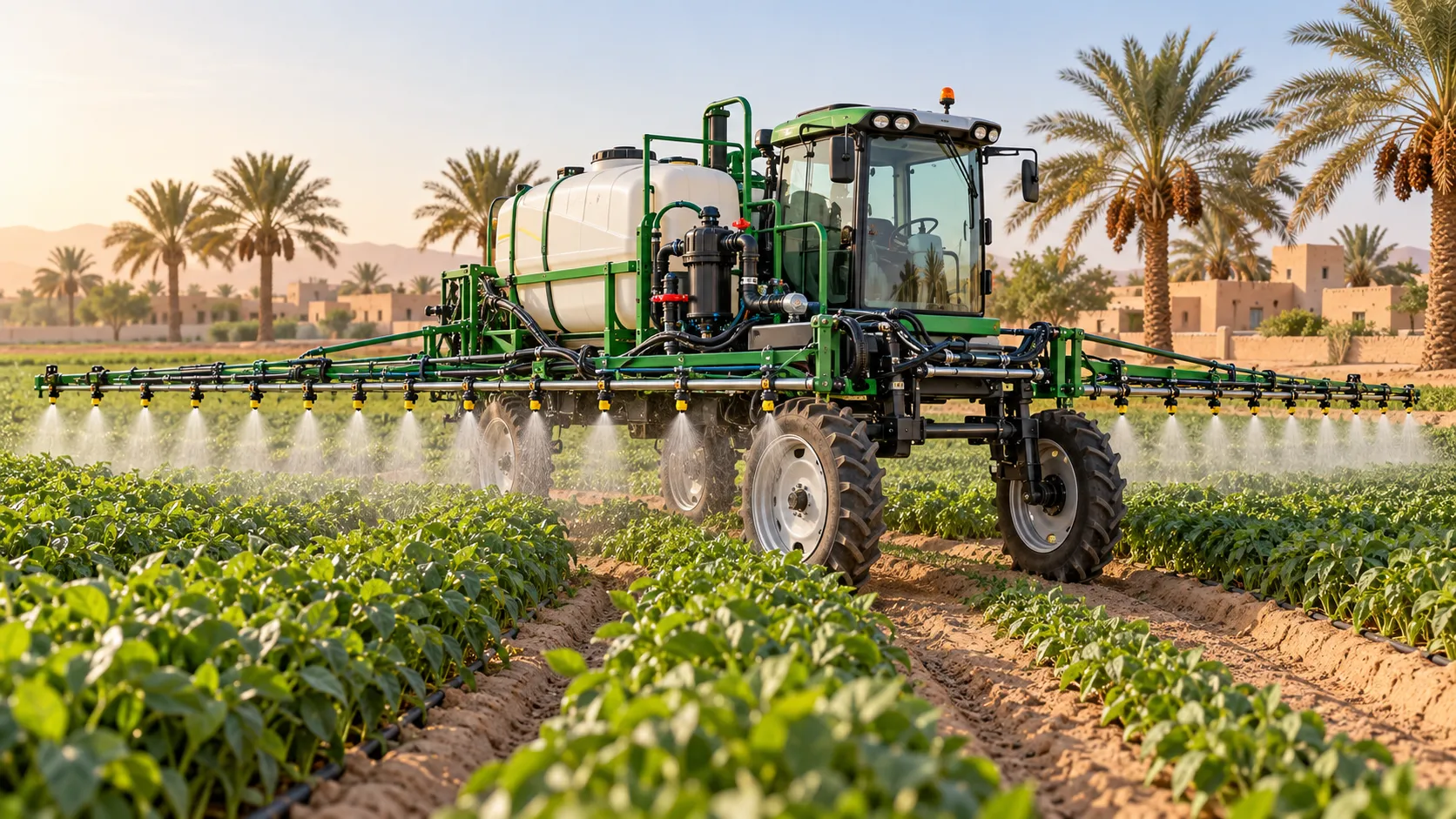
Choosing Crop Protection Equipment for Hot, Windy Middle Eastern Farms
Compare crop protection equipment Middle East farms need for hot, windy conditions. Discover key nozzle, drift-control, and durability checks to choose the right sprayer.
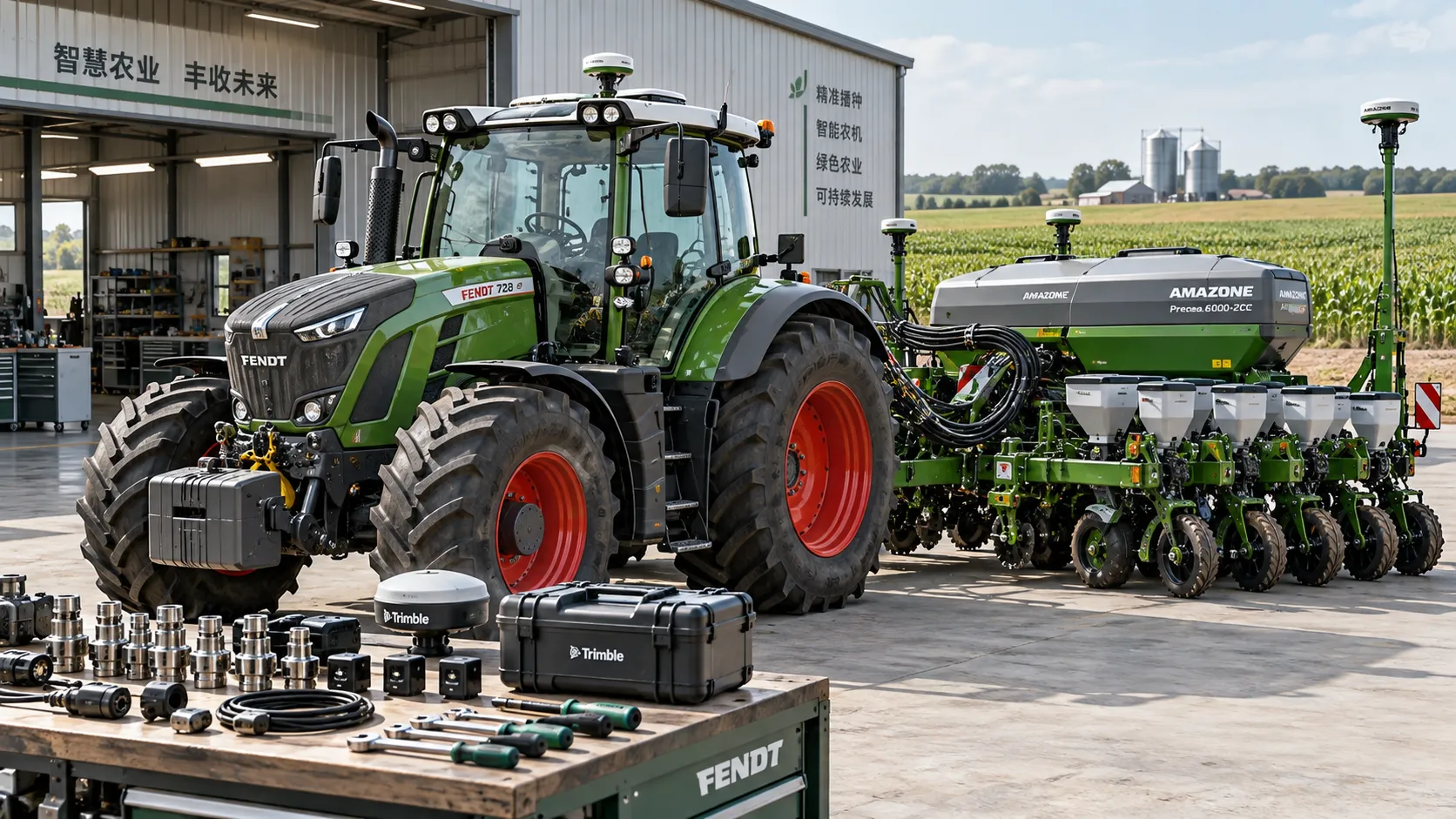
Choosing an Agriculture 4.0 Supplier: Compatibility, Support, and Total Cost
Choose an Agriculture 4.0 supplier with confidence. Learn how to verify compatibility, assess support, and compare total ownership costs to avoid hidden fees and costly downtime.
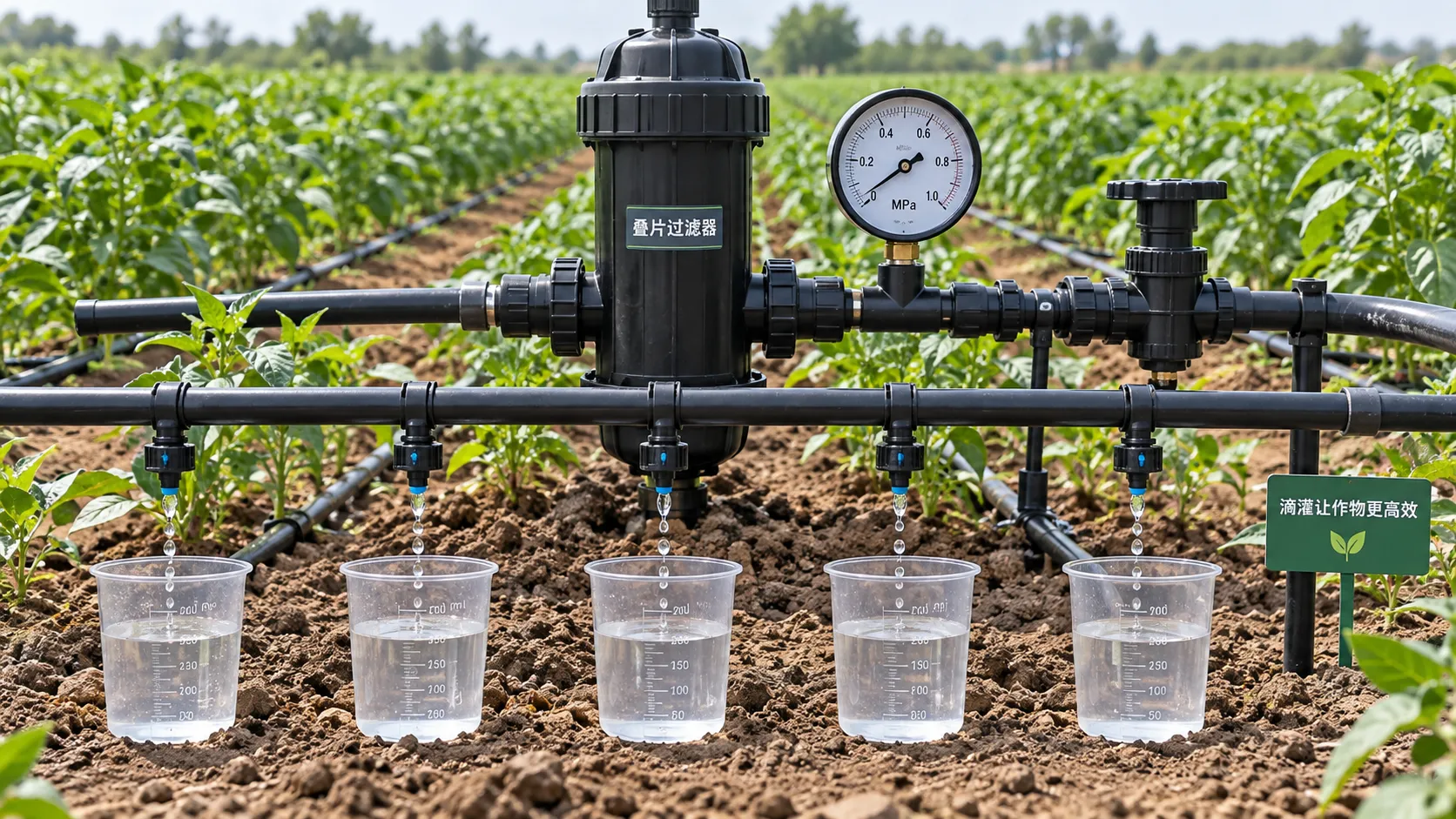
Low-Pressure Drip Irrigation: How to Fix Uneven Watering Without Raising Pressure
Optimize low pressure water-saving irrigation systems: discover how to fix uneven watering, clear blockages, and reduce hydraulic losses without raising supply pressure.
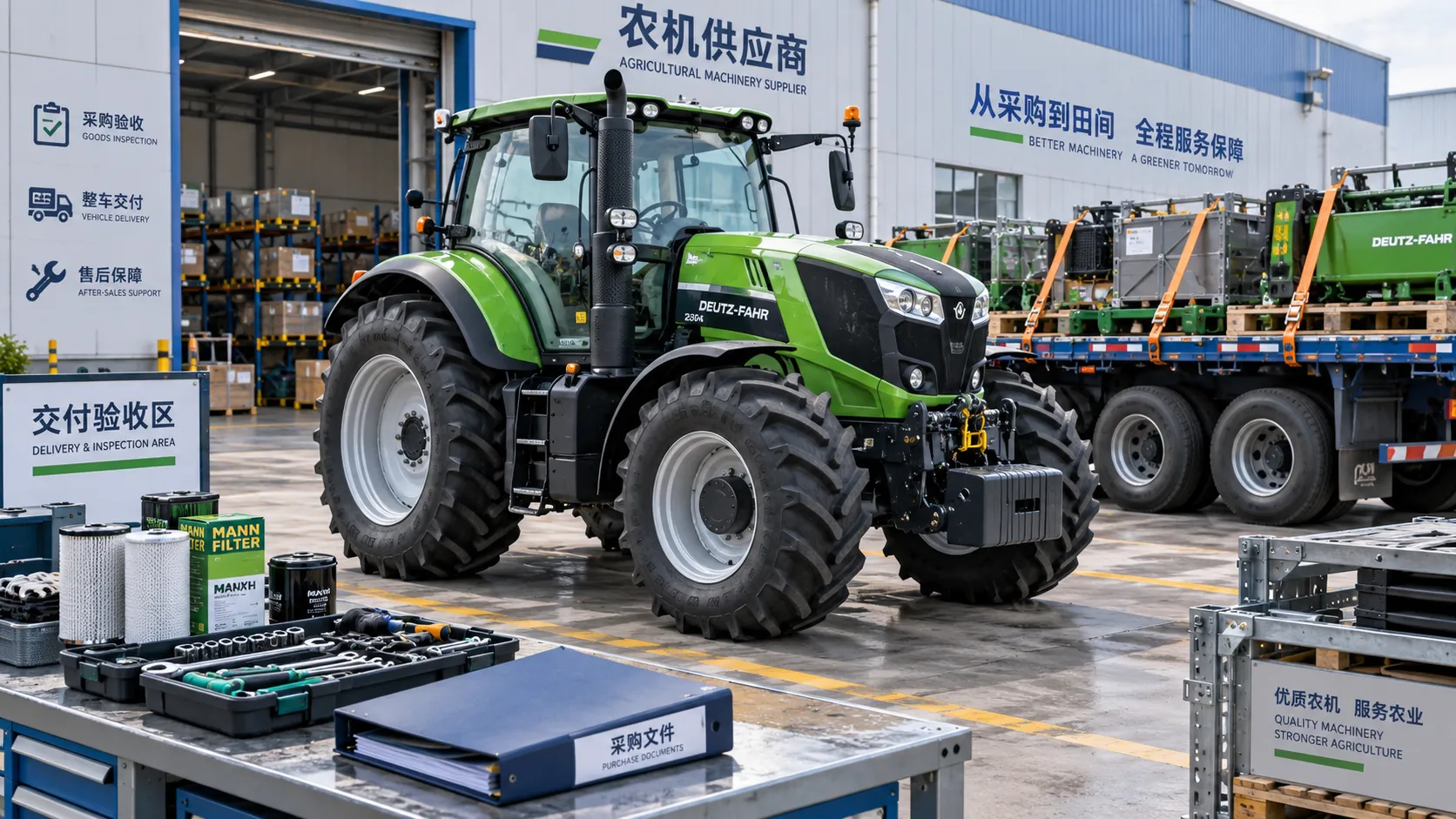
Comparing Farm Equipment Supplier Quotes: Price, Freight, and Warranty
Simplify supplier comparison for farm equipment price: assess freight, field-ready costs, and warranty coverage. Learn how to avoid hidden charges and choose a reliable supplier.
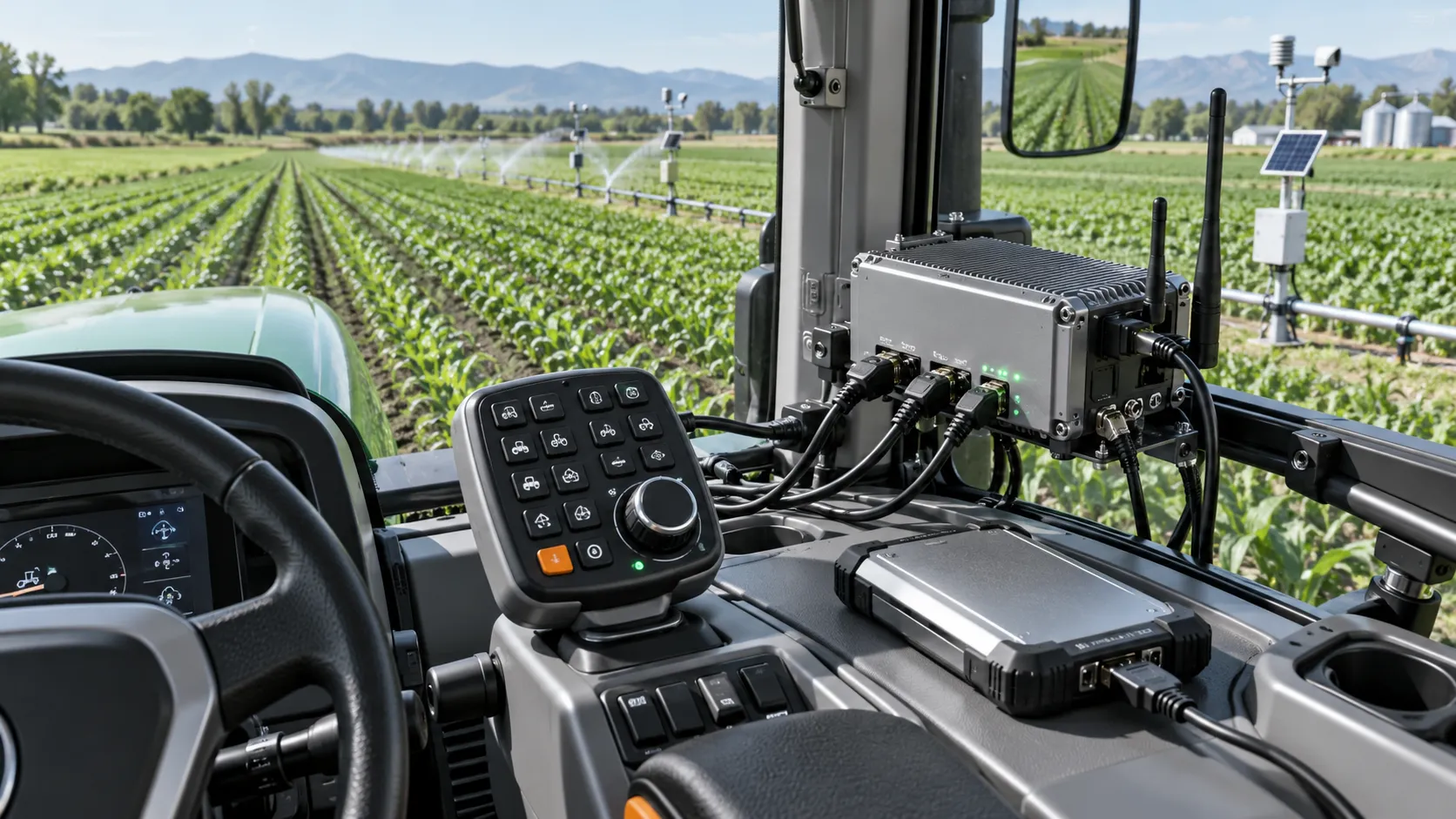
Choosing a Digital Farming Platform Provider: Compatibility and Data Ownership
Compare digital farming platforms providers on equipment compatibility, data ownership, and export rights. Discover practical checks to avoid lock-in and choose with confidence.
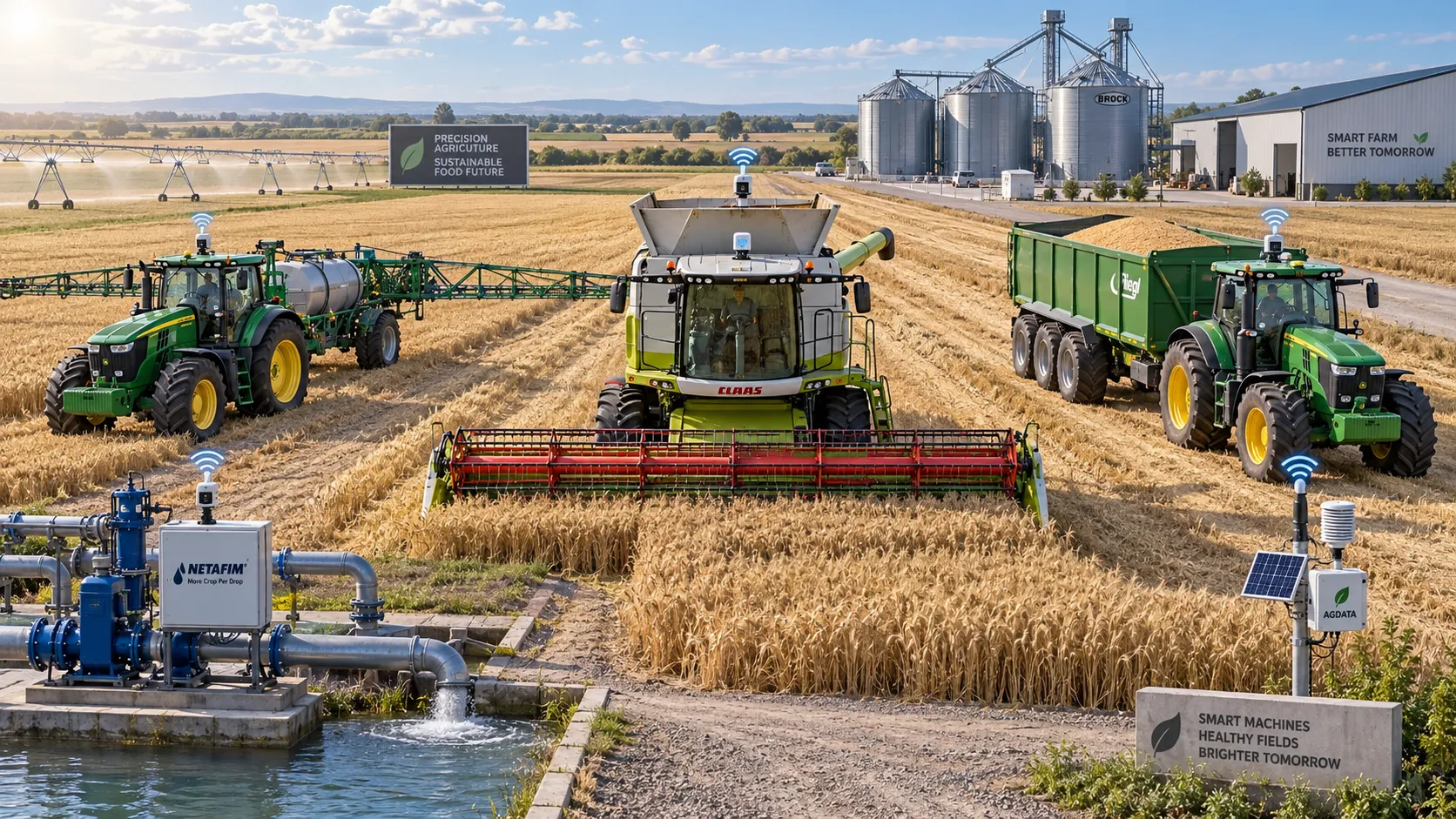
How Large-Scale Farm Telematics Cuts Downtime Across Mixed Fleets
Large-scale farm equipment telematics cuts mixed-fleet downtime with real-time alerts, smarter maintenance, and stronger operational control. Learn how to protect critical farm workflows.
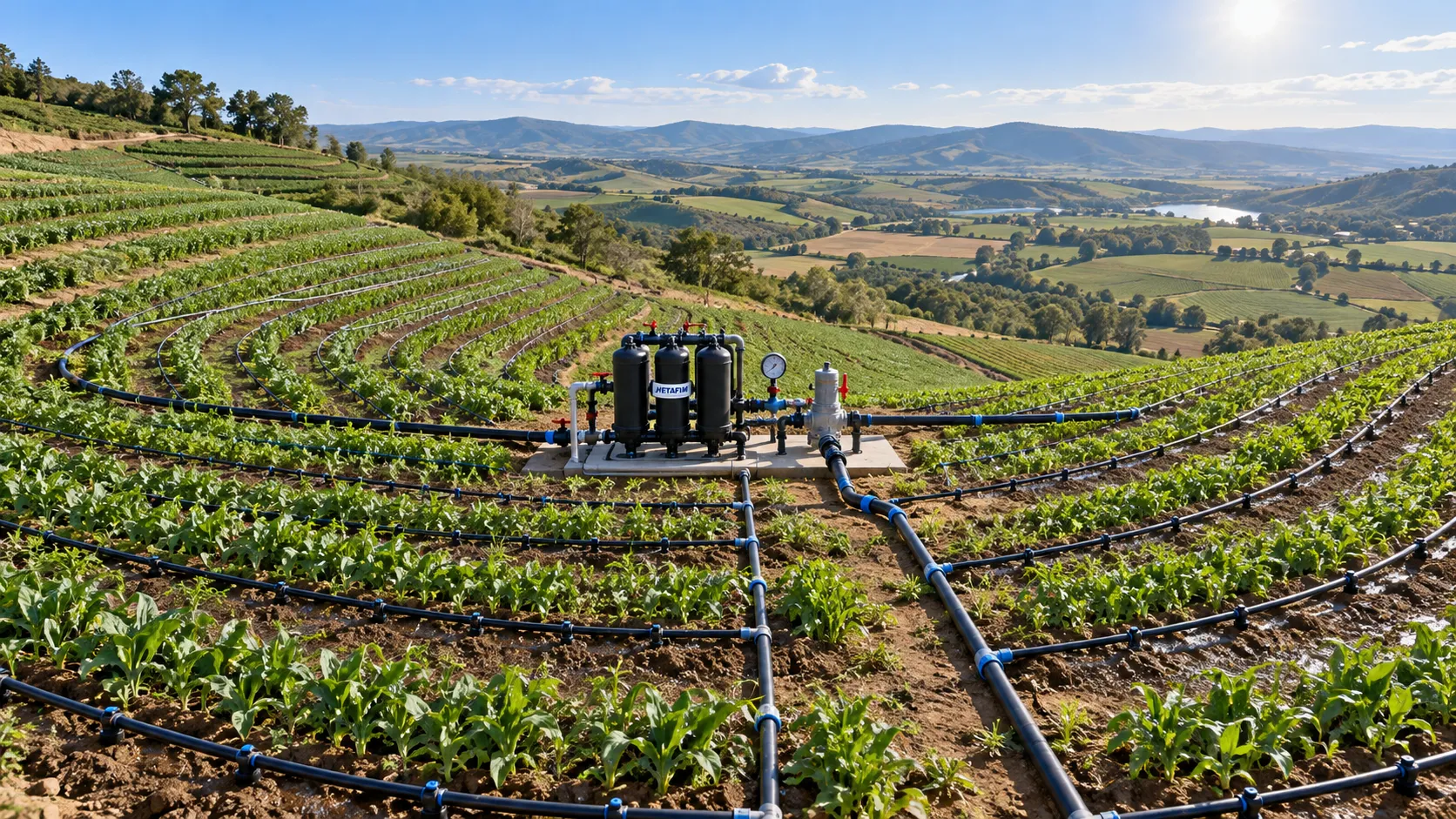
How to Size Low-Pressure Water-Saving Irrigation Systems for Uneven Fields
Low pressure water-saving irrigation systems for uneven fields: learn zoning, pressure mapping, pipe sizing, and pump selection to improve uniformity and reduce water waste.
Farm Machinery Sourcing: How to Vet Suppliers, Specs, and Lifecycle Costs
Farm machinery information for sourcing: learn to vet suppliers, compare specifications, control lifecycle costs, and secure reliable uptime for smarter equipment purchases.
When digital crop monitoring detects stress before visible damage
Digital crop monitoring detects early stress signals before visible damage, helping growers verify risks, protect crop quality, optimize irrigation, and take targeted action faster.
Related News
- 00
0000-00
What maintenance challenges come with hybrid agricultural machines? - 00
0000-00
Can hybrid propulsion systems reduce fuel use in farm machinery? - 00
0000-00
How Does Farm Mechanization Affect Food Security in Developing Regions? - 00
0000-00
Agricultural Technology Insights by Region: Where Adoption Is Growing Fastest - 00
0000-00
How Climate-Smart Agriculture Technology Improves Yield, Soil Health, and Risk Resilience
Popular Tags
Prof. Marcus Chen
Weekly Insights
Stay ahead with our curated technology reports delivered every Monday.