
Sustainable Farming Practices for Climate Resilience: Soil, Water, and Crop Choices
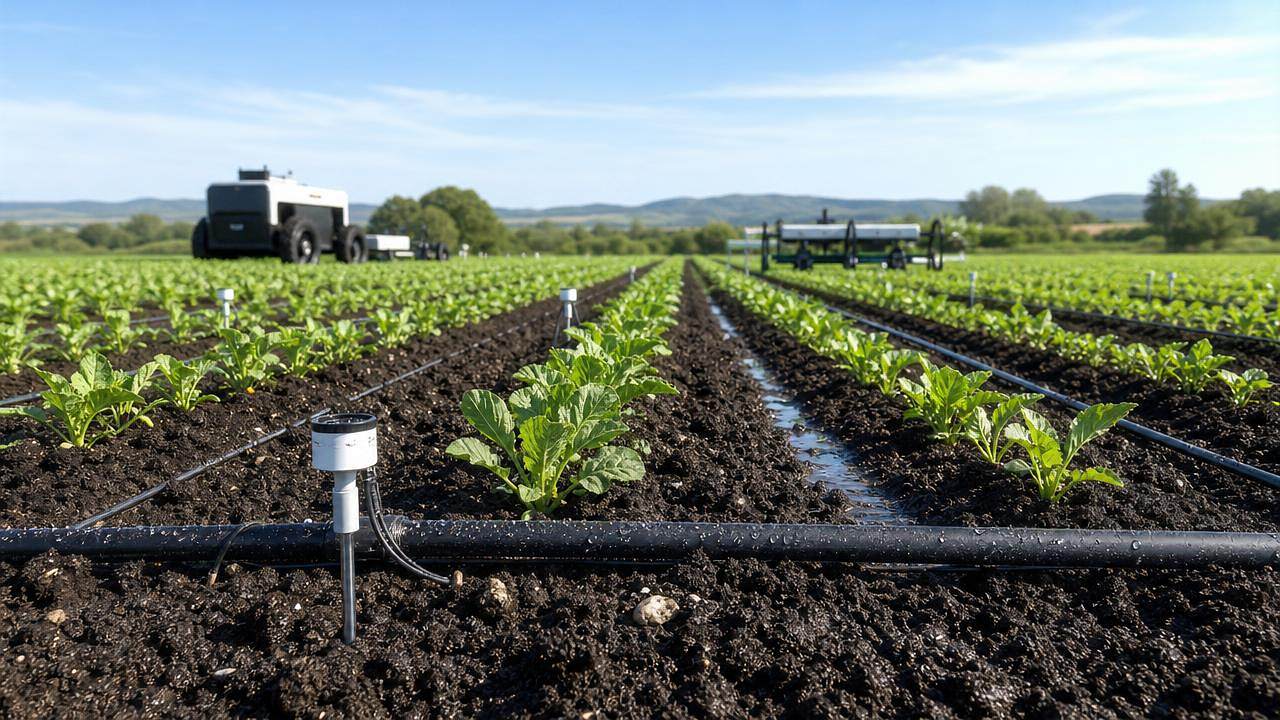




Sustainable Farming Practices for Climate Resilience: Soil, Water, and Crop Choices
As climate volatility reshapes global agriculture, enterprise leaders must evaluate how sustainable farming practices for climate resilience can protect yields, optimize resources, and strengthen long-term competitiveness.
From soil health and water efficiency to crop selection and intelligent machinery, today’s decisions determine tomorrow’s operational stability.
This article explores practical, technology-enabled strategies that align large-scale farming with food security, cost control, and sustainability goals.
Why Sustainable Farming Practices for Climate Resilience Need a Checklist
Climate risk is no longer a seasonal concern. Heatwaves, erratic rainfall, soil degradation, and water stress now affect planning across entire production cycles.
A checklist converts broad sustainability goals into field-level actions. It also helps align machinery investment, irrigation design, agronomy, and data systems.
For large-scale operations, sustainable farming practices for climate resilience must be measurable, repeatable, and connected to yield protection.
The strongest programs combine soil carbon management, precise water delivery, diversified crops, and intelligent equipment feedback.
Core Checklist for Climate-Resilient Farming Systems
Use this checklist to evaluate whether current practices can withstand drought, flooding, pest pressure, and input cost volatility.
- Map soil variability with sampling, conductivity scans, and yield data before changing tillage, fertilization, irrigation, or crop rotation plans.
- Build soil organic matter through cover crops, residue retention, compost, and reduced disturbance to improve water storage capacity.
- Adopt conservation tillage where suitable, but verify compaction layers with field probes and controlled traffic patterns.
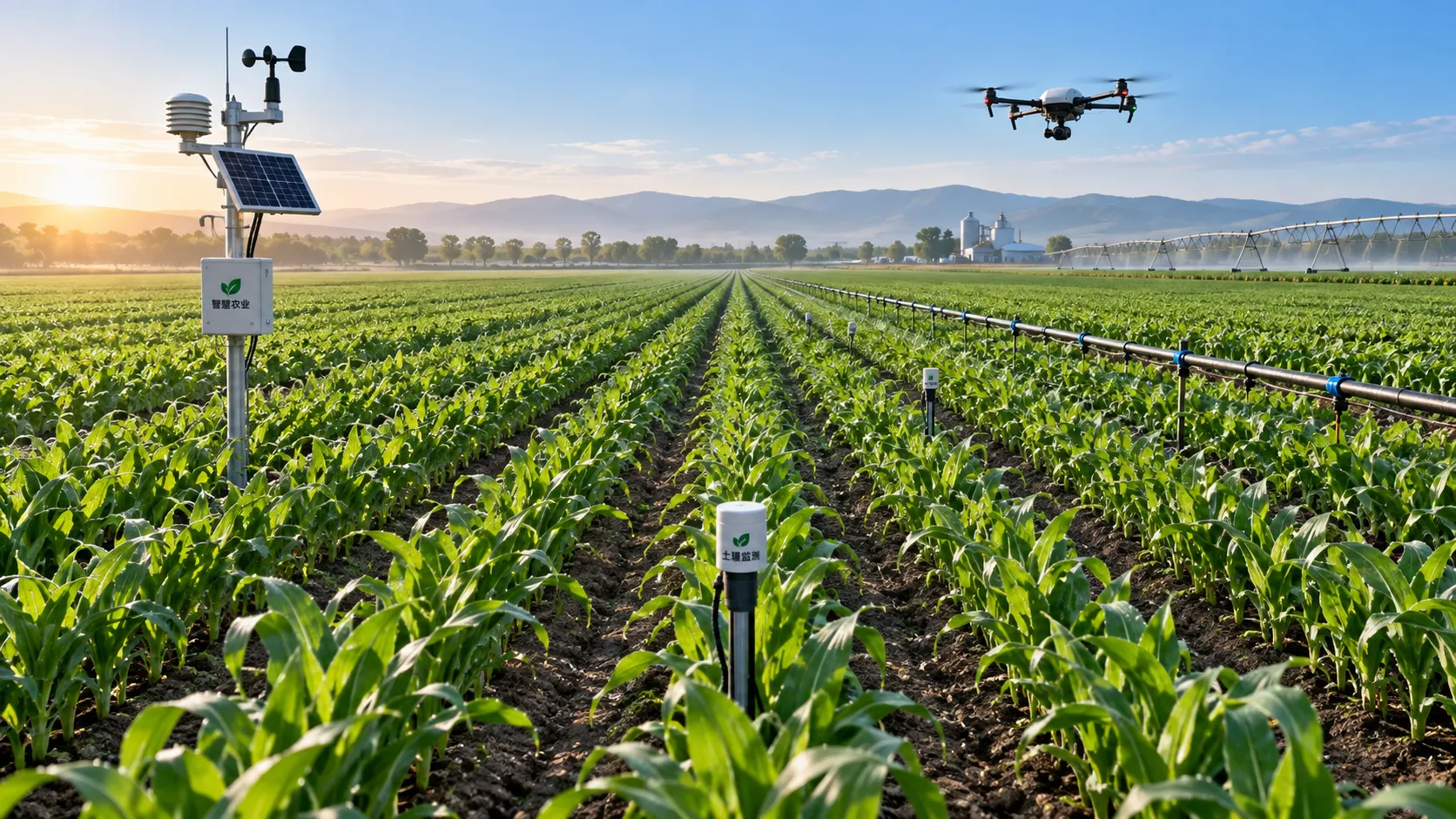
- Install moisture sensors, flow meters, and pressure monitoring to match irrigation timing with crop demand and soil conditions.
- Choose drought-tolerant, heat-adapted, or flood-resilient varieties based on local climate projections and historical yield stability.
- Diversify rotations with legumes, deep-rooted crops, and pest-breaking sequences to reduce disease and fertilizer dependence.
- Calibrate seeders, sprayers, harvesters, and irrigation controllers before peak workloads to prevent hidden efficiency losses.
- Use satellite imagery, drone scouting, and machine telematics to detect stress patterns before visible crop damage spreads.
- Track fuel, water, fertilizer, labor, and yield metrics together to evaluate sustainable farming practices for climate resilience.
- Review insurance, storage, marketing, and logistics risks because climate resilience extends beyond agronomy into supply continuity.
Soil Health Actions That Stabilize Yields
Soil is the first infrastructure layer of climate resilience. Healthy soil absorbs intense rainfall and supports crops during dry intervals.
Sustainable farming practices for climate resilience should start with organic matter, aggregation, biological activity, and erosion control.
Prioritize Carbon-Rich Ground Cover
Maintain residue on the surface whenever harvest systems allow it. Residue reduces evaporation, softens rainfall impact, and protects microbial habitats.
Cover crops can further improve infiltration. Select species by rooting depth, termination method, nitrogen contribution, and equipment compatibility.
Reduce Compaction with Controlled Traffic
Heavy machinery can damage wet soils quickly. Controlled traffic confines compaction to planned lanes and protects root zones.
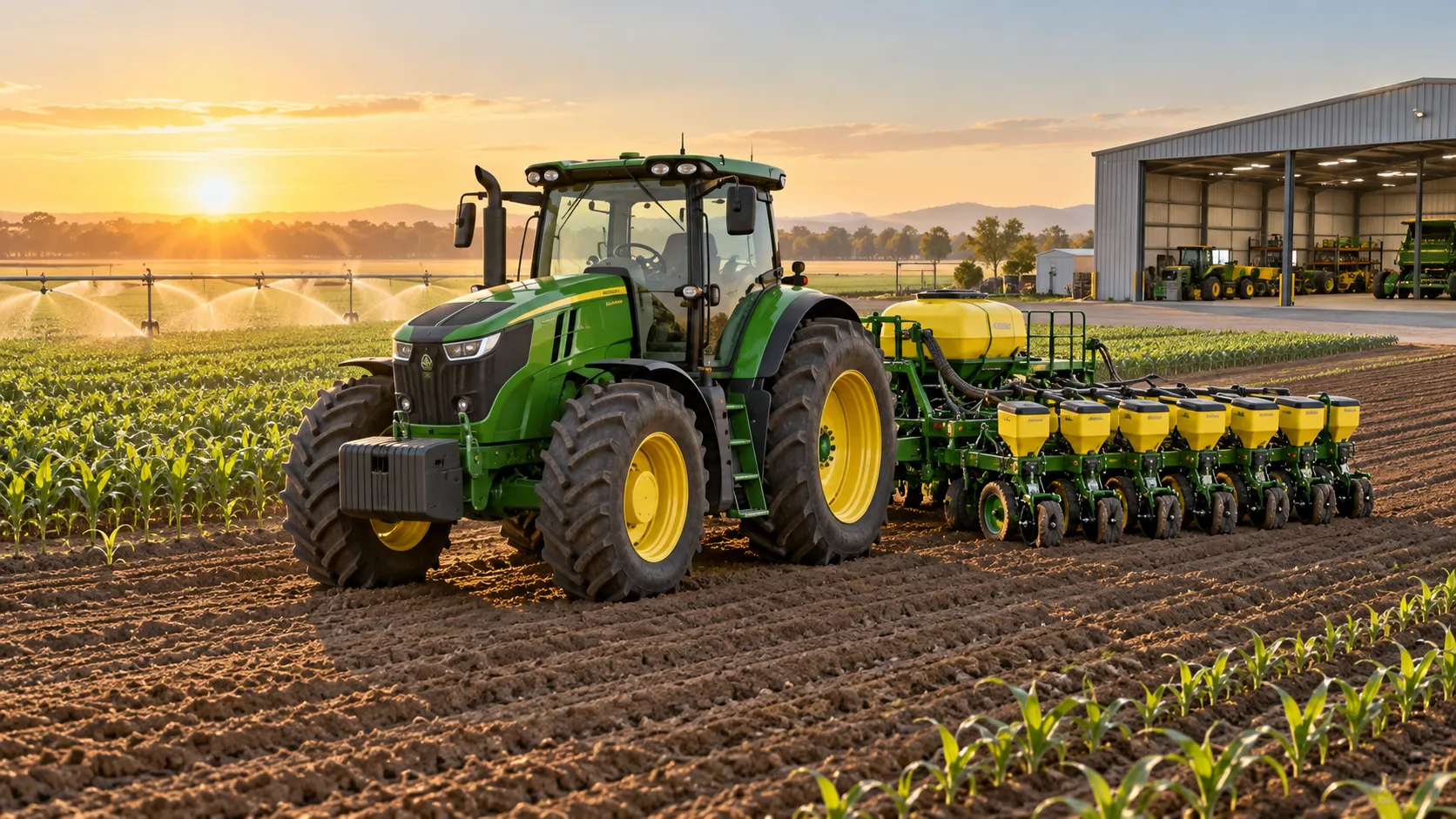
Tractor chassis performance, tire pressure systems, and axle load planning all influence soil resilience under demanding field conditions.
Water Management for Drought and Flood Variability
Water strategy is central to sustainable farming practices for climate resilience. The goal is not simply using less water.
The real objective is delivering the right amount at the right time while preventing runoff, salinity, and energy waste.
- Schedule irrigation from sensor readings, weather forecasts, crop growth stages, and evapotranspiration models instead of fixed calendars.
- Shift suitable fields toward drip, micro-sprinkler, or low-pressure systems to reduce evaporation and improve distribution uniformity.
- Design drainage, grassed waterways, and retention areas to manage extreme rainfall without losing topsoil or nutrients.
- Audit pumps, filters, valves, and emitters regularly because small hydraulic losses become major costs across large irrigated areas.
Smart irrigation networks strengthen sustainable farming practices for climate resilience by linking hydrological data with field execution.
When moisture sensors, controllers, and equipment dashboards work together, irrigation decisions become faster and more defensible.
Crop Choices That Spread Climate Risk
Crop selection determines exposure to heat stress, water demand, pest cycles, harvest timing, and market volatility.
Sustainable farming practices for climate resilience require crop portfolios, not single-season reactions to weather damage.
Crop decisions should be tested against machinery capacity. Harvest windows, header types, grain handling, and residue loads matter.
A resilient crop plan fails if equipment bottlenecks create losses during narrow weather windows.
Technology and Machinery Integration
Agriculture 4.0 tools make sustainable farming practices for climate resilience more precise, but technology must solve defined field problems.
Combine harvesters, tractor chassis, intelligent implements, and irrigation systems generate valuable operational signals.
These signals can reveal soil compaction, yield gaps, moisture stress, fuel waste, and harvest loss patterns.
- Connect machine telematics with field maps to identify where fuel use, slippage, or operating delays indicate soil constraints.
- Use yield monitors and loss sensors to adjust harvest settings before weather changes increase shattering or lodging losses.
- Apply variable-rate seeding and fertilization where soil maps confirm meaningful differences in productivity and nutrient supply.
- Integrate irrigation dashboards with weather data so water-saving decisions reflect both field conditions and climate forecasts.
Technology should improve decisions, not add complexity. Start with metrics that clearly link to profit, yield, or resource efficiency.
Scenario Notes for Different Production Conditions
Dryland Grain Systems
Dryland systems depend heavily on stored soil moisture. Residue retention, fallow management, and drought-tolerant varieties are critical.
Sustainable farming practices for climate resilience should focus on minimizing evaporation and matching plant density with water availability.
Irrigated High-Value Crops
Irrigated systems face rising energy costs and water allocation limits. Precision scheduling and filtration maintenance deliver immediate value.
Sensor-based irrigation also supports quality control, especially where fruit size, uniformity, or nutrient concentration affects market returns.
Large-Scale Mechanized Operations
Large operations require synchronization between agronomy and machinery logistics. Resilience depends on capacity during short working windows.
Combine throughput, grain cart routing, implement uptime, and service planning all influence climate adaptation performance.
Commonly Missed Risks in Climate-Resilient Farming
Ignoring soil biology: Chemical fertility alone cannot build resilience. Microbial activity supports nutrient cycling, aggregation, and root function under stress.
Overlooking drainage: Drought planning often receives more attention, yet extreme rainfall can erase topsoil, delay fieldwork, and reduce root oxygen.
Underestimating equipment calibration: A poorly calibrated planter, sprayer, harvester, or irrigation system can weaken sustainable farming practices for climate resilience.
Using data without standards: Inconsistent field names, sensor locations, and measurement intervals make long-term climate analysis unreliable.
Choosing crops without market alignment: Resilient crops still require storage, processing access, transport planning, and dependable demand channels.
Practical Execution Roadmap
Implementation works best when actions are phased. Start with diagnostics, then prioritize upgrades by risk reduction and financial return.
- Establish baseline maps for soil organic matter, yield variability, water use, machinery efficiency, and climate exposure.
- Rank fields by vulnerability, including erosion risk, irrigation limits, compaction, drainage constraints, and crop failure frequency.
- Select two or three practices for field trials before scaling across the entire production area.
- Measure results using yield stability, input efficiency, water productivity, soil indicators, and operational downtime.
- Update machinery, irrigation, and crop plans annually based on evidence rather than habit or short-term weather memory.
Sustainable farming practices for climate resilience should be reviewed after every season. Climate adaptation is a management cycle, not a one-time project.
Summary and Next Actions
Resilient agriculture depends on three connected foundations: living soil, efficient water systems, and crop choices matched to climate risk.
Machinery intelligence and precision farming data make these foundations easier to monitor, adjust, and scale across complex operations.
The next step is a structured field audit. Identify the weakest link in soil, water, crop, or equipment performance.
Then build a seasonal action plan around measurable improvements. Sustainable farming practices for climate resilience become powerful when every field decision supports long-term stability.
Related News
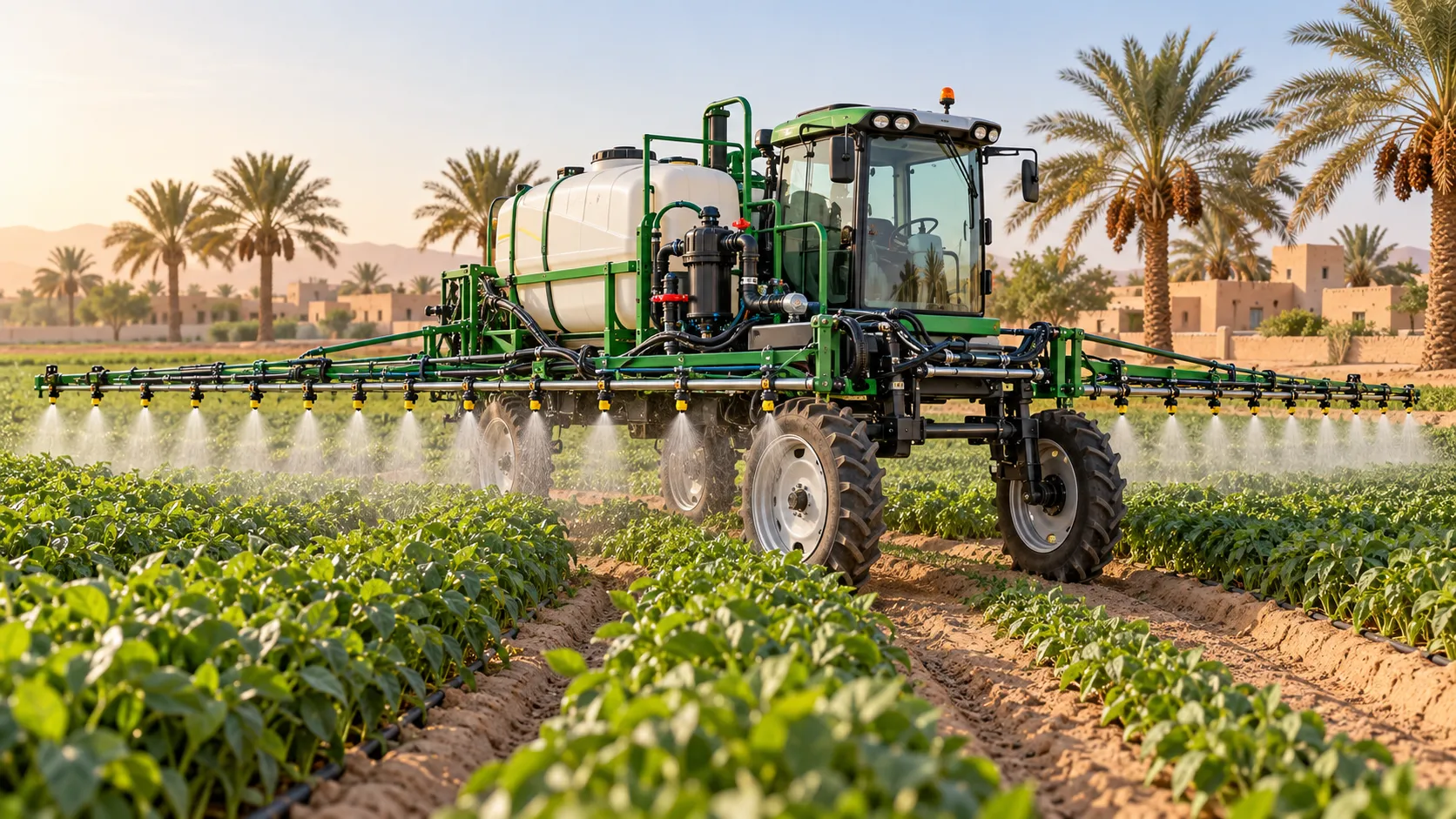
Choosing Crop Protection Equipment for Hot, Windy Middle Eastern Farms
Compare crop protection equipment Middle East farms need for hot, windy conditions. Discover key nozzle, drift-control, and durability checks to choose the right sprayer.
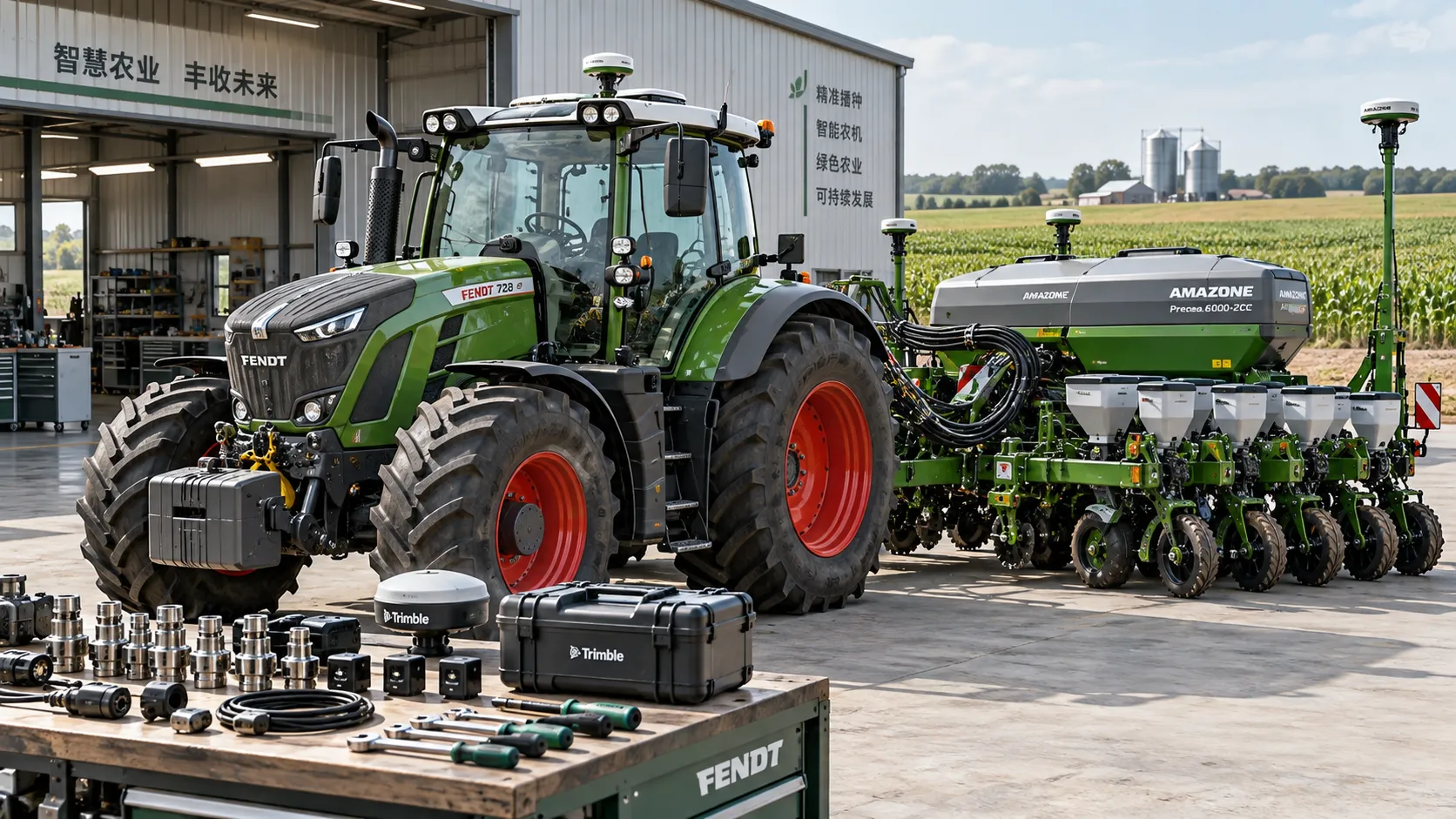
Choosing an Agriculture 4.0 Supplier: Compatibility, Support, and Total Cost
Choose an Agriculture 4.0 supplier with confidence. Learn how to verify compatibility, assess support, and compare total ownership costs to avoid hidden fees and costly downtime.
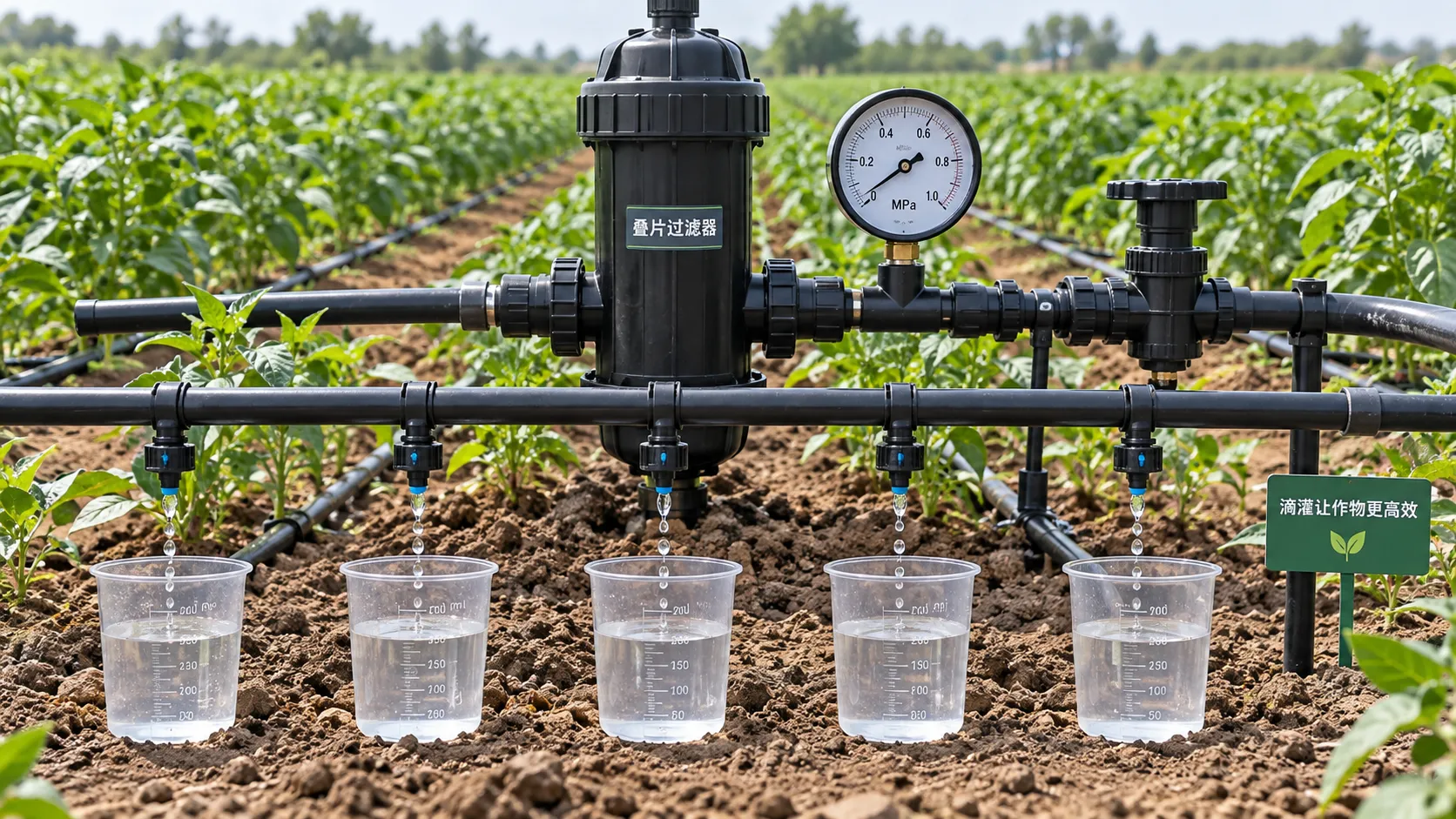
Low-Pressure Drip Irrigation: How to Fix Uneven Watering Without Raising Pressure
Optimize low pressure water-saving irrigation systems: discover how to fix uneven watering, clear blockages, and reduce hydraulic losses without raising supply pressure.
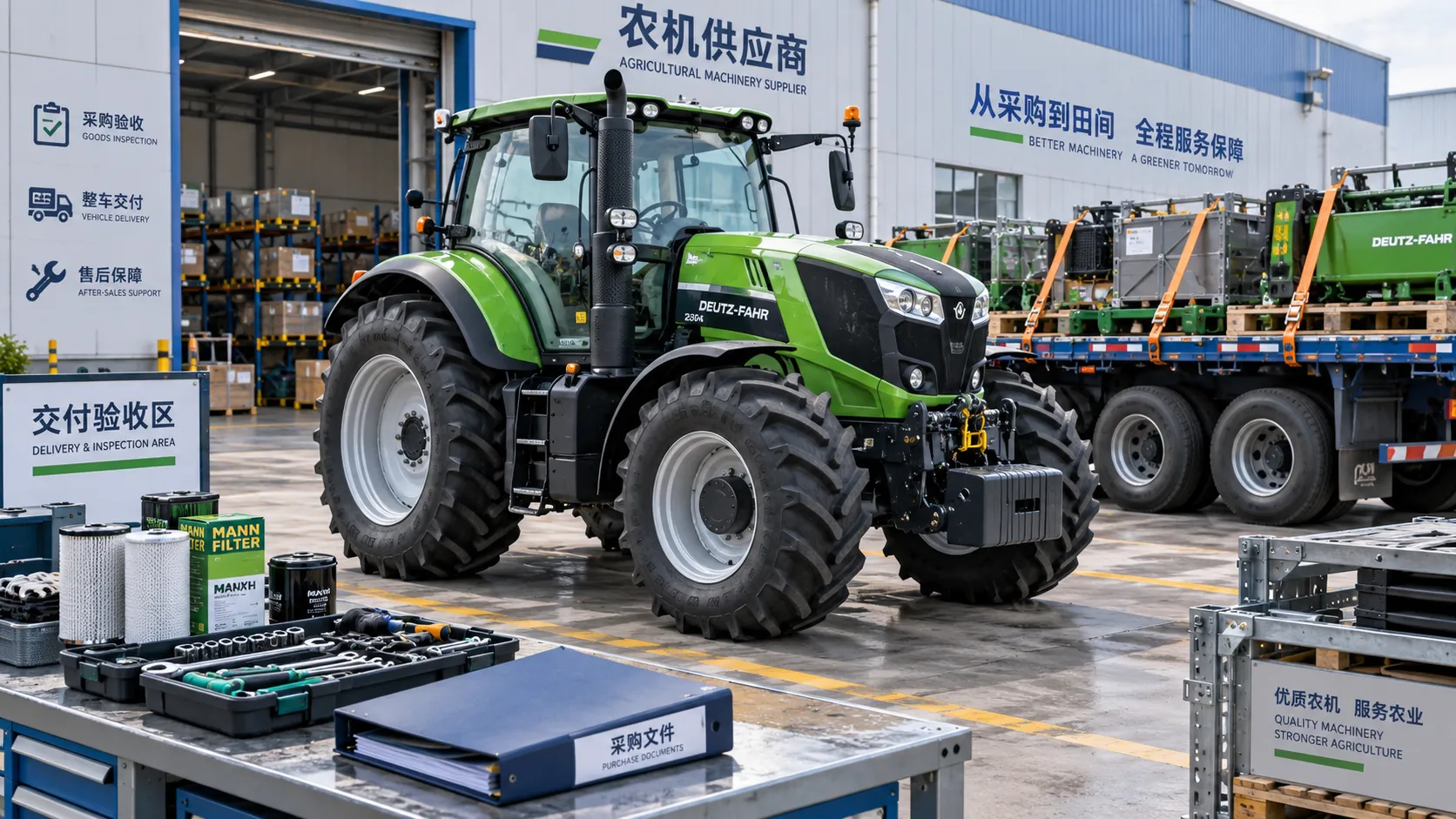
Comparing Farm Equipment Supplier Quotes: Price, Freight, and Warranty
Simplify supplier comparison for farm equipment price: assess freight, field-ready costs, and warranty coverage. Learn how to avoid hidden charges and choose a reliable supplier.
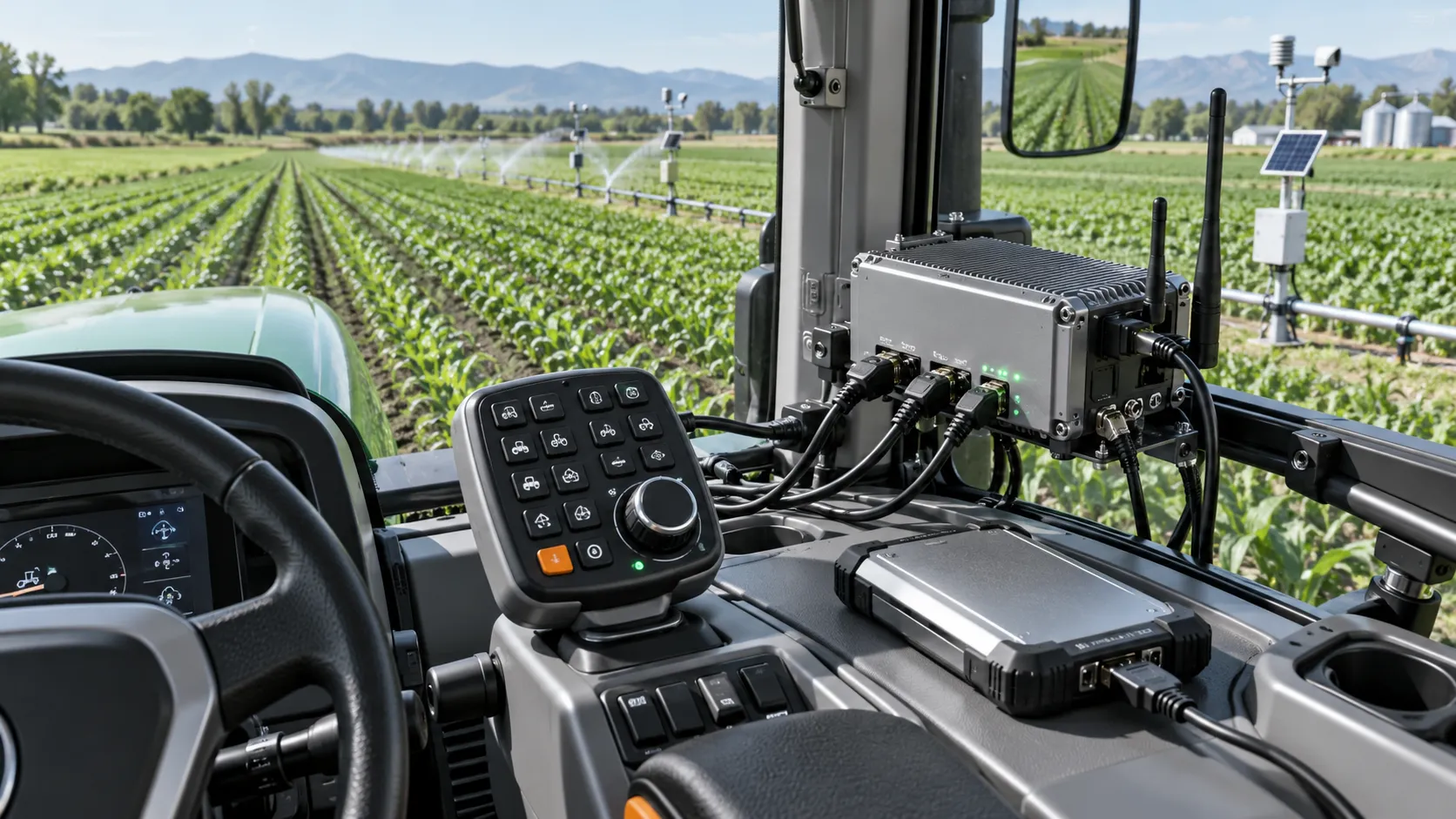
Choosing a Digital Farming Platform Provider: Compatibility and Data Ownership
Compare digital farming platforms providers on equipment compatibility, data ownership, and export rights. Discover practical checks to avoid lock-in and choose with confidence.
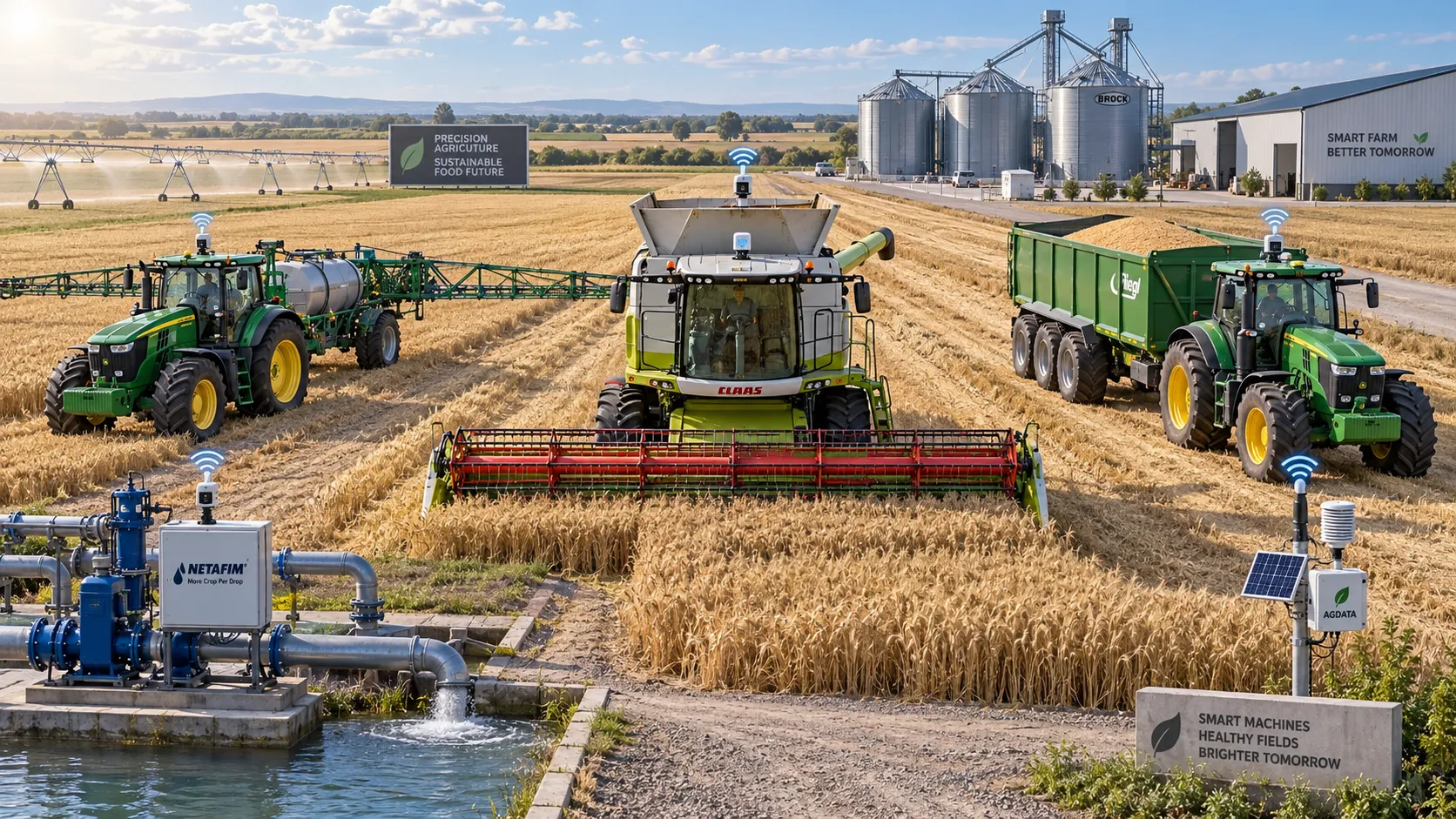
How Large-Scale Farm Telematics Cuts Downtime Across Mixed Fleets
Large-scale farm equipment telematics cuts mixed-fleet downtime with real-time alerts, smarter maintenance, and stronger operational control. Learn how to protect critical farm workflows.
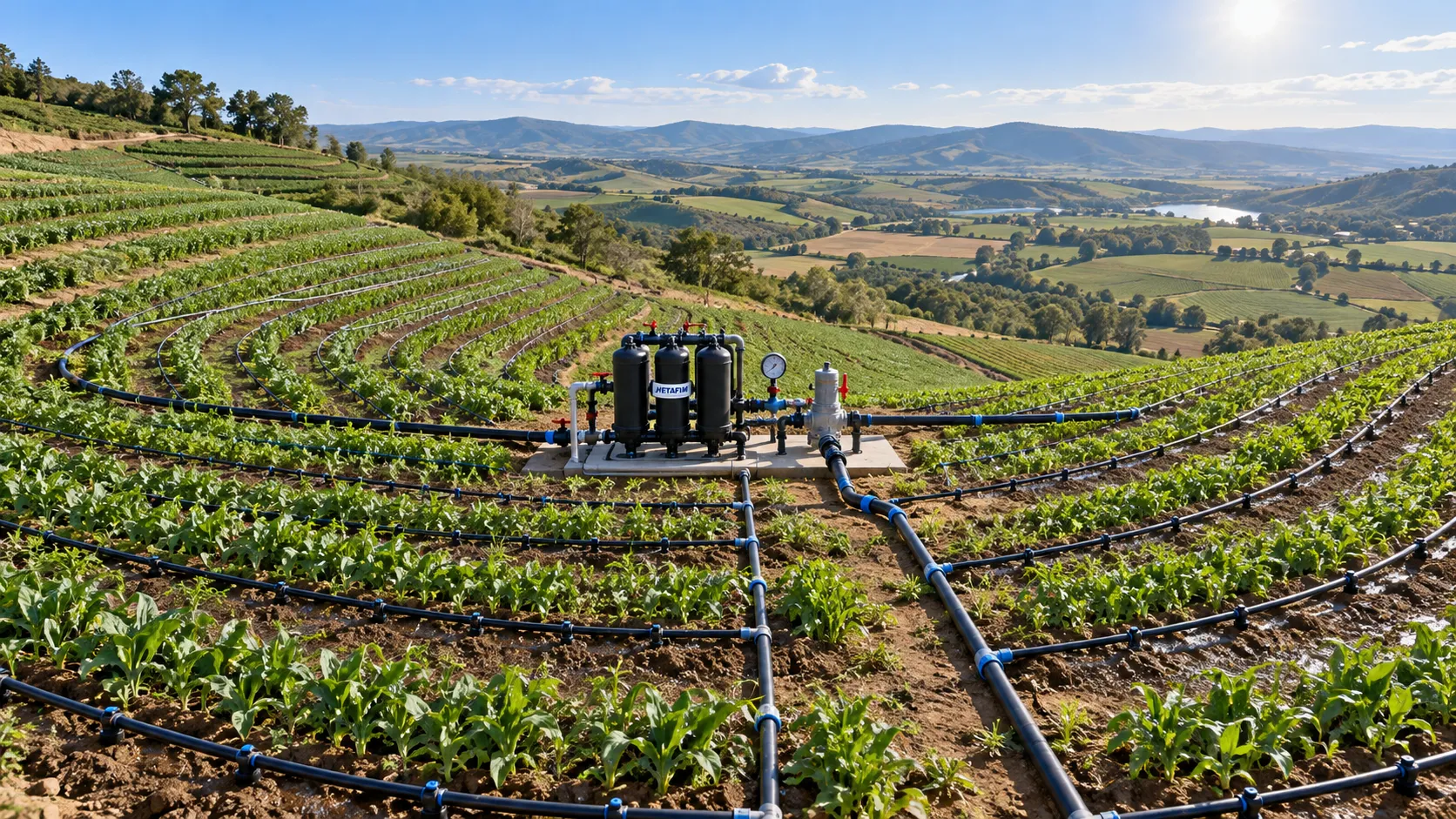
How to Size Low-Pressure Water-Saving Irrigation Systems for Uneven Fields
Low pressure water-saving irrigation systems for uneven fields: learn zoning, pressure mapping, pipe sizing, and pump selection to improve uniformity and reduce water waste.
Farm Machinery Sourcing: How to Vet Suppliers, Specs, and Lifecycle Costs
Farm machinery information for sourcing: learn to vet suppliers, compare specifications, control lifecycle costs, and secure reliable uptime for smarter equipment purchases.
When digital crop monitoring detects stress before visible damage
Digital crop monitoring detects early stress signals before visible damage, helping growers verify risks, protect crop quality, optimize irrigation, and take targeted action faster.
Related News
- 00
0000-00
What maintenance challenges come with hybrid agricultural machines? - 00
0000-00
Can hybrid propulsion systems reduce fuel use in farm machinery? - 00
0000-00
How Does Farm Mechanization Affect Food Security in Developing Regions? - 00
0000-00
Agricultural Technology Insights by Region: Where Adoption Is Growing Fastest - 00
0000-00
How Climate-Smart Agriculture Technology Improves Yield, Soil Health, and Risk Resilience
Popular Tags
Prof. Marcus Chen
Weekly Insights
Stay ahead with our curated technology reports delivered every Monday.