
How to Select a Broiler Wooden Chicken Cage in Nigeria for Farm Use
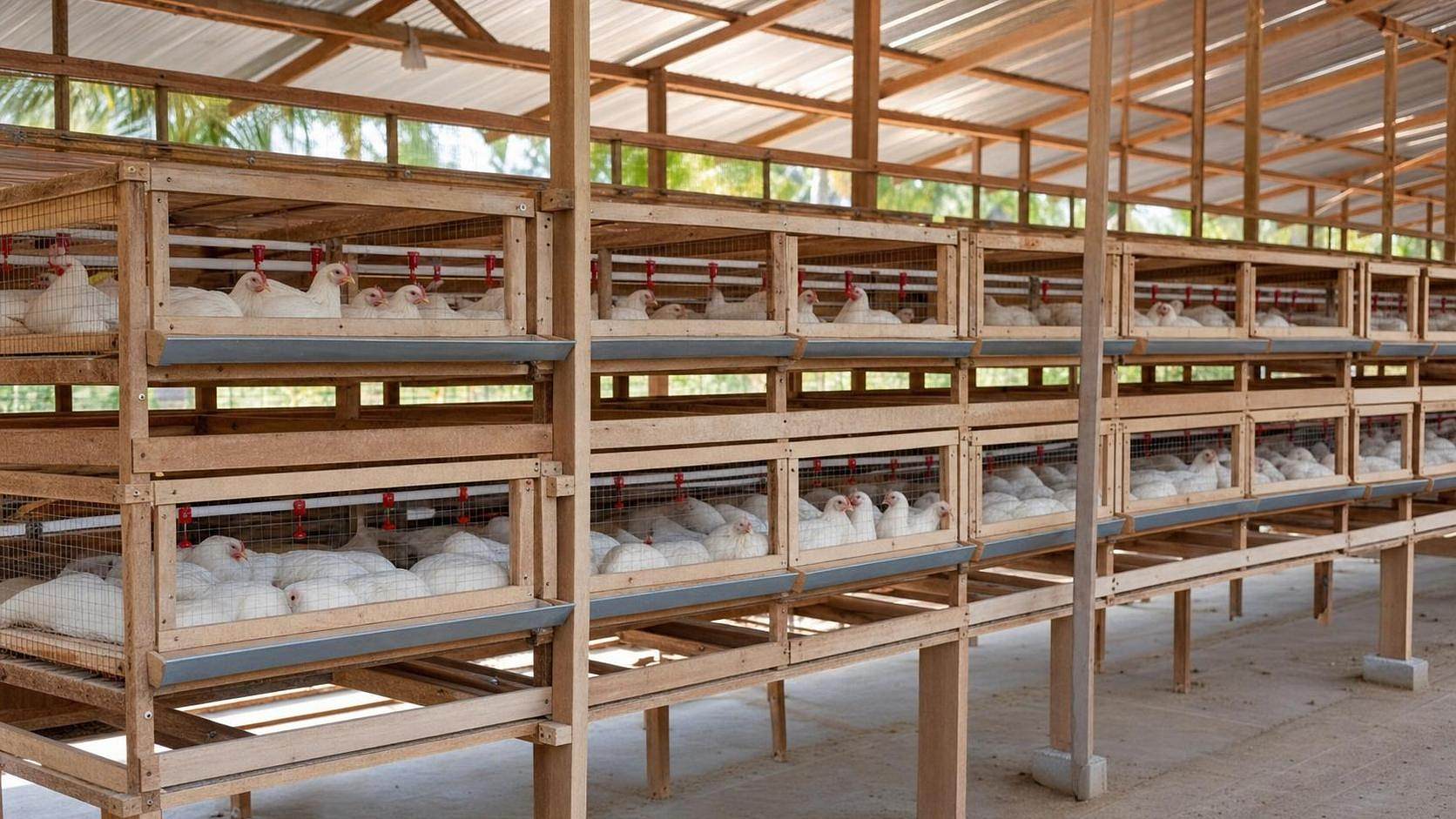




How to Select a Broiler Wooden Chicken Cage in Nigeria for Farm Use
Selecting housing equipment for broiler production in Nigeria is no longer a simple matter of choosing the cheapest structure that can hold birds. Farm operators are under pressure to improve survival rates, control feeding costs, use available land more efficiently, and keep daily management practical for workers. In that environment, a wooden cage system may appear attractive because of its lower material cost, familiarity in local construction practice, and flexibility for small or medium farm setups. Even so, not every cage is suitable for modern broiler management, and poor selection can create recurring problems that are expensive to fix after installation.
For users, technical evaluators, buyers, and project managers, the key issue is whether the cage fits the actual operating conditions of the farm. A cage that works in one location may perform poorly in another if ventilation is weak, cleaning access is limited, or timber quality is inconsistent. The decision should therefore be based on a practical review of bird welfare, labor efficiency, structural durability, hygiene control, and expected service life rather than appearance alone.
Why This Topic Matters for Nigerian Broiler Farms
Nigeria’s poultry sector includes a wide range of operations, from small farms expanding in stages to larger producers standardizing equipment across multiple units. In many cases, broiler housing decisions are shaped by a combination of capital limits, local material availability, and the need to start production quickly. Wooden cage systems can meet some of these needs, especially where producers want a structure that can be fabricated, adjusted, or repaired with relatively accessible skills and tools.
However, broilers grow quickly, generate significant heat and moisture, and require consistent access to feed and water. If the cage system is difficult to clean, poorly ventilated, or structurally weak, the resulting stress on birds can reduce feed conversion performance and increase losses. For procurement teams, the issue is not only purchase price. It is the total operational effect over time, including maintenance cycles, replacement frequency, sanitation effort, and the impact on flock uniformity.
A more disciplined selection process also matters because farm expansion often happens in phases. When one shed is equipped with a poorly considered design, later expansion may be forced to repeat the same weaknesses or absorb costly redesign work. That makes early equipment evaluation especially important for project leads responsible for long-term farm planning.
Core Selection Criteria
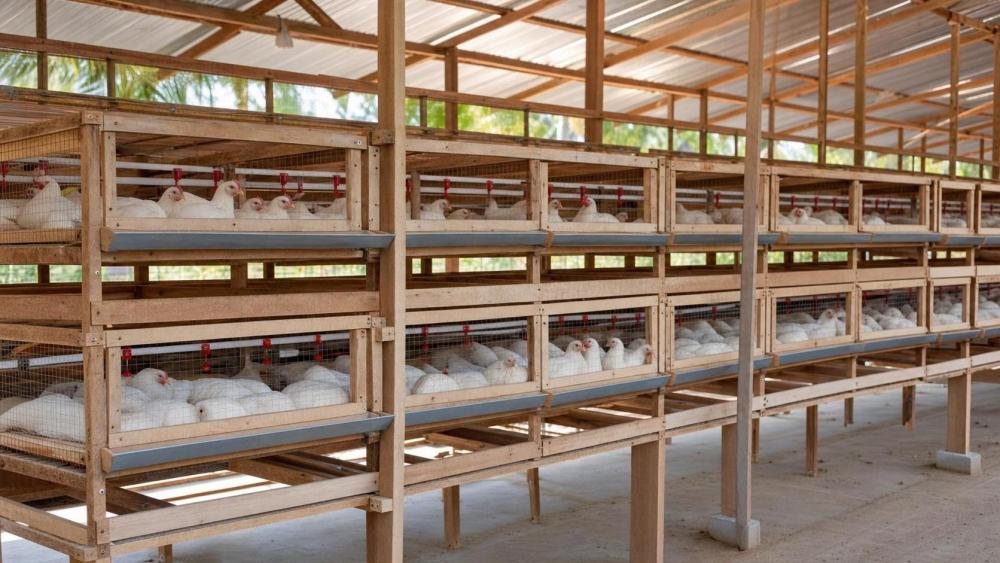
The first point to examine is timber quality. Wood used in a broiler cage should be adequately seasoned, dimensionally stable, and less vulnerable to rapid warping or rot in humid farm conditions. Fresh or poorly treated wood may look acceptable at delivery but can twist, crack, or absorb moisture after use. This affects structural balance and creates surfaces that are harder to disinfect. Buyers should ask detailed questions about wood preparation, thickness consistency, and expected behavior under repeated washing and daily poultry exposure.
The second factor is structural layout. Broiler cages must support bird weight as the flock approaches market size, while still allowing enough space for movement, feeding, and inspection. Weak joints, uneven support spacing, or narrow access points can turn routine management into a labor-intensive task. A practical design should make it easy for workers to observe birds, remove weak stock, clean drinker lines, and handle loading at harvest time.
Ventilation compatibility is another major issue. In many Nigerian farming environments, temperature control depends heavily on natural airflow, building orientation, and basic ventilation assistance rather than highly automated climate systems. A cage design that blocks air movement too much can trap heat and moisture around the birds. Technical evaluators should review how the cage arrangement interacts with the building width, side openings, roof height, and local weather patterns. Good housing equipment should support the airflow strategy of the shed instead of working against it.
Floor and waste management design also deserve close attention. Broiler operations require frequent control of litter, droppings, and wet areas to reduce disease pressure and odor buildup. If waste drops into areas that are difficult to access, or if water leakage frequently wets wooden members, the farm may face faster deterioration and more hygiene-related problems. The best choice is usually one that simplifies drainage, minimizes water contact with wood, and allows regular cleaning without dismantling sections of the cage.
What Procurement and Technical Teams Should Compare
Selection becomes clearer when teams compare options across operational criteria instead of relying on vendor claims or assumptions. A useful review usually includes material quality, ease of installation, replacement of damaged parts, compatibility with feeders and drinkers, and how the system fits planned flock density. In many cases, a moderately priced system with better access and longer durability can outperform a lower-cost option that creates constant maintenance work.
For teams reviewing equipment options in this segment, broiler wooden chicken cage in Nigeria may be assessed as part of a wider housing decision that includes farm scale, seasonal operating conditions, labor capability, and the expected balance between upfront cost and long-term upkeep.
Common Mistakes During Selection
One common mistake is treating all wooden cage systems as interchangeable. Similar-looking units can differ significantly in timber density, fastener quality, joint strength, and protective treatment. These details are not minor. They often determine whether the cage remains stable after months of feeding, washing, and exposure to manure and humidity.
Another mistake is ignoring workflow. A cage may fit inside the building but still create poor working conditions if access aisles are too narrow, feed distribution is awkward, or bird inspection points are limited. Operators often feel these weaknesses first, because they are the ones dealing with routine tasks every day. Their practical feedback should be included before procurement is finalized.
A third issue is underestimating maintenance. Wooden systems generally require regular inspection for moisture damage, loose connections, surface wear, and sanitation effectiveness. Farms that do not plan for periodic upkeep may find that short-term savings disappear through repeated repair work or premature replacement. Project managers should therefore align equipment choice with realistic maintenance capacity, not ideal assumptions.
Selection Priorities by Farm Situation
Small and developing farms often prioritize affordability and straightforward installation. In these cases, the right choice is usually a design that keeps construction simple while still maintaining decent durability and manageable cleaning access. Overly complex layouts may not add value if labor skills, spare parts, or technical support are limited.
Medium-scale farms typically need better standardization. As bird numbers increase, inconsistency in cage dimensions, feeder placement, or repair quality can create uneven flock performance across batches. For these operations, it is helpful to choose a system that can be repeated across houses with predictable maintenance routines and easier staff training.
Larger commercial operations or expansion projects may place greater weight on lifecycle cost, construction scheduling, and integration with broader farm infrastructure. Here, the question is less about whether wood can work and more about whether the selected design supports a disciplined management model. If cleaning, ventilation, stocking density, and harvest logistics are all tightly managed, the cage system must fit that level of operational control.
Practical Questions Before Final Approval
- Will the timber hold its shape under repeated humidity exposure and routine sanitation?
- Can workers easily inspect birds, clean the structure, and perform daily feeding and watering tasks?
- Does the cage design support airflow rather than restricting it inside the poultry house?
- Are replacement parts or repair methods practical under local operating conditions?
- Is the system suitable for the target flock size and the farm’s expansion plan?
- Will the expected maintenance burden match the farm’s labor and management capacity?
These questions help keep the decision grounded in farm reality. They also reduce the risk of selecting a system that appears economical at the beginning but becomes inefficient during daily use. In broiler production, operational convenience and hygiene control often matter as much as the material itself.
Conclusion
Choosing a broiler wooden chicken cage for farm use in Nigeria requires more than a quick comparison of dimensions or price. The better approach is to evaluate how the cage will perform under local climate pressure, daily labor routines, sanitation demands, and flock growth patterns. For operators, technical reviewers, purchasing teams, and project leaders, the strongest decision is usually the one that supports stable production over time rather than the one with the lowest initial cost.
When the selection process focuses on material quality, structural stability, airflow compatibility, and maintenance practicality, farms are in a better position to protect bird performance and control avoidable costs. That makes the cage not just a physical structure, but a long-term management decision with direct influence on efficiency and production outcomes.
Related News
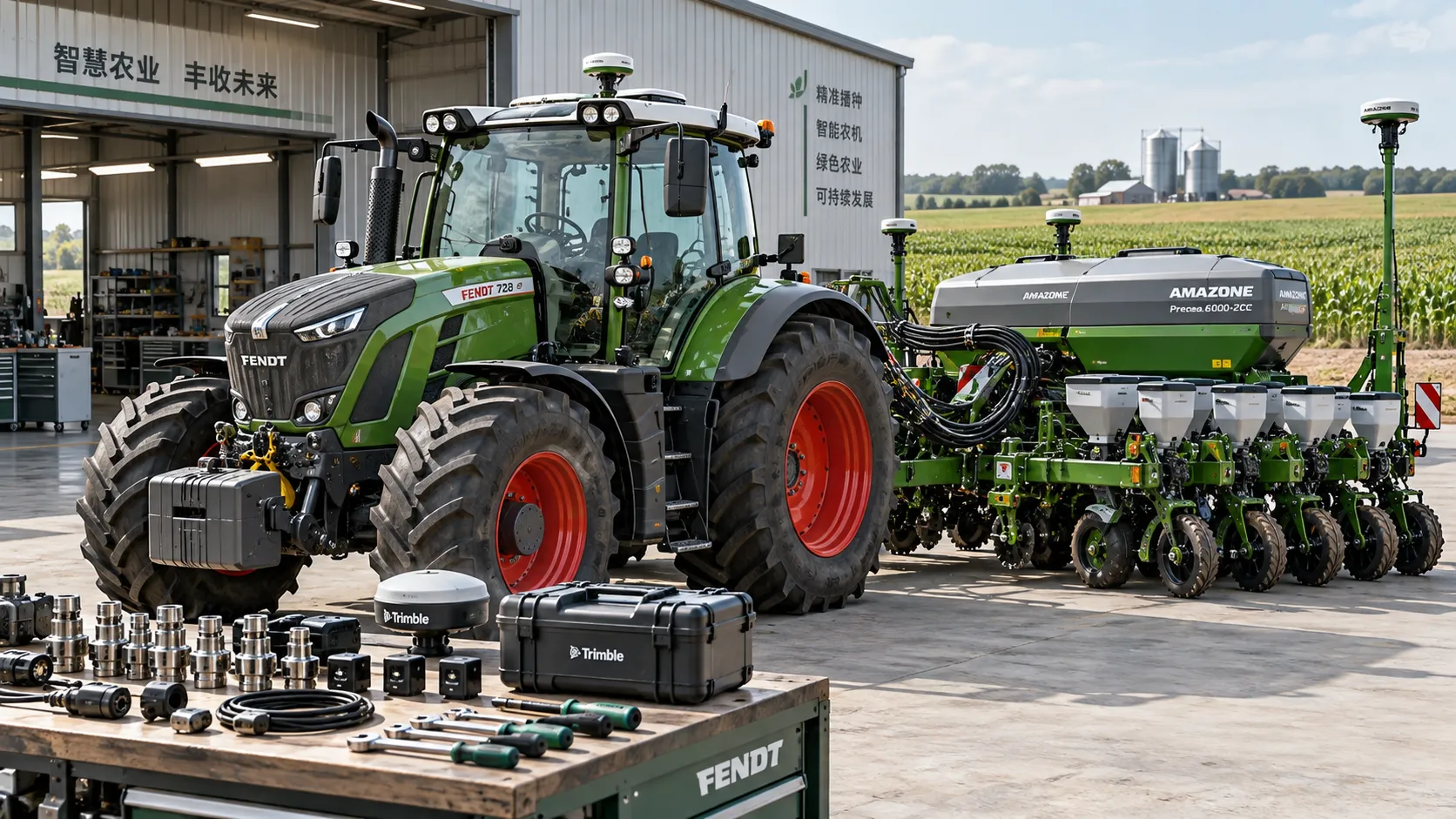
Choosing an Agriculture 4.0 Supplier: Compatibility, Support, and Total Cost
Choose an Agriculture 4.0 supplier with confidence. Learn how to verify compatibility, assess support, and compare total ownership costs to avoid hidden fees and costly downtime.
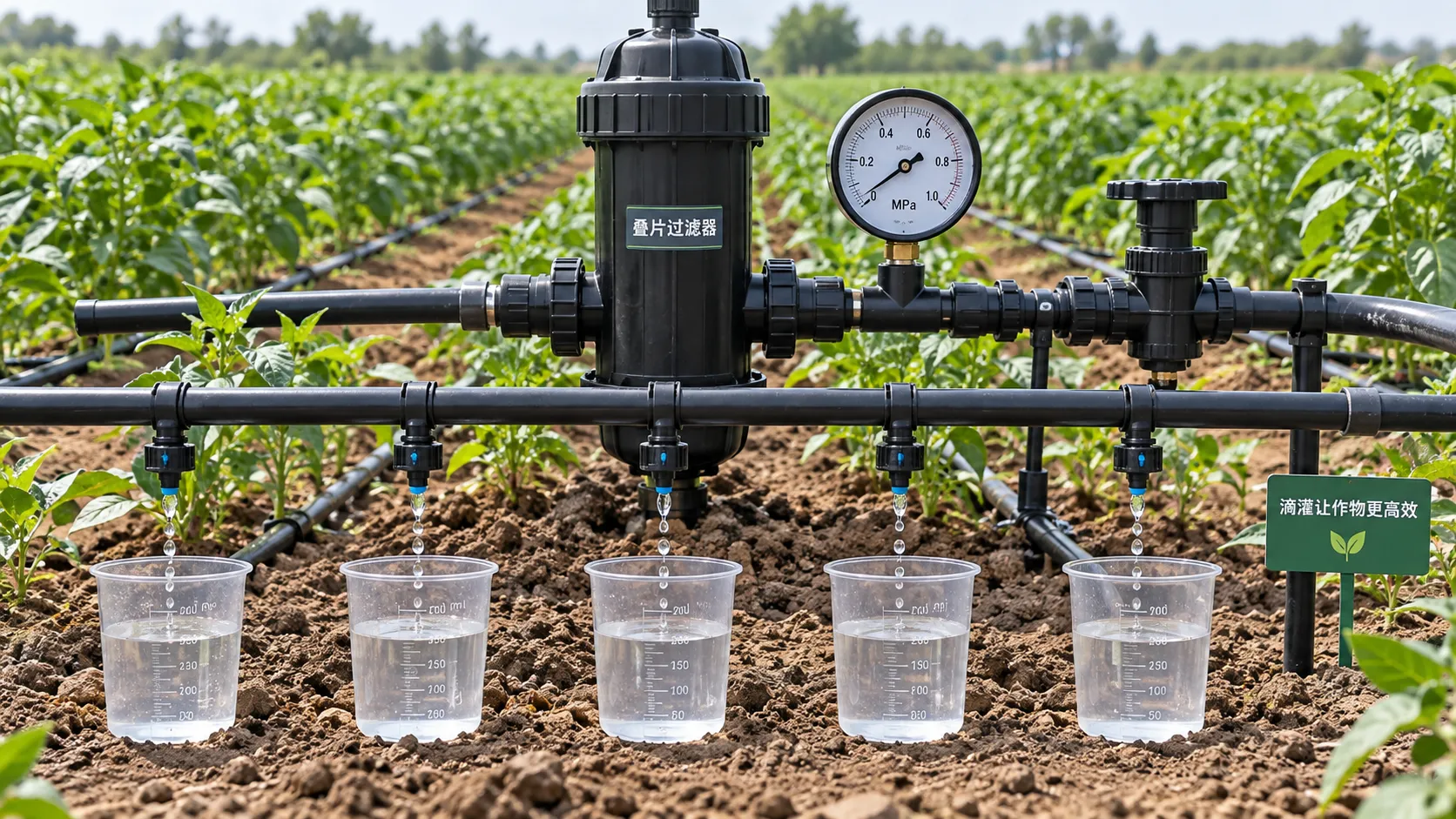
Low-Pressure Drip Irrigation: How to Fix Uneven Watering Without Raising Pressure
Optimize low pressure water-saving irrigation systems: discover how to fix uneven watering, clear blockages, and reduce hydraulic losses without raising supply pressure.
Comparing Farm Equipment Supplier Quotes: Price, Freight, and Warranty
Simplify supplier comparison for farm equipment price: assess freight, field-ready costs, and warranty coverage. Learn how to avoid hidden charges and choose a reliable supplier.
Choosing a Digital Farming Platform Provider: Compatibility and Data Ownership
Compare digital farming platforms providers on equipment compatibility, data ownership, and export rights. Discover practical checks to avoid lock-in and choose with confidence.
How Large-Scale Farm Telematics Cuts Downtime Across Mixed Fleets
Large-scale farm equipment telematics cuts mixed-fleet downtime with real-time alerts, smarter maintenance, and stronger operational control. Learn how to protect critical farm workflows.
How to Size Low-Pressure Water-Saving Irrigation Systems for Uneven Fields
Low pressure water-saving irrigation systems for uneven fields: learn zoning, pressure mapping, pipe sizing, and pump selection to improve uniformity and reduce water waste.
Farm Machinery Sourcing: How to Vet Suppliers, Specs, and Lifecycle Costs
Farm machinery information for sourcing: learn to vet suppliers, compare specifications, control lifecycle costs, and secure reliable uptime for smarter equipment purchases.
How telemetry for agriculture helps identify equipment downtime
Telemetry for agriculture helps detect early warning signs, prioritize maintenance, and reduce costly equipment downtime before field operations are disrupted.
What maintenance challenges come with hybrid agricultural machines?
Hybrid agricultural machines demand smarter maintenance. Discover key challenges in high-voltage safety, batteries, software diagnostics, cooling, and parts planning.
Related News
- 00
0000-00
Choosing an Agriculture 4.0 Supplier: Compatibility, Support, and Total Cost - 00
0000-00
Comparing Farm Equipment Supplier Quotes: Price, Freight, and Warranty - 00
0000-00
Choosing a Digital Farming Platform Provider: Compatibility and Data Ownership - 00
0000-00
How Large-Scale Farm Telematics Cuts Downtime Across Mixed Fleets - 00
0000-00
Farm Machinery Sourcing: How to Vet Suppliers, Specs, and Lifecycle Costs
Popular Tags
Ms. Elena Rodriguez
Weekly Insights
Stay ahead with our curated technology reports delivered every Monday.