
Large-Scale Farm Equipment Flow Rate: How to Size It for Field Capacity and Input Accuracy
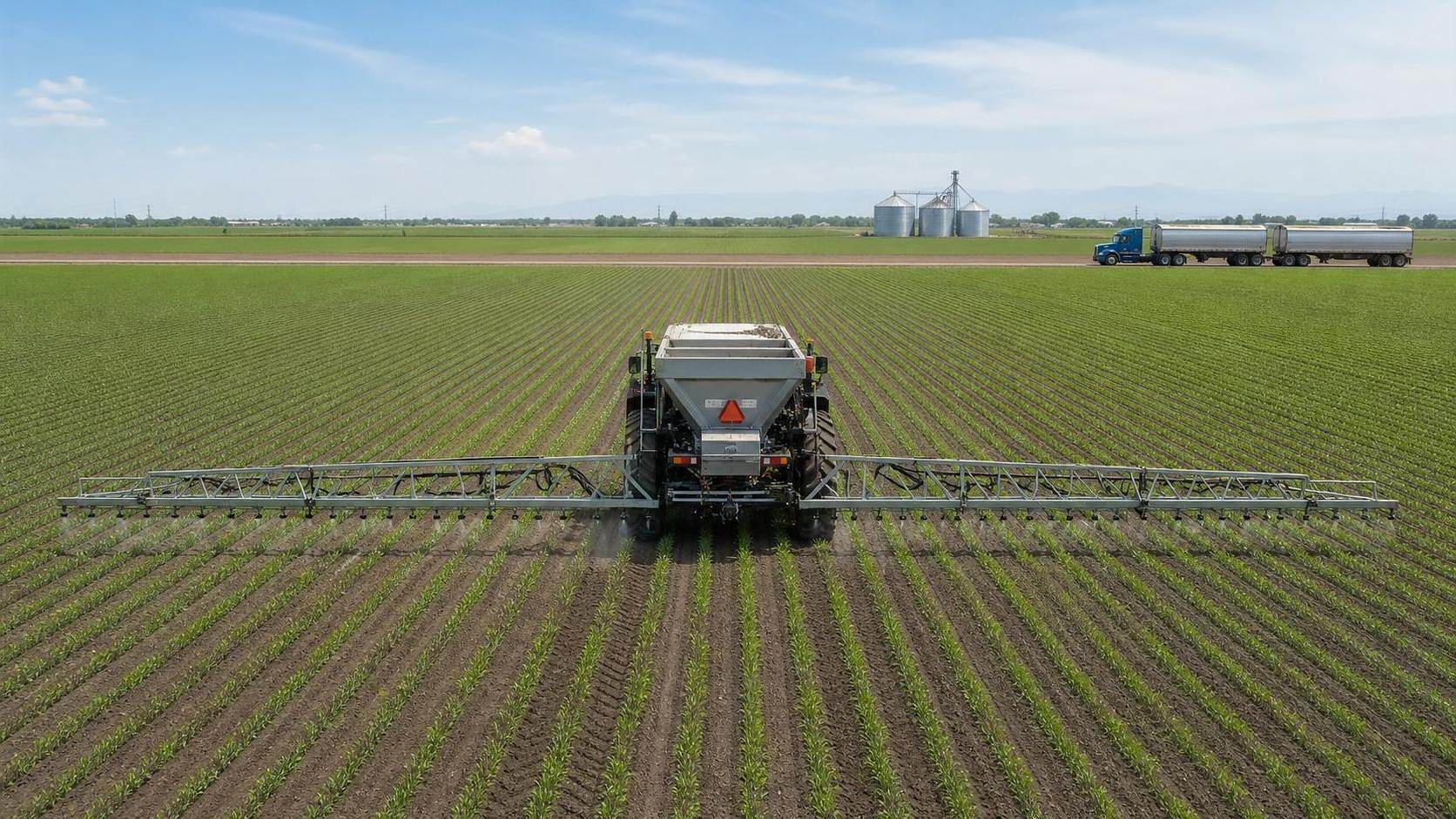




Large-Scale Farm Equipment Flow Rate: How to Size It for Field Capacity and Input Accuracy
For technical evaluation, large-scale farm equipment flow rate is not a secondary specification. It directly shapes hectares per hour, dose stability, refill frequency, and seasonal operating cost.
A machine can look powerful on paper and still fail in the field. The usual reason is poor matching between flow capacity, travel speed, working width, and target application rate.
That mismatch creates two expensive outcomes. First, field capacity drops below plan. Second, input accuracy drifts when crop load, terrain, or operator speed changes.
In practical selection work, large-scale farm equipment flow rate should be treated as a system value. It must align with meter design, control logic, power reserve, and real operating conditions.
The key question is simple: can the machine deliver the required material, at the required speed, across the required width, without losing uniformity?
Why flow rate matters more on larger machines
As machine width increases, the demand on the delivery system rises fast. A small flow shortfall becomes a major coverage loss when the implement spans more rows or more boom width.
The same is true when operating speed rises. Higher speed improves field capacity only if the metering and conveying system can keep pace without pulsing, lag, or pressure instability.
This is why large-scale farm equipment flow rate is central to selection. It links machine productivity with biological outcome, whether the task is seeding, fertilizing, spraying, or grain handling.
More importantly, larger units face stronger penalty from errors. Over-application wastes input across more hectares. Under-application can reduce stand quality, nutrient efficiency, or crop protection performance.
Start with the field capacity target
The first step is to define required effective field capacity, not theoretical capacity. Effective capacity reflects turning, refill time, overlap, headland losses, and field shape constraints.
A simple screening formula is useful:
Effective field capacity = working width x travel speed x field efficiency.
Working width is usually in meters. Travel speed is in kilometers per hour. Field efficiency is the correction factor that converts ideal performance into realistic output.
For technical comparison, field efficiency assumptions should stay conservative. Large rectangular fields may support 75% to 85%. Irregular fields or frequent refill events can push lower.
Once that target is fixed, large-scale farm equipment flow rate can be sized against the throughput needed to hold the planned application rate at the chosen operating speed.
Convert agronomic targets into required flow
The second step is to convert the agronomic dose into a machine throughput number. This is where many evaluations become too generic.
For liquid application, required flow depends on three variables: width, speed, and target volume per hectare. For granular materials, the structure is the same, but the material behavior changes.
A practical formula is:
Required flow = application rate x travel speed x working width.
Unit conversion must be handled carefully. Errors here make the rest of the evaluation meaningless, especially when comparing suppliers using different unit conventions.
In real operations, do not size exactly at the nominal requirement. Flow systems need headroom for rate changes, speed spikes, density variation, and partial blockage events.
A realistic selection margin is usually 15% to 30%, depending on crop variability and control quality. That buffer protects both field capacity and input accuracy.
Check the material, not just the number
Not every flow rate behaves the same. Water, slurry, seed, urea, blended fertilizer, and harvested grain place very different demands on the machine.
Viscosity, particle size, bulk density, moisture, and segregation tendency all affect actual throughput. A high catalog rating may only apply under easier material conditions.
This is especially important when reviewing large-scale farm equipment flow rate for pneumatic or auger-fed systems. Material bridging and feed inconsistency can reduce output long before the drive reaches its limit.
The more obvious signal is variation across the field. You may see average output close to target, while row-to-row or section-to-section accuracy still falls outside tolerance.
For that reason, ask for performance data by material type, moisture range, and distribution uniformity, not only maximum throughput figures.
The control system determines whether rated flow is usable
A machine may have enough mechanical capacity and still miss the target. The gap usually sits in sensing, actuation, or calibration logic.
For selection work, evaluate how quickly the system responds to speed change. Large-scale farm equipment flow rate must be dynamic, not only sufficient at steady-state conditions.
Important control questions include:
- How often is flow measured or estimated?
- How fast does the controller correct after acceleration?
- Is calibration single-point or multi-point?
- Can the system hold accuracy at low and high rates?
- Is section control integrated with rate control?
These details matter because input accuracy is often lost during transitions, not during stable mid-field passes.
Use a practical sizing table during comparison
A structured comparison keeps selection disciplined. The table below helps convert field goals into a screening requirement for large-scale farm equipment flow rate.
Common selection mistakes
One common mistake is sizing from average speed instead of peak working speed. In the field, operators often accelerate to recover lost time, which raises flow demand immediately.
Another mistake is trusting maximum rated flow without checking duty cycle. Some systems can hit the number briefly but cannot hold it across long passes or hot conditions.
A third mistake is ignoring refill and logistics. A strong large-scale farm equipment flow rate can still underperform if tank size, tender support, or unloading speed creates frequent stoppage.
There is also the issue of future flexibility. If variable rate plans, wider implements, or denser crop conditions are expected, current sizing should include that operating envelope.
In short, the best decision is rarely the machine with the highest catalog number. It is the machine with enough stable flow, enough control quality, and enough reserve for real work.
A practical decision framework
A usable comparison process can be kept simple and strict.
- Define the required hectares per day and the acceptable operating window.
- Convert that into effective field capacity using realistic efficiency.
- Set the agronomic target rate and the likely speed range.
- Calculate required flow and add a reserve margin.
- Check performance against actual materials and expected variability.
- Review controller response, calibration depth, and section accuracy.
- Test the whole system against refill, unloading, and support logistics.
This approach keeps large-scale farm equipment flow rate tied to operational outcomes. That is where selection value becomes visible.
From a longer-cycle asset view, the right sizing decision also improves machine utilization, input return, and service predictability. Those factors matter as much as the purchase specification.
For AP-Strategy readers, the stronger signal in today’s market is integration. Mechanical throughput, digital control, and agronomic accuracy are now evaluated as one system.
That also means evaluation standards should rise. Ask for data under load, during transitions, across materials, and over full working days.
When large-scale farm equipment flow rate is sized with that discipline, field capacity becomes more predictable and input accuracy becomes easier to protect.
The result is a machine choice that performs well beyond the brochure: steady output, cleaner agronomic execution, and lower risk during the busiest days of the season.
Related News
Comparing Farm Equipment Supplier Quotes: Price, Freight, and Warranty
Simplify supplier comparison for farm equipment price: assess freight, field-ready costs, and warranty coverage. Learn how to avoid hidden charges and choose a reliable supplier.
Choosing a Digital Farming Platform Provider: Compatibility and Data Ownership
Compare digital farming platforms providers on equipment compatibility, data ownership, and export rights. Discover practical checks to avoid lock-in and choose with confidence.
How Large-Scale Farm Telematics Cuts Downtime Across Mixed Fleets
Large-scale farm equipment telematics cuts mixed-fleet downtime with real-time alerts, smarter maintenance, and stronger operational control. Learn how to protect critical farm workflows.
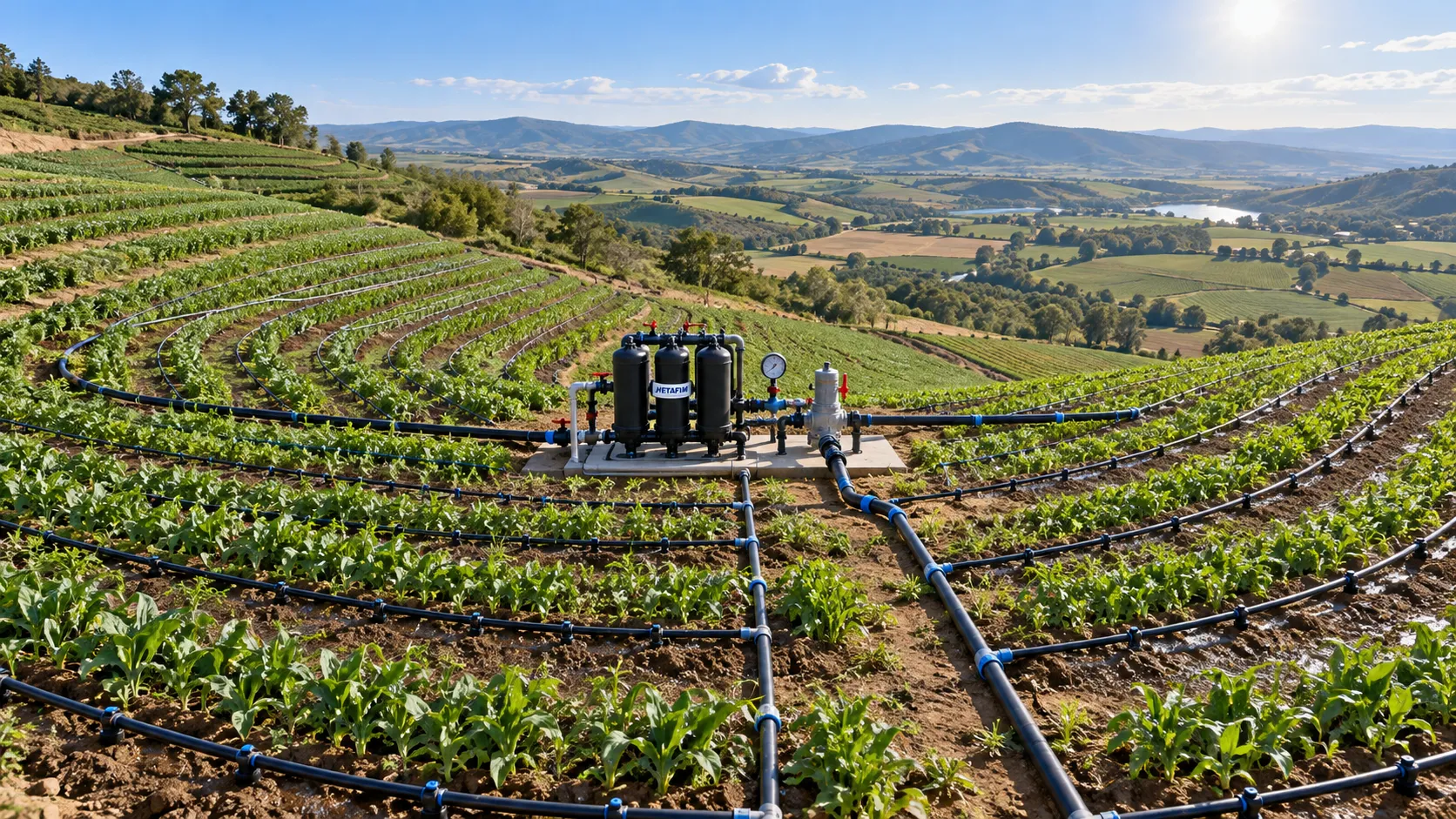
How to Size Low-Pressure Water-Saving Irrigation Systems for Uneven Fields
Low pressure water-saving irrigation systems for uneven fields: learn zoning, pressure mapping, pipe sizing, and pump selection to improve uniformity and reduce water waste.
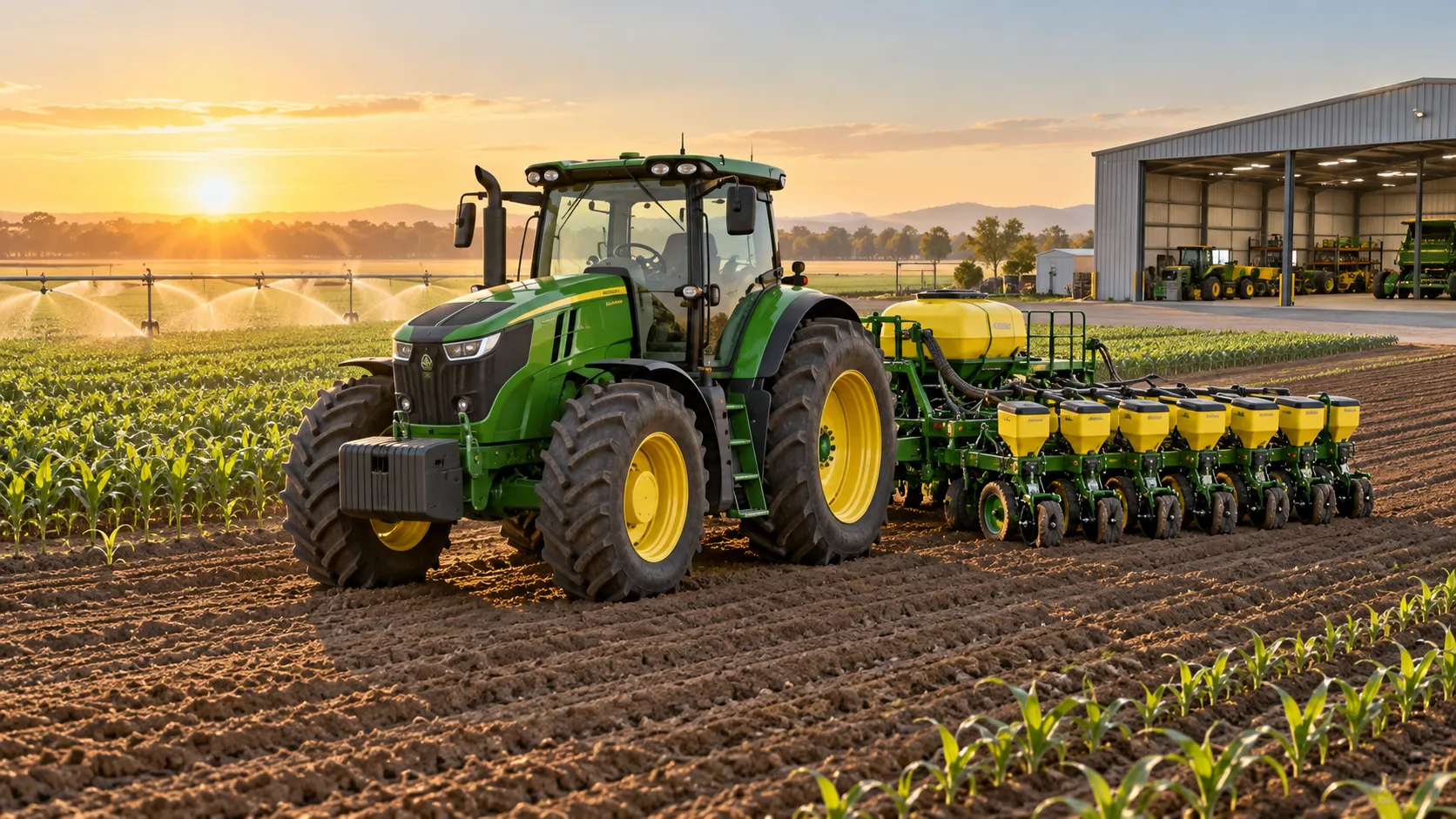
Farm Machinery Sourcing: How to Vet Suppliers, Specs, and Lifecycle Costs
Farm machinery information for sourcing: learn to vet suppliers, compare specifications, control lifecycle costs, and secure reliable uptime for smarter equipment purchases.
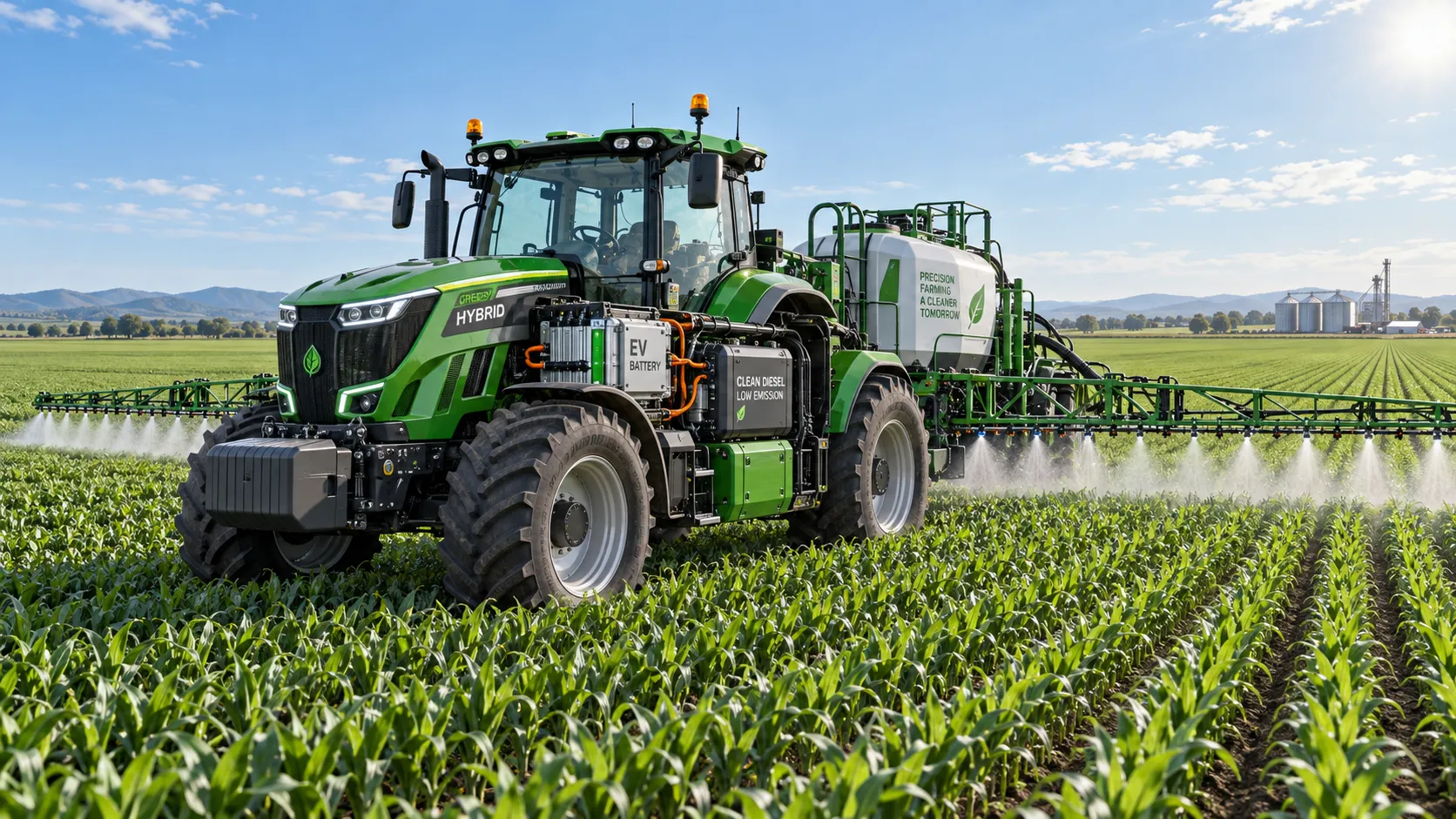
Can hybrid propulsion systems reduce fuel use in farm machinery?
Hybrid propulsion systems for agricultural machinery can cut fuel use and boost productivity. Explore savings potential, key trade-offs, and smart investment factors.
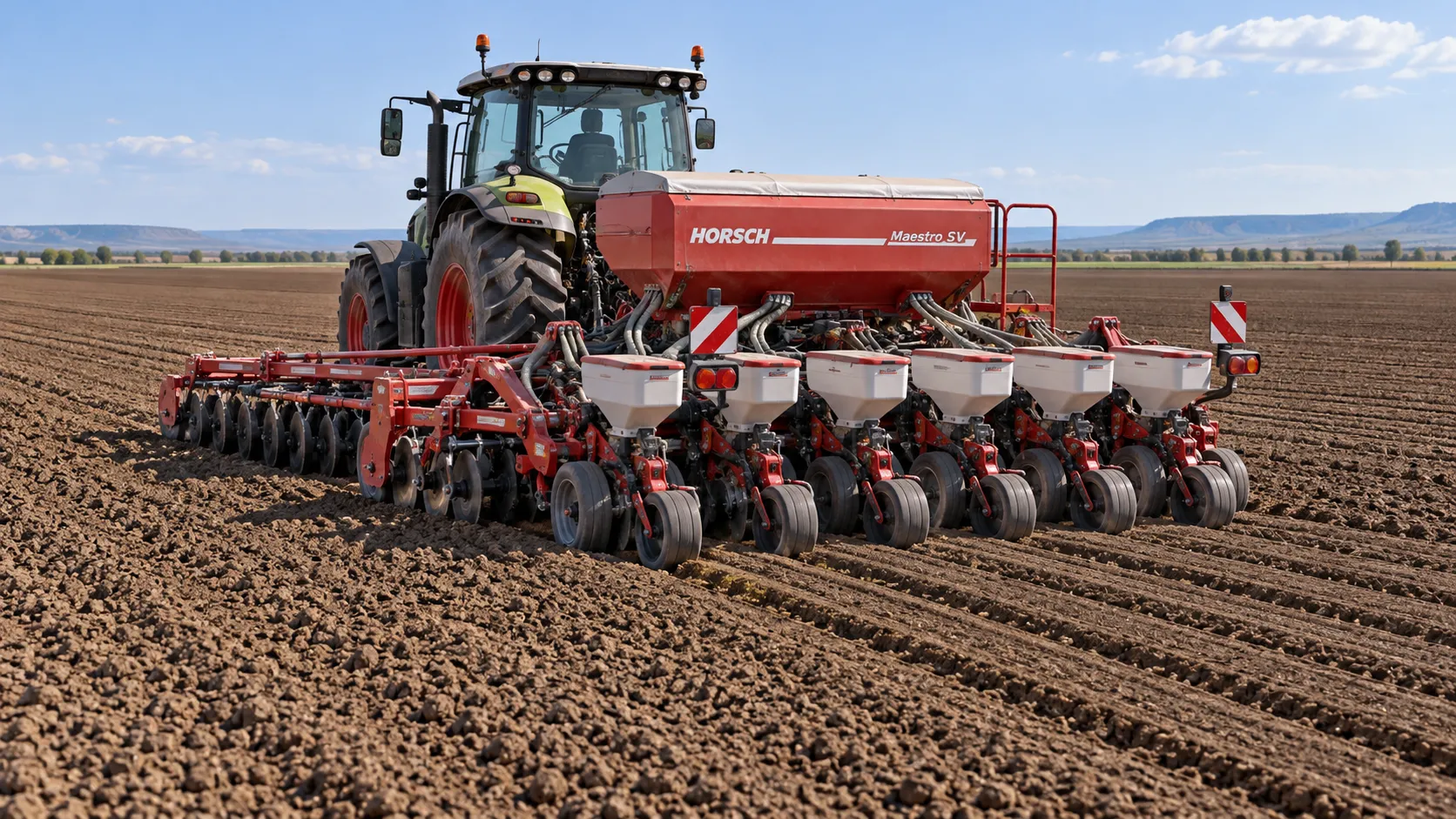
What to compare in integrated seeding combinations for heavy soils
Compare integrated seeding combinations for heavy soils: depth control, residue flow, consolidation, traction, and field capacity for more uniform crop establishment.
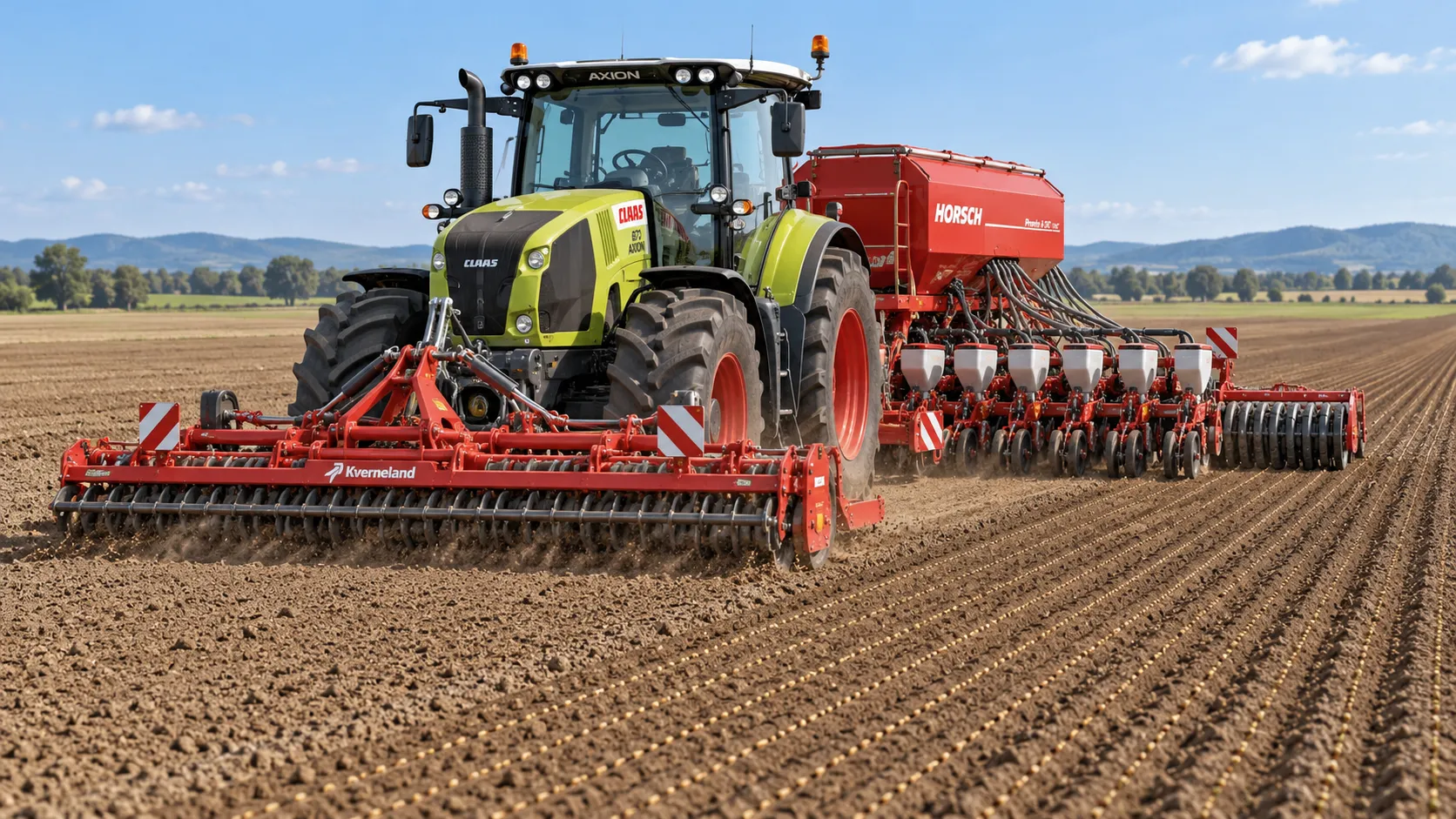
When an integrated seeding combination improves field efficiency
Integrated seeding combination improves field efficiency, protects planting windows, and balances speed with seedbed quality, tractor capacity, and reliable establishment.
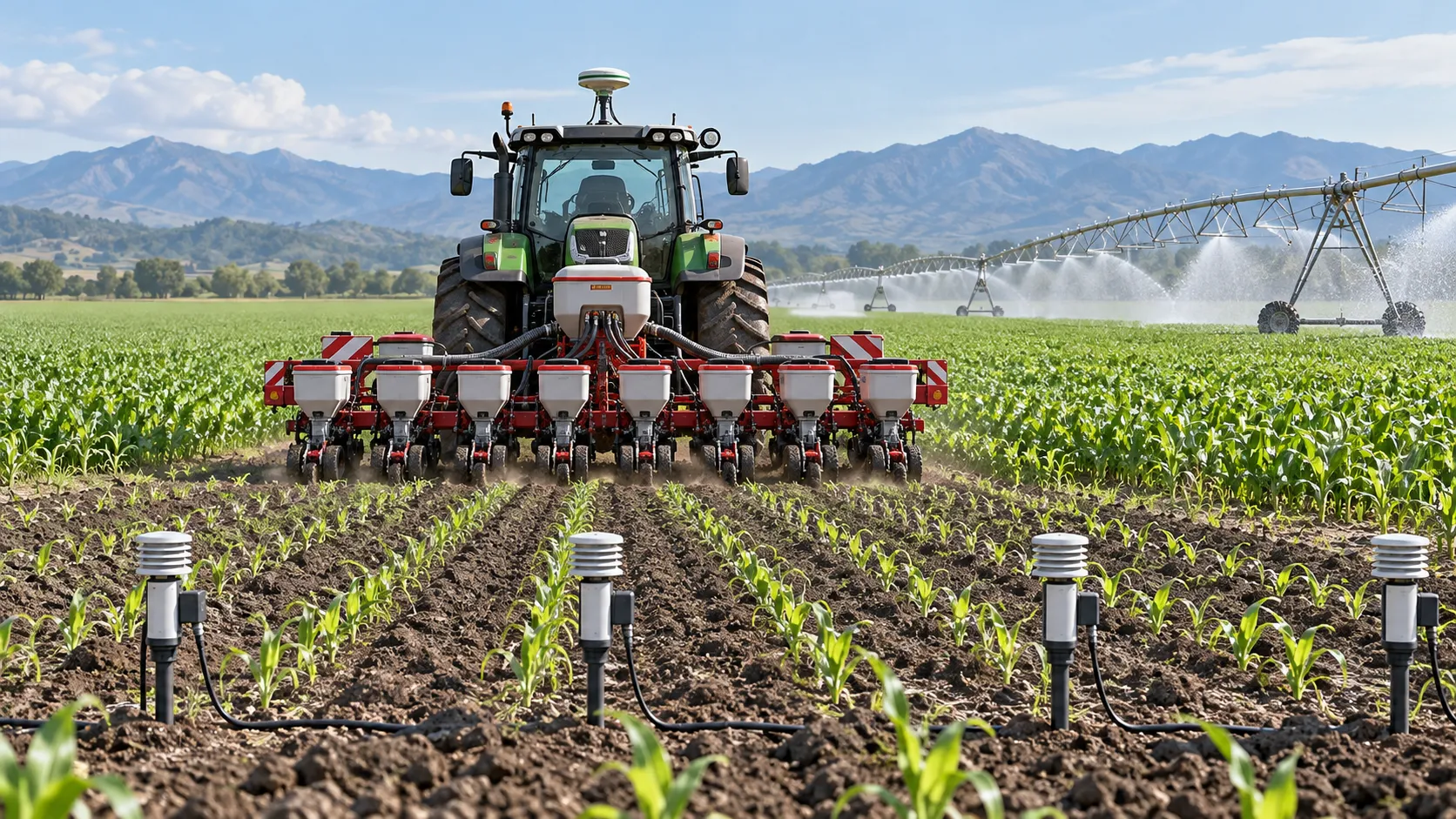
Which costs matter most when calculating precision agriculture ROI?
Calculating ROI on precision agriculture equipment? Discover the costs that shape returns, from installation and subscriptions to downtime, labor, and data integration.
Related News
- 00
0000-00
Comparing Farm Equipment Supplier Quotes: Price, Freight, and Warranty - 00
0000-00
Choosing a Digital Farming Platform Provider: Compatibility and Data Ownership - 00
0000-00
How Large-Scale Farm Telematics Cuts Downtime Across Mixed Fleets - 00
0000-00
Farm Machinery Sourcing: How to Vet Suppliers, Specs, and Lifecycle Costs - 00
0000-00
Which costs matter most when calculating precision agriculture ROI?
Popular Tags
Ms. Elena Rodriguez
Weekly Insights
Stay ahead with our curated technology reports delivered every Monday.