
Grain Dryer Buying Research: How to Compare Capacity, Fuel Type, and Data Reporting
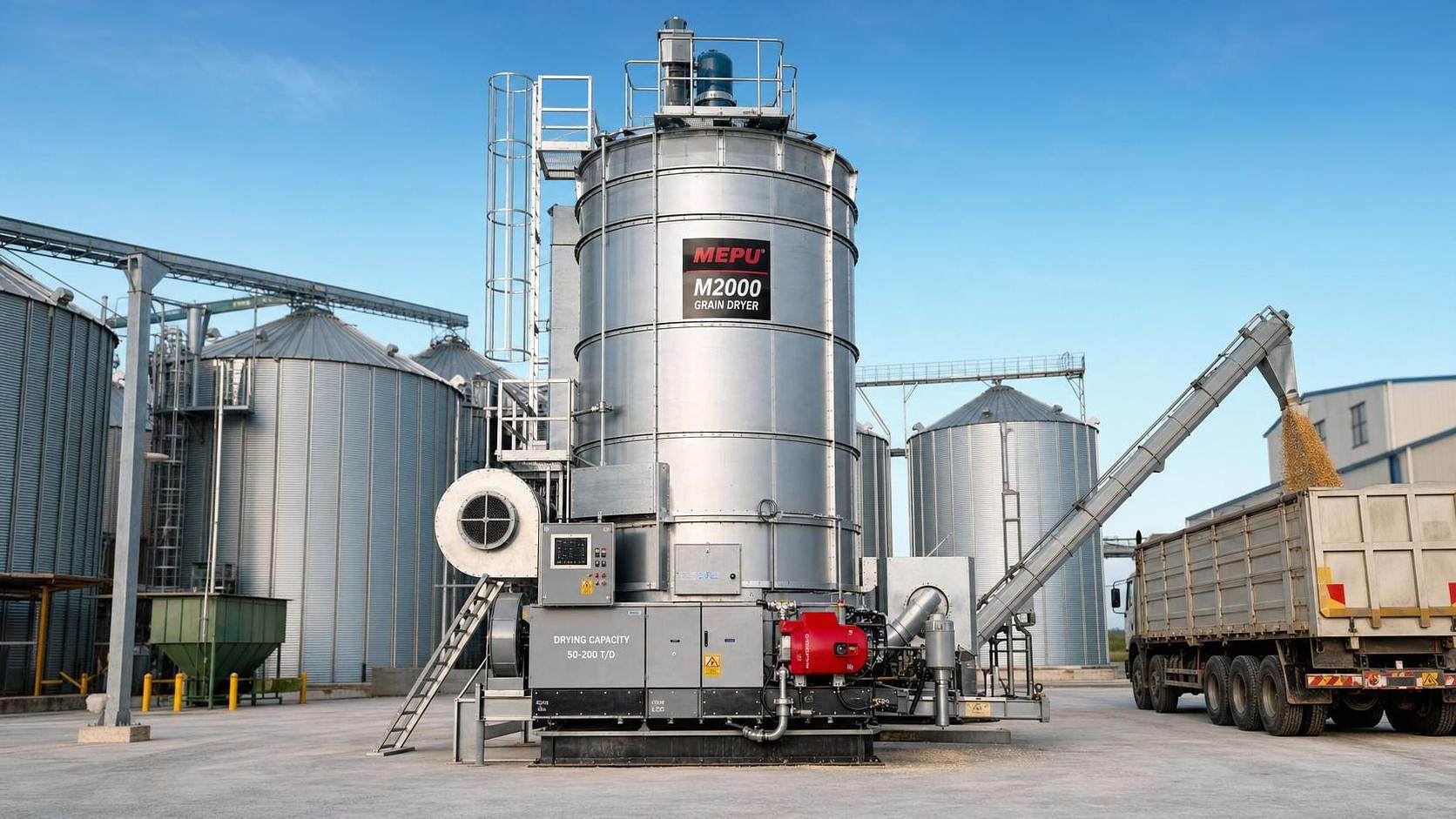




Grain Dryer Buying Research: How to Compare Capacity, Fuel Type, and Data Reporting
For procurement teams evaluating grain dryers, the right choice depends on more than price alone.
This guide uses trusted agricultural equipment information to compare drying capacity, fuel type, and data reporting functions.
The goal is simple: reduce operating risk and improve long-term efficiency.
If you need grain dryers that match modern farm scale, compliance, and performance goals, this is a practical starting point.
Why Grain Dryer Comparison Has Become More Complex
A few years ago, many buyers focused on throughput and upfront cost.
That is no longer enough.
Today, grain dryers sit inside a broader operating system that includes storage, transport, labor scheduling, fuel planning, and audit requirements.
From recent market shifts, the clearer signal is this: drying decisions now affect margin, compliance, and inventory timing.
That is why agricultural equipment information matters so much during supplier evaluation.
Start With Capacity, But Define It Correctly
Capacity is often the first number shown in grain dryers brochures.
It is also one of the easiest numbers to misread.
Quoted capacity usually depends on crop type, moisture reduction, ambient temperature, and target discharge moisture.
A machine rated for high throughput in warm conditions may deliver much less in a colder harvest window.
Questions That Clarify True Drying Capacity
- What crop was used for the published capacity figure?
- How many moisture points were removed?
- Was the test based on continuous flow or batch drying?
- What was the incoming grain temperature?
- What was the final moisture target?
- How much throughput loss appears during peak harvest variability?
In actual procurement work, capacity should be tied to your bottleneck hour, not your best-case hour.
That means matching grain dryers to receiving speed, storage turnover, and truck cycle time.
A Practical Capacity Comparison Table
Fuel Type Should Be Judged By Total Operating Reality
Fuel type is where many grain dryers comparisons become too narrow.
Natural gas, LPG, diesel, and biomass options can all work.
But the best option depends on site infrastructure, local fuel volatility, maintenance support, and emissions rules.
Good agricultural equipment information should therefore connect fuel choice to operating conditions, not just burner efficiency.
How To Compare Main Fuel Options
- Natural gas: stable for fixed sites, often efficient, but dependent on utility access.
- LPG: flexible for remote locations, though refill logistics can raise seasonal risk.
- Diesel: familiar in some regions, but usually higher in cost and emissions pressure.
- Biomass: attractive where residue supply is reliable, yet handling complexity is higher.
A lower-cost fuel on paper may still create downtime if delivery, storage, or burner tuning is inconsistent.
That also means fuel contracts should be reviewed alongside grain dryers quotations.
Fuel Comparison Checklist For Procurement
- Confirm local fuel availability during harvest peaks.
- Model delivered fuel cost, not posted market price.
- Check burner service capability within your response window.
- Review air permit and emissions compliance exposure.
- Ask for fuel use per moisture point removed.
Data Reporting Is Now A Core Buying Factor
Data reporting used to be considered a premium feature.
Now it is a control feature.
For modern grain dryers, reporting functions affect traceability, operator discipline, energy tracking, and post-season analysis.
This is especially relevant when sites manage multiple shifts or report into centralized procurement systems.
Strong agricultural equipment information should explain what data can be captured, exported, and audited.
Reporting Functions Worth Comparing
- Incoming and discharge moisture records
- Drying temperature history
- Fuel consumption by batch or shift
- Alarm logs and downtime events
- Operator actions and setpoint changes
- Export formats for ERP or farm management platforms
The more obvious benefit is visibility.
The less obvious benefit is accountability when quality claims or shrink loss questions appear later.
What Good Data Reporting Looks Like
How To Balance Capacity, Fuel, and Reporting In One Decision
The challenge is not comparing these factors separately.
The real challenge is understanding how they interact.
For example, larger grain dryers may improve harvest flow but increase fuel exposure if controls are weak.
Likewise, a lower-capacity unit with stronger automation may produce better seasonal economics.
This is where detailed agricultural equipment information gives buyers a real advantage.
Use A Weighted Evaluation Matrix
A practical buying process often uses weighted scoring.
This keeps one attractive specification from distorting the full decision.
- Capacity fit: 30%
- Fuel economics and availability: 25%
- Data reporting and controls: 20%
- Service support: 15%
- Capital cost: 10%
The weighting can shift, but the method helps grain dryers comparisons stay disciplined.
Common Buying Mistakes To Avoid
- Using nameplate capacity without adjusting for your harvest moisture range.
- Comparing fuel price only, without delivery and uptime risk.
- Ignoring reporting functions until after installation.
- Treating all grain dryers service networks as equal.
- Failing to ask for documented field performance in similar sites.
These mistakes usually look small during tender review, but they become expensive during harvest pressure.
A Smarter Shortlist Starts With Better Questions
The strongest grain dryers decision is rarely based on one perfect feature.
It comes from clear operating assumptions, verified agricultural equipment information, and disciplined supplier questioning.
Start by defining real capacity needs, then test fuel fit under local conditions, and finally verify reporting depth before final selection.
That sequence helps buyers avoid superficial comparisons and focus on lifetime value.
For teams tracking modernization, compliance, and efficiency, grain dryers should be evaluated as connected operating assets.
When agricultural equipment information is used this way, the shortlist becomes sharper, the risk becomes clearer, and the final purchase becomes easier to defend.
Related News
Choosing a Digital Farming Platform Provider: Compatibility and Data Ownership
Compare digital farming platforms providers on equipment compatibility, data ownership, and export rights. Discover practical checks to avoid lock-in and choose with confidence.
How Large-Scale Farm Telematics Cuts Downtime Across Mixed Fleets
Large-scale farm equipment telematics cuts mixed-fleet downtime with real-time alerts, smarter maintenance, and stronger operational control. Learn how to protect critical farm workflows.
How to Size Low-Pressure Water-Saving Irrigation Systems for Uneven Fields
Low pressure water-saving irrigation systems for uneven fields: learn zoning, pressure mapping, pipe sizing, and pump selection to improve uniformity and reduce water waste.
Farm Machinery Sourcing: How to Vet Suppliers, Specs, and Lifecycle Costs
Farm machinery information for sourcing: learn to vet suppliers, compare specifications, control lifecycle costs, and secure reliable uptime for smarter equipment purchases.
What to compare in integrated seeding combinations for heavy soils
Compare integrated seeding combinations for heavy soils: depth control, residue flow, consolidation, traction, and field capacity for more uniform crop establishment.
When an integrated seeding combination improves field efficiency
Integrated seeding combination improves field efficiency, protects planting windows, and balances speed with seedbed quality, tractor capacity, and reliable establishment.
Which costs matter most when calculating precision agriculture ROI?
Calculating ROI on precision agriculture equipment? Discover the costs that shape returns, from installation and subscriptions to downtime, labor, and data integration.
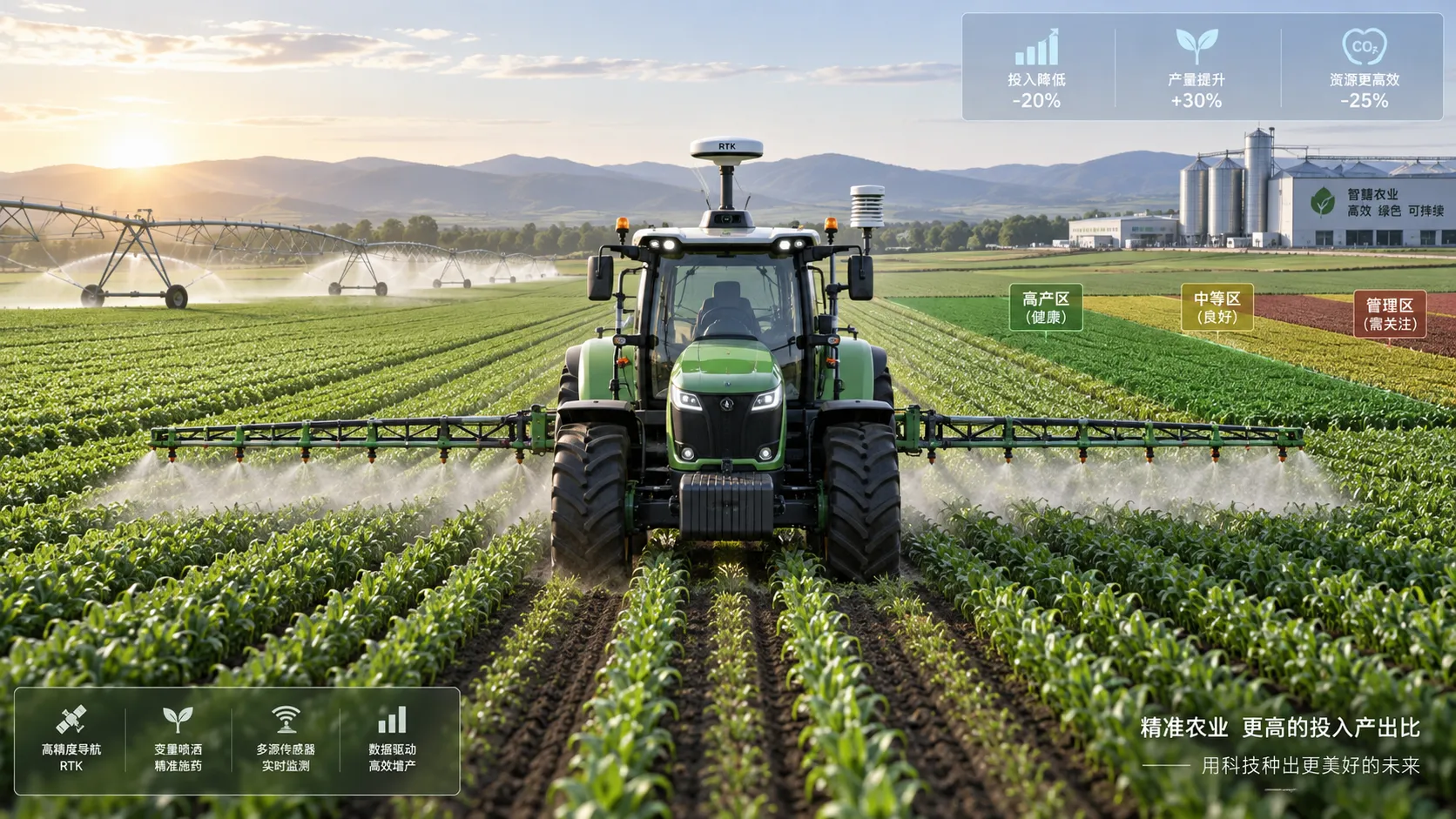
How to calculate ROI on precision agriculture equipment before buying
Calculating ROI on precision agriculture equipment: learn to assess total ownership costs, savings, payback, NPV, risks, and farm-scale value before you buy.
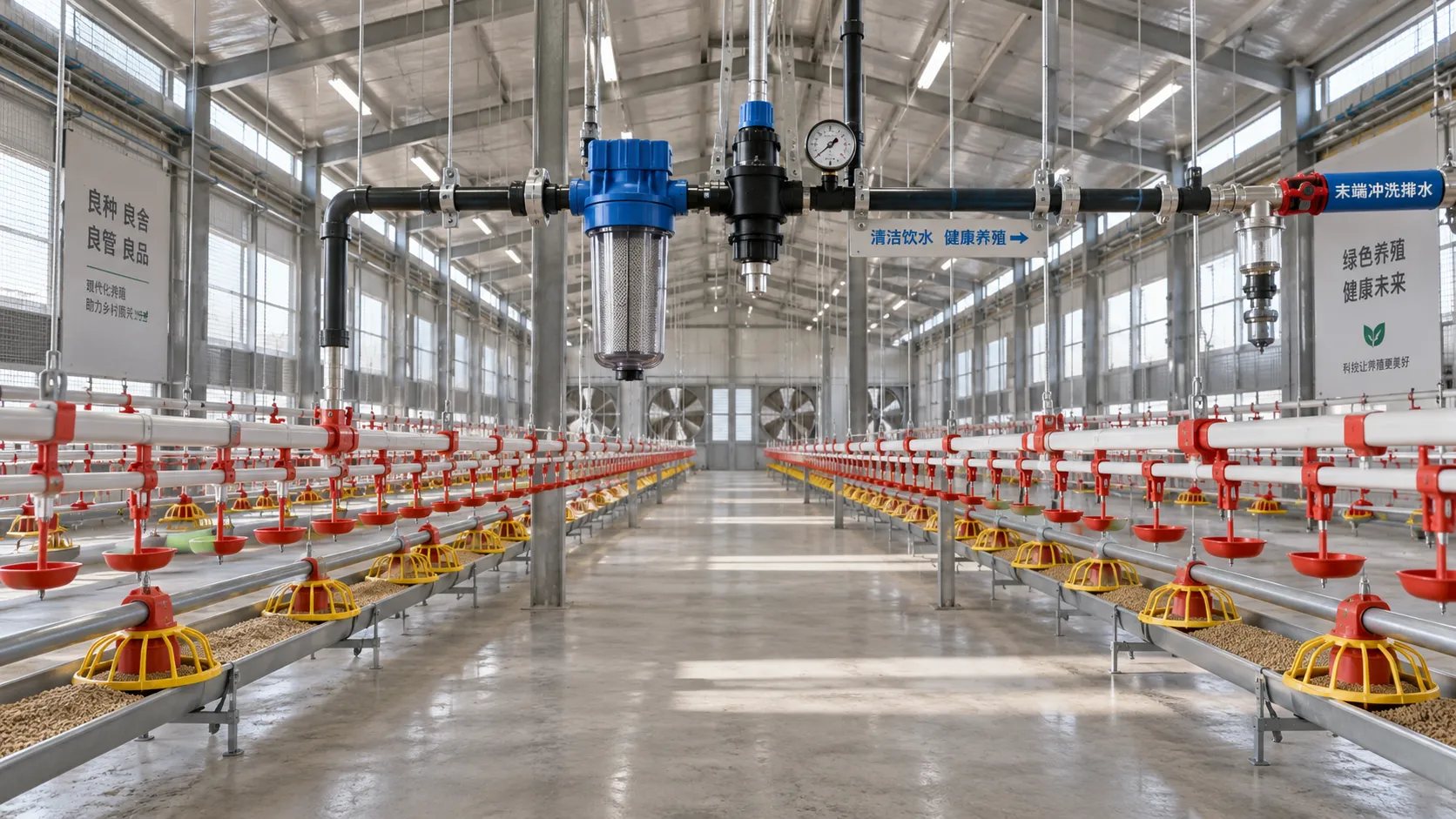
Planning Nipple Drinker Installation for Different Chicken House Layouts
How to install nipple drinker for chicken houses: plan line layouts, pressure control, flushing access, and maintenance for reliable water delivery.
Related News
- 00
0000-00
Choosing a Digital Farming Platform Provider: Compatibility and Data Ownership - 00
0000-00
How Large-Scale Farm Telematics Cuts Downtime Across Mixed Fleets - 00
0000-00
Farm Machinery Sourcing: How to Vet Suppliers, Specs, and Lifecycle Costs - 00
0000-00
Which costs matter most when calculating precision agriculture ROI? - 00
0000-00
How to calculate ROI on precision agriculture equipment before buying
Popular Tags
Ms. Elena Rodriguez
Weekly Insights
Stay ahead with our curated technology reports delivered every Monday.