
How Automated Poultry Cages Fit Modern Layer Farm Operations
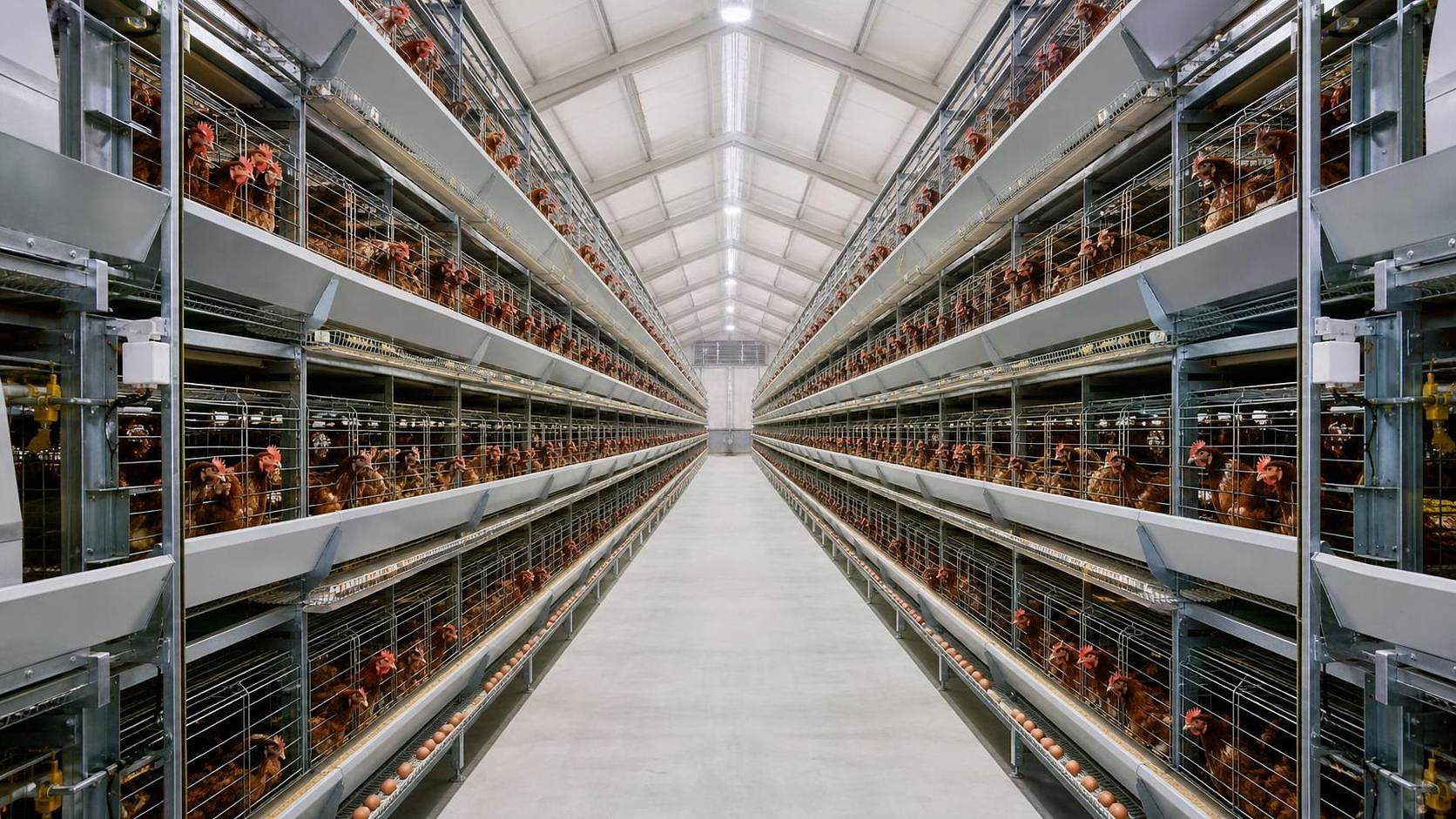




How Automated Poultry Cages Fit Modern Layer Farm Operations
Layer farming has become a more management-intensive business than it was a decade ago. Producers are expected to maintain flock performance, control labor costs, reduce feed waste, support consistent egg collection, and keep housing conditions predictable across changing market cycles. In that environment, housing systems are no longer treated as simple infrastructure. They are increasingly evaluated as part of an integrated operating model that affects productivity, maintenance planning, worker routines, and long-term capital efficiency.
This is why cage system design continues to draw attention from farm operators, engineering teams, and investors. A modern layer facility often depends on smooth coordination between feeding, drinking, egg collection, manure handling, ventilation, and inspection workflows. When one part of the system creates bottlenecks, the whole farm can feel the impact through higher labor pressure, avoidable breakage, uneven bird management, or slower response to equipment faults. For many decision-makers, the discussion is not only about adding automation, but about understanding where automation fits the daily realities of poultry production.
Automated cage systems are relevant because they sit at the intersection of animal housing and operational control. They can support more standardized routines, but their value depends on how well they match farm size, barn layout, staff capability, utility reliability, and maintenance discipline. A system that works efficiently in one project may underperform in another if installation conditions, equipment integration, or operator training are overlooked during planning.
Why the Topic Matters Now
Many layer farms are under pressure to produce more predictable output with tighter labor availability. In many regions, farm managers face a practical challenge: routine tasks such as feeding, egg collection, cleaning, and flock observation still need to happen on time every day, yet staffing may be unstable or difficult to scale. Under those conditions, manual systems can expose weaknesses that are manageable at smaller volumes but costly in larger houses.
At the same time, project developers and commercial farm owners are paying closer attention to operating cost over the full lifecycle of a poultry house. The upfront price of equipment remains important, but it is no longer the only lens. Downtime frequency, spare parts access, corrosion resistance, cleaning requirements, and compatibility with other barn systems can all influence whether a housing investment supports stable output over time. That makes technical evaluation more detailed than a simple comparison of capacity figures.
There is also a management reason to revisit housing decisions. As farms adopt more process-driven operations, they need equipment that reduces variation between shifts, workers, and production cycles. Automation may help establish repeatable routines, especially where management teams need clearer control over feed delivery timing, egg transfer, manure removal intervals, and labor allocation.
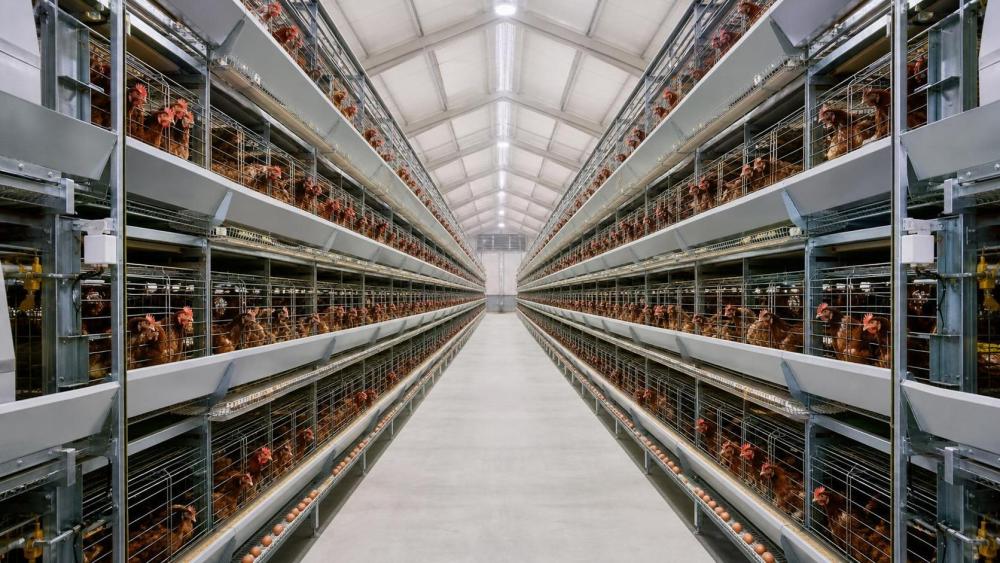
Where Automated Cage Systems Fit in Daily Farm Work
In practical terms, cage automation fits best where a farm wants to reduce manual handling in repetitive, high-frequency tasks. Feeding lines can support more even feed distribution across rows. Automated drinking arrangements can help standardize water access. Egg collection systems can reduce handling stress and lower the chance of breakage caused by inconsistent manual gathering. Manure removal equipment may also improve barn hygiene rhythms when it is aligned with ventilation and waste management planning.
For operations teams, the main advantage is often workflow consistency rather than labor elimination alone. Staff still need to inspect birds, monitor mechanical condition, respond to alarms, and carry out cleaning and maintenance. But when core routines are mechanized, workers can spend more time on flock condition, equipment checks, and problem prevention instead of repetitive transport tasks. That shift can be especially valuable in medium and large farms where the cost of operational inconsistency becomes more visible over time.
From a procurement standpoint, automated poultry cages are usually assessed as part of a wider housing and production system rather than as isolated equipment. Buyers often compare not only structural design and capacity, but also drive components, ease of repair, installation support, corrosion protection, and how the system interacts with barn management routines. A technically adequate product may still be a poor operational fit if it is difficult to maintain under local conditions.
What Different Stakeholders Need to Evaluate
The same system can look very different depending on the role of the evaluator. Operators, technical reviewers, project managers, and business leaders tend to focus on different risk points, and those perspectives should be reconciled before procurement moves forward.
When these viewpoints are discussed early, farms are more likely to avoid procurement mistakes driven by a single metric. High capacity may look attractive on paper, but it should not outweigh practical concerns such as maintenance access, spare part availability, worker familiarity, or the quality of post-installation support.
Common Use Cases Across Modern Layer Farms
Automated cage systems tend to be relevant in several recurring farm scenarios. One is the expansion of an existing layer business that has outgrown manual routines. As barn count or bird numbers increase, managers often need a more repeatable system to keep labor deployment under control. Another use case is a new commercial project designed from the beginning around standardized operating procedures, where automation is considered part of the facility logic rather than a later upgrade.
They may also fit farms operating in environments where labor turnover is high. In these situations, management may value equipment that simplifies training and reduces variation in routine task execution. A further use case involves projects where hygiene handling and manure movement need to be more structured because waste removal timing affects indoor conditions and broader site management.
However, not every farm benefits equally from the same level of automation. A smaller operation with stable labor and a simple building layout may prioritize durability and ease of service over more advanced mechanical features. Larger integrated operations may be more willing to invest in automation if they can support preventive maintenance systems and trained technical staff.
Key Selection Criteria That Often Get Missed
One frequent mistake is evaluating cage systems mainly by initial cost and nominal capacity. That approach can hide issues that emerge only after installation. Material quality matters because corrosion resistance affects service life in demanding barn environments. Drive systems and moving parts deserve attention because even minor reliability problems can disrupt daily workflow when repeated across a full house.
Layout compatibility is another essential factor. Equipment should match the dimensions and circulation logic of the building, not force awkward compromises that reduce serviceability. Managers should also examine how easy it is to observe birds, remove weak or injured hens when needed, and access components for repair without slowing routine operations. Practical access often matters as much as theoretical performance.
Power stability and technical support should also be reviewed carefully. Automation adds efficiency, but it can also increase dependence on mechanical and electrical continuity. Farms in areas with unstable utilities may need backup planning, while remote projects may place a higher value on simple maintenance design and dependable parts supply. These are not side issues; they are central to whether automated equipment delivers stable value.
Operational Value Beyond Labor Reduction
It is easy to frame automation only as a labor-saving measure, but that is too narrow. In many farms, the larger benefit is process control. More consistent feed and egg handling can support steadier routines. Structured manure removal can contribute to cleaner housing conditions when coordinated with the broader barn environment. Standardized task flow may also improve supervision because deviations are easier to identify when the process itself is less variable.
This can matter for project owners who think in terms of operational resilience rather than only headcount. If the farm depends on a small number of experienced workers, any disruption in staffing can create risk. A well-matched automated housing system may help reduce that dependency by making outcomes less sensitive to manual variation. That does not remove the need for good management, but it can make management more effective.
Implementation Questions Before a Purchase Decision
Before making a final decision, farms usually benefit from a disciplined review process. The goal is not only to confirm technical specifications, but to test whether the system fits the operation that will use it every day.
- Clarify production goals, labor realities, and whether the project is an upgrade or a new-build facility.
- Map the system against building dimensions, ventilation plans, manure handling routes, and utility conditions.
- Review maintenance expectations, parts replacement cycles, and the farm’s ability to support preventive servicing.
- Check whether operators can inspect birds and equipment efficiently without compromising routine flow.
- Consider installation support, commissioning requirements, and the learning curve for staff after handover.
These questions help separate equipment that looks modern from equipment that will function reliably in the actual farm setting. For many buyers, success comes less from choosing the most advanced system and more from choosing the system with the best operational fit.
Conclusion
Automated cage systems have become an important part of how modern layer farms think about efficiency, control, and scalability. Their role is not limited to mechanizing routine work; they can shape labor deployment, maintenance planning, hygiene management, and the consistency of everyday production. That is why the topic deserves attention from farm users, technical teams, project leaders, and business decision-makers alike.
The strongest decisions usually come from viewing automation in context. A cage system should fit the building, the flock management style, the utility environment, and the technical capacity of the farm that will operate it. When those factors are aligned, automation can support a more stable and manageable layer operation. When they are ignored, even capable equipment may struggle to deliver its expected value.
Related News
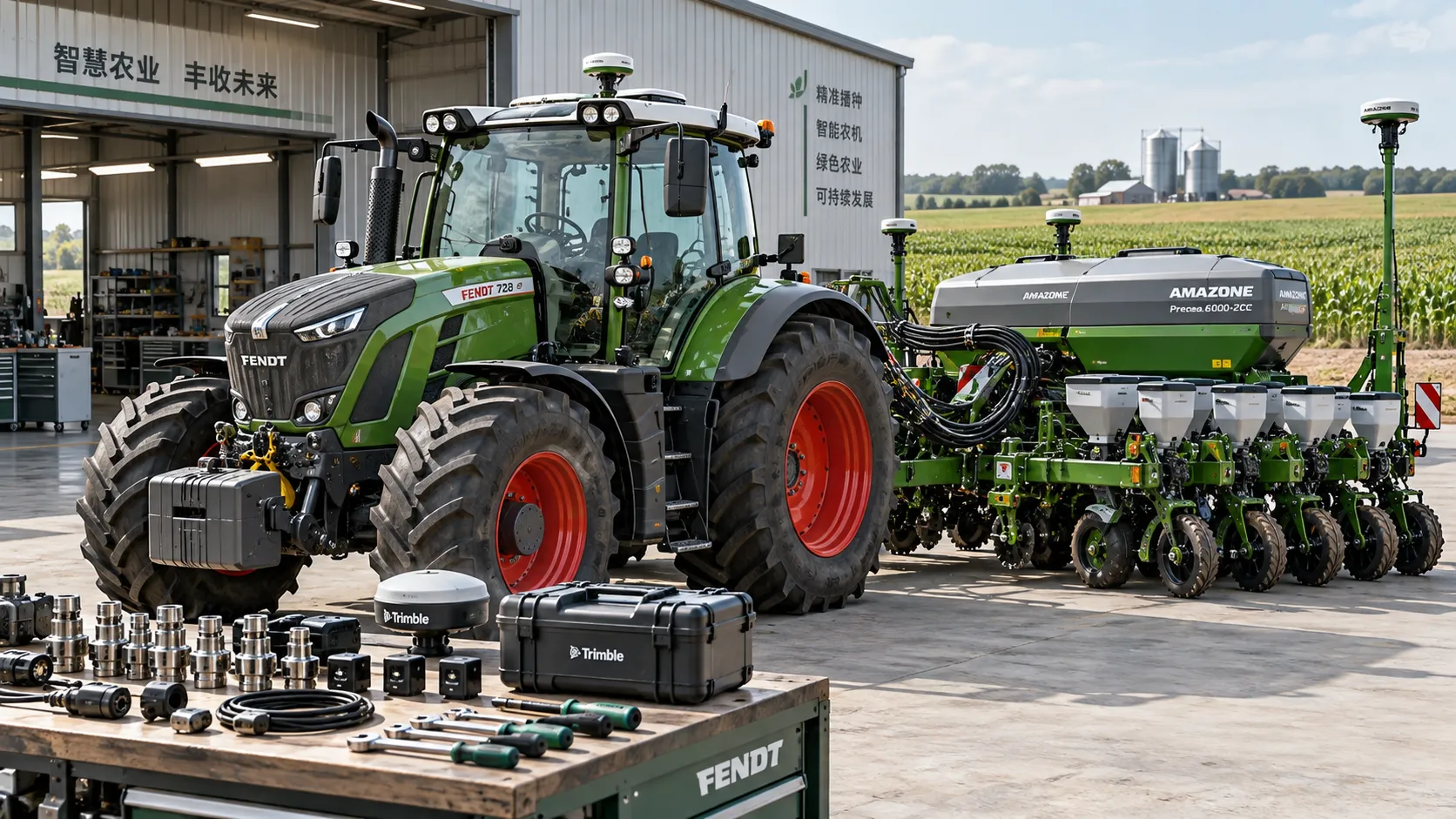
Choosing an Agriculture 4.0 Supplier: Compatibility, Support, and Total Cost
Choose an Agriculture 4.0 supplier with confidence. Learn how to verify compatibility, assess support, and compare total ownership costs to avoid hidden fees and costly downtime.
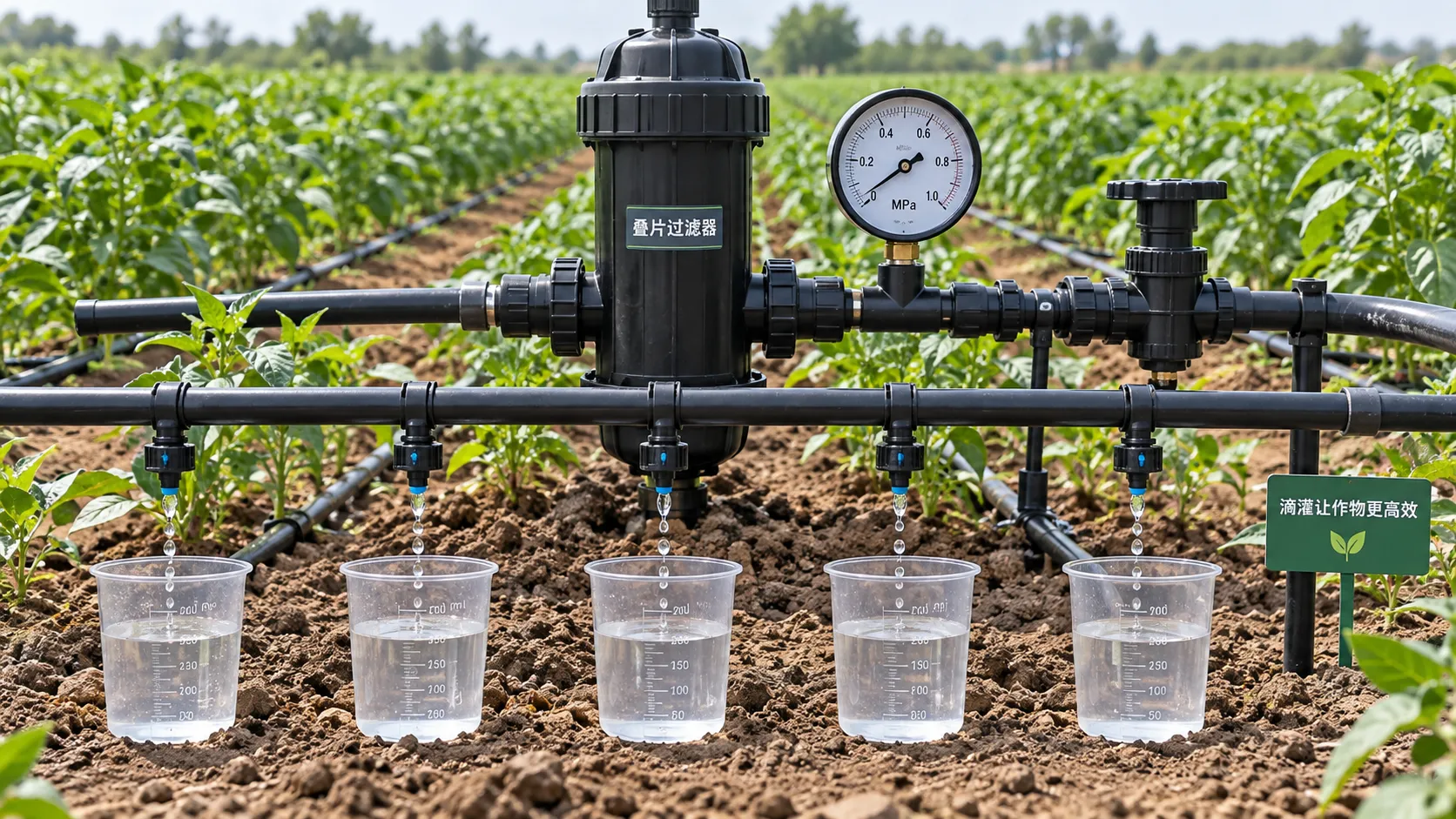
Low-Pressure Drip Irrigation: How to Fix Uneven Watering Without Raising Pressure
Optimize low pressure water-saving irrigation systems: discover how to fix uneven watering, clear blockages, and reduce hydraulic losses without raising supply pressure.
Comparing Farm Equipment Supplier Quotes: Price, Freight, and Warranty
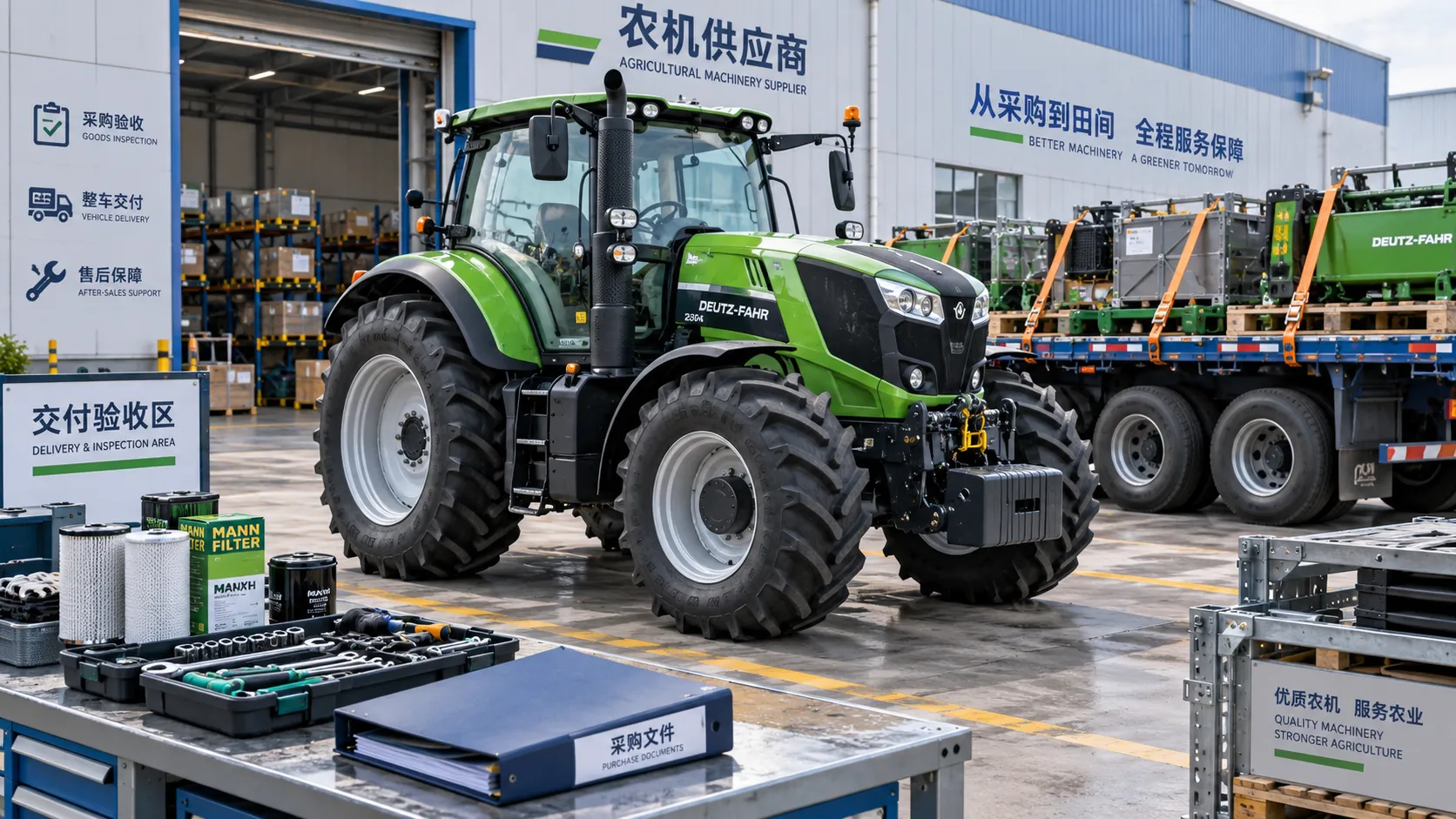
Simplify supplier comparison for farm equipment price: assess freight, field-ready costs, and warranty coverage. Learn how to avoid hidden charges and choose a reliable supplier.
Choosing a Digital Farming Platform Provider: Compatibility and Data Ownership
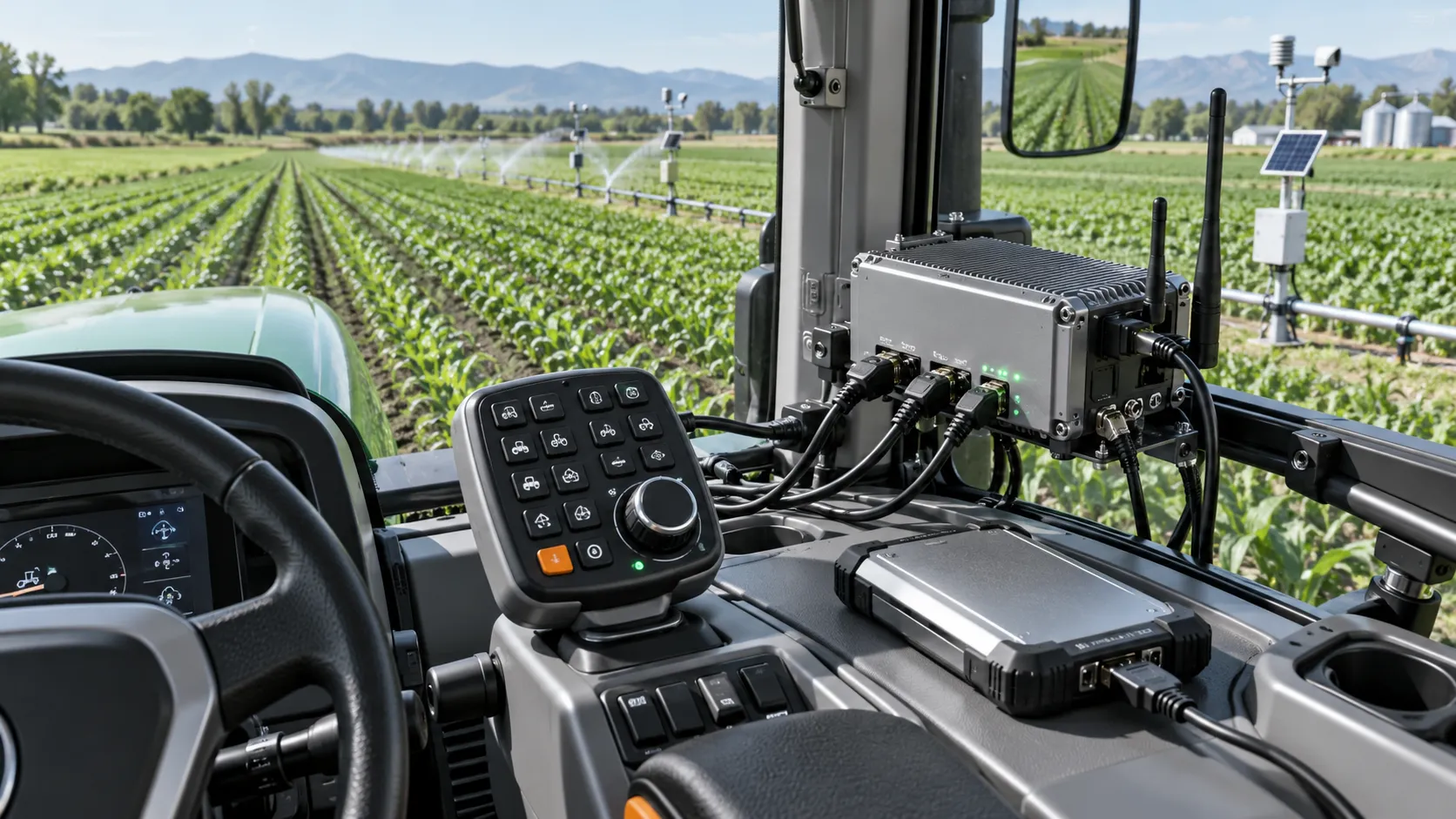
Compare digital farming platforms providers on equipment compatibility, data ownership, and export rights. Discover practical checks to avoid lock-in and choose with confidence.
How Large-Scale Farm Telematics Cuts Downtime Across Mixed Fleets
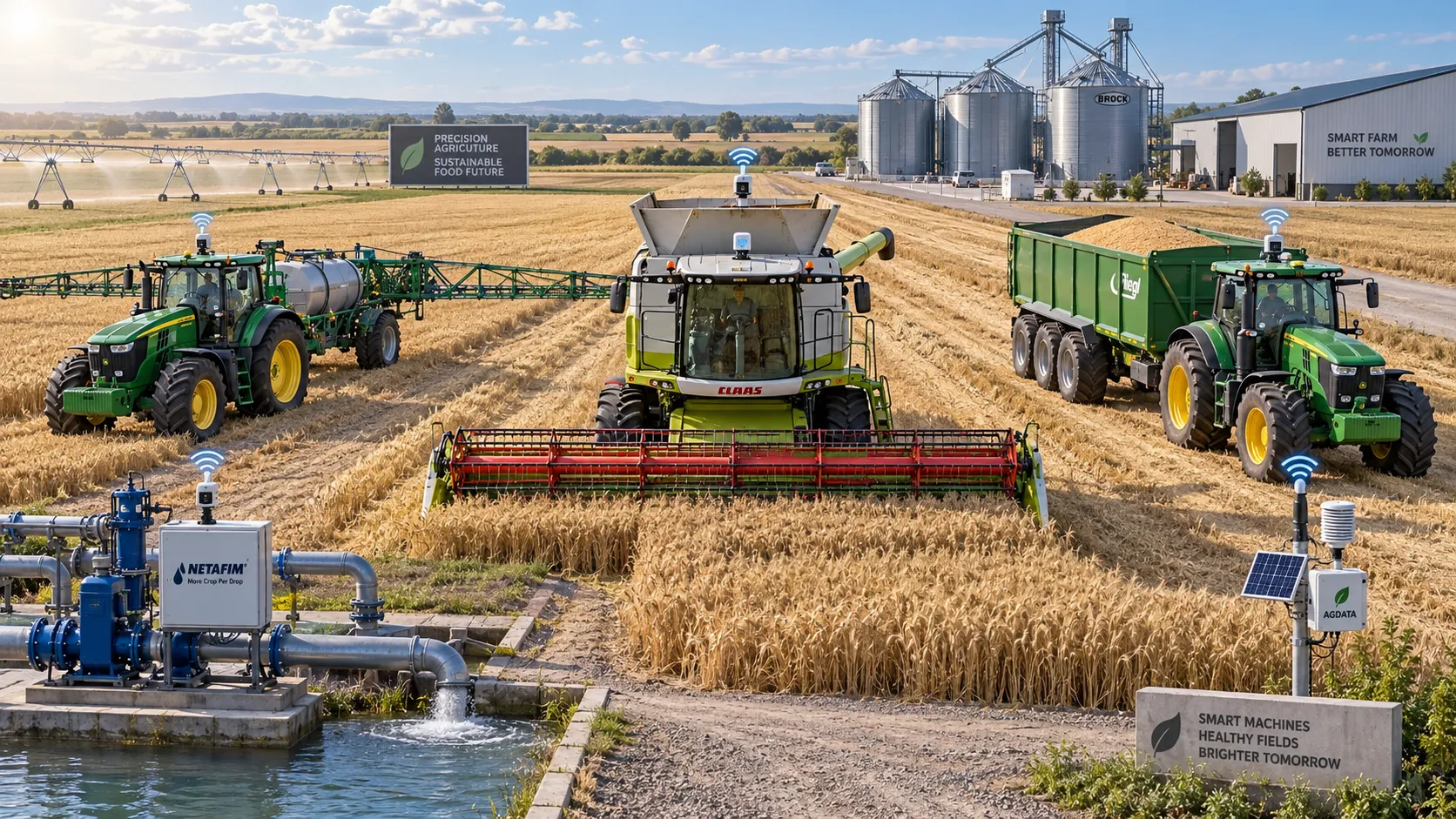
Large-scale farm equipment telematics cuts mixed-fleet downtime with real-time alerts, smarter maintenance, and stronger operational control. Learn how to protect critical farm workflows.
How to Size Low-Pressure Water-Saving Irrigation Systems for Uneven Fields
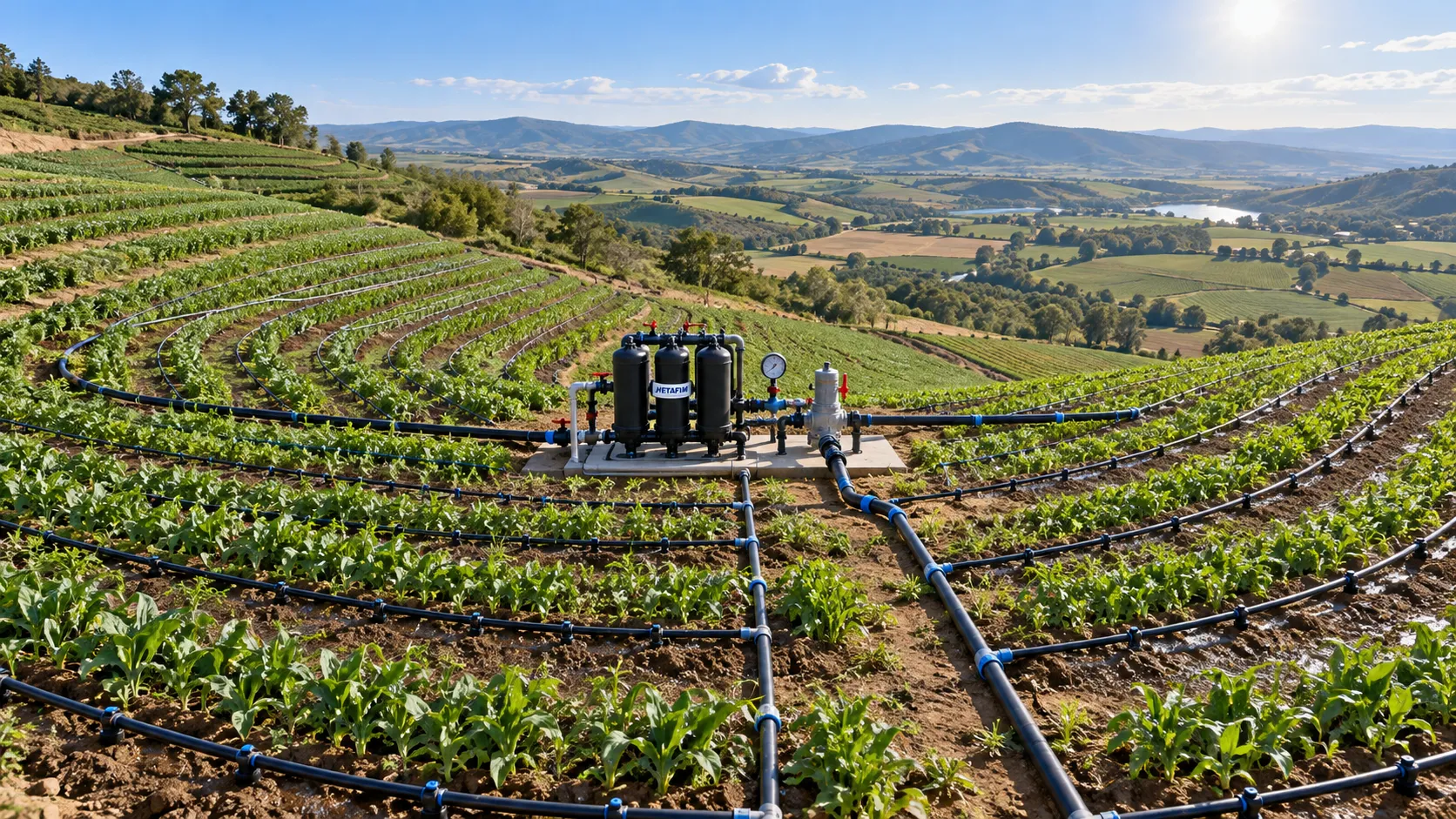
Low pressure water-saving irrigation systems for uneven fields: learn zoning, pressure mapping, pipe sizing, and pump selection to improve uniformity and reduce water waste.
Farm Machinery Sourcing: How to Vet Suppliers, Specs, and Lifecycle Costs
Farm machinery information for sourcing: learn to vet suppliers, compare specifications, control lifecycle costs, and secure reliable uptime for smarter equipment purchases.
How telemetry for agriculture helps identify equipment downtime
Telemetry for agriculture helps detect early warning signs, prioritize maintenance, and reduce costly equipment downtime before field operations are disrupted.
What maintenance challenges come with hybrid agricultural machines?
Hybrid agricultural machines demand smarter maintenance. Discover key challenges in high-voltage safety, batteries, software diagnostics, cooling, and parts planning.
Related News
- 00
0000-00
Choosing an Agriculture 4.0 Supplier: Compatibility, Support, and Total Cost - 00
0000-00
Comparing Farm Equipment Supplier Quotes: Price, Freight, and Warranty - 00
0000-00
Choosing a Digital Farming Platform Provider: Compatibility and Data Ownership - 00
0000-00
How Large-Scale Farm Telematics Cuts Downtime Across Mixed Fleets - 00
0000-00
Farm Machinery Sourcing: How to Vet Suppliers, Specs, and Lifecycle Costs
Popular Tags
Ms. Elena Rodriguez
Weekly Insights
Stay ahead with our curated technology reports delivered every Monday.