
Why global sustainability demands are reshaping farms
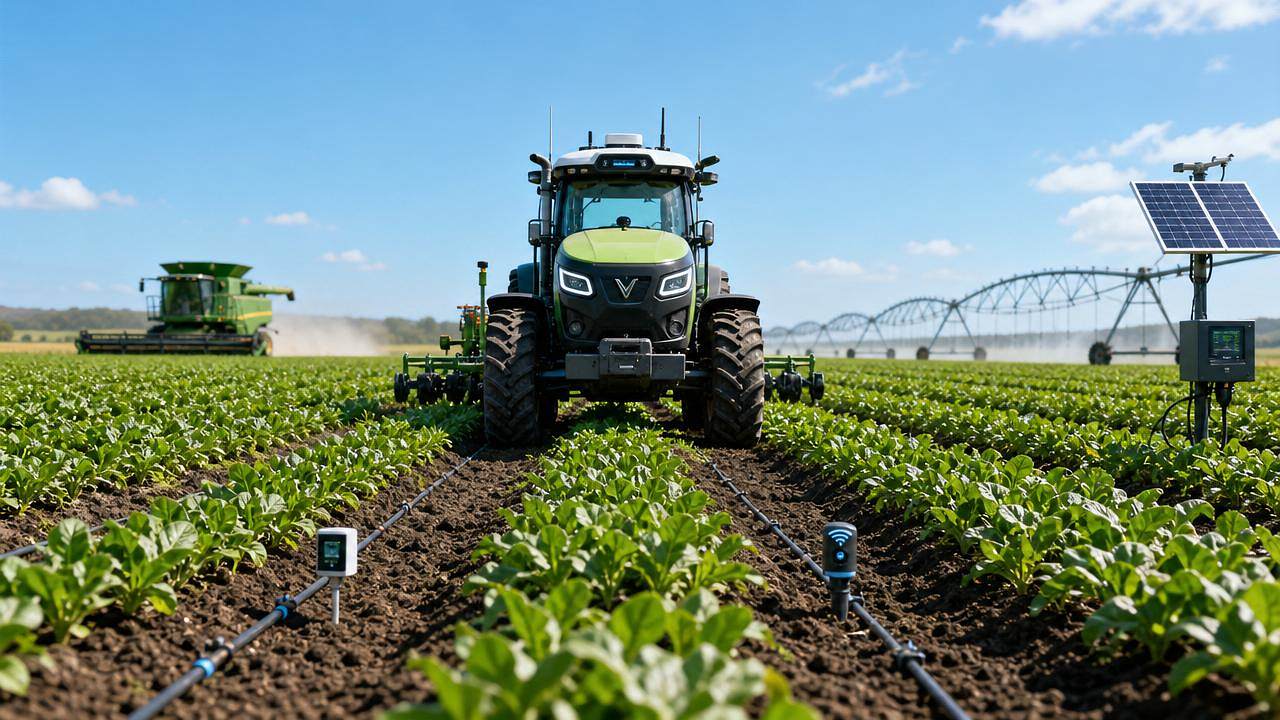




Why Global Sustainability Demands Are Reshaping Farms
Global sustainability demands are rapidly redefining how farms invest, operate, and compete.
The shift is no longer limited to environmental compliance or public commitments.
It now shapes machinery procurement, irrigation efficiency, data-driven field management, and long-term food security strategies.
As agriculture moves deeper into Agriculture 4.0, large-scale equipment and intelligent tools become critical levers.
Water-saving systems, autonomous platforms, and precision algorithms are now linked to resilience, profitability, and international market relevance.
Basic Understanding of Global Sustainability Demands in Agriculture
In farming, global sustainability demands refer to rising expectations for efficient resource use, lower emissions, transparent production, and stable food supply.
These expectations come from regulations, grain markets, climate risk, lenders, insurers, retailers, and public procurement standards.
They are not abstract ideals. They increasingly influence field operations, equipment specifications, and capital allocation.
Global sustainability demands also change how productivity is measured across the agricultural value chain.
Yield remains important, but yield per liter of water, kilogram of fertilizer, or unit of fuel is becoming equally decisive.
This is why machinery, irrigation, and data systems are converging into one operating logic.
A combine harvester is no longer evaluated only by throughput. Loss control, fuel efficiency, and crop quality also matter.
A tractor chassis is no longer only a power platform. It must support intelligent control, electrification, and efficient hydraulics.
An irrigation network is no longer only a water delivery system. It must respond to soil moisture, evapotranspiration, and weather forecasts.
Industry Signals Driving Farm Transformation
Several market signals explain why global sustainability demands are accelerating change across farms and agri-equipment ecosystems.
These signals show that global sustainability demands are not separate from productivity.
They redefine productivity through resource intensity, operational certainty, and measurable outcomes.
Food security also depends on this transition. Stable production needs machines that work faster, cleaner, and with better field intelligence.
AP-Strategy observes this shift through the interaction of mechanization, precision algorithms, and hydrological planning.
The same field decision may now involve soil condition, machine load, water availability, and carbon impact.
Business Value of Sustainable Farm Modernization
Global sustainability demands create practical business value when they are translated into measurable farm capabilities.
The first value is cost control. Precision application reduces waste in seed, fertilizer, chemicals, water, and diesel.
The second value is operational resilience. Smart equipment helps farms complete critical tasks during compressed weather windows.
The third value is market access. Documented production practices support compliance with export, retail, and sustainability programs.
The fourth value is asset optimization. Machinery data reveals utilization rates, maintenance needs, and replacement timing.
Global sustainability demands also strengthen long-cycle planning for agri-equipment investment.
A machine chosen today must remain relevant under tighter water, emissions, and data transparency conditions.
This explains the growing interest in autonomous functions, hybrid tractor chassis, and sensor-based implement control.
Sustainability-led modernization is therefore not a cost center when implemented carefully.
It becomes a framework for reducing uncertainty while improving the return on field assets.
Machinery Categories Most Affected by Global Sustainability Demands
Different farm systems feel global sustainability demands through different equipment priorities.
However, five machinery categories are central to the current transformation of large-scale agriculture.
For harvest operations, global sustainability demands are especially visible in loss reduction.
A small percentage of grain loss can become significant across thousands of hectares.
For irrigation, the same principle applies to every cubic meter of water.
The most competitive systems will combine mechanical reliability with precise, automated decision support.
Typical Application Scenarios Across Modern Farms
Global sustainability demands are most useful when connected to specific field scenarios and measurable performance indicators.
- High-acreage grain production: prioritize machinery capacity, fuel efficiency, harvest loss control, and automated steering accuracy.
- Water-limited regions: prioritize drip networks, soil moisture mapping, pressure management, and irrigation recycling.
- Mixed crop systems: prioritize flexible implements, variable-rate prescriptions, and rapid machine configuration.
- Export-oriented supply chains: prioritize traceability, field records, pesticide documentation, and verifiable sustainability metrics.
- Labor-constrained operations: prioritize autonomy, remote monitoring, predictive maintenance, and simplified machine interfaces.
These scenarios show why one universal solution rarely fits every farm.
Global sustainability demands should be translated into priorities based on climate, crop, scale, water access, and market channel.
This translation is where strategic intelligence becomes valuable.
Equipment choices must reflect both present operating needs and future sustainability thresholds.
Data, Algorithms, and the Agriculture 4.0 Operating Model
Agriculture 4.0 connects machines, sensors, algorithms, and market intelligence into a continuous decision loop.
Global sustainability demands accelerate this model because field decisions need evidence, not assumptions.
Satellite positioning supports controlled traffic, reduced overlap, and more accurate seeding or spraying.
Harvester sensors support real-time adjustment of rotor speed, fan settings, sieve openings, and cleaning performance.
Irrigation algorithms use weather forecasts, soil readings, and crop stage data to estimate actual water requirements.
These tools allow sustainability to become operational rather than declarative.
The strongest results appear when machinery data and agronomic data are interpreted together.
For example, yield maps can reveal where soil compaction, poor irrigation, or nutrient imbalance reduced output.
That insight can guide equipment configuration, water scheduling, and future field investment.
Practical Recommendations for Sustainable Farm Decisions
Global sustainability demands require disciplined implementation rather than scattered technology adoption.
The following steps help convert broad sustainability pressure into practical operating value.
- Define baseline metrics for fuel, water, fertilizer, yield, harvest loss, labor hours, and maintenance cost.
- Identify the field operation with the largest economic and environmental improvement potential.
- Match equipment upgrades to measurable targets rather than general technology trends.
- Prioritize systems that integrate with existing data platforms, guidance tools, and service workflows.
- Use seasonal reviews to compare planned benefits with actual machine and field performance.
A careful approach avoids overinvestment in isolated features.
It also helps distinguish essential capabilities from attractive but low-impact options.
For example, autonomous steering may deliver fast value where overlap and fatigue are major constraints.
In another region, irrigation intelligence may deliver greater value because water availability is the limiting factor.
Global sustainability demands therefore encourage targeted modernization, not technology accumulation.
Risk Points and Implementation Considerations
Sustainable modernization can fail when data quality, operator training, or service capacity is underestimated.
Machines with advanced sensors still need calibration, maintenance, and clear operating protocols.
Irrigation automation still depends on correct pressure, filtration, emitter condition, and reliable connectivity.
Data platforms also require governance. Inconsistent field names, missing records, and incompatible formats reduce decision value.
Global sustainability demands make these details more important because performance claims increasingly require verification.
Another consideration is lifecycle cost. Purchase price alone does not show fuel savings, downtime risk, or residual value.
Total cost analysis should include service support, software subscriptions, training, parts availability, and expected utilization.
This broader view supports stronger decisions under global sustainability demands and uncertain market conditions.
Strategic Role of AP-Strategy Intelligence
AP-Strategy links mechanical performance, precision farming algorithms, and global sustainability demands through structured agricultural intelligence.
Its focus covers large-scale agri-machinery, combine harvesters, tractor chassis, intelligent farm tools, and water-saving irrigation systems.
The Strategic Intelligence Center tracks grain market fluctuations, environmental policies, equipment evolution, and commercial demand patterns.
This perspective helps clarify where autonomous machinery, hybrid chassis, and precision fertilization tools are gaining structural relevance.
It also supports better understanding of water-saving technologies under climate pressure.
By interpreting global sustainability demands alongside equipment capability, AP-Strategy helps connect field productivity with long-term resilience.
Action Direction for the Next Farm Investment Cycle
The next step is to treat sustainability as an operating system for farm modernization.
Start with the field constraint that most limits profitability, resilience, or compliance readiness.
Then connect that constraint to measurable machinery, irrigation, or data improvements.
Global sustainability demands will continue to influence food security, equipment standards, and international agricultural competition.
Farms that align machinery investment with water efficiency, precision control, and verified performance will gain stronger adaptability.
Use structured intelligence, seasonal performance data, and practical field metrics to guide every modernization decision.
In this transition, global sustainability demands are not a distant pressure. They are the new framework for productive, intelligent cultivation.
Related News
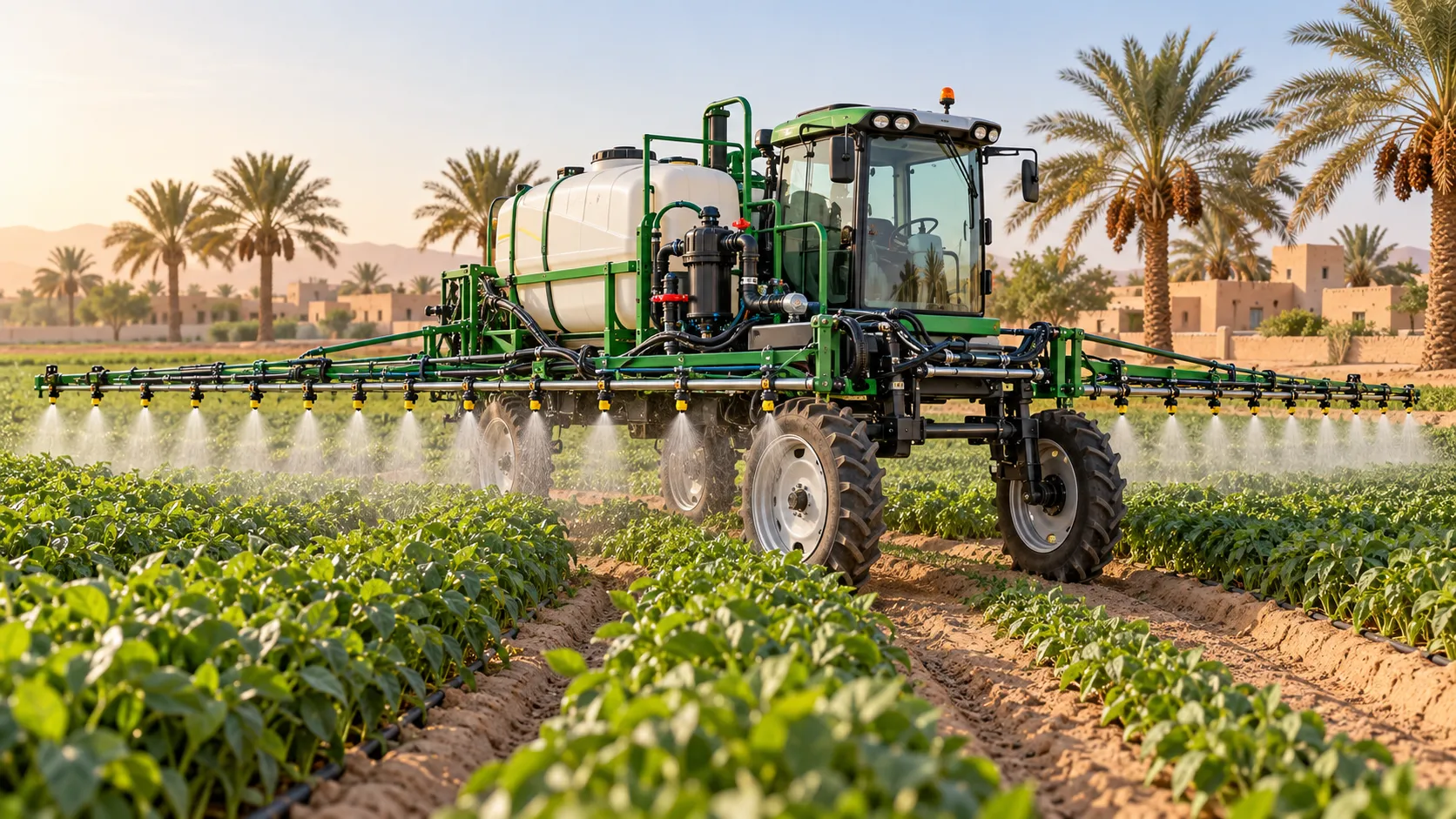
Choosing Crop Protection Equipment for Hot, Windy Middle Eastern Farms
Compare crop protection equipment Middle East farms need for hot, windy conditions. Discover key nozzle, drift-control, and durability checks to choose the right sprayer.
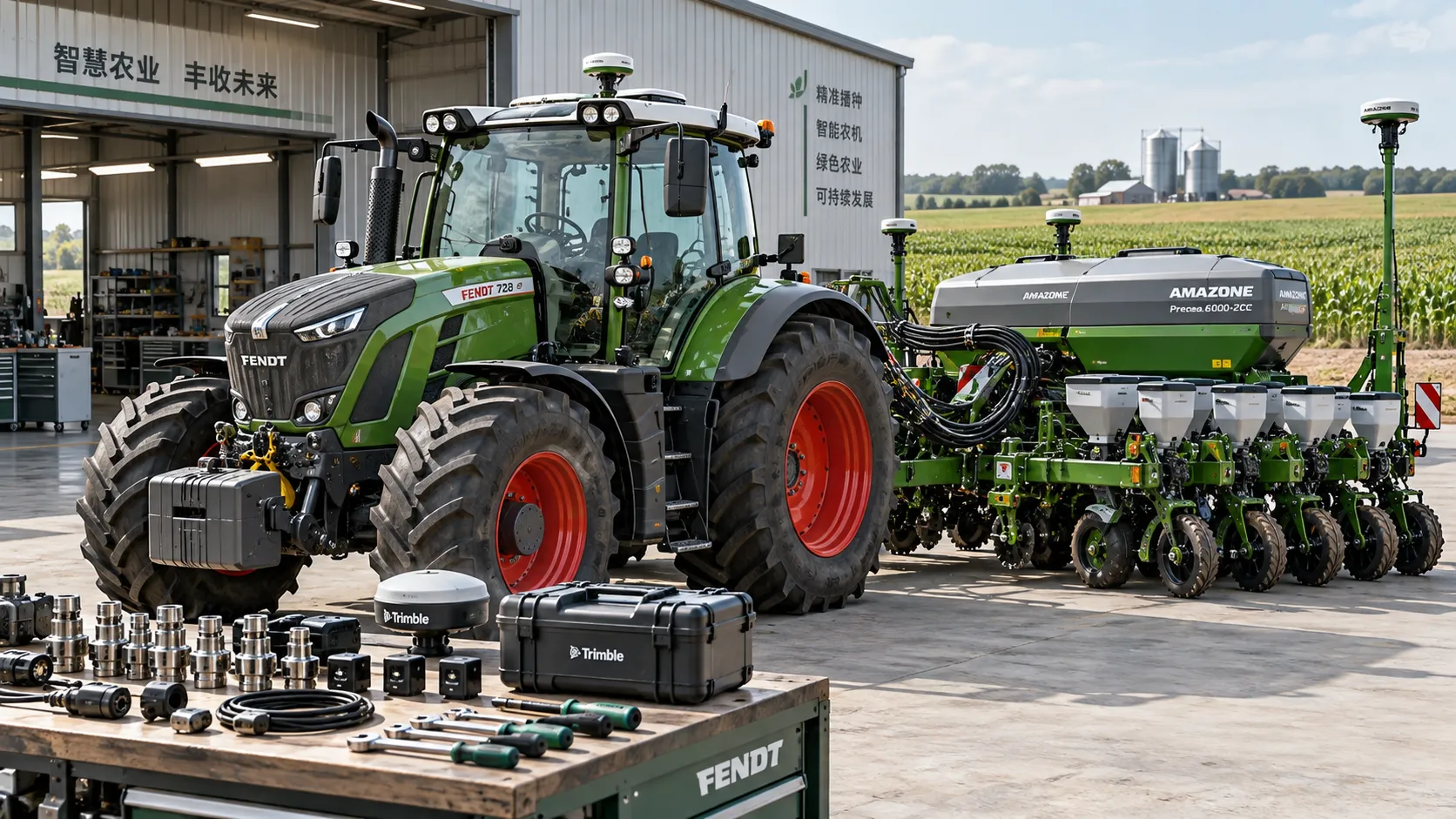
Choosing an Agriculture 4.0 Supplier: Compatibility, Support, and Total Cost
Choose an Agriculture 4.0 supplier with confidence. Learn how to verify compatibility, assess support, and compare total ownership costs to avoid hidden fees and costly downtime.
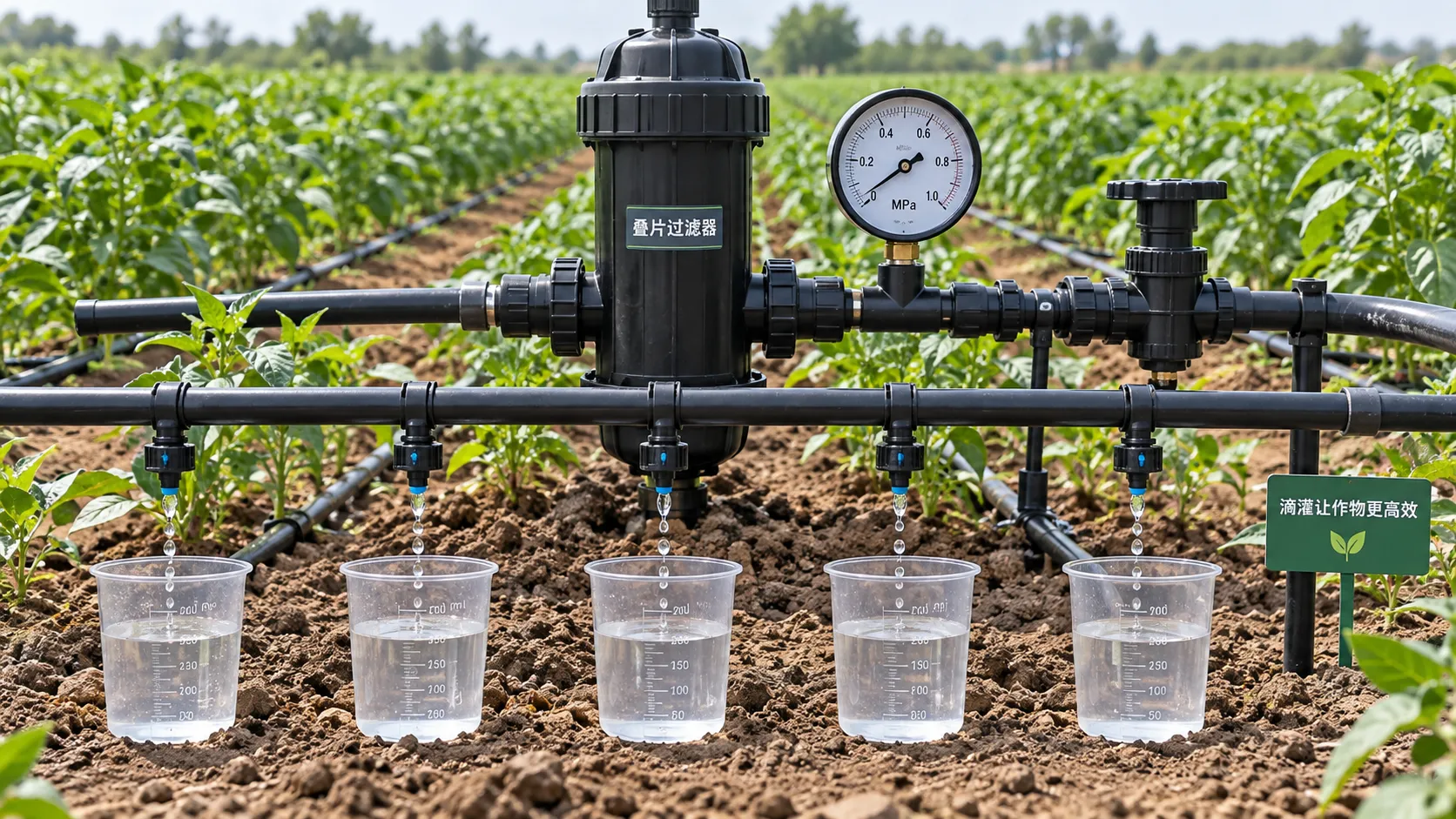
Low-Pressure Drip Irrigation: How to Fix Uneven Watering Without Raising Pressure
Optimize low pressure water-saving irrigation systems: discover how to fix uneven watering, clear blockages, and reduce hydraulic losses without raising supply pressure.
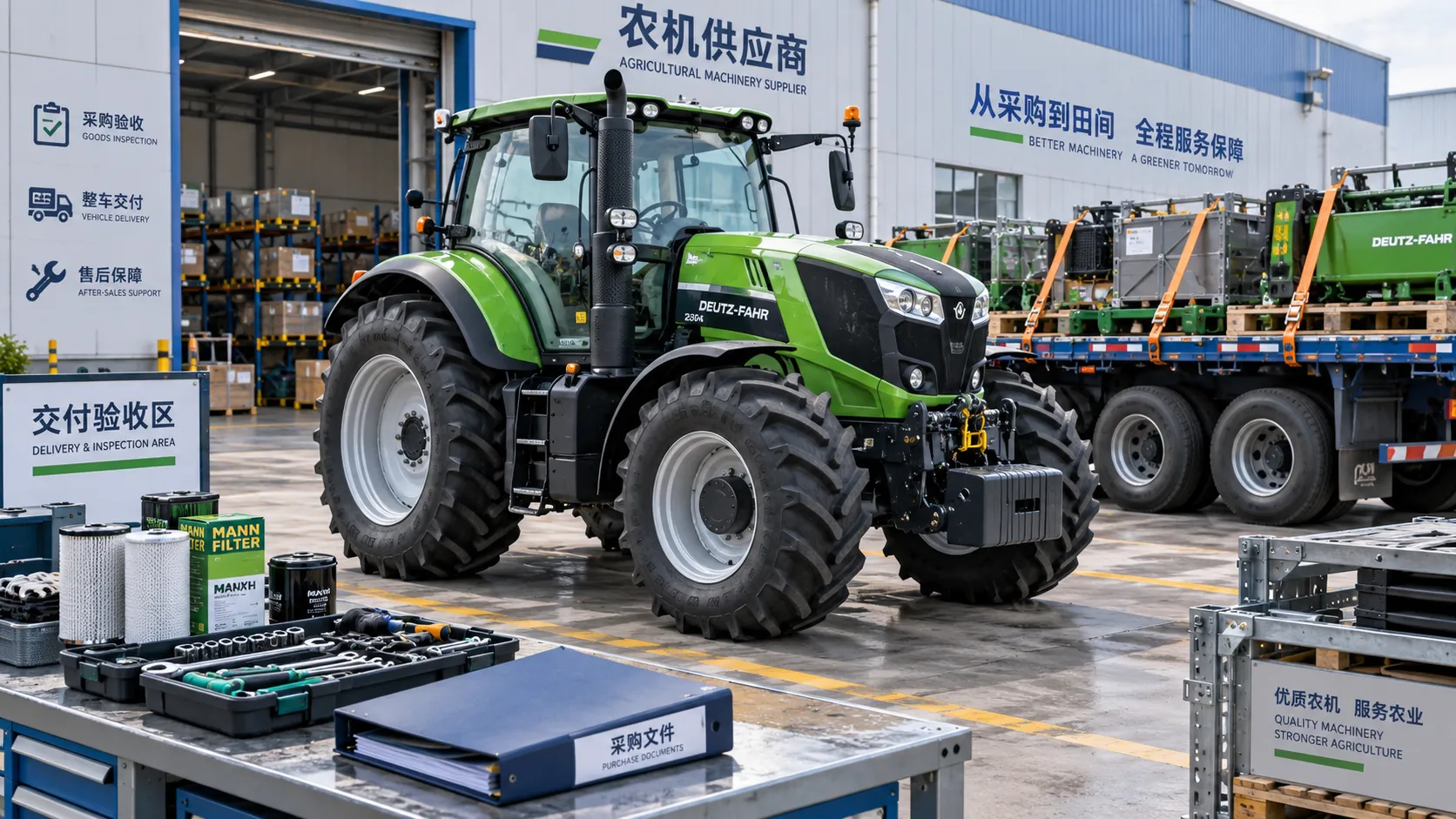
Comparing Farm Equipment Supplier Quotes: Price, Freight, and Warranty
Simplify supplier comparison for farm equipment price: assess freight, field-ready costs, and warranty coverage. Learn how to avoid hidden charges and choose a reliable supplier.
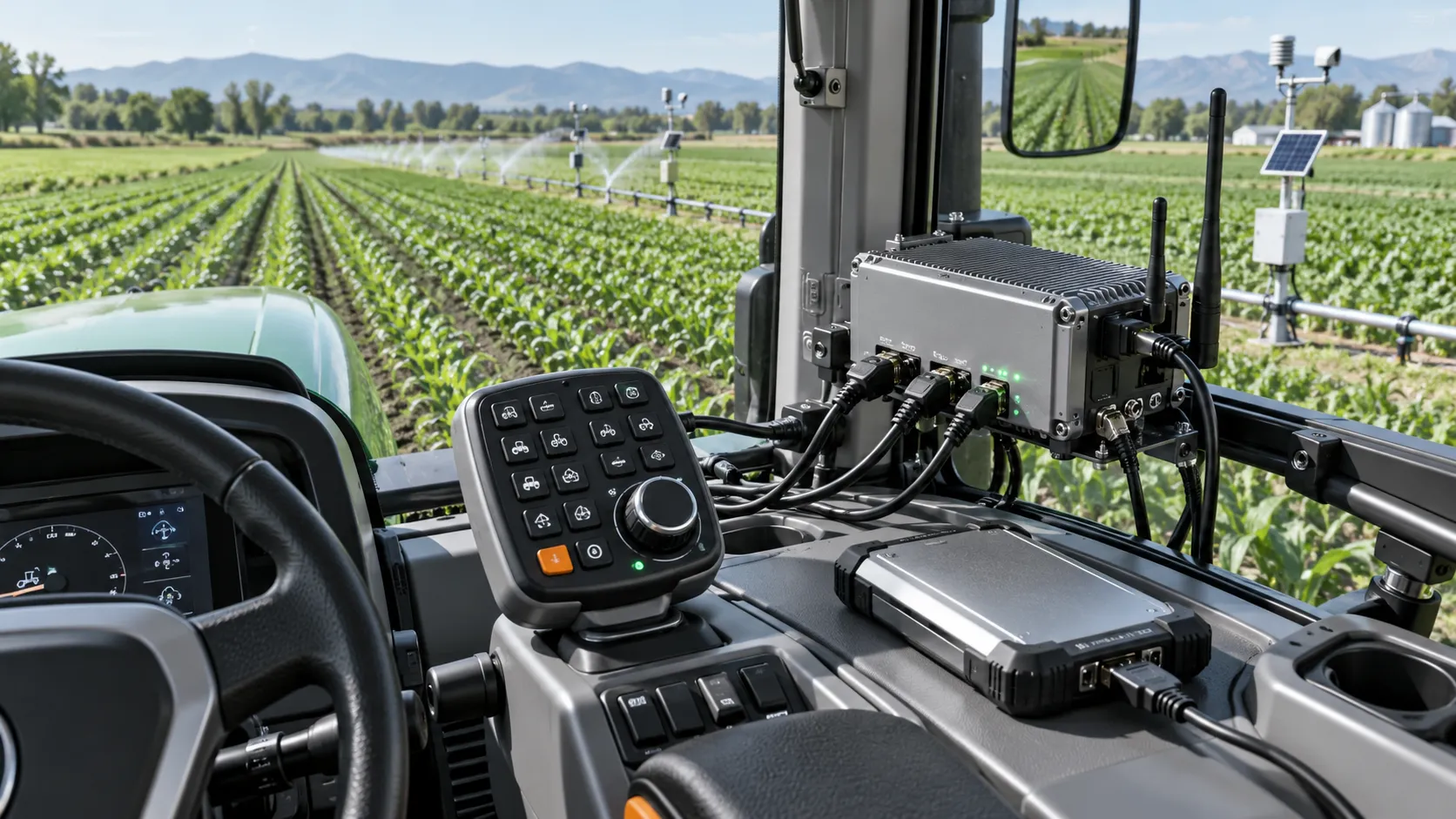
Choosing a Digital Farming Platform Provider: Compatibility and Data Ownership
Compare digital farming platforms providers on equipment compatibility, data ownership, and export rights. Discover practical checks to avoid lock-in and choose with confidence.
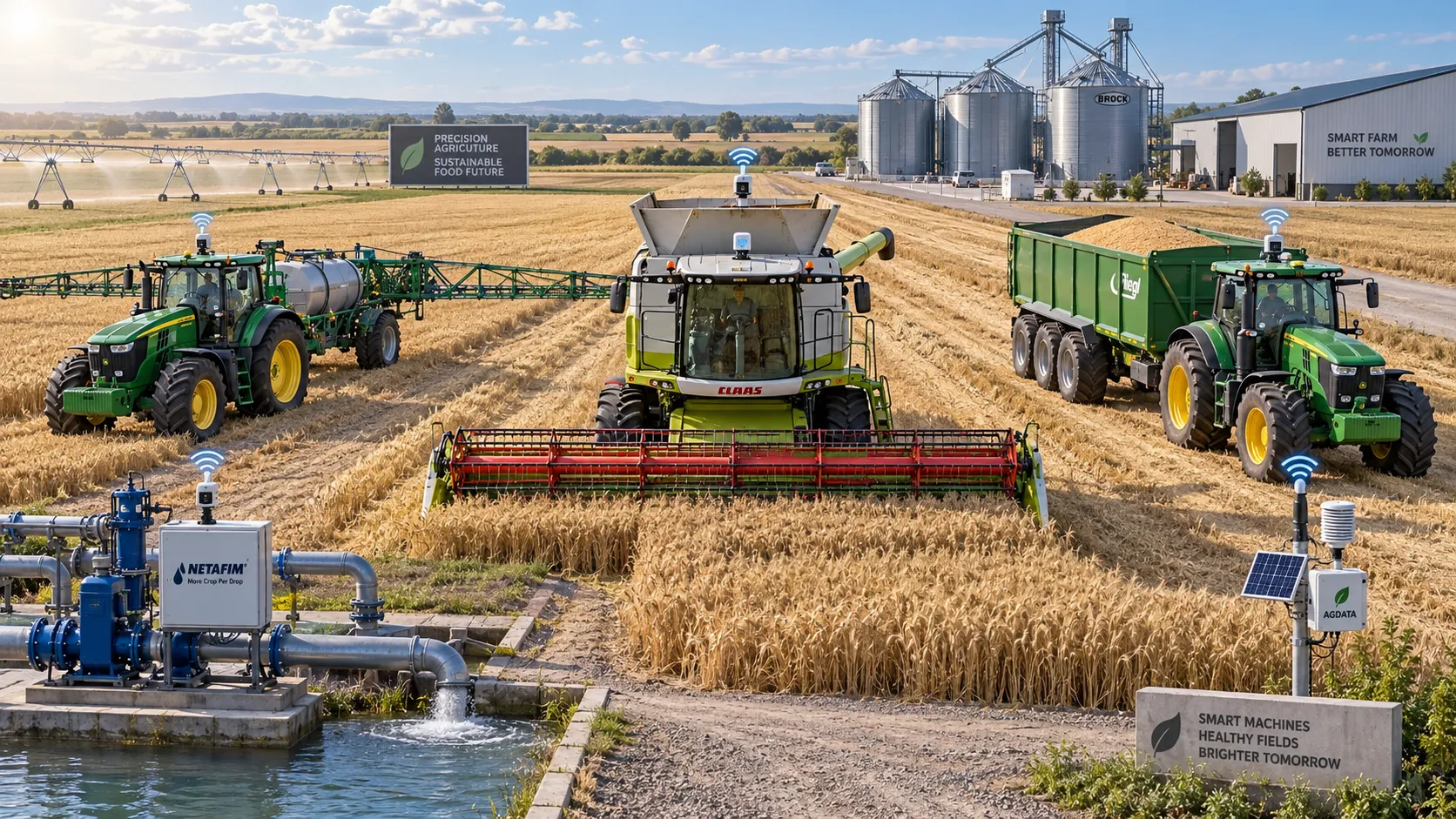
How Large-Scale Farm Telematics Cuts Downtime Across Mixed Fleets
Large-scale farm equipment telematics cuts mixed-fleet downtime with real-time alerts, smarter maintenance, and stronger operational control. Learn how to protect critical farm workflows.
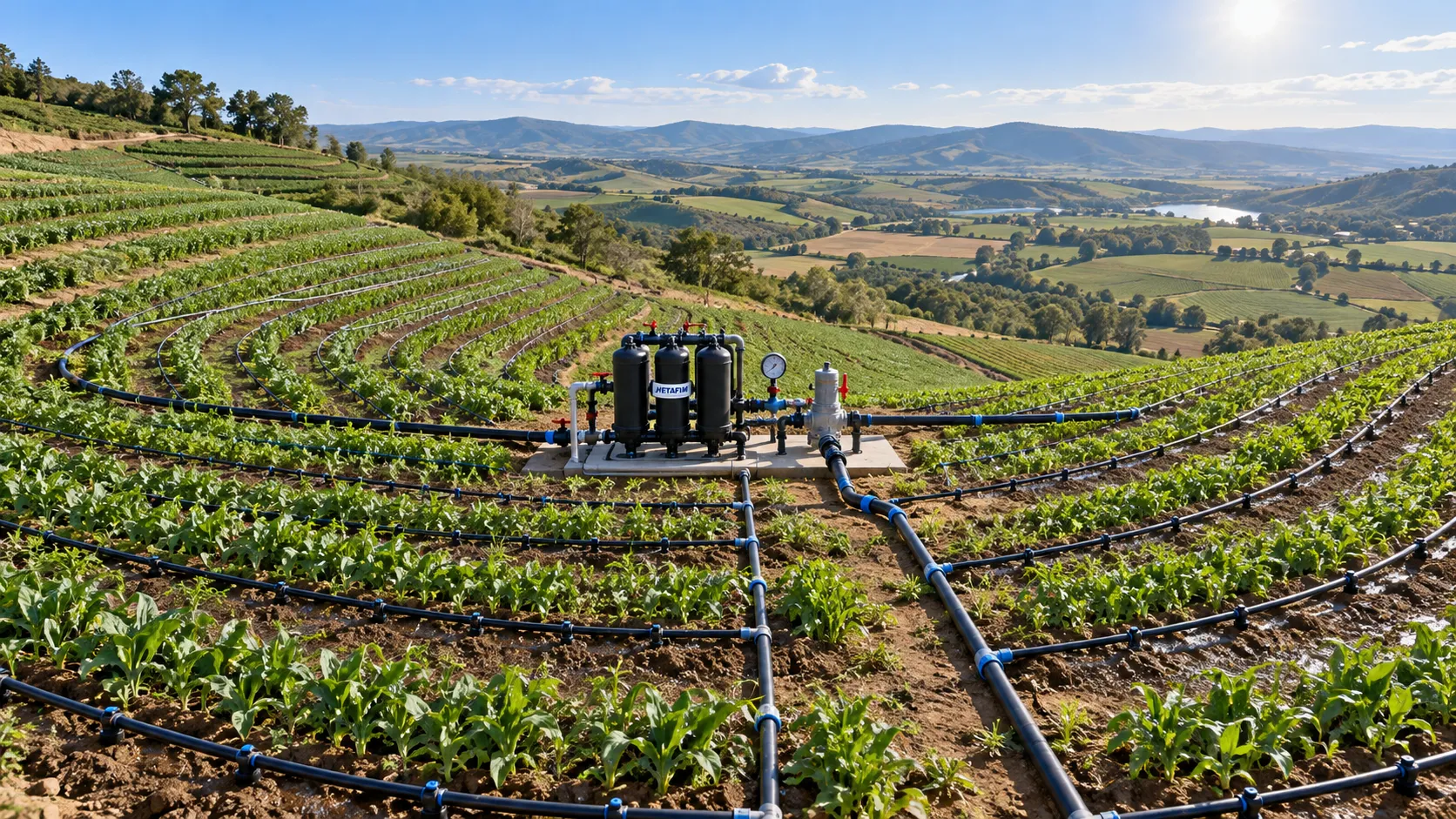
How to Size Low-Pressure Water-Saving Irrigation Systems for Uneven Fields
Low pressure water-saving irrigation systems for uneven fields: learn zoning, pressure mapping, pipe sizing, and pump selection to improve uniformity and reduce water waste.
Farm Machinery Sourcing: How to Vet Suppliers, Specs, and Lifecycle Costs
Farm machinery information for sourcing: learn to vet suppliers, compare specifications, control lifecycle costs, and secure reliable uptime for smarter equipment purchases.
How telemetry for agriculture helps identify equipment downtime
Telemetry for agriculture helps detect early warning signs, prioritize maintenance, and reduce costly equipment downtime before field operations are disrupted.
Related News
- 00
0000-00
What maintenance challenges come with hybrid agricultural machines? - 00
0000-00
Can hybrid propulsion systems reduce fuel use in farm machinery? - 00
0000-00
How Does Farm Mechanization Affect Food Security in Developing Regions? - 00
0000-00
Agricultural Technology Insights by Region: Where Adoption Is Growing Fastest - 00
0000-00
How Climate-Smart Agriculture Technology Improves Yield, Soil Health, and Risk Resilience
Popular Tags
Prof. Marcus Chen
Weekly Insights
Stay ahead with our curated technology reports delivered every Monday.