
Resource-Saving Standards in Agriculture: What Buyers Should Check Before Equipment Approval





Why do resource-saving standards matter before equipment approval?
A machine can look efficient on paper and still waste fuel, water, seed, or chemicals in daily field work.
That is why resource-saving standards matter long before a purchase order is signed.
They help separate marketing claims from measurable operating results.
In practical terms, these standards show whether equipment uses inputs with control, consistency, and traceable efficiency.
This applies across large-scale agri-machinery, combine harvesters, tractor chassis, intelligent farm tools, and water-saving irrigation systems.
For many buyers, the real question is not whether a machine is advanced.
The better question is whether its performance aligns with resource-saving standards under local operating conditions.
AP-Strategy often frames this through the wider Agriculture 4.0 lens.
Mechanical efficiency, precision algorithms, and sustainability targets now influence approval decisions together, not separately.
So, before approval, it is worth checking how a machine saves resources over its full working cycle, not only during a short demo.
What exactly should count as a resource-saving standard?
Many people assume resource-saving standards are only about lower fuel consumption.
That is only one part of the picture.
A stronger definition includes measurable control of energy, water, crop loss, chemical drift, and maintenance-related waste.
For a tractor chassis, it may involve transmission efficiency, hydraulic response, idle fuel use, and power matching.
For combine harvesters, resource-saving standards often include grain loss control, cleaning efficiency, and throughput stability.
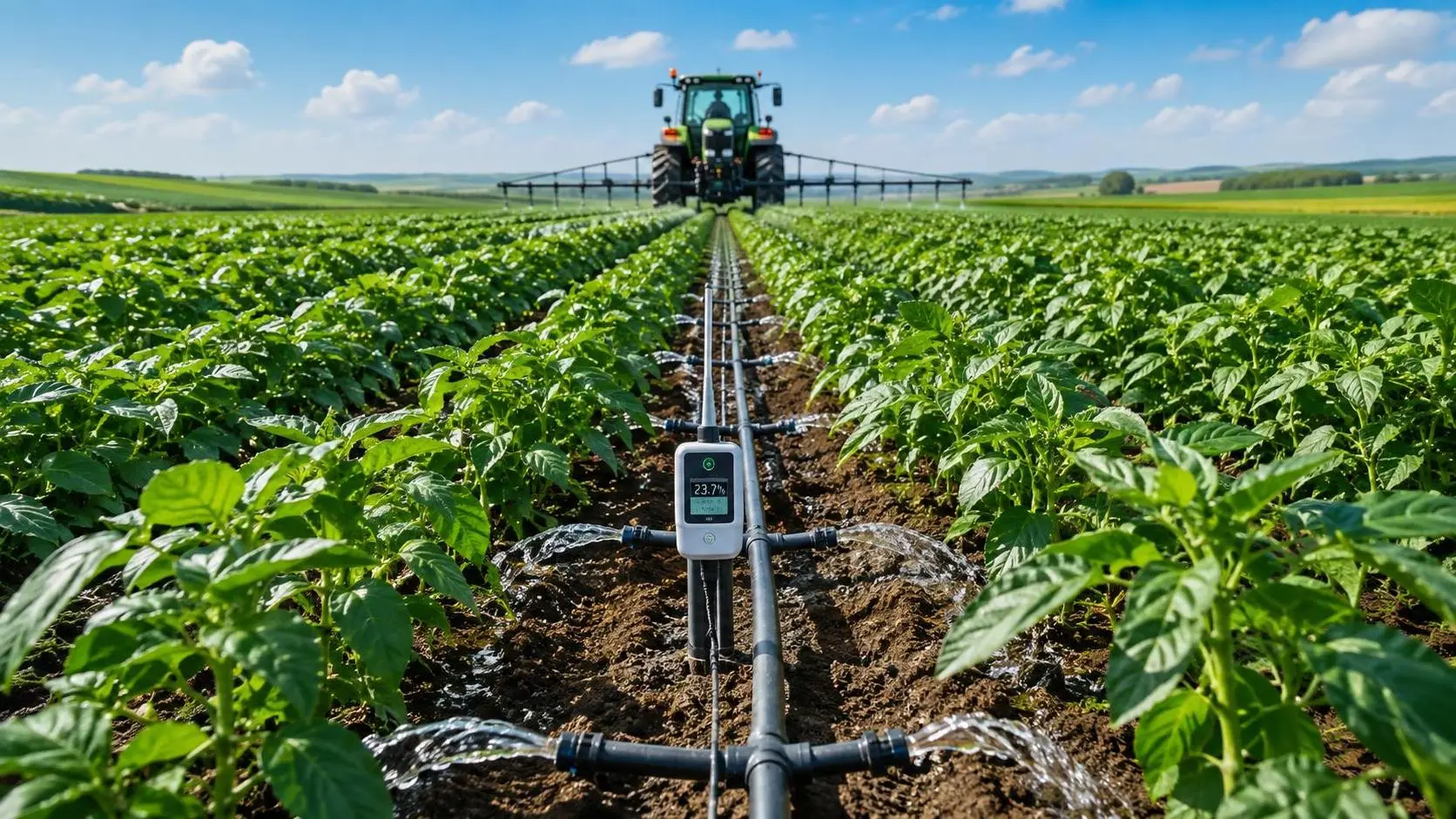
For irrigation systems, the focus shifts toward flow precision, pressure stability, leakage rate, and water application uniformity.
Intelligent tools add another layer.
They must prove that sensors, satellite positioning, and prescription control actually reduce overlap and unnecessary input use.
The most useful way to read resource-saving standards is to ask one simple question.
Which resource is being saved, how is it measured, and under what field conditions was that result achieved?
A quick judgment table helps keep reviews practical
When approval meetings become crowded with technical claims, a compact comparison table often prevents weak assumptions.
Which approval checkpoints usually reveal the real performance?
A specification sheet rarely tells the full story.
The stronger review process looks at performance evidence, control logic, and operational fit at the same time.
In actual sourcing work, several checkpoints tend to reveal whether resource-saving standards are meaningful or superficial.
- Check whether the claimed savings are linked to a recognized testing protocol or internal vendor data only.
- Ask for performance ranges, not one best-case number.
- Review how automation reacts when crop moisture, soil resistance, or water pressure changes suddenly.
- Confirm whether data logging supports later audits and operational tuning.
- Look at wear parts and calibration intervals because poor stability can erase expected savings.
For combine harvesting technology, grain loss maps and cleaning adjustment history often say more than headline throughput figures.
For intelligent irrigation, distribution uniformity and leak response are more useful than generic water-saving claims.
For precision implements, overlap control and section shutoff accuracy deserve close attention.
A good approval file should also show what happens after the first season.
If efficiency drops quickly because sensors drift or settings are hard to maintain, the original savings estimate is incomplete.
How do standards differ across tractors, harvesters, and irrigation systems?
One common mistake is using the same approval logic for every equipment category.
Resource-saving standards are not universal checkboxes.
They need to reflect how each machine consumes energy and affects field losses.
A tractor chassis should be judged by power transfer efficiency, hydraulic load response, traction balance, and idle waste.
If the drivetrain is oversized for the job, fuel intensity rises even with a modern engine.
A combine harvester is different.
Here, resource-saving standards are tied to low-loss separation, stable feeding, and adaptive cleaning performance.
Saving grain is as important as saving diesel.
Water-saving irrigation systems require another lens.
Flow control, emitter consistency, filtration reliability, and pressure compensation directly affect water productivity.
AP-Strategy’s sector coverage is useful here because it treats these systems as connected parts of food security infrastructure.
The smarter approach is not to compare unrelated metrics.
It is to ask whether each machine meets the right resource-saving standards for its actual function.
Where do approval decisions usually go wrong?
Most approval mistakes are not technical failures.
They come from incomplete evaluation logic.
A machine may pass a narrow compliance check and still fail the wider resource-saving test in operation.
One frequent issue is trusting nominal capacity more than field-adjusted efficiency.
Another is ignoring operator dependency.
If savings depend on expert calibration every day, expected performance may not be repeatable.
There is also a tendency to treat digital functions as proof of efficiency.
In reality, software only supports resource-saving standards when sensing, actuation, and maintenance remain reliable over time.
- Do not confuse low emissions data with total resource efficiency.
- Do not ignore spare parts access and calibration support.
- Do not approve based on a single crop or weather scenario.
- Do not overlook integration with existing telemetry or irrigation control platforms.
These points matter even more in cross-border sourcing, where local service quality can change the economics of compliance.
How should long-term cost and return be judged?
The strongest approval decisions connect resource-saving standards to lifecycle economics.
Lower fuel use matters, but so do water retention, reduced overlap, fewer crop losses, and stable maintenance intervals.
In other words, the savings model should reflect the whole operating system.
A machine with a higher purchase price may still be the lower-cost option over several seasons.
That becomes more likely when it supports precise application, adaptive automation, and verified field reporting.
A practical review often includes these questions.
- How quickly can savings be measured after deployment?
- Which variables are most sensitive to poor setup?
- What service events interrupt expected efficiency gains?
- Can operating data support future optimization across fleets or sites?
This is where AP-Strategy’s intelligence model adds context.
Its analysis of mechanization trends, irrigation models, and commercial demand helps frame savings as a strategic asset, not a short-term claim.
If the goal is resilient performance, resource-saving standards should be tied to both compliance and repeatable return.
What is the best next step before final approval?
The best next step is to turn broad sustainability language into a short approval checklist that fits the intended application.
Keep it specific.
Match each machine to the resource it should save most clearly, then request evidence under realistic field conditions.
Where possible, compare test basis, control stability, service burden, and measurable payback side by side.
That reduces the risk of approving equipment that looks compliant but performs inconsistently.
Resource-saving standards work best when they are treated as decision tools, not just certification language.
A careful review today can improve water use, lower input waste, protect yields, and support long-cycle asset planning.
For deeper comparison, it helps to track evolving benchmarks in machinery, harvesting, chassis systems, and intelligent irrigation together.
That wider view often reveals which standards truly support efficient cultivation and which ones only sound convincing.
Related News
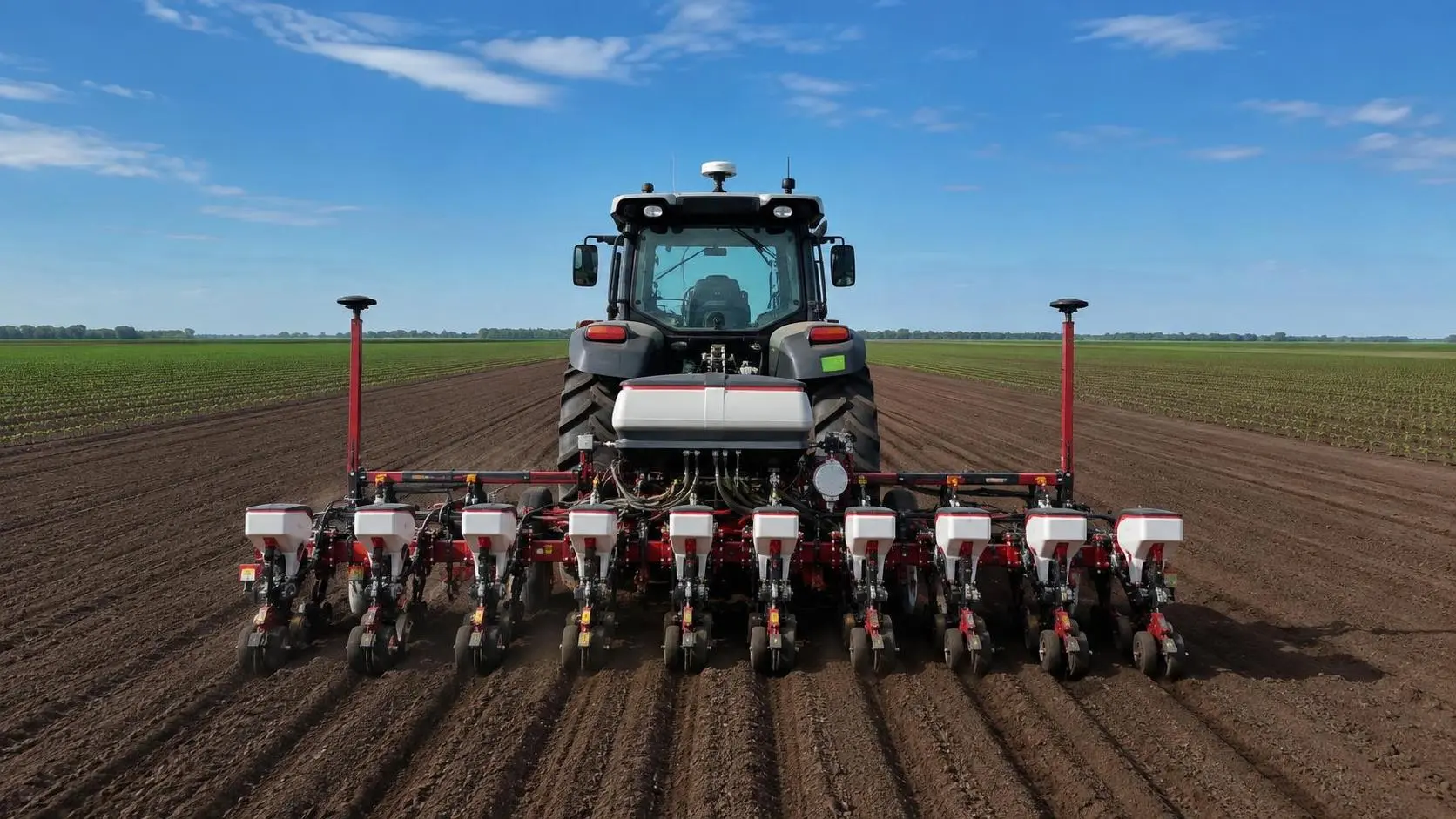
How Tractor Intelligence Systems Improve Field Efficiency and Input Accuracy
Agricultural machinery intelligence for tractors improves field efficiency, input accuracy, data traceability, and implement control. Explore smarter evaluation strategies.
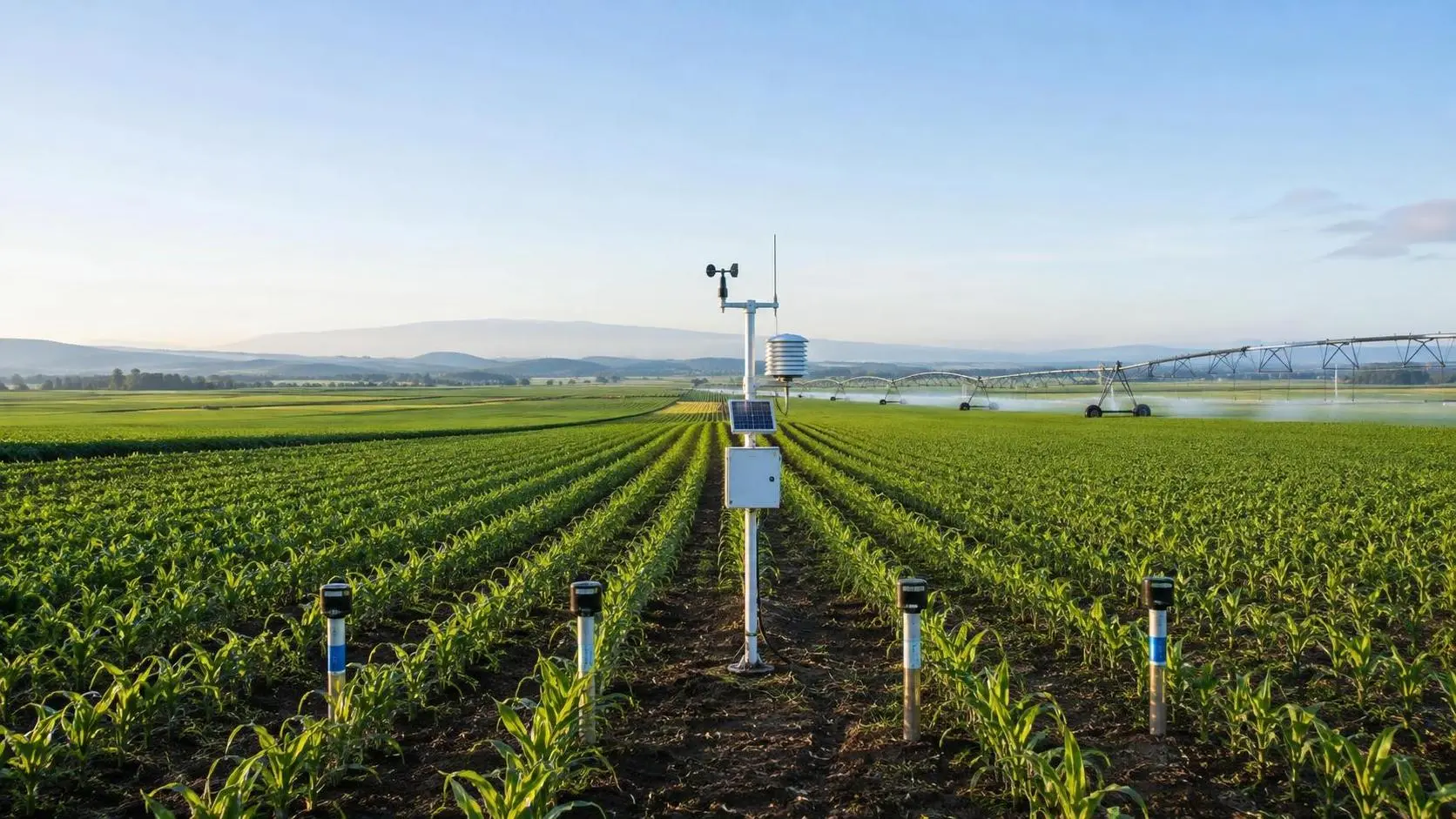
How to Evaluate Crop Monitoring System Manufacturers for Large-Scale Farms
Compare crop monitoring systems manufacturers for large-scale farms. Evaluate data quality, integration, durability, lifecycle costs, support, and pilots for smarter decisions.
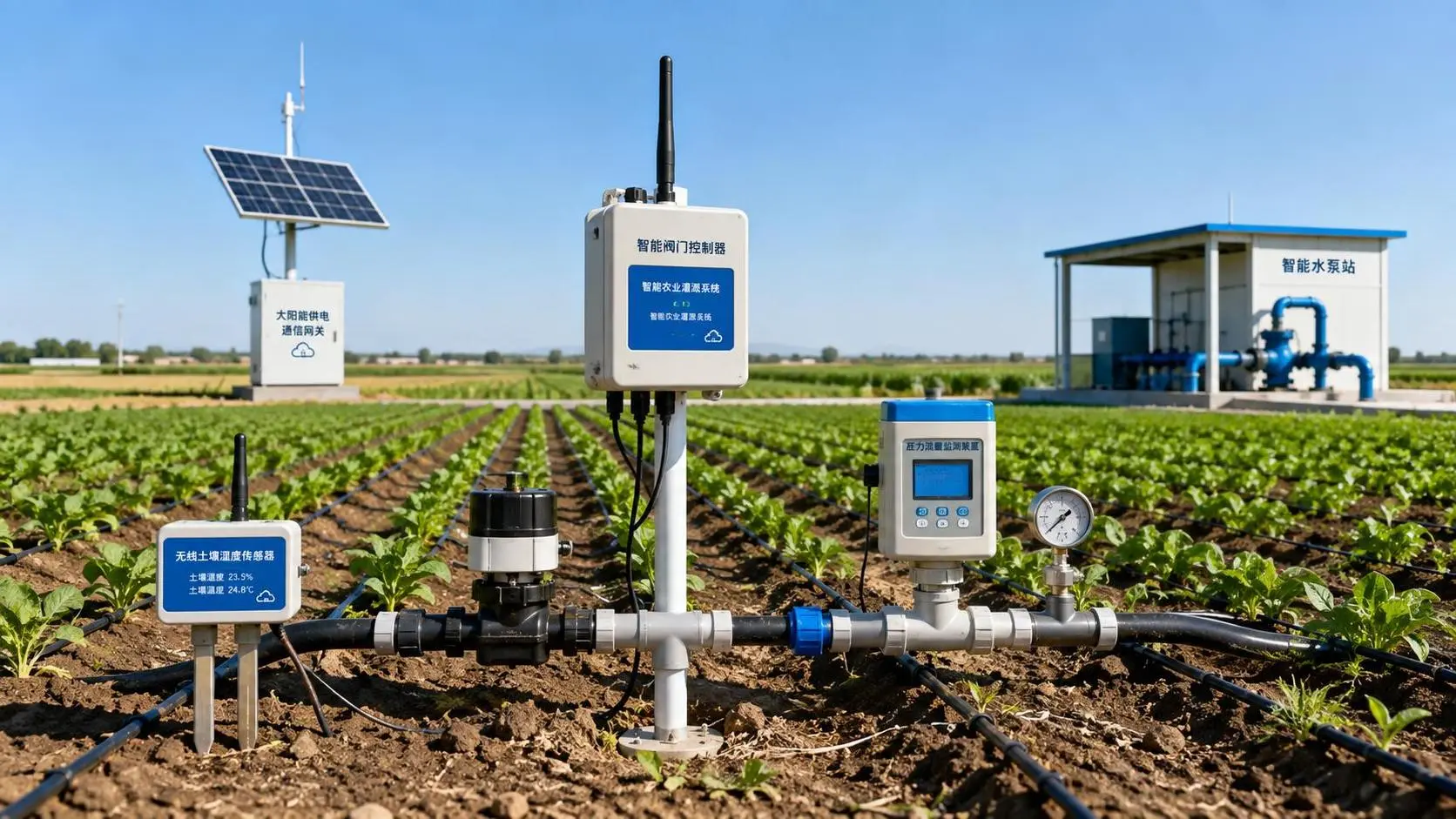
Wireless Agricultural Automation for Remote Irrigation and Field Monitoring
Agricultural automation wireless solutions improve remote irrigation with reliable field data, local control, flow verification, and smarter monitoring. Explore resilient deployment strategies.
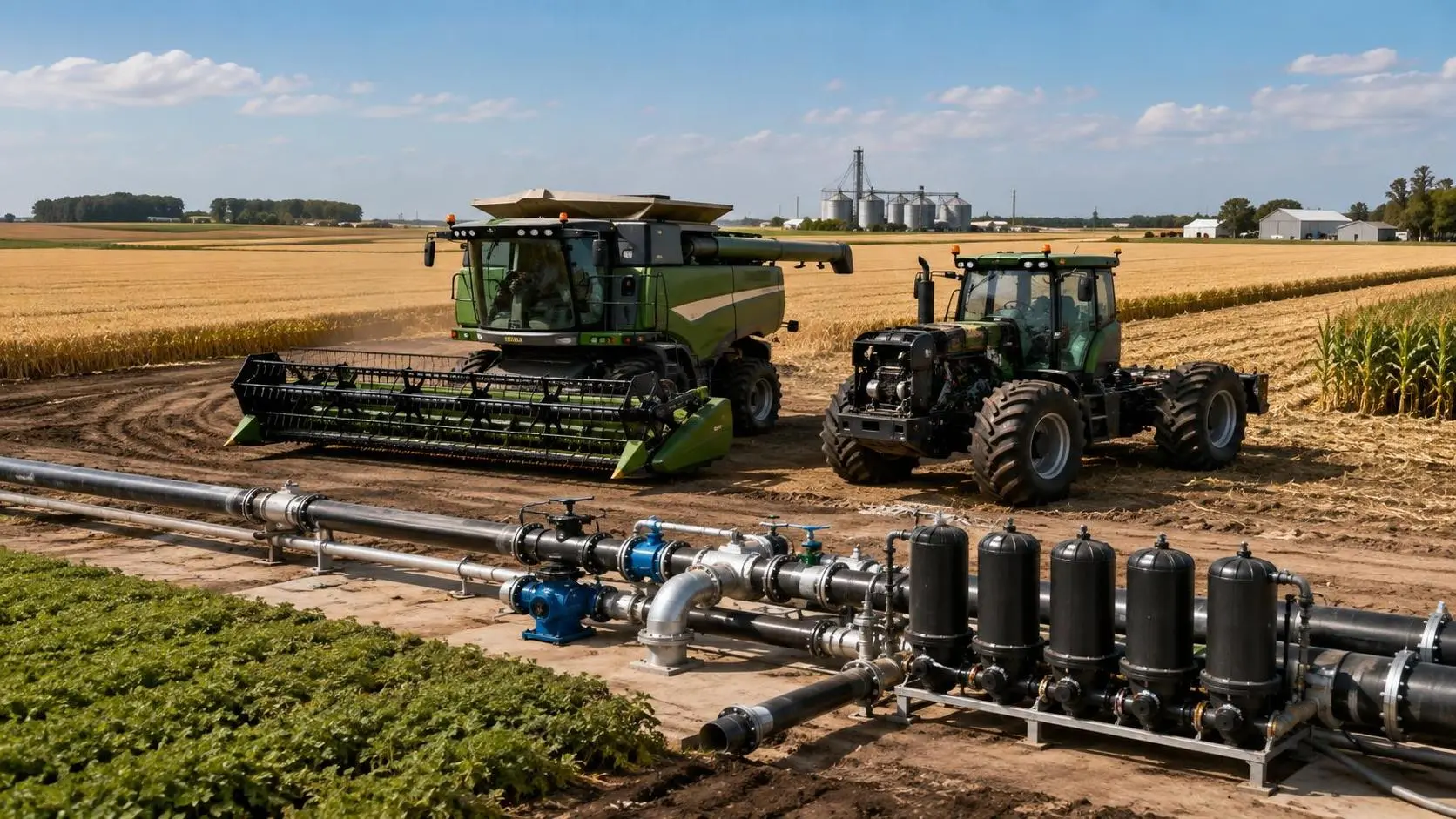
Agricultural Product Information Market Guide: Key Data for Sourcing Decisions
Agricultural product information market guide for smarter sourcing—compare machinery, irrigation, precision tools, lifecycle costs, and supplier risk.
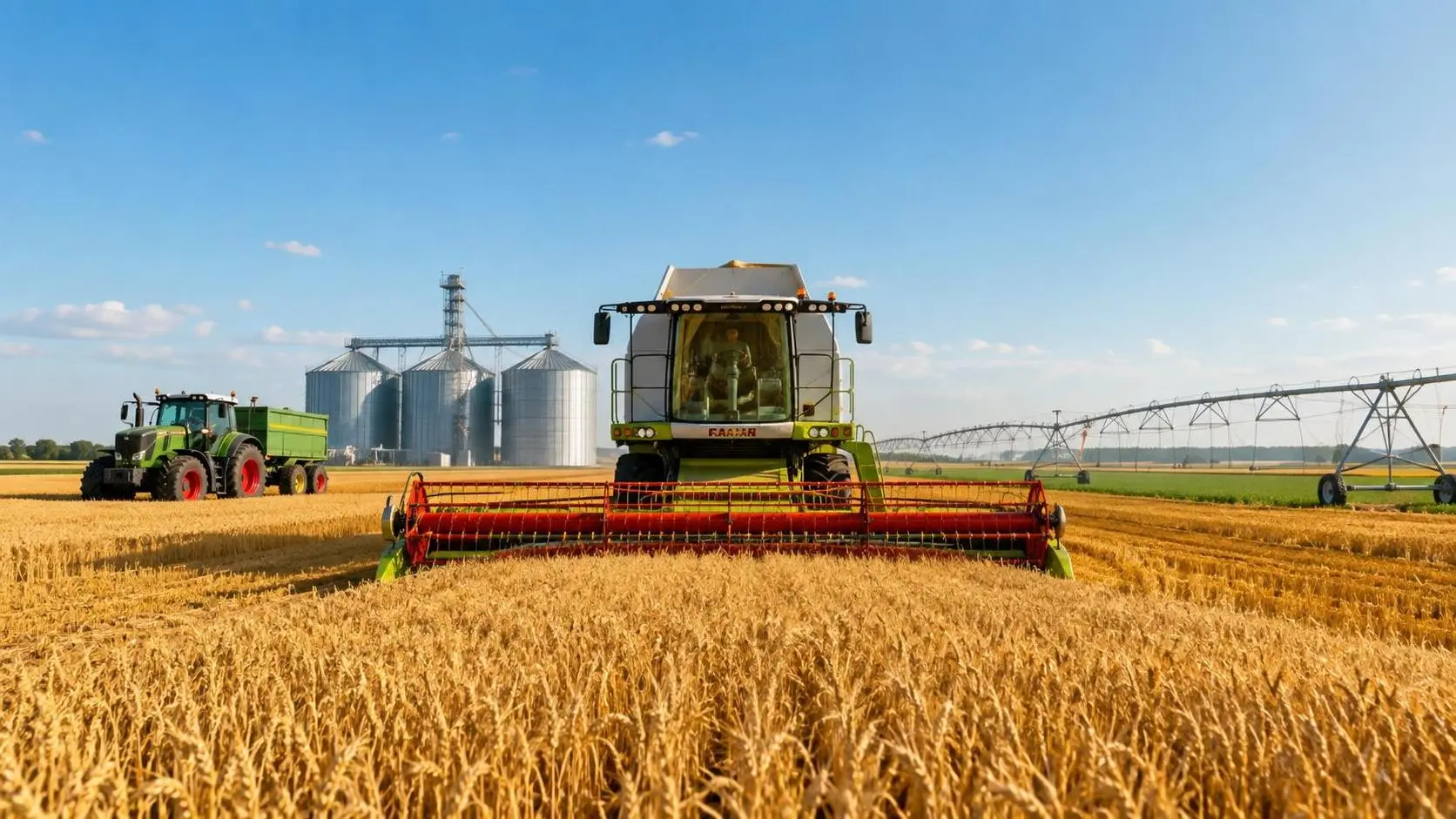
Large-Scale Farm Equipment Cost Comparison: Price, Fuel, and Lifecycle Value
Large-scale farm equipment cost comparison: evaluate price, fuel, maintenance, downtime, and lifecycle value to choose tractors, combines, irrigation, and smart tools with confidence.
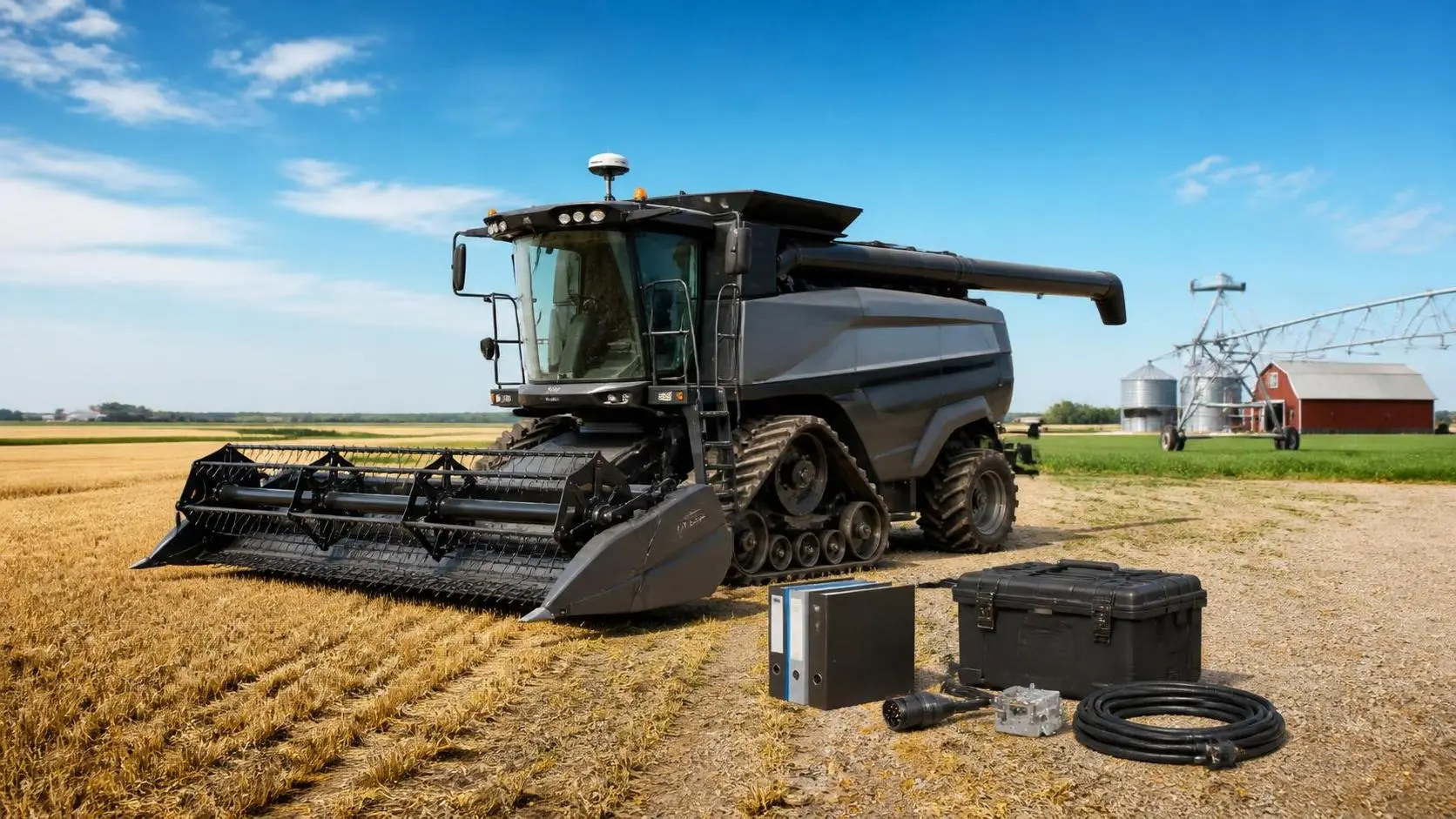
A Procurement Specification Preparation Example for Buying Farm Equipment
Procurement specification preparation example for farm equipment: learn to define requirements, compare suppliers, control lifecycle costs, and buy with confidence.
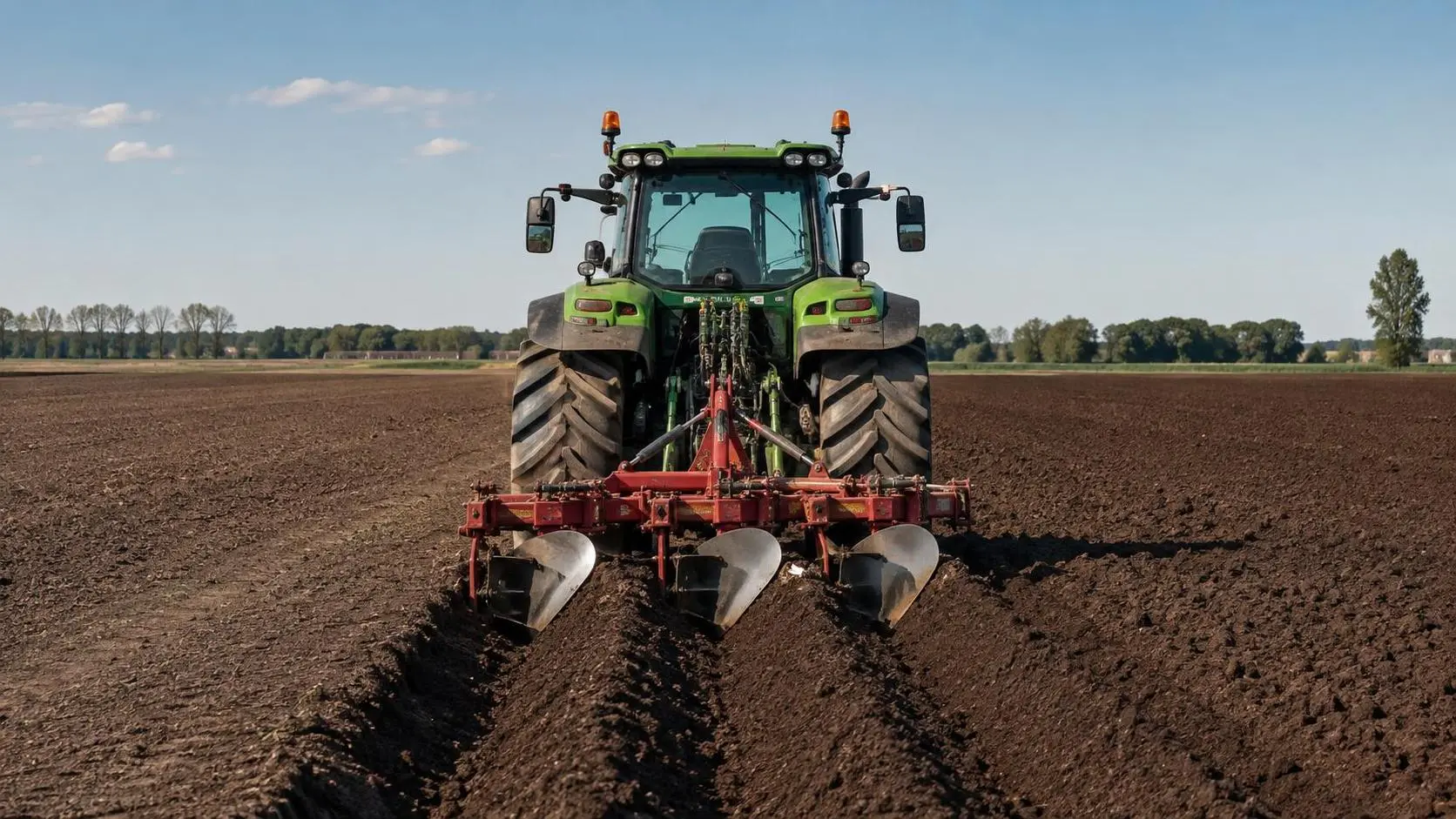
What Tractor Horsepower Is Needed for a Three-Bottom Moldboard Plow?
What tractor horsepower is needed for three-bottom moldboard plow? Compare 60–100 hp needs by soil, depth, traction, and plow width for a confident equipment match.
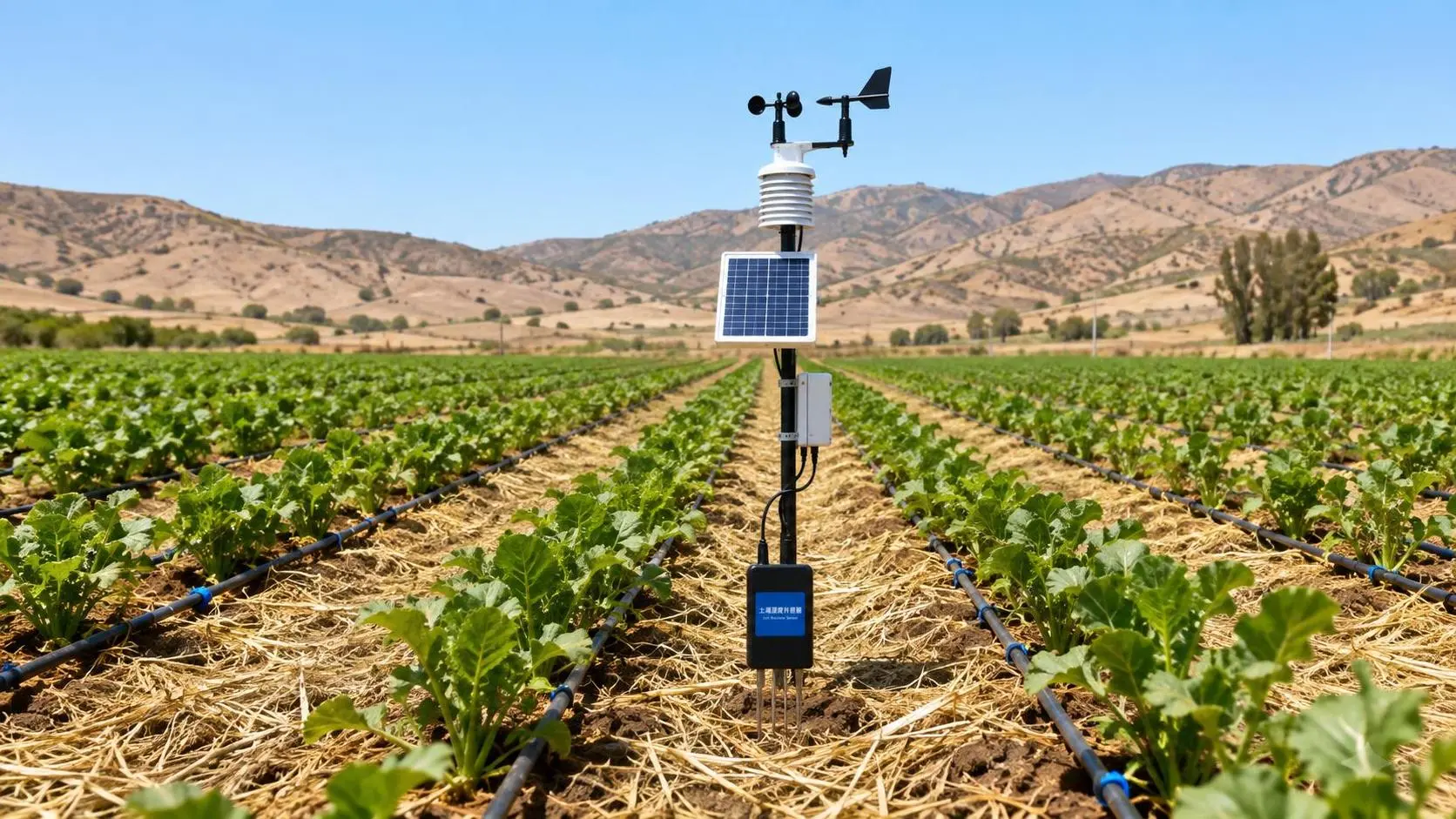
How Does Climate-Smart Farming Reduce Water Use in Semi-Arid Areas?
How does climate-smart farming reduce water use in semi-arid zones? Discover precision irrigation, soil monitoring, and smarter crop planning for resilient yields.
Can Sustainable Farming Be Profitable Without Reducing Yields?
Are sustainable farming practices profitable without yield loss? Discover precision strategies that cut waste, protect yields, and improve farm margins.
Related News
- 00
0000-00
How to Evaluate Crop Monitoring System Manufacturers for Large-Scale Farms - 00
0000-00
Agricultural Product Information Market Guide: Key Data for Sourcing Decisions - 00
0000-00
Large-Scale Farm Equipment Cost Comparison: Price, Fuel, and Lifecycle Value - 00
0000-00
A Procurement Specification Preparation Example for Buying Farm Equipment - 00
0000-00
Can Sustainable Farming Be Profitable Without Reducing Yields?
Popular Tags
Ms. Elena Rodriguez
Weekly Insights
Stay ahead with our curated technology reports delivered every Monday.