
Smart Farming Equipment: Which Systems Fit Seeding, Spraying, and Irrigation Tasks?
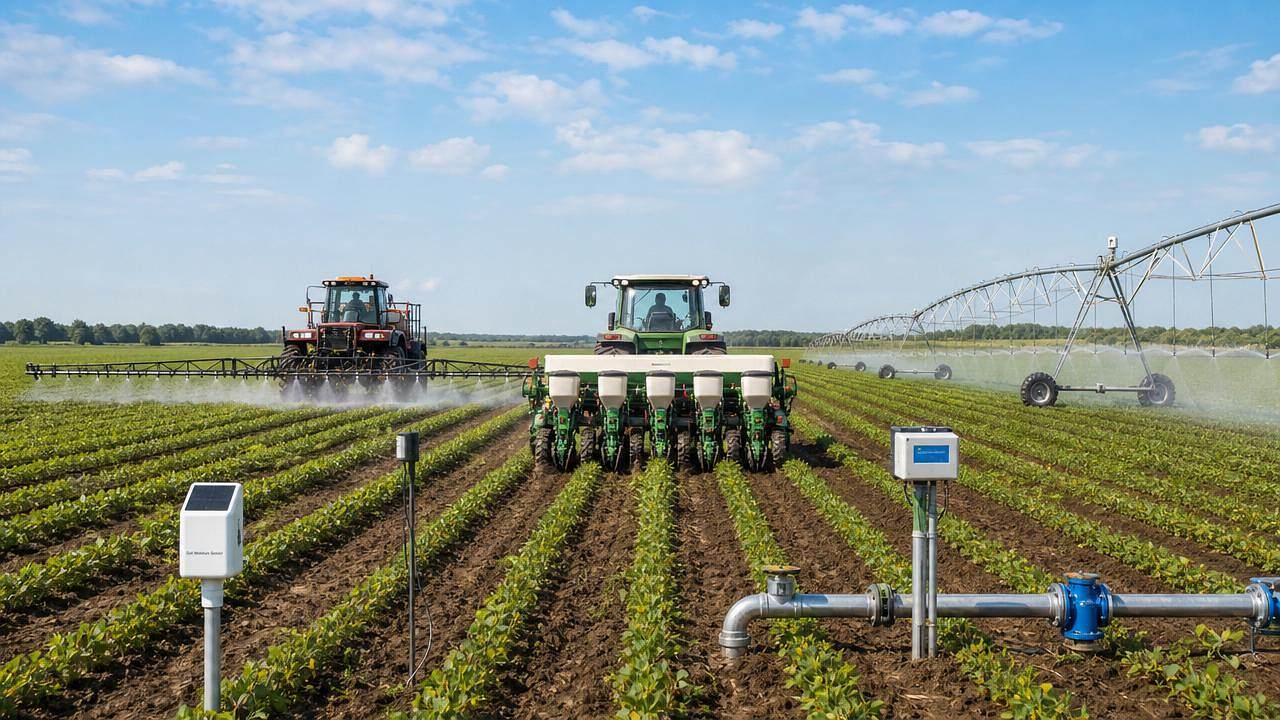




Smart farming equipment works best when the task is clearly defined
Choosing smart farming equipment for seeding, spraying, and irrigation shapes field efficiency far beyond a single season.
The real question is not which system looks most advanced.
It is which system fits crop timing, soil conditions, water pressure, machine compatibility, and data workflow at the same time.
That is why smart farming equipment is increasingly treated as an operational architecture, not just a hardware purchase.
Across the Agriculture 4.0 landscape observed by AP-Strategy, the strongest projects connect mechanical reliability with precision algorithms and resource discipline.
A seeding unit that places seed accurately, a sprayer that adjusts dosage in motion, and an irrigation network that responds to evapotranspiration all solve different field problems.
Treating them as identical digital upgrades usually leads to weak returns.
Why the same smart farming equipment rarely fits every field task
In actual use, task conditions create the first divide.
Seeding depends on spacing precision, emergence consistency, and ground contact stability.
Spraying is more sensitive to canopy density, drift control, weather variation, and nozzle response speed.
Irrigation decisions change again, because water source stability, filtration, pressure zoning, and sensor placement matter more than travel speed.
A second divide comes from scale.
Large farms often need interoperable smart farming equipment that shares maps, prescriptions, and machine status across several platforms.
Smaller or mixed operations may benefit more from modular systems that solve one bottleneck well without forcing a full digital rebuild.
The best judgment usually starts with the agronomic risk that costs the most when timing or dosage is wrong.
For seeding, placement quality matters more than interface complexity
Seeding is often the first place where smart farming equipment promises immediate value.
But the field result depends less on display features and more on row unit stability, metering consistency, and terrain compensation.
On uniform land with predictable residue, variable-rate seeding can improve stand management and seed cost discipline.
On uneven ground, downforce control and section response often bring greater value than aggressive prescription complexity.
This is especially true where speed changes frequently or tractor traction varies.
A common mistake is assuming satellite guidance alone guarantees good emergence.
It does not correct poor seed-to-soil contact, worn openers, or unstable hydraulic behavior.
For seeding tasks, smart farming equipment should be judged by spacing uniformity, skip and double rates, closed-loop metering feedback, and compatibility with tractor power and hydraulic output.
Where AP-Strategy tracks large-scale machinery trends, one pattern is clear.
Digital seeding gains are strongest when mechanical wear data and field prescriptions are reviewed together, not separately.
Spraying decisions change when crop protection risk becomes the priority
Spraying puts smart farming equipment under different pressure.
Accuracy here is not only about path control.
It is about whether the target receives the right droplet size, timing, and volume under changing field conditions.
In broadacre grain systems, auto-section control and flow compensation reduce overlap and save input.
In higher-value crops, sensor-based spot spraying or pulse-width modulation may justify the extra cost because chemical misapplication has a sharper financial penalty.
Wind exposure, boom stability, and refill logistics often determine performance as much as software does.
That is why similar sprayers can deliver very different results in neighboring fields.
When selecting smart farming equipment for spraying, it helps to separate three layers of control.
- Navigation control, which reduces overlap and missed strips.
- Application control, which stabilizes pressure, flow, and nozzle output.
- Decision control, which links agronomic maps or live sensing to dosage changes.
Projects often overinvest in the third layer before the first two are stable.
That usually weakens the value of advanced smart farming equipment rather than strengthening it.
Irrigation systems need a different logic than moving field machines
Irrigation is where smart farming equipment shifts from pass-based operations to continuous control.
The key issue is not simply applying water.
It is matching soil moisture, crop stage, climate pressure, and energy use without creating runoff or hidden stress.
In drip systems, filtration discipline and emitter uniformity matter as much as sensor intelligence.
In pivots or linear systems, pressure consistency, zone control, and weather-linked scheduling become the main checkpoints.
This is also where AP-Strategy’s focus on water-saving irrigation systems becomes especially relevant.
A smart irrigation platform is only credible when hydrological data, maintenance response, and field-level water balance work together.
One frequent misjudgment is placing too much trust in a single sensor reading.
Sensor depth, soil variability, and blocked emitters can distort recommendations.
For irrigation tasks, smart farming equipment should be checked against pressure maps, filtration maintenance intervals, alert reliability, and the ability to adjust by field zone rather than by farm average.
Different tasks create different selection priorities
The comparison becomes clearer when the task conditions are placed side by side.
This kind of comparison prevents a common trap.
Many systems are sold as universal upgrades, yet each task rewards a different balance of mechanics, automation, and agronomic intelligence.
Where field projects most often misread fit
The first error is comparing smart farming equipment only by feature count.
A cleaner interface does not guarantee stronger field execution.
The second error is ignoring compatibility with existing tractors, implements, pumps, or telemetry standards.
Retrofitting costs can quietly exceed the expected savings.
The third error is treating seasonal ROI as the only benchmark.
For irrigation in particular, long-term maintenance discipline often decides whether the system remains precise after two or three years.
Another overlooked point is data ownership and usability.
If machine records, sensor data, and prescription layers stay isolated, smart farming equipment becomes harder to scale across fields and seasons.
A practical way to match smart farming equipment to field reality
A useful selection process starts with the operational loss that matters most.
If stand inconsistency is the biggest issue, seeding control deserves priority.
If chemical waste or compliance pressure is rising, spraying control becomes the stronger investment.
If water limits, energy cost, or climate volatility are the main risk, irrigation intelligence should move first.
- Map field variability before selecting automation depth.
- Check machine, sensor, and software compatibility early.
- Compare maintenance workload, not only purchase cost.
- Validate data accuracy under real operating speeds and loads.
- Build a review cycle for calibration, wear, and seasonal adjustment.
The strongest smart farming equipment strategy is usually phased rather than rushed.
It connects one high-impact task first, then expands when data quality and maintenance routines are already reliable.
That approach fits the broader AP-Strategy view of intelligent agriculture.
Mechanical performance, precision control, and sustainability targets should reinforce one another, not compete for attention.
Before moving ahead, define the exact field scenario, compare the limiting conditions, and set a short list of non-negotiable performance indicators.
That is usually the fastest route to choosing smart farming equipment that continues to fit after the first deployment season.
Related News
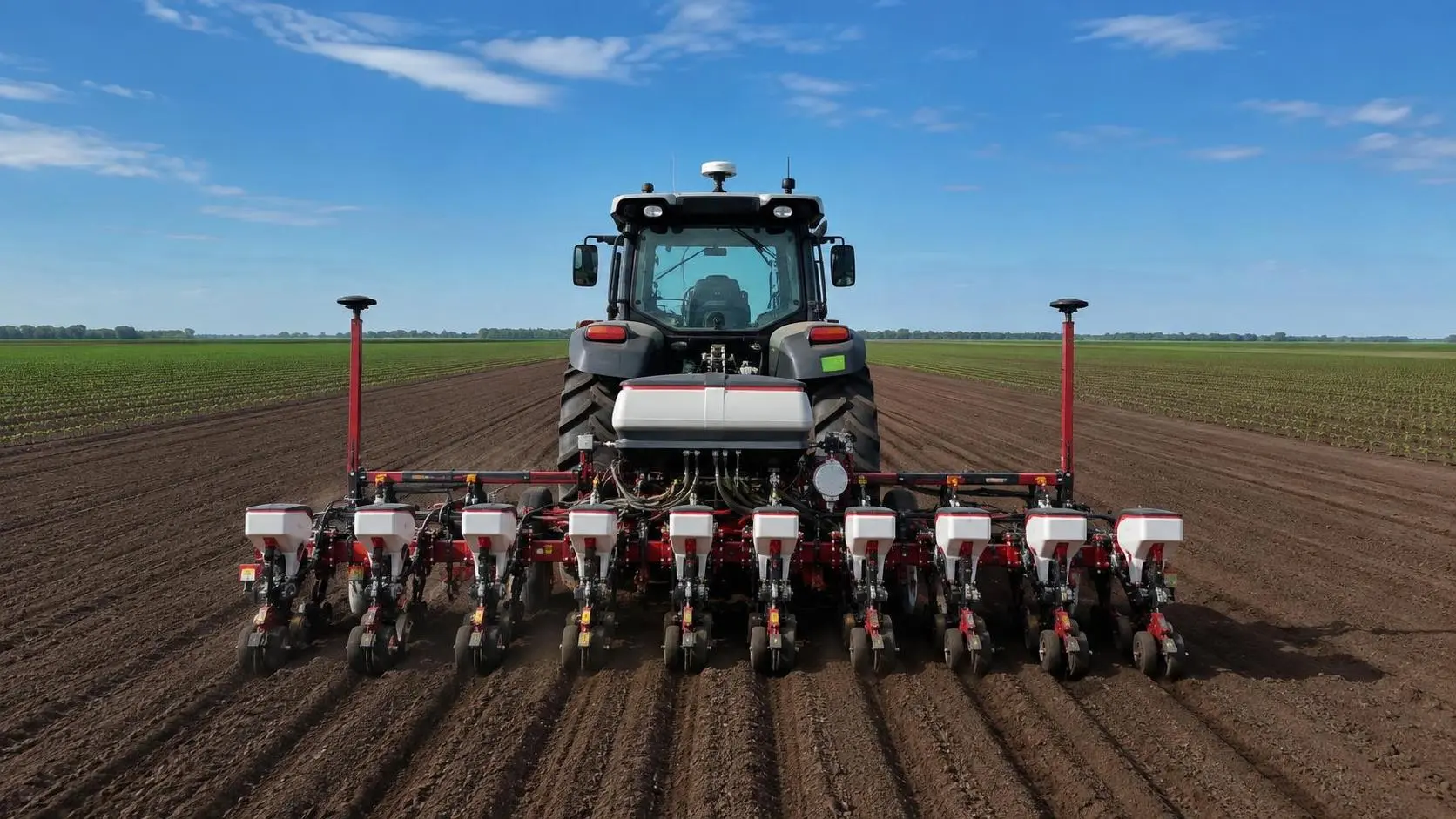
How Tractor Intelligence Systems Improve Field Efficiency and Input Accuracy
Agricultural machinery intelligence for tractors improves field efficiency, input accuracy, data traceability, and implement control. Explore smarter evaluation strategies.
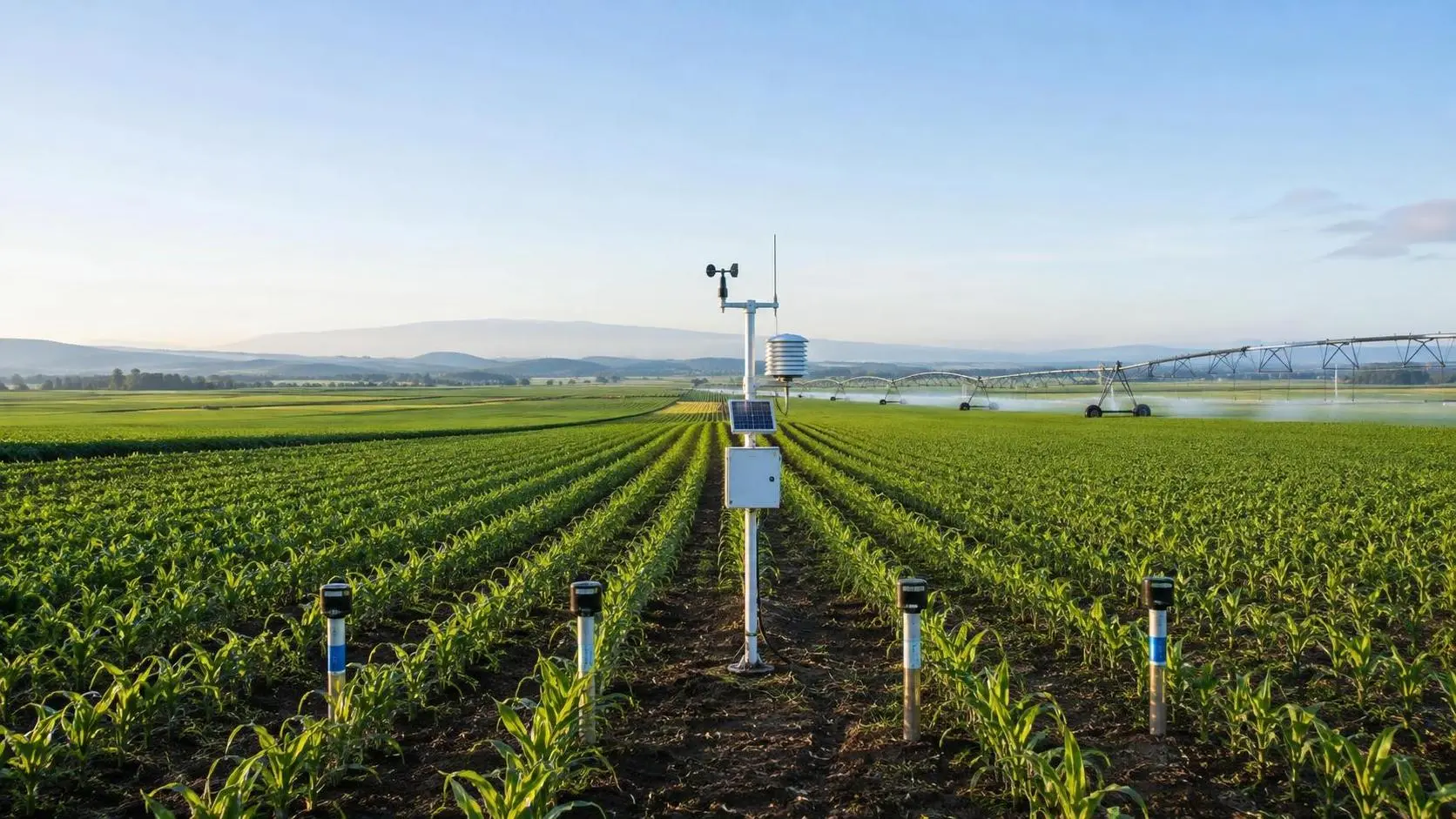
How to Evaluate Crop Monitoring System Manufacturers for Large-Scale Farms
Compare crop monitoring systems manufacturers for large-scale farms. Evaluate data quality, integration, durability, lifecycle costs, support, and pilots for smarter decisions.
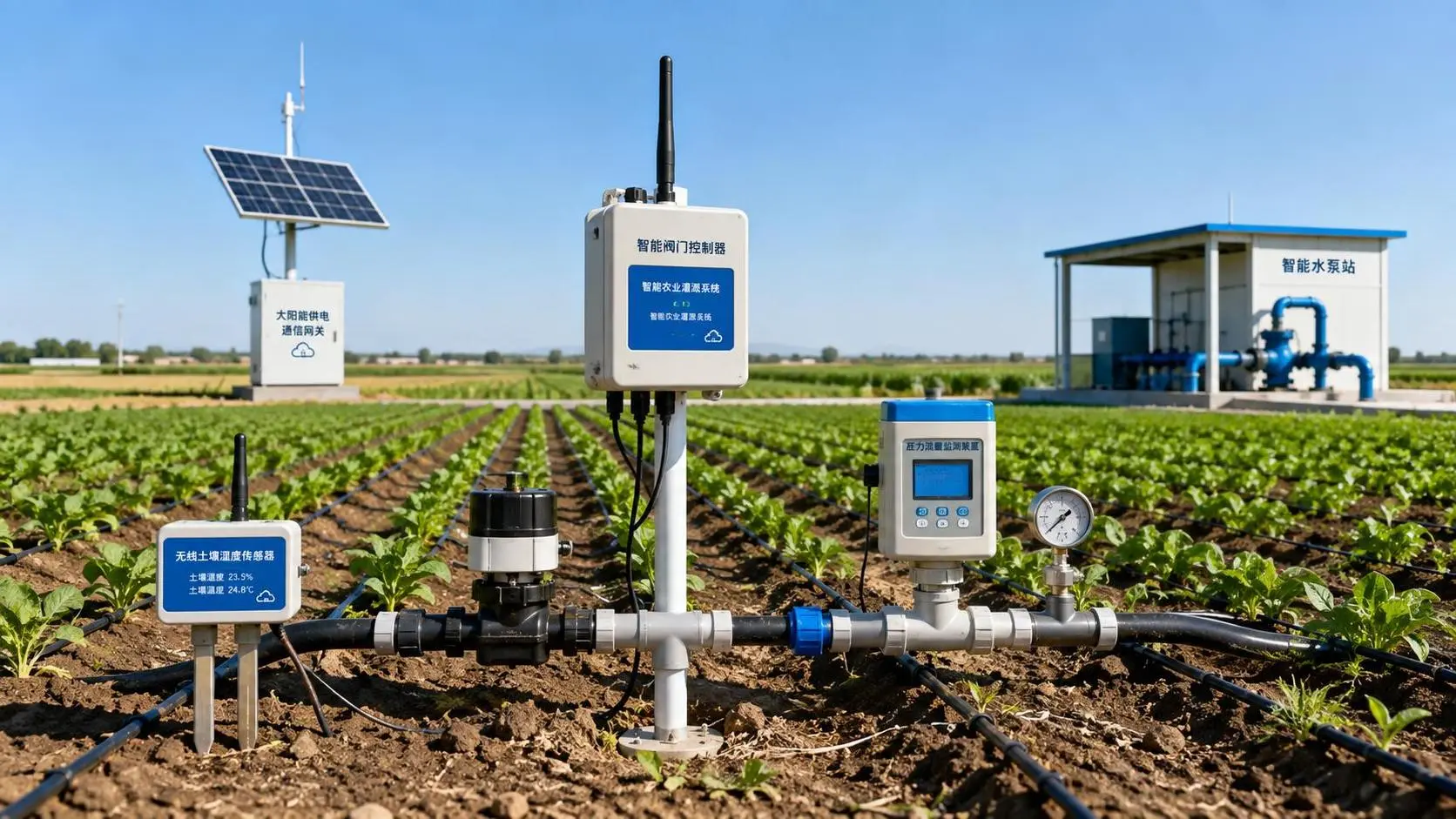
Wireless Agricultural Automation for Remote Irrigation and Field Monitoring
Agricultural automation wireless solutions improve remote irrigation with reliable field data, local control, flow verification, and smarter monitoring. Explore resilient deployment strategies.
Agricultural Product Information Market Guide: Key Data for Sourcing Decisions
Agricultural product information market guide for smarter sourcing—compare machinery, irrigation, precision tools, lifecycle costs, and supplier risk.
Large-Scale Farm Equipment Cost Comparison: Price, Fuel, and Lifecycle Value
Large-scale farm equipment cost comparison: evaluate price, fuel, maintenance, downtime, and lifecycle value to choose tractors, combines, irrigation, and smart tools with confidence.
A Procurement Specification Preparation Example for Buying Farm Equipment
Procurement specification preparation example for farm equipment: learn to define requirements, compare suppliers, control lifecycle costs, and buy with confidence.
What Tractor Horsepower Is Needed for a Three-Bottom Moldboard Plow?
What tractor horsepower is needed for three-bottom moldboard plow? Compare 60–100 hp needs by soil, depth, traction, and plow width for a confident equipment match.
How Does Climate-Smart Farming Reduce Water Use in Semi-Arid Areas?
How does climate-smart farming reduce water use in semi-arid zones? Discover precision irrigation, soil monitoring, and smarter crop planning for resilient yields.
Can Sustainable Farming Be Profitable Without Reducing Yields?
Are sustainable farming practices profitable without yield loss? Discover precision strategies that cut waste, protect yields, and improve farm margins.
Related News
- 00
0000-00
How to Evaluate Crop Monitoring System Manufacturers for Large-Scale Farms - 00
0000-00
Agricultural Product Information Market Guide: Key Data for Sourcing Decisions - 00
0000-00
Large-Scale Farm Equipment Cost Comparison: Price, Fuel, and Lifecycle Value - 00
0000-00
A Procurement Specification Preparation Example for Buying Farm Equipment - 00
0000-00
Can Sustainable Farming Be Profitable Without Reducing Yields?
Popular Tags
Ms. Elena Rodriguez
Weekly Insights
Stay ahead with our curated technology reports delivered every Monday.