
What to Check Before Buying Large-Scale Farm Equipment for High-Acreage Operations
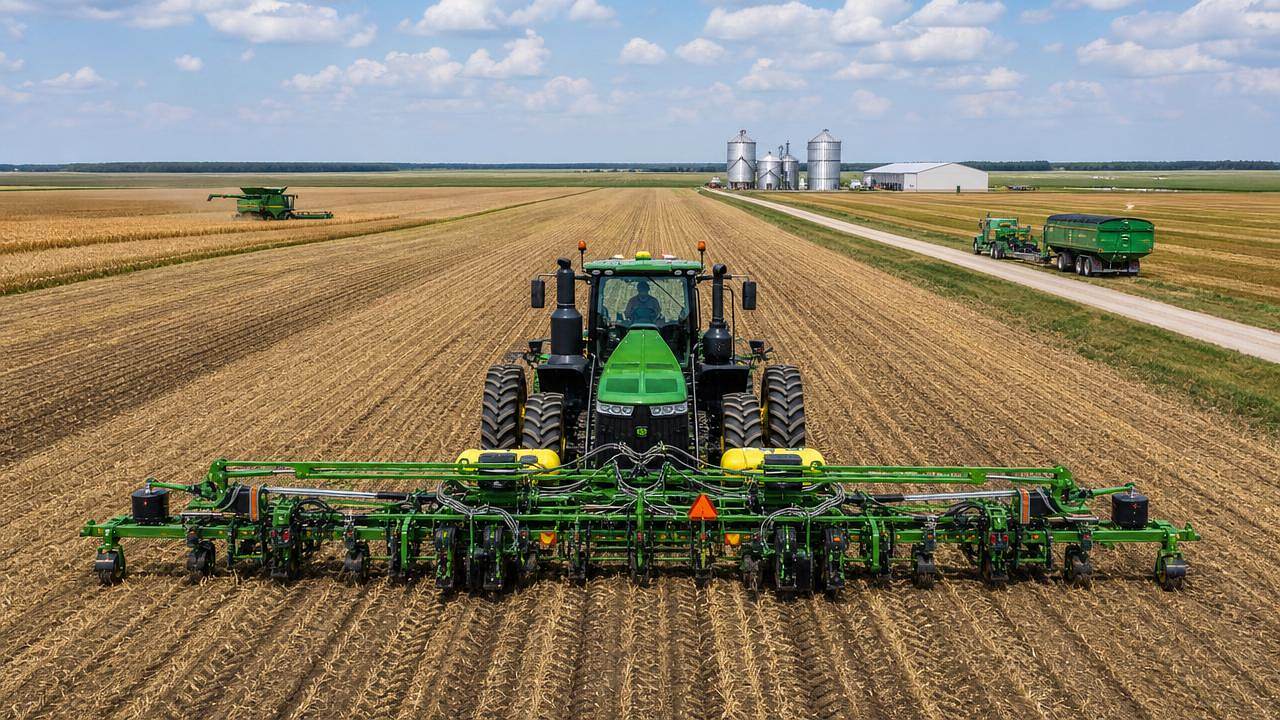




Investing in large-scale farm equipment for high-acreage operations takes more than a quick spec comparison. A machine may look powerful on paper, yet still create downtime, fuel waste, or data gaps in the field.
That is why the strongest buying decisions usually start with operational fit. Price matters, of course, but field capacity, lifecycle cost, service access, and technology compatibility often matter more over five to ten seasons.
AP-Strategy follows this shift closely through its Strategic Intelligence Center, where machinery performance, precision agriculture systems, and sustainability pressures are analyzed together. That wider view is useful because high-acreage operations rarely buy one machine in isolation.
In practical terms, the right large-scale farm equipment should protect output, labor efficiency, and future resale value at the same time. The points below help narrow options before capital is committed.
Start with Capacity That Matches Real Field Conditions
A machine should be sized for actual working days, not ideal test conditions. Weather windows, field shape, road distance, and soil variability all change how much equipment can truly finish on time.
If acreage is expanding or crop rotation is becoming more complex, under-sizing can be as expensive as overpaying. Harvest delays and planting bottlenecks often erase any savings from a lower purchase price.
- Check hourly field output under local soil, slope, and crop conditions, not brochure numbers, so large-scale farm equipment can finish key operations inside narrow seasonal windows.
- Compare working width, transport width, and turning radius together, because larger machines may gain capacity in-field but lose time on roads, headlands, and irregular parcel layouts.
- Review engine power against implement load and hydraulic demand, especially where heavy tillage, large air seeders, or high-capacity carts are part of normal operations.
- Test expected output using conservative utilization assumptions, since operator breaks, weather delays, and maintenance stops usually reduce theoretical daily productivity by a meaningful margin.
- Model peak-season bottlenecks across the fleet, because one oversized combine or tractor cannot compensate for weak grain handling, cart logistics, or labor coordination.
Look Beyond Purchase Price to Total Ownership Cost
This is where many decisions quietly go wrong. The upfront quote may look attractive, but fuel use, tire wear, software subscriptions, interest cost, and off-season storage can change the economics fast.
For high-acreage operations, even small differences in operating cost per acre become large over time. A lower-priced machine that burns more fuel or needs extra labor may be the more expensive choice.
- Calculate cost per acre over the full ownership period, including fuel, labor, finance, wear parts, software fees, insurance, and residual value at disposal.
- Ask for maintenance intervals and major component replacement estimates early, because transmission rebuilds, feederhouse wear, and hydraulic repairs can reshape long-term equipment economics.
- Compare fuel efficiency in matched workloads rather than at idle or light load, especially for large-scale farm equipment used in long daily operating cycles.
- Review warranty coverage carefully and identify exclusions, since electronics, sensors, and guidance hardware may follow different support terms than core powertrain components.
- Estimate downtime cost per day before signing, because delayed planting or harvest often creates revenue losses far greater than the original price difference.
A quick comparison framework
Make Sure Precision Systems Work Together
Modern large-scale farm equipment is no longer just mechanical. Guidance, telematics, variable-rate functions, and sensor feedback now influence input efficiency and management visibility across the whole operation.
AP-Strategy’s reporting around Agriculture 4.0 highlights a common issue: buyers often underestimate integration risk. A machine can be technically advanced but still create friction if it does not fit the current data environment.
- Confirm compatibility with existing guidance, section control, and farm management platforms, so new large-scale farm equipment does not create isolated data silos.
- Check whether machine data exports cleanly into current reporting systems, especially for fuel tracking, field performance, maintenance logs, and operator accountability.
- Verify accuracy of sensors and automation features in local operating conditions, because dust, moisture, and uneven residue can reduce real-world precision performance.
- Review update policies for software and displays, since frequent paid upgrades or short support cycles can increase ownership cost unexpectedly.
- Ask who owns the field data and how access is managed, particularly when multiple contractors, agronomy tools, or cross-border operations are involved.
Check Service Coverage Before the Busy Season Does It for You
Support quality often becomes visible only when something breaks in the middle of a narrow weather window. That is too late to start asking where the nearest trained technician is based.
For high-acreage operations, the dealer and service network are part of the asset. Response time, parts inventory, and diagnostics access can be just as important as machine specification.
- Map dealer distance, mobile service availability, and harvest-season response commitments before selecting any large-scale farm equipment platform.
- Request local parts stock data for high-failure or high-wear items, rather than assuming regional inventory will arrive fast enough during peak demand.
- Evaluate technician skill on electronics, hydraulics, and precision controls, because newer machines often fail in systems beyond basic mechanical repair.
- Clarify remote diagnostics capability and approval process, since quick software troubleshooting may prevent avoidable site visits and reduce downtime.
- Speak with nearby operators using the same brand, because actual service consistency is usually more revealing than formal support promises.
When acreage is spread across several zones
Distributed land changes equipment logic. Road transport time, local fuel access, and technician reach can all reduce effective capacity, even if the machine itself is strong.
In that situation, it may be smarter to standardize platforms across regions rather than chase the single highest spec. Common parts and shared operator familiarity usually improve resilience.
Pay Attention to Implement Matching and Soil Impact
A powerful machine can still underperform if the implement match is weak. Hitch category, hydraulic flow, PTO demand, ballast, and tire configuration all affect usable output.
Soil compaction is another issue that often gets pushed aside during procurement. Yet on high-acreage farms, repeated traffic damage can quietly reduce yield and increase later remediation cost.
- Confirm hydraulic flow, lift capacity, and drawbar strength against actual implement requirements, not estimated averages, to avoid underpowered field performance.
- Review axle load, tire options, and track systems with local soil conditions in mind, especially where wet seasons or heavy grain cart traffic are common.
- Check transport compliance and bridge or road restrictions, since oversized large-scale farm equipment may face hidden movement limits between blocks.
- Ask for ballast recommendations by task, because poor weight distribution can waste fuel, reduce traction, and speed up tire wear.
- Evaluate whether one machine platform supports multiple seasonal jobs, which can improve annual utilization and strengthen capital efficiency.
When labor is limited
Labor shortages change the buying equation fast. In many cases, easier controls, faster calibration, and simpler daily maintenance deliver more value than a slight gain in raw power.
That is especially true for combines, tractors, and intelligent farm tools that rotate between operators. Straightforward machine setup often protects performance better than advanced features nobody uses correctly.
Protect Resale Value and Strategic Flexibility
Procurement should also consider the exit path. Market demand for used large-scale farm equipment changes with emissions rules, digital compatibility, and regional crop economics.
AP-Strategy tracks these commercial shifts closely, especially around autonomous machinery, electric transition signals, and efficiency-focused fleet renewal. Those trends matter because today’s purchase becomes tomorrow’s resale test.
- Study used market demand by model, age, and engine standard, because resale strength varies sharply even within the same brand family.
- Favor configurations with broad secondary-market appeal, avoiding niche options unless they deliver clear economic gains in current operations.
- Review documentation quality from day one, including service records, software history, and calibration data, since buyers pay more for transparent machine history.
- Check whether future precision upgrades remain available, because outdated displays or locked ecosystems can weaken resale attractiveness.
- Compare lease, purchase, and replacement-cycle timing against grain prices and policy shifts to preserve flexibility in volatile agri-equipment markets.
A Practical Way to Narrow the Final Choice
When several models still look competitive, simplify the process. Score each option on field capacity, cost per acre, service response, data compatibility, operator ease, and expected resale strength.
Then test the assumptions. Ask for local references, realistic demos, and a breakdown of support terms. If one answer stays vague, treat that as useful information, not a small detail.
The best large-scale farm equipment decision usually feels less like buying a machine and more like building a durable operating system for the farm. That is exactly where intelligence-led evaluation adds value.
Use AP-Strategy’s broader perspective on combines, tractor chassis, smart farm tools, and irrigation-linked efficiency trends as a reference point when comparing offers. A stronger decision starts with asking better questions before the contract is signed.
Related News
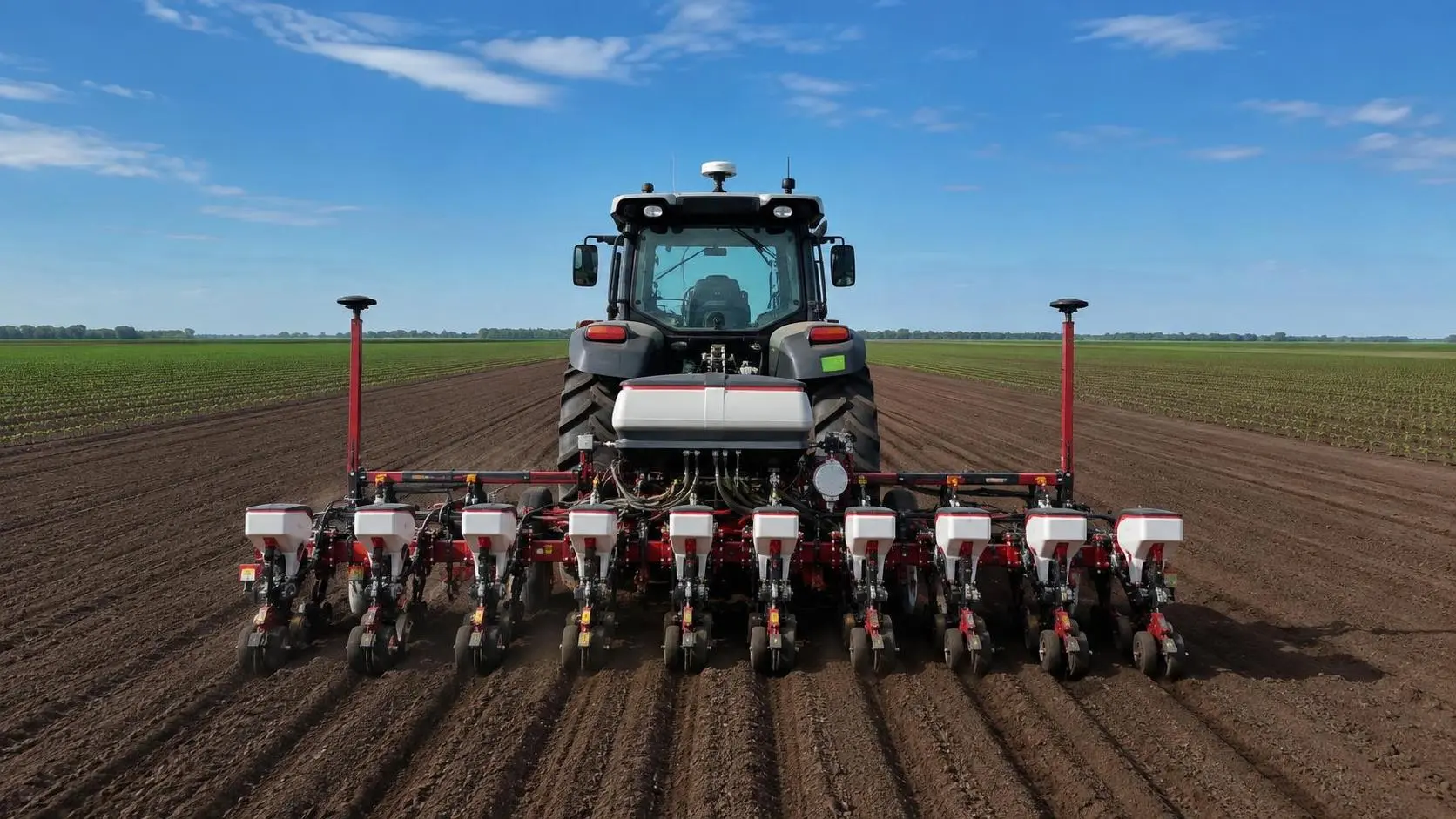
How Tractor Intelligence Systems Improve Field Efficiency and Input Accuracy
Agricultural machinery intelligence for tractors improves field efficiency, input accuracy, data traceability, and implement control. Explore smarter evaluation strategies.
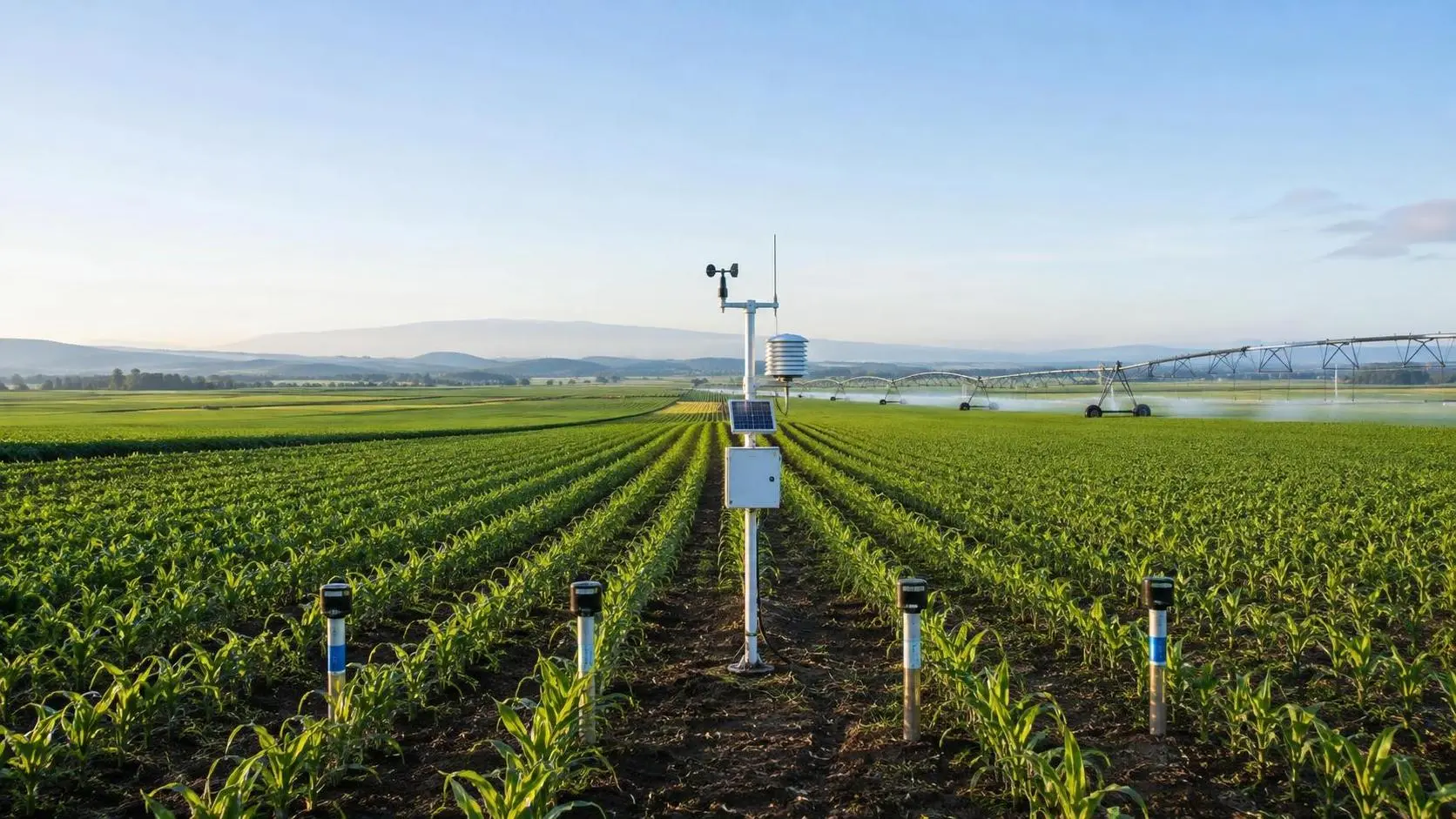
How to Evaluate Crop Monitoring System Manufacturers for Large-Scale Farms
Compare crop monitoring systems manufacturers for large-scale farms. Evaluate data quality, integration, durability, lifecycle costs, support, and pilots for smarter decisions.
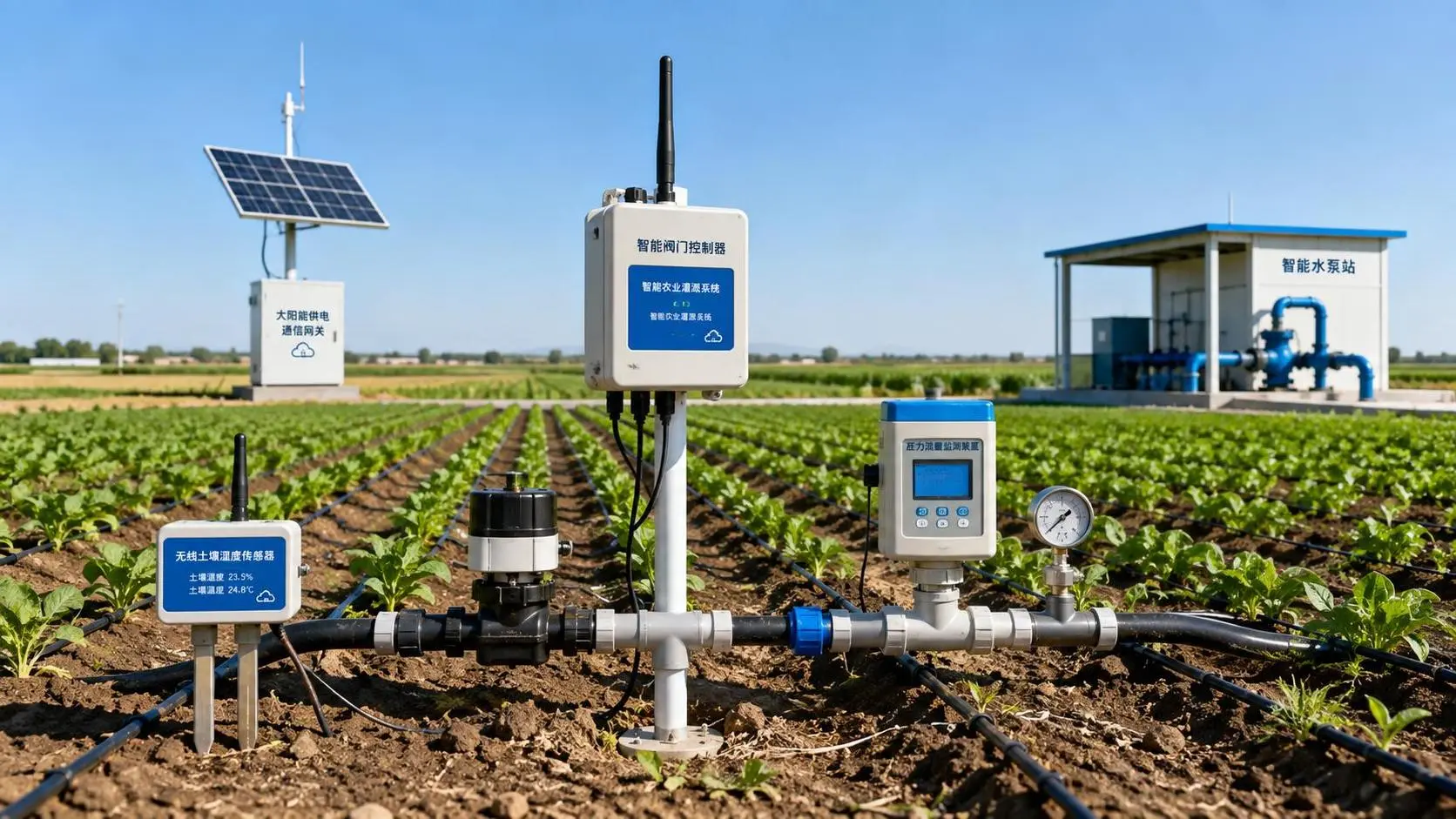
Wireless Agricultural Automation for Remote Irrigation and Field Monitoring
Agricultural automation wireless solutions improve remote irrigation with reliable field data, local control, flow verification, and smarter monitoring. Explore resilient deployment strategies.
Agricultural Product Information Market Guide: Key Data for Sourcing Decisions
Agricultural product information market guide for smarter sourcing—compare machinery, irrigation, precision tools, lifecycle costs, and supplier risk.
Large-Scale Farm Equipment Cost Comparison: Price, Fuel, and Lifecycle Value
Large-scale farm equipment cost comparison: evaluate price, fuel, maintenance, downtime, and lifecycle value to choose tractors, combines, irrigation, and smart tools with confidence.
A Procurement Specification Preparation Example for Buying Farm Equipment
Procurement specification preparation example for farm equipment: learn to define requirements, compare suppliers, control lifecycle costs, and buy with confidence.
What Tractor Horsepower Is Needed for a Three-Bottom Moldboard Plow?
What tractor horsepower is needed for three-bottom moldboard plow? Compare 60–100 hp needs by soil, depth, traction, and plow width for a confident equipment match.
How Does Climate-Smart Farming Reduce Water Use in Semi-Arid Areas?
How does climate-smart farming reduce water use in semi-arid zones? Discover precision irrigation, soil monitoring, and smarter crop planning for resilient yields.
Can Sustainable Farming Be Profitable Without Reducing Yields?
Are sustainable farming practices profitable without yield loss? Discover precision strategies that cut waste, protect yields, and improve farm margins.
Related News
- 00
0000-00
How to Evaluate Crop Monitoring System Manufacturers for Large-Scale Farms - 00
0000-00
Agricultural Product Information Market Guide: Key Data for Sourcing Decisions - 00
0000-00
Large-Scale Farm Equipment Cost Comparison: Price, Fuel, and Lifecycle Value - 00
0000-00
A Procurement Specification Preparation Example for Buying Farm Equipment - 00
0000-00
Can Sustainable Farming Be Profitable Without Reducing Yields?
Popular Tags
Ms. Elena Rodriguez
Weekly Insights
Stay ahead with our curated technology reports delivered every Monday.