
Agricultural Automation in Large Farms: Where It Delivers the Highest ROI
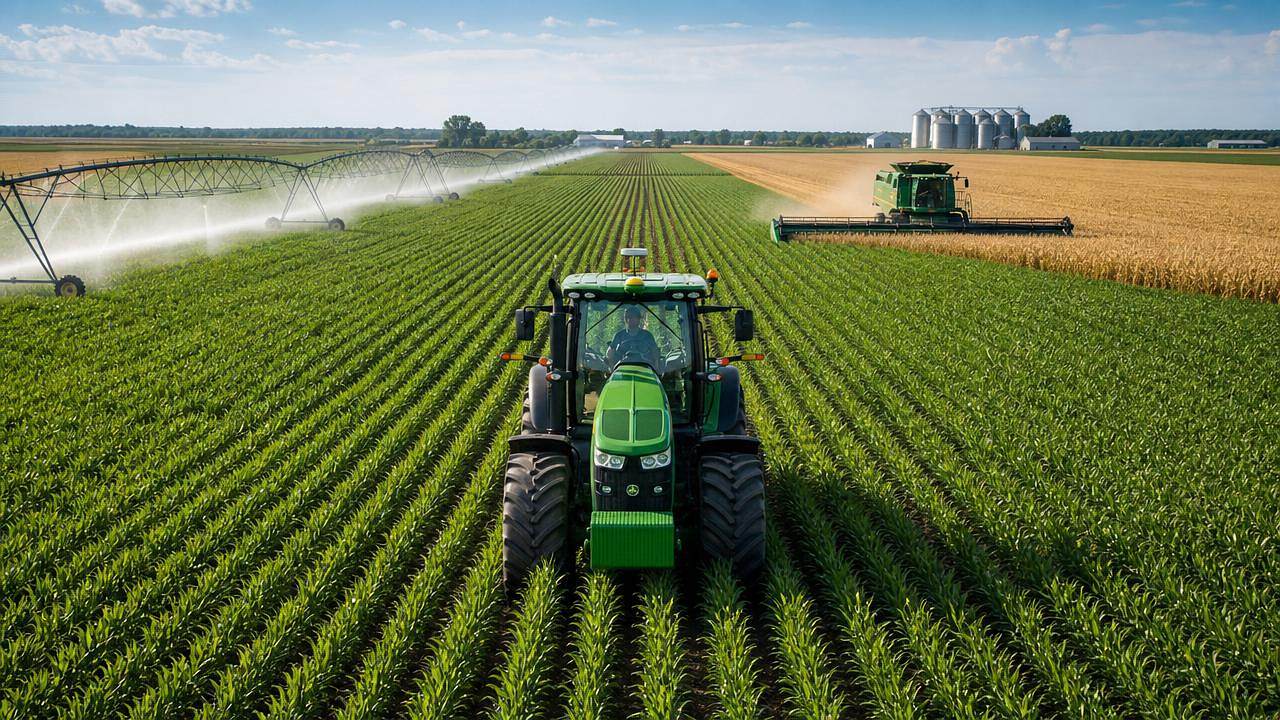




Agricultural automation on large farms: where does the return really come from?
Agricultural automation has moved beyond innovation headlines.
On large farms, it is now a practical investment question.
The strongest ROI usually appears where labor shortages, fuel use, water pressure, and timing risk meet operational scale.
That matters because missed field windows often cost more than the machine itself.
In practice, agricultural automation creates value when it reduces waste, prevents delay, and improves repeatability across thousands of acres.
AP-Strategy tracks this shift closely across large-scale agri-machinery, combine harvesting, tractor chassis intelligence, and water-saving irrigation systems.
The key insight is simple.
High ROI rarely comes from buying the most advanced tool first.
It comes from automating the most expensive bottleneck first.
Is every type of agricultural automation equally profitable?
No, and that is where many investment mistakes begin.
Some automation categories deliver visible returns within one or two seasons.
Others support resilience, traceability, or long-term optimization, but take longer to justify financially.
For large farms, the highest-return areas usually include:
- Auto-steering and guidance that reduce overlap, skips, and operator fatigue.
- Precision irrigation control that cuts water, energy, and yield variability.
- Harvester loss monitoring that protects output during narrow harvest windows.
- Variable-rate application that lowers seed, fertilizer, and chemical waste.
- Fleet and telematics systems that improve uptime and service planning.
The pattern is consistent.
Agricultural automation pays fastest when it touches high-frequency tasks or expensive inputs.
That is why intelligent irrigation may outperform flashier autonomous systems in dry regions.
It is also why combine performance sensors can deliver major value during harvest, even if they look modest on paper.
Which field operations usually show the highest ROI first?
The best starting point is not a technology category.
It is an operational pain point.
Across large farms, three stages usually stand out.
1. Planting and application passes
Guidance, section control, and variable-rate tools often produce quick savings.
They reduce overlap, improve placement accuracy, and stabilize field execution across long shifts.
On broad acre operations, even small percentage gains compound quickly.
2. Irrigation management
This is often underestimated.
When sensors, weather data, and control logic work together, agricultural automation can reduce pumping hours and improve water timing.
The return grows further where power prices are high or water allocation is tight.
3. Harvest execution
Harvest is where delay becomes direct financial loss.
Automation that improves combine settings, tracks cleaning losses, or coordinates grain logistics often protects margin immediately.
AP-Strategy often highlights this point in its intelligence coverage.
Mechanical performance and algorithmic control only matter when they reduce real field loss.
How should large farms judge whether agricultural automation fits their operation?
A good fit is not defined by farm size alone.
It depends on variability, timing pressure, and management discipline.
More specifically, agricultural automation tends to fit best when several conditions appear together.
- Labor availability changes across seasons.
- Fields are large enough for repeated pass savings to matter.
- Water, fertilizer, or diesel costs are under pressure.
- Yield variation between zones is measurable and persistent.
- Equipment downtime creates cascading delays.
If those conditions are weak, the business case may also be weak.
That does not mean automation has no value.
It means the priority should shift toward data visibility, machine uptime, or phased adoption.
This is one reason AP-Strategy connects machinery intelligence with agronomic and hydrological analysis.
The return on agricultural automation improves when field decisions, machine capabilities, and resource constraints are evaluated together.
What slows ROI down, even when the technology looks promising?
The most common problem is buying automation without changing workflow.
A connected machine cannot create value if data is ignored or settings stay manual.
Several friction points appear again and again.
- Poor interoperability between platforms, displays, and software.
- Weak baseline data, making comparison impossible.
- Undertrained operators who bypass features during busy periods.
- Unclear maintenance plans for sensors, wiring, and control units.
- Expecting full payback from one season with unstable conditions.
There is also a timing issue.
Some agricultural automation tools save money directly.
Others mainly reduce risk.
That distinction matters when evaluating ROI.
For example, an intelligent irrigation network may justify itself through avoided stress during dry periods, not just lower water bills.
Likewise, advanced tractor chassis control may pay back through traction stability and lower compaction over time, not immediate fuel savings alone.
What is the smartest way to prioritize agricultural automation investments?
A phased approach usually works best.
Start where measurement is easiest and operational pain is already visible.
That keeps the business case grounded.
A practical sequence often looks like this:
- Document current losses in labor hours, overlap, water use, downtime, or harvest waste.
- Choose one automation area tied to a repeatable cost center.
- Set a clear baseline before deployment.
- Review results after one operational cycle, not one week.
- Expand only after training, service support, and data routines are proven.
This is where market intelligence becomes useful.
AP-Strategy’s perspective across combine systems, intelligent tools, and irrigation infrastructure helps frame automation as a coordinated operating model.
Not just a shopping list.
The farms that see the best ROI from agricultural automation are usually disciplined about sequence.
They automate where costs are already visible, where field timing is unforgiving, and where data can guide the next decision.
So, where should the next decision begin?
Begin with the bottleneck that repeats every season.
If irrigation variability drives losses, start there.
If harvest timing causes grain loss, focus on combine optimization and logistics visibility.
If input inflation is the main pressure, prioritize guidance and variable-rate control.
The central lesson is not that all agricultural automation pays equally.
It does not.
The highest ROI appears where operational scale magnifies every saved pass, every protected bushel, and every avoided unit of water or fuel.
The next useful step is to map current field losses, rank them by annual cost, and compare which automation layer can reduce them fastest.
That kind of disciplined review turns agricultural automation from a technology discussion into a stronger long-term business decision.
Related News
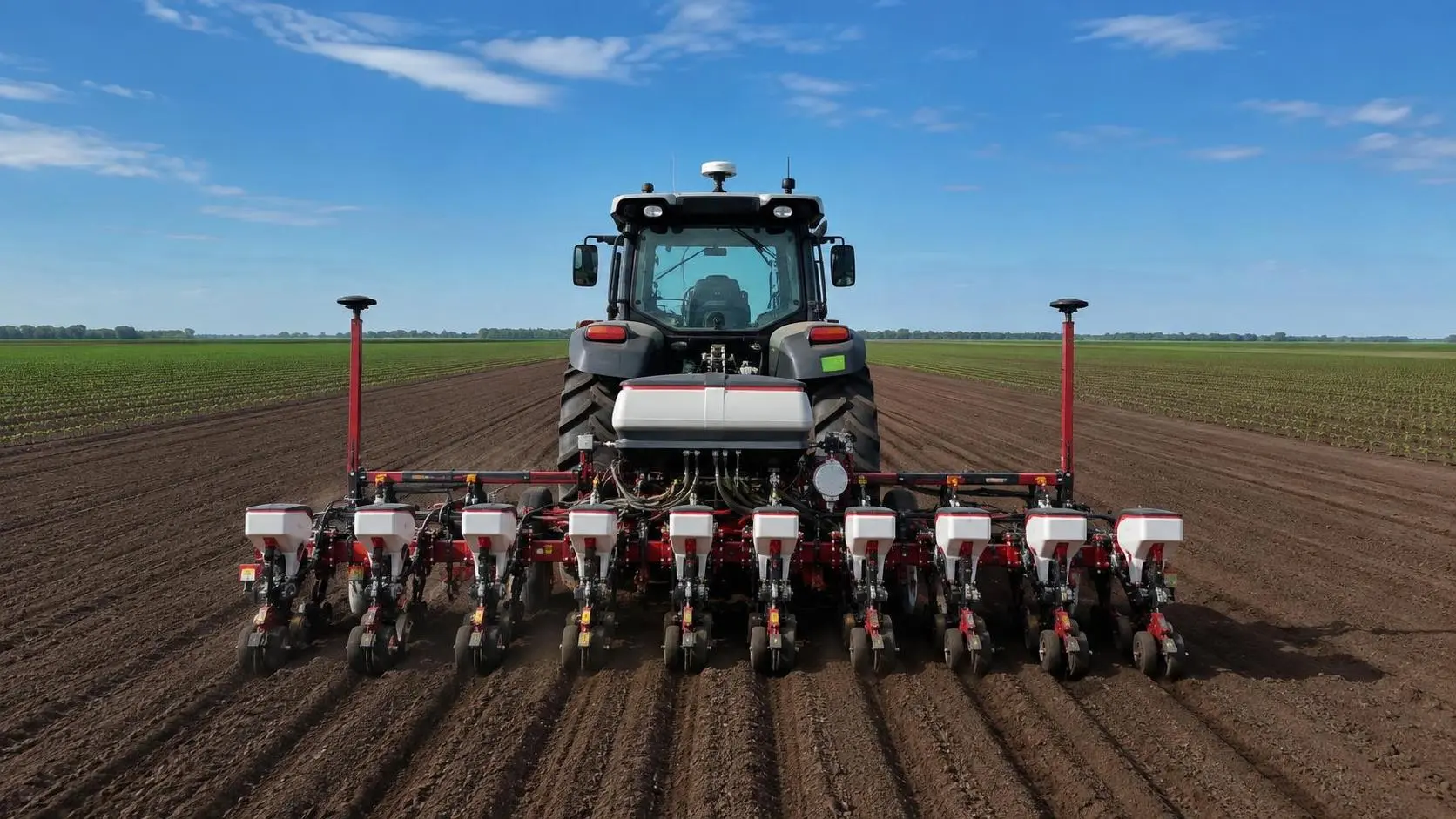
How Tractor Intelligence Systems Improve Field Efficiency and Input Accuracy
Agricultural machinery intelligence for tractors improves field efficiency, input accuracy, data traceability, and implement control. Explore smarter evaluation strategies.
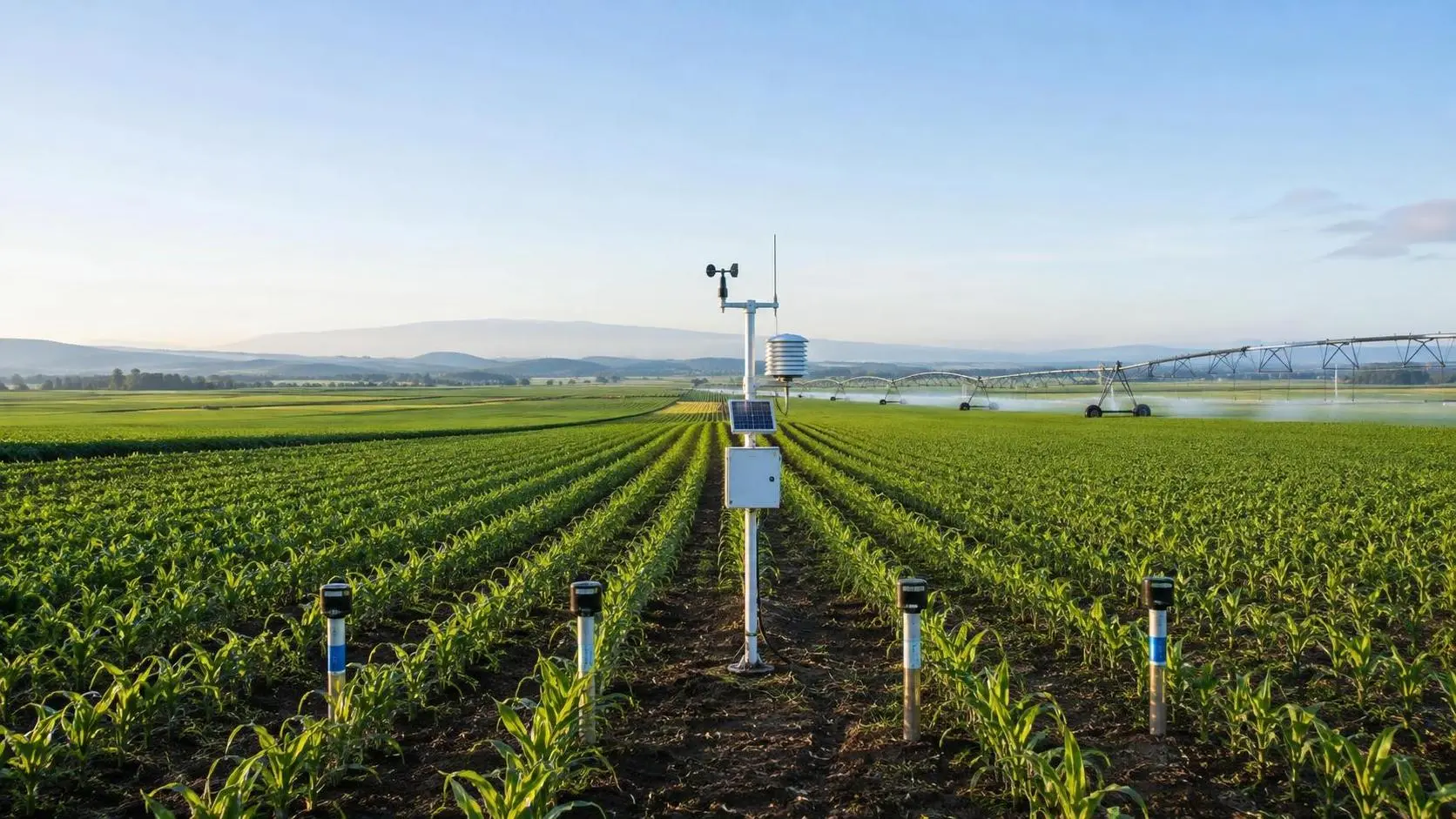
How to Evaluate Crop Monitoring System Manufacturers for Large-Scale Farms
Compare crop monitoring systems manufacturers for large-scale farms. Evaluate data quality, integration, durability, lifecycle costs, support, and pilots for smarter decisions.
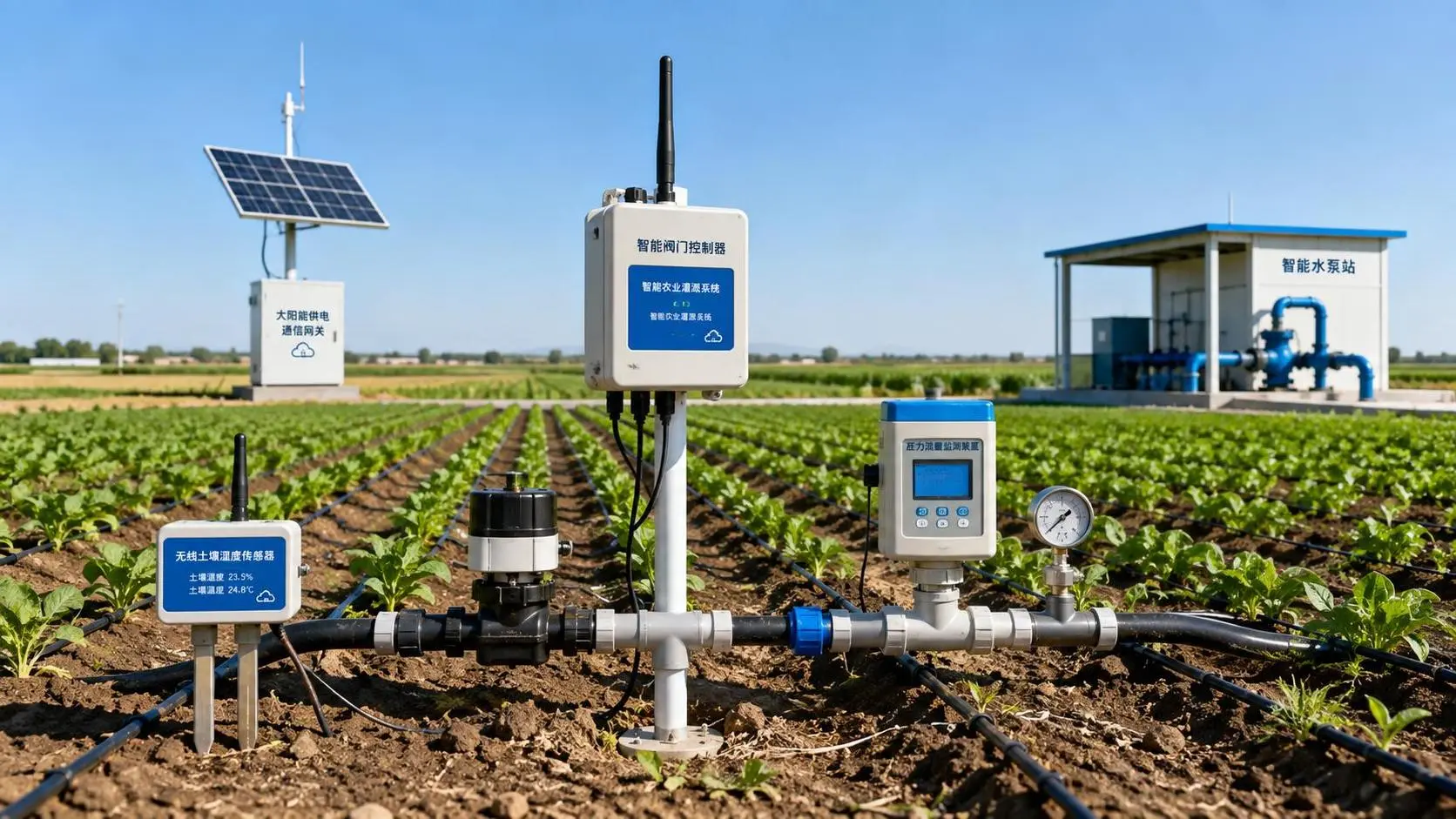
Wireless Agricultural Automation for Remote Irrigation and Field Monitoring
Agricultural automation wireless solutions improve remote irrigation with reliable field data, local control, flow verification, and smarter monitoring. Explore resilient deployment strategies.
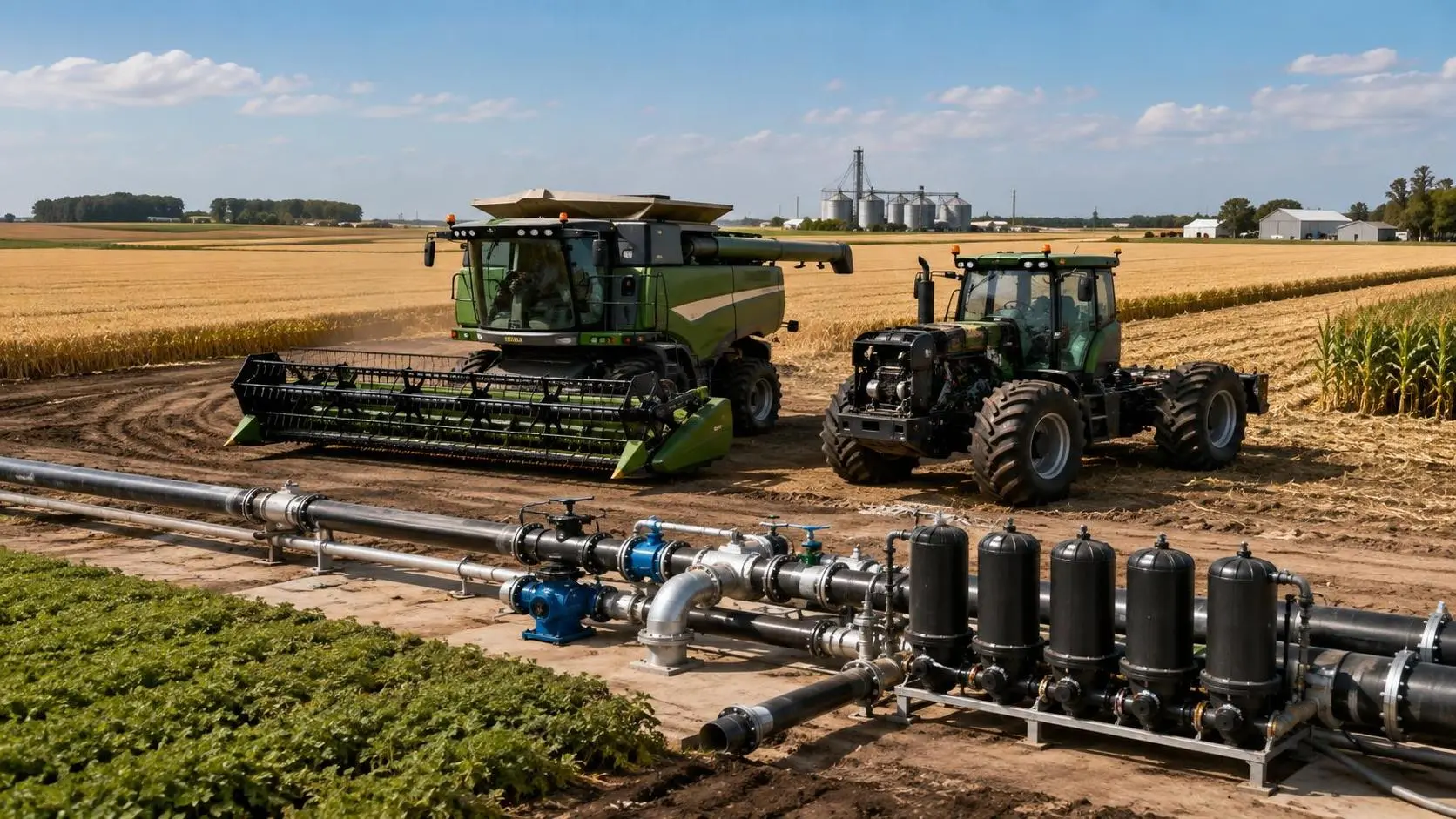
Agricultural Product Information Market Guide: Key Data for Sourcing Decisions
Agricultural product information market guide for smarter sourcing—compare machinery, irrigation, precision tools, lifecycle costs, and supplier risk.
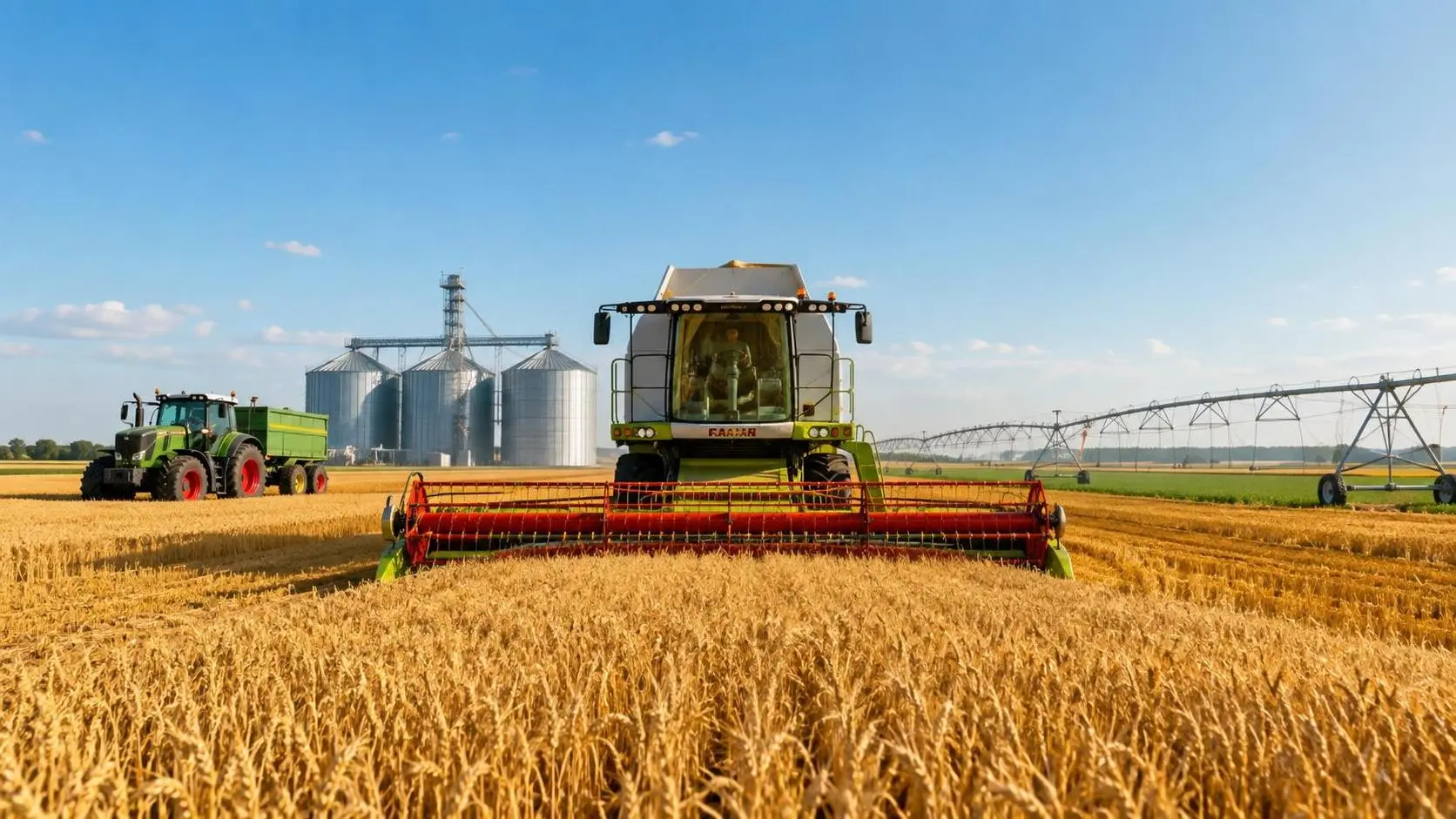
Large-Scale Farm Equipment Cost Comparison: Price, Fuel, and Lifecycle Value
Large-scale farm equipment cost comparison: evaluate price, fuel, maintenance, downtime, and lifecycle value to choose tractors, combines, irrigation, and smart tools with confidence.
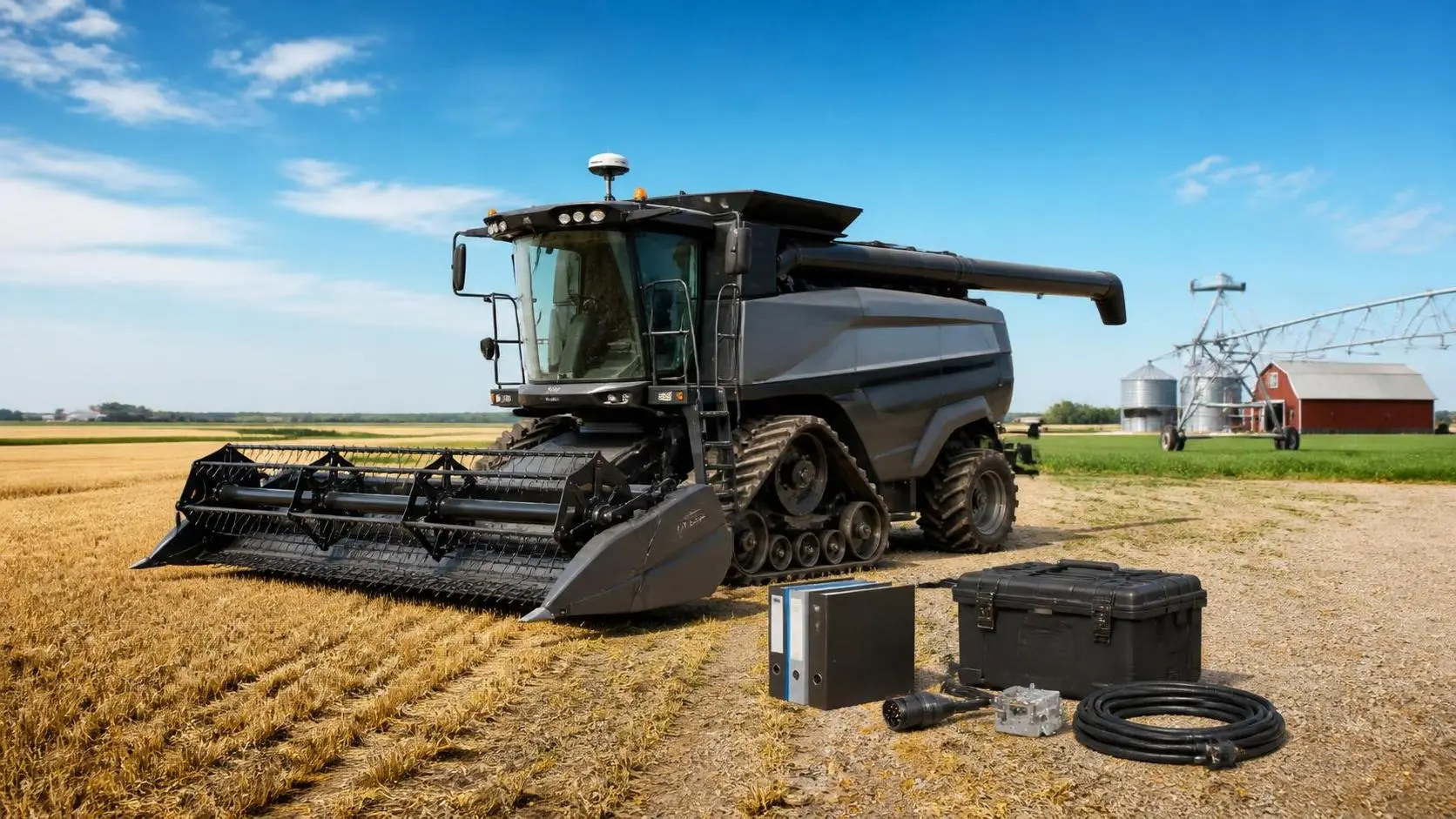
A Procurement Specification Preparation Example for Buying Farm Equipment
Procurement specification preparation example for farm equipment: learn to define requirements, compare suppliers, control lifecycle costs, and buy with confidence.
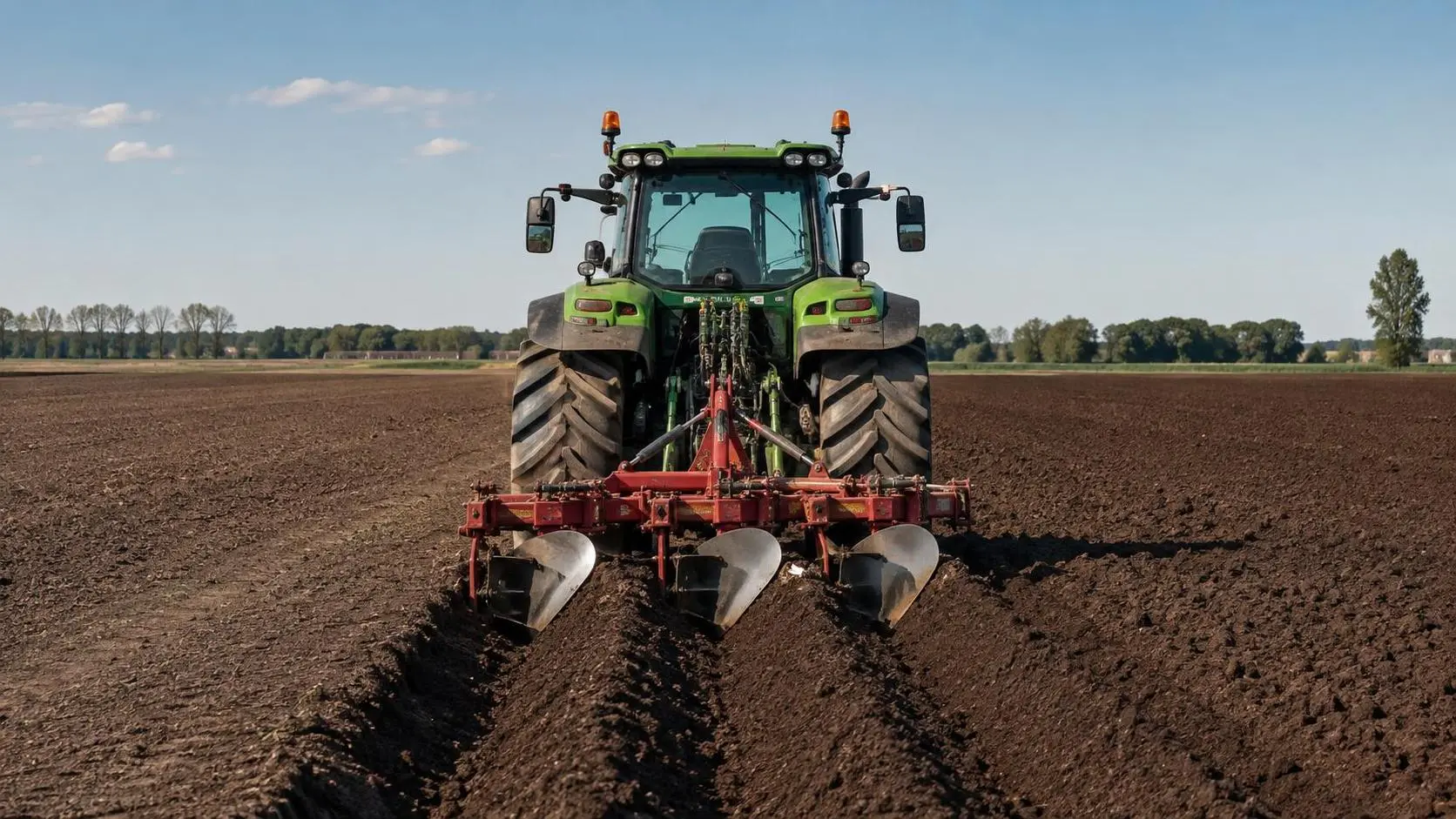
What Tractor Horsepower Is Needed for a Three-Bottom Moldboard Plow?
What tractor horsepower is needed for three-bottom moldboard plow? Compare 60–100 hp needs by soil, depth, traction, and plow width for a confident equipment match.
How Does Climate-Smart Farming Reduce Water Use in Semi-Arid Areas?
How does climate-smart farming reduce water use in semi-arid zones? Discover precision irrigation, soil monitoring, and smarter crop planning for resilient yields.
Can Sustainable Farming Be Profitable Without Reducing Yields?
Are sustainable farming practices profitable without yield loss? Discover precision strategies that cut waste, protect yields, and improve farm margins.
Related News
- 00
0000-00
How to Evaluate Crop Monitoring System Manufacturers for Large-Scale Farms - 00
0000-00
Agricultural Product Information Market Guide: Key Data for Sourcing Decisions - 00
0000-00
Large-Scale Farm Equipment Cost Comparison: Price, Fuel, and Lifecycle Value - 00
0000-00
A Procurement Specification Preparation Example for Buying Farm Equipment - 00
0000-00
Can Sustainable Farming Be Profitable Without Reducing Yields?
Popular Tags
Ms. Elena Rodriguez
Weekly Insights
Stay ahead with our curated technology reports delivered every Monday.