
What Affects Smart Farming Technology ROI? Costs, Integration, and Payback Factors
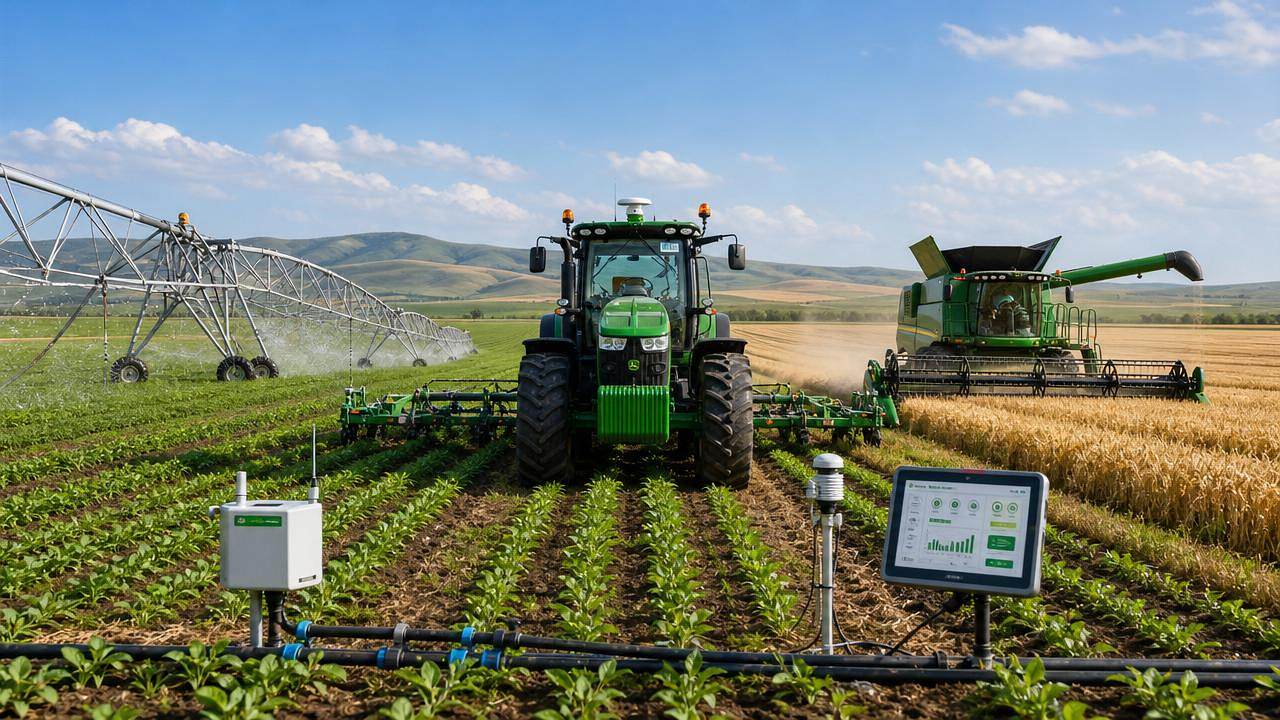




Smart farming technology can look attractive on paper, but ROI rarely comes from hardware alone. In large-scale agriculture, returns depend on how well sensors, software, machinery, labor routines, and irrigation assets work together.
That is why finance reviews need a broader lens. A lower purchase price may still lead to slower payback if integration is messy, data is incomplete, or field teams cannot use the system consistently.
Drawing on sector intelligence themes followed by AP-Strategy, especially in combine harvesting technology, tractor systems, intelligent farm tools, and water-saving irrigation, this article breaks down what really affects smart farming technology ROI.
Where Smart Farming Technology ROI Usually Rises or Falls
Most financial outcomes are shaped before the first season ends. The biggest drivers are not always visible in the quotation sheet.
- Start with total system fit, not device price alone. Smart farming technology delivers faster ROI when guidance tools, irrigation controls, and machine data connect without custom workarounds.
- Check whether existing tractors, combines, and implements can share usable data. If not, smart farming technology ROI often slips because manual reporting adds labor and delays decisions.
- Measure gains by field operation, not by brand promise. Savings usually come from fuel, chemical use, water efficiency, harvest loss reduction, and labor redeployment.
- Review subscription costs over three to five years. Many smart farming technology programs look affordable upfront but become expensive through licenses, connectivity, storage, and support renewals.
- Estimate adoption time honestly. Even strong platforms underperform when crews need extra passes, duplicate entries, or seasonal retraining during planting and harvest peaks.
- Prioritize decision speed as a financial metric. Better agronomic timing, especially for irrigation and harvesting, often creates value that is larger than basic labor savings.
A quick way to frame the business case
A useful first pass is simple: compare annual cash benefit against full annualized cost. Then test how the result changes if adoption takes one more season than planned.
This matters in Agriculture 4.0 projects because integration delays are common. AP-Strategy frequently tracks this pattern across precision irrigation upgrades, combine data systems, and mixed-equipment fleets.
The Cost Areas That Deserve Closer Scrutiny
The quoted equipment price is only one layer. A better ROI model separates visible spending from hidden operational drag.
- Include retrofit costs for guidance kits, sensor mounts, wiring, hydraulic interfaces, and display replacements. These small items often change smart farming technology payback more than expected.
- Budget for connectivity gaps across remote fields. If mobile coverage is weak, added gateways, local servers, or delayed uploads can reduce the practical value of real-time insights.
- Count training hours as part of implementation cost. Short staffing during planting, spraying, or harvest can turn learning time into a direct operating expense.
- Review data-cleaning effort before analytics begin. Poor field boundaries, machine naming issues, and inconsistent records can weaken reporting and hide the true ROI picture.
- Treat service response time as a cost variable. When smart farming technology fails during irrigation windows or harvest days, downtime can erase expected savings quickly.
- Do not overlook replacement cycles for sensors and terminals. Lower-cost components may need earlier renewal, which changes multi-year return calculations.
Integration Often Decides the Real Payback Period
This is where many investment cases become either convincing or fragile. Smart farming technology works best when it fits existing field operations instead of forcing a parallel process.
A mixed fleet is a common pressure point. Older tractor chassis, newer implements, third-party telematics, and irrigation control systems may all speak different data languages.
- Ask vendors to prove compatibility using current machine models and software versions. Assumed interoperability is one of the most common reasons smart farming technology ROI misses target.
- Map data flow from field to dashboard before purchase approval. If yield, fuel, irrigation, and application data stay in separate systems, financial insight remains incomplete.
- Confirm who owns troubleshooting responsibility. Multi-vendor environments can create support gaps, especially when guidance errors or sensor faults affect harvesting or irrigation timing.
- Test reporting outputs with real management questions. A platform should help compare fields, machines, and input efficiency, not just display technical activity logs.
- Look for systems that scale across regions and crops. Smart farming technology that works only in one use case may limit return as operations expand.
Scenario: combine harvesting upgrades
A harvesting analytics package may promise lower grain loss and better machine utilization. The return is real only if sensors remain accurate in dust, crop moisture variation, and long operating hours.
It also helps to check whether data can be compared with maintenance records and operator behavior. Without that link, the root cause of loss often stays unclear.
Scenario: intelligent irrigation deployment
Water-saving systems usually show strong promise, especially where water costs or climate variability are rising. But payback depends on sensor placement, valve reliability, and how quickly alerts turn into action.
AP-Strategy’s coverage of smart irrigation trends highlights a practical truth: data alone does not save water. The operating routine around that data is what creates measurable value.
The Return Factors Worth Tracking After Go-Live
Once the system is running, ROI should be checked through a few hard metrics. This keeps the discussion tied to cash impact, not digital enthusiasm.
- Track input savings by category, including fertilizer, crop protection, seed placement overlap, fuel, and water use. These are often the clearest early signals of smart farming technology ROI.
- Measure labor hours removed from manual scouting, record keeping, machine coordination, and nighttime irrigation checks. Indirect time savings can become a major return source.
- Evaluate yield protection, not just yield growth. In many cases, smart farming technology pays back by reducing losses during stress, harvest delay, or uneven field conditions.
- Watch machine uptime and pass efficiency. Better route planning and earlier fault detection can improve asset productivity without buying additional equipment.
- Compare planned versus actual agronomic timing. Faster decisions around watering, spraying, and harvest windows often unlock value that broad annual averages miss.
- Review season-end exception costs. Emergency repairs, consultant support, temporary labor, and rework can quietly reduce smart farming technology returns.
Common Gaps That Distort the Investment Case
A strong proposal can still produce a weak result if assumptions are too optimistic. The most common issue is overestimating adoption and underestimating operational friction.
- Do not assume all fields benefit equally. Smart farming technology may produce faster ROI on high-value crops, water-stressed zones, or large uniform blocks than elsewhere.
- Avoid using vendor demo conditions as baseline expectations. Real weather variability, staffing pressure, and machine wear usually make field performance less consistent.
- Separate pilot success from scaled success. A limited trial may perform well with extra attention, while full deployment faces training and support bottlenecks.
- Check whether reporting matches financial periods. If benefits appear only after harvest or multi-season irrigation cycles, short review windows may undervalue performance.
- Review policy, water, and commodity exposure. External changes can either strengthen or weaken smart farming technology ROI, especially in export-driven or drought-sensitive regions.
Why this matters in broader agri-equipment strategy
AP-Strategy’s market lens is useful here because smart farming technology is no longer a standalone category. It sits inside a larger capital ecosystem of harvesters, tractor platforms, intelligent tools, and irrigation infrastructure.
That means the best investment is often the one that improves how current assets perform, instead of adding a disconnected digital layer that looks advanced but changes little.
A Practical Way to Decide Before Approval
Before moving forward, it helps to pressure-test the project with a short set of internal questions. If the answers are vague, the payback model probably needs work.
- Define one primary economic goal first. It may be water reduction, harvest loss control, labor efficiency, or input optimization, but it should be measurable within one season.
- Request a phased deployment path with milestone metrics. This reduces capital risk and makes smart farming technology ROI easier to verify before wider rollout.
- Require an integration map in writing. Include machine models, data platforms, irrigation interfaces, reporting outputs, and support ownership across vendors.
- Use conservative payback assumptions. Model slower adoption, one downtime event, and partial field coverage so the business case survives realistic operating conditions.
- Plan a post-season review process at the start. Smart farming technology investments improve faster when exceptions, weak fields, and underused features are captured early.
In the end, smart farming technology ROI is rarely decided by innovation headlines. It is decided by cost discipline, integration quality, field usability, and whether better data truly improves actions across machinery, irrigation, and harvest timing.
A sensible next step is to compare one proposed system against one real operating bottleneck. If that link is clear, the payback story becomes much easier to trust.
Related News
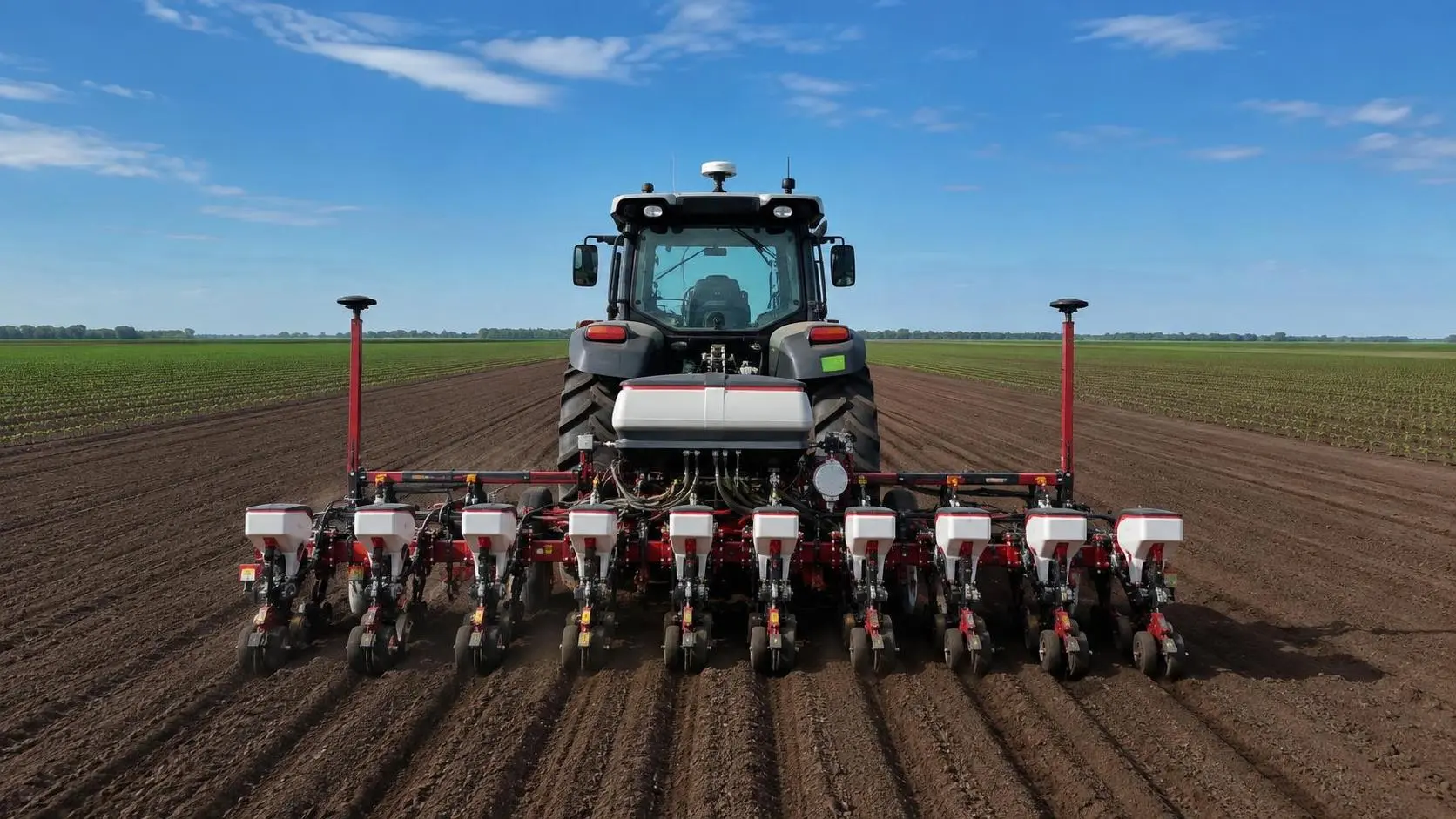
How Tractor Intelligence Systems Improve Field Efficiency and Input Accuracy
Agricultural machinery intelligence for tractors improves field efficiency, input accuracy, data traceability, and implement control. Explore smarter evaluation strategies.
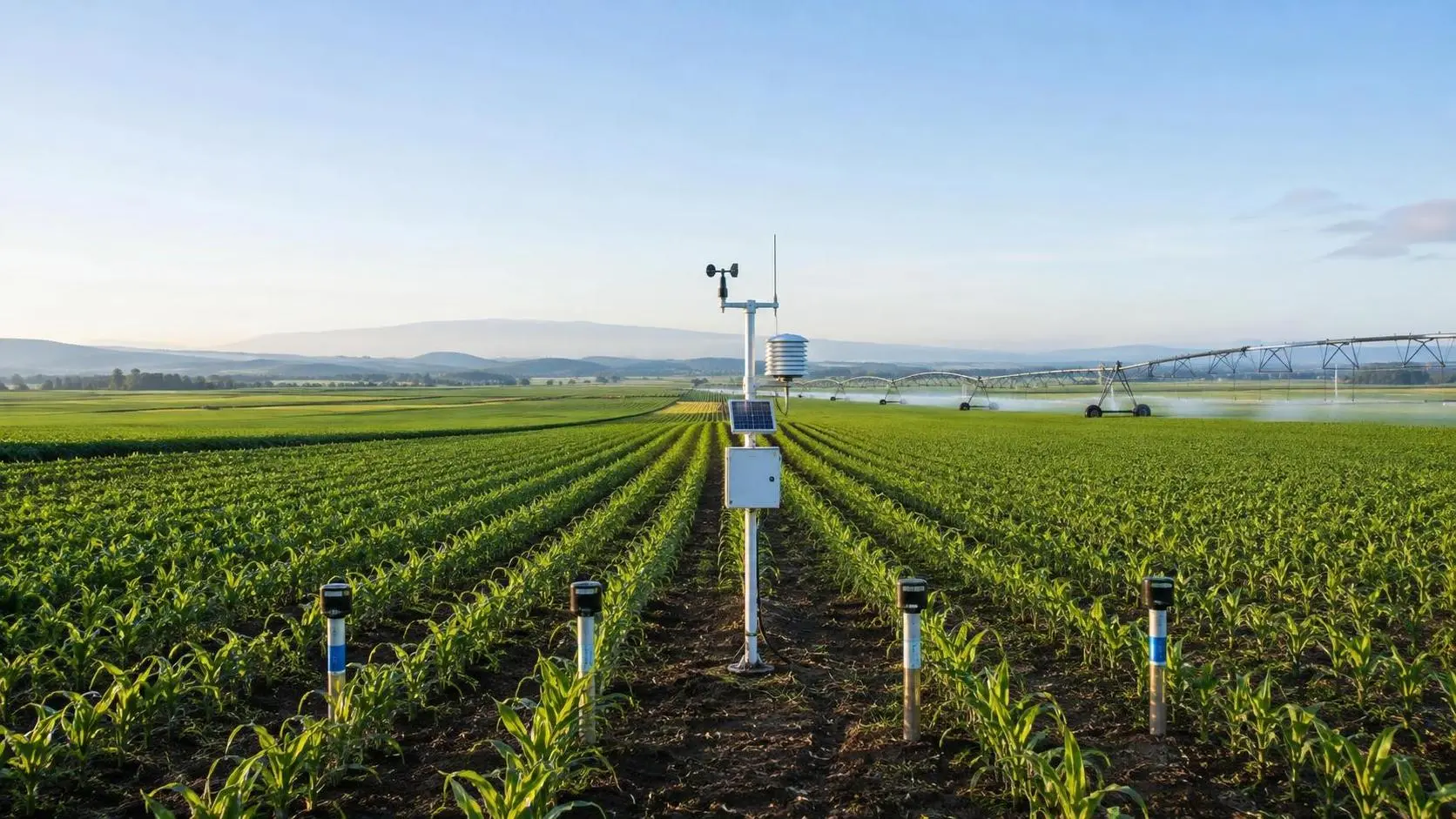
How to Evaluate Crop Monitoring System Manufacturers for Large-Scale Farms
Compare crop monitoring systems manufacturers for large-scale farms. Evaluate data quality, integration, durability, lifecycle costs, support, and pilots for smarter decisions.
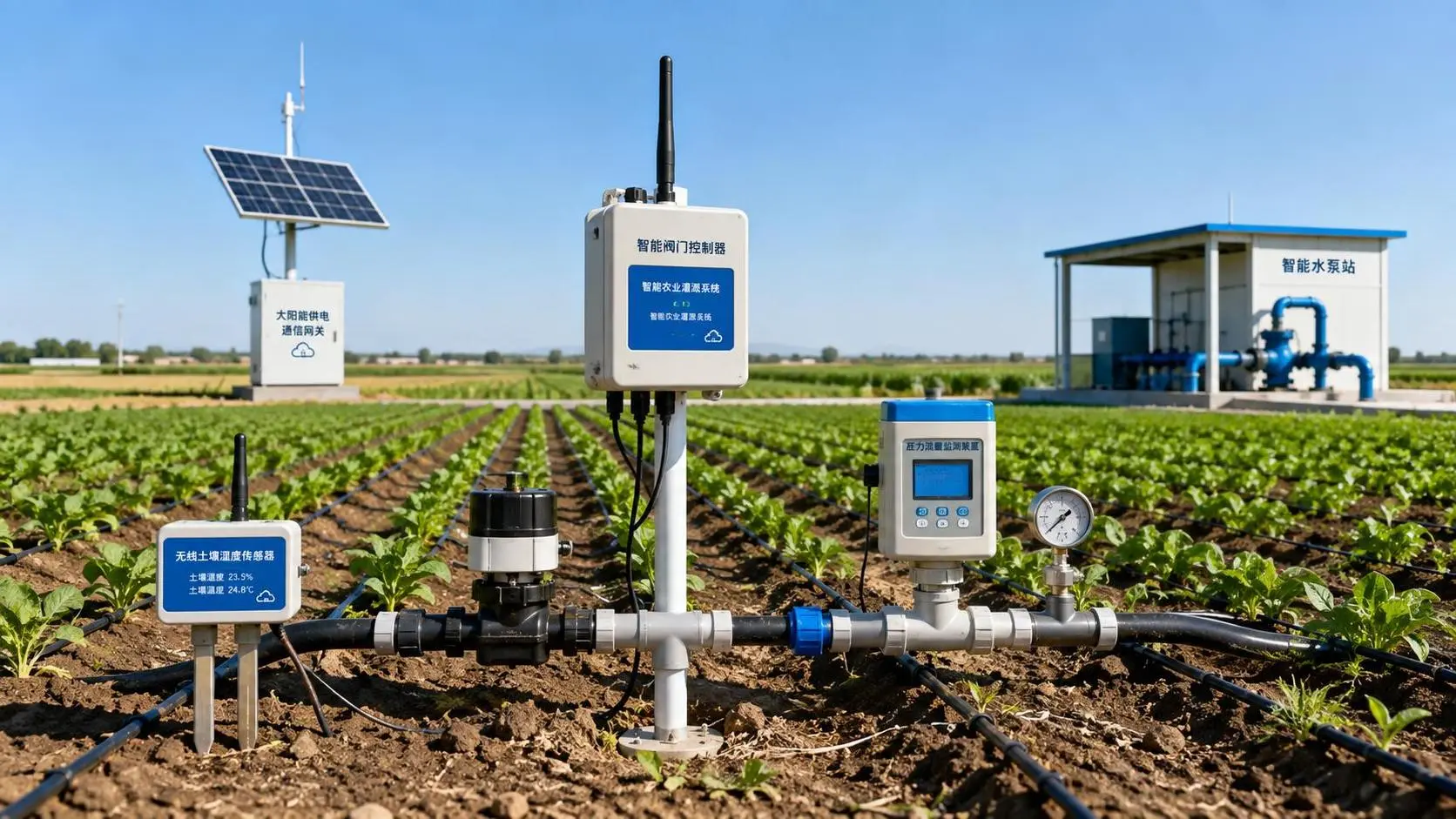
Wireless Agricultural Automation for Remote Irrigation and Field Monitoring
Agricultural automation wireless solutions improve remote irrigation with reliable field data, local control, flow verification, and smarter monitoring. Explore resilient deployment strategies.
Agricultural Product Information Market Guide: Key Data for Sourcing Decisions
Agricultural product information market guide for smarter sourcing—compare machinery, irrigation, precision tools, lifecycle costs, and supplier risk.
Large-Scale Farm Equipment Cost Comparison: Price, Fuel, and Lifecycle Value
Large-scale farm equipment cost comparison: evaluate price, fuel, maintenance, downtime, and lifecycle value to choose tractors, combines, irrigation, and smart tools with confidence.
A Procurement Specification Preparation Example for Buying Farm Equipment
Procurement specification preparation example for farm equipment: learn to define requirements, compare suppliers, control lifecycle costs, and buy with confidence.
What Tractor Horsepower Is Needed for a Three-Bottom Moldboard Plow?
What tractor horsepower is needed for three-bottom moldboard plow? Compare 60–100 hp needs by soil, depth, traction, and plow width for a confident equipment match.
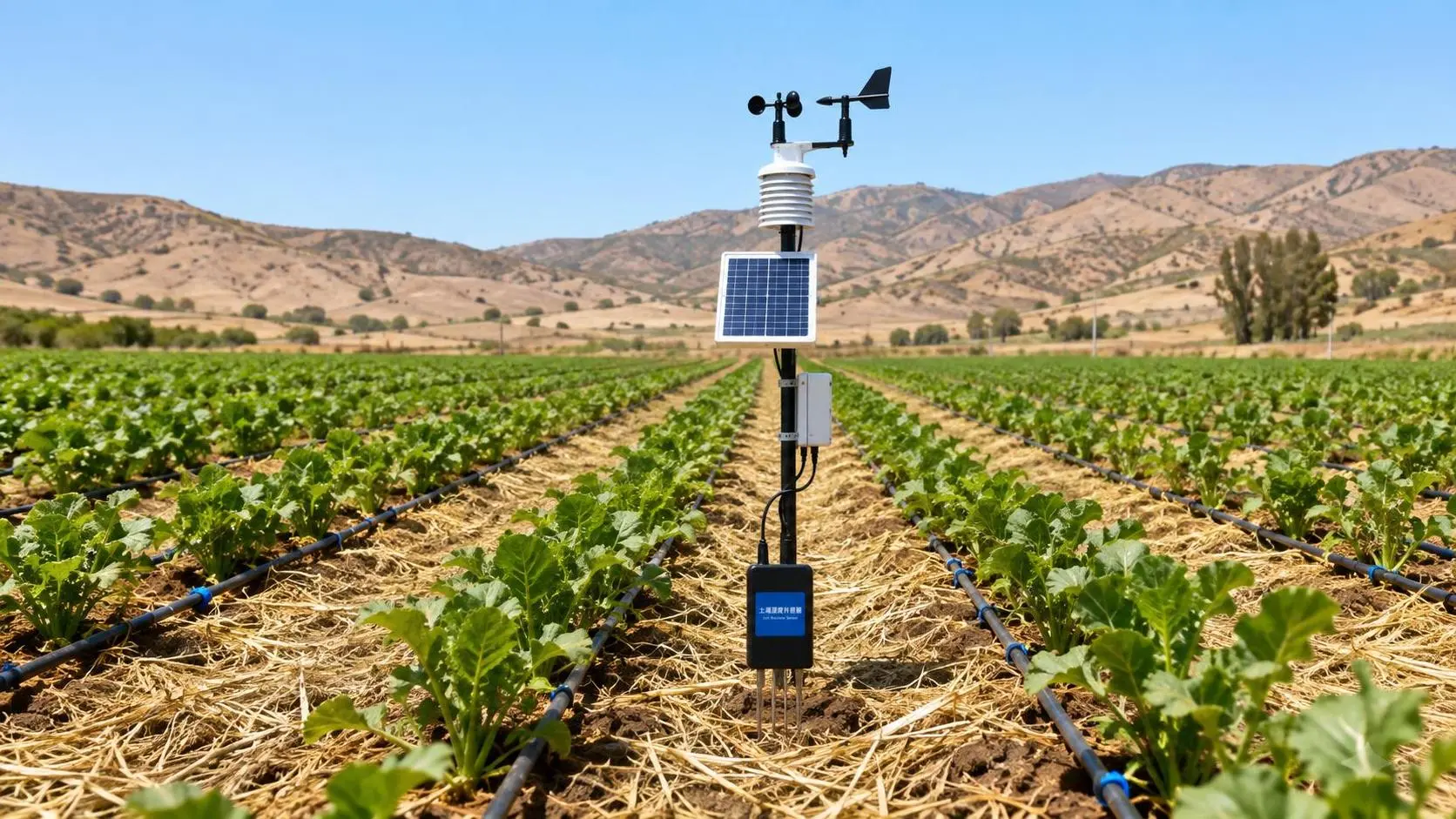
How Does Climate-Smart Farming Reduce Water Use in Semi-Arid Areas?
How does climate-smart farming reduce water use in semi-arid zones? Discover precision irrigation, soil monitoring, and smarter crop planning for resilient yields.
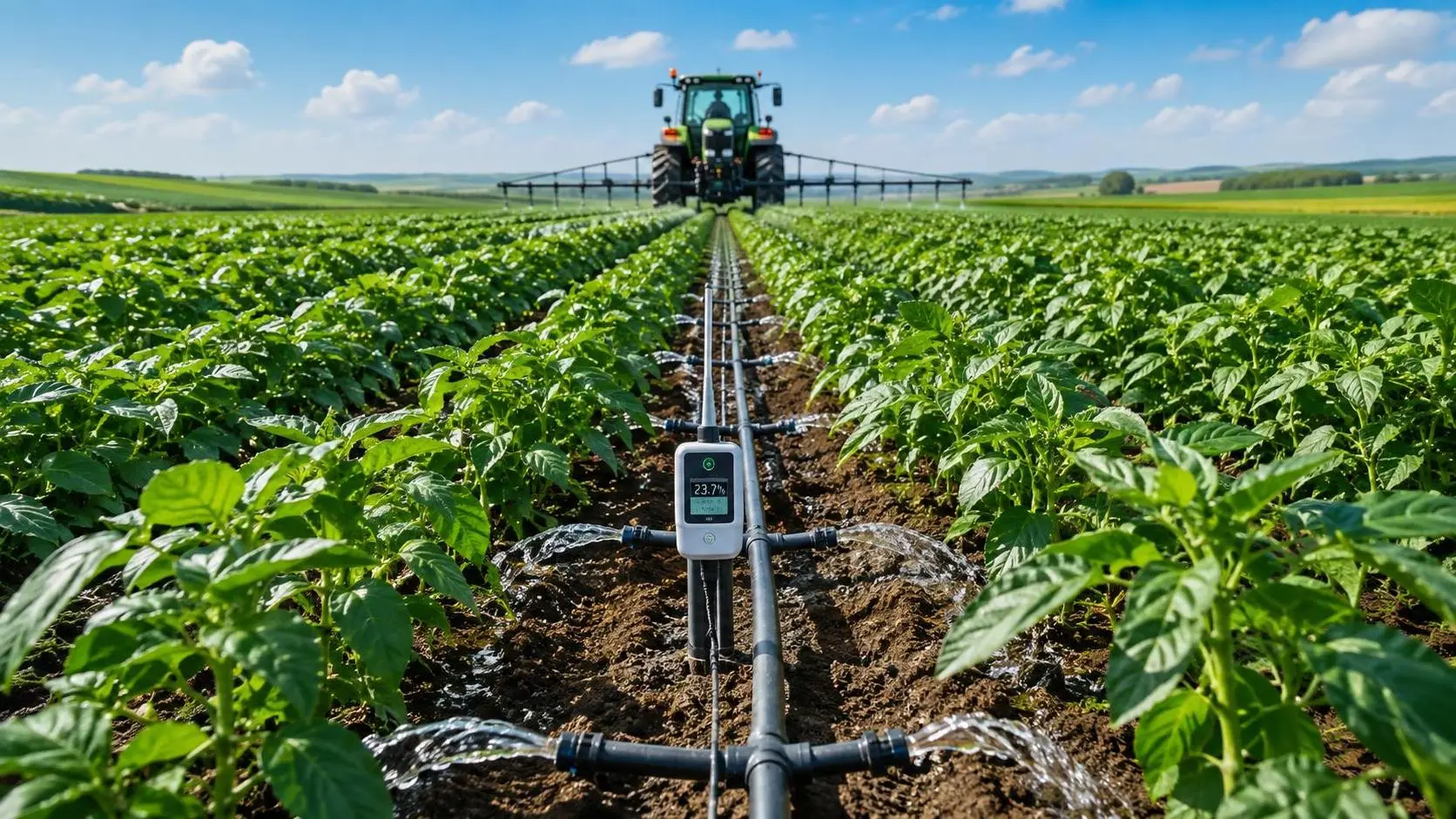
Can Sustainable Farming Be Profitable Without Reducing Yields?
Are sustainable farming practices profitable without yield loss? Discover precision strategies that cut waste, protect yields, and improve farm margins.
Related News
- 00
0000-00
How to Evaluate Crop Monitoring System Manufacturers for Large-Scale Farms - 00
0000-00
Agricultural Product Information Market Guide: Key Data for Sourcing Decisions - 00
0000-00
Large-Scale Farm Equipment Cost Comparison: Price, Fuel, and Lifecycle Value - 00
0000-00
A Procurement Specification Preparation Example for Buying Farm Equipment - 00
0000-00
Can Sustainable Farming Be Profitable Without Reducing Yields?
Popular Tags
Ms. Elena Rodriguez
Weekly Insights
Stay ahead with our curated technology reports delivered every Monday.