
Digital Agriculture Platforms Explained: Key Features, Data Sources, and Use Cases




Why are digital agriculture platforms getting so much attention?
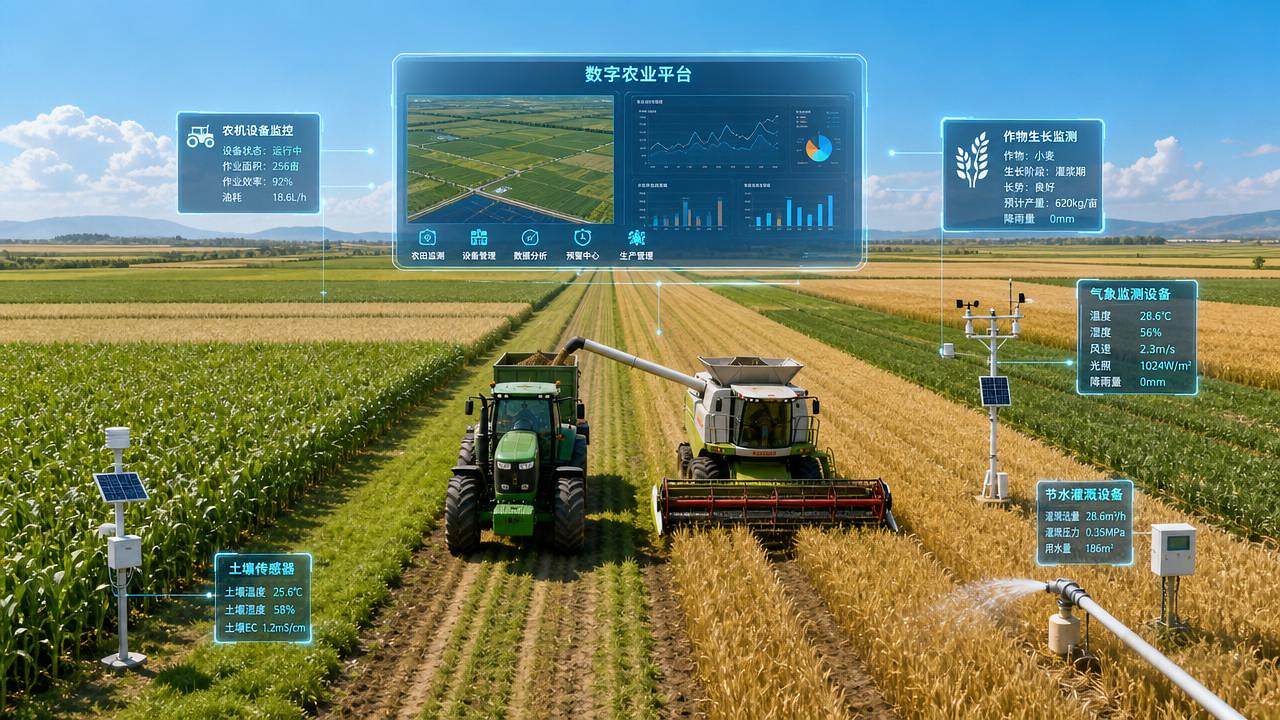
Digital agriculture platforms matter because farming is no longer managed by machinery alone. Decisions now depend on connected data from fields, engines, weather, irrigation, and market signals.
That shift is especially visible across the Agriculture 4.0 landscape. Equipment performance, crop variability, and resource pressure now interact more tightly than many older systems can handle.
In simple terms, digital agriculture platforms bring scattered information into one working layer. They help turn raw readings into actions such as adjusting seeding rates, harvest timing, irrigation cycles, or machine routing.
This is also why sector intelligence platforms such as AP-Strategy pay close attention to them. In large-scale machinery, combine harvesting, tractor chassis, and water-saving irrigation, data quality increasingly shapes operational value.
A useful platform does not only display dashboards. It connects field operations with agronomic logic, mechanical behavior, and sustainability targets that affect real outcomes.
What exactly is a digital agriculture platform?
The short answer is that it is a software environment that collects, organizes, analyzes, and applies agricultural data across multiple workflows.
Some platforms focus on farm management records. Others specialize in machine telematics, remote sensing, irrigation control, or prescription maps. The stronger ones combine several of these functions.
In practice, digital agriculture platforms usually sit between data sources and field decisions. They translate machine outputs, sensor streams, and satellite layers into tasks that can be executed.
That makes them different from a simple monitoring app. A true platform supports workflow continuity, from observation to recommendation, and then from recommendation to action.
When evaluating digital agriculture platforms, a more helpful question is not “Does it collect data?” but “Can it improve timing, accuracy, and consistency across operations?”
Which core features usually define a strong platform?
Feature lists can be long, but a few capabilities tend to separate useful systems from shallow ones.
- Data integration that combines machines, field records, weather, soil, and imagery without constant manual cleanup.
- Decision support tools that generate alerts, prescriptions, forecasts, or maintenance prompts tied to real conditions.
- Operational mapping for planting, spraying, harvesting, scouting, and irrigation zone management.
- Interoperability with tractors, harvesters, irrigation controllers, and third-party agronomic systems.
- Historical analytics that compare seasons, input use, machine efficiency, and field variability over time.
The most valuable digital agriculture platforms also explain why a recommendation appears. Black-box scoring may look advanced, but it often weakens trust during field execution.
Where do digital agriculture platforms get their data from?
This is where many comparisons become more practical. Platform quality often reflects data diversity, frequency, and reliability rather than interface design alone.
Most digital agriculture platforms combine several upstream sources. Each source contributes a different type of visibility into crop, machine, or water behavior.
In real operations, data fusion matters more than any single feed. A moisture alert becomes more useful when matched with evapotranspiration, irrigation status, and crop growth stage.
That is also why AP-Strategy tracks both mechanical and agronomic signals. Combine loss algorithms, tractor hydraulics, and irrigation modeling only create value when interpreted together.
Which use cases show the real value of digital agriculture platforms?
The strongest proof comes from applications where timing and precision directly affect cost, yield, or resource use.
Precision field operations
Digital agriculture platforms often support variable-rate seeding, fertilization, and crop protection. Instead of treating every zone equally, they respond to field variability with mapped prescriptions.
Harvest optimization
In combine harvesting, platforms can link telematics, yield maps, and cleaning loss signals. That helps identify where losses come from and whether settings or route choices need adjustment.
Smarter irrigation control
Water-saving irrigation systems benefit from platforms that combine weather forecasts, soil moisture, and crop demand models. The result is better timing and less over-irrigation.
Machinery performance management
Large-scale equipment fleets generate data on fuel use, load balance, idle patterns, and maintenance intervals. A platform turns those logs into operational corrections rather than passive records.
Across these use cases, the pattern is consistent. Digital agriculture platforms create value when they improve a repeatable decision, not when they simply add another screen.
How can you tell whether a platform fits real operations?
This is usually the turning point in evaluation. A platform may look impressive in a demo, yet fail when field conditions become messy, seasonal, or equipment-heavy.
A practical review often starts with a few grounded questions. Can it connect to existing equipment? Does it handle mixed data quality? Can teams act on the output without extra translation?
More often than not, the best fit is the platform that removes friction. It should reduce manual reconciliation and improve confidence in field-level decisions.
What mistakes are common when adopting digital agriculture platforms?
One common mistake is expecting instant transformation from incomplete data. If sensors are poorly placed or machine logs are inconsistent, analytics will reflect those weaknesses.
Another issue is overbuying features that do not match real workflows. A complex platform can underperform if the core need is reliable irrigation scheduling or harvester loss tracking.
Implementation timing also matters. Launching during peak field operations often reduces adoption quality because no one has space to validate settings or fix integration gaps.
- Do not treat all data sources as equally trustworthy.
- Do not ignore calibration needs for sensors and machine outputs.
- Do not separate agronomic insights from equipment behavior.
- Do not judge value only by dashboard appearance.
The more mature approach is phased adoption. Start with one or two high-value workflows, validate the data chain, and then expand into deeper automation or forecasting.
So what should be the next step?
A sensible next step is to map decisions before comparing software. Identify which operations suffer most from delay, uncertainty, or poor coordination.
Then review which data already exists across machinery, fields, and irrigation networks. Many digital agriculture platforms look different once actual data readiness becomes visible.
It also helps to compare platforms against strategic priorities. In some cases, the priority is combine efficiency. In others, it is irrigation resilience, fuel control, or input precision.
This is where an intelligence-led view becomes useful. AP-Strategy’s focus on machinery performance, precision algorithms, and sustainability signals reflects how modern platform choices are really made.
Digital agriculture platforms are not valuable because they are digital. They become valuable when they connect reliable data, operational context, and better decisions across the full cultivation cycle.
If the goal is stronger judgment, lower waste, and smarter field execution, begin with the use case, verify the data path, and build standards for comparison before wider rollout.
Related News
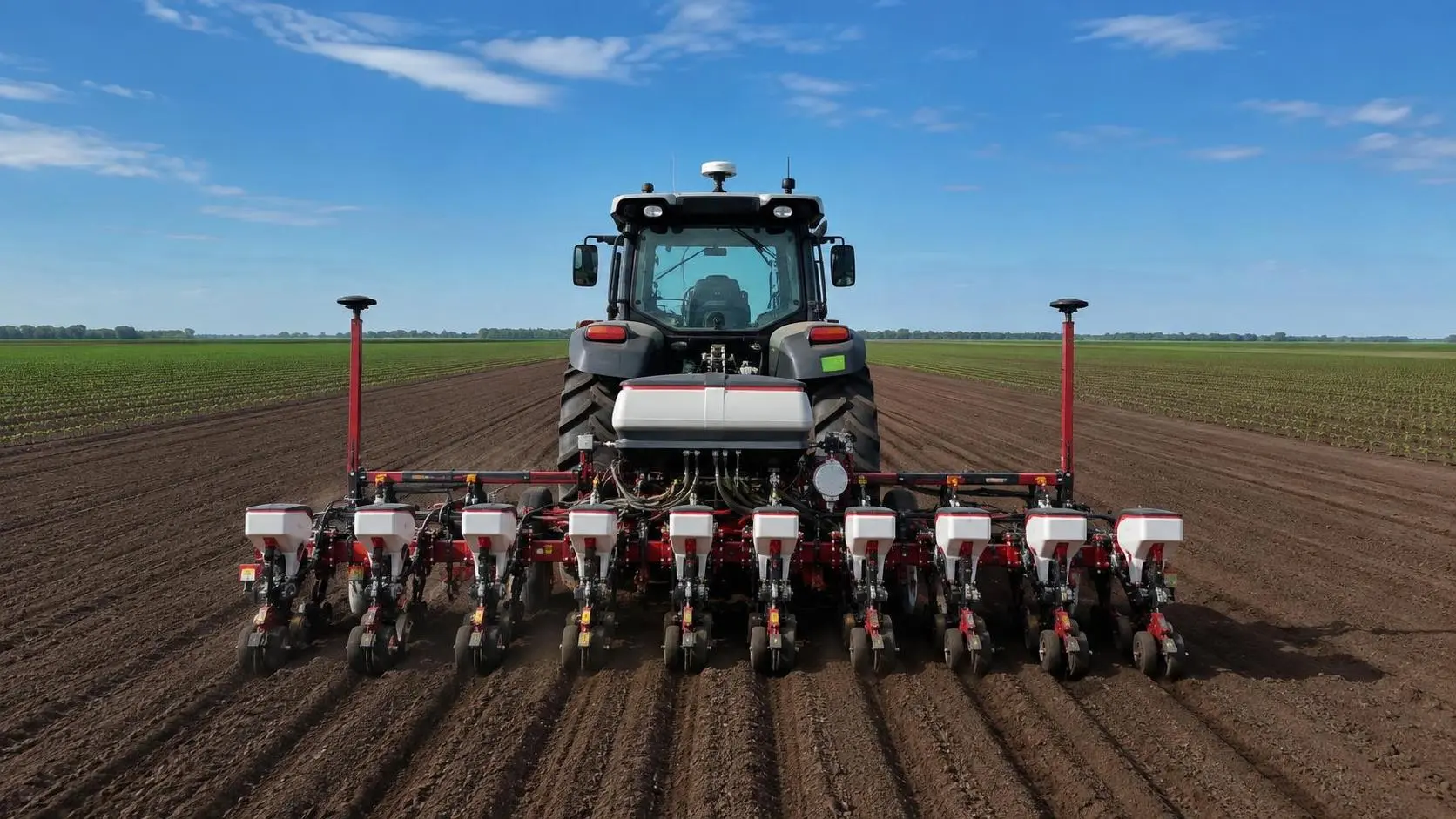
How Tractor Intelligence Systems Improve Field Efficiency and Input Accuracy
Agricultural machinery intelligence for tractors improves field efficiency, input accuracy, data traceability, and implement control. Explore smarter evaluation strategies.
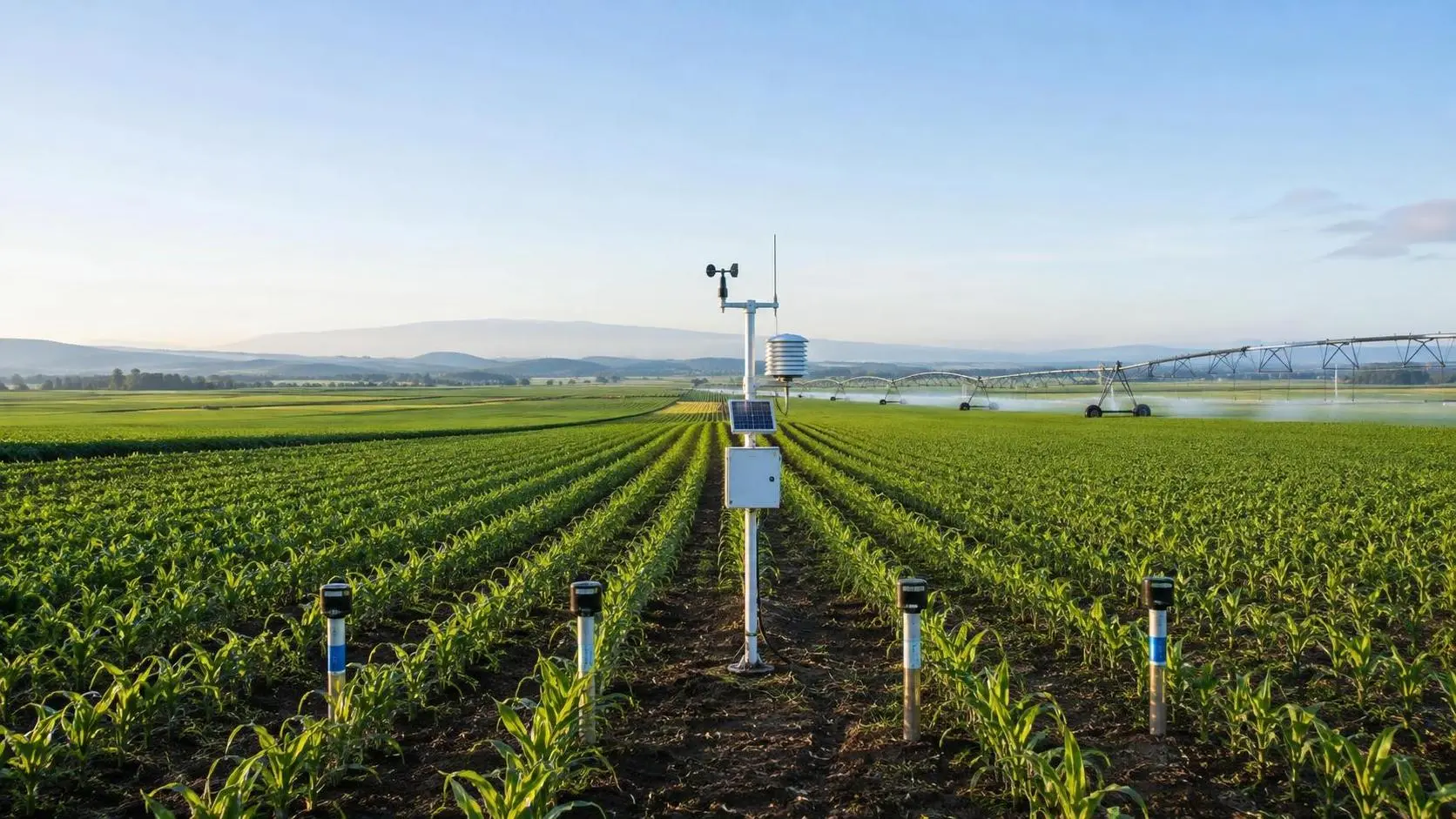
How to Evaluate Crop Monitoring System Manufacturers for Large-Scale Farms
Compare crop monitoring systems manufacturers for large-scale farms. Evaluate data quality, integration, durability, lifecycle costs, support, and pilots for smarter decisions.
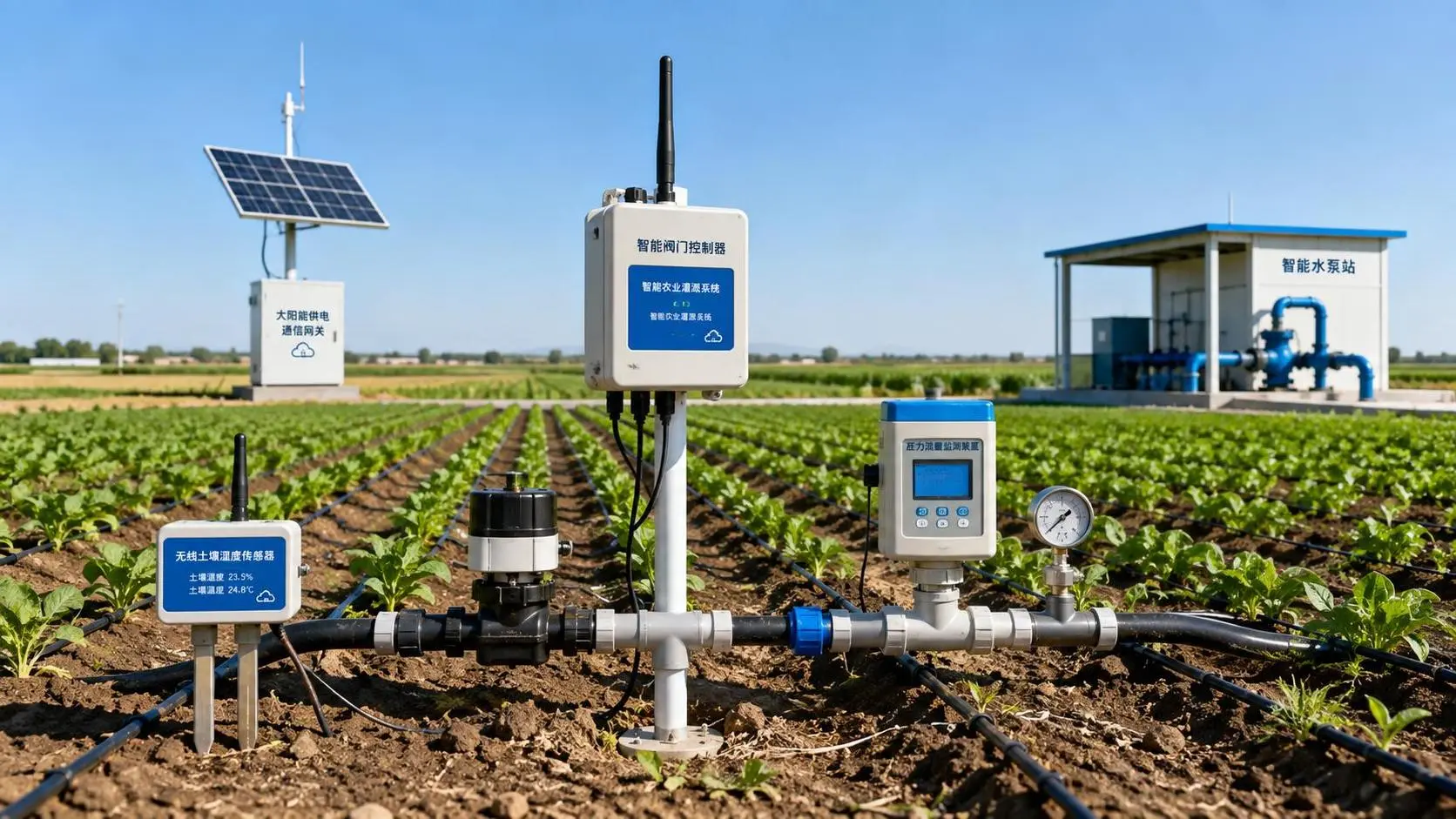
Wireless Agricultural Automation for Remote Irrigation and Field Monitoring
Agricultural automation wireless solutions improve remote irrigation with reliable field data, local control, flow verification, and smarter monitoring. Explore resilient deployment strategies.
Agricultural Product Information Market Guide: Key Data for Sourcing Decisions
Agricultural product information market guide for smarter sourcing—compare machinery, irrigation, precision tools, lifecycle costs, and supplier risk.
Large-Scale Farm Equipment Cost Comparison: Price, Fuel, and Lifecycle Value
Large-scale farm equipment cost comparison: evaluate price, fuel, maintenance, downtime, and lifecycle value to choose tractors, combines, irrigation, and smart tools with confidence.
A Procurement Specification Preparation Example for Buying Farm Equipment
Procurement specification preparation example for farm equipment: learn to define requirements, compare suppliers, control lifecycle costs, and buy with confidence.
What Tractor Horsepower Is Needed for a Three-Bottom Moldboard Plow?
What tractor horsepower is needed for three-bottom moldboard plow? Compare 60–100 hp needs by soil, depth, traction, and plow width for a confident equipment match.
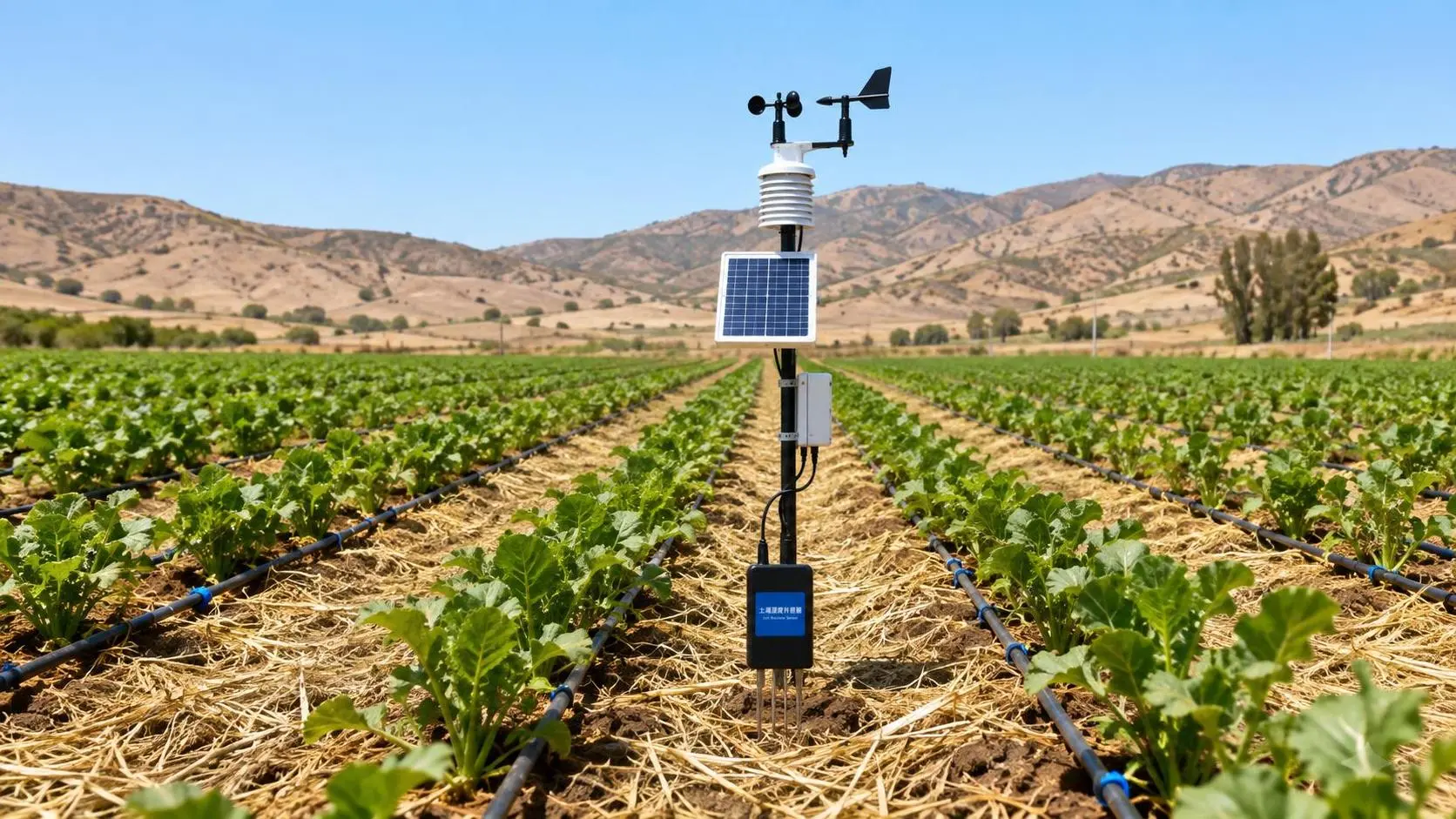
How Does Climate-Smart Farming Reduce Water Use in Semi-Arid Areas?
How does climate-smart farming reduce water use in semi-arid zones? Discover precision irrigation, soil monitoring, and smarter crop planning for resilient yields.
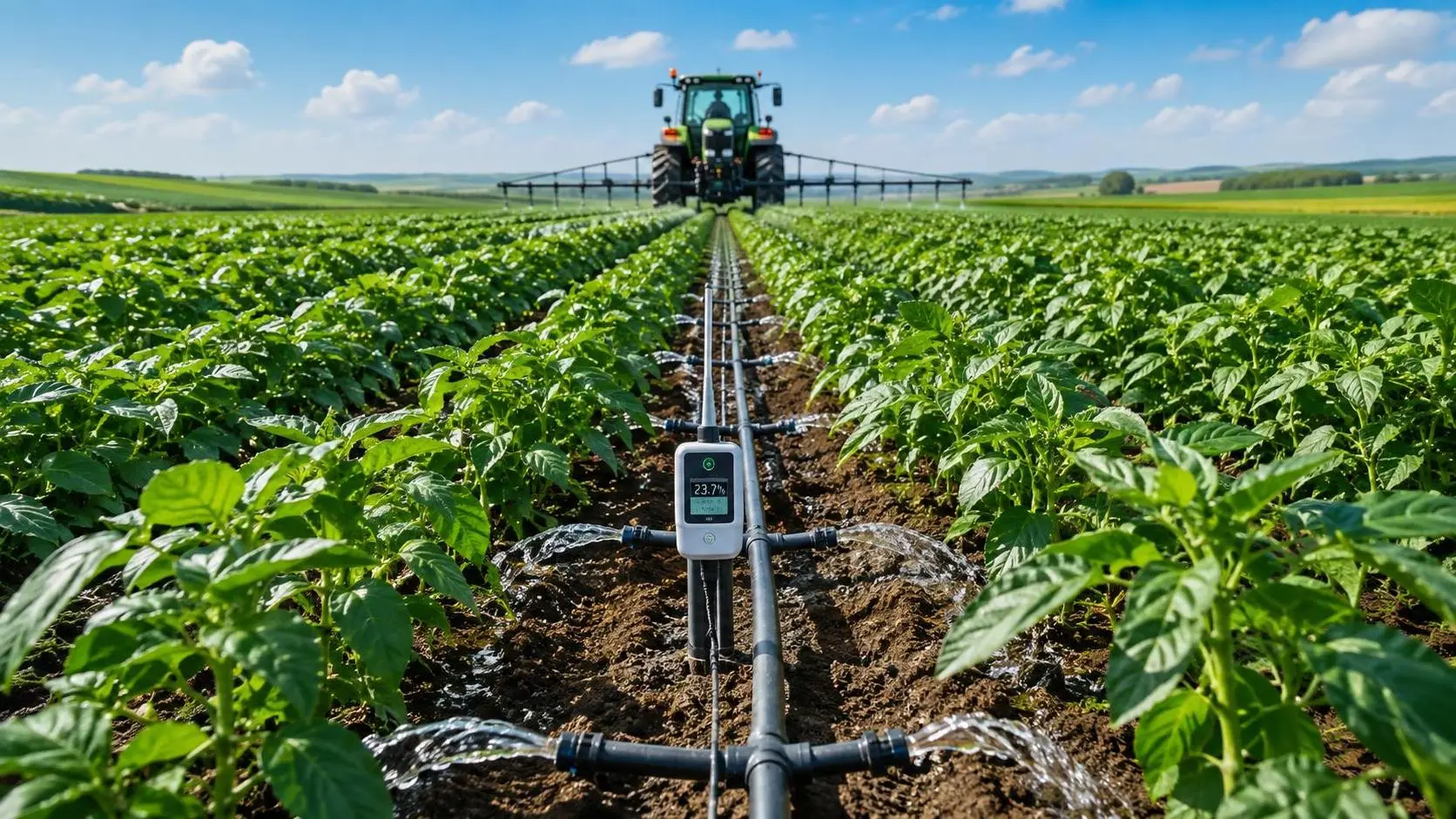
Can Sustainable Farming Be Profitable Without Reducing Yields?
Are sustainable farming practices profitable without yield loss? Discover precision strategies that cut waste, protect yields, and improve farm margins.
Related News
- 00
0000-00
How to Evaluate Crop Monitoring System Manufacturers for Large-Scale Farms - 00
0000-00
Agricultural Product Information Market Guide: Key Data for Sourcing Decisions - 00
0000-00
Large-Scale Farm Equipment Cost Comparison: Price, Fuel, and Lifecycle Value - 00
0000-00
A Procurement Specification Preparation Example for Buying Farm Equipment - 00
0000-00
Can Sustainable Farming Be Profitable Without Reducing Yields?
Popular Tags
Ms. Elena Rodriguez
Weekly Insights
Stay ahead with our curated technology reports delivered every Monday.