
How to Choose Smart Farming Equipment for Small and Mid-Size Farms
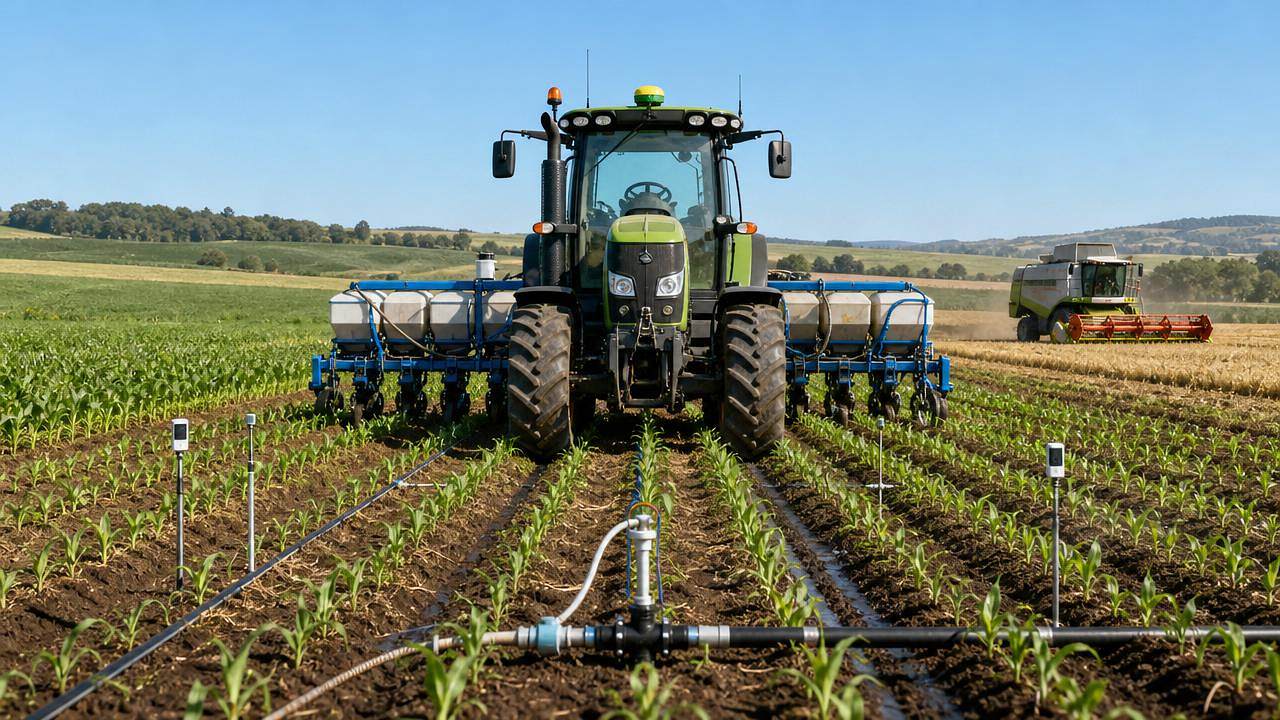




Choosing smart farming equipment for a small or mid-size farm sounds simple at first. In practice, it is a balancing act between budget, local field conditions, labor efficiency, data quality, and long-term service support.
The best buying decision is rarely about chasing the most advanced screen, sensor, or automation label. It is about finding equipment that works reliably in real fields, fits the current fleet, and still makes sense three or five seasons later.
That is why many teams now look beyond product brochures and compare service networks, software compatibility, irrigation response, and harvest data accuracy before making any commitment.
AP-Strategy follows this shift closely through its focus on large-scale agri-machinery, combine harvesting technology, tractor chassis, intelligent farm tools, and water-saving irrigation systems. Its cross-market intelligence is especially useful when equipment decisions must connect field performance with broader Agriculture 4.0 trends.
Start with the field, not the catalog
Before comparing brands, define the actual operating environment. A smart solution that performs well in flat, dry, uniform acreage may underperform in fragmented plots, mixed crops, or variable soil conditions.
For smart farming equipment, the first question should be practical: what daily problem needs to be solved faster, more accurately, or with fewer passes across the field?
- Map field size, crop mix, slope, and soil variability first. This helps narrow smart farming equipment choices to tools that match real operating pressure and avoid overbuying.
- Check labor limits before features. If teams are small, prioritize equipment with simpler controls, remote diagnostics, and quick calibration instead of complex functions rarely used in season.
- Review current tractors, implements, and irrigation lines. The best smart farming equipment often delivers value through compatibility, not through standalone technology claims.
- Estimate the busiest 30 days of the year. Buy for peak workload, because planting and harvest bottlenecks usually determine whether smart investment truly pays back.
A quick filter for early decisions
A useful early filter is to sort needs into three groups: must improve yield decisions, must reduce operating cost, or must protect water, time, and labor. If a machine does not clearly serve one of those goals, it may not be the right priority.
Focus on the equipment categories that move results
Not every farm needs the same digital tools first. For many operations, the most practical smart farming equipment investments sit in guidance, irrigation control, seeding precision, crop sensing, or harvest monitoring.
AP-Strategy’s coverage of combine harvesters, tractor chassis, intelligent tools, and water-saving irrigation systems is a strong reminder that smart performance depends on both hardware durability and decision intelligence.
- For planting operations, prioritize section control and variable-rate capability. These functions usually create clearer input savings than flashy interface upgrades or nonessential add-on modules.
- For irrigation-heavy farms, choose systems with usable alerts, flow visibility, and moisture-linked automation. Water-saving smart farming equipment pays best when response is timely and simple.
- For harvest, focus on grain-loss visibility, mapping stability, and cleaning performance feedback. Better combine data often supports faster seasonal adjustments and stronger crop planning.
- For mixed fleets, prefer tools that can share files across brands. Closed data systems often create hidden cost and reduce the practical value of smart upgrades.
When irrigation is the real bottleneck
If water availability is unstable, irrigation technology may deliver faster returns than guidance or autonomy. In that case, compare pressure control, leak alerts, remote scheduling, and evapotranspiration-linked recommendations.
This is where AP-Strategy’s work on intelligent irrigation and hydrological strategy becomes highly relevant. Good irrigation equipment is not just mechanical. It is a decision network that must respond to climate pressure and changing water costs.
Look past purchase price and measure operating reality
One of the biggest mistakes in selecting smart farming equipment is treating purchase price as the main decision point. The real number is total cost of ownership across uptime, subscriptions, training, parts, and seasonal productivity.
A lower-cost system can become expensive if software renewals are high or calibration takes too long during busy weeks. A more expensive system may still win if it cuts fuel use, overlap, grain loss, or irrigation waste.
- Calculate ownership over three to five seasons. Include subscriptions, sensors, repairs, training time, and seasonal delays, not just machine price and financing terms.
- Ask for proof of labor savings in similar field conditions. Time saved on setup, calibration, and troubleshooting often matters more than theoretical automation claims.
- Check whether updates require dealer visits or remote access. Slow software support can reduce the practical value of otherwise capable smart farming equipment.
- Measure ROI by field outcome, not dashboard activity. More data does not help unless it changes irrigation timing, seeding rate, input use, or harvest efficiency.
A common blind spot
Many buyers compare accuracy claims but skip operator learning time. If the system is too hard to use under field pressure, the farm may pay for features that stay switched off most of the year.
Check compatibility before scaling up
The most reliable path is often a connected upgrade, not a full replacement. Smart tools should fit tractor power, hydraulic capacity, farm software, and agronomic workflow without forcing a chain of extra purchases.
This matters even more for operations adding precision functions gradually. A scalable smart farming equipment strategy lets one investment support the next instead of creating disconnected systems.
- Verify file formats, cloud access, and monitor compatibility before ordering. Data transfer problems can waste season time and block decision-making across machines.
- Match smart tools to available tractor power and hydraulics. Performance drops quickly when implements demand more than the chassis can consistently deliver.
- Confirm spare parts availability locally. Even advanced smart farming equipment becomes risky when one failed sensor stops operation for several critical days.
- Choose platforms that allow phased upgrades. Starting with guidance or irrigation control can be safer than investing in full automation all at once.
For mixed crop and fragmented land
Farms working across scattered plots should put mobility and setup speed high on the list. Equipment that needs long recalibration between fields can quietly increase labor cost and reduce useful machine hours.
In these cases, lighter, simpler, highly compatible systems often outperform heavier premium solutions. Precision is valuable, but practical adaptability is what keeps performance stable across changing field conditions.
Use a short decision framework before signing
A final comparison should be simple enough to use during vendor discussions. If the framework is too complex, key trade-offs can get lost in presentations and technical language.
- Score each option on five points: fit, accuracy, service, ease of use, and scalability. This keeps smart farming equipment decisions grounded in field reality.
- Request a live demonstration using farm-like conditions whenever possible. Real operation reveals interface speed, alert quality, and setup demands better than brochures do.
- Ask vendors for seasonal failure-response details, not generic support promises. Parts timing and technician access matter most when weather windows are narrow.
- Document what success looks like before purchase. Clear targets such as lower overlap, better moisture control, or reduced grain loss make post-installation evaluation much easier.
AP-Strategy’s intelligence model is useful here because it connects machinery performance with broader market and sustainability signals. That wider view helps decision-making stay practical today while remaining relevant to future mechanization and resource-saving standards.
In the end, the right smart farming equipment is the one that fits the farm’s real pressure points, integrates cleanly with existing assets, and delivers measurable gains without adding unnecessary complexity.
Start with one clear operational problem, compare only the solutions that directly address it, and verify service, compatibility, and seasonal ROI before moving forward. That approach usually leads to better equipment decisions and more dependable results in the field.
Related News
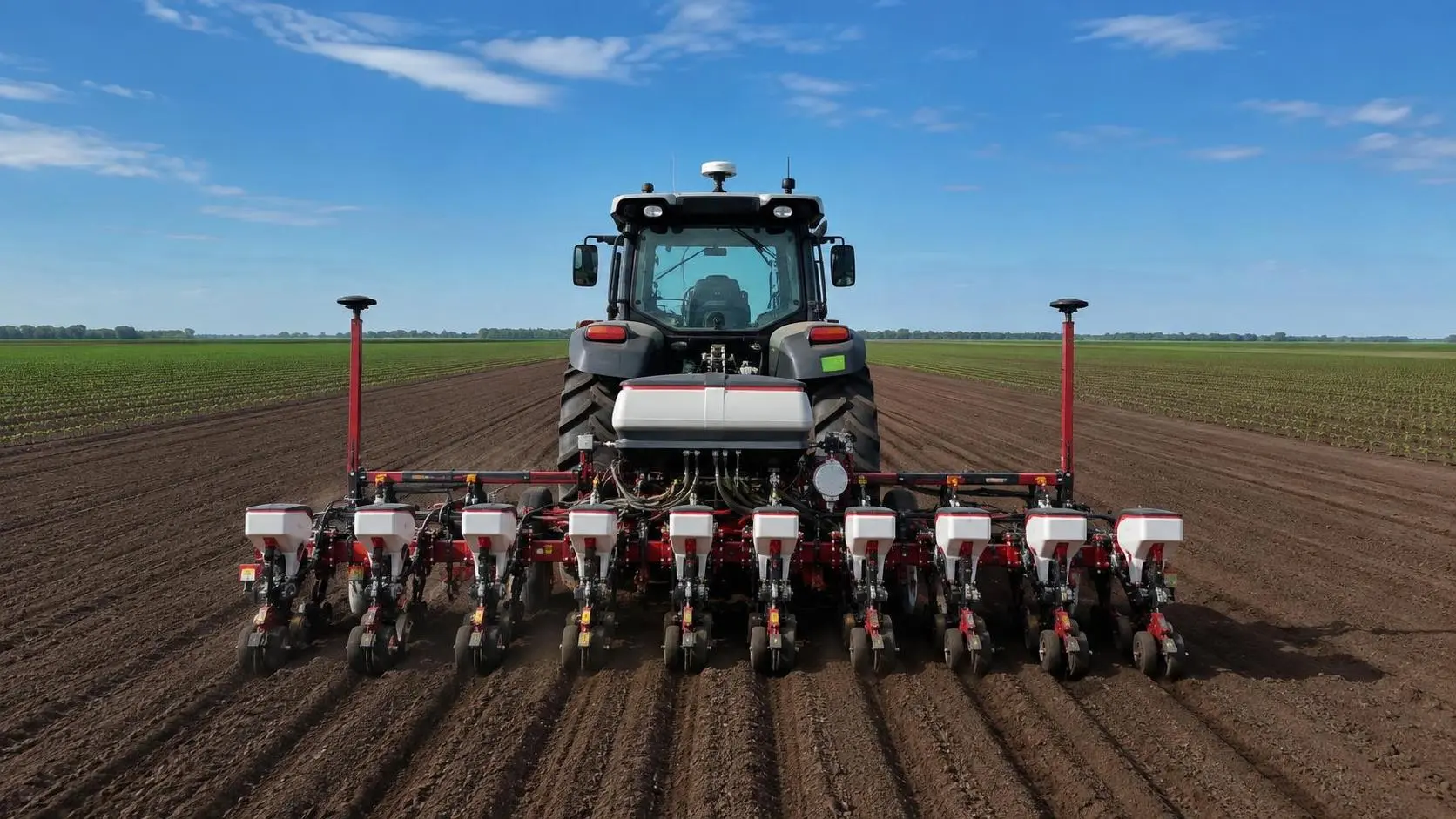
How Tractor Intelligence Systems Improve Field Efficiency and Input Accuracy
Agricultural machinery intelligence for tractors improves field efficiency, input accuracy, data traceability, and implement control. Explore smarter evaluation strategies.
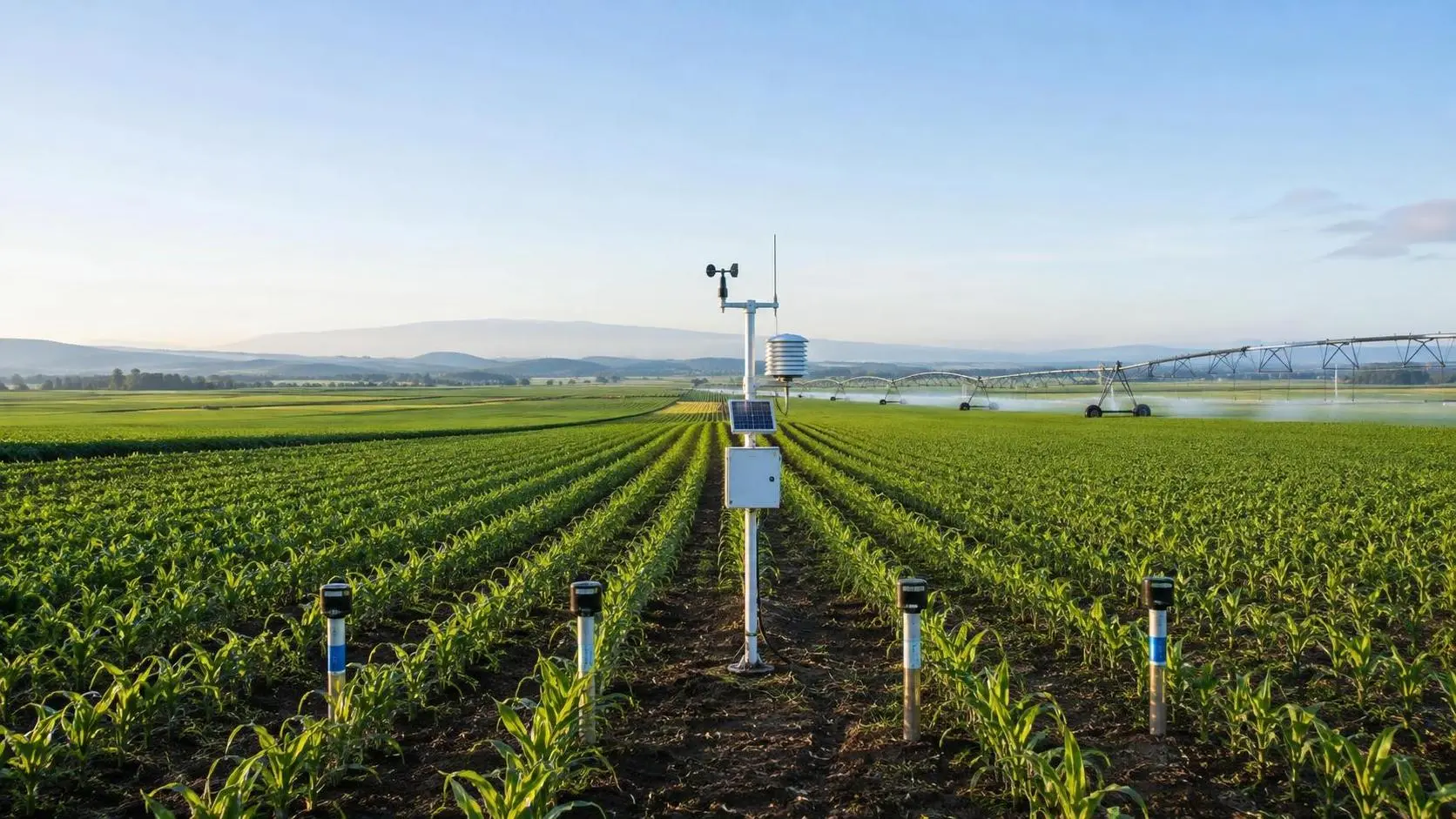
How to Evaluate Crop Monitoring System Manufacturers for Large-Scale Farms
Compare crop monitoring systems manufacturers for large-scale farms. Evaluate data quality, integration, durability, lifecycle costs, support, and pilots for smarter decisions.
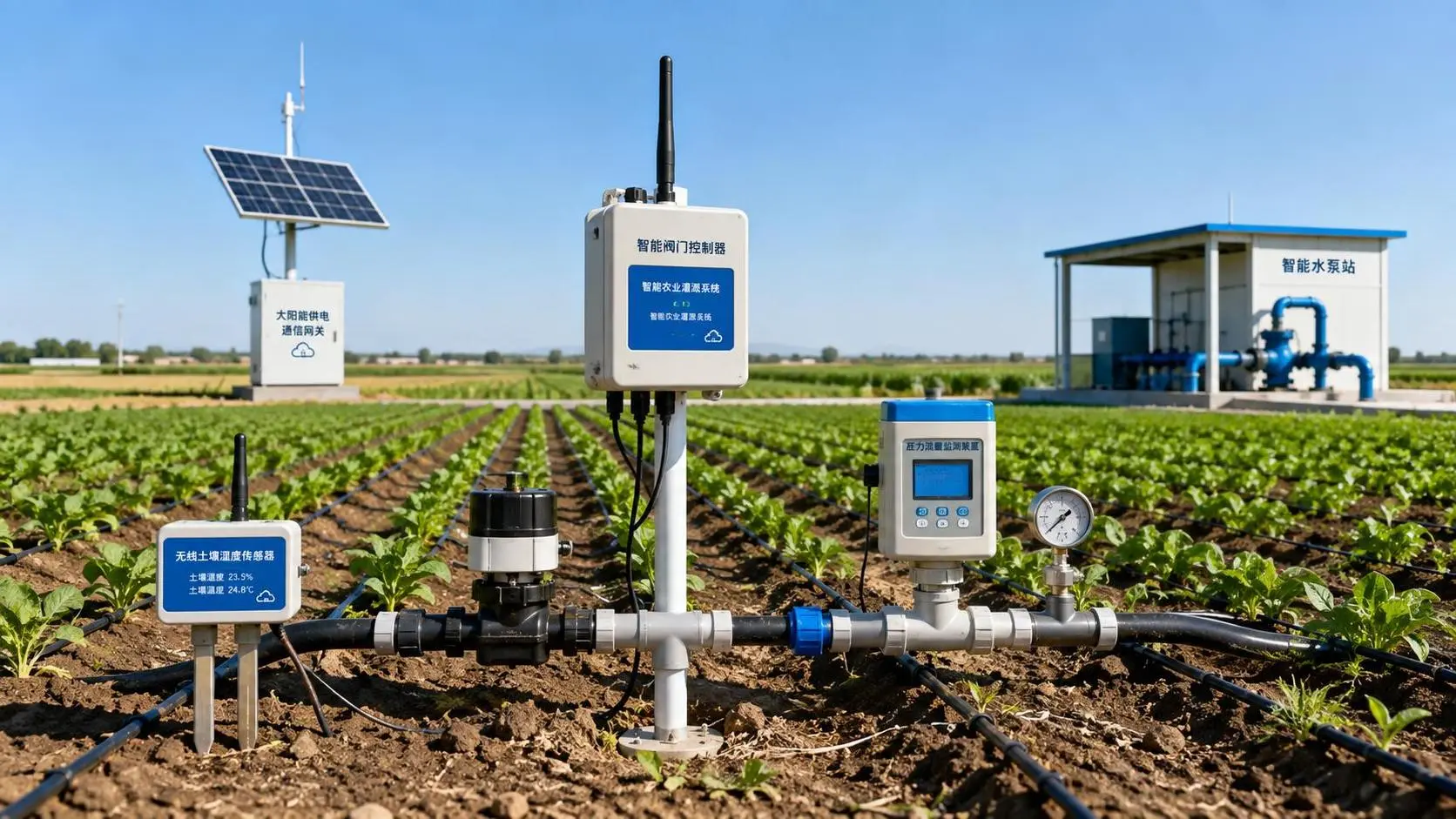
Wireless Agricultural Automation for Remote Irrigation and Field Monitoring
Agricultural automation wireless solutions improve remote irrigation with reliable field data, local control, flow verification, and smarter monitoring. Explore resilient deployment strategies.
Agricultural Product Information Market Guide: Key Data for Sourcing Decisions
Agricultural product information market guide for smarter sourcing—compare machinery, irrigation, precision tools, lifecycle costs, and supplier risk.
Large-Scale Farm Equipment Cost Comparison: Price, Fuel, and Lifecycle Value
Large-scale farm equipment cost comparison: evaluate price, fuel, maintenance, downtime, and lifecycle value to choose tractors, combines, irrigation, and smart tools with confidence.
A Procurement Specification Preparation Example for Buying Farm Equipment
Procurement specification preparation example for farm equipment: learn to define requirements, compare suppliers, control lifecycle costs, and buy with confidence.
What Tractor Horsepower Is Needed for a Three-Bottom Moldboard Plow?
What tractor horsepower is needed for three-bottom moldboard plow? Compare 60–100 hp needs by soil, depth, traction, and plow width for a confident equipment match.
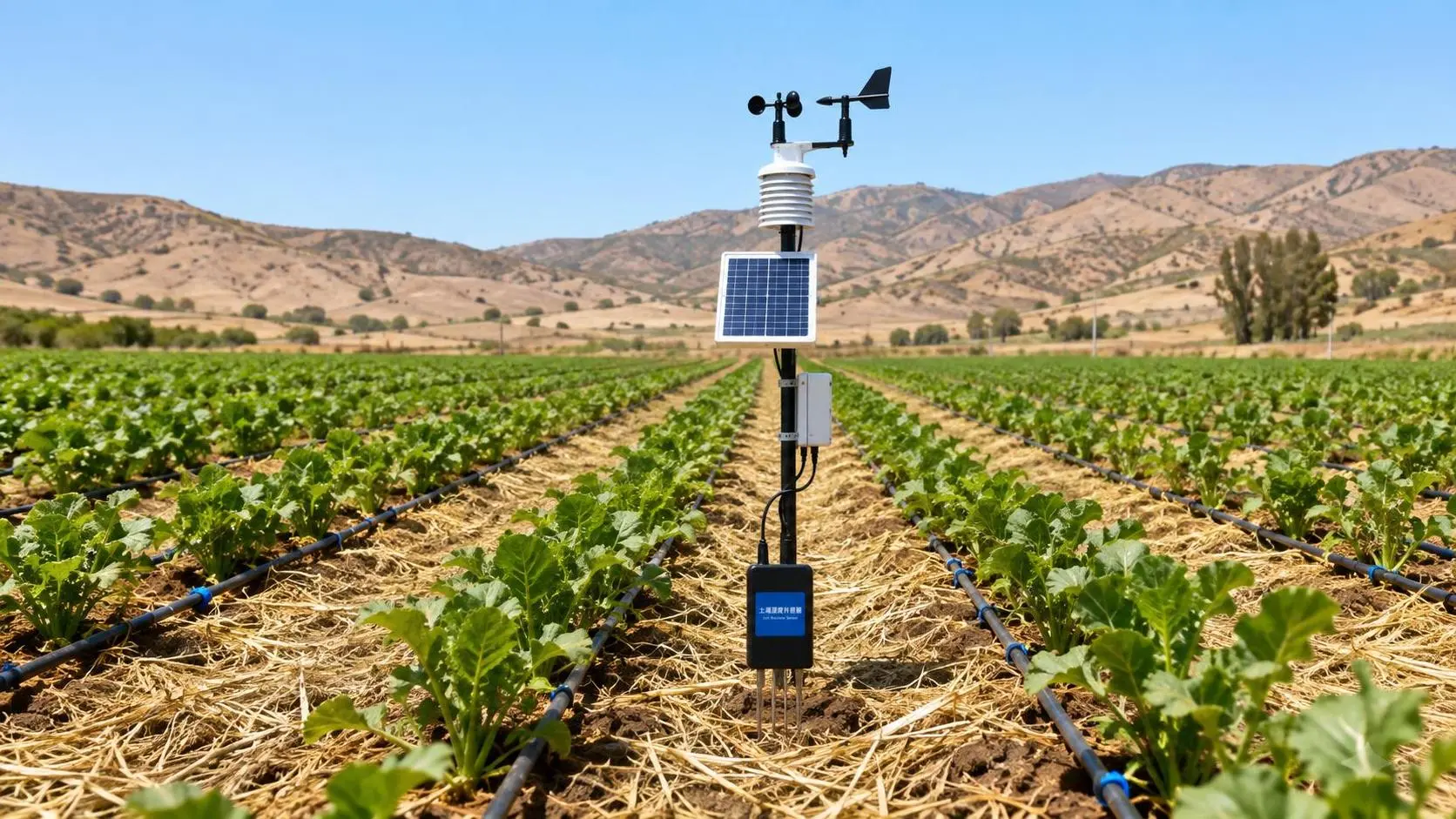
How Does Climate-Smart Farming Reduce Water Use in Semi-Arid Areas?
How does climate-smart farming reduce water use in semi-arid zones? Discover precision irrigation, soil monitoring, and smarter crop planning for resilient yields.
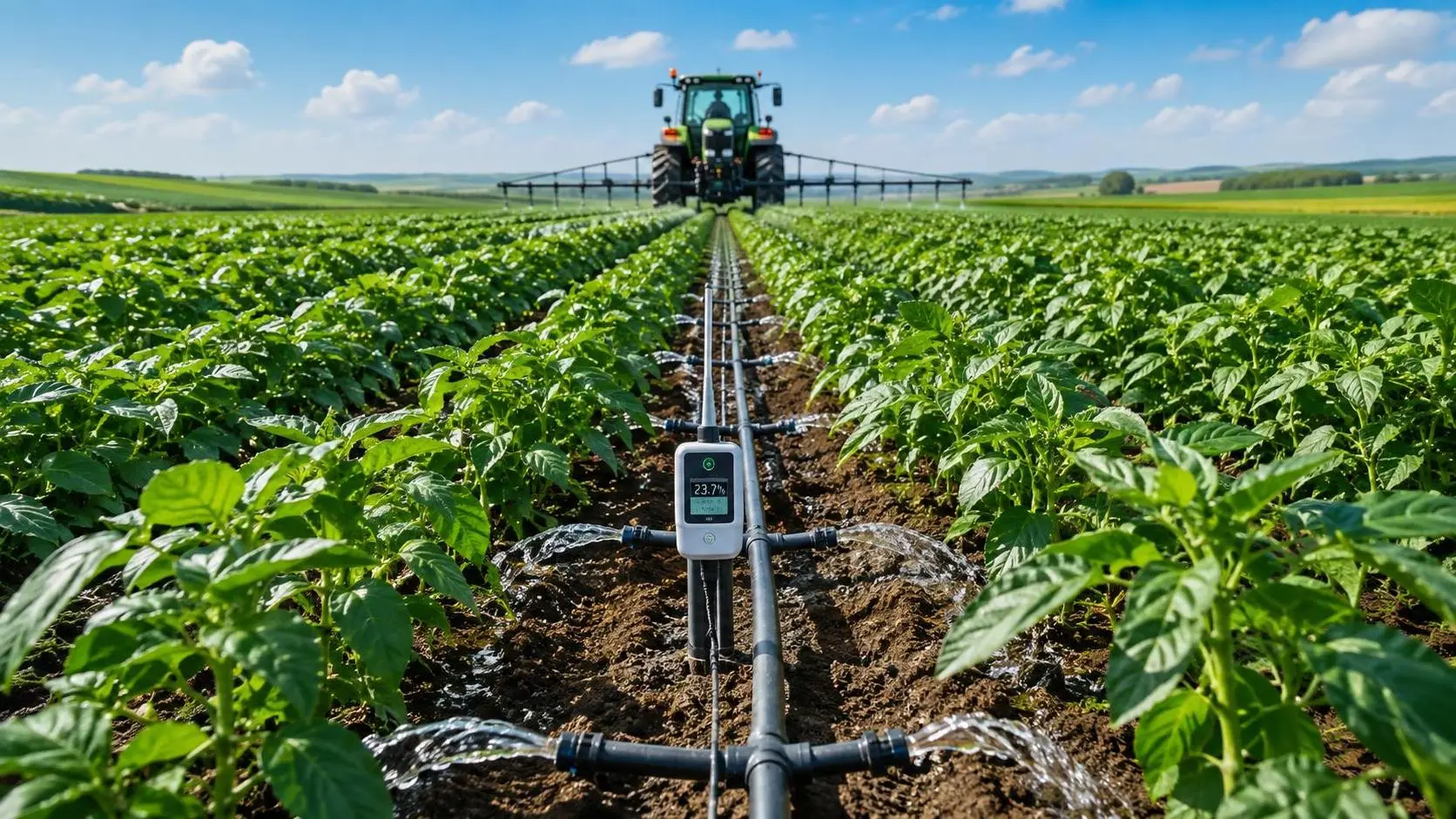
Can Sustainable Farming Be Profitable Without Reducing Yields?
Are sustainable farming practices profitable without yield loss? Discover precision strategies that cut waste, protect yields, and improve farm margins.
Related News
- 00
0000-00
How to Evaluate Crop Monitoring System Manufacturers for Large-Scale Farms - 00
0000-00
Agricultural Product Information Market Guide: Key Data for Sourcing Decisions - 00
0000-00
Large-Scale Farm Equipment Cost Comparison: Price, Fuel, and Lifecycle Value - 00
0000-00
A Procurement Specification Preparation Example for Buying Farm Equipment - 00
0000-00
Can Sustainable Farming Be Profitable Without Reducing Yields?
Popular Tags
Ms. Elena Rodriguez
Weekly Insights
Stay ahead with our curated technology reports delivered every Monday.