
How to Choose Heavy-Duty Agricultural Machinery for Large-Scale Field Work
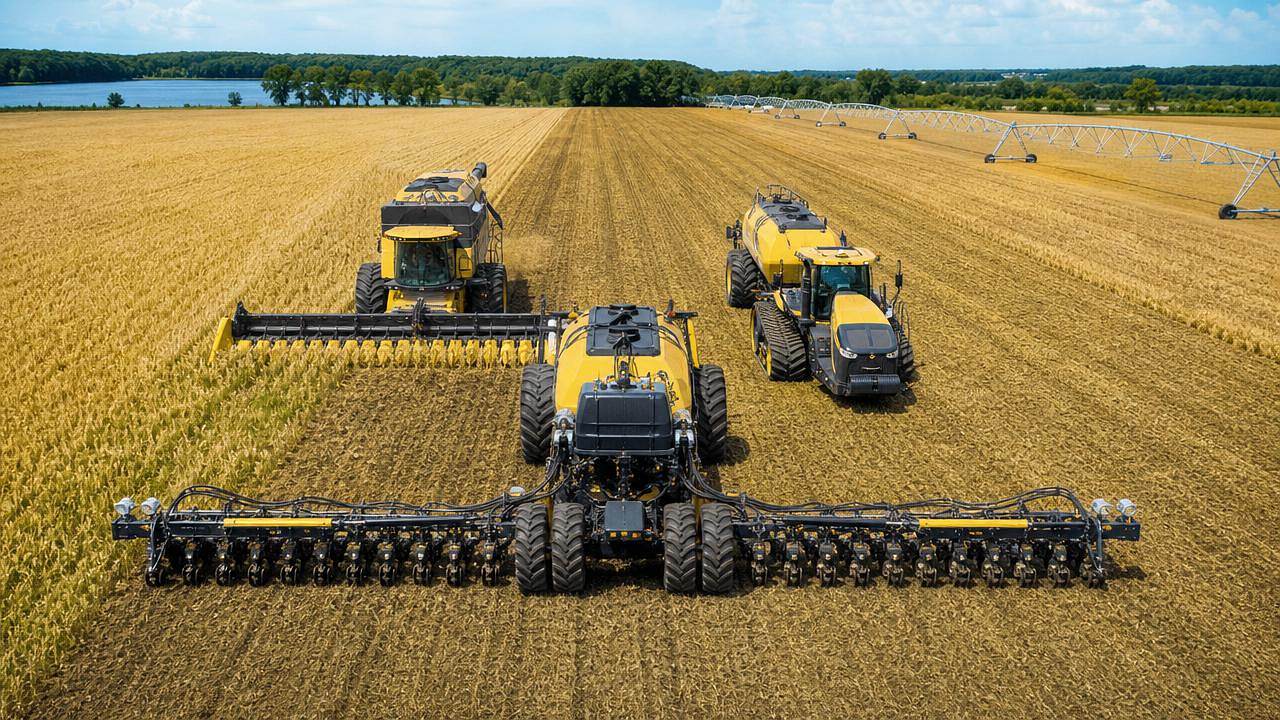




Choosing heavy-duty agricultural machinery for large-scale field work is never just about engine size or sticker price. The real question is simpler: will the machine keep acres moving on time, without draining fuel budgets or creating service headaches?
For large operations, one weak equipment decision can slow planting, stretch harvest windows, and raise cost per hectare. That is why equipment selection should connect field conditions, crop flow, labor availability, digital compatibility, and long-term ownership cost.
AP-Strategy follows this exact intersection. Its research on large-scale agri-machinery, combine harvesters, tractor chassis, intelligent farm tools, and water-saving irrigation systems helps turn scattered product data into practical buying logic.
If the goal is to compare options with confidence, start with the basics below and test every machine against real operating pressure, not brochure claims.
Start with the Workload, Not the Brand
The best heavy-duty agricultural machinery is the one that matches field size, crop cycle, soil resistance, and working hours. A respected brand helps, but workload fit matters more.
In broad-acre work, under-spec machines usually cost more than oversized ones. They burn time, create bottlenecks, and force extra passes when weather windows are already tight.
- Define total annual field hours, peak-season acreage, crop rotation, and average soil resistance before comparing models. This baseline quickly filters out machines that look strong but work too slowly.
- Match horsepower, traction, and hydraulic output to the heaviest planned implement, not the average one. Large-scale field work usually fails at peak load, not routine conditions.
- Check transport width, turning radius, and road movement rules early. A machine can perform well in-field yet still waste time between blocks or require escort logistics.
- Estimate fuel use per hectare instead of per hour. That gives a clearer view of operating efficiency when comparing different machine sizes, field speeds, and implement combinations.
Why field conditions change the answer
A flat, dry grain belt and a humid region with mixed soils need different machine priorities. In one case, speed and tank capacity may lead. In another, flotation, cooling reliability, and traction management matter more.
That is where AP-Strategy’s cross-sector view is useful. Performance cannot be isolated from irrigation layout, soil moisture behavior, and the precision tools attached to the power unit.
Focus on the Powertrain and Chassis First
When comparing heavy-duty agricultural machinery, the powertrain tells you how the machine will behave under stress. Engine output alone is not enough. Transmission response, torque delivery, and axle durability drive usable performance.
- Review torque rise, transmission type, and load response under varying field resistance. Smooth power delivery improves pulling stability and reduces operator corrections during long working days.
- Inspect hydraulic flow, remote valve capacity, and lift performance against future tool upgrades. A machine that fits today but blocks tomorrow’s implements limits return on investment.
- Check chassis weight balance and tire or track options carefully. Poor weight distribution raises compaction risk, increases slip, and reduces effective power in wet or loose soils.
- Ask for service records on cooling systems and driveline wear in similar climates. Heavy-duty agricultural machinery often fails first in heat management, not headline engine power.
For high-load tillage and transport, a strong tractor chassis is often the hidden profit driver. AP-Strategy regularly highlights how transmission architecture and hydraulic control determine whether horsepower turns into field output.
Check Harvest, Planting, and Tool Compatibility
Large-scale field work rarely depends on one machine. The real system includes seeders, sprayers, headers, grain carts, irrigation lines, and data platforms. A mismatch anywhere reduces the value of the main unit.
- Confirm hitch category, PTO requirements, hydraulic connectors, and software compatibility across current and planned implements. Integration problems create hidden downtime that sales sheets rarely mention.
- For combine-related investment, compare header capacity, grain handling rate, and cleaning performance together. Harvest efficiency depends on balanced crop flow, not a single headline throughput number.
- Evaluate whether guidance systems, rate controllers, and sensor feedback can connect with existing precision farming tools. Digital mismatch can weaken every advantage of heavy-duty agricultural machinery.
- Map machine dimensions against irrigation infrastructure and field entrances. Oversized units may interfere with pivot tracks, drainage layouts, or storage access during critical seasonal movement.
A common oversight in mixed equipment fleets
It is easy to approve a machine that looks perfect on its own. Problems appear later when hydraulic demand exceeds tractor output, autosteer signals do not transfer cleanly, or harvest carts cannot keep up.
That is why AP-Strategy tracks intelligent farm tools and combine harvesting technology together. In Agriculture 4.0, machine choice is increasingly a systems decision.
Compare Ownership Cost, Not Just Purchase Cost
A lower upfront number can become the most expensive option in two seasons. For heavy-duty agricultural machinery, total cost should include uptime, maintenance intervals, fuel burn, parts access, and resale confidence.
- Request cost-of-ownership data over three to five seasons, including filters, tires, wear parts, and service labor. This is far more useful than comparing only purchase discounts.
- Ask local support teams about average repair response time during planting or harvest peaks. Heavy-duty agricultural machinery loses value quickly when downtime stretches beyond weather windows.
- Review resale demand in nearby regions with similar cropping patterns. Strong residual value can offset higher purchase prices and improve capital planning for future fleet renewal.
Look Beyond Mechanical Strength
Modern heavy-duty agricultural machinery should also work as a data asset. Telematics, precision controls, and diagnostics now influence uptime almost as much as metal durability.
AP-Strategy’s Strategic Intelligence Center often points to the same trend: operations gain more value when machinery, crop monitoring, and resource systems share usable information.
- Prioritize machines with clear telematics dashboards, remote diagnostics, and exportable performance data. Better visibility helps detect fuel waste, idle time, and maintenance issues before they grow.
- Check whether the machine supports precision applications such as variable-rate seeding, input control, or irrigation-linked field planning. This improves whole-system efficiency beyond raw field power.
- Do not ignore software usability for operators and service teams. Complicated interfaces often reduce adoption, which means expensive digital features end up unused in daily work.
In water-sensitive regions
Where irrigation planning is critical, machine traffic, weight, and routing affect more than field speed. They can disrupt water-use efficiency, damage emitters, or reduce access around monitored zones.
That is why equipment selection should not be separated from smart irrigation strategy. AP-Strategy treats water-saving systems and field machinery as connected infrastructure, not separate investments.
Use a Short Field-Test Decision Frame
A real demo usually reveals more than a polished presentation. Even a short field test can expose visibility issues, slow hydraulic response, uneven residue handling, or poor ride stability.
- Run the machine in representative soil and crop conditions, not ideal demonstration plots. Real conditions show whether heavy-duty agricultural machinery can maintain speed and stability under actual pressure.
- Track turning efficiency, implement hookup time, cab visibility, and operator fatigue during the test. Small daily friction points become major productivity losses over large acreages.
- Record slip rate, fuel draw, and work rate during the demo, then compare them with claimed figures. Measured field data supports better decisions than marketing performance ranges.
- Invite service and operations staff into the evaluation process early. Practical feedback on maintenance access and workflow often catches risks missed in financial reviews.
One final point matters. The strongest buying decision usually comes from combining mechanical facts with strategic timing. Grain prices, policy shifts, electrification trends, and dealer inventories all shape equipment value.
That broader view is exactly where AP-Strategy adds value. By linking machinery performance, precision agriculture intelligence, and sustainability pressure, it helps turn a simple equipment comparison into a smarter long-term decision.
When narrowing the final choice, keep the test simple: can this heavy-duty agricultural machinery handle the heaviest workload, connect with the wider farm system, stay serviceable in peak season, and protect cost per hectare over time? If the answer is yes across all four points, the decision is probably on the right track.
Related News
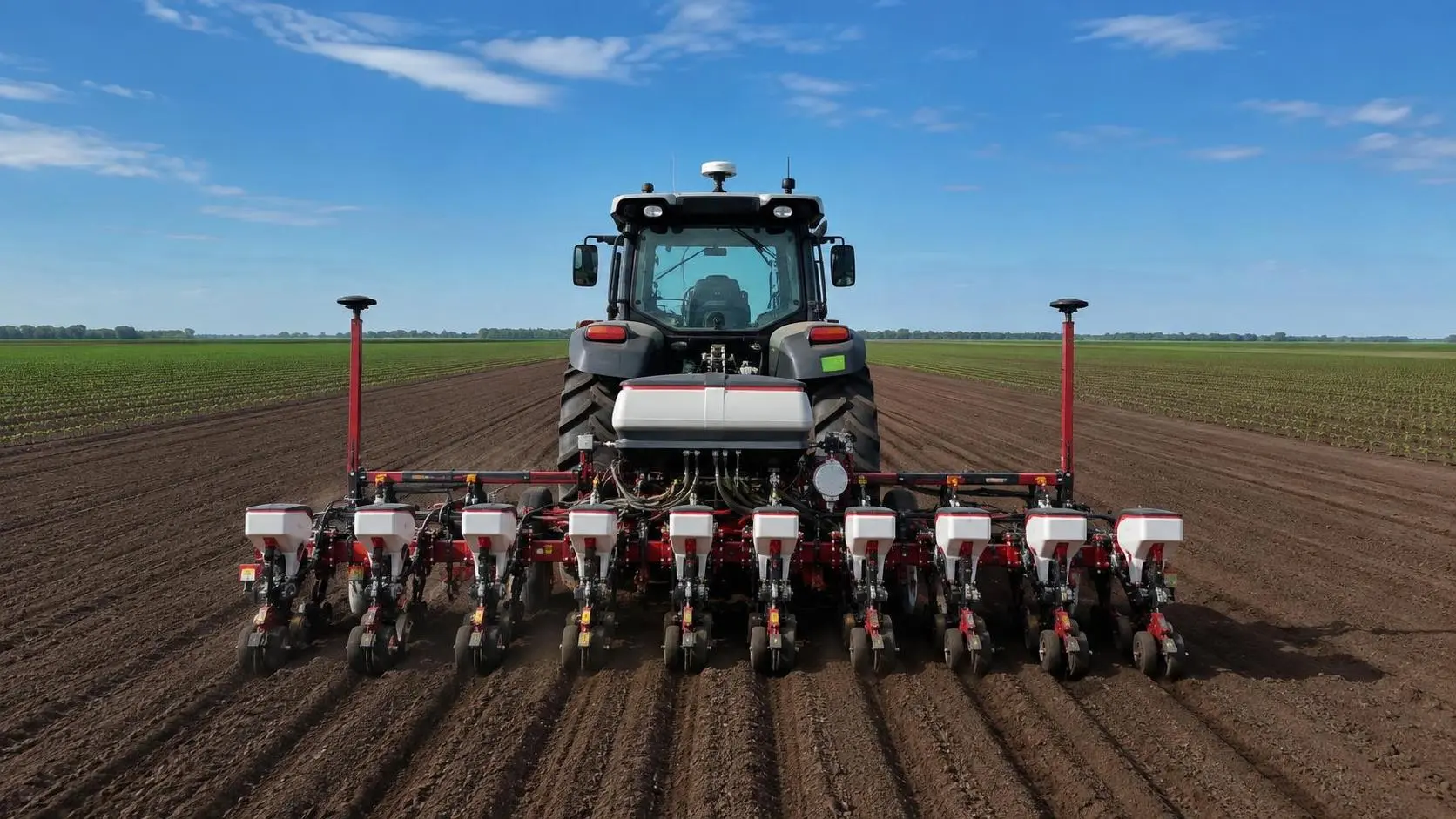
How Tractor Intelligence Systems Improve Field Efficiency and Input Accuracy
Agricultural machinery intelligence for tractors improves field efficiency, input accuracy, data traceability, and implement control. Explore smarter evaluation strategies.
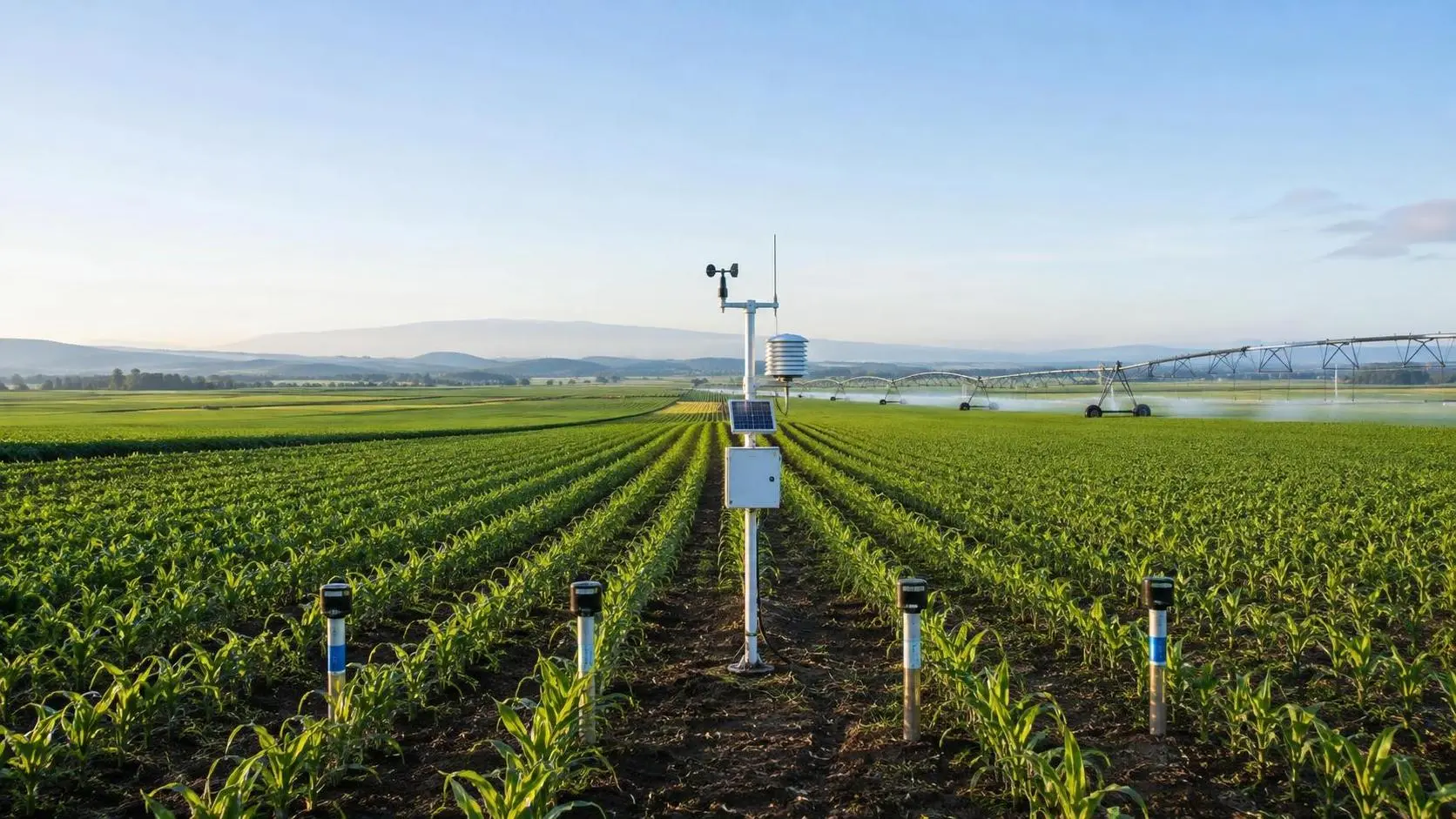
How to Evaluate Crop Monitoring System Manufacturers for Large-Scale Farms
Compare crop monitoring systems manufacturers for large-scale farms. Evaluate data quality, integration, durability, lifecycle costs, support, and pilots for smarter decisions.
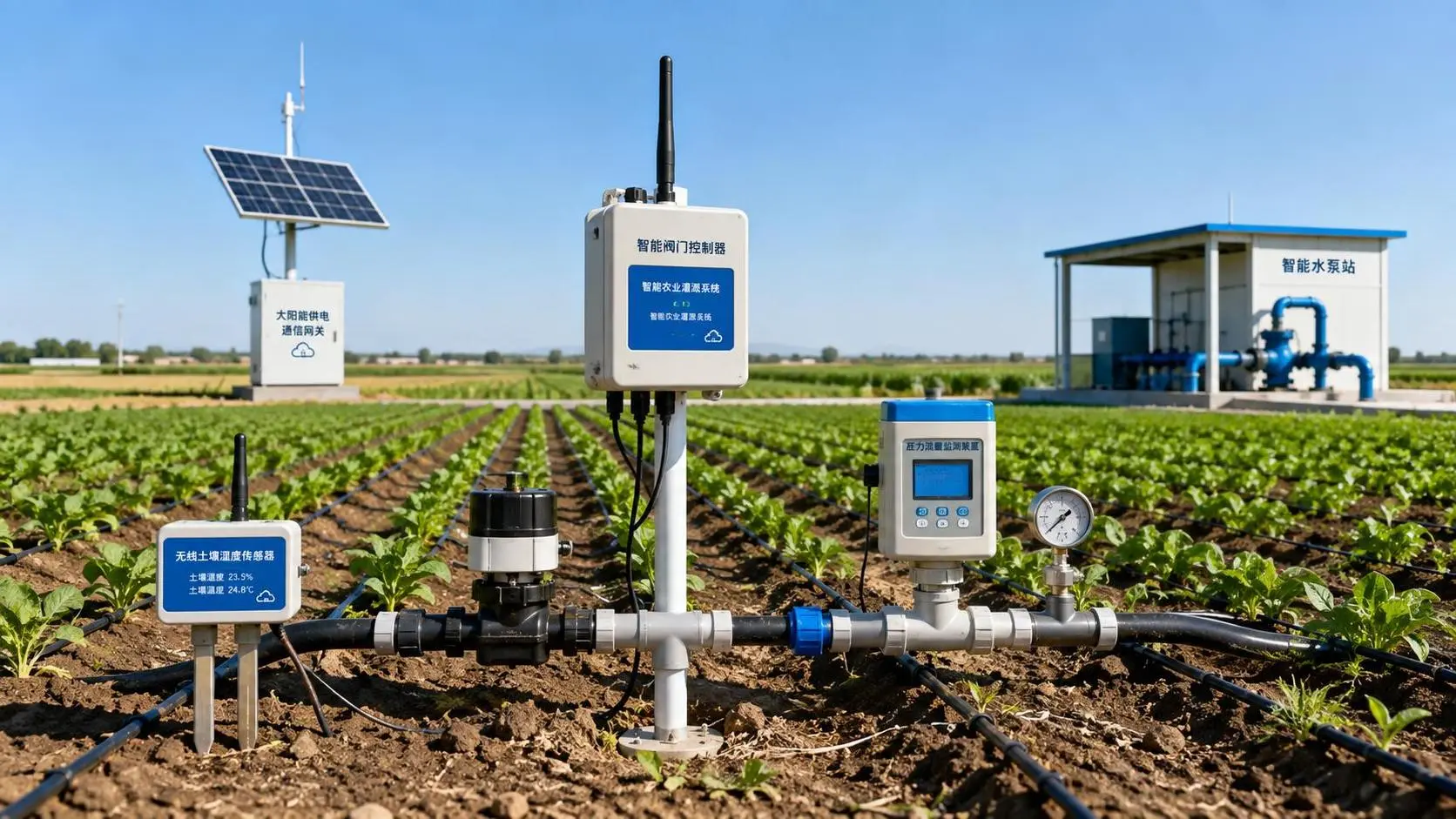
Wireless Agricultural Automation for Remote Irrigation and Field Monitoring
Agricultural automation wireless solutions improve remote irrigation with reliable field data, local control, flow verification, and smarter monitoring. Explore resilient deployment strategies.
Agricultural Product Information Market Guide: Key Data for Sourcing Decisions
Agricultural product information market guide for smarter sourcing—compare machinery, irrigation, precision tools, lifecycle costs, and supplier risk.
Large-Scale Farm Equipment Cost Comparison: Price, Fuel, and Lifecycle Value
Large-scale farm equipment cost comparison: evaluate price, fuel, maintenance, downtime, and lifecycle value to choose tractors, combines, irrigation, and smart tools with confidence.
A Procurement Specification Preparation Example for Buying Farm Equipment
Procurement specification preparation example for farm equipment: learn to define requirements, compare suppliers, control lifecycle costs, and buy with confidence.
What Tractor Horsepower Is Needed for a Three-Bottom Moldboard Plow?
What tractor horsepower is needed for three-bottom moldboard plow? Compare 60–100 hp needs by soil, depth, traction, and plow width for a confident equipment match.
How Does Climate-Smart Farming Reduce Water Use in Semi-Arid Areas?
How does climate-smart farming reduce water use in semi-arid zones? Discover precision irrigation, soil monitoring, and smarter crop planning for resilient yields.
Can Sustainable Farming Be Profitable Without Reducing Yields?
Are sustainable farming practices profitable without yield loss? Discover precision strategies that cut waste, protect yields, and improve farm margins.
Related News
- 00
0000-00
How to Evaluate Crop Monitoring System Manufacturers for Large-Scale Farms - 00
0000-00
Agricultural Product Information Market Guide: Key Data for Sourcing Decisions - 00
0000-00
Large-Scale Farm Equipment Cost Comparison: Price, Fuel, and Lifecycle Value - 00
0000-00
A Procurement Specification Preparation Example for Buying Farm Equipment - 00
0000-00
Can Sustainable Farming Be Profitable Without Reducing Yields?
Popular Tags
Ms. Elena Rodriguez
Weekly Insights
Stay ahead with our curated technology reports delivered every Monday.