
What Is Smart Cultivation and Which Farm Operations Benefit Most From It?
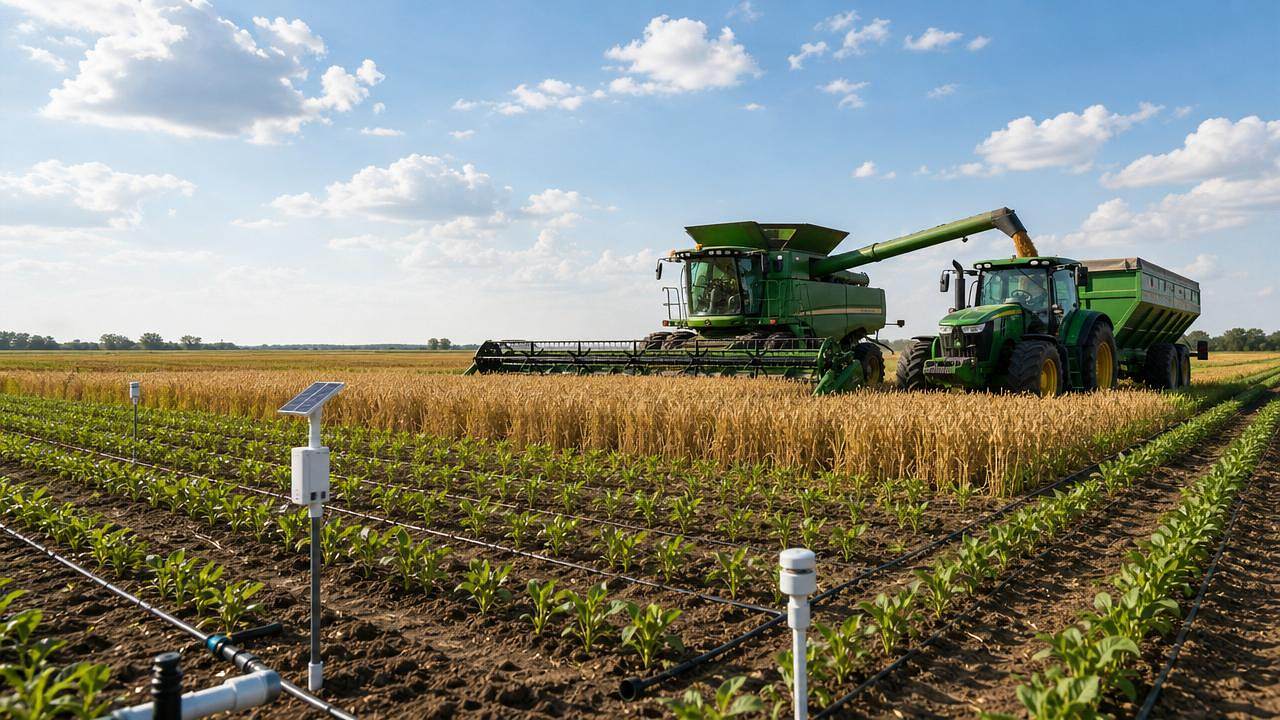




Smart cultivation is no longer a niche concept in precision agriculture. It is becoming the operating logic behind modern farming, where machinery, field data, irrigation control, and timing decisions work as one coordinated system rather than as separate tasks.
That shift matters because large-scale agriculture now faces tighter margins, climate volatility, labor constraints, and stronger sustainability expectations. In this context, smart cultivation helps explain where digital tools create measurable value and which farm operations respond best to precision management.
For platforms such as AP-Strategy, which track heavy equipment, combine performance, tractor systems, intelligent tools, and water-saving irrigation, the topic sits at the center of Agriculture 4.0. It connects field productivity with strategic intelligence, equipment selection, and long-term resource efficiency.
Understanding smart cultivation beyond the buzzword
At its core, smart cultivation means managing crop production through connected decisions. Sensors, satellite positioning, machine control systems, weather inputs, and agronomic models all contribute to how work is planned and executed.
It is not limited to autonomous tractors or advanced software dashboards. A farm can adopt smart cultivation gradually through yield mapping, section control, variable-rate application, irrigation scheduling, or harvester loss monitoring.
What makes the model “smart” is not the presence of electronics alone. The real distinction is feedback. Machines and tools generate information, that information shapes the next action, and the next action improves agronomic or operational results.
This is why smart cultivation is often described as a bridge between mechanical performance and decision intelligence. A powerful tractor, a high-capacity combine, or a drip system becomes more valuable when guided by precise data instead of fixed assumptions.
Why the industry is paying closer attention
Interest in smart cultivation is rising because agricultural risk has become more complex. Yield outcomes depend not only on weather and inputs, but also on how quickly a farm can respond to changing field conditions.
Several forces are driving that urgency. Water availability is under pressure in many regions. Fuel and fertilizer costs remain volatile. Skilled machinery operators are harder to secure. At the same time, traceability and environmental performance are attracting more scrutiny.
Under these conditions, smart cultivation provides a practical framework for doing more with the same land base. It improves timing, reduces overlap, cuts avoidable losses, and makes field variation visible instead of hidden inside seasonal averages.
That is also why intelligence portals like AP-Strategy emphasize not only latest sector news, but also operational signals such as harvester cleaning loss behavior, hybrid tractor chassis trends, and transpiration prediction in irrigation networks. These details shape real field outcomes.
Which farm operations benefit most from smart cultivation
Not every operation benefits in the same way or at the same speed. The strongest returns usually appear where field variability is high, timing is critical, or input waste is expensive.
Soil preparation and field traffic management
Primary tillage and seedbed preparation benefit when guidance systems reduce overlap and controlled traffic patterns limit compaction. Tractor chassis performance, traction control, and implement depth consistency become easier to optimize when field routes are digitally planned.
In heavy-duty operations, smart cultivation also helps match power demand with soil conditions. That can lower fuel use and reduce unnecessary passes, especially across large fields or mixed soil zones.
Planting and seeding accuracy
Seeding is one of the most sensitive operations in the crop cycle. Spacing, depth, downforce, and seed placement all influence emergence uniformity. Smart cultivation improves these variables through real-time monitoring and automated adjustments.
Variable-rate seeding is especially useful where yield potential differs within the same field. Instead of planting every zone the same way, farms can align seed population with soil moisture, fertility, and historic productivity.
Fertilizer and crop protection application
This is often one of the fastest value areas. Section control reduces overlap. Prescription maps direct input rates by zone. Sensor feedback supports more accurate nutrient placement and more targeted spraying.
In practical terms, smart cultivation turns application from a broad blanket treatment into a site-specific task. That matters when fertilizer prices are high or when regulations make over-application costly.
Irrigation scheduling and water delivery
Water-saving irrigation systems are among the clearest examples of smart cultivation in action. Soil moisture sensors, weather forecasts, evapotranspiration models, and remote valve control help farms apply water when crops need it, not simply when schedules say so.
This matters most in regions facing water stress or energy-intensive pumping. Better irrigation timing can improve crop consistency, protect yield, and cut water loss from overwatering, runoff, or deep percolation.
Harvesting and loss control
Harvest may be the most visible proof point for smart cultivation because gains or losses become measurable very quickly. Yield mapping, moisture sensing, machine telematics, and combine adjustment tools help operators respond to changing crop conditions across the day.
For combine harvesters, intelligent monitoring can reduce grain loss, improve cleaning performance, and support better speed control. In complex crop environments, those adjustments protect both capacity and quality.
Where the business value actually comes from
The value of smart cultivation is often misunderstood as simple automation. In reality, the biggest gains usually come from better decisions at the right moment, supported by data that is specific to a machine, field, or crop stage.
Those gains tend to appear in five forms:
- Improved input efficiency, especially for seed, fertilizer, chemicals, water, and fuel.
- Reduced operational waste through fewer overlaps, better routes, and faster adjustments.
- Higher yield stability because field stress is detected earlier and managed more precisely.
- Better asset utilization across tractors, harvesters, irrigation systems, and intelligent tools.
- Stronger reporting capacity for sustainability metrics, compliance, and investment planning.
This is especially relevant for large-scale farms and distribution networks. Equipment is expensive, seasonal windows are short, and the cost of weak timing compounds quickly. Smart cultivation helps convert equipment capability into repeatable field performance.
How to evaluate smart cultivation in real operations
Adoption should not begin with a broad promise. It should begin with a bottleneck. The best starting point is usually the operation where losses are visible, variability is high, or timing mistakes are most expensive.
A useful evaluation framework includes the following questions:
- Which field operation shows the largest gap between planned and actual performance?
- Is the constraint linked to machinery, agronomy, labor, water, or data visibility?
- Can the farm act on the data quickly enough for it to change outcomes?
- Do current machines support integration with guidance, sensors, or telematics?
- Which metric matters most: loss reduction, water savings, yield lift, or labor efficiency?
It is also important to separate data collection from decision value. A farm may gather large volumes of information and still gain little if the systems are not connected to operational choices. Smart cultivation works best when data flows directly into actions.
Signals worth watching in the next phase
The next stage of smart cultivation will likely be shaped by deeper machine intelligence and tighter interoperability. That includes autonomous support functions, better hydraulic and transmission control, predictive maintenance, and stronger links between crop models and machine settings.
Irrigation will continue to be a major frontier because water has become both an agronomic and strategic constraint. Harvesting will also remain a priority, as combine optimization and loss analytics are among the clearest ways to protect value at the end of the season.
For that reason, intelligence sources that combine machinery trends, field algorithms, and sustainability pressures are becoming more important. AP-Strategy’s focus on equipment performance, precision tools, and strategic agricultural signals reflects exactly this convergence.
A practical way to move from interest to judgment
Smart cultivation is best understood as a system of better field decisions, not as a single technology purchase. Its strongest value appears in operations where timing, variability, and input cost intersect.
When reviewing options, focus on the operation first, then the data source, then the machine response. That sequence makes it easier to judge whether a precision tool will deliver operational change or simply add digital complexity.
A useful next step is to compare soil preparation, planting, application, irrigation, and harvesting against measurable pain points. From there, it becomes easier to identify where smart cultivation can create the clearest return in yield, efficiency, and resource stewardship.
Related News
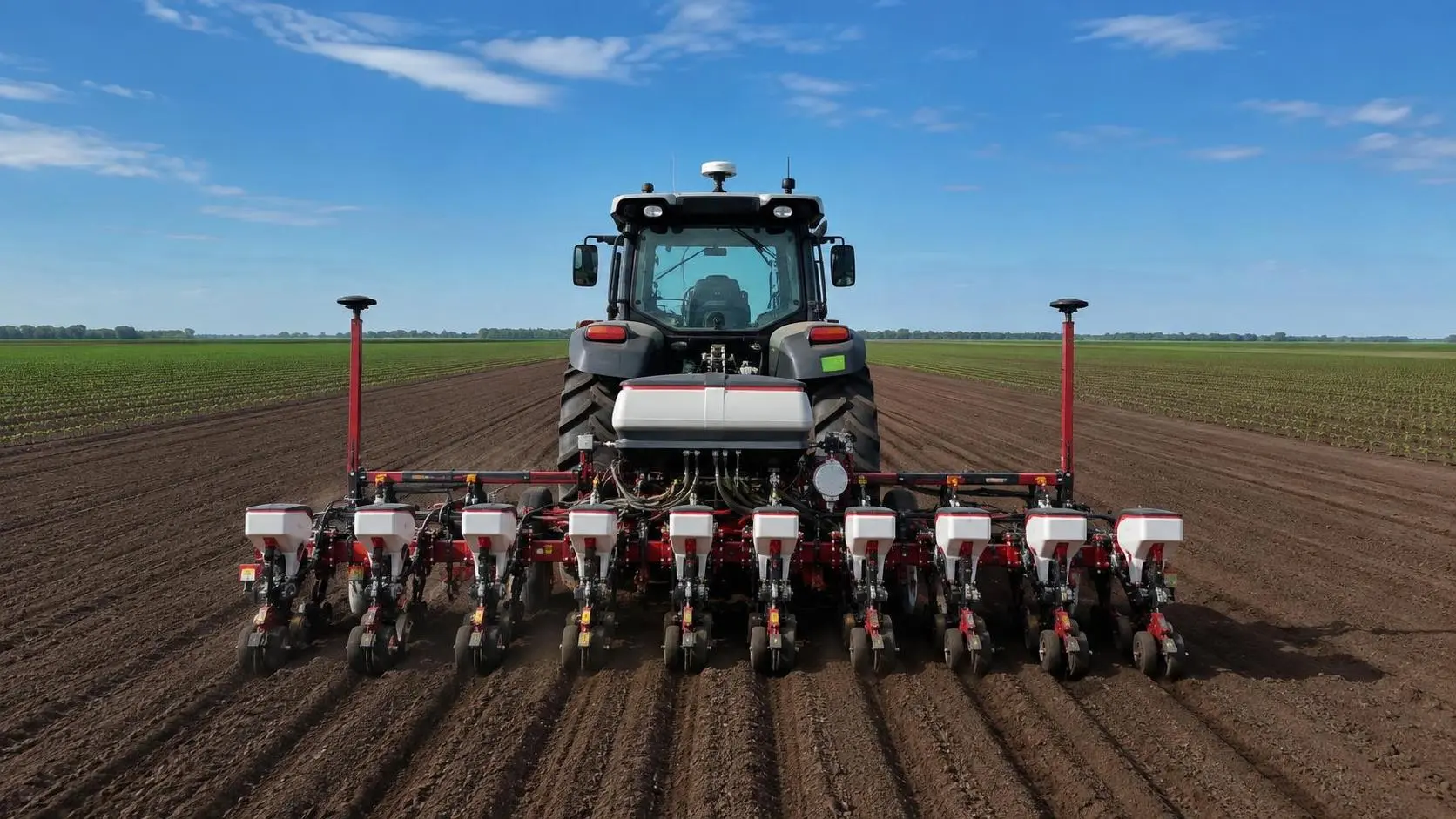
How Tractor Intelligence Systems Improve Field Efficiency and Input Accuracy
Agricultural machinery intelligence for tractors improves field efficiency, input accuracy, data traceability, and implement control. Explore smarter evaluation strategies.
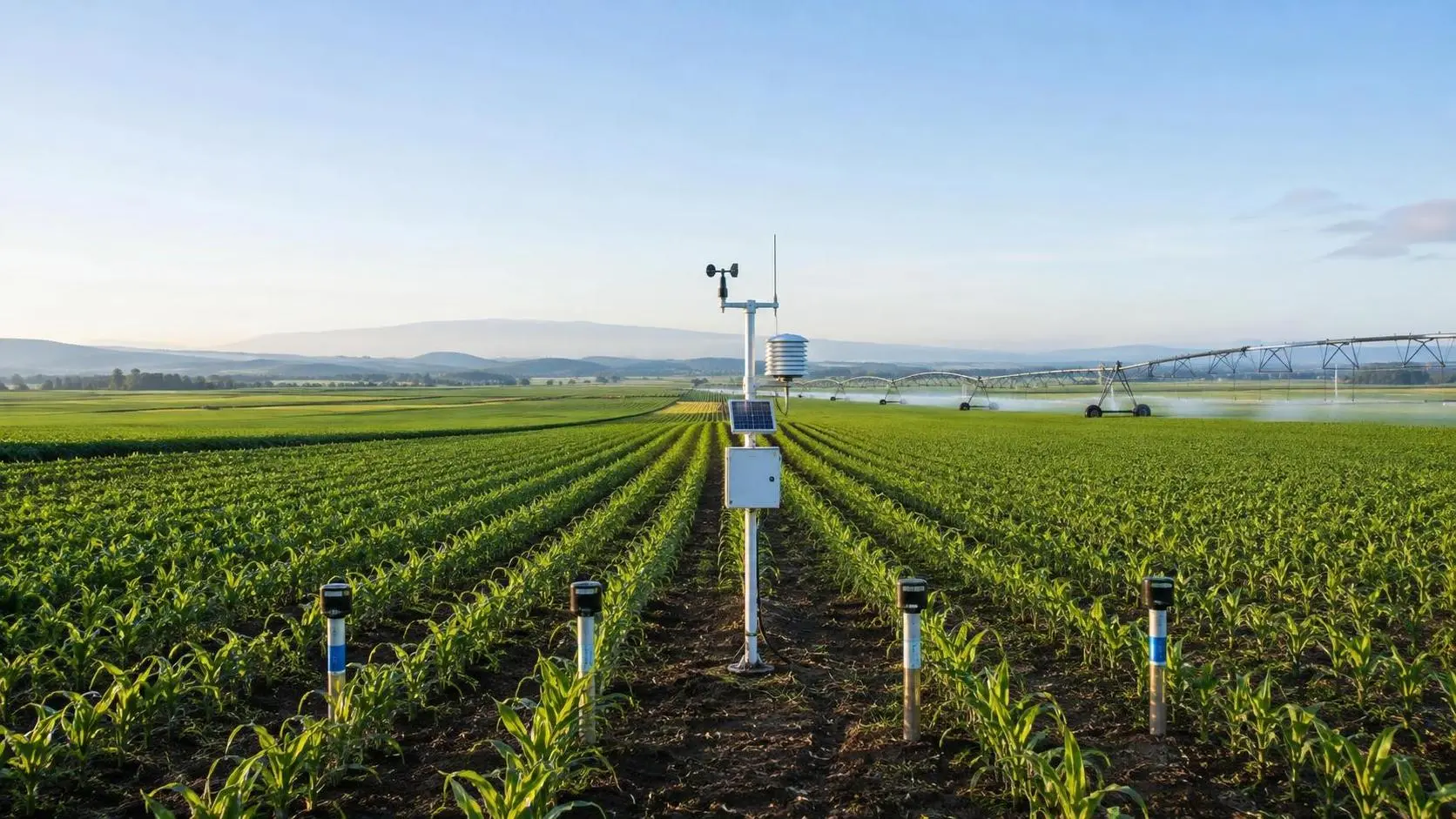
How to Evaluate Crop Monitoring System Manufacturers for Large-Scale Farms
Compare crop monitoring systems manufacturers for large-scale farms. Evaluate data quality, integration, durability, lifecycle costs, support, and pilots for smarter decisions.
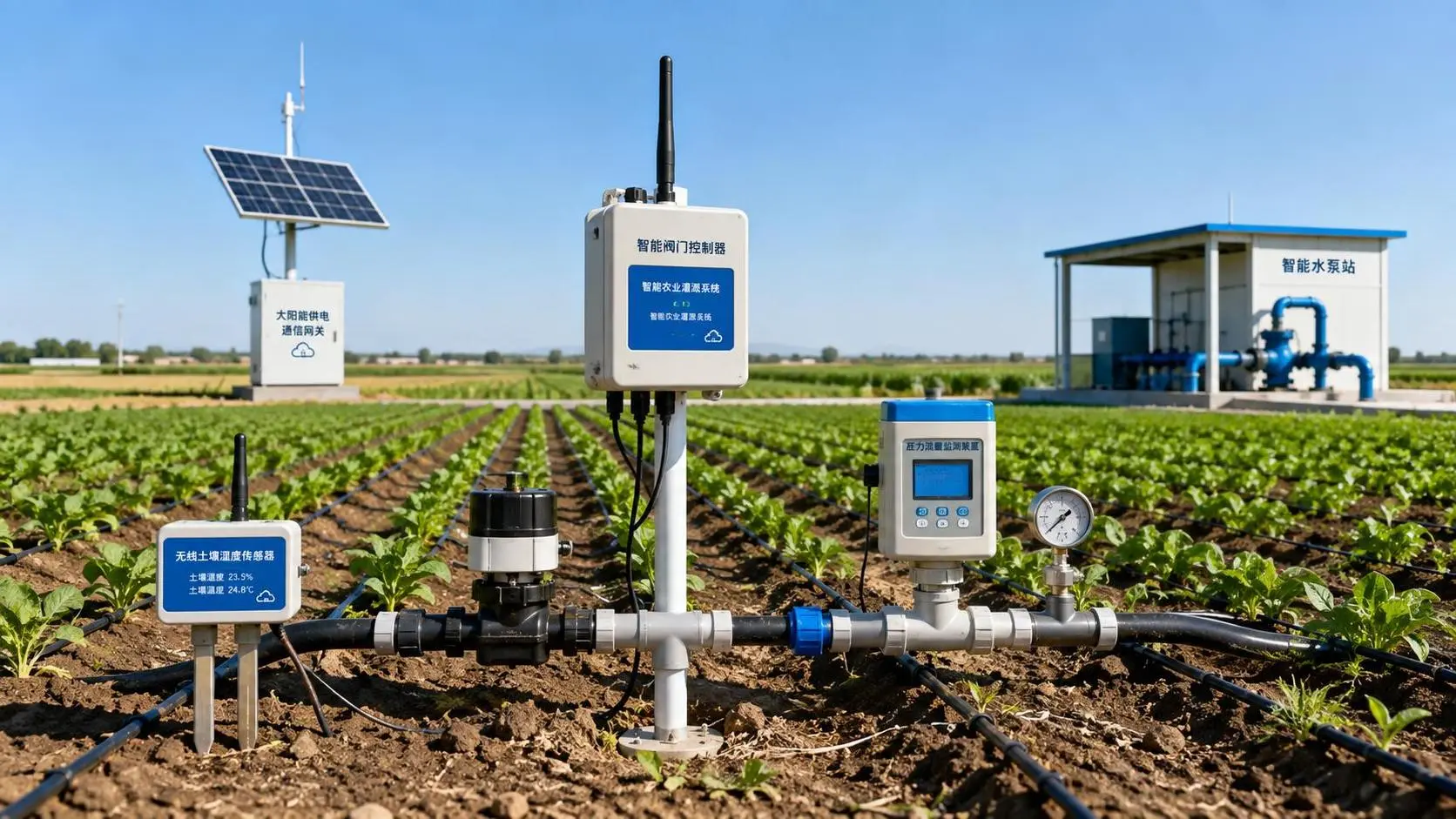
Wireless Agricultural Automation for Remote Irrigation and Field Monitoring
Agricultural automation wireless solutions improve remote irrigation with reliable field data, local control, flow verification, and smarter monitoring. Explore resilient deployment strategies.
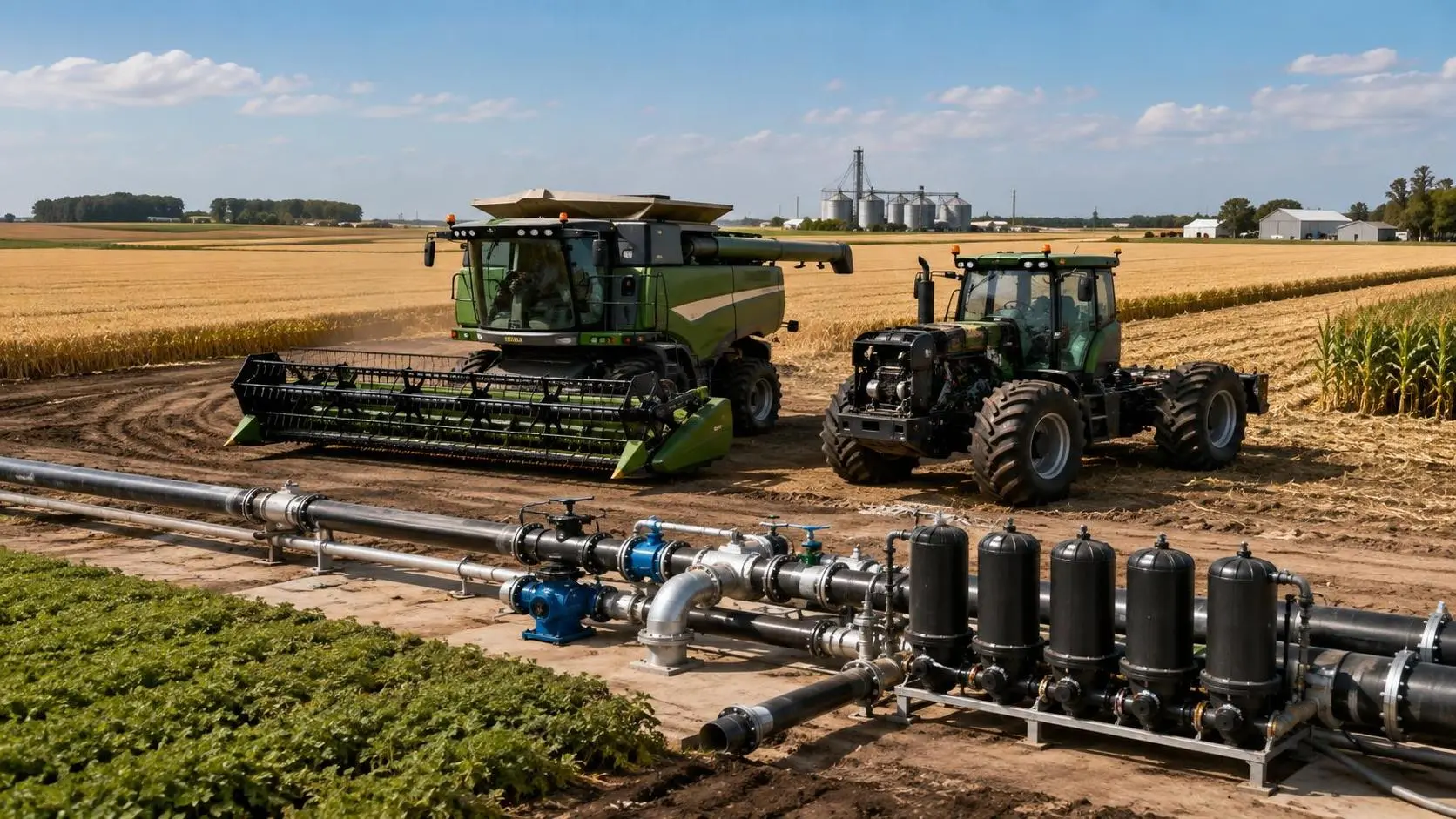
Agricultural Product Information Market Guide: Key Data for Sourcing Decisions
Agricultural product information market guide for smarter sourcing—compare machinery, irrigation, precision tools, lifecycle costs, and supplier risk.
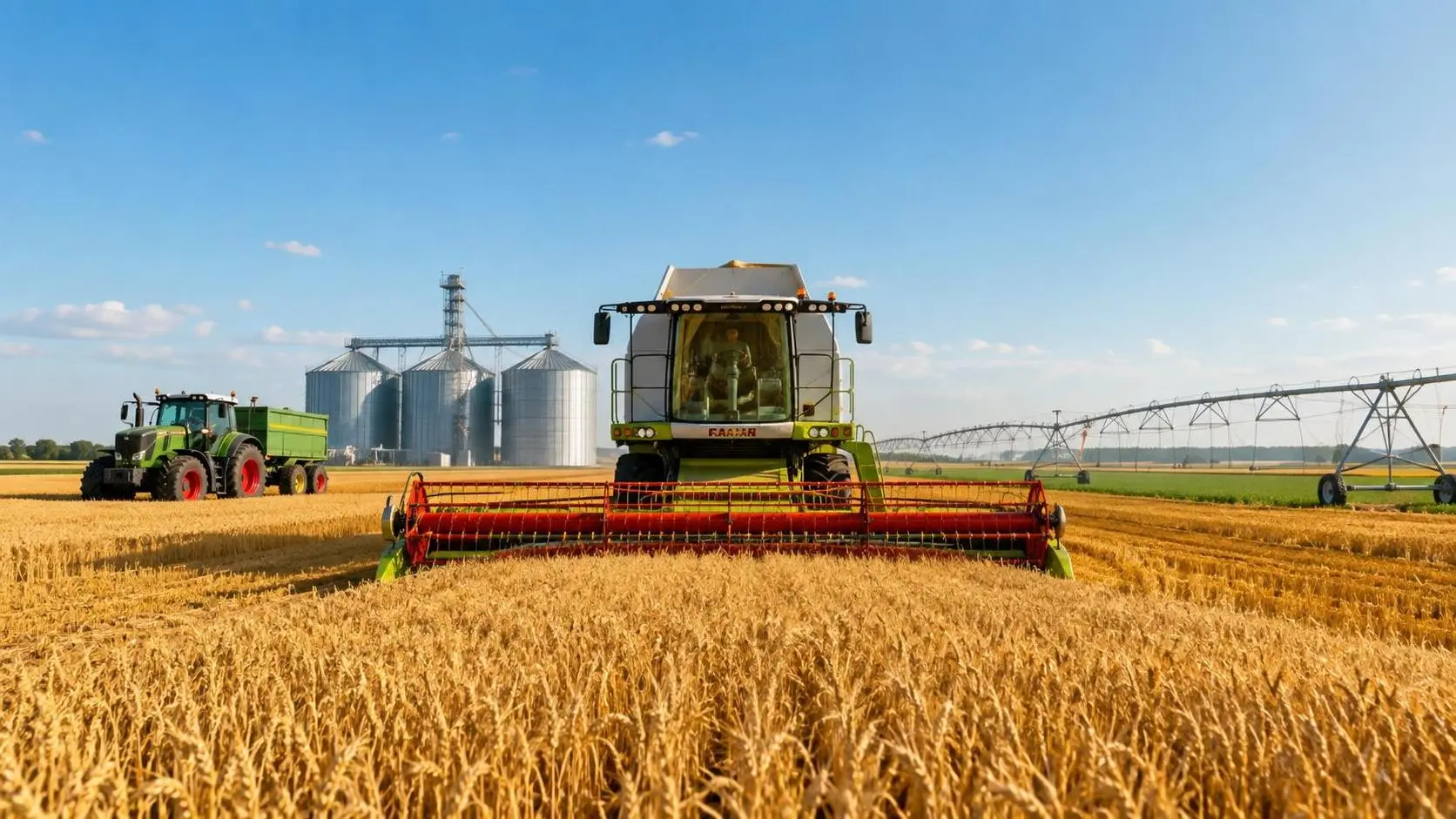
Large-Scale Farm Equipment Cost Comparison: Price, Fuel, and Lifecycle Value
Large-scale farm equipment cost comparison: evaluate price, fuel, maintenance, downtime, and lifecycle value to choose tractors, combines, irrigation, and smart tools with confidence.
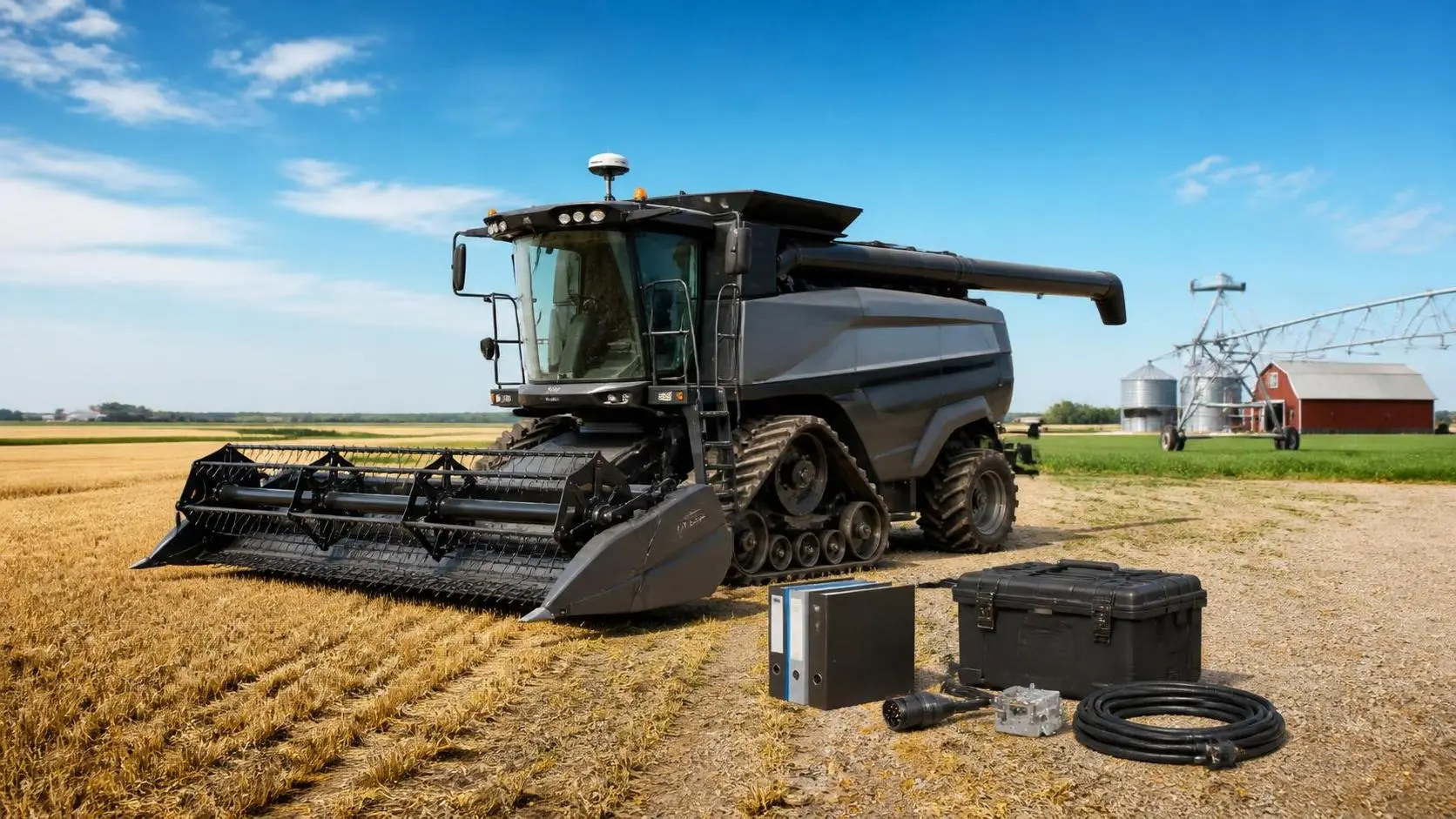
A Procurement Specification Preparation Example for Buying Farm Equipment
Procurement specification preparation example for farm equipment: learn to define requirements, compare suppliers, control lifecycle costs, and buy with confidence.
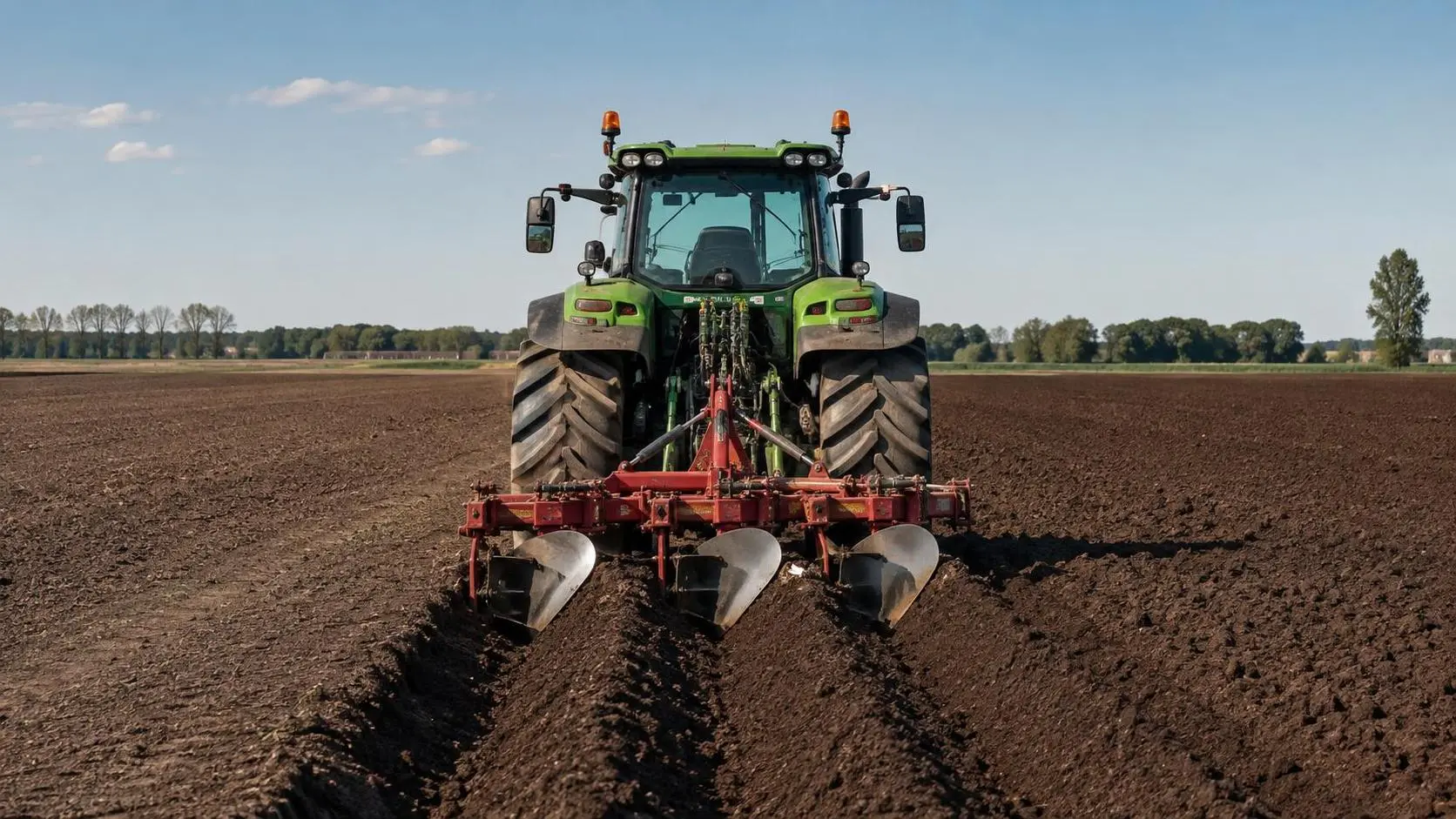
What Tractor Horsepower Is Needed for a Three-Bottom Moldboard Plow?
What tractor horsepower is needed for three-bottom moldboard plow? Compare 60–100 hp needs by soil, depth, traction, and plow width for a confident equipment match.
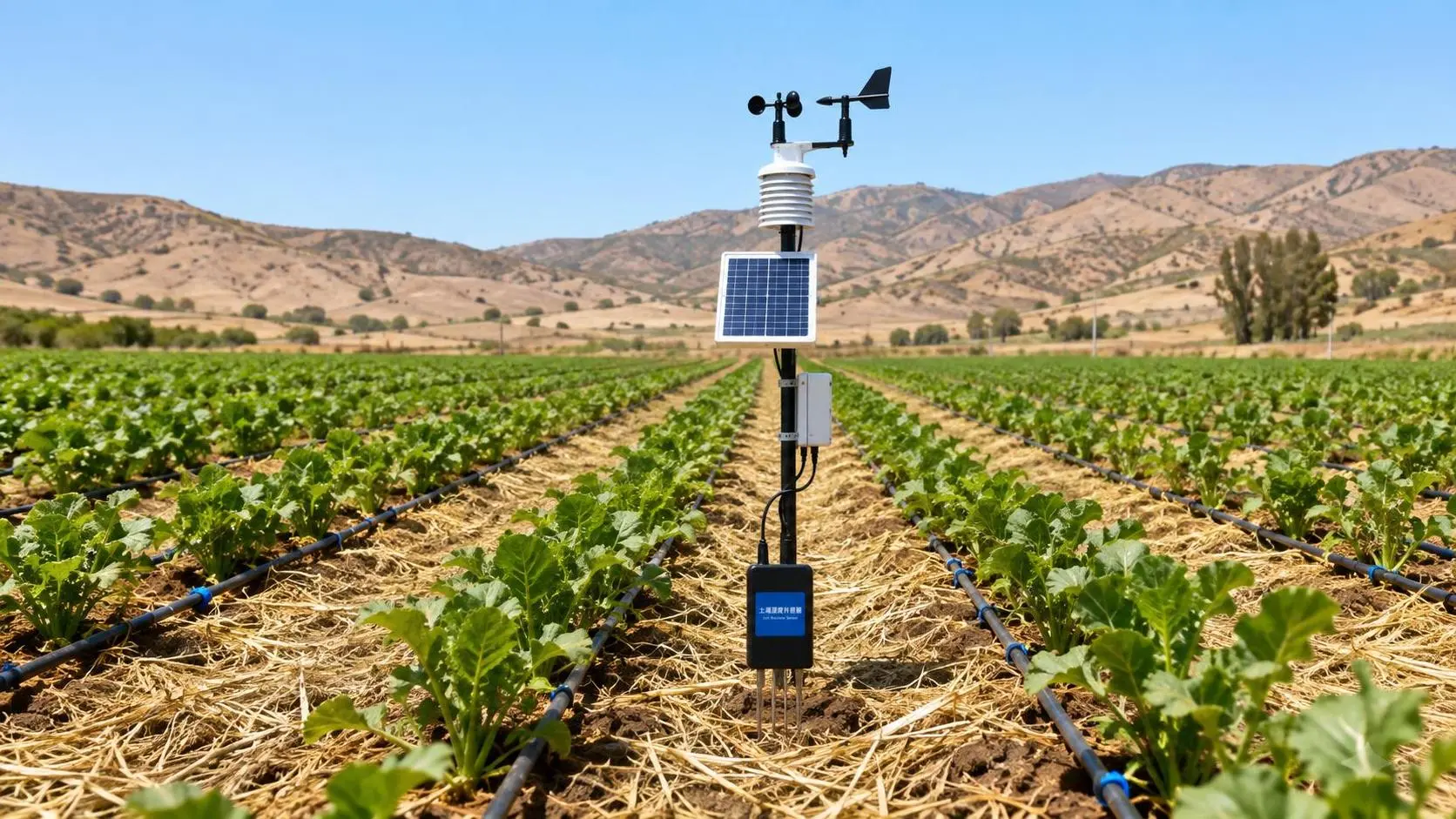
How Does Climate-Smart Farming Reduce Water Use in Semi-Arid Areas?
How does climate-smart farming reduce water use in semi-arid zones? Discover precision irrigation, soil monitoring, and smarter crop planning for resilient yields.
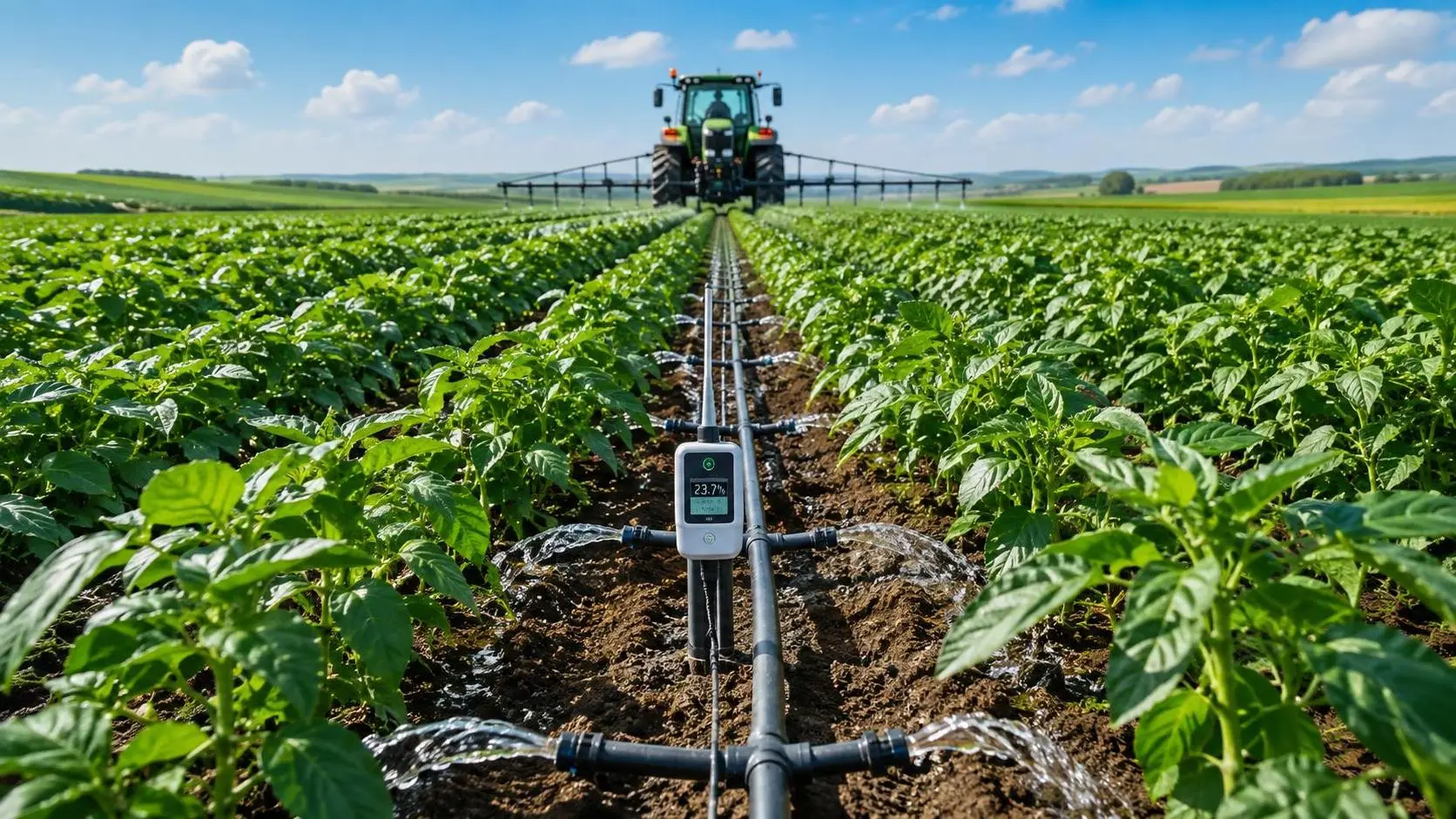
Can Sustainable Farming Be Profitable Without Reducing Yields?
Are sustainable farming practices profitable without yield loss? Discover precision strategies that cut waste, protect yields, and improve farm margins.
Related News
- 00
0000-00
How to Evaluate Crop Monitoring System Manufacturers for Large-Scale Farms - 00
0000-00
Agricultural Product Information Market Guide: Key Data for Sourcing Decisions - 00
0000-00
Large-Scale Farm Equipment Cost Comparison: Price, Fuel, and Lifecycle Value - 00
0000-00
A Procurement Specification Preparation Example for Buying Farm Equipment - 00
0000-00
Can Sustainable Farming Be Profitable Without Reducing Yields?
Popular Tags
Ms. Elena Rodriguez
Weekly Insights
Stay ahead with our curated technology reports delivered every Monday.