
Climate-Smart Agriculture Solutions for Food Security: Key Options Compared
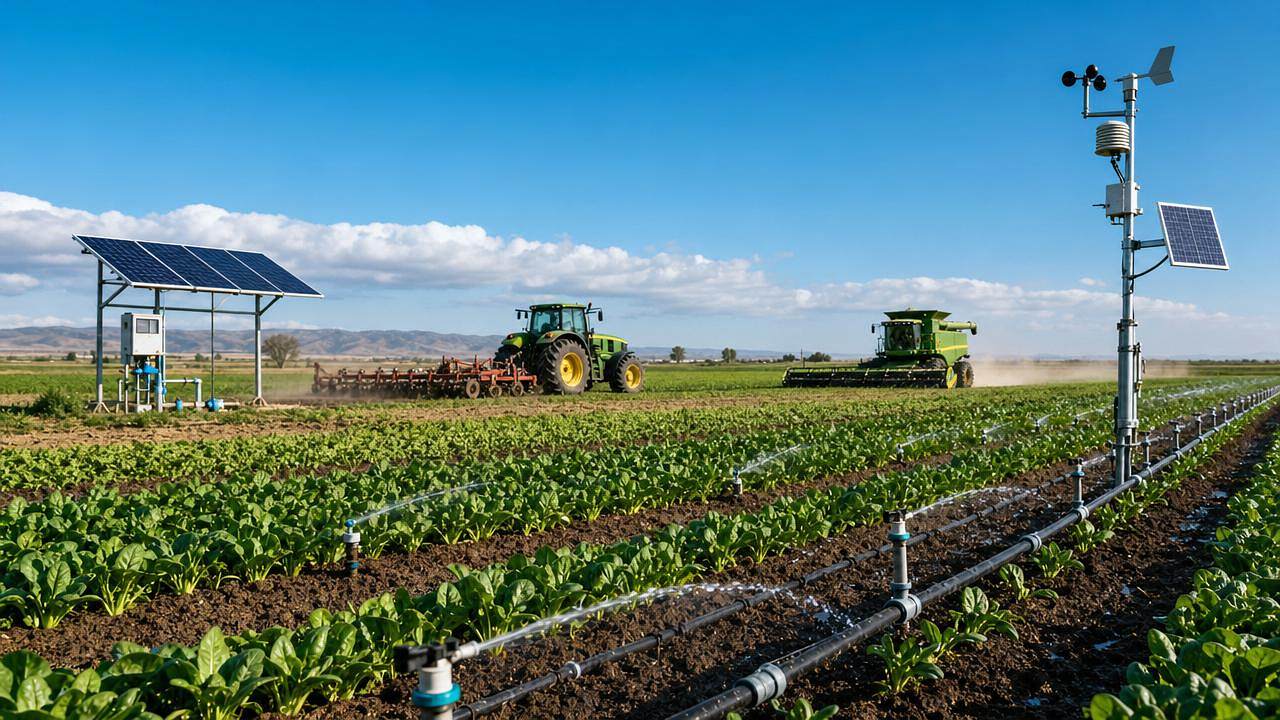




Climate-Smart Agriculture Solutions for Food Security: Key Options Compared
As climate volatility, input costs, and food security risks reshape agricultural investment priorities, business evaluators need technologies that deliver resilience, measurable output, and credible returns.
This comparison of climate-smart agriculture solutions for food security examines practical options through productivity, scalability, resource efficiency, operating risk, and long-term commercial value.
What Business Evaluators Are Really Trying to Decide
The core search intent behind this topic is not academic definition. Decision-makers want to know which solutions work, where they fit, and how investment should be prioritized.
For food security, the most valuable climate-smart tools are those that protect yield under stress while reducing exposure to water, labor, fuel, and input volatility.
The strongest business case usually combines intelligent irrigation, precision field operations, low-loss harvesting, and data-driven management rather than relying on one isolated technology.
Evaluators should therefore compare solutions by operational bottleneck. A drought-exposed farm needs different priorities than a mechanized grain operation losing margin at harvest.
Comparison Framework: How to Judge Climate-Smart Agriculture Options
Climate-smart agriculture solutions for food security should be evaluated through three linked outcomes: higher productivity, greater climate resilience, and lower emissions or resource intensity.
For commercial assessment, these outcomes must be translated into metrics. Useful indicators include yield stability, water productivity, fuel consumption, labor hours, and harvest loss reduction.
Scalability also matters. A technically impressive pilot has limited value if it cannot be maintained, financed, integrated, or supported across multiple seasons and geographies.
Procurement teams should ask whether the solution depends on connectivity, skilled operators, proprietary parts, reliable power, or local service networks before approving investment.
Precision Irrigation: Highest Priority Where Water Is the Constraint
Precision irrigation is often the most direct climate-smart investment where rainfall is uncertain, groundwater is stressed, or energy costs make pumping expensive.
Smart irrigation systems use soil moisture sensors, weather data, evapotranspiration models, and automated valves to apply water according to crop demand.
The business value comes from stabilizing yield while reducing water withdrawals, pumping hours, fertilizer leaching, and crop stress during critical growth windows.
For food security, this matters because water stress can reduce production quickly, especially in maize, wheat, rice, vegetables, and high-value horticulture.
Evaluation should focus on water productivity, measured as crop output per unit of water, rather than only system cost or advertised efficiency.
Large farms should also assess integration with pumps, fertigation, reservoirs, energy systems, and existing irrigation layouts before selecting a vendor.
The main risks are poor sensor placement, weak maintenance routines, and software recommendations that do not reflect local soils or crop stages.
When properly deployed, precision irrigation offers one of the clearest links between climate adaptation, operating savings, and food production reliability.
Autonomous and Intelligent Machinery: Best for Scale, Labor Pressure, and Timeliness
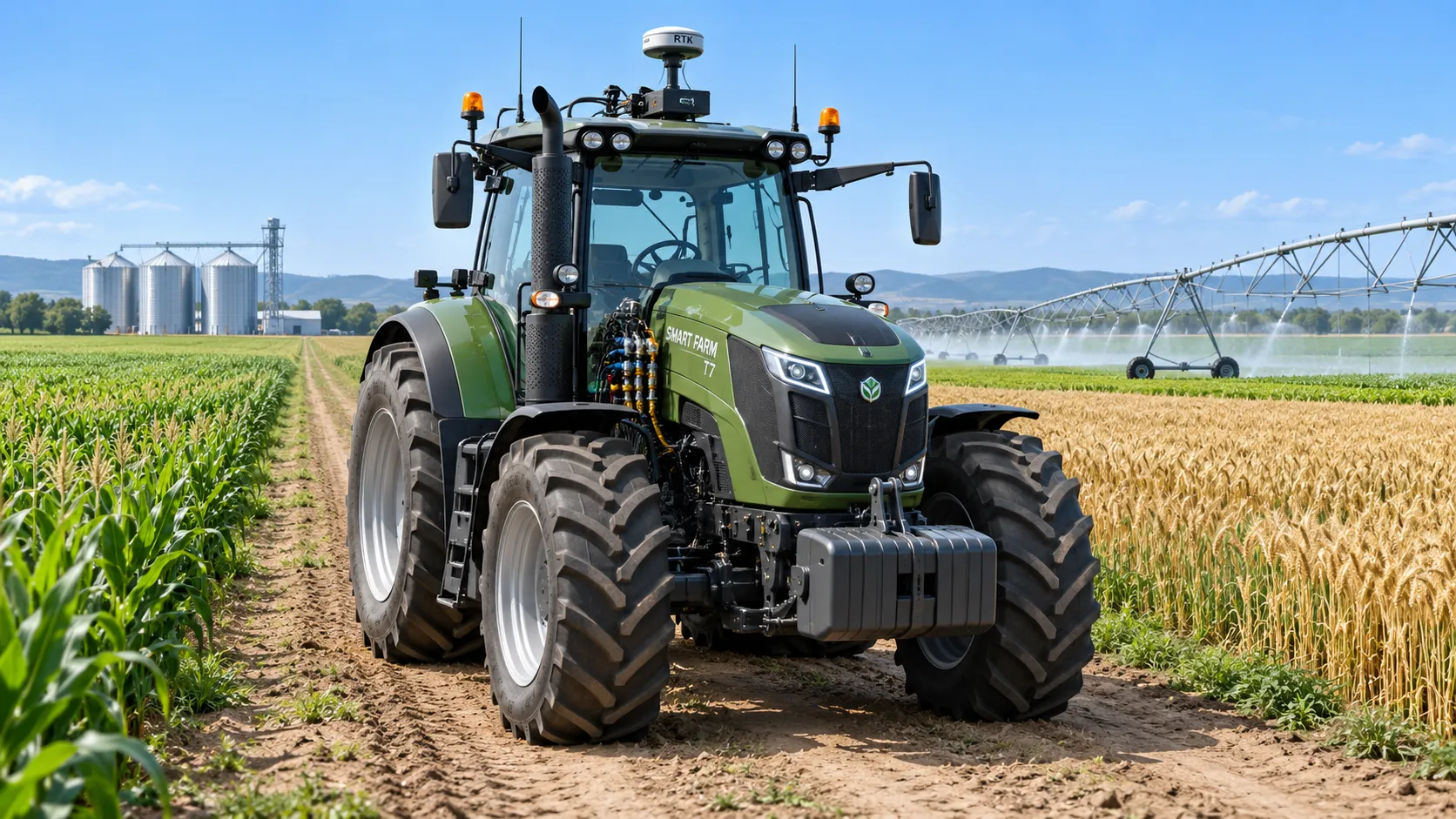
Autonomous tractors, guided implements, robotic sprayers, and intelligent farm tools are increasingly relevant where labor shortages and narrow operating windows threaten productivity.
The primary benefit is not merely replacing drivers. It is completing fieldwork at the right time with repeatable accuracy and less operational variability.
GPS guidance, machine vision, implement control, and sensor feedback reduce overlaps, missed areas, soil compaction, and operator fatigue during long field campaigns.
For business evaluators, the return case depends on utilization. Autonomous machinery becomes more compelling when equipment can work longer hours across large acreages.
It also improves input efficiency when paired with prescription seeding, variable-rate fertilization, targeted spraying, and controlled traffic farming systems.
However, autonomy should not be assessed as a standalone purchase. Connectivity, safety protocols, field mapping, dealer support, and operator retraining determine adoption success.
The strongest fit is large-scale grain, oilseed, and industrial crop production where standardized fields allow predictable machine routes and high annual operating hours.
In fragmented farms, partial automation, assisted steering, and intelligent implements may deliver better near-term returns than full autonomy.
Low-Loss Harvesting: The Fastest Way to Recover Food Already Grown
Harvest losses are often underestimated because they occur after major production costs have already been incurred. Reducing losses directly increases marketable output.
Modern combine harvesters improve food security by capturing more grain through better threshing, separation, cleaning, residue handling, and real-time loss monitoring.
In commercial terms, low-loss harvesting can produce immediate returns because each percentage point of loss reduction converts into saleable grain.
This makes combine performance especially important in regions facing climate-driven harvest compression, lodging, variable crop moisture, and sudden weather disruptions.
Evaluators should compare header flexibility, feeding consistency, cleaning capacity, grain damage rates, fuel use, and adaptation across crops and field conditions.
Dynamic loss sensors and operator dashboards are valuable only when teams are trained to calibrate machines and respond to changing crop conditions.
The risk is that advanced hardware becomes underused if maintenance, calibration, spare parts, or operator incentives are weak during harvest pressure.
For food security planning, low-loss harvesting is one of the most practical solutions because it protects production without requiring more land.
Precision Input Management: Lower Waste, Better Margins, Stronger Compliance
Fertilizer, seed, and crop protection costs now represent major financial exposure. Climate-smart management reduces waste while maintaining or improving agronomic performance.
Variable-rate application uses yield maps, soil testing, remote sensing, and prescription algorithms to apply inputs where they create the greatest response.
The value proposition is strongest where fields show high variability, input prices are elevated, or environmental rules restrict nutrient runoff and chemical overuse.
For food security, efficient input management helps sustain production when fertilizer supply chains, fuel prices, or credit availability become uncertain.
Business evaluators should examine whether prescriptions are based on credible agronomy or simply generated from generic satellite imagery.
They should also check compatibility with spreaders, planters, sprayers, rate controllers, and farm management platforms before committing to software subscriptions.
The best systems combine data analytics with practical machinery control, allowing prescriptions to become field actions rather than reports that remain unused.
Precision input management may deliver slower payback than harvest loss reduction, but it strengthens margin resilience across repeated seasons.
Climate Intelligence and Field Data Platforms: Useful Only When Decisions Change
Climate intelligence platforms aggregate weather forecasts, soil data, crop models, satellite imagery, and machine records to support planning and risk management.
They help operators decide when to irrigate, plant, spray, harvest, service equipment, or shift resources across multiple farms.
For executives and investors, the commercial value lies in reducing uncertainty, improving asset allocation, and building evidence for financing or insurance discussions.
However, data platforms should not be purchased because dashboards look sophisticated. They create value only when they change decisions consistently.
Evaluation should ask which decisions the platform improves, who uses the information, and how quickly recommendations reach machines and field teams.
Integration with telemetry from tractors, combines, irrigation systems, and sensors is increasingly important for building a complete operational picture.
The biggest concerns are data ownership, model transparency, cybersecurity, subscription escalation, and weak localization for specific crops or microclimates.
When properly governed, climate intelligence becomes the decision brain connecting equipment performance, water strategy, crop risk, and food security planning.
Soil Health and Conservation Systems: Strategic, but Slower to Monetize
Conservation tillage, cover crops, residue retention, crop rotation, and controlled traffic farming improve soil structure and reduce erosion risk.
These practices strengthen long-term resilience by improving water infiltration, organic matter, biological activity, and field trafficability after heavy rainfall.
For food security, healthy soils buffer crops against drought and extreme rain, reducing the probability of severe production shocks.
The challenge for business evaluators is that benefits may accumulate gradually and can be harder to isolate in annual financial statements.
Mechanization choices still matter. Suitable seeders, residue-capable planters, controlled traffic systems, and low-disturbance tools make conservation systems operationally feasible.
Returns are strongest where soil degradation is already reducing yields, where erosion regulation is tightening, or where water retention has clear value.
These solutions should be assessed as long-term risk management rather than quick capital payback, especially for asset-heavy farming enterprises.
They are most effective when combined with precision machinery, rather than treated as a low-technology alternative to modernization.
Electrification and Alternative Power: Promising, but Context Dependent
Electric tractors, hybrid drivetrains, solar-powered pumps, and alternative fuels are gaining attention as farms seek lower emissions and energy independence.
The food security contribution is indirect but meaningful. Lower energy exposure can protect margins and support reliable irrigation or mechanized operations.
Electric equipment currently fits best in predictable duty cycles, smaller implements, controlled environments, dairy operations, and irrigation pumping applications.
For heavy tillage and large-scale harvesting, battery capacity, charging time, field logistics, and machine weight remain important constraints.
Business evaluation should compare total energy cost, charging infrastructure, grid reliability, battery lifecycle, service capability, and downtime risk.
Hybrid tractor chassis and efficient hydraulic systems may offer more practical near-term gains for high-horsepower operations than full electrification.
Solar irrigation can be attractive where diesel is costly, but pump sizing and water governance must prevent unsustainable groundwater extraction.
This category deserves strategic monitoring, but investment timing should reflect local infrastructure rather than global enthusiasm alone.
Which Options Should Come First?
Prioritization should start with the farm’s most binding constraint. The best solution is the one that removes the largest operational risk per dollar invested.
If water is the main threat, precision irrigation and evapotranspiration-based scheduling usually deserve first assessment because they protect yield during stress.
If harvest losses are high, combine optimization, header upgrades, and loss monitoring can deliver rapid production gains from existing cultivated land.
If labor availability limits timely operations, guided machinery, automation layers, and intelligent implements may produce stronger value than additional conventional equipment.
If input cost volatility is the issue, variable-rate application and agronomic decision tools should be prioritized to protect margins.
For multi-location enterprises, climate intelligence platforms can coordinate these choices by revealing which sites need water, machinery, or input intervention first.
The most robust strategy is usually modular. Build a foundation of measurable improvements, then add automation and analytics as operational maturity increases.
Commercial Evaluation Checklist for Climate-Smart Investments
Before approving climate-smart agriculture solutions for food security, evaluators should define the specific risk being reduced and the measurable outcome expected.
A credible business case should include baseline data, seasonal variability, capital cost, operating savings, yield impact, maintenance needs, and expected payback horizon.
It should also identify who will operate the system, who will maintain it, and who is accountable for using the data.
Vendor assessment should go beyond equipment specifications. Local service coverage, parts availability, software support, training quality, and upgrade pathways are critical.
Interoperability is another major factor. Closed systems can limit future choices if machinery, sensors, irrigation controls, and analytics cannot share data.
Financing teams should account for residual value, insurance implications, carbon reporting potential, water compliance, and opportunities for government incentives.
Pilot projects are useful when they test real operating conditions, not carefully selected demonstration plots that avoid common field constraints.
The final decision should compare total system performance rather than isolated features, because food security depends on coordinated execution across the season.
Conclusion: The Best Solution Is a Resilience Stack, Not a Single Tool
Climate-smart agriculture is most valuable when it turns climate risk into manageable operational decisions. That requires machinery, water systems, data, and agronomy working together.
For many commercial farms, precision irrigation and low-loss harvesting offer the clearest near-term contribution to food security and return on investment.
Autonomous machinery and precision input systems become powerful when scale, labor pressure, and data maturity justify the added complexity.
Soil health systems and energy transition technologies strengthen long-term resilience, but their commercial cases must be matched to local conditions.
Business evaluators should avoid ranking technologies by novelty. The better question is which option protects the most yield, water, labor, and margin.
Viewed this way, climate-smart agriculture solutions for food security are not abstract sustainability programs. They are practical investments in production continuity.
The winning strategy is a staged, measurable resilience stack that links equipment performance, intelligent irrigation, field data, and disciplined execution across every season.
Related News
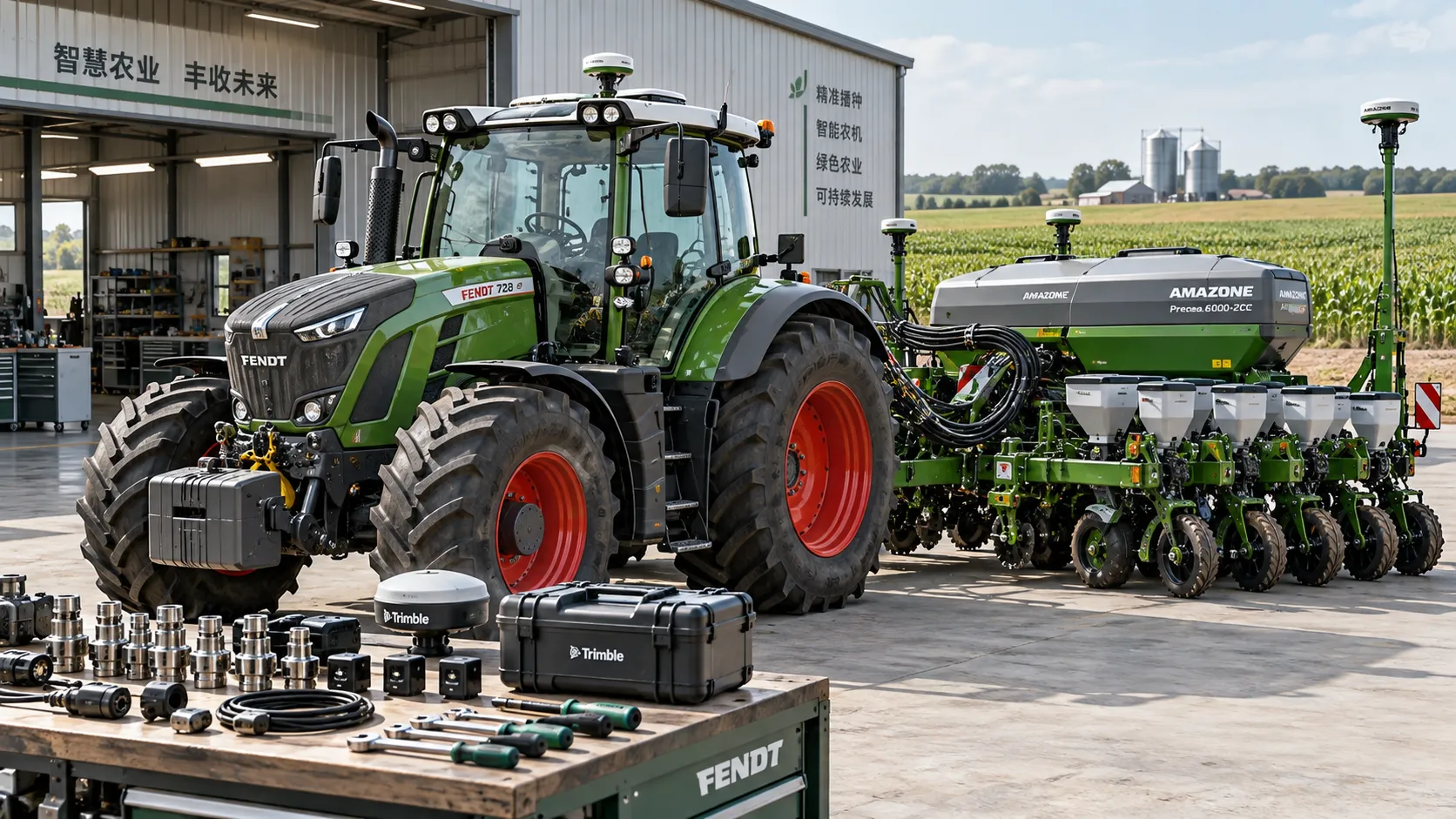
Choosing an Agriculture 4.0 Supplier: Compatibility, Support, and Total Cost
Choose an Agriculture 4.0 supplier with confidence. Learn how to verify compatibility, assess support, and compare total ownership costs to avoid hidden fees and costly downtime.
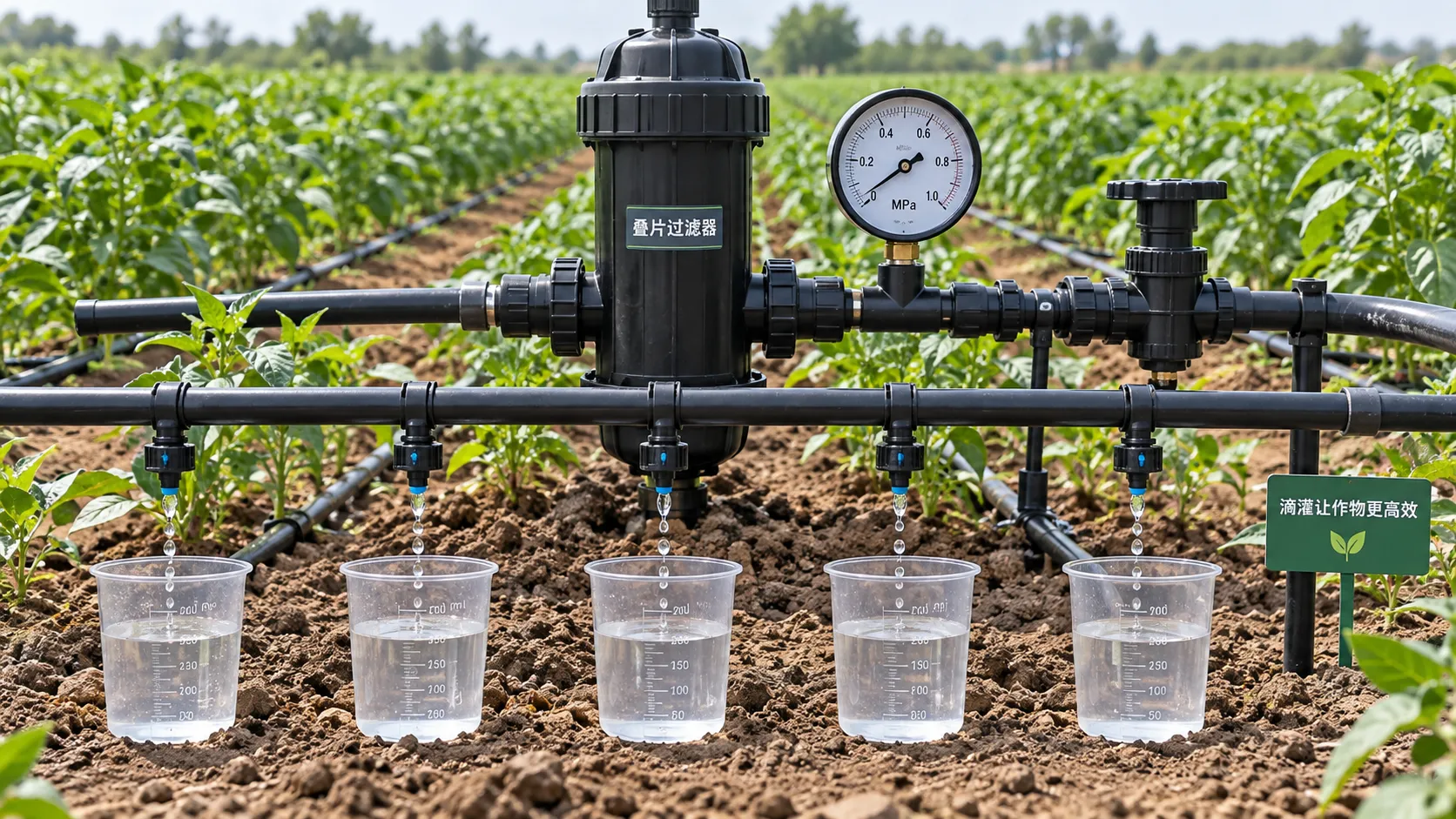
Low-Pressure Drip Irrigation: How to Fix Uneven Watering Without Raising Pressure
Optimize low pressure water-saving irrigation systems: discover how to fix uneven watering, clear blockages, and reduce hydraulic losses without raising supply pressure.
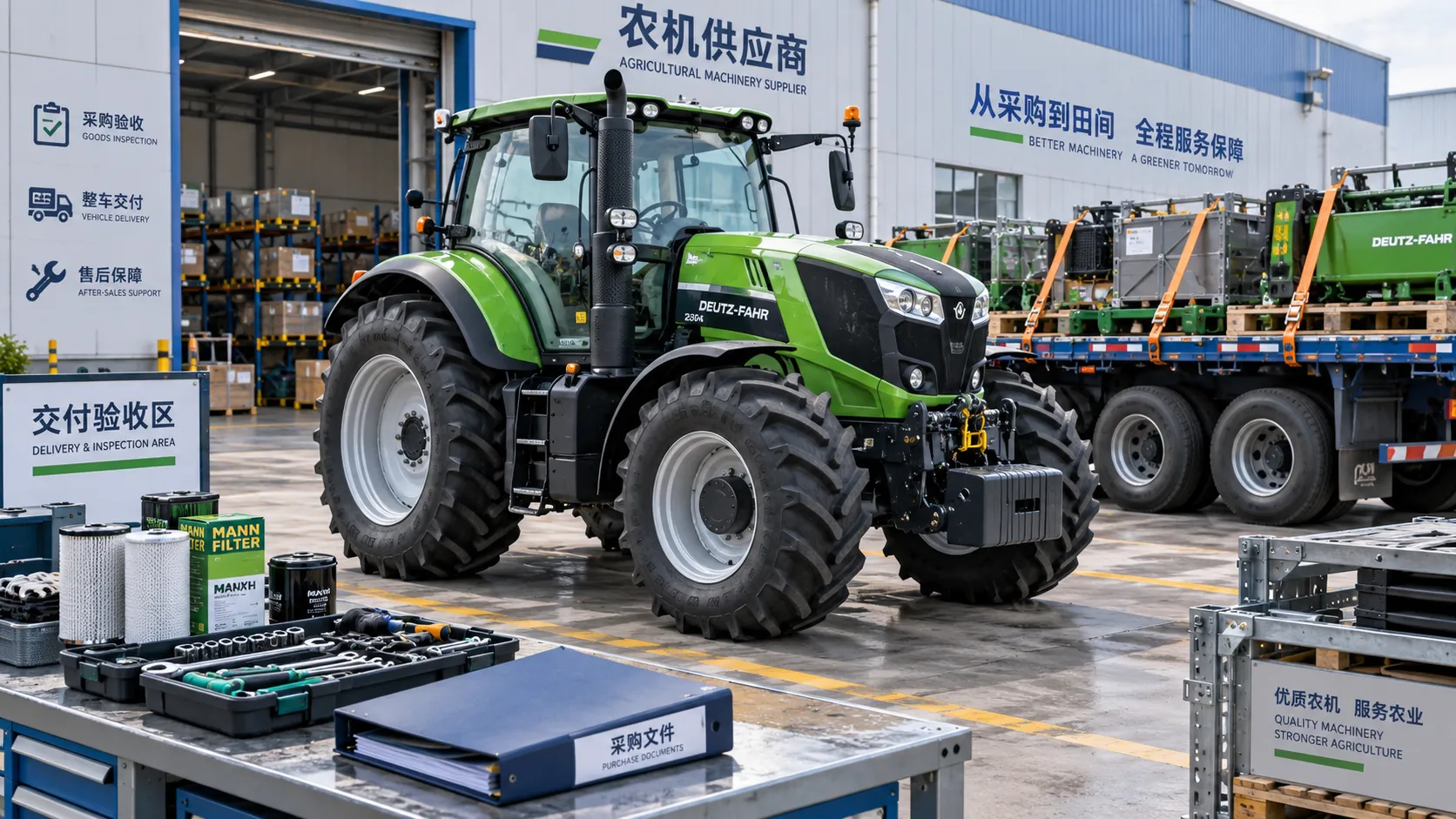
Comparing Farm Equipment Supplier Quotes: Price, Freight, and Warranty
Simplify supplier comparison for farm equipment price: assess freight, field-ready costs, and warranty coverage. Learn how to avoid hidden charges and choose a reliable supplier.
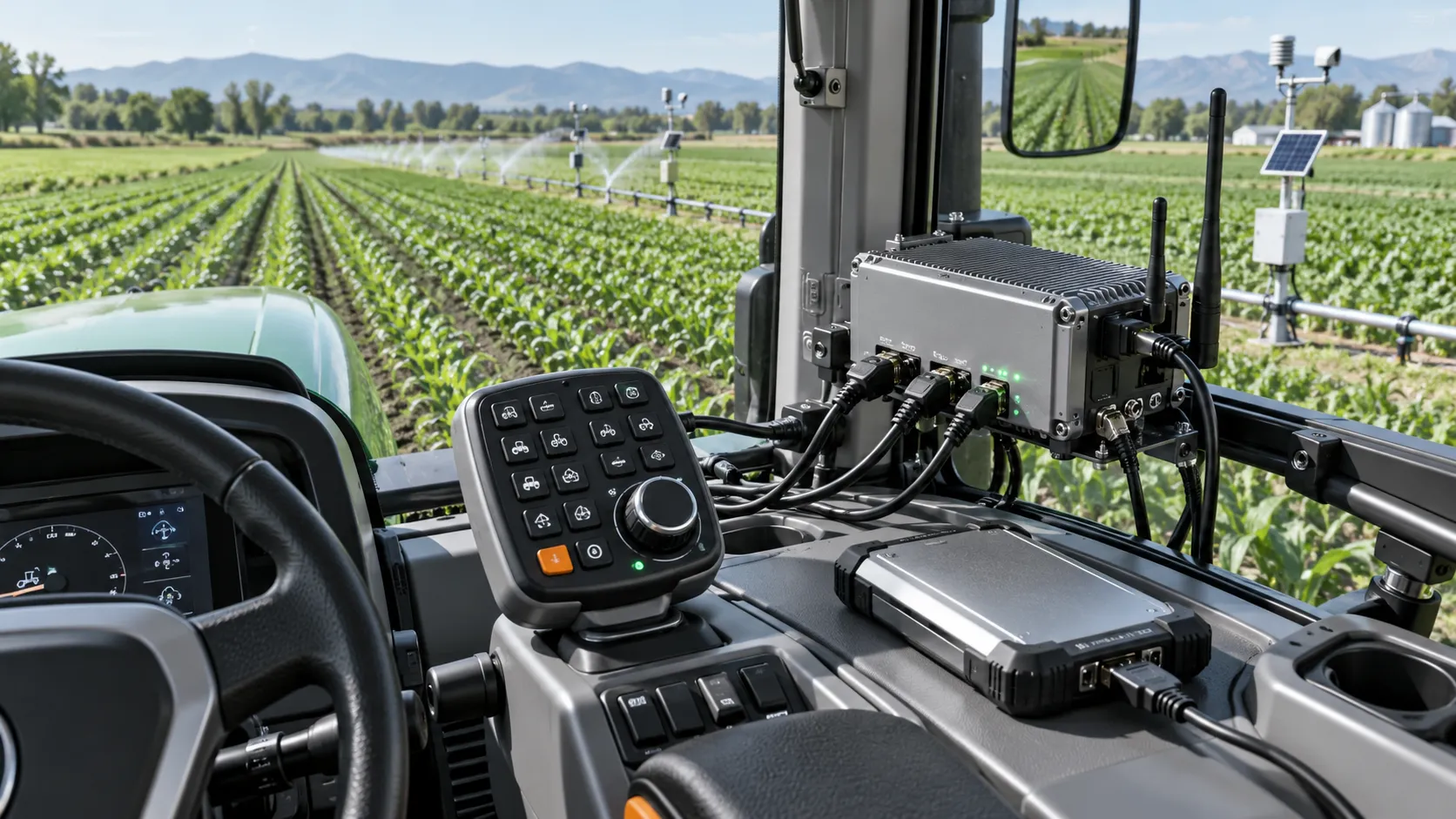
Choosing a Digital Farming Platform Provider: Compatibility and Data Ownership
Compare digital farming platforms providers on equipment compatibility, data ownership, and export rights. Discover practical checks to avoid lock-in and choose with confidence.
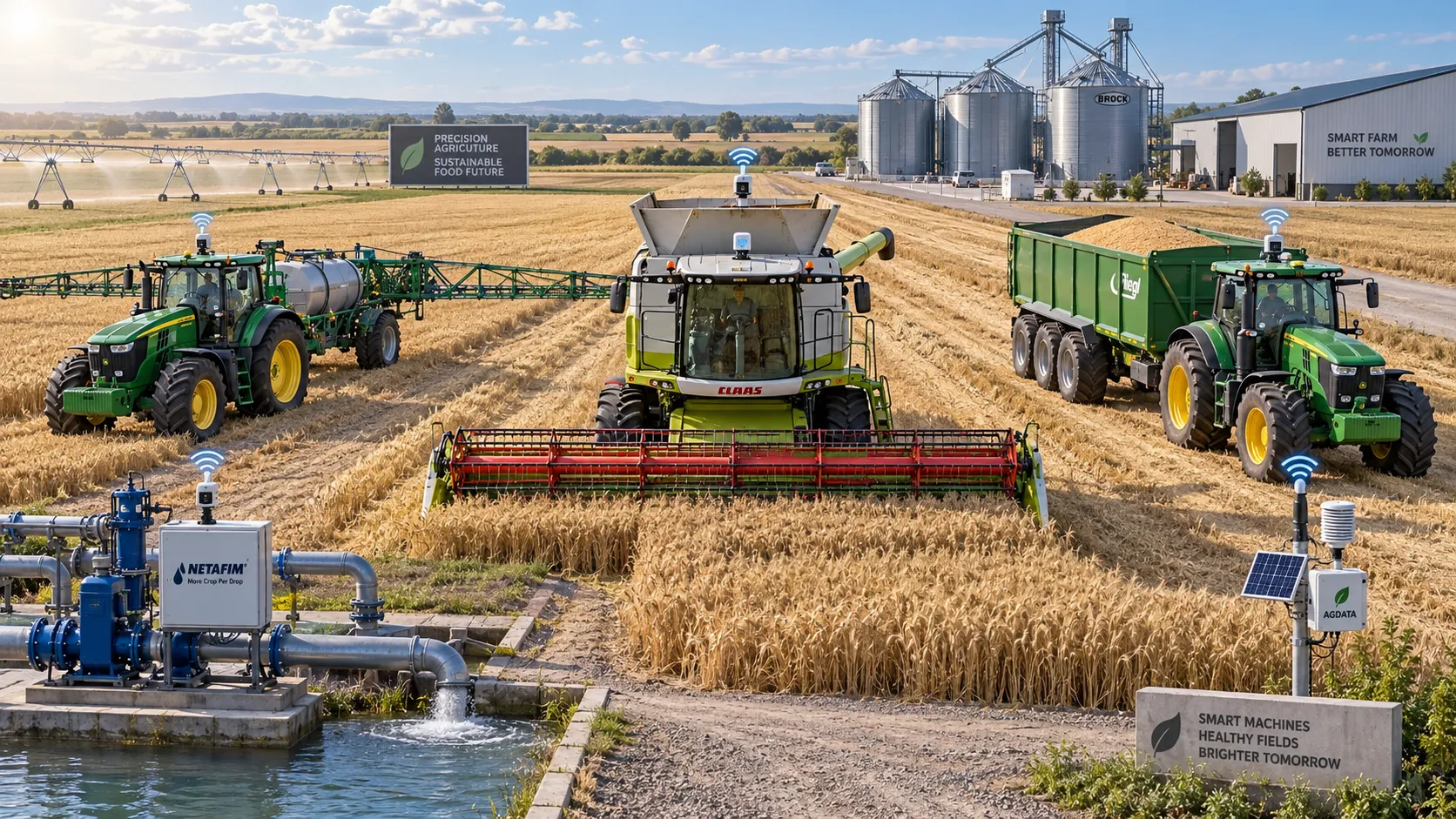
How Large-Scale Farm Telematics Cuts Downtime Across Mixed Fleets
Large-scale farm equipment telematics cuts mixed-fleet downtime with real-time alerts, smarter maintenance, and stronger operational control. Learn how to protect critical farm workflows.
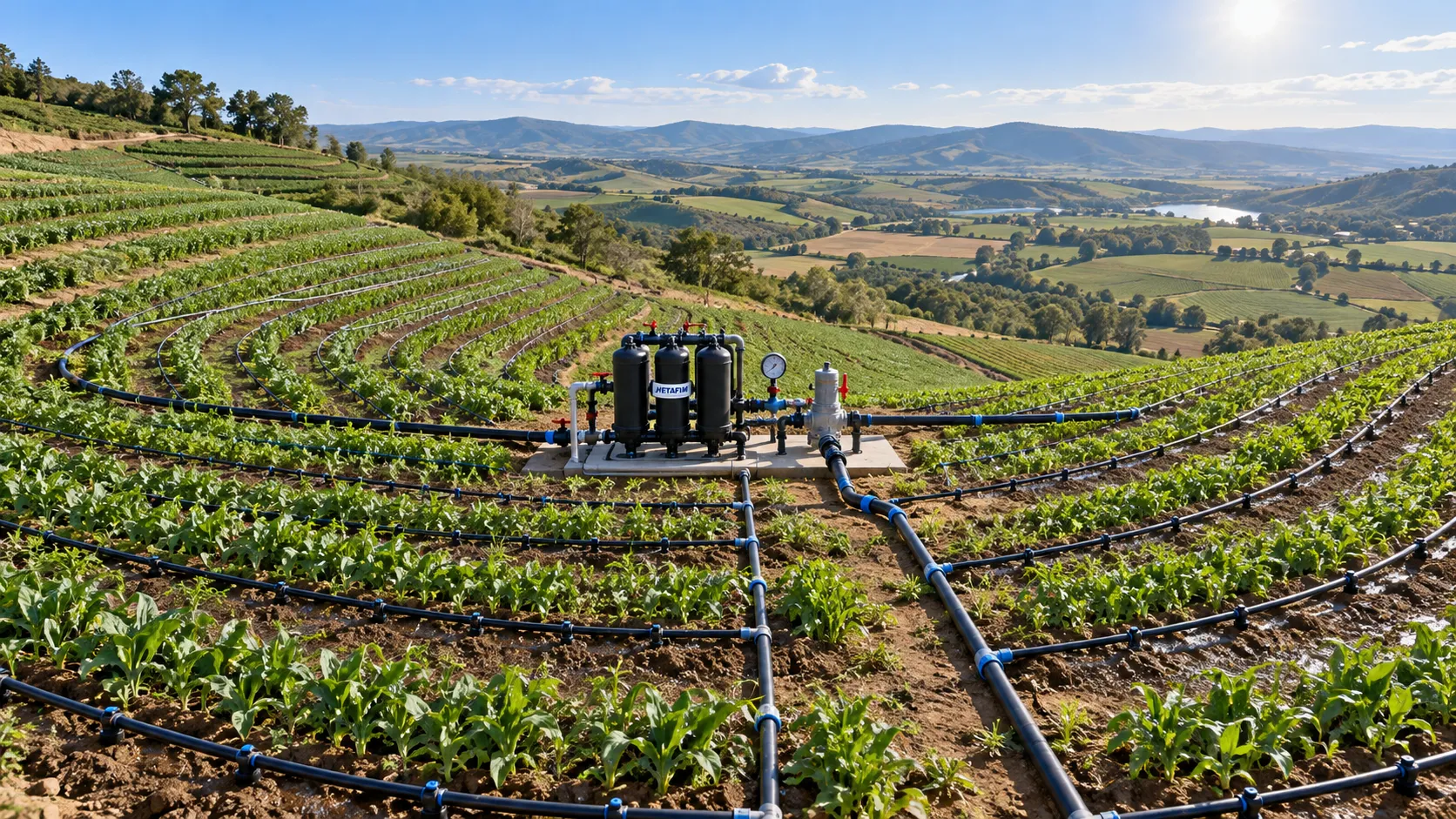
How to Size Low-Pressure Water-Saving Irrigation Systems for Uneven Fields
Low pressure water-saving irrigation systems for uneven fields: learn zoning, pressure mapping, pipe sizing, and pump selection to improve uniformity and reduce water waste.
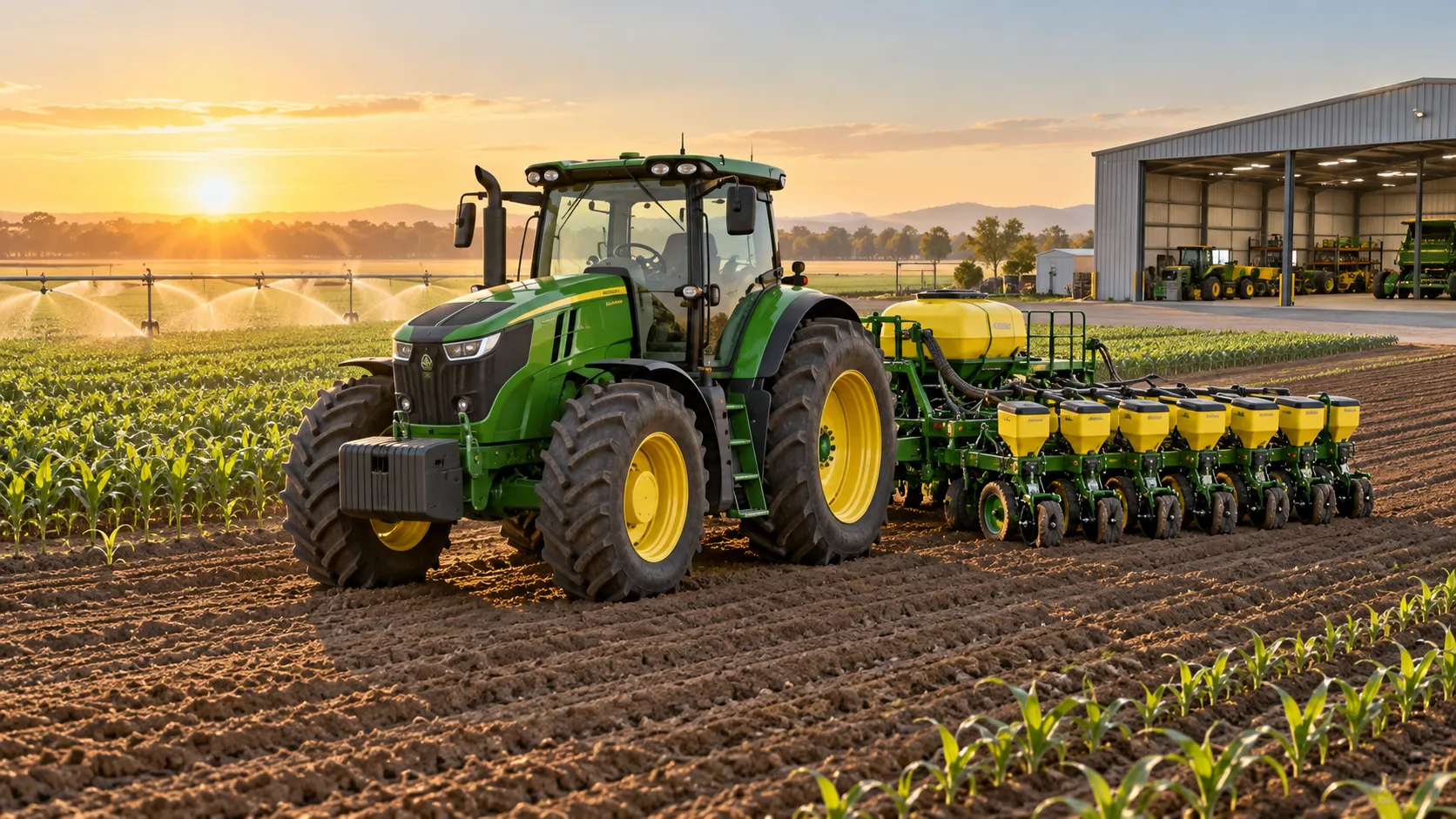
Farm Machinery Sourcing: How to Vet Suppliers, Specs, and Lifecycle Costs
Farm machinery information for sourcing: learn to vet suppliers, compare specifications, control lifecycle costs, and secure reliable uptime for smarter equipment purchases.
How telemetry for agriculture helps identify equipment downtime
Telemetry for agriculture helps detect early warning signs, prioritize maintenance, and reduce costly equipment downtime before field operations are disrupted.
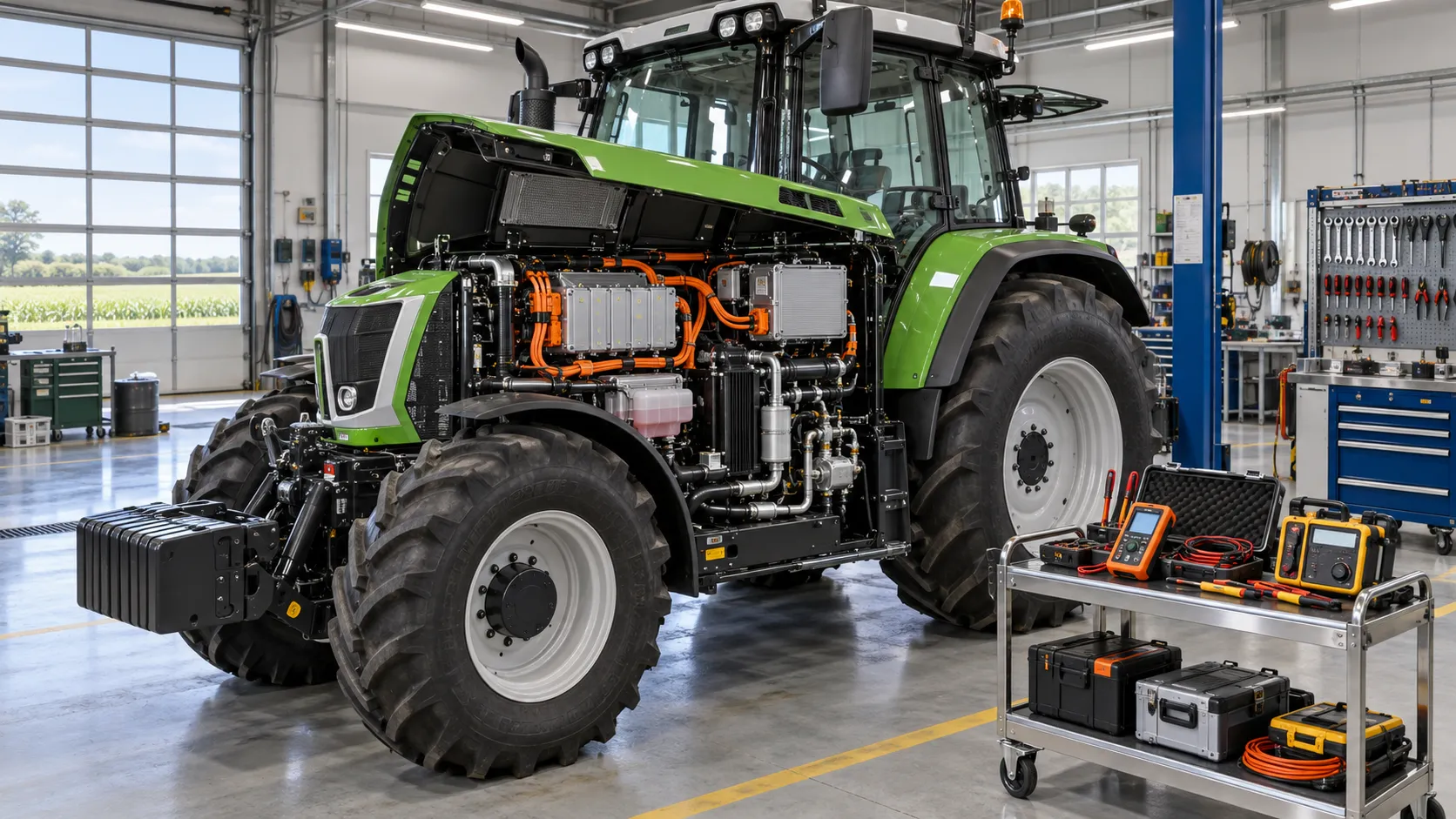
What maintenance challenges come with hybrid agricultural machines?
Hybrid agricultural machines demand smarter maintenance. Discover key challenges in high-voltage safety, batteries, software diagnostics, cooling, and parts planning.
Related News
- 00
0000-00
Choosing an Agriculture 4.0 Supplier: Compatibility, Support, and Total Cost - 00
0000-00
Comparing Farm Equipment Supplier Quotes: Price, Freight, and Warranty - 00
0000-00
Choosing a Digital Farming Platform Provider: Compatibility and Data Ownership - 00
0000-00
How Large-Scale Farm Telematics Cuts Downtime Across Mixed Fleets - 00
0000-00
Farm Machinery Sourcing: How to Vet Suppliers, Specs, and Lifecycle Costs
Popular Tags
Ms. Elena Rodriguez
Weekly Insights
Stay ahead with our curated technology reports delivered every Monday.